


29, Jul 2026
India Moves to Tighten Exam Security with New Anti-Paper Leak Legislation
New Delhi: The Lok Sabha has passed the Public Examination (Prevention of Unfair Means) Amendment Bill, 2026, marking a major step towards strengthening the security and credibility of public examinations across the country.
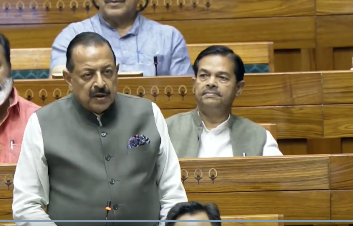
Pic Credit: https://x.com/DrJitendraSingh
The legislation aims to tackle the growing challenge of examination malpractice, including paper leaks and unfair practices, by introducing stronger safeguards and improving accountability within the examination system.
During the discussion in the Lok Sabha, the government said the amendments are focused on protecting the interests of millions of students who appear for competitive and recruitment examinations every year. Union Minister Jitendra Singh highlighted the need for a robust framework to ensure transparency, fairness, and trust in the examination process.
The bill was passed through a voice vote amid disruptions and a heated debate in the House. Despite the political differences, the government maintained that preventing exam-related fraud remains a priority to safeguard students’ hard work and ensure merit-based selection.
The move comes after concerns over examination irregularities in recent years, with students and aspirants demanding stronger measures to prevent leaks and ensure a fair opportunity for all.
With the new amendments, the government aims to build a more reliable examination ecosystem where transparency, accountability, and student confidence remain at the centre of the process.
- 0
- By Neel Achary

26, Jul 2026
Central University of Karnataka Faculty Member Appointed Consultant for International Digital Library Project
Kalaburagi, July 26: A faculty member of the Central University of Karnataka (CUK) has secured an international industry consultancy assignment, marking a significant milestone for the university’s recently established Department of Library and Information Science.

Assistant Professor Raghavendra B. Bonal has been appointed as Project Consultant for Digital Library, Knowledge Management and Information Science Initiatives by Pune-based Calyonix Infotech Pvt. Ltd. The appointment is the department’s first major industry-sponsored consultancy project and includes participation in an international offshore Library and Information Science (LIS) initiative.
Under the consultancy, Dr. Bonal will provide technical expertise in digital library development, knowledge management systems, library automation technologies and project implementation. His portfolio includes work on KOHA and DSpace platforms, RFID-based library automation, solution design, project planning, proposal development, technical reviews, capacity building and implementation support.
As his first assignment, Dr. Bonal has been designated Technical and Library Information Science Project Consultant for an international offshore LIS project valued at approximately ₹25 lakh. He will oversee project conceptualisation, technology assessment, solution architecture, implementation planning, quality assurance and execution support throughout the project lifecycle.
The company clarified that the engagement is consultancy-based and assignment-specific, and does not constitute regular employment. Consultancy terms, including project duration, deliverables and remuneration, will be finalised separately for individual assignments.
Calyonix Infotech has also expressed interest in collaborating with Dr. Bonal on the future application of his patented innovation, “AI-Powered Interactive Smart Book: Text-to-Animation with Language Customisation.” The proposed collaboration aims to explore research, technology transfer and product development for educational technology, digital learning and library innovation.
Congratulating Dr. Bonal, CUK Vice-Chancellor Battu Satyanarayana described the appointment as a matter of pride for the university. He said the consultancy reflected the growing recognition of the university’s academic expertise and demonstrated its ability to contribute to international, industry-driven projects.
The Vice-Chancellor said such collaborations are in line with the objectives of the National Education Policy (NEP) 2020, which promotes innovation, multidisciplinary research, industry-academia partnerships, entrepreneurship, skill development and experiential learning.
He added that the achievement reinforces the university’s commitment to research-based consultancy, global collaborations and providing students and research scholars with greater professional exposure through industry engagement.
25, Jul 2026
Meghalaya Pushes Education Reform with School Rating Framework
Shillong, July 25: The Meghalaya government has launched a new school grading framework covering nearly 11,000 educational institutions across the state, marking a significant step towards improving education standards, strengthening school performance, and creating better learning opportunities for students.
The newly introduced framework aims to provide a comprehensive understanding of the strengths and challenges of schools by evaluating key areas such as academic progress, teaching practices, infrastructure, student support services, learning environments, and institutional development.
Officials said the initiative is designed not only to assess school performance but also to provide guidance and support for continuous improvement. The framework will help identify areas requiring attention, enable targeted interventions, and encourage schools to adopt innovative approaches to enhance the overall quality of education.
By introducing a transparent and structured evaluation system, the government aims to build a more responsive and student-centric education ecosystem. The assessment process is expected to support teachers, school leaders, and administrators with valuable insights that can help improve classroom practices and strengthen educational delivery across the state.
The initiative places special focus on ensuring that schools in both urban and remote areas receive the necessary support to overcome challenges and provide students with a more inclusive and effective learning experience.
Education stakeholders have welcomed the move, highlighting the importance of data-driven planning and continuous evaluation in building a stronger education system. The government has reiterated its commitment to empowering schools, supporting educators, and creating an environment where every student has the opportunity to succeed.
The launch of the school grading framework represents Meghalaya’s broader vision of transforming education through innovation, accountability, and sustained improvement, paving the way for a stronger foundation for future generations.
21, Jul 2026
EThames Business School announces TeenOrator Challenge 2026…
EThames Business School announces TeenOrator Challenge 2026, a first-of-its-kind inter-school communication skills championship for students of Classes IX to XII across Telangana and seek entries from the school
Hyderabad, July 21: EThames Business School, Hyderabad’s premier AI-Native Business School, has launched the TeenOrator Challenge 2026, a first-of-its-kind inter-school communication skills championship for students of Classes IX to XII across Telangana. The initiative seeks to promote future-ready human skills such as public speaking, storytelling and debating—competencies that are becoming increasingly valuable in the age of Artificial Intelligence.
Announcing the challenge, Kali Prasad Gadiraju, Chairman of EThames Business School and former Managing Partner of EY, said, “In a world where AI can write, calculate and analyse, what truly distinguishes people is their ability to communicate, persuade, collaborate and think independently. The future belongs not only to those who possess knowledge, but to those who can communicate it effectively.”
As AI takes over routine tasks, EThames launches statewide hunt for Human Skills. Communication, not coding alone, will define tomorrow’s leaders. These are life skills that set them apart from the crowd stated V.V. Laxmi Narayana, IPS (Retd.), Chief Transformation Officer, EThames Business School
Seven out of ten students fear speaking before an audience. More than 80% of school students have never participated in a debate or public speaking competition. Despite scoring high marks, many students struggle to express their ideas confidently, he shared.
Communication, analytical thinking, creativity and leadership are among the world’s fastest-growing workplace skills, adds Mr Ajit Rangnekar, former Dean of the Indian School of Business
The TeenOrator Challenge 2026, Mr. VV Lakshminaraya says is designed not merely as a competition but as a learning journey that identifies, nurtures and celebrates the next generation of confident communicators, storytellers and debaters. The championship aims to groom young minds into future leaders, innovators and changemakers through structured learning and healthy competition.
TeenOrator equips teenagers with Future Skills, Human Skills, AI-Proof Skills, Leadership Skills and Employability Skills—capabilities that no machine can replace, Kali Prasad added.
The championship comprises three distinct competition tracks. Oratoria is dedicated to public speaking, Narrativa focuses on storytelling, and Dialectica is centred on debating. Students are eligible to participate in any one of these three tracks.
Unlike conventional competitions that evaluate only the final performance, the TeenOrator Challenge follows a unique four-stage qualification process that places learning before competing. Students begin by self-studying the official guidebook for their chosen track. They then submit a one-minute video explaining the key concepts and insights they have learnt from the guidebook, demonstrating understanding rather than memorisation. Shortlisted students are invited to an online interaction with the EThames Selection Committee, where their communication skills, comprehension and potential are assessed. Only those who successfully complete this process qualify to register for the championship, ensuring that every participant enters the competition with a strong foundation in the art and science of effective communication.
The TeenOrator Challenge is more than a competition—it is a talent development initiative. EThames Business School is committed to making the programme inclusive by encouraging participation from both urban and rural schools, with special outreach to government schools. Another important dimension of the competition is that it does not have any language barrier. Students can participate in any of the three languages such as English/Hindi/Telugu.
Each participating government school can nominate up to six students across the three championship tracks. All shortlisted participants will benefit from a structured learning and mentoring programme designed to enhance their confidence, communication ability and leadership potential before the championship.
Unlike conventional competitions that end with prizes, TeenOrator invests in the participants’ growth. Every shortlisted student will undergo a structured training and mentoring programme led by experienced communication professionals. The programme will help participants refine their public speaking, storytelling and debating skills, build confidence, receive expert feedback and maximise their impact during the championship and beyond making the TeenOrator Challenge an educational experience rather than merely a contest.
Many brilliant students remain unnoticed—not because they lack knowledge, but because they lack the confidence to express it. Confidence cannot be downloaded, outsourced or generated by Artificial Intelligence. It is earned through practice, perseverance and experience. TeenOrator is designed to provide exactly that experience.
Schools across Telangana are invited to nominate talented students and encourage them to participate. The nomination process is already underway, and schools and students can submit their nominations until July 28, 2026. Early registration is encouraged so that participants have adequate time to study the official guidebooks and prepare for the qualification process.
Participants are required to submit their one-minute learning video by August 2, 2026. Based on these submissions, shortlisted candidates will be invited for an online selection interview and the list of qualified participants will be announced subsequently
To help students excel in the championship, EThames Business School will organise exclusive training workshops for all qualified participants before August 15, 2026. The Quarter Finals will be held on August 21, 2026, followed by the Grand Finale on August 22, 2026, at the EThames Business School campus in Raidurgam, Hyderabad.
Students can register by completing the online application form.
18, Jul 2026
Kalyan Schools have enthusiastically joined nationwide cultural milestone commemorating 150 years of Vande Mataram
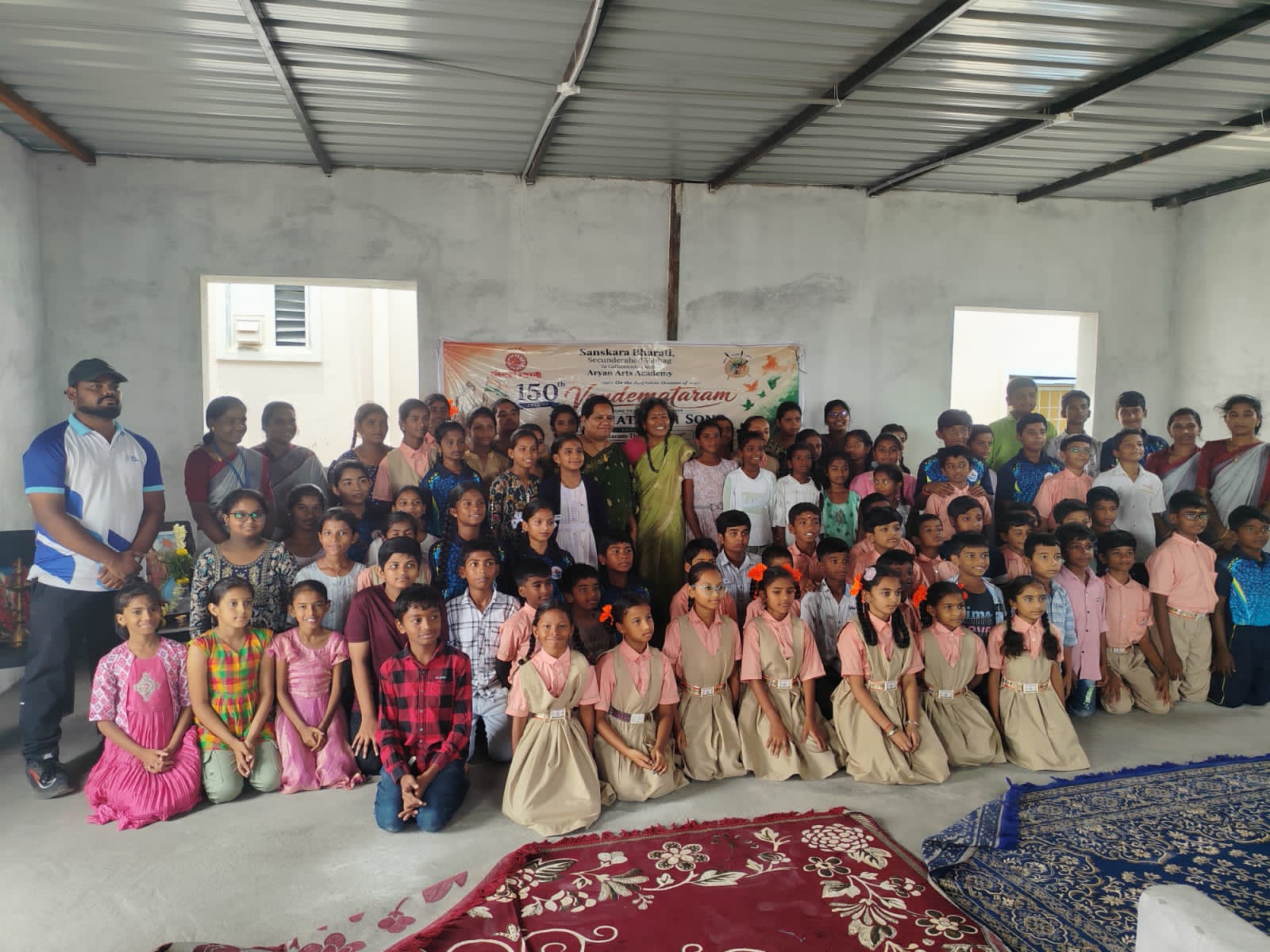
India, Patancheru, July 18: Kalyan School recently organised a grand cultural programme on its Citizen Colony, Patancheru campus to educate students about the glorious history of India, its rich traditions, and the profound sacrifices made by our freedom fighters. The event aimed to instill a deep sense of patriotism, unity, and responsibility among the younger generation, drawing active and enthusiastic participation from the entire student body.
17, Jul 2026
AIR-34 to Raushmit of Allen Classroom Mumbai – 4 students from Allen Mumbai in 1000
Mumbai, July 17: The results of NEET-UG 2026, the country’s biggest medical entrance exam, have been announced. Students from Allen Career Institute Mumbai have once again demonstrated their excellence in the results. Allen Mumbai classroom student Raushmit Gupta achieved an All India Rank of 34, scoring 700 out of 720. Additionally, four Allen Mumbai students are ranked in the 1000.
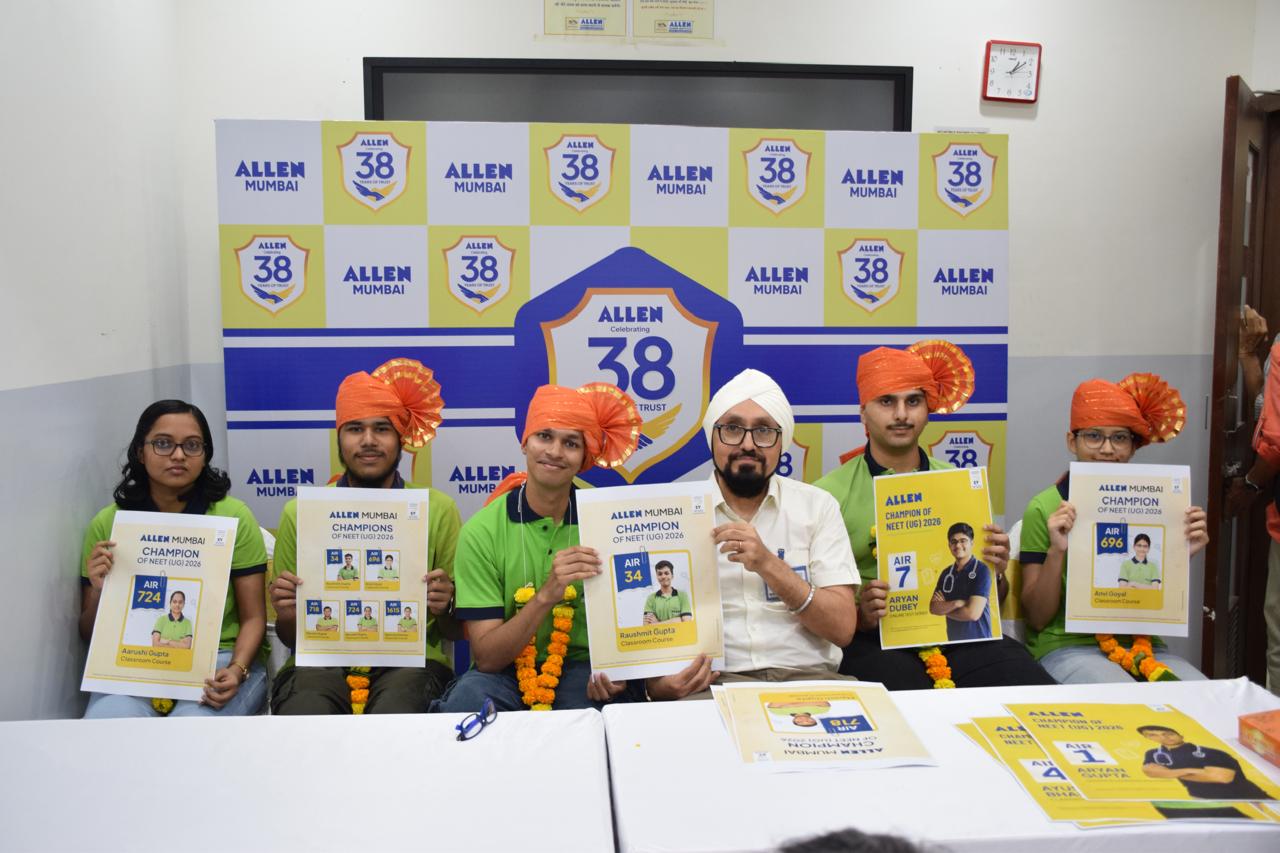
Allen Mumbai Center Head Nehchal Singh Hanspal stated that four students secured ranks in AIR 1000, including Raushmit Gupta AIR 696, Anvi Goyal AIR 696, Manish Gupta AIR 718, and Aarushi Gupta AIR 724. Similarly, 11 students in the top 5000 are from Allen.
He stated that Aryan Gupta and Panshul Bansal jointly scored 715 out of 720 in the national results. Based on the tiebreaker rule, Aryan Gupta was declared All India Rank 1 and Panshul Bansal was declared All India Rank 2. Panshul Bansal has been a regular classroom student at Allen for two years, and Aryan Gupta is a distance learning student at Allen Career Institute.
Additionally, Allen Classroom student Ayush Bhalotia secured All India Rank 4 with 710 marks. Allen Online Test Series student Aryan Dubey secured AIR 7, while Allen Classroom student Gaurav Singh secured All India Rank 9.
Allen CEO Nitin Kukreja congratulated all students and their families on the excellent results. Allen has proved its excellence in the results. In the results seen so far, 5 of the top 10, 10 of the top 20, 23 of the top 50, and 46 of the top 100 students are from Allen. Of these, 36 students are from classroom programs, one from online live classes, and 10 from distance learning and online test series. The NTA released the list of the top 138 students with scores of 690 and above in a press release. Of these, 63 students are from Allen. This includes 50 classroom programs, one from online live classrooms, and 13 from distance learning and online test series.
15, Jul 2026
Bound by Love by Edith Layton now available from Histria Books
Histria Books is pleased to announce the release of Bound by Love by Edith Layton. This novel is published by Histria Romance, an imprint of Histria Books dedicated to outstanding books in the romance genre.
Set in 1745 Virginia and England, Bound by Love follows Jared St. Andrew Bellington, a boy stripped of security and status, whose life becomes entwined with the Kensington family after an act of courage at the docks. What begins as a story of survival grows into an intimate historical romance about identity, class, memory, and the difficult work of deciding who gets to belong.

The novel’s freshness lies in its refusal to treat the past as decorative. Its colonial world is physically vivid and morally unsettled, shaped by indenture, inherited privilege, trade, and the damage done when people are treated as property. Jared’s voice brings real emotional force to questions historical romance often leaves at the edges: how does someone rebuild a self after being denied control over his own life? With its warm family relationships, sharply felt social pressures, and romance rooted in mutual recognition rather than fantasy, Bound by Love offers readers a more searching kind of escapism.
Edith Layton (1938-2009) began her career as a freelance journalist before publishing her debut novel, The Duke’s Wager. She went on to write over 30 novels, winning numerous accolades including the Romantic Times Award for Best New Regency Author. Today, her classic backlist is being brought to a new generation of readers, along with several never-before-published works.
Bound by Love by Edith Layton, 268 pp., ISBN 978-1-59211-641-6 is available at HistriaBooks.com and from all major book retailers. This title is available as print on demand through Simon & Schuster. This title is also available as an eBook. For information on publishing with Histria Books, please visit HistriaBooks.com or contact us at info@histriabooks.com.
13, Jul 2026
Red SchoolHouse Begins Its First Academic Session in Bengaluru with Singapore-Trained Educators
Bengaluru, July 13: Singapore-origin preschool Red SchoolHouse (RSH) has commenced its first academic session in Bengaluru, welcoming its inaugural batch of young learners while bringing over 22 years of internationally recognised early childhood education expertise to India.
Following the launch of its first Indian campus in May, the school has taken another significant step in delivering its globally established standards by preparing its Bengaluru teaching team through an intensive training programme conducted by Red SchoolHouse Singapore. The programme equipped educators with the school’s curriculum, teaching philosophy, classroom practices, daily routines and relationship-centred approach, ensuring that children in Bengaluru benefit from the same learning experience that has guided generations of young learners in Singapore.
At the heart of the school’s philosophy is the belief that meaningful learning begins with strong relationships and emotionally secure environments where every child feels seen, valued and encouraged to explore. Through the intensive training, educators gained hands-on experience in creating engaging classrooms, observing each child’s unique developmental journey and fostering curiosity, confidence and independence through everyday interactions.
The training also introduced the Bengaluru team to Red SchoolHouse’s SPICE Approach Programme, which nurtures every child’s Social Emotions, Personality, Intellect, Creativity and Experiences. Guided by the philosophy, “Settling the Heart, Defining Your Child,” the programme goes beyond academic readiness to help children develop essential life skills, emotional resilience, creativity and a lifelong love for learning.
The Bengaluru campus reflects these principles through a nurturing learning environment, a 1:6 teacher-child ratio, personalised attention and child-led learning experiences that encourage exploration while supporting every child’s individual pace of growth.
Speaking on the commencement of the school’s first academic session in India, Rachel Goh, CEO & Founder, Red SchoolHouse, said:
“The beginning of our first academic session in India is a proud milestone for Red SchoolHouse. Every child deserves a learning environment where they feel safe, confident and inspired to discover the world around them. That experience begins with well-prepared educators. By investing in comprehensive training for our Bengaluru teaching team, we are ensuring that families experience the same philosophy, care and quality that have defined Red SchoolHouse in Singapore for more than 22 years.”
Founded in Singapore in 2004, Red SchoolHouse has built a strong reputation for its holistic, child-centred approach to early childhood education. With the Bengaluru campus now welcoming its first cohort of learners, the school marks the beginning of its long-term vision to bring internationally inspired preschool education to families across India.
As Red SchoolHouse continues its India journey, it remains committed to investing in educator development, meaningful parent partnerships and nurturing learning environments that empower every child to grow with confidence, curiosity and joy.
13, Jul 2026
Narayana Schools Student Shresth Suraiya Wins Gold at the 56th International Physics Olympiad 2026
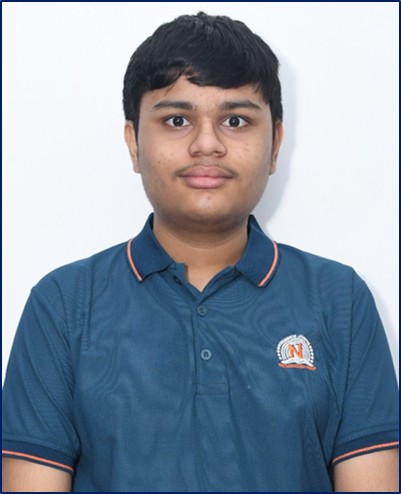
July 13: Narayana Schools is proud to announce that its student Shresth Suraiya has won a Gold Medal at the 56th International Physics Olympiad (IPhO) 2026, held in Bucaramanga, Colombia, representing India on the global stage.
The International Physics Olympiad (IPhO) is the world’s most prestigious physics competition for secondary school students, bringing together the brightest young minds from across the globe. The competition evaluates participants on advanced theoretical and experimental physics, analytical thinking, problem-solving abilities, and scientific reasoning.
This year, all five members of the Indian contingent secured Gold Medals, helping India achieve Joint World Rank #1 alongside China, Kazakhstan, Russia, South Korea, and Taiwan. The 56th edition of the Olympiad witnessed participation from 381 students representing 87 countries, making this achievement even more remarkable.
Adding to this outstanding accomplishment, Shresth Suraiya also secured All India Rank (AIR) 58 in JEE Advanced 2026, reaffirming his exceptional academic excellence and strong foundation in science and mathematics. His dual achievements reflect the dedication, perseverance, and world-class preparation that define Narayana Schools’ academic ecosystem.
Speaking on the occasion, Dr. Sindhura Narayana, Director, Narayana Educational Institutions said:
“We are immensely proud of Shresth Suraiya for his exceptional achievement at the 56th International Physics Olympiad 2026. Winning a Gold Medal on one of the world’s most prestigious scientific platforms, while also securing AIR 58 in JEE Advanced 2026, is a testament to his unwavering dedication, intellectual curiosity, and perseverance. His success is not only a personal milestone but also a proud moment for the entire Narayana family and for India.
At Narayana Schools, we believe that excellence is built through conceptual clarity, disciplined learning, and personalised mentoring. Our Olympiad preparation framework is carefully designed to nurture scientific temperament and help students excel at the highest national and international levels. Over the years, our students have consistently brought laurels to the country across prestigious competitions such as the IPhO, IChO, IBO, IOAA, IJSO, IMO, NMTC, and several other global academic platforms. Shresth’s achievement further strengthens this proud legacy and inspires countless young learners to dream bigger and aim higher.”
Shresth Suraiya’s Gold Medal at the 56th International Physics Olympiad 2026 further strengthens Narayana’s legacy of excellence in Olympiads and competitive examinations. For over 47 years, Narayana’s pillars of Experience, Expertise, and Empathy have empowered students to achieve their Olympiad dreams because, at Narayana, your dreams are our dreams.
12, Jul 2026
Record Participation at SIP Abacus Championship Underscores Growing Interest in Mental Mathematics
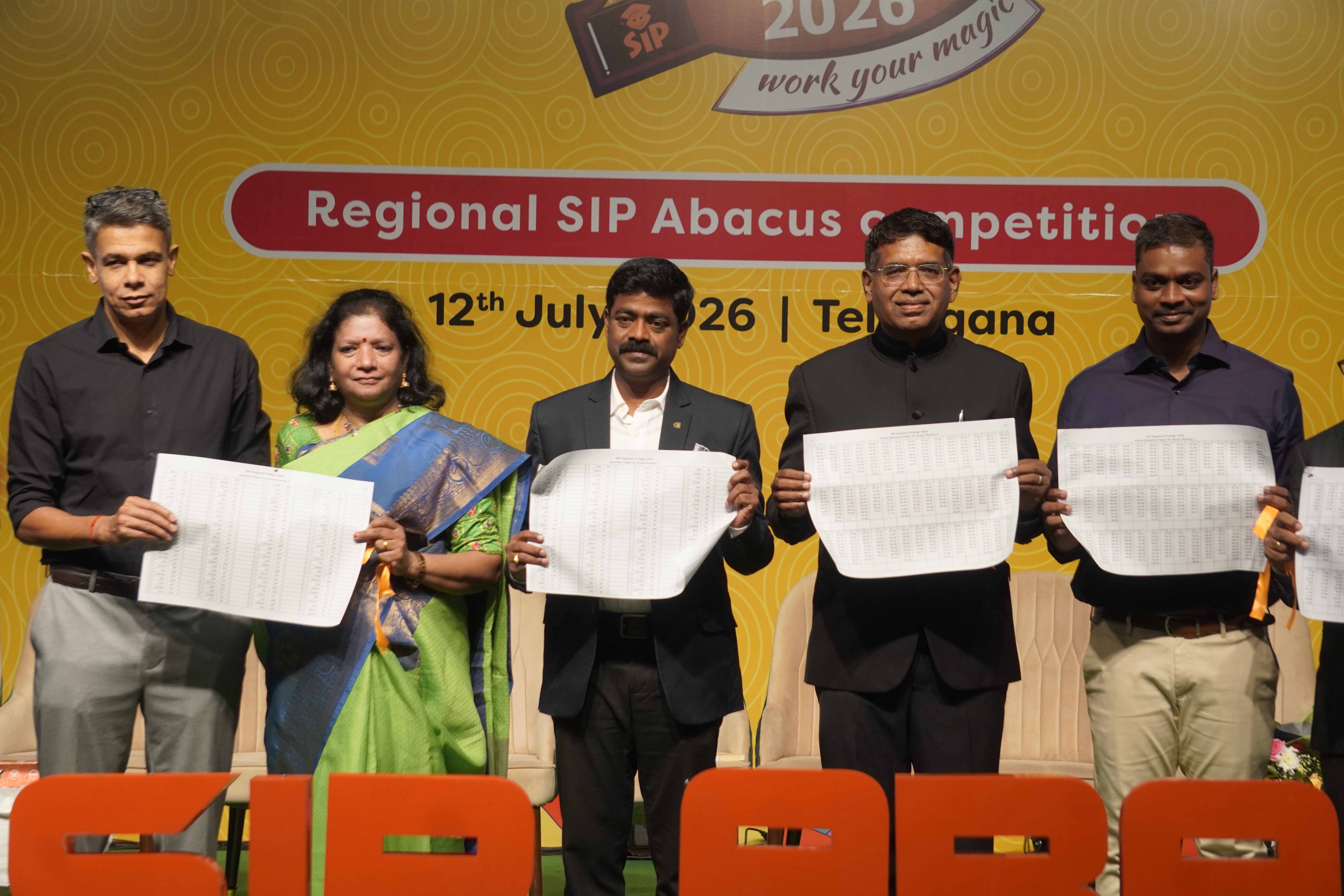
Hyderabad, July 12: More than 3,200 children aged between 5 and 14 years from across Telangana participated in the 22nd Telangana Regional Prodigy Championship 2026, organised by SIP Abacus, one of India’s leading children’s skill development organisations and a six-time Limca Book of Records holder. Held at Classic Convention Three, Shamshabad, the event is regarded as one of Telangana’s largest Mental Mathematics championships.
The championship was inaugurated by Pannuru Prabhakar, Principal, ARCA Global International School, in the presence of Dinesh Victor, Founder and Managing Director, SIP Academy India.
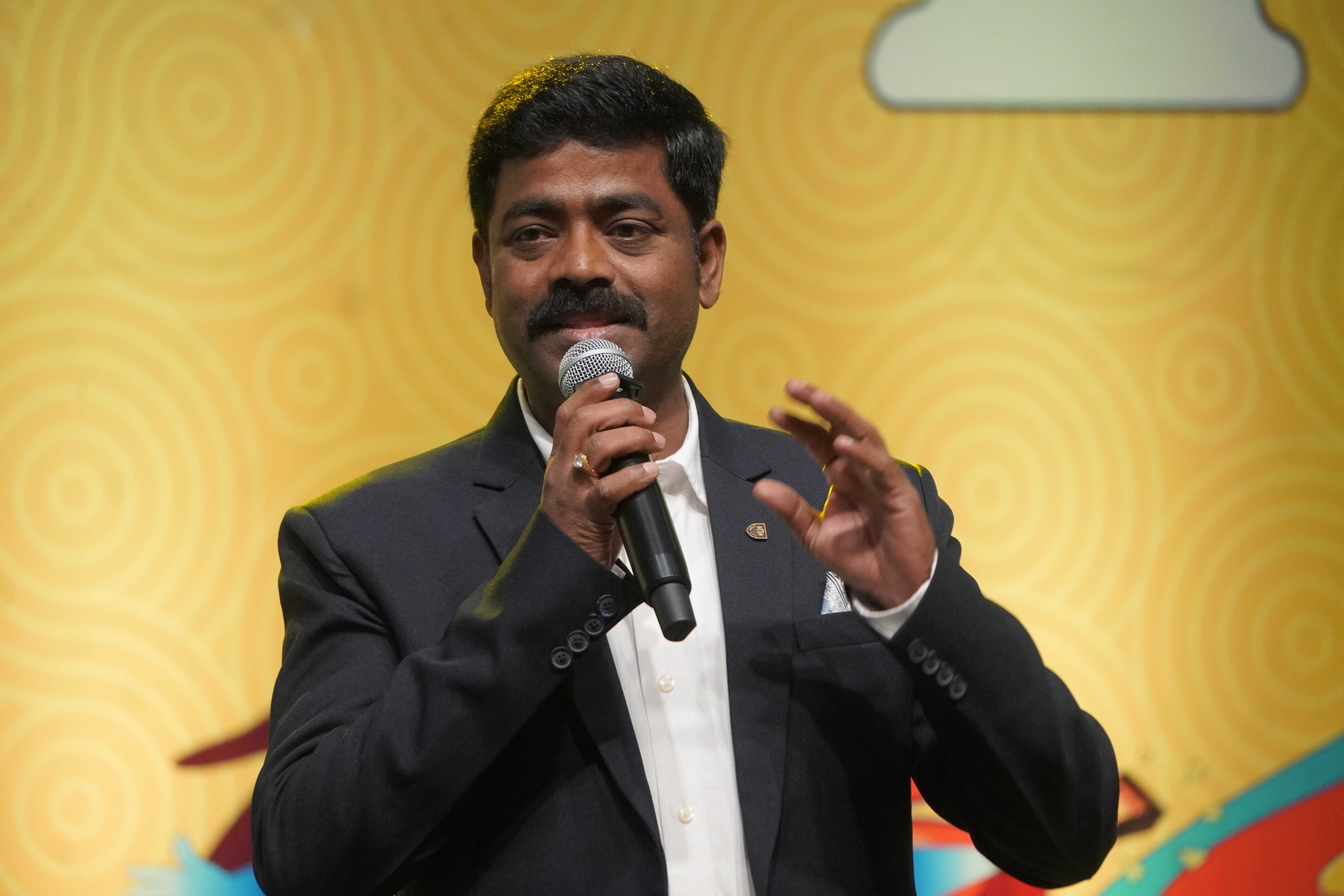
Addressing the gathering, Pannuru Prabhakar highlighted the timeless significance of Mathematics by quoting the renowned Sanskrit verse:
“Yathā śikhā mayūrāṇāṁ nāgānāṁ maṇayo yathā, tadvad vedāṅgaśāstrāṇāṁ gaṇitaṁ mūrdhani sthitam.”
Explaining its meaning, he said, “Just as the crest is the most distinguished feature of a peacock and the jewel is the most prized possession of a cobra, Mathematics occupies the highest position among all sciences and branches of knowledge. Ancient India recognised the importance of Mathematics centuries ago, and its relevance remains undiminished even in the era of Artificial Intelligence.”
Speaking on “Abacus Training in the Age of AI,” Dinesh Victor challenged the common misconception that children no longer need mental arithmetic because computers and Artificial Intelligence can perform calculations instantly.
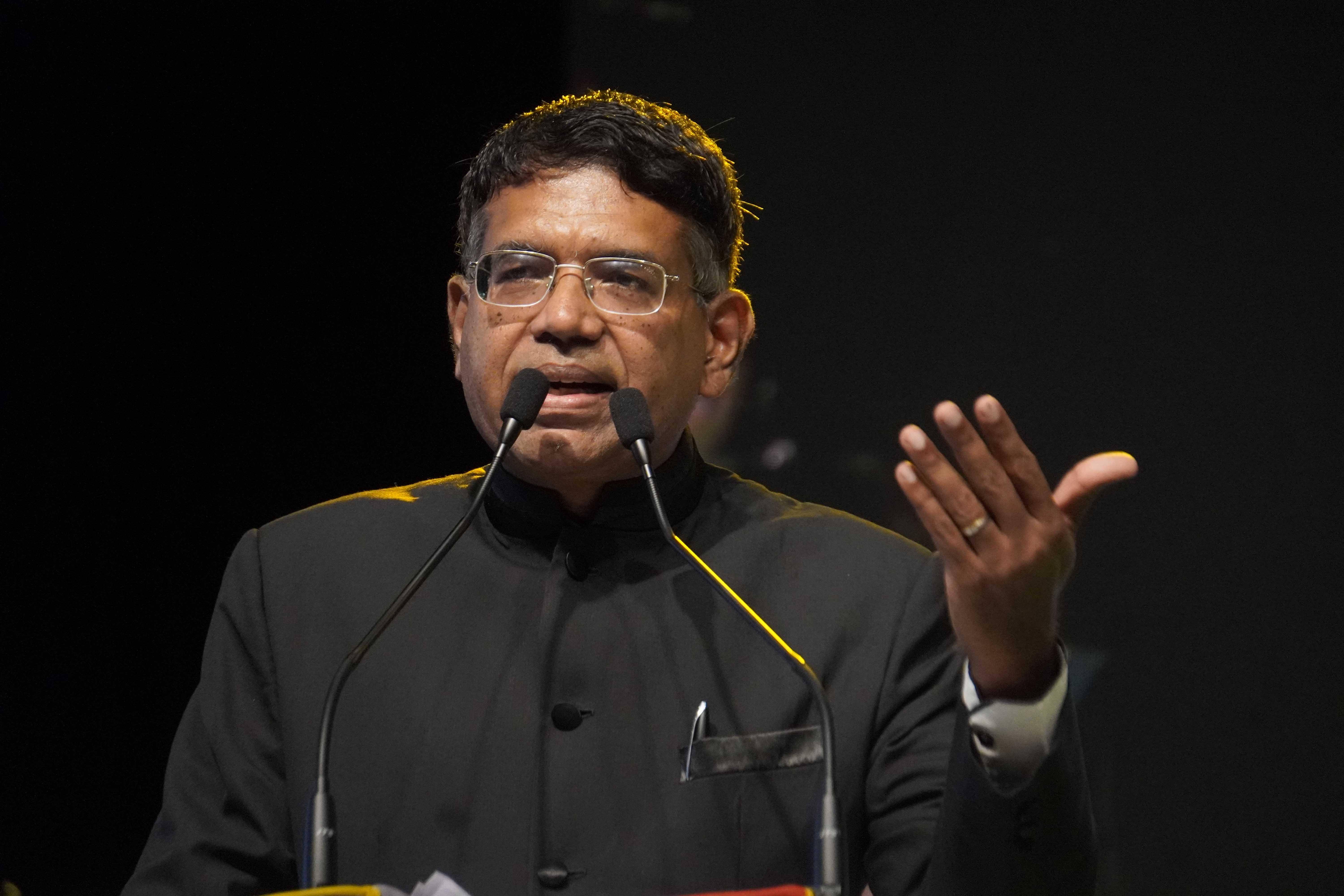
“The reality is exactly the opposite. AI can provide answers, but Abacus training develops the mind that asks the right questions. AI gives information; Abacus builds brain power,” he said.
He explained that Abacus training strengthens concentration, memory, visualisation, analytical thinking and processing speed—fundamental human abilities that technology cannot replace.
“As AI becomes smarter, Mathematics becomes more important than ever. Artificial Intelligence can automate calculations, but it cannot replace reasoning, judgement, creativity or critical thinking. These are the skills children will need to succeed in the future,” he added.
Echoing the same view, Pannuru Prabhakar said, “AI makes calculations easier; Abacus makes thinking stronger. The objective of Abacus education is not merely faster arithmetic but training the brain to focus, process information rapidly and think systematically.”
He observed that in an AI-driven world, children require strong logical reasoning and mental discipline to evaluate information critically and determine whether an answer truly makes sense.
Highlighting the growing challenge of digital distractions, Dinesh Victor said today’s children are growing up surrounded by screens, instant answers and shrinking attention spans.
“Abacus training provides a powerful cognitive workout that enhances concentration, memory retention, visualisation, confidence, numerical ability and overall academic performance,” he said.
Drawing a powerful analogy, he remarked, “AI is like a high-speed vehicle. Abacus helps build a better driver. A powerful machine is useful only when guided by a well-trained mind. In the age of AI, the ability to think will be more valuable than the ability to calculate.”
Concluding his address, he said, “AI may replace manual calculations, but it cannot replace a well-trained mind. That is why Abacus remains relevant—and perhaps more important than ever—in the age of Artificial Intelligence.”
One of the championship’s most anticipated attractions was the Concentration Round, conducted immediately after the main competition.
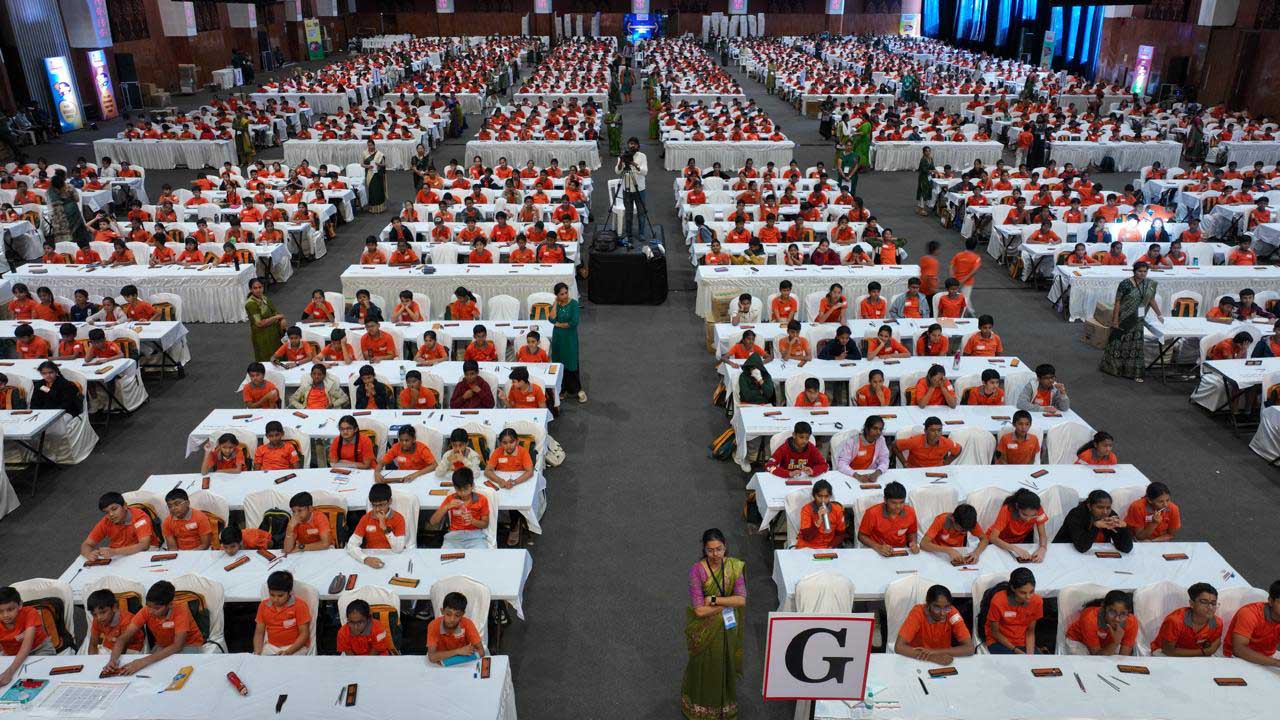
Unlike conventional examinations that demand complete silence, this innovative challenge required children to solve complex mental arithmetic problems while loud music played in the background. Participants sang, danced, moved around and continued solving calculations with remarkable speed and accuracy.
The exercise tested the children’s ability to maintain focus and concentration despite continuous distractions—a cognitive skill that is becoming increasingly valuable in today’s fast-paced, technology-driven world.
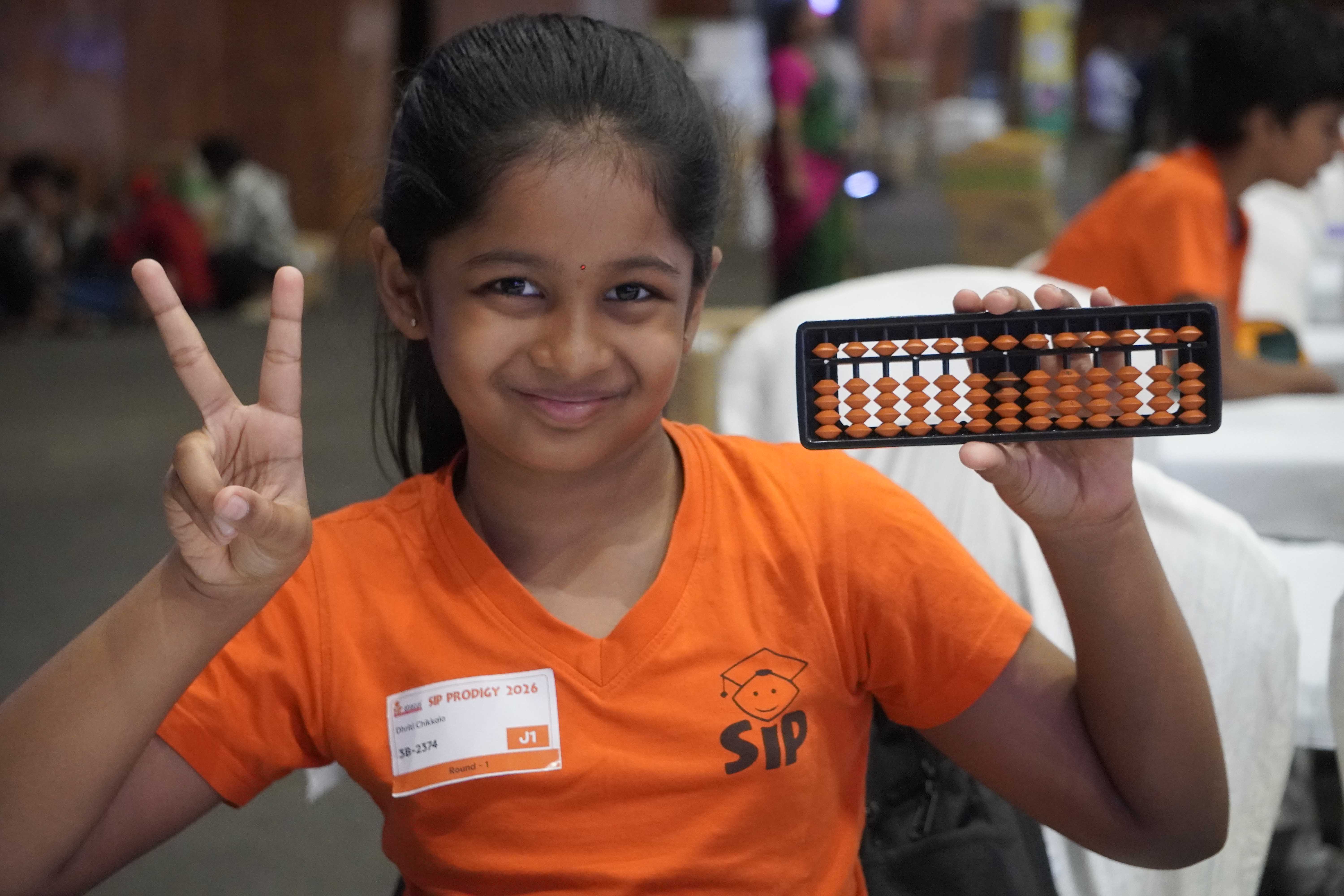
The Regional Prodigy Championship is SIP Abacus’s flagship annual competition, providing young learners with a platform to demonstrate the concentration, memory, speed, accuracy and analytical abilities developed through years of Abacus and Mental Mathematics training.
The record participation at this year’s championship reflects the growing recognition among parents and educators that while Artificial Intelligence can perform calculations, developing strong thinking skills, logical reasoning and mental discipline remains essential for children’s future success.


