


9, Jun 2026
Noida CME Highlights Growing Role of Evidence-Based Nutrition in Clinical Practice
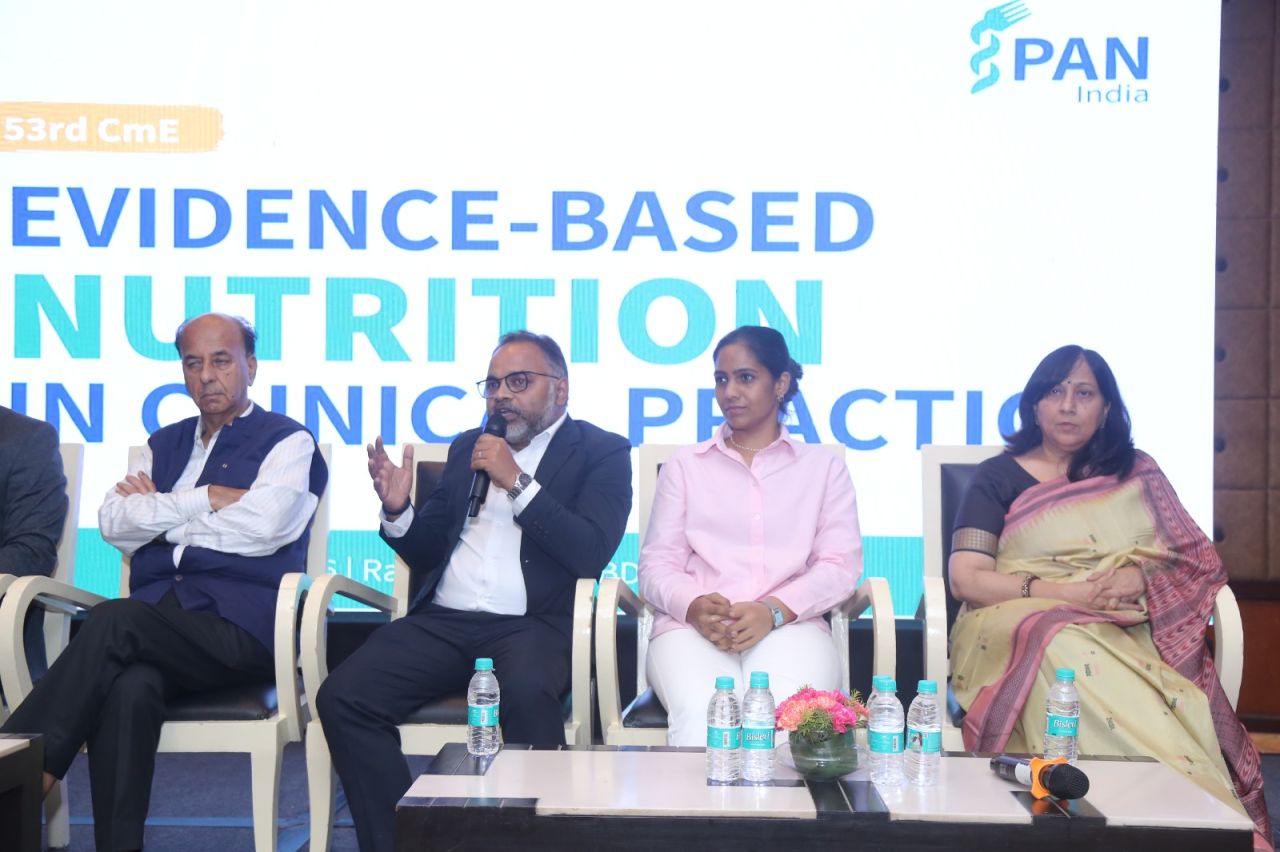
Noida: Close to 150 healthcare professionals, including a large number of practising physicians, gathered in Noida for a Continuing Medical Education (CME) programme focused on the role of evidence-based nutrition in modern clinical practice. The event explored how Whole Food Plant-Based (WFPB) nutrition, Lifestyle Medicine, and scientifically validated dietary interventions can help prevent and manage chronic diseases.
The CME served as an important platform for clinicians to discuss emerging research and practical approaches to integrating nutrition-based strategies into patient care, particularly in addressing rising cases of diabetes, obesity, cardiovascular disease, and other lifestyle-related conditions.
The highlight of the event was the keynote address by Prof. Dr. Anoop Misra, one of India’s leading experts in diabetes, obesity, and metabolic health. Dr. Misra shared insights from his recently released book, Smart Calories and Common Sense: An Evidence-Based Guide to Indian Diets, which examines key topics including Indian dietary patterns, weight management, ketogenic diets, intermittent fasting, GLP-1 medications, and common misconceptions surrounding diabetes reversal.
During the programme, Dr. Bijli Nanda, Co-Chair of the PAN Delhi/NCR Chapter, presented guidelines for incorporating Whole Food Plant-Based nutrition into clinical practice. The session focused on practical recommendations for healthcare professionals seeking to use nutrition as a complementary tool in disease prevention and management.
An engaging panel discussion moderated by Anjali Nakra, NCR Chair of PAN India, brought together experts to discuss patient outcomes, barriers to adoption, and strategies for integrating evidence-based nutrition into routine healthcare delivery. Participants exchanged experiences and explored opportunities to strengthen nutrition-focused interventions within clinical settings.
Organisers described the CME as a significant milestone for PAN Delhi/NCR, helping deepen clinician engagement, expand the network of healthcare professionals interested in nutrition science, and foster meaningful dialogue around the role of dietary interventions in healthcare.
The organisers expressed gratitude to the PAN Delhi/NCR leadership, programme management team, faculty members, panelists, participants, and supporters whose contributions made the event successful.
Special appreciation was extended to the organising team, including Dr. Manas Sharma, Dr. Sukrit Kumar, Arvind Tiwari, Anjali Nakra, Dr. Bijli Nanda, and Senior Programme Manager Shruti Sharma, for bringing together a diverse healthcare fraternity and delivering the programme within a short timeframe.
The event underscored the growing recognition of nutrition as a critical component of preventive and therapeutic healthcare, while reinforcing the importance of evidence-based approaches in addressing India’s chronic disease burden.
- 0
- By Neel Achary

8, Jun 2026
What Makes the Herbalist and Herbal Practitioner Market a Growing Healthcare Segment

6, Jun 2026
Understanding Congenital Heart Defect Outcomes: Insights from the Heart Institute at Children’s Hospital Los Angeles
Finding out your child has a congenital heart defect (CHD) can come with a lot of emotion, fear, and urgent questions about what the future may hold for your family. But it’s important to know that major advances in heart care have transformed the reality of what it’s like to live with many of these conditions.
Today, the vast majority of babies with a congenital heart defect will reach adulthood.
“For complex CHDs, survival is no longer the main benchmark for success,” says Luke M. Wiggins, MD, cardiothoracic surgeon at Children’s Hospital Los Angeles. “Pediatric cardiac specialty centers have the tools to improve quality of life, promote long-term health, and help kids thrive.”
As a major referral center for the Southern California region, CHLA’s nationally ranked Heart Institute team is well-versed in treating fetal, neonatal, and pediatric patients with even the most challenging heart anatomy.
For families just starting out on their care journey, the Heart Institute team shares what parents should know about congenital heart defect outcomes.
1. No two hearts look the same.
The heart is an incredibly complex organ—which is why the same diagnosis may look completely different from one child to another.
There are more than 35 distinct types of congenital heart defects, and the potential combination of differences is nearly infinite. This is why heart defects often require a personalized treatment approach.
This was true for a young patient named Samuel, whose exceptionally unique heart anatomy required an innovative treatment plan that provided life-saving interventions while allowing him to grow and heal at home before reconstructive surgery.
2. Early detection—and accurate diagnosis—is essential.
While standard fetal imaging, like a 20-week ultrasound, can help to illuminate major structural issues, it’s essential that doctors understand all details of a patient’s anatomy to make the most informed diagnosis. It’s common for families visiting the Heart Institute to be seeking a second opinion after an initial diagnosis at their local hospital.
In the Fetal Cardiac Clinic, renowned specialists in fetal cardiology, congenital heart defects, and prenatal heart care use state-of-the-art diagnostic tools, including 3D/4D ultrasound and fetal echocardiography, to help provide exceptional diagnostic clarity.
Often before patients are even born, a multidisciplinary care team of fetal cardiologists, cardiothoracic surgeons, and interventional cardiologists starts devising a personalized care plan.
Neonatal or pediatric patients may receive imaging in the Catheterization Lab or the Cardiac Imaging Suite, which includes a first-in-the-nation low-field MRI machine that allows unprecedented diagnostic precision.
3. When it comes to complex heart defects, volume matters.
The Heart Institute team conducts an average of more than 14,000 patient visits and 700 cardiothoracic surgeries each year.
Over 50% of neonatal heart surgeries at the hospital are high-risk cases, making CHLA one of the largest complex surgical programs in the country.
“Volume makes specialty centers more effective at understanding risks and complications and optimizing care amidst challenges,” says Dr. Wiggins.
“We have pediatric specialists in every area of cardiac care who are doing open heart surgeries, catheterization procedures, anesthesia, and critical care day in and day out,” he adds. “This is in contrast to specialists at smaller hospitals who may encounter a pediatric patient with complex care needs much more infrequently.”
Additionally, CHLA’s heart team observes a two-surgeon system in the operating room—a rare practice among similar programs.
“This approach allows for a much more fluid management of the many layers of complex congenital operations, which typically results in the operation progressing more quickly,” Dr. Wiggins explains. “For the patient, that means substantially less time under general anesthesia with their heart stopped and on a bypass machine.”
4. Research is the backbone of progress for complex heart care outcomes.
Just a few decades ago, many congenital heart defects were universally fatal. Today, innovations like fetal surgery, minimally invasive catheter-based procedures, and new medical devices have made congenital heart surgeries safer and more effective.
These innovations were made possible through research—and many key treatment breakthroughs and technologies have origins here at CHLA.
35 years ago, Head of Cardiothoracic Surgery and Heart Institute Co-Director Vaughn A. Starnes, MD, developed a new surgical technique to treat a valve abnormality called Ebstein anomaly. The Starnes procedure revolutionized management for critically ill babies with this condition, and a version of the operation is still used worldwide.
Today, the Heart Institute has more than 100 research studies and active clinical trials. Voluntary clinical research helps doctors and scientists learn more about current and investigational treatments and technologies—often before they are widely available—with a focus on solutions specially-designed for the smallest patients.
In 2022, Heart Institute physician-researchers spearheaded the clinical trial that led to FDA approval for a first-of-its-kind Minima Stent, and in 2024, Dr. Wiggins and his team launched a trial for a novel, size-adjustable prosthetic pulmonary valve. Both solutions are designed to be expanded as the child grows, without the need for multiple invasive replacement surgeries.
Most recently, CHLA’s interventional cardiologists started using a miniaturized imaging device that enables them to conduct patent ductus arteriosis (PDA) closures, a repair for a common heart defect in preemies, from right within the baby’s isolette.
5. For complex conditions, comprehensive heart care should continue through childhood.
Some heart defects may resolve on their own or need just one surgery to restore functional heart anatomy, and children will go on to live life without complications. For children with more complex anatomy, comprehensive multidisciplinary care is required as they grow up.
In children with single ventricle disease who have undergone the Fontan procedure—the final stage of a three-part surgical reconstruction—multiple organ systems are affected. Families may receive coordinated care from specialists in Cardiology, Hepatology, Nephrology, Pulmonology, Nutrition, Psychology, nursing, and Social Work.
Home monitoring is also an essential aspect of long-term care for many children—helping them stay safe outside the hospital while ensuring peace of mind for families and providing important data to their care teams.
6. You’re not alone.
It can feel impossible to wrap your head around a tough diagnosis. But working with a trusted team of specialists means your family will have guidance and support every step of the way.
“Early conversations with families are often focused on complexity and survival,” Dr. Wiggins says. “Later, they go home and return to everyday life, and as their surgeon, I might not see the kids again until months or even years later.
Seeing their progress—growing, developing personalities, building relationships—it’s all incredibly rewarding. It’s a powerful reminder of why this work matters.”
|
|
6, Jun 2026
Omnigel associates with Peddi, bringing its presence into a sport-led cinematic narrative
The partnership reflects a growing shift towards brand presence within culturally rooted narratives
India, June 06: Omnigel, Cipla Health’s leading pain relief brand, has announced its in-film association with Peddi, a highly anticipated Telugu sports film featuring Ram Charan and Janhvi Kapoor.
Set in 1980s rural Andhra Pradesh, Peddi brings to life a powerful story of sport, resilience and community. Reflecting these themes, Omnigel has been integrated into the film’s narrative through contextual and natural placements, aligning the brand closely with moments of performance, recovery and endurance.
Omnigel is integrated into the film across several moments, reflecting its presence within a sport-led setting. It is also seen during the film’s central sports sequence, aligning with the broader themes of performance and resilience.
This association builds on Cipla Health’s ongoing efforts to explore formats beyond traditional media, with a sharper focus on platforms that are more culturally rooted and locally relevant. In the case of Peddi, the choice of a regional, sport-led film allows the brand to be part of a narrative that reflects everyday resilience and performance, rather than communicate through conventional advertising formats.
Commenting on the strategic association, Mr. Shivam Puri, MD & CEO, Cipla Health Limited, said: “Pain and recovery are strongly connected to how people live their daily lives, whether through sports or routine activities. At Cipla Health, our key focus with Omnigel has been to build solutions that support sustained movement. Peddi, with its grounding in sport and resilience, reflects this reality in a very natural way, making it a relevant context for us to be part of. Through this association, we are also looking at newer ways of engaging with audiences, where the brand can be present within the environments and stories they relate to.”
With sport at the centre of the film, Omnigel’s presence aligns with the physical demands and recovery associated with it. It also reflects the brand’s relevance in everyday movement and activity.
Omnigel is the leading player in pain relief brand offering solutions for everyday muscle and joint pain. It is designed to provide quick relief and help individuals stay active in their daily lives.
5, Jun 2026
Azara Healthcare Closes the Medicaid Coverage Gap for Safety-Net Providers with Addition of Advocatia
BURLINGTON, Mass. — June 4, 2026: Azara Healthcare, the four-time Best in KLAS provider of population health and value-based care solutions for the safety net, today announced that it has acquired Advocatia, a digital-first public benefits enrollment platform. The combination delivers the first end-to-end Medicaid coverage retention solution — pairing the Azara DRVS platform’s ability to identify and engage at-risk individuals with Advocatia’s strengths in guiding them through application, documentation, and initial enrollment or renewal of Medicaid coverage and other public benefits programs.
Together, the combined solution enables clients to:
– Identify and prioritize patients at risk of losing coverage using Azara DRVS registries and risk stratification
– Engage patients at scale through automated, multi-channel outreach
– Guide patients through the enrollment and renewal process in 75 languages via Advocatia’s self-service digital platform
– Capture documentation and income verification to support redeterminations and new work requirement reporting
– Provide health center staff and navigators real-time visibility into patient progress and completion rates alerting and allowing them to intervene when additional help is needed
The move comes as community health centers, hospitals, and other safety-net providers prepare for one of the most significant coverage shifts in a generation. Under the One Big Beautiful Bill Act (HR.1), more than 7.6 million Americans are projected to lose Medicaid coverage by 2034, and 80-hour monthly work requirements take effect in January 2027. The financial stakes for safety-net organizations are immediate. Hospitals are estimated to have delivered over $36 billion in uncompensated care to uninsured patients in each of the past 3 years, underscoring the growing pressure on providers caring for vulnerable populations. Compounding the challenge, the National Association of Community Health Centers (NACHC) projects HR.1 will reduce community health revenue by $7 billion annually due to increased uncompensated care — a level of strain that could force 1,800 site closures and 34,000 job losses nationwide.
“Our clients have been telling us the same thing for months: they need help ensuring that all patients still eligible for Medicaid coverage successfully re-enroll before deadlines and coverage loss,” said Jeff Brandes, President and CEO of Azara Healthcare. “Integrating Advocatia into the Azara platform closes that last mile by providing a single, connected workflow which moves a patient from identification, to outreach, to completed application, to coverage. That’s a meaningful step forward for the millions of patients who rely on safety net organizations for care.”
Azara’s solutions, including the Azara DRVS platform, Azara Care Connect (ACC), and Azara Patient Outreach (APO), already help more than 1,000 safety-net provider organizations identify and engage patients who are at risk of falling off the Medicaid rolls during reenrollment periods. Clients include community health centers, rural and critical access hospitals, primary care associations, clinically integrated networks and health plans across all 50 states. Advocatia adds the final, essential layer. Its digital, guided enrollment experience walks patients through enrollment in Medicaid, SNAP, and more than 1,000 additional public benefit programs, with built-in tools for document collection, application completion, and follow-up.
Advocatia brings a decade of experience working with hospitals, providers, and health plans, with more than 5 million patients having accessed the platform. The company reports industry-leading metrics including 93% application submission rate among users who begin the process, 86% approval rate on submitted applications, and 33% reduction in application completion time.
“Advocatia was built on the simple belief that no one should lose coverage because the process is too hard to navigate,” said Ryan Brebner, Co-Founder and CEO of Advocatia. “Joining Azara lets us deliver on that mission at a scale we couldn’t reach alone. Azara already has trusted relationships with the safety-net providers and health plans serving the communities we’re built to help, and together, we can make sure those individuals don’t just get identified but stay covered.”
The combined Azara and Advocatia solution is available to Azara clients immediately, with several additional capabilities planned throughout 2026 and into 2027.
4, Jun 2026
Multiangle Simulations Uncover How Neutrinos Can Help or Hinder Supernova Explosions
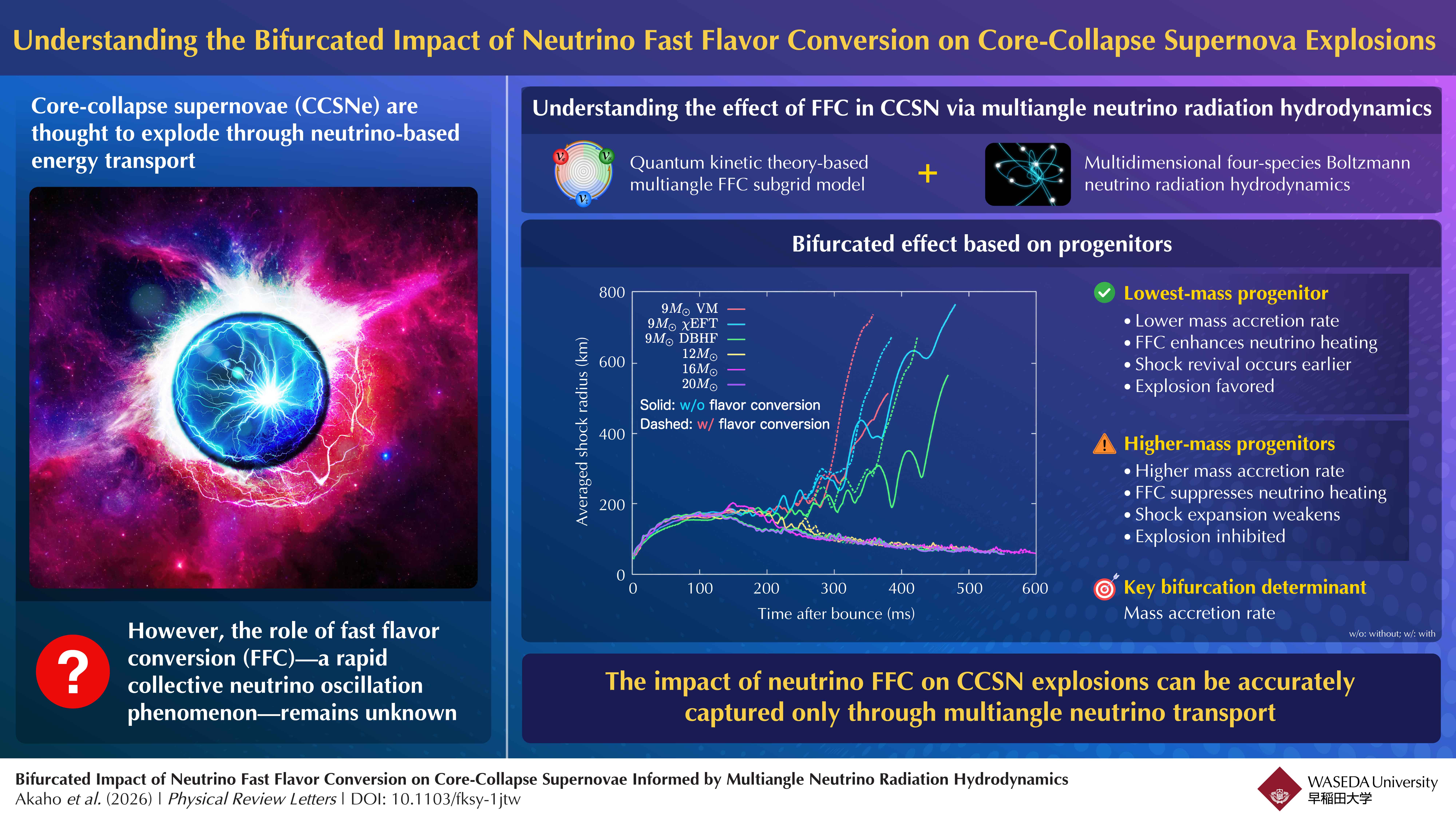
Core-collapse supernovae are thought to be powered by neutrino-driven energy transport. Now, researchers in Japan have shown that neutrino fast flavor conversion can either enhance or suppress supernova explosions depending on the progenitor star. Using advanced multiangle neutrino radiation hydrodynamics simulations, the team demonstrated that the mass accretion rate is the key factor governing this bifurcated behavior, offering new insight into the evolution and death of massive stars.
Our universe, filled with galaxies and stars, is full of mysteries. Over the centuries, astronomers have observed and documented supernova—the catastrophic explosion of stars—as some of the brightest and most energetic events in the universe. In particular, at the end of their lives, massive stars explode into core-collapse supernovae (CCSNe). Scientists believe these explosions to be mainly facilitated by neutrino-mediated energy transport. However, the effects of collective neutrino oscillations known as fast flavor conversion (FFC) on the CCSN explosion mechanism remain largely unclear.
Previous studies attempted to investigate the role of FFC in CCSNe using approximate “truncated moment” methods. However, these approaches cannot reliably capture the angular neutrino distributions needed to determine where FFC occurs.
A new study instead employs a multiangle treatment, allowing the researchers to directly model the angular behavior of neutrinos in momentum space.
The team of researchers, led by Assistant Professor/Junior Researcher Ryuichiro Akaho from the Faculty of Science and Engineering at Waseda University, Japan, along with co-authors Dr. Hiroki Nagakura from the National Astronomical Observatory of Japan and Professor Shoichi Yamada from Waseda University, has carried out CCSN simulations with multiangle neutrino transport to elucidate the impact of neutrino FFC on CCSNe.Their insightful findings were made available onlineon May 11, 2026, and have been published inVolume 136, Issue 19 ofthe journal Physical Review Letters on May 15, 2026. The paper was also selected as a “Featured in Physics” article by the journal editors, recognizing its significance and broad interest to the physics community.
In this study, the team combined a quantum kinetic theory-based FFC model with multidimensional Boltzmann neutrino radiation hydrodynamics simulations. Their framework directly identifies where FFC occurs using neutrino angular distributions calculated during the simulation itself. Akaho remarks: “We deploy our first-ever Boltzmann radiation hydrodynamics code that implements an FFC subgrid model, judge the occurrence of FFC directly from angular distributions obtained in simulations, and ascertain neutrino flavor states via physics-based quantum kinetic methodsimplemented through the Bhatnagar-Gross-Krook relaxation scheme. Crucially, we have already demonstrated this extended framework of neutrino transport in our previous work.”
The CCSN simulations presented in this study encompass successful as well as failed explosions, various progenitor models with zero-age main sequence masses of 9, 12, 16, and 20M⊙, and three different nuclear equations of state (EOSs), namely, variational method-based Furusawa-Togashi EOS, Dirac-Brückner-Hartree-Fock technique, and chiral effective field theory.
The researchers remarkably found that the impact of FFC on CCSN explosion is bifurcated depending on the progenitors. While FFC promotes shock revival and boosts the explosion energy for the lowest-massprogenitor, it has an inhibitory impact for higher-mass progenitors. The mass accretion rate is the main determinant governing this bifurcated effect. For a high value of mass accretion rate, the contribution of FFC to neutrino heating turns out to be negative,since the concurrent reduction in neutrino luminosity dominates over the enhancement of heating efficiency through FFC-driven spectral hardening of electron-type neutrinos. In contrast, FFC contribution to neutrino heating becomes positive foralow mass accretion rate.
“Our present results highlight the limitations of approximate neutrino transport and show that a multiangle treatment is essential for accurately capturing FFC effects. Otherwise, important FFC signals may be overlooked or even falsely identified,” highlights Akaho.
Overall, this work provides a robust argument for the involvement of neutrino FFC in the explosion mechanism of CCSNe, improving our understanding of the lifecycle of massive stars and potentially serving as a theoretical guide for future CCSN observations.
4, Jun 2026
How New Discoveries About ‘Ground Plans’ for Neurons Could Simplify Brain, Behavior Research
While E. Josie Clowney would never suggest that neuroscience is simple, a new study by her team at the University of Michigan could drastically reduce complexity in future studies.
Their work focused on instinctual behaviors in fruit flies, but it has the potential to accelerate work to better understand the neurobiology that underlies behavior and decision-making in mammals, including humans.
The research establishes a new way to understand neurons, their connectivity and the behaviors they control. Within this new framework, the researchers can circumvent the conventional approach of considering each type of neuron individually and instead focus on groupings defined by shared structure and by two sets of regulatory genes.
The work was supported by the Pew Charitable Trust and the McKnight Endowment Fund for Neuroscience, with additional funding from the National Institutes of Health and U.S. National Science Foundation.
While there are more than 8,000 kinds of neurons in the fruit fly cerebrum – the part of its brain where instinctual behaviors are hardwired – there are less than 200 major structural groups, or ground plans. Led by Najia Elkahlah, who recently defended her doctoral thesis in the Clowney lab, the team’s discoveries revealed how these ground plans get set up. There is a sort of order or hierarchy, where one set of genes coordinates the formation of the ground plan, and the other set produces small differences in shape and connectivity among neurons within each ground plan.
“Instead of studying all 8,000 kinds of neurons, we can instead understand how circuits work by studying these 200 modular elements that are wired together in various ways for different functions,” said Clowney, associate professor in the Department of Molecular, Cellular and Developmental Biology.
These gene sets have homologues in mammals, and many of them are known to be critical in mammalian neural development. This raises the possibility of discovering similar simplifying frameworks in other organisms.
“At this moment, it’s not yet possible to ask if the same rules apply to analogous parts of mammalian brains, because we don’t know enough about the relationships among circuits, genes or developmental programs that operate there,” Clowney said. “But I feel strongly that there will be simplifying rules of some sort in the mammal as well, and that we or others will be able to discover them if we take inspiration from the way we went about making this discovery.”
The research was published in the journal Nature.
Taste and cease
Scientists have been studying the humble fruit fly as a biological model since before they knew genes were made of DNA. That history has yielded fundamental biological discoveries, as well as a substantial body of work on which to build new ones.
“The reasons we work with this animal today are because it has useful characteristics that simplify our experiments and interpretations, and because we want to take advantage of 100 years’ worth of knowledge,” Clowney said. “In my opinion – though others in the field might disagree—we don’t study this animal because it is ‘special,’ but rather as a generic example of ‘an animal.'”
Within the Drosophila cerebrum, researchers including Clowney had previously discovered specific neural circuits linked to specific instinctual behaviors. And this specificity helped the team discover the broader ground plans that can help simplify their quest to link molecular and cellular biology to behavior.
The researchers discovered that there are two sets of regulatory genes at work. The first set controls the basic shape of the neuron, while the second set influences finer variations and connectivity.
It’s this first set that gives rise to the roughly 200 ground plans. Of these 200, there’s one ground plan that’s connected to sensing a taste and stopping a behavior. Within that ground plan, there’s neural circuitry that detects unsavory taste information and quashes feeding behavior. Another circuit detects undesirable pheromonal tastes and blocks mating behavior. The team was able to identify the second set of genes that gave rise to these two distinct neural pathways and behaviors.
“Thinking about these two sets of genes separately allowed us to relate the developmental programs to the function of circuits,” Clowney said. “We identified two sets of genes that give neurons in the decision-making center of the brain their gross versus fine characteristics, and defined a new way to study these circuits.”
U-M research lab technician Joe Carter and doctoral students Yunzhi Lin and Yijie Pan also contributed to the study. The Clowney lab worked in collaboration with Troy Shirangi, a professor at Villanova University. Additional support for the project was provided by the U-M Advanced Genomics Core and the U-M Single Cell Spatial Analysis Program.
3, Jun 2026
Manipal Hospital Gurugram Performs Haryana’s First Robot-Assisted Ceramic Total Knee Replacement
Gurugram, June 2: In a significant advancement for joint replacement surgery, Manipal Hospital Gurugram has successfully performed Haryana’s first Robot-Assisted Ceramic Total Knee Replacement on a 54-year-old woman suffering from advanced osteoarthritis, obesity, and complications arising from a previous anterior cruciate ligament and meniscal injury due to a fall.
Over time, the injury altered the natural mechanics of the knee, accelerating cartilage wear and leading to advanced osteoarthritis. The situation was further complicated by obesity, which placed additional stress on the damaged joint, making movement increasingly painful and significantly impacting her overall well-being. Given her condition, the team led by Dr. Sanjay Kapoor, Consultant – Robotic Joint Replacement & Orthopaedic Surgery, opted for a next-generation ceramic knee implant combined with robot-assisted surgery to achieve the highest possible precision and longevity.
Speaking about the case, Dr. Sanjay Kapoor, Consultant – Robotic Joint Replacement & Orthopaedic Surgery, Manipal Hospital Gurugram, said,
“This was a particularly challenging case because the patient was relatively young, obese, and had a previous ACL and meniscal injury. Our aim was not only to help her walk pain-free again but also to provide a solution that could support her lifestyle and remain reliable for decades. Robot-assisted surgery helped us to achieve exceptional precision in implant positioning and soft tissue balancing, while the ceramic implant offered a highly durable and wear-resistant solution. Together, these factors helped us deliver a highly personalised treatment approach for the patient to improve her quality of life.”
Robotic Ceramic Total Knee Replacement represents the next generation of joint replacement, combining sub-millimetre robotic precision with advanced ceramic implant technology. The approach offers improved alignment accuracy, faster rehabilitation, reduced inflammation, and enhanced patient comfort, while eliminating concerns related to metal ion release. With superior wear resistance and an expected longevity of more than three decades, ceramic implants provide a durable, future-ready solution for patients requiring knee replacement surgery.
Mr. Navin Pascal, Hospital Director, Manipal Hospital Gurugram, said,
“The true value of medical innovation lies in its ability to help people return to the lives they want to lead. At Manipal Hospitals, we are committed to bring globally advanced technologies and clinical expertise closer to patients. The successful completion of this Robot-Assisted Ceramic Total Knee Replacement reflects this commitment and makes an important step forward in the evolution of orthopaedic care in the region. By combining robotic precision with next-generation implant technology, we can offer personalised treatment solutions that address immediate clinical needs and support long-term mobility and well-being of the patients.”
Following the surgery, the patient has recovered well and has started her rehabilitation journey. Doctors are expecting significant improvement in mobility, comfort and overall function, enabling her to return to everyday activities with greater confidence and independence.
3, Jun 2026
Learn CPR, save a life: Lodge Keys and GVK Green Health Services offer hands-on training on June 6
Watchmen, domestic servants, street vendors, auto/cab drivers, security guards, and students are especially invited
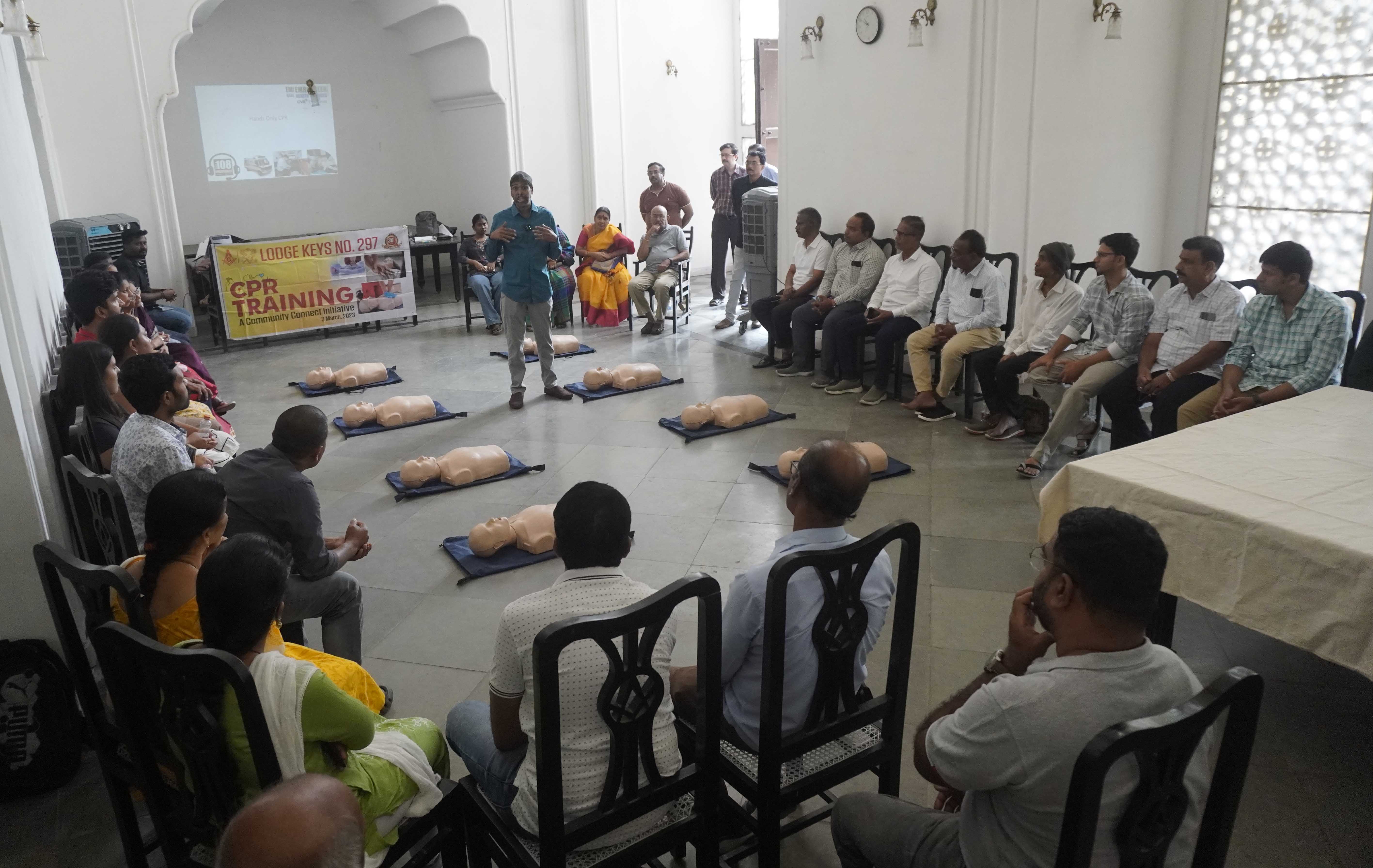
Hyderabad, June 3: Lodge Keys No. 297, the city’s primary unit of Freemasonry, will organise a CPR Training Programme on June 6, 2026, from 2:00 PM to 5:30 PM at the Goshamahal Baradari Masonic Building, Goshamahal, in collaboration with GVK Green Health Services (formerly GVK EMRI).
The programme is part of Lodge Keys’ community outreach initiative, “Be a CPR Ambassador”, which aims to train 1,000 citizens in the life-saving skill of Cardiopulmonary Resuscitation (CPR).
CPR is a critical first-aid technique used when a person’s heart stops beating or when breathing ceases. Immediate CPR administered during the “golden minutes” before professional medical help arrives can significantly improve the chances of survival.
Over the past one-and-a-half years, Lodge Keys has successfully trained 758 citizens in CPR free of cost and is now just 242 participants away from achieving its target of 1,000 CPR Ambassadors. In addition, more than 1,400 people have been reached through awareness seminars, and the organisation aims to educate over 10,000 citizens through public awareness programmes eventually.
The June 6 programme will feature hands-on practical training conducted by certified trainers from GVK Green Health Services. Participants will practise CPR on mannequins, enabling them to gain confidence and develop the skills required to respond effectively during emergencies.
In addition to CPR, participants will also receive AED (Automated External Defibrillator) familiarisation training. An AED is a portable device used during sudden cardiac arrest. While CPR helps maintain blood circulation to the brain and other vital organs, an AED can analyse the heart’s rhythm and, when necessary, deliver an electric shock to help restore a normal heartbeat.
The AED module will cover: Recognition of sudden cardiac arrest, Safe operation of an AED, Correct placement of electrode pads, Understanding and following AED voice prompts, When to administer CPR and when to use an AED and How CPR and AED work together to improve survival outcomes
The organisers believe that CPR and AED training should be accessible to all sections of society. Therefore, individuals who can afford the training are requested to contribute a participation fee of ₹1,000. Those who are unable to pay will be accommodated free of cost.
“We do not want the ability to save a life to depend on one’s ability to pay. Anyone willing to learn CPR should have the opportunity to do so,” said the organisers.
Lodge Keys especially invites security guards, watchmen, auto and cab drivers, street vendors, domestic workers, housekeeping staff, students, and other community members to take advantage of this opportunity. Employers and institutions are also encouraged to nominate such individuals for free training.
Participation is limited to 40 persons on a first-come, first-served basis. Prior registration and confirmation are mandatory.
For registration and participation, please contact: D. Ramchandram – 98480 42020; P. Veerabhadrudu – 93910 39047; Arun Selgam – 98491 75197 and G. Ashok Kumar – 94402 26960
Individuals, NGOs, philanthropists, and corporations interested in supporting this life-saving initiative are encouraged to contact D. Ramchandram at 98480 42020 and partner with Lodge Keys to create more CPR Ambassadors.
30, May 2026
Narotam Sekhsaria Foundation World No Tobacco Day 2026
Mumbai , May 30 : The World Health Organization theme for the World No Tobacco Day 2026 is “Unmasking the Appeal – Countering Nicotine and Tobacco Addiction.” This global campaign aims to raise awareness about the evolving landscape of tobacco and nicotine products, including e-cigarettes, nicotine pouches and synthetic nicotine devices, and how these products may appeal to children and adolescents through flavours, product design and digital social media promotion.
Electronic nicotine delivery products can adversely affect children’s and adolescents’ health by exposing them to nicotine and other harmful substances during critical stages of growth and brain development. Such exposure may affect attention, learning, memory and impulse control, increase the risk of nicotine dependence, and contribute to respiratory and cardiovascular problems. Aerosols from these products may contain substances associated with lung disease and other long-term health risks. Despite decades of progress in tobacco control, newer nicotine products continue to gain visibility through attractive flavours, appealing designs and online promotion. WHO estimates that at least 15 million adolescents aged 13–15 years globally use e-cigarettes, and in countries with available data, children are more likely than adults to vape.
India has been a leader in prohibiting E-cigarettes through the Prohibition of Electronic Cigarettes Act -2019. However, as reported on 21st May 20126 by Press Information Bureau , Govt. of India, nearly 3 lakh e-cigarettes and vapes worth more than INR 120 crore were seized by the Directorate of Revenue Intelligence from a smuggling network operating across Maharashtra, Gujarat and other states.
The LifeFirst Programme, an initiative of Narotam Sekhsaria Foundation in collaboration with Salaam Bombay Foundation, is a tobacco dependence treatment programme working across schools, workplaces, healthcare settings and communities to support tobacco cessation and prevention among adolescents and adults.
As part of its school-based activities this year, LifeFirst sensitized more than 6,000 students in Grades 7 to 9 across 100 schools in Mumbai on the harms associated with tobacco, supari and other harmful products. During these sessions, e-cigarettes were observed to be used by adolescents, which are available through illegal routes. LifeFirst counsellors also observed that social media exposure, peer influence and perceptions of newer tobacco products as less harmful may contribute to experimentation among young people. Adolescents may perceive them as “cool”, fashionable, harmless or socially acceptable alternatives to conventional tobacco products. However, these products contain addictive nicotine and other potentially harmful substances that may pose health risks.
Protecting children and adolescents from nicotine addiction requires sustained awareness efforts, continued implementation of existing regulations, responsible communication around emerging nicotine products and engagement from parents, schools, communities and public health stakeholders.
On World No Tobacco Day 2026, Narotam Sekhsaria Foundation reiterates the importance of strengthening awareness and preventive efforts for children and adolescents to support healthier future of the country.


