29, May 2026
Depression May Not Only Be a Consequence, But Also a Cause of Rheumatoid Arthritis
According to researchers at Semmelweis University, not only inflammation, but also sleep disorders, depression, obesity, and smoking may sustain persistent rheumatic symptoms. In their publications in the journals Nature Reviews Rheumatology and The Lancet Rheumatology, they also proposed a model that can help identify and treat the true causes of symptoms in time.
Researchers at Semmelweis University analyzed how depression, smoking, obesity, sleep disorders, and other health problems are linked to difficult-to-treat rheumatoid arthritis.
Rheumatoid arthritis is a chronic autoimmune disease in which the immune system attacks the joints, causing pain, swelling, and stiffness. It affects tens of thousands of people in Hungary only. Most patients respond well to treatment, but 6–28 percent belong to the so-called “difficult-to-treat” group because they do not achieve lasting remission despite therapy.
According to the publications in Nature Reviews Rheumatology and The Lancet Rheumatology, these factors may not only coexist with the disease but may also help maintain it.
For example, pain and depression may reduce physical activity, increase body weight, worsen sleep and mood – all of which can feed back into pain and everyday functioning, creating a difficult-to-break “vicious cycle.”

The researchers not only identified these patterns but also developed a new model that could improve the treatment of such difficult-to-treat patients. Under the currently used “treat-to-target” therapeutic approach, patients’ conditions are regularly monitored using measurable indicators, and if treatment does not sufficiently reduce inflammation, therapy is adjusted – for example by increasing the medication dose or switching to another drug. However, according to the researchers, this approach can function not only as a therapy but also as a kind of “early warning system”: it can quickly indicate when symptoms may not be caused solely – or at all – by inflammation.
“When target values improve but the patient still suffers from pain and fatigue, it is worth taking a step back. In such cases, instead of automatically prescribing more medication, doctors should look for what is maintaining the symptoms – whether it is chronic pain syndrome, depression, sleep disorders, or obesity,” said Dr. György Nagy, head of the Department of Rheumatology and Immunology at Semmelweis University. The researchers themselves have observed that this approach can improve outcomes for difficult-to-treat patients, and in many cases it can also positively affect the doctor–patient relationship.

The researchers’ model has achieved major international recognition: the publications introducing the concept of “difficult-to-treat” disease and the related treatment strategy have already been cited more than a thousand times by other researchers. Moreover, the definition is now used worldwide not only in the context of rheumatoid arthritis but also in connection with other diseases.
Meanwhile, the team is already working on the next steps: alongside their own research, they are planning to join projects that would use artificial intelligence to develop even more effective therapies for people with rheumatoid arthritis.
“With AI-based pattern recognition, we could identify subgroups among patients, and with the help of these data we could create more effective, almost personalized treatment strategies for them,” explained Dr. Lilla Gunkl-Tóth, PhD student at Semmelweis University and first author of the publications.
- 0
- By Neel Achary

29, May 2026
European Dairy from Ireland Responds to Growing Demand for Functional Nutrition
Increasing interest in science-backed ingredients positions Singapore as a key gateway for European dairy innovation in Southeast Asia
SINGAPORE, May 29 - The European Union is strengthening its engagement with Singapore as a regional hub for advanced food manufacturing and nutrition innovation. This comes as demand for functional dairy ingredients accelerates across Southeast Asia.
Led by Bord Bia – The Irish Food Board, the initiative is part of the “European Dairy: Ireland, Where Nature Meets Science” campaign, a €3.2 million investment co-funded by the European Union to strengthen Asia’s nutrition pipeline and foster long-term trade partnerships. The campaign showcases sustainable farming and scientific research behind European dairy production.
Singapore is a Strategic Gateway for Functional Nutrition in Asia
Singapore is globally recognised as a hub for innovation, positioned at the heart of Southeast Asia’s food ecosystem, and has an important role in regional product development and distribution. Manufacturers across ASEAN are increasingly seeking high-quality science-backed ingredients, as demand for targeted life-stage nutrition, preventative health products and functional foods is increasing. This is largely driven by the fact that Southeast Asia’s population is growing and aging rapidly, particularly in Singapore, leading to increased demand for functional foods to support healthy aging and overall wellbeing. Given limited domestic dairy production in Singapore, F&B innovators and manufacturers are driven to rely on imports and seek trusted international partners.
Ms. Lorna Allen, South East Market Manager of Bord Bia, mentioned, “Singapore is a key gateway for European dairy engagement in Southeast Asia, particularly as demand for functional and science-backed nutrition continues to grow. Ireland has exported €276 million value of dairy products to Southeast Asia in 2025, a y-o-y increase of 16.4%. Through the EU-funded campaign, Bord Bia is supporting closer collaboration between European dairy producers from Ireland and regional food and nutrition innovators.”
Dr Kalpana Bhaskaran, Deputy Director, industry partnerships and Head, Glycemic Index Research Unit at Temasek Polytechnic, commented, “Dairy ingredients play a vital role across the life course. With protein‑fortified and functional dairy products gaining strong momentum, the opportunity to improve population health through evidence‑based dairy innovation has never been greater.”
A Science-Led Advantage Supporting Industry Needs
European dairy from Ireland combines a natural grass-fed, pasture-based system with the support of advanced scientific research. This combination of natural production methods and scientific validation allows European dairy to meet the performance and quality requirements of manufacturers across Asia.
Dr. André Brodkorb, Senior Researcher, Teagasc Food Research Centre Moorepark, said, “Irish grass‑fed milk is scientifically proven to deliver superior nutritional benefits, with Teagasc research showing dairy cows who operate on an Irish grass-fed system, produced milk with higher percentages of omega-3 and conjugated linoleic (CLA) fatty acids compared to cows fed medium and low proportions of grass.”
European Dairy Powders at FHA Singapore 2026
Bord Bia brought leading European dairy suppliers from Ireland to Food & Hospitality Asia (FHA) in Singapore last April. Industry professionals attending FHA Singapore were invited to explore partnership opportunities and discover how European dairy from Ireland is supporting the next generation of nutrition solutions in Asia. Bord Bia focused on:
-
Functional dairy ingredients designed for sports nutrition, healthy ageing, life-stage nutrition, and foodservice.
-
Solutions that support product innovation for Asian consumers.
-
Opportunities to connect directly with suppliers for sourcing and collaboration.
Strengthening Collaboration Across the Region
As part of the European Union’s engagement in Singapore, Bord Bia is also facilitating a closed-door industry session bringing together stakeholders from research, development, and manufacturing. This reflects ongoing collaboration between European dairy stakeholders and regional partners, including organisations such as Temasek and Teagasc, to support innovation and knowledge exchange in functional nutrition.
28, May 2026
73 percent of Americans Are Stressed and Many Are Turning to AI, Alcohol, and Social Media to Cope, New National Study Finds
New data from AMFM Healthcare reveals a convergence of financial pressure, sleep disruption, and environmental stressors signaling a shift in how Americans experience and manage mental health
ORANGE COUNTY, Calif. (May 28, 2026) – AMFM Healthcare on Wednesday released findings from a new national survey of 2,000 U.S. adults, revealing that nearly three in four Americans (72.7%) feel stressed on a regular basis, and that many are turning to a mix of healthy, harmful, and emerging digital behaviors to cope.
The survey found that stress is being driven by a convergence of pressures. More than 82.2% of adults say the cost of living is a major source of stress, while 77.1% report that stress has negatively affected their sleep quality. At the same time, 58.5% say feelings of loneliness have increased, reinforcing broader concerns about how mental health challenges are showing up in everyday life.
The data also points to a less commonly discussed, but increasingly relevant, contributor to mental health strain: environmental conditions. More than half of Americans (53.0%) say weather negatively affects their mental health, suggesting that stress is not only emotional and financial, but also shaped by daily surroundings and lived conditions.
“Stress today isn’t coming from one place, it’s layered,” said Ted Guastello, CEO, AMFM Healthcare. “Financial pressure, poor sleep, and loneliness are already taking a toll, and when environmental factors like weather are added in, it helps explain why stress can feel so persistent and difficult to manage.”
The survey also reveals a shift in how Americans are coping. While 69.2% say they use exercise to manage stress, nearly half (46.7%) report using alcohol or cannabis. Meanwhile, 50.8% say social media increases their stress or anxiety, highlighting how some coping behaviors may actually be making stress worse.
One of the most notable findings is the role of technology in emotional coping. Nearly one in three respondents (31.5%) say they have used AI tools or chatbots to cope with stress, reflecting a growing trend as people look for support that is immediate, accessible, and available around the clock.
“We’re seeing people fill gaps in care however they can,” said Guastello. “AI tools are accessible and available 24/7, which makes them appealing, but they’re not a replacement for human care. This reflects a bigger issue: people are looking for support, but the system isn’t always meeting them where they are.”
To better understand whether stress is being experienced differently across the country, the survey findings were also analyzed by region. The results suggest that while stress is widespread nationwide, the factors shaping it, and the ways people experience it, can vary depending on where they live.
In the Midwest, 60.2% say weather affects their mental health, the highest of any region, alongside widespread sleep disruption (76.7%). In the Northeast, stress appears to be more closely tied to isolation, with the highest reported increase in loneliness (60.6%) and a strong share of respondents (59.6%) also citing weather as a factor.
In the South, stress remains closely connected to financial strain, with 73.4% reporting regular stress and 81.6% citing cost of living as a major source of stress. The region also saw the highest share of respondents (52.1%) saying social media contributes to their stress. In the West, economic pressure is even more pronounced, with a nation-leading 84.3% citing cost of living, alongside elevated digital stress (52.0%) and fewer respondents (47.4%) pointing to weather as a factor.
“These regional differences tell an important story,” added Guastello. “Stress may be a national issue, but it doesn’t look exactly the same everywhere. Where people live, how they connect, and what pressures they face all influence how stress shows up, which is why support needs to be flexible, accessible, and responsive to real-life needs.”
Despite widespread need, many Americans still face barriers to care, including cost, long wait times, and stigma, leaving millions to manage stress on their own.
The AMFM Healthcare Local Stress Forecast surveyed adults 18+ across all 50 states to better understand how stress is evolving, and what it will take to address it.
For more information on AMFM Healthcare’s programs, please visit our websites at amfmtreatment.com, missionprephealthcare.com, and missionconnectionhealthcare.
27, May 2026
BioRestorative Completes Phase 2 Dosing of BRTX-100, Advancing Lead Regenerative Spine Program Toward 2027 Topline Data
MELVILLE, N.Y., May 26 (GLOBE NEWSWIRE) — BioRestorative Therapies, Inc. (“BioRestorative,” “BRTX,” or the “Company”) (Nasdaq:BRTX), a late-stage clinical regenerative medicine company focused on stem cell-based therapies and products, today announced that the last patient has been dosed in its fully enrolled Phase 2 clinical trial evaluating BRTX-100 for the treatment of chronic lumbar disc disease (cLDD), completing treatment administration in the Company’s lead clinical program and advancing the study into the next stage of blinded follow-up ahead of expected topline safety and efficacy data in Q2 2027.
The prospective, randomized, double-blind, sham-controlled, single-disc Phase 2 study enrolled approximately 99 patients across U.S. clinical sites and is designed to evaluate the safety and preliminary efficacy of BRTX-100 in patients with painful chronic lumbar disc disease. Subjects were randomized in a 2:1 ratio to receive either BRTX-100 or control treatment. The primary safety endpoints for the trial include the frequency and severity of adverse events and serious adverse events, as well as imaging-related findings. The primary efficacy responder endpoint is defined as at least a 30% improvement from baseline in both pain — as measured by the Visual Analog Scale — and function –as measured by the Oswestry Disability Index, at week 52. Study follow-up assessments are being conducted at weeks 2, 12, 26, 52 and 104, with MRI evaluations at baseline, week 52 and week 104.
“Completion of dosing in our Phase 2 BRTX-100 trial represents an important transition point for BioRestorative,” said Lance Alstodt, BioRestorative Chief Executive Officer. “We have now completed treatment administration in a rigorously designed, randomized, double-blind, sham-controlled study of our lead regenerative spine candidate, and the program is moving through blinded follow-up toward the 52-week efficacy assessment and expected topline safety and efficacy data in the second quarter of 2027. Importantly, this milestone also comes as we continue Phase 3 readiness activities following our Type B meeting with the FDA, where the agency did not raise clinical safety concerns and provided alignment on key elements of the late-stage development pathway.
“With Phase 2 dosing now complete, we believe BioRestorative is positioned to advance the next phase of BRTX-100 development while reducing expenses and redirecting operational focus and resources toward additional value-creation priorities, including the continued commercialization of our BioCosmeceutical platform,” Mr. Alstodt continued. “Our objective is to build from this milestone with discipline, clinical rigor and a clear focus on advancing our regenerative medicine platform across both therapeutic and commercial opportunities.”
BRTX-100 is BioRestorative’s proprietary autologous, hypoxically cultured mesenchymal stem cell therapy designed for delivery into the harsh, low-oxygen, low-nutrient environment of the intervertebral disc. Patients in the trial received a single intradiscal injection of BRTX-100 consisting of 40 x 10^6 cells administered in approximately 1.5 cc through a minimally invasive outpatient procedure.
Eligible patients enrolled in the study were required to have chronic low back pain persisting for at least six months, failure of conservative therapy for at least six months, MRI-confirmed single symptomatic lumbar disc disease and minimum baseline pain and disability thresholds. Major exclusion criteria included prior lumbar surgery at the index level and prior biologic or cellular disc interventions.
BioRestorative has previously reported favorable blinded safety and preliminary efficacy data from the ongoing Phase 2 trial, including sustained improvements in pain and functional measures across multiple follow-up periods and MRI findings suggestive of potential disc remodeling in certain subjects. In previously disclosed blinded datasets, the Company reported clinically meaningful improvements across pain and function measures, including Visual Analog Scale, Oswestry Disability Index, Roland-Morris Disability Questionnaire and Functional Rating Index assessments. To date, the Company has reported no dose-limiting toxicities or serious adverse events related to BRTX-100 in the safety cohorts evaluated. These blinded findings have been presented at scientific and industry conferences and disclosed through prior Company announcements.
BRTX-100 has received Fast Track designation from the U.S. Food and Drug Administration for the treatment of chronic lumbar disc disease. BioRestorative previously announced a positive outcome from a Type B meeting with the FDA regarding key elements of a potential Phase 3 program and a pathway toward future BLA-enabling activities. The Company expects to continue advancing Phase 3 preparation activities while blinded follow-up in the Phase 2 study continues, with topline safety and efficacy data expected in Q2 2027.
27, May 2026
Successful Microwave Ablation Procedure at KIMSHEALTH
32 Year Old Relieved after Months of Suffering
Thiruvananthapuram, May 27: A 32-year-old patient from Thiruvananthapuram,with complaints of heavy menstrual bleeding and severe abdominal pain during her menstrual cycle for the past one year, reported at the Gynaecology OP, KIMSHEALTH. An ultrasound scan revealed an enlarged uterus with thickened uterine walls, a condition known as adenomyosis.
The medical team led by Dr. P. Rafeekha, Senior Consultant, and Dr. Sajith Mohan R, Consultant, Obstetrics & Gynaecology, KIMSHEALTH, advised her to undergo Microwave Ablation, a minimally invasive procedure designed to reduce uterine wall thickening and relieve pain, while conserving the uterus and fertility. Acting as an alternative to hysterectomy, it effectively reduces uterine wall thickening as well as alleviates pain over time.
During the procedure, a 5 mm incision was made in the abdomen, through which a laparoscopic camera was introduced into the abdominal cavity to assess the extent of uterine enlargement, to ensure precise ablation. A second puncture was then made on the left lateral abdominal wall to navigate a microwave probe. Thermal energy of 40 watts was delivered through the probe to the targeted areas of the thickened uterine wall for 25 to 60 seconds each, covering approximately 10 treatment sites.
For benign uterine conditions like adenomyosis, fibroid uterus and endometriosis, this treatment modality is a boon, as it reduces pain, bleeding and size, while preserving the uterus and its functions,” said Dr. Rafeekha and Dr. Sajith Mohan.
Dr. Divya S S, Consultant, Department of Anaesthesia, and Dr. Rakhi Krishnan R, Obstetrics & Gynaecology, were also part of the two hour long procedure. The patient was discharged the very next day after the procedure.
27, May 2026
BurgerMan Sees 22x Order Growth with Zomato Support
Chennai, May 27 : BurgerMan, a popular homegrown burger brand from Chennai, has recorded nearly 193x growth in yearly order volumes since onboarding on Zomato. Founded in 2006, BurgerMan challenged the notion of burgers being a Western indulgence by reimagining them for Indian palates. Over the years, the brand has grown from a modest kiosk format into an urban food icon, steadily expanding its footprint across multiple territories while maintaining consistency in taste, quality, and affordability.
Speaking about the journey, Sunil Cherian, Founder, BurgerMan, said,
“Our goal from day one was to make burgers relatable to Indian consumers. As customer habits evolved and online food ordering became integral, platforms like Zomato helped us extend our reach beyond physical stores while staying true to our brand promise.”
Aditya Mangla, CEO, Zomato, said,
“It’s always encouraging to see restaurants like BurgerMan grow meaningfully while staying true to their cultural identity. Being part of their journey, by strengthening discovery and helping them serve customers better, is our only mission.”
From its humble beginnings, the brand steadily gained popularity for its fresh ingredients, vibrant identity, and affordable pricing, becoming a go-to choice for urban consumers. Over the years, BurgerMan transitioned from a kiosk model into a fully franchised chain, expanding its footprint while maintaining consistency in quality and experience. Today, the brand operates 30 stores across three territories and has set an ambitious target of scaling to 100 outlets within the next two years, as it continues to grow its presence and customer base.
Since onboarding on Zomato, the brand has been able to:
- Achieved ~22x growth in yearly order volumes, reflecting strong online demand
- Expanded its reach by tapping into the growing digital delivery ecosystem
- Improved visibility through advertisement services and enhanced menu presentation
- Optimized its menu and positioning to appeal to both first-time and repeat customers
- Strengthened its identity as a premium-yet-accessible Indian burger brand
To help small restaurants scale quickly, Zomato has introduced several initiatives in recent years. These include a DIY onboarding tool that helps restaurants get listed on the platform in just 15 minutes and access to the Restaurant Services Hub, a curated marketplace of verified vendors offering licensing, staffing, and hygiene audit services. In select cities, new restaurants also benefit from 0% commission for the first 30 days, along with advertisement services and Hyperpure services. As of Q3 FY26, Zomato has an average of 336,000 monthly active food ordering and delivery restaurant partners on the platform.
27, May 2026
5 Trending Supplements Men Use for Hair & Health
5 Supplements Men Are Adding for Better Hair & Health
Hair concerns are no longer just a women’s issue. From stressful work schedules and poor sleep to pollution and irregular eating habits, many men today are noticing increased hair fall, thinning, and dull hair texture. That’s one reason why wellness supplements are becoming part of everyday routines not just for fitness, but for overall hair and health support too.
Here are some of the most popular supplements men are adding to their daily lifestyle for stronger hair, better energy, and overall wellness.
1. Shilajit-Based Hair Supplements for Men
Shilajit-based hair supplements are one of the newest additions to men’s wellness regimens. Shilajit, which is well-known in Ayurveda for its mineral-rich qualities, is currently used in conjunction with contemporary hair nutrition components to promote hair vitality, strength, and general well-being.
Products like OZiva Hair Actives + Shilajit are made especially for men who are experiencing thinning and hair loss concerns. Shudh Shilajit, zinc from guava leaf extract, and plant-based actives that assist hormonal balance and nutrient absorption related to hair health are all included in the composition.
Beyond hair care, shilajit supplements are becoming more and more popular among males because of their other wellness benefits, such as energy support, stamina, and stress reduction.
2. DHT Blocker-Based Hair Supplements
DHT blocker pills are one expanding sector in men’s hair care. Men’s hair thinning is frequently linked to the hormone DHT. Men seeking long-term hair support are increasingly turning to supplements made with components like zinc, pumpkin seeds, and plant extracts.
Products that combine biotin, omega-3, and DHT-supporting components in one mix, such as OZiva Hair Vitamins with DHT Blocker & Omega 3, are gaining popularity.
3. Omega-3 for Scalp Health
A healthy scalp is the foundation of healthy hair. Because they promote scalp hydration and general hair nourishment, omega-3 fatty acids are frequently incorporated into wellness regimens. Along with taking care of their hair, many men who are interested in fitness also take omega-3 supplements to enhance joint and heart health.
4 . Multivitamins for Everyday Nutrition
Nutritional gaps can occasionally result from busy schedules and meal skipping. By supplying vital nutrients like zinc, iron, and vitamins B12 and D, which are frequently associated with hair and energy support, multivitamins promote general wellness. For convenience, these nutrients are now included in a number of hair wellness supplements.
5. Herbal & Plant-Based Wellness Supplements
Health-conscious people are increasingly purchasing plant-based wellness products. Due to their historical associations with wellbeing support and hair nourishment, ingredients like hibiscus, curry leaves, amla, and bamboo shoot extracts are getting more and more common in contemporary supplements.
Additionally, a lot of consumers want sugar-free, vegan, and plant-based clean-label vitamins.
27, May 2026
Tata Sampann Summer Dessert Recipe Ideas

A fusion dessert combining aromatic rose custard vermicelli with silky coconut pannacotta, garnished with mixed dry fruits and floral notes.
Ingredients
For the Rose Vermicelli Custard:
-
Milk – 500 ml
-
TATA Sampann Vermicelli – ½ cup
-
Custard powder – 2 tbsp
-
Sugar – 5–6 tbsp
-
Rose syrup or essence – 2–3 tsp syrup or ½ tsp essence
-
TATA Sampann Dry fruits & Nut Mix – ¼ cup
-
Water or cold milk – 3–4 tbsp
-
Ghee (optional) – 1 tsp
For the Coconut Pannacotta:
-
Coconut milk – 200 ml
-
Gelatin powder – 3 g
-
Sugar – 1–2 tbsp
-
Cream (optional) – splash
-
Salt – pinch
For Garnish (optional):
-
Rose petals, extra nuts, or fruit coulis as desired
Method
1. Make the Rose Vermicelli Custard
-
Dissolve custard powder in water or cold milk; mix well to avoid lumps.
-
In a saucepan, bring milk to a gentle boil.
-
If using, heat ghee in a separate pan and lightly roast vermicelli until golden and aromatic.
-
Add roasted vermicelli to the boiling milk and cook until soft.
-
Slowly stir in the dissolved custard mixture while whisking continuously to prevent lumps.
-
Add sugar and rose syrup or essence; simmer until the mixture thickens slightly.
-
Stir in chopped dry fruits.
-
Remove from heat and allow to cool to room temperature. Refrigerate for at least 1–2 hours until chilled.
2. Prepare the Coconut Pannacotta
-
Sprinkle gelatin powder over cold water in a small bowl; let bloom for 5 minutes.
-
In another saucepan, gently warm coconut milk with sugar, cream if using, and salt. Do not let it boil.
-
Remove from heat; add bloomed gelatin and stir until fully dissolved.
-
Pour the mixture into individual ramekins or serving glasses.
-
Cool to room temperature, then refrigerate for 4–6 hours or until set.
3. Assemble & Serve
-
Once both elements are chilled and set, layer rose vermicelli custard over coconut pannacotta in serving glasses or serve side-by-side as desired.
-
Garnish with rose petals, extra dry fruits, or fruit coulis.
-
Serve chilled.
27, May 2026
CYK Hospitalities Drives Growth for Emerging F&B Brands
Gurugram, May 27 : CYK Hospitalities, India’s food and beverage consultancy firm, has facilitated a series of strategic brand expansion and leasing mandates across multiple markets during the last quarter. The projects include formats such as kiosk, quick service restaurant, bakehouse, and standalone stores, all representing activity within the organized food and beverage industry in India.
The consultancy recently worked on expansion and leasing mandates for the brands like Boba Bhai, Dohful, Freddo Bakehouse, Harley’s Bakery, Ka Ching, Chai Garam, and Waffle World across a mix of kiosks, QSRs, bakery stores, and specialised dining formats. A significant share of these strategic brand placements was concentrated across prominent retail destinations including Worldmark Gurgaon, Global Foyer, DLF Midtown Plaza, and Airia Mall, among other high-footfall commercial hubs and premium high street markets. The brand development initiatives did not remain confined to the region only, which showed the increasing need for organised F&B ventures in other urban areas in the country as well.
According to CYK Hospitalities’ market analysis based on recent leasing assignments brands have started focusing on audience fit, operational efficiencies, and scalability while deciding a location. The trend marks a departure from traditional conventional market-entry approaches, with operators placing greater emphasis on catchment quality and consumer behaviour before entering a market.
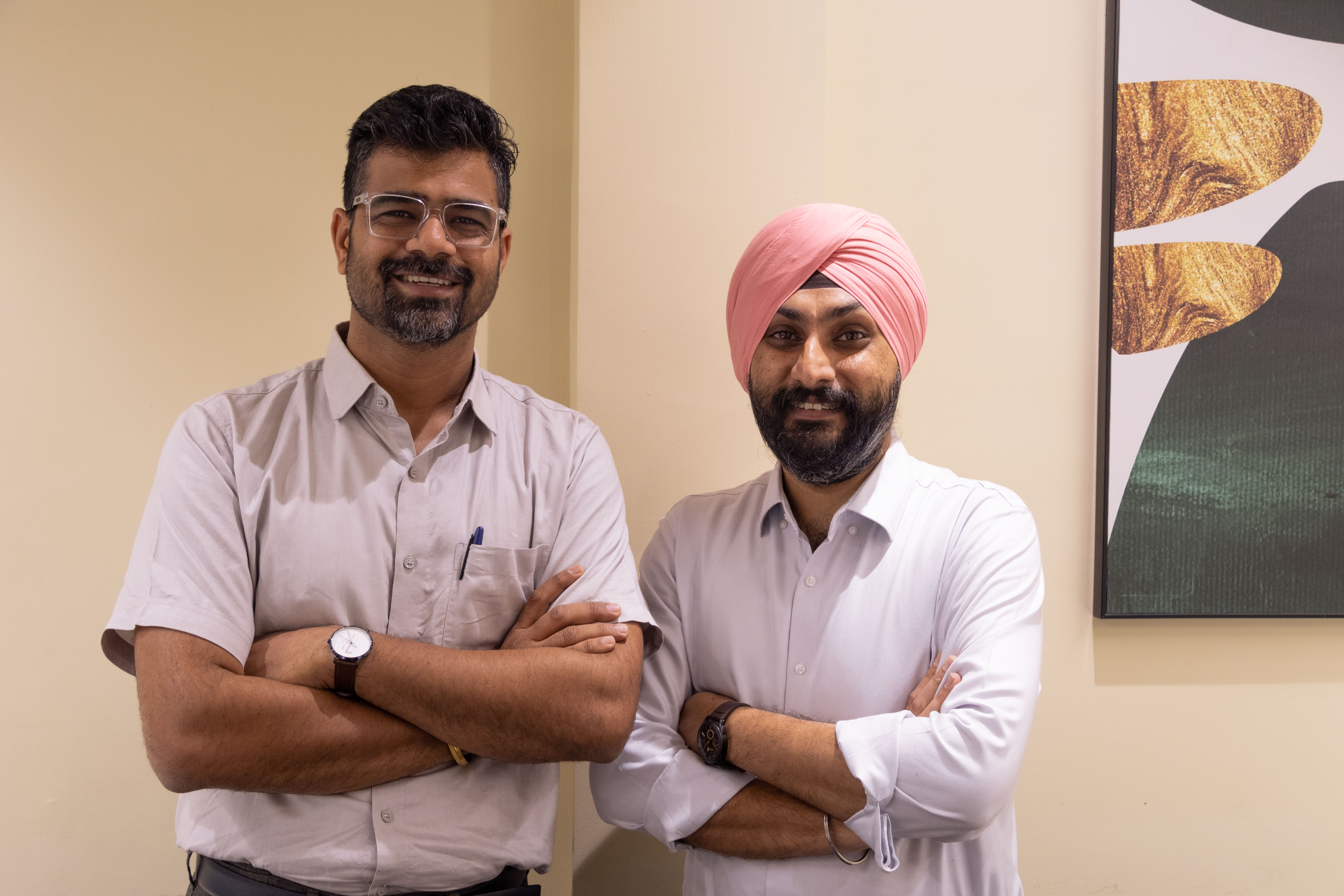
“As organised F&B brands mature, market-specific growth plans are becoming less about securing space and more about securing the right market opportunity. The focus has shifted towards creating long-term value rather than pursuing visibility-driven growth.” said Simranjeet Singh, Director, CYK Hospitalities.
Pulkit Arora, Director & Culinary Expert, CYK Hospitalities, added,
“Consumer expectations differ across locations, and successful expansion depends on how effectively a concept aligns with the ecosystem around it. The emphasis today is on building formats that can sustain themselves within a market rather than simply increasing store count.”
The trend is expected to continue as organised F&B brands expand into both mature metropolitan markets and emerging consumption centres, making strategic leasing and market-specific positioning increasingly important components of long-term growth planning.