


18, May 2026
Understanding Hypertension’s Silent Impact on Heart Health
Jalandhar, May 18 : Most people associate a heart attack with a sudden, dramatic event. What receives far less attention is the years of quiet damage that precede it. Often functioning without any symptoms, hypertension works silently, putting additional pressure on the arteries. Over the years, that sustained pressure quietly restructures the heart in ways that can prove fatal. In India, this is not a distant risk. According to data from the National Family Health Survey (NFHS-5), roughly 24% of adult men and 21% of adult women live with hypertension. The numbers tell a story of a condition hiding in plain sight.
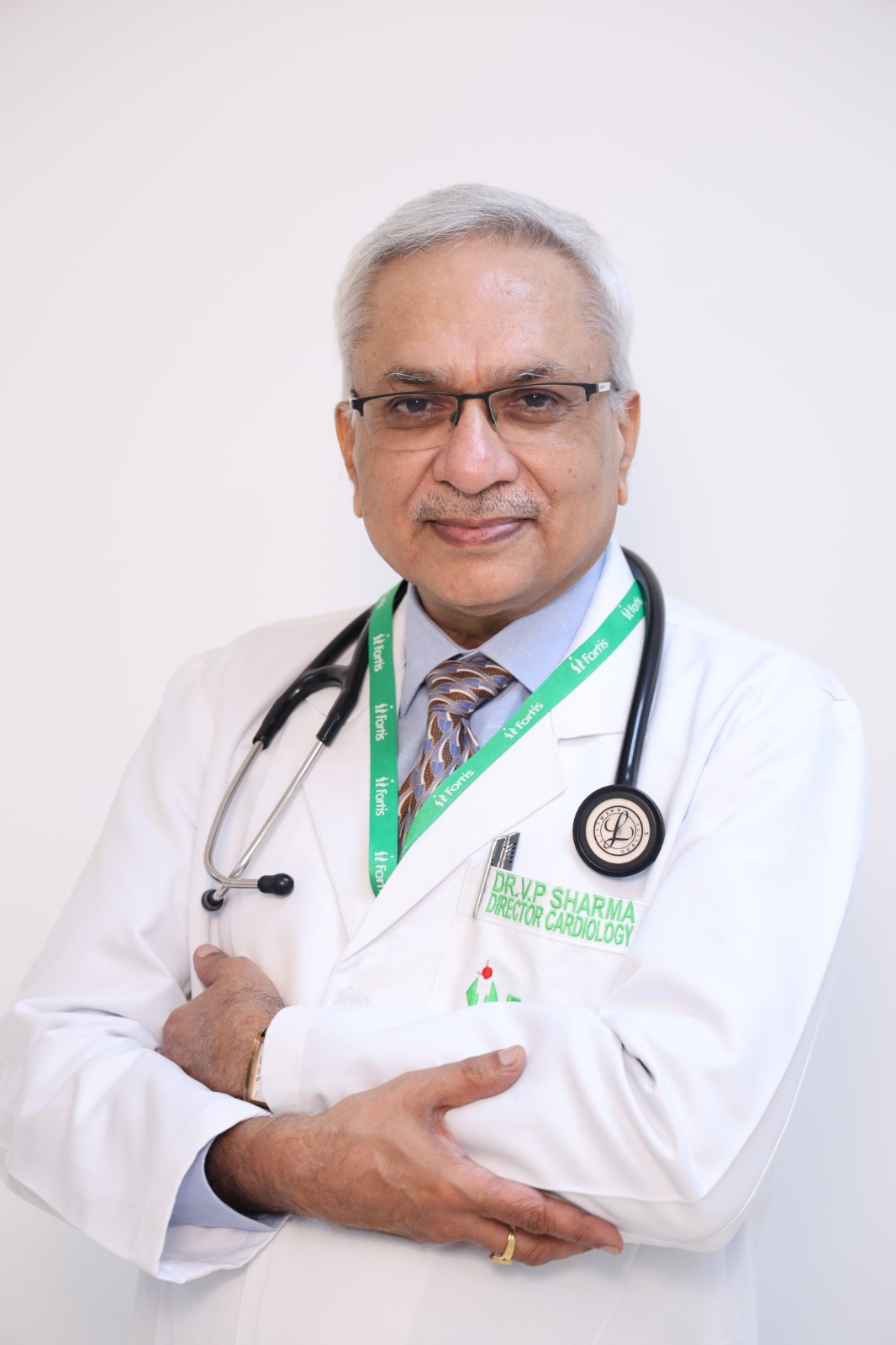
On the occasion of World Hypertension Day, Dr VP Sharma, Director and Senior Consultant Cardiology, Fortis Hospital Jalandhar shared expert insight on hypertension, risks of developing cardiac-health issues, symptoms, and treatment.
What Hypertension Does to the Heart
Blood pressure is simply the force blood exerts against artery walls as the heart pumps. Normal blood pressure sits below 120/80 mm Hg. Hypertension is defined as readings that consistently reach or exceed 130/80 mm Hg. In response, the heart pumps harder to push blood through the arteries. This heightens the risk of developing various cardiac-related issues, including:
•Left Ventricular Hypertrophy: The most direct cardiac consequence of this is left ventricular hypertrophy (LVH), in which the walls of the heart’s main pumping chamber become thickened. LVH is an important independent risk factor for diastolic heart failure and sudden cardiac death in hypertensive patients. • Arterial Stiffness: Prolonged high blood pressure also contributes to arterial stiffness, which is the loss of elasticity of the large blood vessels. This diminishes their capacity to absorb the pressure wave generated by each heartbeat.
•Atrial Fibrillation: An irregular heart rhythm that can put you at risk for stroke and other complications.
Symptoms to Watch Out For
Hypertension often shows no symptoms, earning it the title “silent killer”. However, very high blood pressure, often exceeding 180/120 mm Hg, can show possible symptoms like:
●Shortness of breath (Dyspnoea)
●Dizziness
●Blurred or tunnel vision
●Nose bleeds (Epistaxis)
●Confusion
How to Manage Hypertension
●Reduce common salt intake in your diet, as sodium can heighten blood pressure
●Add vegetables like spinach, broccoli and carrots to your meals
●Fruits like strawberries, raspberries and blueberries contain antioxidants that can reduce inflammation in the inner lining of the blood vessels
●Adding daily options like bananas, oranges, and avocados to your diet can provide potassium to help offset sodium’s effect
●Avoid consuming tobacco products as they are direct contributors to high blood pressure
●Limit alcohol consumption as it can raise blood pressure and worsen cardiovascular risks
●Maintain regular physical activity and try to lose weight
Regularly monitoring your blood pressure and making these lifestyle and dietary changes can significantly reduce the risks of developing cardiac issues.
- 0
- By Neel Achary

14, May 2026
Manipal Hospital Bhubaneswar Strengthens Airway Management Training Through MANIPAL AIRCON 2026
Bhubaneswar, May 14, 2026: Manipal Hospital Bhubaneshwar successfully hosted the 3rd Edition of MANIPAL AIRCON 2026 at Bhubaneswar, bringing together leading anaesthesiologists, critical care specialists, and airway management experts for a comprehensive academic conference focused on perioperative excellence and advanced airway care.
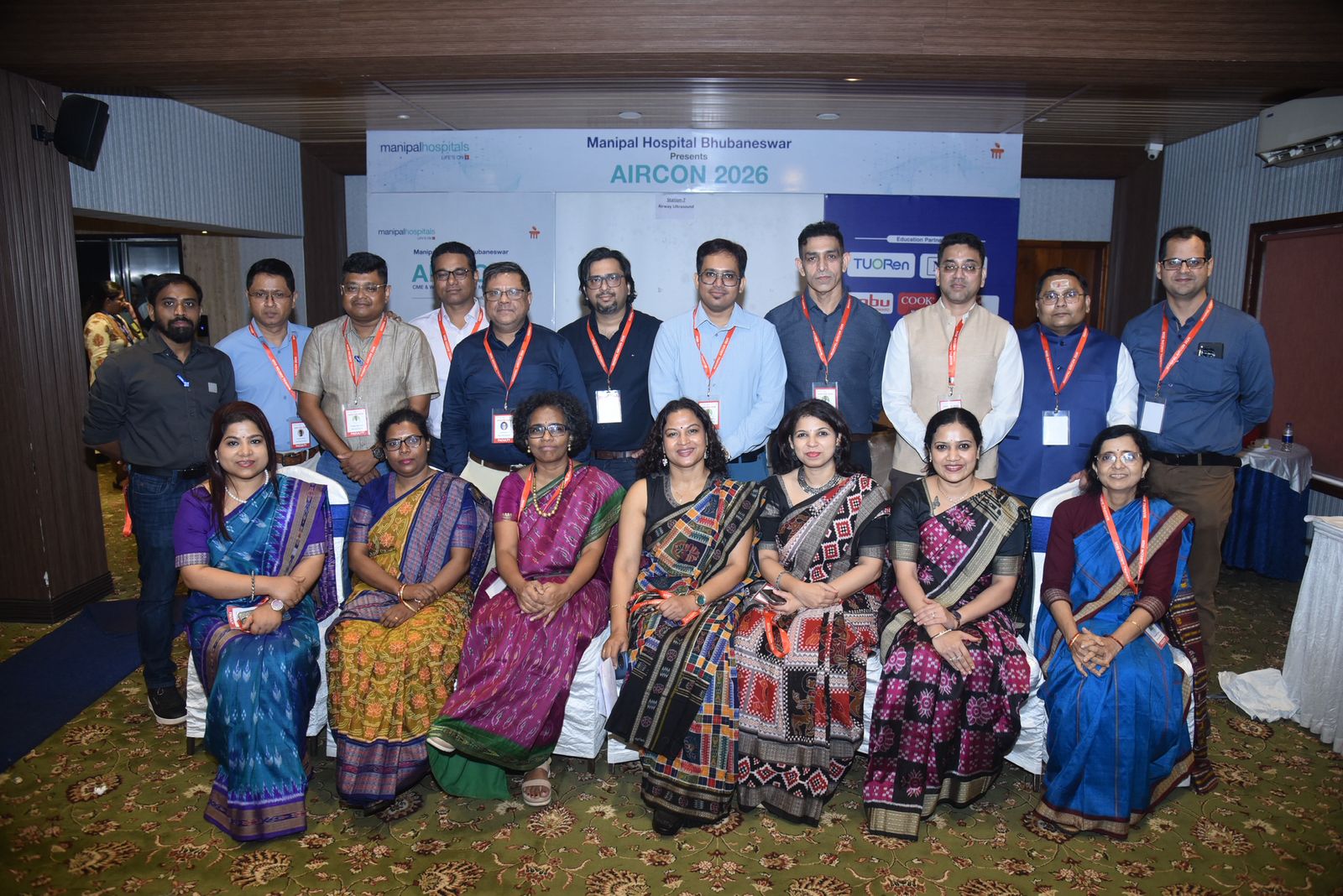
The event witnessed enthusiastic participation from over 100 delegates including 25 distinguished faculties from various institutions , making it a vibrant platform for knowledge exchange and skill enhancement. The event was graced by Chief Guest Dr Jitamitra Mishra, President, Indian Society of Anaesthesiologists Bhubaneswar City Branch, in the presence of Dr. Saktimaya Mohapatra, Cluster Director (South East), Manipal Hospitals.
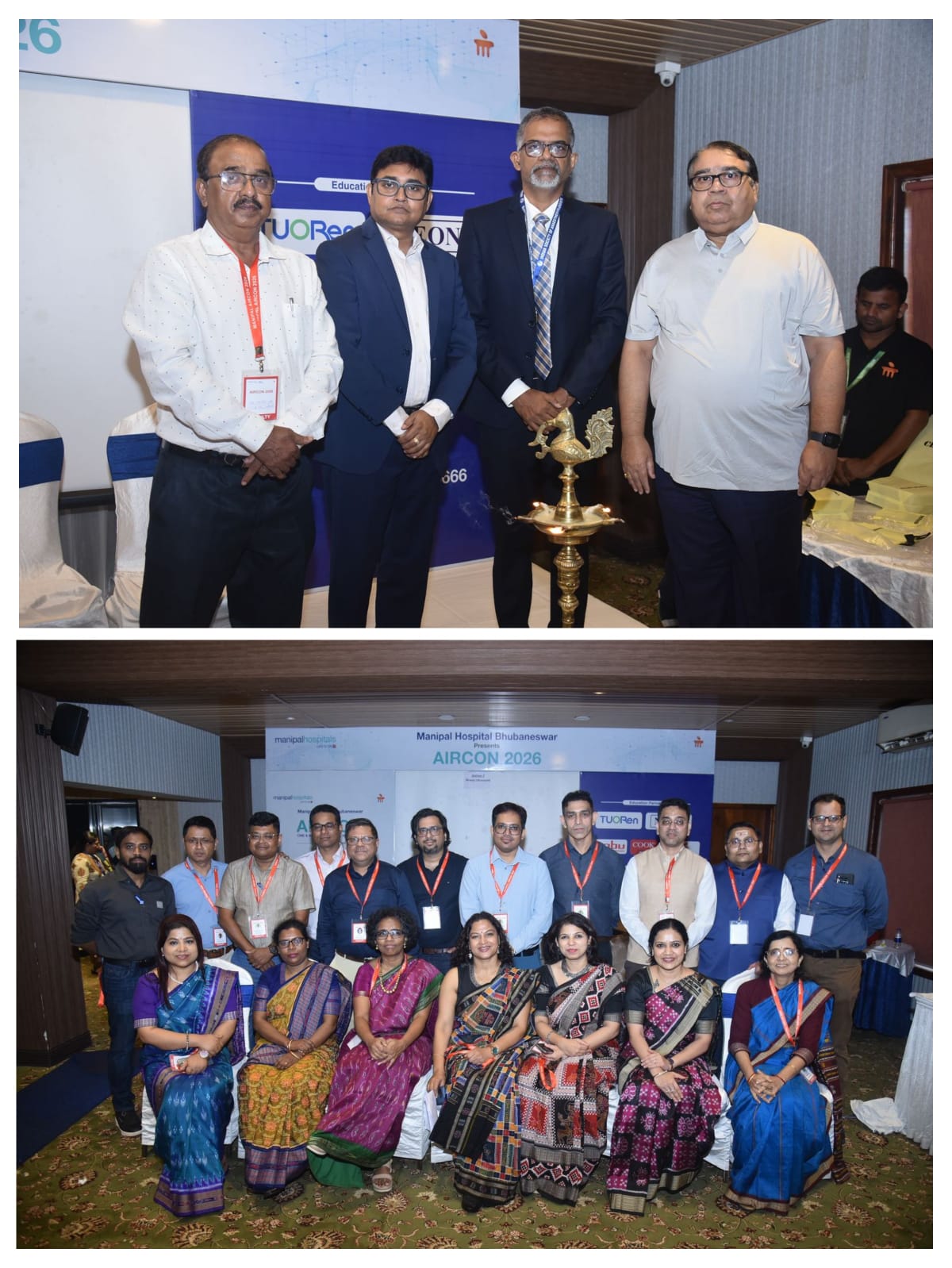
The conference was organised under the leadership of Chairperson Dr Swarnamayee Sathpathy, with Dr Sujata Priyadarshini serving as the Organising Secretary and Dr Bhagya Ranjan Jena leading the Scientific Committee. Their collective efforts played a pivotal role in curating a high-quality academic programme that blended evidence-based learning with practical clinical training.
The scientific programme featured six insightful lectures covering both Basic Airway Management and Difficult Airway Management, with discussions centred on practical approaches, patient safety, emergency preparedness, and recent advancements in airway care. The conference also emphasised experiential learning through eight highly interactive hands-on workshops designed to strengthen clinical expertise in managing routine and complex airway scenarios. Key workshop sessions included Advanced Airway Simulation, Fibreoptic Intubation Techniques, Video laryngoscopy, Emergency Cricothyrotomy, Difficult Airway Algorithms, Ultrasound-Guided Airway Assessment, Airway Management in Critical Care, and Paediatric Airway Management. The workshops enabled delegates to gain practical exposure under the guidance of experienced faculty members and industry experts.
Speaking on the occasion, Dr Jitamitra Mishra, President, Indian Society of Anaesthesiologists Bhubaneswar City Branch, said, “Continuous academic engagement and practical training are essential to strengthening airway management practices and enhancing perioperative patient safety. MANIPAL AIRCON 2026 has provided an excellent platform for healthcare professionals to exchange knowledge, sharpen clinical skills, and stay updated with evolving techniques and innovations in airway care.” Adding to this,
Dr Saktimaya Mohapatra, Cluster Director (South East), Manipal Hospitals said, “Airway management remains one of the most critical components of perioperative and emergency care. Conferences like MANIPAL AIRCON 2026 play an essential role in bridging academic learning with real-world clinical practice, ultimately improving patient outcomes and strengthening preparedness among healthcare professionals.” MANIPAL AIRCON 2026 further reinforced Manipal Hospital’s commitment to continuous medical education, multidisciplinary collaboration, and clinical excellence in anaesthesia and critical care. The conference also highlighted the institution’s focus on fostering advanced skill development and bringing contemporary global practices in airway management closer to healthcare professionals across the region.
14, May 2026
Apex Hospital in Borivali Brings Advanced Minimally Invasive Bunion Surgery to Mumbai’s Suburban Area
Mumbai, May 14: A major breakthrough in orthopaedic innovation has been achieved at Apex Hospital, Borivali with the successful performance of a fourth-generation minimally invasive Hallux Valgus correction surgery, introducing a highly advanced treatment option for patients suffering from painful bunion deformities. The cutting-edge procedure offers reduced pain, faster recovery, minimal scarring, and quicker return to mobility compared to conventional open surgeries.
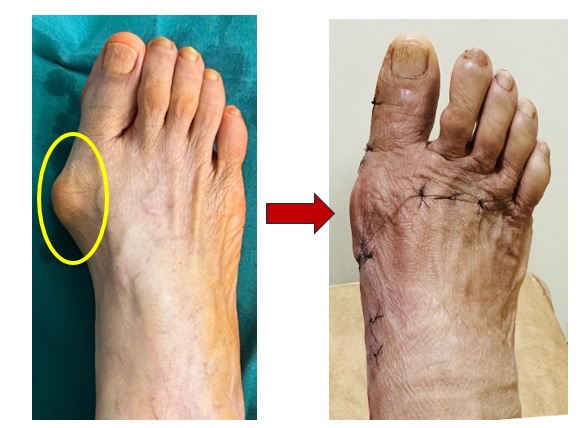
The surgery was successfully performed at Apex Hospital, Borivali by Dr. Pratik Vishavadia, an Orthopaedic Foot and Ankle Specialist, using the advanced META technique Minimally-invasive Extra-articular Transverse metatarsal with Akin’s osteotomy using a specialised high-precision burr system. Unlike traditional bunion correction procedures that require large incisions and extensive soft tissue dissection, this next-generation technique is performed through multiple tiny stab incisions, significantly reducing tissue trauma and post-operative discomfort.
Speaking about the advancement, Dr. Pratik Vishavadia from Apex Hospital, Borivali said,
“Minimally invasive foot and ankle surgery is transforming the future of orthopaedic care. Advanced procedures such as META osteotomy enable us to correct complex bunion deformities while preserving surrounding soft tissues. Patients experience significantly less pain, minimal blood loss, faster rehabilitation, and earlier return to normal activities. This approach reflects the global shift toward patient-friendly orthopaedic solutions that prioritise both clinical excellence and quality of recovery.”
Hallux Valgus, commonly referred to as a bunion deformity, is a progressive condition affecting the great toe joint. It often leads to chronic pain, difficulty in wearing footwear, cosmetic deformity, imbalance while walking, and restricted mobility. Orthopaedic experts note that untreated bunions can gradually worsen over time, impacting overall gait mechanics and quality of life.
Globally, studies indicate that bunion deformities affect nearly one in four adults between the ages of 18 and 65, with prevalence rising sharply among women and elderly individuals. The increasing preference for minimally invasive orthopaedic procedures reflects growing patient awareness around shorter hospital stays, enhanced cosmetic outcomes, and accelerated recovery timelines.
The successful adoption of this fourth-generation minimally invasive technique further strengthens the position of Apex Hospital, Borivali as a centre for advanced orthopaedic and Foot & Ankle care in the region. Experts believe such innovations will play a crucial role in improving long-term functional outcomes, patient comfort, and rehabilitation standards in modern orthopaedics.
13, May 2026
Apex Group of Hospitals Celebrates International Nurses Day Across All Its Hospitals
Mumbai, May 13: Apex Group of Hospitals celebrated International Nurses Day with gratitude and pride across all its Mumbai hospitals, recognising the tireless dedication, compassion, and commitment of its nursing staff who continue to play a vital role in patient care and recovery. Celebrations across all Apex hospitals included special appreciation ceremonies, cultural activities, motivational sessions, and awards honouring exceptional nurses for their service and contribution to healthcare excellence.
Speaking on the occasion, the management of Apex Group of Hospitals said, “Nursing is the backbone of every hospital. Nurses are not only caregivers but also emotional support systems for patients and families during their most difficult moments. Their strength, empathy, and commitment form the foundation of quality healthcare.”
The event highlighted the critical role nurses play in ensuring patient safety, comfort, and recovery. From emergency care and operating theatres to intensive care units and general wards, nurses remain at the forefront of healthcare delivery every single day. Doctors, management teams, and hospital staff joined together to express their appreciation for the nursing fraternity. Several nurses who demonstrated outstanding dedication, leadership, and patient care were felicitated during the celebrations. Nurses play a vital role in India’s healthcare system by providing compassionate care, emotional support, and round-the-clock medical attention to patients. They are the backbone of hospitals, ensuring patient safety, recovery, and comfort at every stage of treatment. From emergency care to rural healthcare services, nurses work tirelessly with dedication and humanity. Their contribution strengthens the nation’s healthcare system and improves countless lives every day.
Apex Group of Hospitals consistently focuses on creating a supportive and growth-oriented environment for its nursing professionals through continuous training, skill development programs, and modern healthcare practices. International Nurses Day, celebrated globally on May 12, marks the birth anniversary of Florence Nightingale, the founder of modern nursing. The occasion serves as an opportunity to recognise the invaluable contribution of nurses to society and healthcare systems worldwide. Through this celebration, Apex Group of Hospitals reaffirmed its commitment to supporting and empowering nurses who continue to serve humanity with compassion, courage, and care.
12, May 2026
NRP Day Celebrated Across Delhi to Boost Newborn Survival
In a landmark nationwide effort to improve newborn survival and strengthen neonatal emergency care, the National Neonatology Forum (NNF) India celebrated NRP Day, with large-scale hands-on skill training programs conducted simultaneously across the country. As part of this historic initiative, Yatharth Super Speciality Hospital Model Town, New Delhi actively participated by organizing a Neonatal Resuscitation Program (NRP) training session for healthcare professionals.
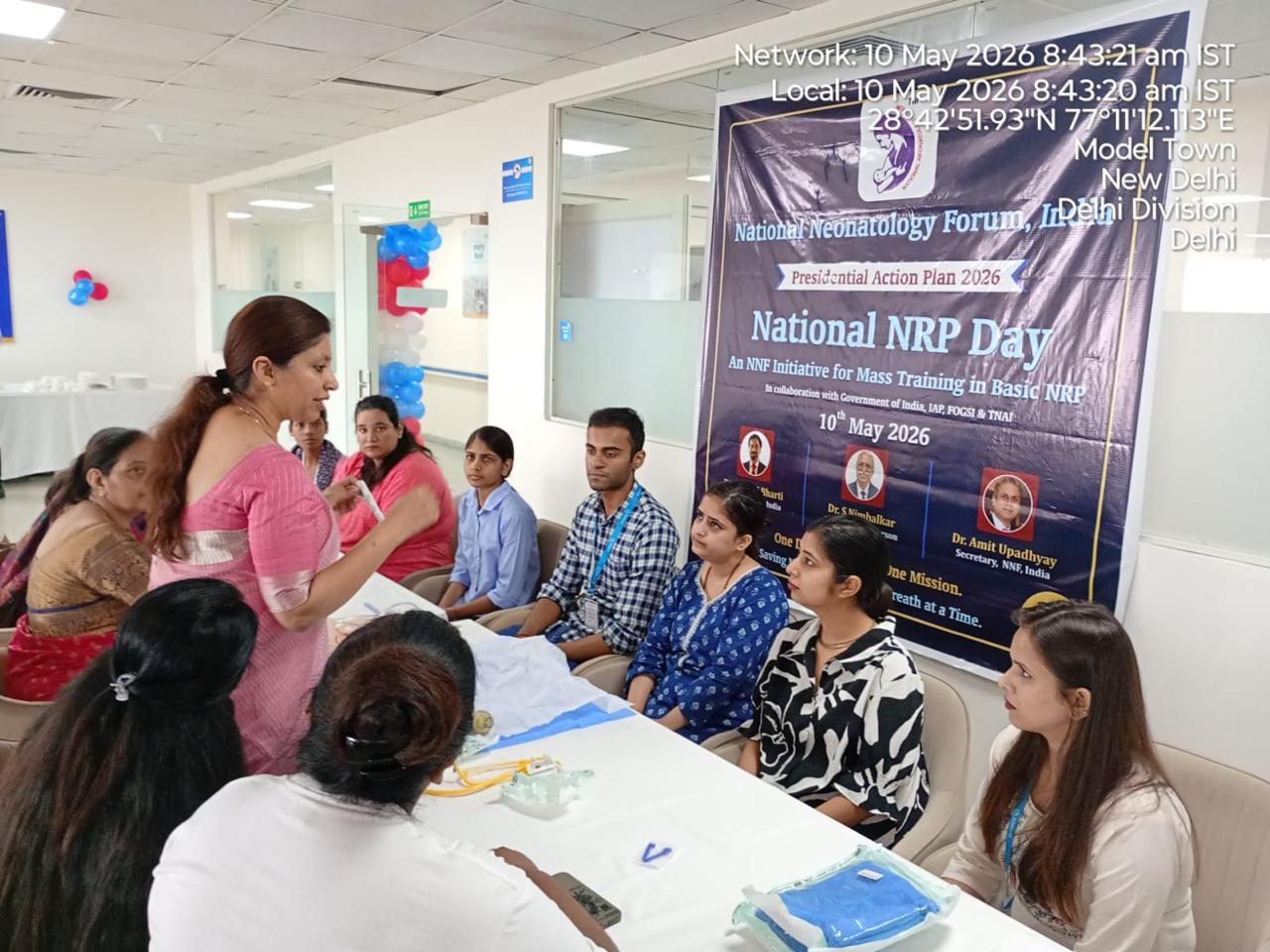
The initiative marks one of the largest synchronized healthcare training efforts in India and is being led under the leadership of Dr. Lallan Kumar Bharti, with the vision of ensuring that every newborn receives timely and effective resuscitation support at birth.
Newborn mortality continues to remain a significant public health challenge in India. A large proportion of neonatal deaths occur because babies are unable to establish breathing immediately after birth. Medical experts emphasize that the first few minutes after delivery are extremely critical, and timely intervention by trained healthcare providers can prevent many avoidable newborn deaths. Simple, evidence-based resuscitation skills can make the difference between life and death for a newborn.
Recognizing this urgent need, NNF India conceptualized and executed this massive capacity-building initiative across the nation. A total of 998 training courses were conducted nationwide, with participation from nearly 20,000 healthcare providers. These trainings extended beyond metropolitan cities to rural and geographically challenging regions, ensuring wider access to essential newborn care skills.
In Delhi, multiple centres participated in this initiative, significantly contributing toward strengthening neonatal care services in the state. At Yatharth Super Speciality Hospital, the training program was coordinated by Dr. Nidhi Gupta, where 21 healthcare professionals received hands-on neonatal resuscitation training.
The trainings were conducted completely free of cost and included healthcare workers from both government and private healthcare sectors. This inclusive approach ensured broader outreach and uniform strengthening of newborn care practices across India.
NNF India played a pivotal role in providing end-to-end support for the planning, coordination, standardization, and execution of the training sessions across all centres, ensuring consistency and quality in the program delivery.
This synchronized nationwide initiative is expected to set a record for conducting the highest number of neonatal resuscitation skill trainings in a single day, marking a historic milestone in India’s ongoing efforts to improve newborn survival rates and strengthen neonatal healthcare services.
12, May 2026
Palomar Medical Center Poway Earns an ‘A’ Hospital Safety Grade from The Leapfrog Group
Spring 2026 Safety Grade is a national recognition for commitment to patient safety
ESCONDIDO, CA — May 12, 2026 — Palomar Medical Center Poway earned an “A” Hospital Safety Grade from The Leapfrog Group, an independent national nonprofit watchdog focused on patient safety. Leapfrog assigns an “A,” “B,” “C,” “D” or “F” grade to general hospitals across the country using evidence-based measures of patient safety focused exclusively on errors, accidents, injuries and infections.
“This recognition from The Leapfrog Group underscores the exceptional standard of care our team delivers and affirms our unwavering commitment to patient safety,” said Diane Hansen, President and CEO of Palomar Health. “As we continue to thoughtfully reimagine the healthcare experience, innovation and the well-being of our patients will always be at the heart of everything we do.”
“An ‘A’ Grade is a strong sign that Palomar Medical Center Poway is deeply committed to protecting patients from harm,” said Leah Binder, president and CEO of The Leapfrog Group. “We commend the leadership, board, clinicians, staff and volunteers for the role each played in this distinction.”
The Leapfrog Hospital Safety Grade stands as the only hospital ratings program focused solely on preventable medical errors, infections and injuries that kill more than 500 patients a day in the United States. This program is peer-reviewed, fully transparent and free to the public. Grades are updated twice annually, in the fall and spring.

12, May 2026
Beyond Acute-Phase Support: How “Ibasho” Aids Disaster Mental Health Recovery
Authors propose that rebuilding community, routine, and social roles is essential for long-term recovery after disasters
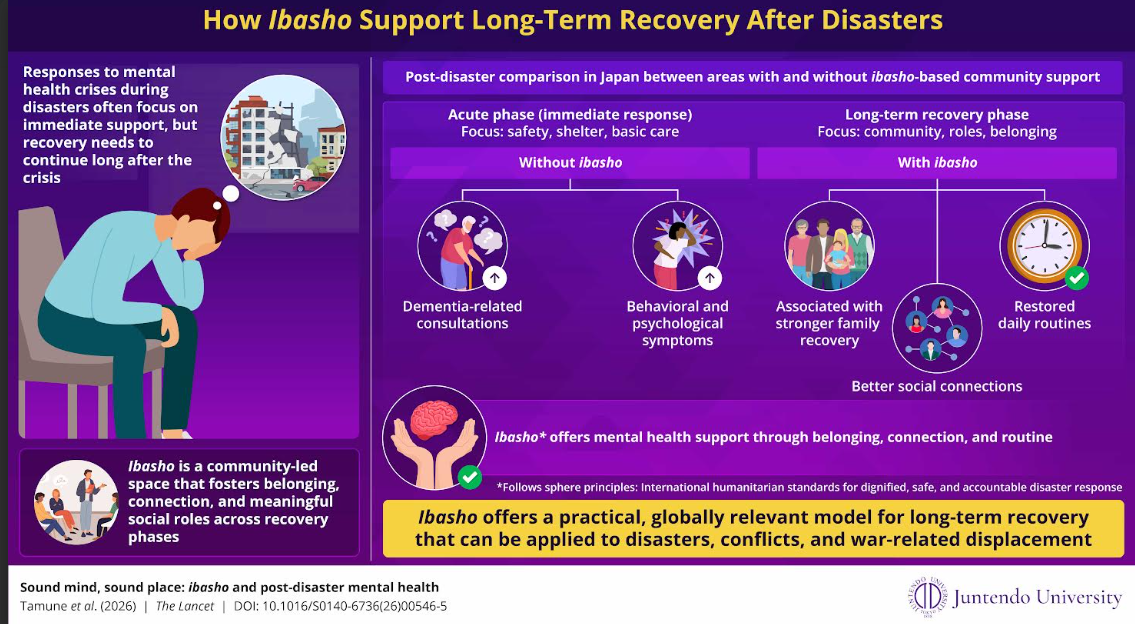
As disasters increasingly disrupt lives through displacement, conflict, and climate-related emergencies, addressing long-term mental health recovery remains a major challenge. A correspondence from Juntendo University discusses that, while acute symptom assessment remains important, disaster psychiatry may benefit from a community-led approach to care. The authors discuss the importance of ibasho (community spaces of belonging and social purpose) and suggest that rebuilding routines, roles, and neighborhood connections may support long-term recovery and resilience.
Natural disasters drastically affect human lives—destroying homes, separating families, leading to disruption of daily routines, which affects their stability. While emergency mental health responses are crucial in the beginning of the crisis, new correspondence discusses that psychological recovery may rely on a more meaningful approach to help restore a sense of place and belonging.
Ibasho: A Community-led Place for Belonging and Meaning
In this context, authors from Juntendo University, Japan, led by Associate Professor Hidetaka Tamune from the Department of Psychiatry and Behavioral Science, along with Dr. Yutaka Igarashi from Nippon Medical School, Japan, and Dr. Yuzuru Kawashima from the Disaster Psychiatric Assistance Team, Japan, discussed the approach of ibasho (a community-building concept in Japan) for people affected by disasters. The details were made available online on April 3, 2026, and published in Volume 407, Issue 10537 of The Lancet journal on April 11, 2026.
Dr. Tamune says, “Disaster recovery is not only about reducing acute psychiatric symptoms. It is also about restoring the social environments that give people stability, dignity, and a sense of purpose. In Japanese, the places that make this possible are called ibasho.”
Ibasho means a place of belonging where people are engaged in social networks, routines, and meaningful roles. The authors suggested that restoring this sense of connection among people affected by disasters may be just as important as detecting early symptoms, as it plays a vital role in supporting community recovery. Supporting this, the correspondence places ibasho within the internationally recognized Sphere humanitarian framework, which focuses on survival with dignity, continuity with care, and coordinated support systems during crises. It also suggests that ibasho aligns closely with those principles by offering social infrastructure for displaced and affected communities.
Ibasho in Japan: Community-Led Recovery in Practice
Compared to conventional interventions, ibasho refers to safe, community-led spaces where individuals can reconnect with others and resume daily routines. This may include neighborhood gathering spaces, shared community programs, and locally led recovery hubs. To support this perspective, the authors cited the evidence from disaster-affected regions in Japan. These include examples from the 2011 Great East Japan Earthquake and the Fukushima nuclear accident. Notably, there was an increase in the dementia consultations and behavioral and psychological symptoms of dementia (BPSD) among older adults near the evacuation zones of the affected areas. In contrast, the communities where older residents were helped by leading ibasho-style programs reported stronger recovery and more stable routines with improved social and family relationships. This suggests that recovery improved when people were able to regain meaningful roles in community life. The older adults not only receive support but are also actively contributing to the recovery efforts and rebuilding community life.
“What appears to be most important is not simply access to services, but whether people can reclaim their place within the community and continue to feel valued, useful, and connected. In Japan, a disaster-prone and super-aged society, we have both the experience and the responsibility to share what we have learned about caring for older adults with dementia, especially those who develop BPSD and delirium,” explains Dr. Tamune.
Redefining Recovery Through Connection, Culture, and Dignity
Although particularly relevant to natural disasters, the correspondence suggests that preparedness and recovery both depend not only on services but also on whether people can remain connected to local networks, routines, and meaningful social roles. The authors further note that trauma-informed support should remain culturally congruent; in some communities, restoring routines, roles, and communal life through ibasho may be the most acceptable first step.
Overall, the correspondence highlights the importance of ibasho in post-disaster mental health. It suggests that, although acute symptom detection matters, recovery also depends on whether people can continue to live safely, sustain relationships, and regain meaningful roles after displacement. In this sense, ibasho may function as a culturally congruent local social infrastructure through which dignity, continuity, and safety are restored in everyday life.
11, May 2026
L V Prasad Eye Institute organises Whitathon Run, an annual cause-related awareness event
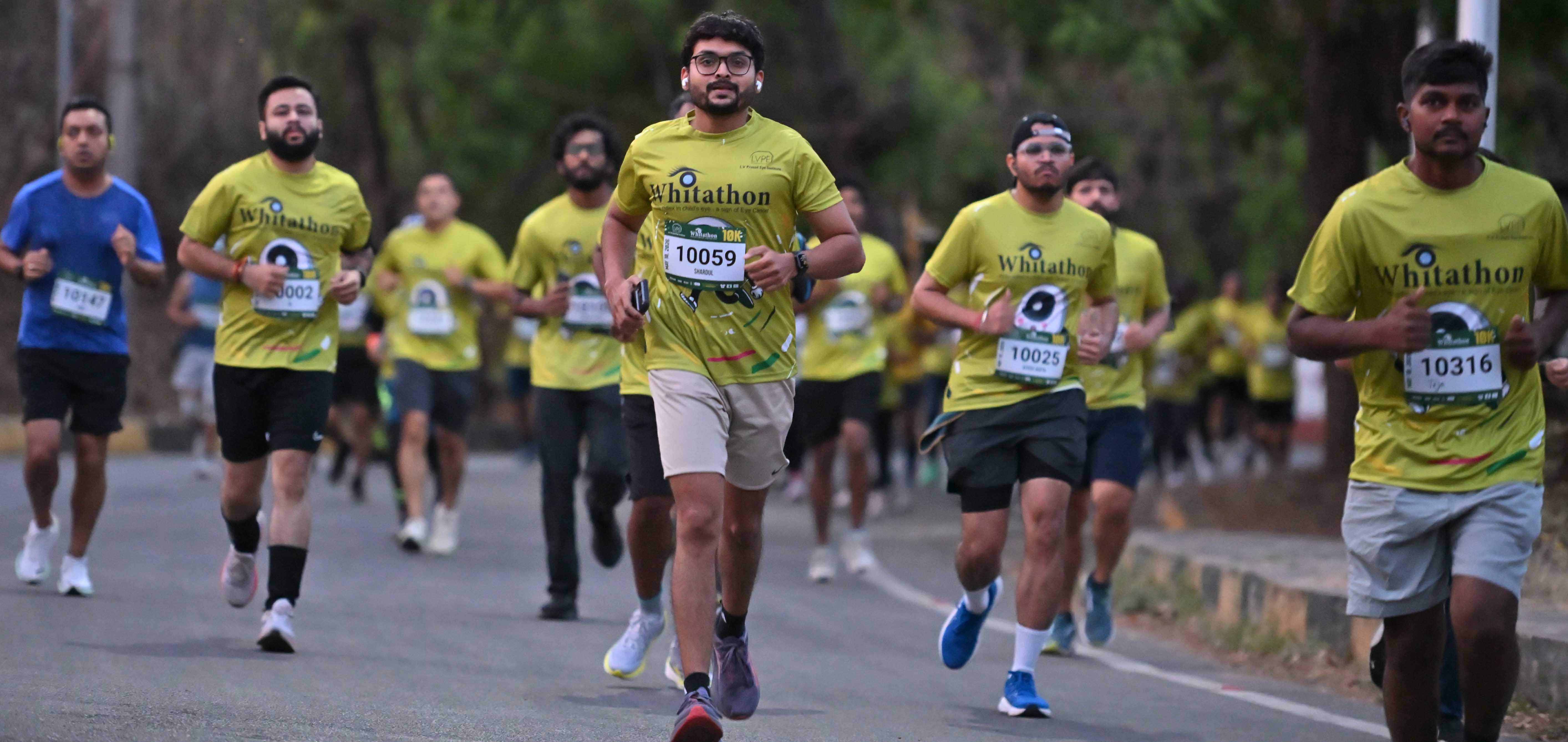
Hyderabad, May 11: The eighth edition of Whitathon Run, the annual cause-related awareness and fundraising event organised by L V Prasad Eye Institute, was held on Sunday morning at the University of Hyderabad, Gachibowli. The run commenced at 5:30 a.m. and witnessed enthusiastic participation from over 2,000 runners, families, students, healthcare professionals, volunteers and supporters from across Hyderabad.
The event featured four race categories — 3K, 5K, 10K and 21K.
The 21K Half Marathon was flagged off by Dr Prashant Garg, Dr Vijay Anand Reddy, Arun Kumar Kalliapan and Dr Swati Kaliki.
The 10K run was flagged off by Dr Prashant Garg, Sri Venkatesh Reddy, Dr Vijay Anand Reddy and Dr Swati Kaliki.
The 5K run was flagged off by Dr Merle Fernandez, Srinivasa Rao and Dr Swati Kaliki. The dignitaries also joined in flagging off the other race categories.
Supported by Hyderabad Runners, Whitathon 2026 continued its mission of raising awareness about Retinoblastoma, a life-threatening eye cancer that primarily affects children below the age of three. The event also aimed to mobilise support for free treatment and research initiatives for underprivileged children diagnosed with the disease.
In the Men’s Half Marathon category, Suraj Sarkar secured first place with a timing of 1:30:02, followed by Tapan Rai at 1:37:51 and Md. Shahbaz at 1:42:40. In the Men’s 10K category, Pradeep Thakur emerged winner with a timing of 0:45:05, while Viresh Sharadi and Ranbir Singh Bagga finished second and third with timings of 0:45:26 and 0:46:14 respectively. In the Women’s 10K category, Kitu Sheron topped the field with a timing of 0:49:57, followed by Aishwarya Agarwal at 0:56:18 and Anisha Sharma at 0:58:57. In the Men’s 5K category, Mohd Yonus finished first with a timing of 0:21:15, followed by Umesh Bishwakarma at 0:21:48 and Vennam Anand at 0:22:28. In the Women’s 5K category, Pranika Dixit secured first place with a timing of 0:29:22, while Swarna and Nikhitha George finished with timings of 0:32:16 and 0:33:49 respectively.
The central message of Whitathon — recognising the “White Reflex” in a child’s eye as an early warning sign of eye cancer requiring immediate medical attention — was amplified throughout the event through awareness activities and participant engagement.
Speaking on the occasion, representatives from LVPEI emphasised the urgent need for early detection and timely intervention in Retinoblastoma cases. While more than 90% of children treated at LVPEI survive the disease, vision can be preserved in only about 45% of cases due to delayed diagnosis and presentation.
India accounts for nearly 20–25% of Retinoblastoma cases worldwide. Globally, nearly half of affected children lose their lives because of late detection and inadequate treatment. Medical experts reiterated that Retinoblastoma is highly curable when identified early, helping save the child’s life, eye and vision.
Funds raised through Whitathon 2026 will support treatment for children from economically disadvantaged families and contribute towards research into advanced and novel treatment options for Retinoblastoma.
Since its inception in 2018, Whitathon has steadily grown into a major community-driven awareness initiative in Hyderabad, reflecting the city’s strong culture of social responsibility and public participation.
Over the past decade, LVPEI has treated more than 2,500 patients with Retinoblastoma. The institute continues to provide over 50% of its services entirely free of cost, irrespective of the complexity of care required, through its unique cross-subsidy and Eye Health Pyramid models.
Established in 1987 with the vision “to create excellent and equitable eye care systems that reach all those in need,” L V Prasad Eye Institute is a comprehensive eye health institution and a World Health Organisation Collaborating Centre for the Prevention of Blindness. LVPEI is also globally recognised for its cutting-edge eye research, with more than 5,000 scientific papers published in leading international journals.
Whitathon 2026 concluded on a high note, with participants pledging to continue spreading awareness about childhood eye cancer and the importance of early eye screening for children.
The Scores
Winners and Timings
In the Men’s Half Marathon category, the top three finishers were:
- Suraj Sarkar — 1:30:02
- Tapan Rai — 1:37:51
- Md. Shahbaz — 1:42:40
In the Men’s 10K category, the top three finishers were:
- Pradeep Thakur — 0:45:05
- Viresh Sharadi — 0:45:26
- Ranbir Singh Bagga — 0:46:14
In the Women’s 10K category, the top three finishers were:
- Kitu Sheron — 0:49:57
- Aishwarya Agarwal — 0:56:18
- Anisha Sharma — 0:58:57
In the Men’s 5K category, the top three finishers were:
- Mohd Yonus — 0:21:15
- Umesh Bishwakarma — 0:21:48
- Vennam Anand — 0:22:28
In the Women’s 5K category, the top three finishers were:
- Pranika Dixit — 0:29:22
- Swarna — 0:32:16
- Nikhitha George — 0:33:49
—
10, May 2026
Women’s Health Claims Rise Sharply as Maternity Costs Increase, Finds Care Health Insurance
May 10, 2026: India’s maternity healthcare landscape is undergoing a significant shift, with more women accessing formal, institutional care than ever before. As per data from the Ministry of Health and Family Welfare, with over 88–90% of births now occurring in institutional settings, the share of institutional deliveries has reached 97.3% in 2023–24, signalling a sustained shift towards formal, hospital-based maternal care. Government data presented in 2025 further showed that C-section deliveries accounted for over 27% of all reported births in India during 2024–25, reinforcing the growing shift towards medically intensive maternity care.
Against this backdrop, Care Health Insurance highlights a clear expansion in women’s health claims, both in scale and intensity. Women’s health insurance claims rose 37% from FY25 to FY26, with the 20–40 age group continuing to drive this growth, increasing from 25% over the same period.
At the same time, maternity-related claims are becoming more cost-intensive with Tier 2 and Tier 3 cities continue to account for a larger share of overall claims contributing to 60% of all maternity claims reported to the company.
A shift in maternal age profile is also visible. In FY26, women aged above 35 years accounted for 12% of total maternity claim volumes which was higher as compared to previous years and increasing. The cost of this age group was 18% of the overall claim amount, indicating higher cost intensity associated with later-age pregnancies.
Overall maternity claim outgo has risen by 25% over the last two years, even as claim volumes have fluctuated, indicating a shift towards higher spend per case.
While deliveries are becoming increasingly institutionalized and becoming more efficient, the proportion of women discharged within five days for maternal care has increased from 75% in FY24 to 82% in FY26. This duration of discharge is not resulting in cost reduction, instead the company has seen an upward trend in cost intensity for maternal treatment.
Taken together, these trends reflect a structural shift in maternal healthcare, with rising cost intensity and evolving care patterns driving higher financial exposure. The findings are further reinforced by broader public health data, which indicates that a majority of women in India are accessing formal antenatal care services, while three out of four continue to have inadequate dietary iron intake, highlighting persistent nutritional gaps and long-term health vulnerabilities beyond maternity.
Commenting on the findings, Manish Dodeja, Executive Director & Chief Business Officer, Care Health Insurance, said, “Women’s health insurance claims are no longer following a linear growth pattern; they are expanding in both scale and intensity. We are seeing a clear shift in the maternity landscape, with costs rising steadily. While care pathways are becoming more efficient, the financial exposure associated with maternal healthcare is increasing. This is not just a utilisation trend; it reflects a broader shift in how women are accessing and experiencing healthcare today. It is therefore important for individuals to periodically reassess their coverage to ensure it remains aligned with evolving needs.”
As maternal healthcare continues to formalise and utilisation rises, ensuring adequate and timely health insurance coverage remains critical to managing financial exposure and ensuring continuity of care.
8, May 2026
Optum India and United Way Bengaluru power last-mile healthcare with 45 e-Bikes for PHCs
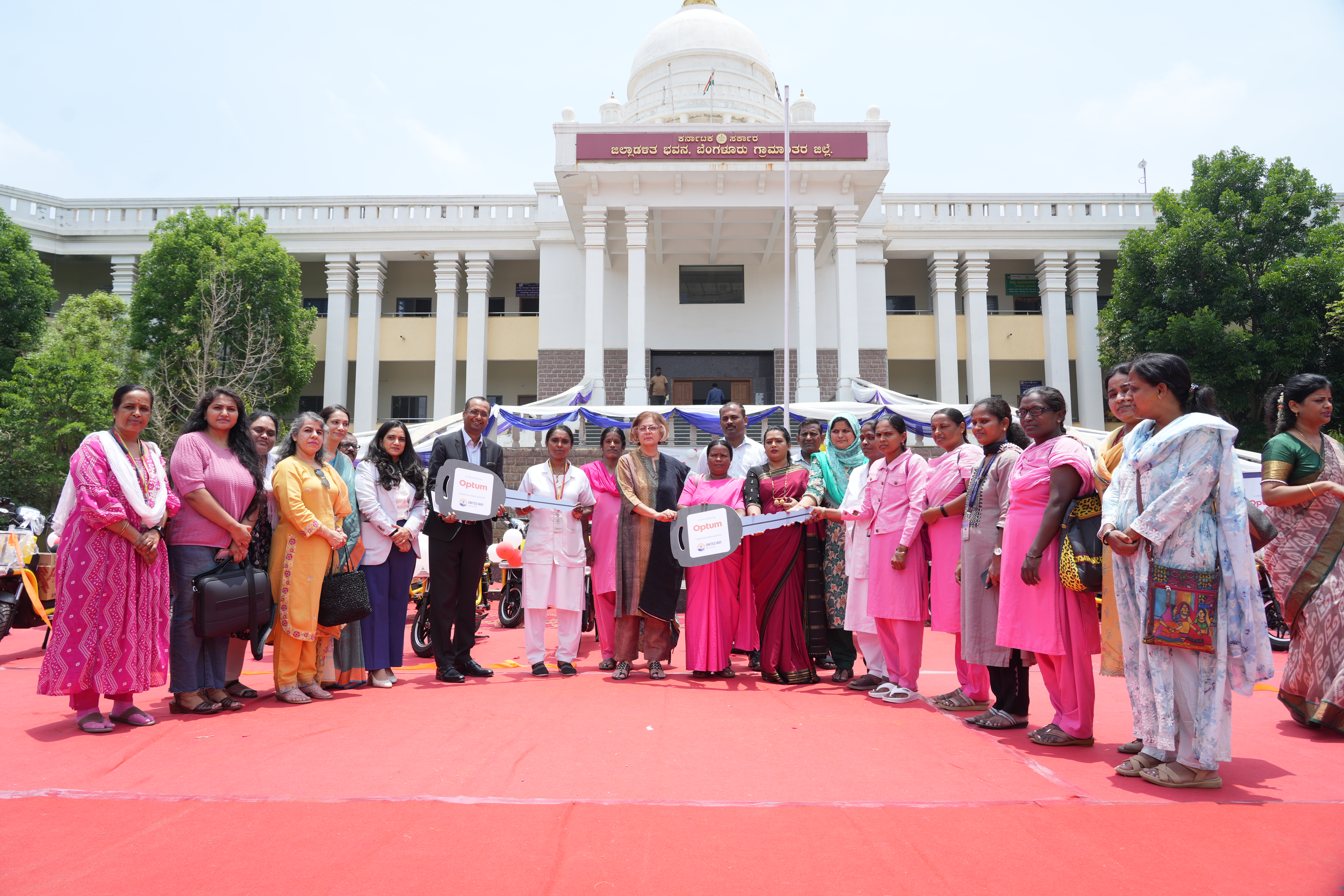
May 08 | Bengaluru: Reinforcing their commitment to strengthening primary healthcare systems, United Way Bengaluru (UWBe), in partnership with Optum India, handed over 45 ebikes to primary health centers (PHCs) at an event held at the Bengaluru Rural Deputy Commissioner’s Office. Designed to enhance last-mile connectivity, these e-bikes will significantly improve the reach, efficiency, and responsiveness of frontline healthcare workers, enabling them to better serve remote and underserved communities across the Bengaluru rural district, such as Hoskote, Doddaballapur, and other areas.
The event was inaugurated by Dr. Vasanthi Amar B V, CEO Bengaluru Rural; Uma Ratnam Krishnan, Managing Director (MD), Optum India, and Rajesh Krishnan, CEO, United Way Bengaluru, along with district officials, representatives from Optum and United Way Bengaluru, PHC staff, and community stakeholders.
“The e-bike program supports the Government of Karnataka’s vision of inclusive healthcare, where strong partnerships with NGOs, corporates, and communities ensure timely, accessible services reach every rural doorstep through innovative e-mobility. By empowering frontline health workers with efficient last-mile connectivity, this initiative not only improves service delivery but also strengthens trust within communities,” – Dr. Vasanthi Amar B V, IAS, CEO, Bengaluru Rural Zilla Panchayat.
“The future of healthcare will be defined by how well we empower those working closest to the community. By investing in mobility at the primary care level, we are enabling a more proactive and responsive system, one that is grounded in the everyday realities of the people it serves. As a force for good in India for India, our partnership with United Way Bengaluru aligns our shared vision to strengthen primary healthcare systems and drive meaningful impact at the grassroots,” said Uma Ratnam Krishnan, Managing Director (MD), Optum India.
“This collaboration signals the start of a purposeful partnership with Optum India, built on a common focus on advancing public health outcomes. It reflects a shared, long-term commitment to strengthening community health systems and supporting models of care that are better equipped to meet local needs,” said Rajesh Krishnan, CEO, United Way Bengaluru.


