


23, Apr 2026
Children Who Undervent Liver Transplants Unite at KIMSHEALTH
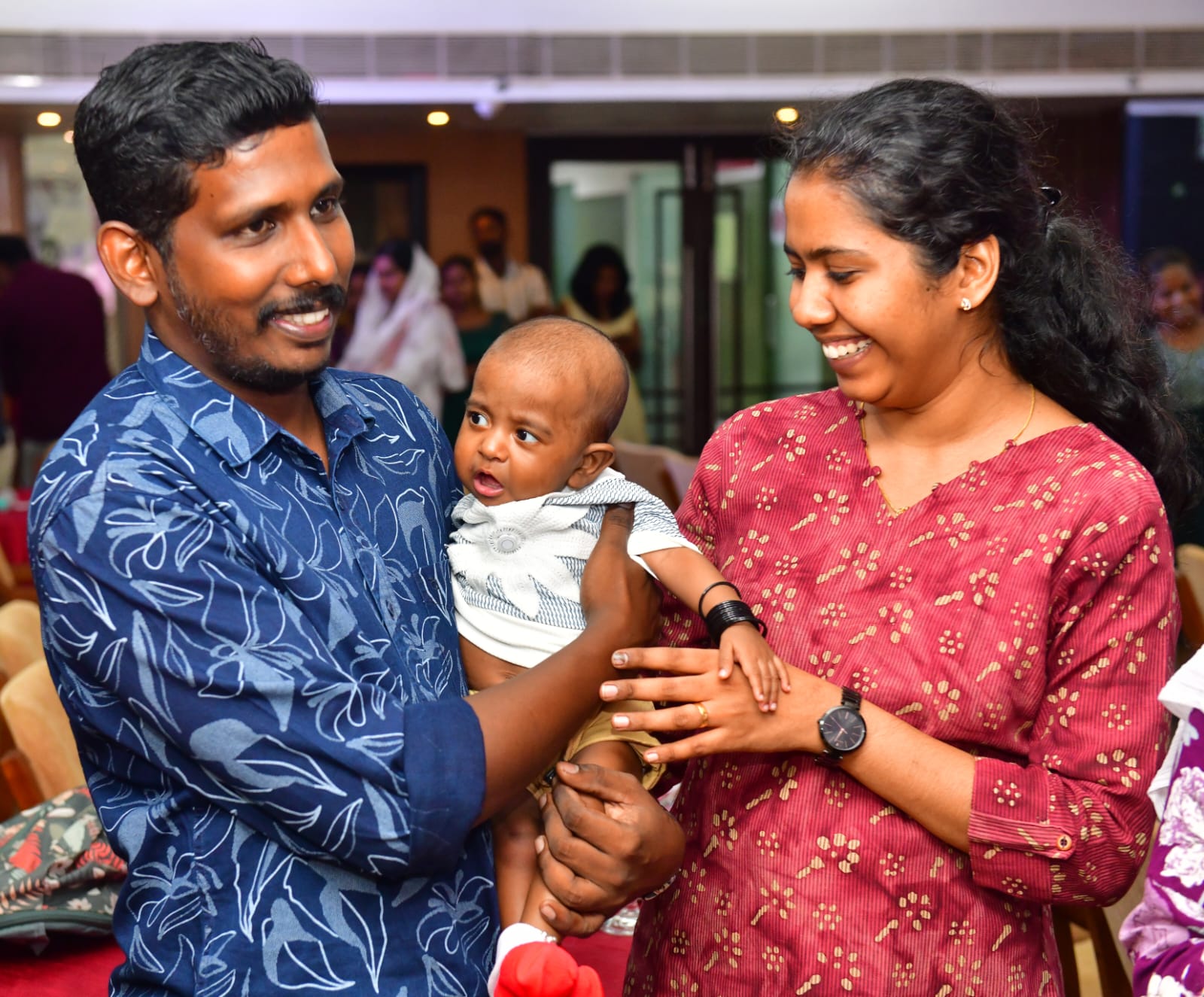
When Alin Sherin Abraham’s parents met eight-month-old Dhriya, the recipient of Alin’s liver, for the first time.
Thiruvananthapuram, Apr 23: In a tribute to the life-saving act of organ donation, KIMSHEALTH, organised a special gathering of organ donors and children who underwent liver transplant. The event also witnessed a deeply emotional moment, as the family of the ten month old donor Alin Sherin Abraham, met Dhriya, the eight month old who received Alin’s liver, for the first time. More than 100 people participated in this special gathering.
Dr. M I Sahadulla, Chairman and Managing Director of KIMSHEALTH, said that organ is the noblest message of love and sacrifice. He emphasized that it not only conveys a powerful message to society, but also plays a vital role in raising awareness about this crucial cause. Dr.Sahadulla, also lauded the tireless efforts of government systems, doctors in the liver transplant department, and other staff members.
Dr.Nobel Gracious, Executive Director, K-SOTTO said that the cooperation of organ donors’ families in Kerala, government systems including the police, public, media and above all, the untiring efforts of the doctors and the medical team performing the transplants is a great model to follow. Being an organ donor is a generous and worthwhile decision that can be a lifesaver, he added.
Dr. P K Jabbar, Principal, Government Medical College Thiruvananthapuram; Dr. Ragi Krishnan, South Zone Nodal Officer K-SOTTO; Dr. Basil, Joint Director, K-SOTTO; Dr. Praveen Muralidharan, Director, Multi Organ Transplant, KIMSHEALTH; Liver Transplant surgeons Dr. Shiraz Ahmad Rather, Dr. Shabeerali T U, and Pediatric Hepatologist Dr. Anu K Vasu where also part of the program.
KIMSHEALTH performed its first liver transplant on July 23, 2013. Since then, nearly 250 liver transplant surgeries have been successfully completed. The hospital has also achieved several significant milestones, including Kerala’s first combined liver and kidney transplant, the state’s first split liver transplant, the successful liver transplant on a lowest weighing baby.

- 0
- By Neel Achary

22, Apr 2026
Life Insurance Industry Achieves Record INR 4 Trillion New Business Premium in FY26
Apr 22 (BNP): The Indian life insurance sector has recorded a landmark achievement by collecting approximately ₹4 trillion in new business premiums in FY26, marking the highest-ever annual figure for the industry.

This milestone reflects strong consumer demand for life insurance products, increased financial awareness, and wider adoption across diverse market segments. Growth has been supported by digital transformation, improved accessibility, and expansion into emerging regions.
The industry’s performance highlights a growing focus on financial protection and long-term savings among Indian households. Insurers have also benefited from enhanced distribution capabilities and evolving product offerings tailored to customer needs.
The achievement underscores the sector’s steady expansion and its critical role in strengthening India’s financial security ecosystem.
21, Apr 2026
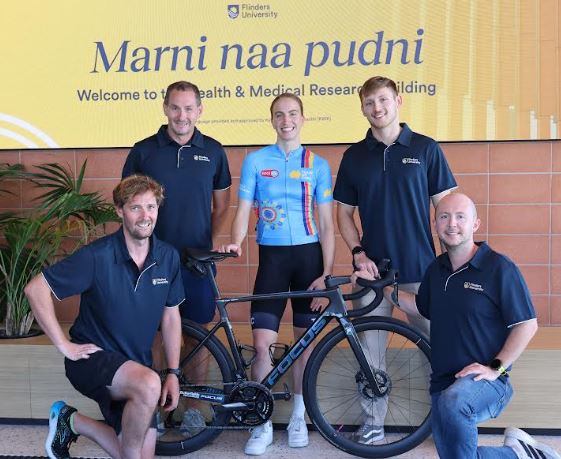
Finding the best dietary supplements for cycling performance – and recovery
20, Apr 2026
Study Flags Impact of Excess Screen Use on Children’s Behaviour and Sleep
Jaipur, Apr 20 (BNP): A recent clinical assessment conducted at a leading government hospital in Rajasthan has brought renewed attention to the growing impact of prolonged screen exposure on children’s physical, cognitive, and emotional well-being. The findings indicate a clear association between higher daily screen use and disturbances in attention, sleep patterns, and behavioural balance among school-going children.

The study evaluated 150 children in the age group of 10 to 16 years using behavioural observations, structured interactions, and parental feedback. It reflects an emerging lifestyle trend where digital devices are increasingly central to both learning and leisure, often without structured limits.
According to the study
According to the study, nearly 72% of children reported spending between three and six hours daily on mobile phones. Researchers observed that this level of screen engagement is frequently accompanied by reduced concentration, irregular sleep cycles, and diminished participation in offline activities.
Children with higher screen exposure were more likely to show difficulty in sustaining attention during academic tasks, increased irritability, and a tendency to withdraw from face-to-face social interaction. A preference for digital engagement over physical or outdoor activities was also commonly noted.
Cognitive and behavioural impact
The findings suggest that prolonged and unregulated screen use may overstimulate developing cognitive systems, affecting a child’s ability to focus for extended periods. Exposure to fast-paced and constantly changing digital content can gradually reduce patience levels and weaken attention control, particularly in academic environments.
Behavioural observations also indicated subtle emotional changes, including increased reliance on digital devices for comfort and reduced engagement with family members and peers. Over time, this pattern may influence social development and emotional responsiveness.
Sleep disruption emerging as a key concern
One of the most consistent observations in the study relates to sleep disturbance. Excessive screen use, especially during evening hours, was linked to delayed sleep onset and reduced overall sleep quality. This disruption in sleep patterns can have wider implications on memory consolidation, mood stability, and daytime alertness.
A shifting childhood environment
The study highlights a broader transformation in childhood experiences, where digital interaction is replacing traditional forms of play and communication. While technology continues to offer educational benefits, the findings underline the need to understand its behavioural and developmental impact when used without boundaries.
The importance of balanced digital habits
Experts associated with the assessment emphasise that complete avoidance of digital devices is neither practical nor necessary. Instead, the focus should be on structured and age-appropriate screen-time management.
Recommended measures include limiting recreational screen use, encouraging outdoor physical activity, promoting family interaction, and maintaining device-free time before sleep. These steps are seen as essential in restoring balance between digital engagement and real-world experiences.
A growing developmental concern
The findings point toward an emerging public health and developmental concern, as screen dependency becomes increasingly common among children. While digital tools remain integral to modern life, the study underscores the importance of moderation to ensure healthy cognitive growth, emotional stability, and social development.
In an increasingly digital world, the challenge lies not in removing screens from childhood—but in ensuring they do not define it.
17, Apr 2026
Manipal Hospital Kharadi Hosts Health Mela, Introduces MAHI Health Packages
Pune, Apr 17 : Manipal Hospital, Kharadi successfully organised a Health Mela along with a Free Health Check-up Camp, reinforcing its commitment to preventive healthcare and community wellness. The event also marked the launch of MAHI Health Packages, designed to encourage regular health screening across different age groups.
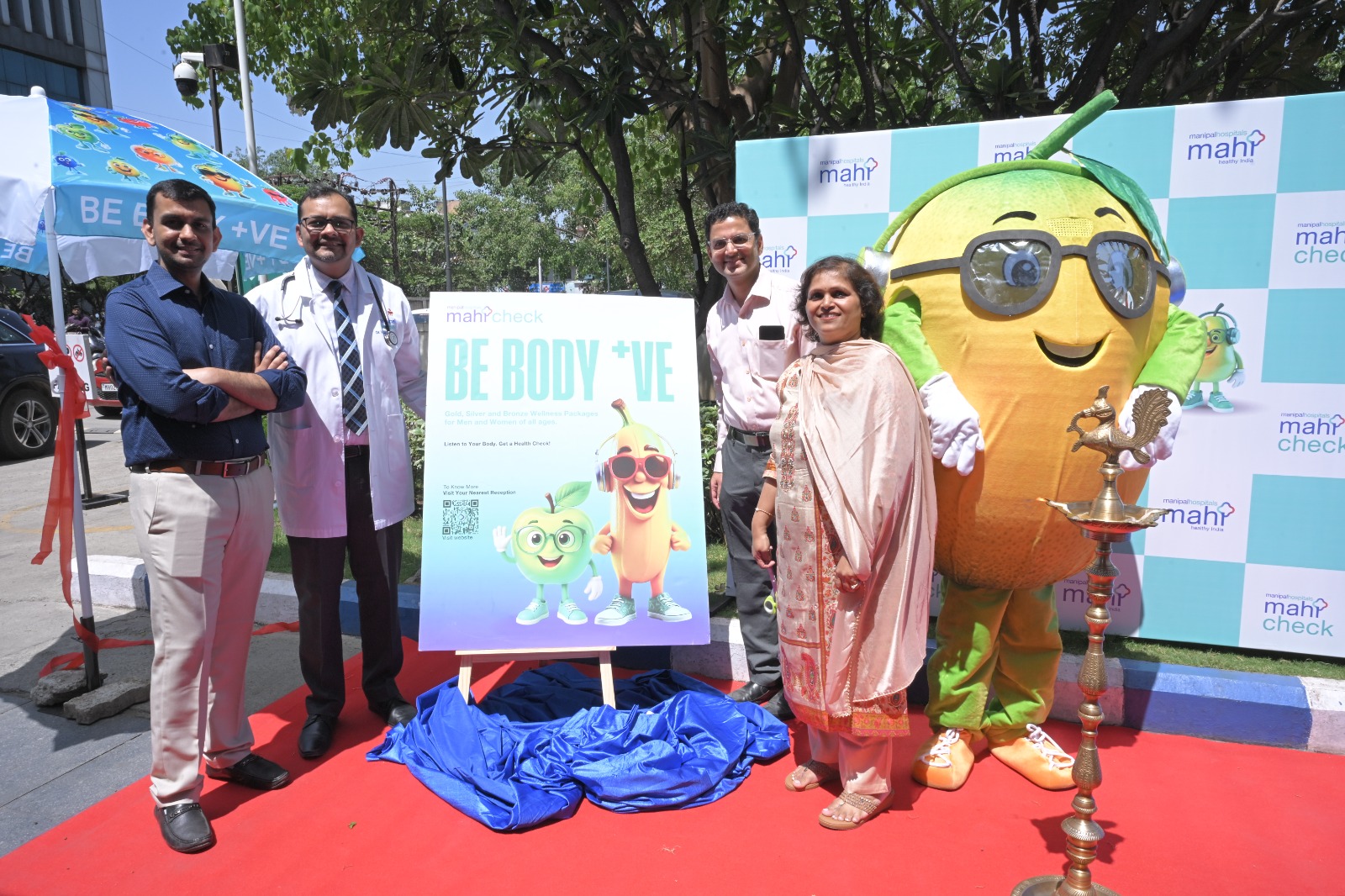
A total of 189 participants benefited from the camp, availing services such as ECG, pulmonary function tests (PFT), bone density screening, diet consultations, internal medicine consultations, physiotherapy consultations, and basic health assessments. The initiative aimed to promote early detection of health conditions and encourage individuals to take a proactive approach towards their overall well-being.
Speaking on the occasion, Dr. Amit Mane, Hospital Director, Manipal Hospital, Kharadi, Pune, said
“To identify risks to health early on and lessen the burden of advanced diseases, preventive healthcare is essential. The goal of programs like the Health Mela and MAHI Health Packages is to increase accessibility to high-quality screening services and motivate people to prioritize their health by getting regular checkups. Age-appropriate preventative screening options can be found by the MAHI Health Packages, which help people in all phases of life in keeping an eye on their health and spotting issues that could otherwise go undetected over time. Manipal Hospital Kharadi’s dedication to meeting the healthcare requirements of residents in Pune and the surrounding regions is reflected in the program, which also emphasizes the significance of quick medical intervention and professional treatment.”
17, Apr 2026
Ayush Chintan Shivir 2026 Opens in Delhi, Focus on Policy, Innovation
New Delhi, April 17 (BNP): Union Minister of State (Independent Charge) for Ayush and Minister of State for Health and Family Welfare, Prataprao Jadhav, on Wednesday inaugurated the two-day “Ayush Chintan Shivir 2026” in the national capital.
The event, which concludes on April 17, is aimed at reviewing progress, strengthening policy direction, and charting a future roadmap for the Ayush sector, officials said.
Addressing the gathering, Jadhav said the Chintan Shivir reflects the government’s commitment to reinforcing policy implementation and institutional capacity in Ayush. He noted that the platform would help assess achievements since the previous conclave and identify gaps for future action. He also underlined the growing role of Ayush in addressing lifestyle diseases through a holistic approach.
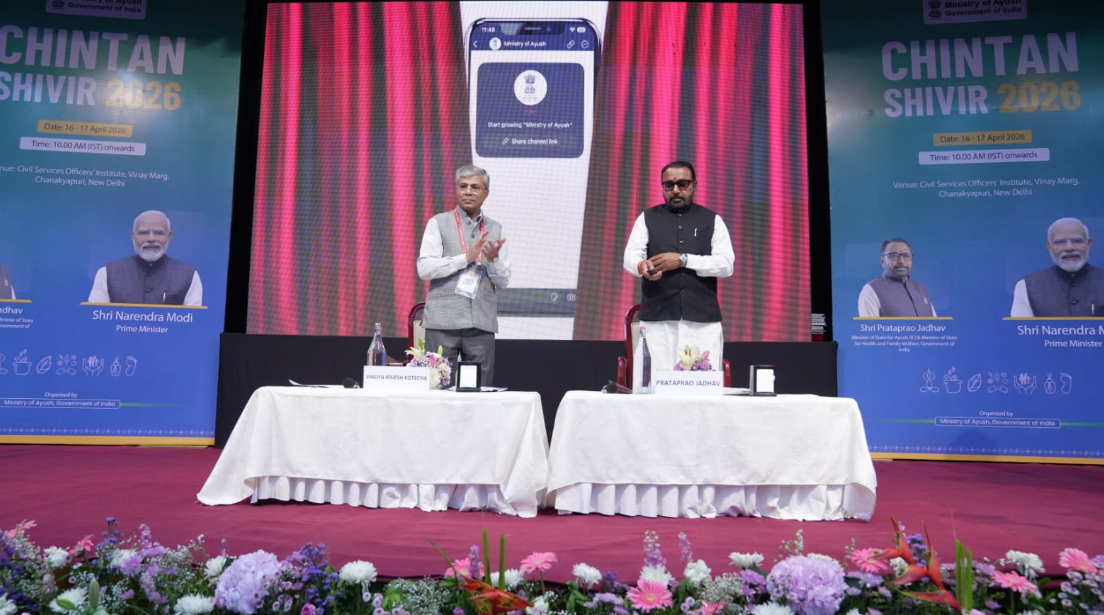
Highlighting the government’s focus, the minister pointed to increased budget allocations for education, research, infrastructure, and global outreach. He stressed the need for evidence-based research, innovation, digitalisation, and greater public awareness, expressing confidence that Ayush will play a key role in achieving the “Viksit Bharat 2047” vision.
Secretary, Ministry of Ayush, Vaidya Rajesh Kotecha, described the Shivir as an important platform for policy review and long-term planning, adding that efforts are underway to integrate traditional knowledge with modern science and expand global collaboration.
Joint Secretary Alarmelmangai D. said the initiative promotes collaborative policymaking and noted the rising national and international recognition of Ayush systems.
A key highlight of the inaugural session was the signing of a Memorandum of Understanding between the All India Institute of Ayurveda (AIIA) and the General Insurance Council to expand insurance coverage and streamline claim settlements for Ayush treatments.
The minister also launched the Ministry’s official WhatsApp channel to enhance citizen engagement and released a document on revised benchmark rates for insurance coverage of Ayush therapies. A toll-free helpline (1800-11-0008) for Ayush insurance was also introduced.
The first day featured three thematic sessions focusing on review of earlier outcomes, strengthening research and global partnerships, and improving legal preparedness in the sector, officials added.
16, Apr 2026
Tendo Marketplace Hits One Million Vouchers Purchased, Establishing the Standard for Price-Transparent, High-Quality Care
Accelerating adoption signals a market-wide shift toward employer and consumer-driven, bundled healthcare
Philadelphia, PA — (April 16, 2026) — Tendo, a healthcare technology company committed to putting quality at the center of every care decision, today announced that its Tendo Marketplace has surpassed one million vouchers purchased nationwide, a major milestone in delivering more accessible, high-quality, and price-transparent care.
The Tendo Marketplace serves the needs of individual consumers, navigators, employers, and healthcare providers by bringing together trusted provider networks, quality insights, procedure bundling, claims management, and transparent, all-inclusive pricing into a single shoppable care experience.
Through Tendo Marketplace, consumers, employees, and navigators can search for procedures, compare provider quality, view upfront bundled pricing, and secure care through a simple voucher purchase, eliminating surprise billing and reducing friction at every step of the care journey. Healthcare providers can create and list bundled procedures, analyze and set procedure pricing, and manage claims and payment processes without the challenges typically associated with things like pre-authorizations, claims denials, and payments to ancillary providers.
“One million vouchers purchased tells us something fundamental is changing,” said Jennifer Goldsmith, CEO and Co-founder of Tendo. “Employers are taking ownership of how their dollars are spent, demanding quality care at a transparent and predictable cost. Consumers are making care decisions the same way they make every other major purchase – with information, intention, and choice. And providers are freed from the administrative burden of pre-authorizations and claim denials, receiving timely, predictable payment for the quality care they deliver. That’s a structural shift, and it’s only accelerating.”
Patients across the country are already seeing the impact. Testimonials highlight both financial relief and improved access to care, with one user sharing, “It was a life-changing moment… the voucher program helped my family tremendously,” another noting savings of more than 50% on an MRI through the marketplace, and another patient describing: “This is the future of medicine in the U.S., I was able to get long-overdue testing without insurance. It was easy to set up. I’ve been telling all my newly uninsured friends about it—this is the wave of the future.”
The shift toward employer-driven and consumer-led healthcare is accelerating, and the demand for solutions that deliver quality, affordability, and transparency has never been greater. Recognition on TIME’s 2025 World’s Top HealthTech Companies list underscores Tendo’s position at the forefront of that transformation — redefining how care is discovered, evaluated, and accessed. With the Tendo Marketplace, the company is delivering on a simple but powerful promise: every healthcare decision is informed by cost and quality, without compromise.
15, Apr 2026
PANVIS STAR Robotic System Advances Remote Mechanical Thrombectomy Technology
Apr 15 (BNP): PANVIS STAR, a vascular interventional robotic system developed by Shenzhen Institute of Advanced Biomedical Robot Co., Ltd. (abrobo), is being positioned as a major advancement in neurointerventional treatment for ischemic stroke.
Ischemic stroke remains a leading global health concern, with millions of new cases reported each year. Access to mechanical thrombectomy (MT), the standard treatment for large vessel occlusion, is often limited by uneven healthcare infrastructure, shortage of specialists, and procedural complexity.
The PANVIS STAR system is designed to address these challenges by enabling remotely controlled, high-precision thrombectomy procedures. In preclinical studies using an animal model of arterial occlusion, the system successfully completed the entire MT workflow, including vascular access, angiography, lesion navigation, device placement, and clot retrieval.
The robotic platform demonstrated coordinated control of multiple devices, including guiding catheters, microcatheters, and stent retrievers, enabling smooth and precise execution of the procedure. The intervention achieved complete vessel reopening, supported by sub-millimeter accuracy, force sensing, and haptic feedback.
Researchers say the technology could help reduce operator fatigue, improve procedural consistency, and expand access to advanced stroke treatment in regions with limited specialist availability.
The PANVIS STAR system represents a significant step forward in robotic-assisted neurointervention and the future of minimally invasive stroke care.
15, Apr 2026
Healthcare Sector Likely to Post Modest Growth in Q4 Amid Pricing Pressure in US Market
New Delhi, Apr 15 (BNP): The healthcare sector is expected to report modest revenue growth in the fourth quarter, even as profit margins come under pressure due to challenges in the US generics market, according to a report by Systematix.
The brokerage noted that while demand trends remain steady, overall earnings growth is likely to be limited. A key concern is the so-called “generics cliff” in the US, which is expected to weigh on pricing power and profitability for Indian pharmaceutical exporters.
Despite these pressures, the sector continues to benefit from stable domestic demand and ongoing opportunities in select export markets. However, margin compression is likely to remain a near-term challenge for several companies.
Analysts suggest that while revenue growth may remain moderate, sustained performance will depend on how companies navigate pricing pressures and diversify their product portfolios in global markets.
15, Apr 2026
CERo Therapeutics Doses Third Patient in Cohort 2 of Phase 1 CER-1236 Trial
Study will advance into expanded patient populations with myelodysplastic syndrome (MDS) and myelofibrosis (MF)
SOUTH SAN FRANCISCO, Calif., April 15, 2026: CERo Therapeutics Holdings, Inc., (OTCQB: CERO) (“CERo” or the “Company”) an innovative cellular immunotherapy company seeking to advance the next generation of engineered T cell therapeutics that employ phagocytic mechanisms, announces it has dosed the third patient in the second cohort (sixth patient overall) in its Phase 1 CER-1236 clinical trial in hematologic malignancies. The patient had MDS that evolved to acute myeloid leukemia (AML). The trial was recently expanded to include earlier forms of MDS and myelofibrosis (MF).
The study continues to progress in accordance with protocol, with patients undergoing monitoring for safety, pharmacokinetics, pharmacodynamics, and clinical activity. With more than seven days of follow-up completed after the most recent infusion, CERo continues to evaluate key endpoints across dose levels as it advances through dose escalation.
As previously presented at the February Tandem Meetings in Salt Lake City, CER-1236 has demonstrated no reported cases of cytokine release syndrome (CRS) or immune effector cell-associated neurotoxicity syndrome (ICANS) of any grade, and no dose-limiting toxicities observed during the 28-day assessment window. Investigators also reported in vivo cell expansion, with peak levels observed between days 10 and 14 following infusion. Additionally, as previously reported, a single patient with inv(3) AML who received four CER-1236 infusions over five months at the lowest dose level achieved 72 consecutive days of platelet transfusion independence. These findings informed the protocol amendment expanding enrollment into patients with MDS and MF.
Robert Sikorski, M.D., Ph.D., CERo Chief Medical Officer, stated, “This is the third patient in the cohort, and completion of the dose-limiting toxicity evaluation period may enable further dose escalation in accordance with the protocol. We continue to evaluate the safety profile and early clinical data as CER-1236 is studied in patient populations with significant unmet need.”
The first-in-human, multi-center, open-label Phase 1/1b study is designed to evaluate the safety and preliminary efficacy of CER-1236. The trial was initially focused on AML patients, including those with relapsed/refractory disease, measurable residual disease, or newly diagnosed TP53-mutated AML, and has since expanded to include transfusion-dependent MDS (TD-MDS), high-risk MDS (HR-MDS), and post-JAK inhibitor myelofibrosis (MF). Primary endpoints include safety and tolerability, while secondary endpoints include pharmacokinetics and measures of clinical response, including overall response rate (ORR), complete response (CR), composite complete response (cCR), and measurable residual disease (MRD).
CERo Chief Executive Officer Chris Ehrlich added, “Dosing our sixth patient and expanding into MDS represents continued execution of the CERTAIN-T trial and an important milestone for CERo. We believe CER-1236 has the potential to address multiple hematologic malignancies, and we look forward to further advancing the study and sharing additional clinical updates.”


