


12, Oct 2026
BMC Destroys 60 Kg of Stale Food in Bhubaneswar Eateries During Festive Season Raids
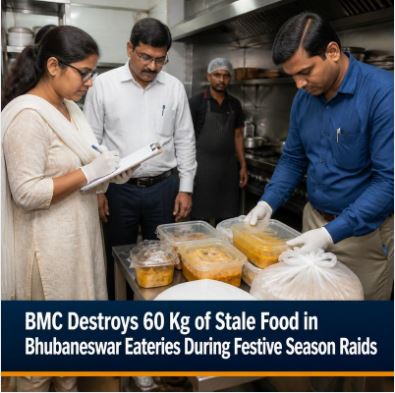
Bhubaneswar, Oct. 12 (UDN): The Bhubaneswar Municipal Corporation (BMC) has intensified its food safety enforcement drive ahead of the festive season, carrying out inspections at hotels and restaurants in the Patia area to ensure that customers are served safe and hygienic food.
Representational Image
During Monday’s raids, officials inspected food items at several establishments and destroyed stale and unfit food found during the operation. The drive aims to prevent unsafe food from reaching consumers as visits to eateries increase during the festive period.
60 Kg of Food Destroyed
BMC Food Safety Officer Satyajit Patel said around 60 kg of food had been destroyed so far as part of the enforcement campaign.
He said inspections were being conducted to identify stale and unhygienic food, with fines imposed on establishments found violating food safety requirements. Officials are also issuing warnings, while repeated or serious violations could lead to establishments being sealed.
The department is continuing its monitoring of hotels and restaurants to ensure that food served to the public meets basic hygiene and safety standards.
Strict Action Against Violations
With the festive season underway, the civic body has stepped up surveillance of food outlets to protect consumers from food that may be unsafe for consumption.
Alongside inspections and enforcement, officials are also raising awareness about food safety among the public and food business operators.
Patel said the raids would continue in the coming days, with the department maintaining vigilance over eateries across the city.
The intensified drive is intended to strengthen food safety compliance and ensure that residents and visitors can enjoy festive meals without compromising their health.
- 0
- By Neel Achary

12, Oct 2026
World Arthritis Day 2026: One in Six Indians Affected; Experts Emphasise Early Diagnosis and Treatment
Bhubaneswar, Oct 12 (UDN): Persistent joint pain, swelling and stiffness can make everyday activities such as walking, climbing stairs and getting out of bed increasingly difficult. On World Arthritis Day, observed on October 12, health experts are highlighting the importance of early diagnosis, timely treatment and physiotherapy to manage arthritis and improve patients’ quality of life.
Representational Image
Estimates suggest that nearly one in six Indians is affected by arthritis, underscoring the need for greater awareness of joint health. The condition can affect people across different age groups, including children and older adults, and may significantly restrict mobility if not managed appropriately.
Experts caution that persistent joint discomfort should not be ignored. Recognising symptoms early and seeking medical advice can help identify the underlying condition and ensure appropriate treatment.
Early Diagnosis Crucial for Arthritis Management
Orthopaedic specialist Professor Dr Biswajit Sahu stressed the importance of understanding arthritis, recognising its symptoms and knowing when to consult a doctor.
He highlighted the need to educate people about the causes of arthritis and the treatment options available, noting that greater awareness can encourage patients to seek timely medical attention rather than overlook persistent pain or stiffness.
Arthritis encompasses several conditions affecting the joints, each with different causes and treatment requirements. Early evaluation can help doctors determine the type of arthritis and recommend suitable management strategies.
Depending on the condition, treatment may involve medication, physiotherapy, exercise and lifestyle modifications.
Physiotherapy Can Help Improve Knee Mobility
Knee osteoarthritis can cause pain, stiffness and difficulty bending the knee, affecting a person’s ability to walk comfortably and perform routine activities.
Physiotherapist Dr Sanjay Ram highlighted the role of the popliteus muscle, located at the back of the knee, in controlling knee movement. He explained that people with knee osteoarthritis may experience restricted movement and adopt altered walking patterns, potentially contributing to discomfort.
According to Dr Ram, certain physiotherapy approaches focus on relaxing the popliteus muscle to help improve knee mobility. However, treatment should be tailored to each patient’s condition and carried out under the guidance of a qualified healthcare professional.
Physiotherapy, when appropriately prescribed, can help improve movement, strengthen supporting muscles and support better joint function.
Lifestyle Changes Can Support Joint Health
Although not all forms of arthritis can be prevented, experts recommend maintaining a healthy weight, staying physically active and following a balanced diet to support overall joint health.
Excess body weight can place additional stress on weight-bearing joints, particularly the knees and hips. Suitable physical activity can help maintain muscle strength, flexibility and mobility.
People experiencing persistent joint pain, swelling, stiffness or difficulty moving should seek medical evaluation instead of relying solely on home remedies or self-medication.
Timely Treatment Can Improve Quality of Life
Arthritis management varies according to the type and severity of the condition. Early diagnosis, appropriate medical treatment and regular follow-up can help control symptoms and reduce the risk of complications.
As World Arthritis Day is observed, health experts are urging people to prioritise joint health and seek professional advice when symptoms persist.
Greater awareness, timely intervention and appropriate rehabilitation can help people with arthritis maintain mobility, remain active and enjoy a better quality of life.
11, Oct 2026
‘Hope of Light’ Illuminates Gachibowli Stadium Ahead of 9th Global Grace Cancer Run 2026
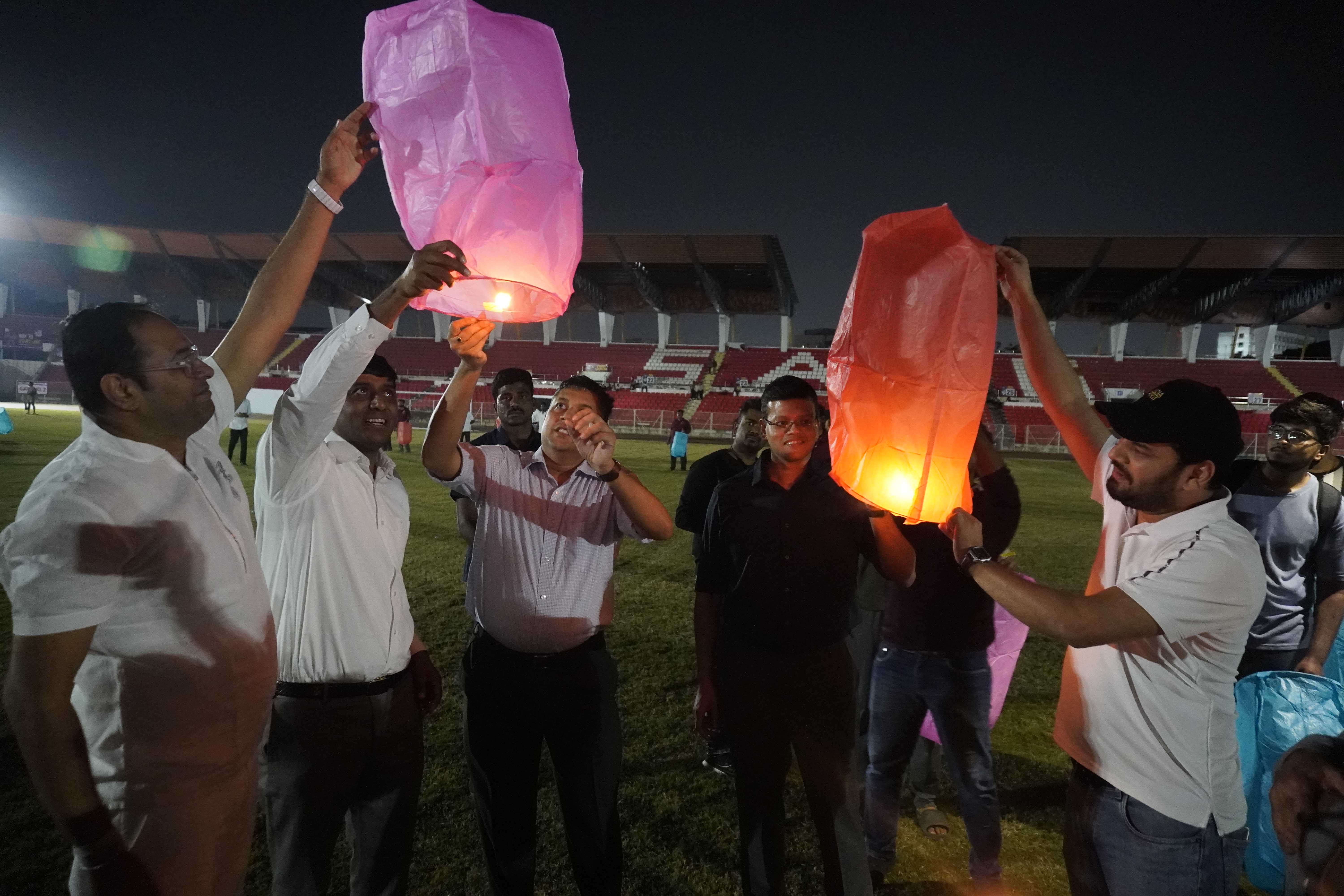
Hyderabad, Oct 11: In a moving expression of solidarity, remembrance and hope, ‘Hope of Light’, a unique initiative of Grace Cancer Foundation, was organised at Gachibowli Stadium on Saturday night, ahead of the 9th Edition of the Global Grace Cancer Run 2026.
The event brought together around 500 students and volunteers from different walks of life, who joined hands to illuminate the stadium with lanterns and candles, transforming the night into a powerful symbol of hope, compassion and collective resolve in the fight against cancer.
Mr. Avinash Mohanty, Mr. Avinash Mohanty, Commissioner of the Telangana Standards Authority for Food and Essential Drugs (TG SAFE) was the Chief Guest. He launched the initiative along with Dr. Chinnababu Sunkavalli, Founder and CEO of Grace Cancer Foundation; Dr. Prameela Rani Sunkavalli, Trustee of Grace Cancer Foundation; and Mr. Ramesh Kaza of the Society for Cyberabad Security Council (SCSC), by releasing a lantern into the night sky.
As the lantern rose into the darkness, it carried a message that transcended words—a tribute to those who lost their lives to cancer, a salute to those who fought the disease and emerged victorious, and a beacon of awareness for those who have yet to understand the importance of prevention and early detection.
The evening unfolded through two evocative activities. While one group of students and volunteers released illuminated lanterns into the sky, symbolising hope and the triumph of light over darkness, another group lit candles and walked around the stadium in a solemn procession.
‘Hope of Light’ represents the many emotions and experiences associated with cancer. It honours the lives lost, celebrates the courage of cancer survivors, acknowledges the struggles of patients and their families, and reminds society that no one facing cancer should feel alone. Each lantern symbolised a life, a memory, a prayer and a promise to work towards a future where cancer is detected early, treated effectively and prevented wherever possible.
Light has always symbolised life, knowledge and the possibility of a new beginning. Through this initiative, Grace Cancer Foundation sought to convey that even in moments of uncertainty and despair, hope can illuminate the way forward. The gathering also served as a reminder that awareness, timely screening, preventive healthcare and community participation are essential to reducing the burden of cancer.
Speaking on the occasion, Mr. Avinash Mohanty appreciated the efforts of Grace Cancer Foundation and described the Global Grace Cancer Run as a commendable initiative that combines public participation with a meaningful social purpose.
“I understand that Grace Cancer Foundation has been receiving requests from various State Governments to plan and implement cancer screening initiatives in their respective states. This reflects the importance of the Foundation’s work and the growing recognition of the need to take cancer awareness and screening to communities. Initiatives like the Global Grace Cancer Run help bring people together for a cause that touches countless lives,” he said.
Through ‘Hope of Light’, Grace Cancer Foundation reinforced a simple yet powerful message: Light is a symbol of life. Let us remember every life lost, stand beside every life fighting cancer, and bring the light of awareness to every life we can reach.
11, Oct 2026
Record-Breaking Cancer Survivors’ Participation Marks 9th Global Grace Cancer Run
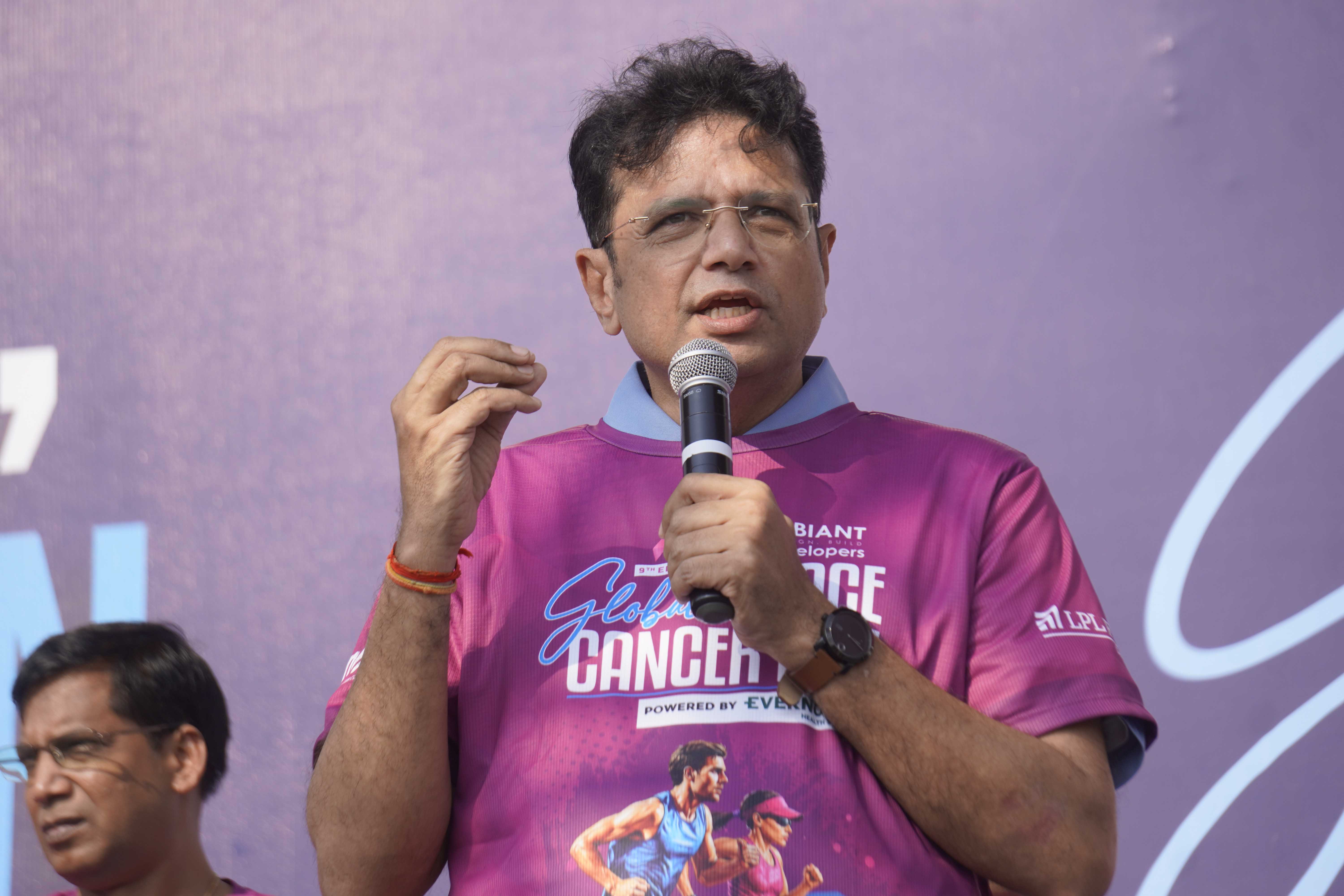
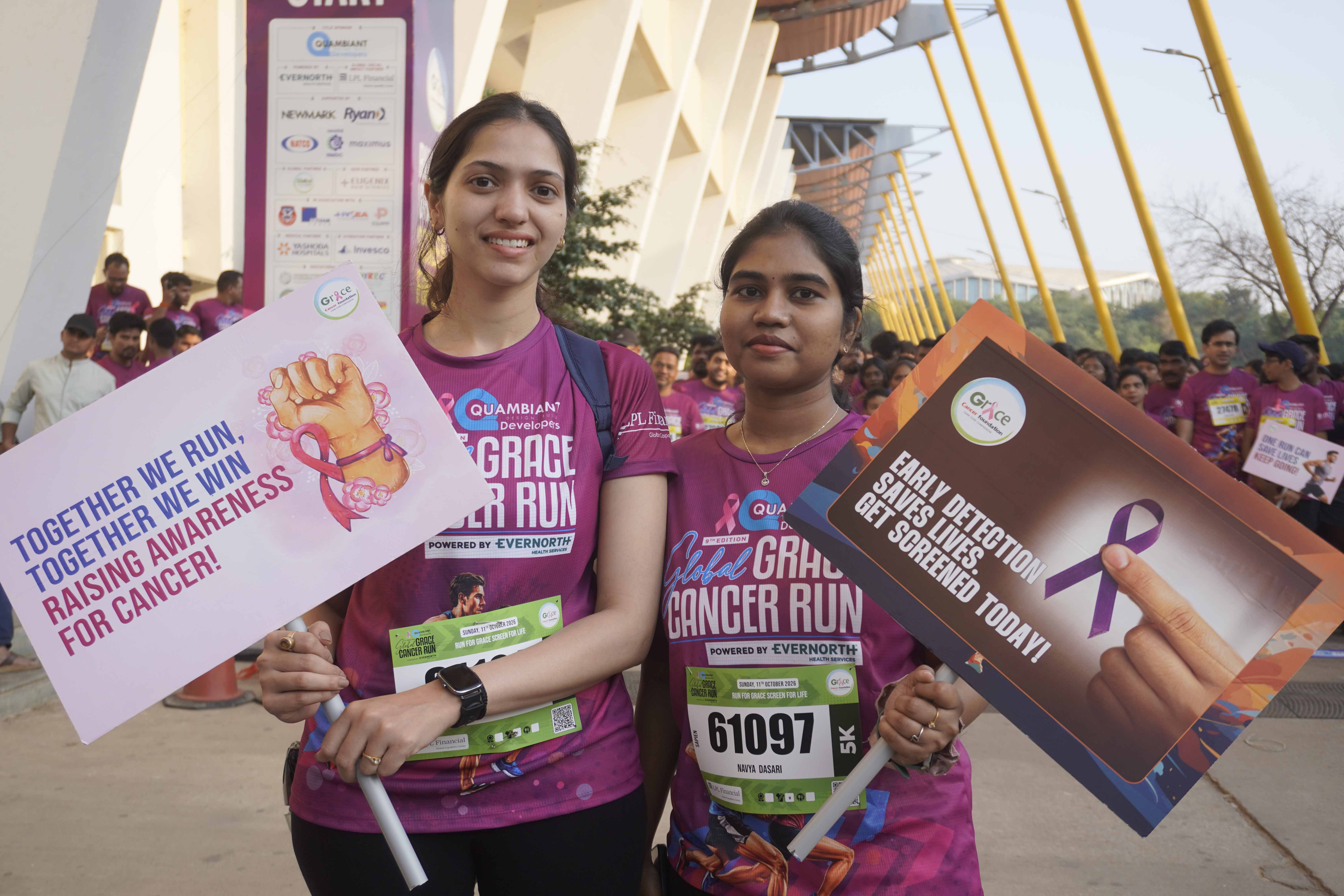
Hyderabad, October 11, 2026: More than 35,000 Runners including 300 Cancer Survivors, the biggest ever cancer survivors to participate in any Cancer Run participated in the 9th Edition of Quambiant Global Grace Cancer Run 2026 powered by Evernorth Health Services held on Sunday at Gachibowli Stadium.
The participation of approximately 300 cancer survivors was a major highlight, creating a powerful collective statement of hope, courage and resilience. Organised by Hyderabad-based Grace Cancer Foundation under the theme “Run for Grace. Screen for Life,” the event continues to strengthen public awareness about cancer prevention and the importance of timely diagnosis.
Chief Minister A. Revanth Reddy, who could not attend the event due to prior engagements, sent a letter conveying his message to the participants. Dr. Chinnababu Sunkavalli, Founder and Global CEO of Grace Cancer Foundation and Senior Consultant Robotic Surgical Oncologist, read the letter to the gathering.
In his message, the Chief Minister commended the work of Grace Cancer Foundation and appreciated the services rendered by Dr. Chinnababu Sunkavalli. He emphasised the importance of early detection and observed that initiatives such as the Global Grace Cancer Run strengthen public awareness about cancer.
The winners of the men’s and women’s 10K categories received cash prizes of ₹25,000, ₹15,000 and ₹10,000 for the first, second and third places, respectively. The prizes were presented by Telangana Minister D. Sridhar Babu, MP Mallu Ravi and film actress Anaswara Rajan.
In the men’s 10K category, Mukesh Bhambhu secured first place, followed by Rohit Binnar in second place and Nikhar Bhalavi in third place.
In the women’s 10K category, Uma Marripally won first place, while Rajeshwari secured second place and Kalyani finished third.
Speaking after the distribution of prizes to the winners of the 10K run, Shri D. Sridhar Babu, Minister in the Telangana Government, said that participation in the run could help save lives, as the funds raised would support free cancer screening.
He said the initiative also created greater public awareness about the disease. While politicians contribute to social change through their responsibilities in public life, Dr. Chinnababu Sunkavalli and the participants were fulfilling their social responsibility by supporting a cause that could benefit thousands of people.
The Minister observed that the willingness of so many people to participate despite it being a Sunday, when many prefer to remain at home, reflected their commitment to society. He added that the participation of more than 35,000 runners was a reflection of Hyderabad’s civic spirit and social consciousness.
Shri Mallu Ravi, Member of Parliament and a cancer survivor, shared his personal experience with the disease. He said he was diagnosed with cancer in 2005, underwent treatment in the United States and had since recovered.
Emphasising the importance of early diagnosis, he said that cancer can be treated successfully when detected early. He also highlighted the emotional toll of the disease, observing that its impact extends beyond physical health and can undermine a patient’s hope.
His message underscored the importance of awareness, timely medical intervention and emotional support for patients and their families.
Dr. Chinnababu Sunkavalli announced that Grace Cancer Foundation would undertake cancer screening initiatives in the constituencies represented by Chief Minister A. Revanth Reddy and Minister D. Sridhar Babu. Following a request from MP Mallu Ravi, the Foundation also agreed to include Nagar Kurnool, his constituency, in the proposed initiative.
Dr. Chinnababu also announced that Grace Cancer Foundation is listed on the Social Stock Exchange, marking an important development in its efforts to advance its social-impact mission.
Film actress Anaswara Rajan urged people to give priority to their health rather than allowing daily chores and other commitments to take precedence. Her message reinforced the importance of preventive healthcare, healthy living and regular medical check-ups.
Among the distinguished guests were Shri V.C. Sajjanar, IPS, Commissioner of Police, Hyderabad; Dr. Ramesh Masthipuram, IPS, Commissioner of Police, Cyberabad; Ms. Srijana Gummalla, IAS, Municipal Commissioner, Cyberabad Municipal Corporation; Ms. Laura Williams, U.S. Consul General in Hyderabad; Ms. Saina Nehwal, Olympic bronze medallist and Indian badminton player
Other prominent participants included Ministers Mr. Yogendranath Reddy Bommu, Founder and Managing Director, Quambiant Developers and title sponsor of the run; Mr. Kalyan Thota, Senior Director, Finance Operations, Evernorth Health Services; Mr. Ramesh Kaza, Executive Vice President and Country Head, LPL Financial; Shri Sunpreet Singh, IPS, Joint Commissioner of Police (Traffic), Cyberabad Commissionerate; Shri Arekapudi Gandhi, MLA representing Serilingampally; and Mr. Lakshmi Narayana Dronamraju, Founder and CEO of EQUIPPPP.
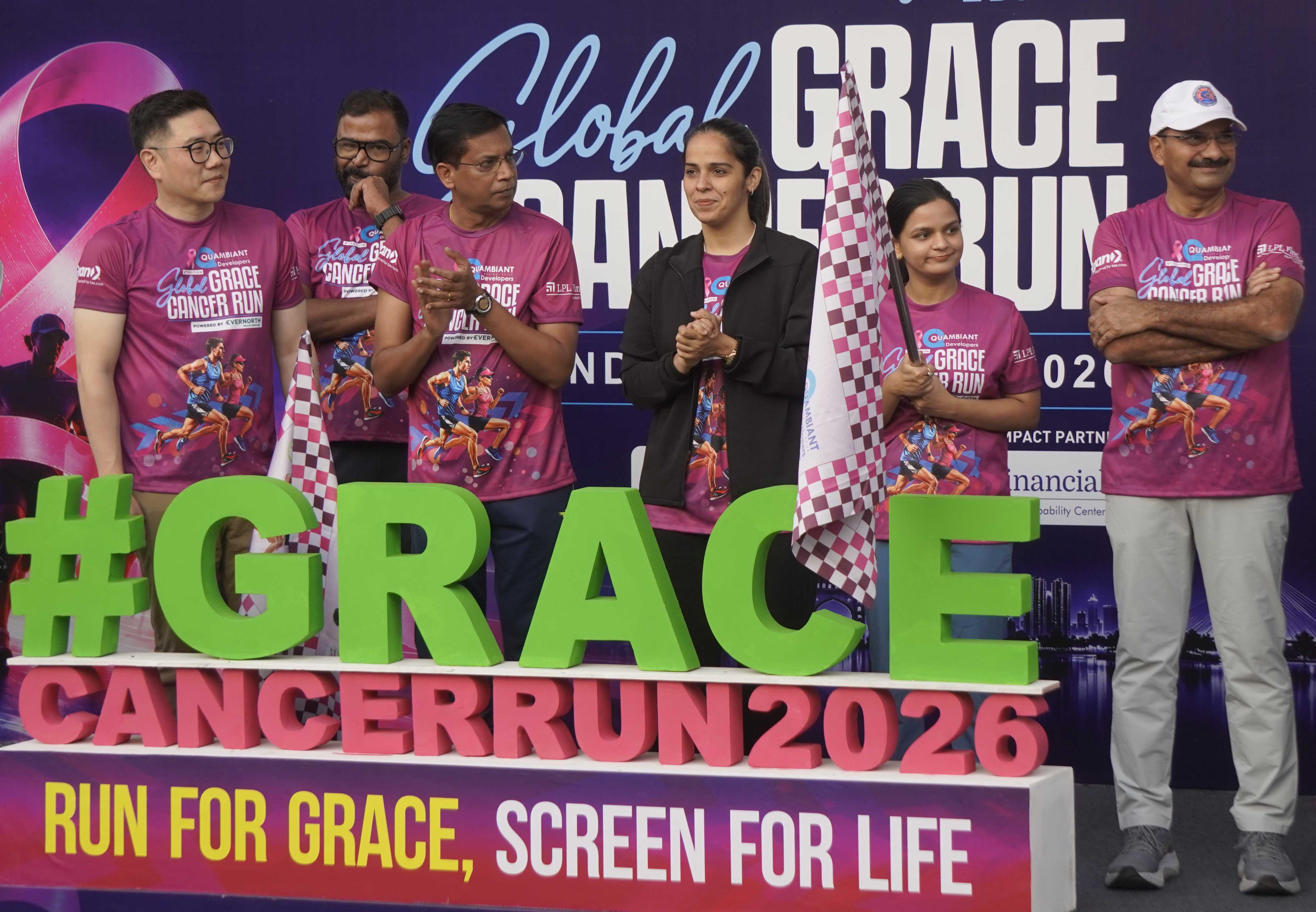
The dignitaries participated in and supported the various flag-off ceremonies, lending their support to the cancer awareness movement.
As a curtain-raiser to the main event, Grace Cancer Foundation organised “Hope of Light” at Gachibowli Stadium on Saturday night a night before the event. Around 300 participants took part in the initiative, which featured the release of illuminated lanterns as a symbolic tribute to lives lost to cancer, a celebration of survivors and a message of solidarity with patients undergoing treatment.
Mr. Avinash Mohanty, Commissioner of the Telangana Standards Authority for Food and Essential Drugs (TG SAFE), was associated with the event.
Funds raised through the Global Grace Cancer Run will support free cancer screening for underprivileged communities. Through its mobile screening initiatives, Grace Cancer Foundation aims to reach one lakh people with free screening for non-communicable diseases (NCDs), bringing preventive healthcare services closer to rural communities.
Over the past 13 years, the Foundation reports that its initiatives have reached approximately 1.5 crore people across more than 130 countries. Its work encompasses cancer awareness, preventive healthcare, early detection, treatment support, rehabilitation and research.
The Foundation has trained 4,500 volunteers, organised more than 3,000 events and reached over 870 villages. Its initiatives have facilitated the detection of cancer in 1,983 individuals and provided more than 2,313 free HPV vaccine doses to underprivileged beneficiaries.
LPL Financial was the Global Social Impact Partner for the 2026 edition, while Evernorth Health Services powered the event.
The 9th Edition of the Global Grace Cancer Run reaffirmed the importance of collective action in the fight against cancer, with its central message that early detection saves lives, awareness empowers communities and access to screening can make a meaningful difference.
Score:
Men’s 10K Category
1st Place: Mukesh Bhambhu – 30:25 (Chip Time)
2nd Place: Rohit Binnar – 30:33 (Chip Time)
3rd Place: Nikhar Bhalavi – 31:43 (Chip Time)
Women’s 10K Category
1st Place: Uma Marripally – 39:42 (Chip Time)
2nd Place: Rajeshwari – 41:53 (Chip Time)
3rd Place: Kalyani – 45:23 (Chip Time)
Prize Money (Both Categories)
1st Place: ₹25,000
2nd Place: ₹15,000
3rd Place: ₹10,000
7, Oct 2026
World Wellness Weekend Celebrates Its 10th Anniversary with a Global Wave of Wellness Across Cities and Countries
Mexico leads the world in wellness activities, Italy tops the venue count, while Jakarta’s iconic Monas turns blue for the milestone edition
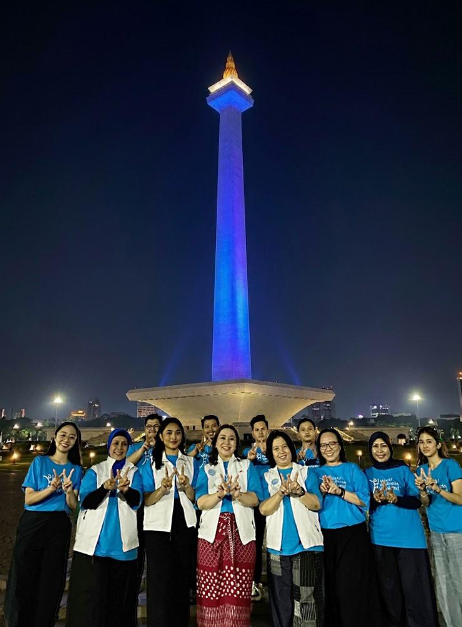
Oct 07 — From 18–20 September 2026, communities around the world came together for the 10th World Wellness Weekend, celebrating a decade of making wellness more accessible, inclusive and meaningful for people everywhere.
The milestone edition demonstrated the continued global momentum of the movement, with countries and cities on all 5 continents recording significant participation through wellness activities and venues.
The Stats & Facts of the 10th edition place Mexico first for net activities, Italy first for net venues, and Cancún first among cities for net activities and venues.
A decade of wellness, celebrated around the world
The final country statistics show Mexico with 754 net activities, followed by Spain with 500, Vietnam with 469, the USA with 424 and the Dominican Republic at 5th position with 421. Other countries among the leading 10 were Italy, India, Japan, Indonesia and Argentina.
In terms of net venues with sessions, Italy led with 272, followed by Spain with 234, Japan with 210, Mexico with 170, and the USA with 163.
These figures reflect the official final methodology used for the 10th edition. Where applicable, the statistics exclude fitness clubs without classes or sessions and parks/public spaces that were not confirmed by the relevant authorities.
Country figures are based on the official final country statistics. City figures use a 25 km radius from the city centre.
MEXICO LEADS THE GLOBAL WELLNESS MOVEMENT
Mexico emerged as the leading country in the final activity statistics, recording 754 net activities across 170 net venues.
Its strong national performance was reinforced by several Mexican destinations appearing among the world’s most active cities.
Cancún led the city statistics with 307 net activities and 58 net venues, followed by Tulum (5th place) with 94 activities and 25 venues, Playa del Carmen (8th place) with 50 activities and 11 venues, Los Cabos (9ex) with 48 activities and 14 venues, Merida (14th) with 42 activities and 12 venues.
This gives Mexico a particularly strong presence not only at national level but also among the leading individual wellness destinations.
ITALY LEADS IN WELLNESS VENUES
Italy recorded 272 net venues with sessions, the highest country figure in the official 10th-edition statistics. It also recorded 401 net activities.
Several Italian cities featured prominently in the city statistics, including:
● Casciana Terme Lari – 30 activities / 23 venues
● Rome – 28 activities / 17 venues
● Milan – 22 activities / 15 venues
● Florence – 18 activities / 8 venues
The results underline the breadth of participation across Italy, especially with the support of CIWAS (Confederazione Italiana de Wellness and Sport) and Fondazione SportCity with free activities nationwide.
SPAIN CONTINUES TO SHINE AS A WELLNESS DESTINATION
Spain stands as the 2nd most Active Country with 234 net venues with sessions, and 500 net activities.
Several Spanish cities featured prominently in the city statistics, including:
● Marbella (3rd) – 107 activities / 41 venues
● Malaga (9ex) – 48 activities / 30 venues
● Madrid (15) – 38 activities / 10 venues
● Santa Cruz de Tenerife (16) – 36 activities / 12 venues
● Barcelona (21) – 27 activities / 16 venues
● Las Palmas (29ex) – 17 activities / 8 venues
TOP 10 CITIES BY NET ACTIVITIES
Within a 25 km radius from the city centre, the official statistics recorded:
|
Rank |
City |
Country |
Net Activities |
|
1 |
Cancún |
Mexico |
307 |
|
2 |
Punta Cana |
Dominican Republic |
182 |
|
3 |
Marbella |
Spain |
107 |
|
4 |
Tulum |
Mexico |
94 |
|
5 |
Caracas |
Venezuela |
77 |
|
6 |
Singapore |
|
76 |
|
7 |
Punta del Este |
Uruguay |
51 |
|
7 |
Playa del Carmen |
Mexico |
50 |
|
9= |
Malaga |
Spain |
48 |
|
9= |
Los Cabos |
Mexico |
48 |
PUNTA CANA: A GLOBAL WELLNESS HOTSPOT
Punta Cana was a standout city in the Caribbean of the 10th edition, recording 182 net activities and 16 net venues with sessions within the official 25-kilometre city radius with thousands of people taking part in a raceç
MONAS TURNS BLUE FOR WELLNESS
In Jakarta, the 10th anniversary was marked by a particularly visual celebration.
On 18 September 2026, the iconic Monas (National Monument) lit up in blue as part of World Wellness Weekend.
The blue illumination symbolized the spirit of wellness and a shared commitment to creating healthier, more balanced and more meaningful lives.
The special moment brought the World Wellness Weekend message into one of Jakarta’s most recognizable landmarks:
“Wellness for All – because wellness belongs to everyone.”
Residents and visitors were invited to witness and capture the rare sight of Monas illuminated in blue, creating a memorable visual symbol for the 10th anniversary.
Indonesia itself recorded 205 net activities across 86 net venues in the final country statistics, placing it at N°9 among 185 countries in the 2026 edition.
A GLOBAL MOVEMENT, ONE SHARED MESSAGE
From Mexico to Spain, Japan to Vietnam, Indonesia to Argentina, the 10th World Wellness Weekend demonstrated the diversity of the global wellness community.
The city statistics also demonstrate this geographic diversity: alongside the leading Mexican and Spanish destinations are cities including Caracas, Singapore, Punta Del Este, Santo Domingo, Ho Chi Minh City…
JEAN-GUY DE GABRIAC, FOUNDER OF WORLD WELLNESS WEEKEND
“Ten years ago, we began with a simple idea: wellness should be something everyone can experience and share. Ten years later, seeing communities across the globe come together around wellness is incredibly meaningful. The 10th edition reminds us that wellness has no borders and that small local actions can contribute to a truly global movement turning free classes into food donations and blood donations.”
WELLNESS STARTS WITH “WE”
The statistics tell only part of the story.
Behind every activity is a person choosing to move, breathe, connect, learn, rest or simply take a moment for their wellbeing. Behind every venue is a community creating a space where wellness can be experienced and shared.
That is the essence of World Wellness Weekend after ten years:
Wellness is not a luxury reserved for a few.
Wellness is best when shared with family, friends, colleagues and wellness buddies.

7, Oct 2026
WHO Says Risk of Plague Spread Remains ‘Very Low’ Amid Russia Concerns
United Nations, Oct 8: The World Health Organization (WHO) has assessed the risk of the plague spreading beyond a suspected incident in Russia as “very low”, even as international concern grows over the death of a technician linked to a plague research facility in Siberia.
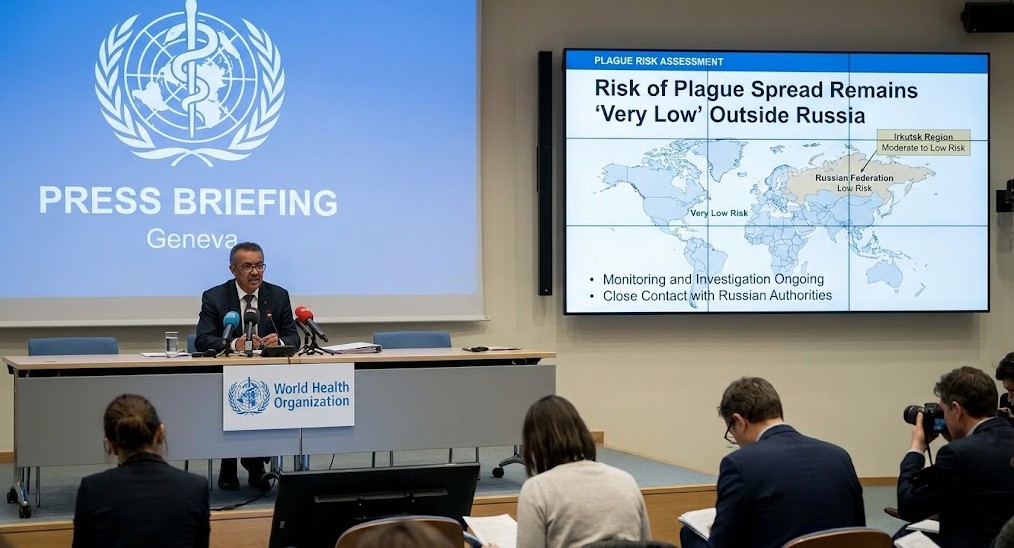
Representational Image
WHO spokesperson Christian Lindmeier said Tuesday that authorities had identified and were monitoring people who had been in contact with the deceased woman. So far, none of the contacts has developed symptoms associated with plague.
“According to the test results, no pathogens of dangerous infectious diseases were detected among any of the contacts,” Lindmeier told reporters in Geneva.
The WHO currently assesses the risk as moderate to low in Irkutsk, where the incident occurred, low for Russia as a whole, and very low for the WHO European Region, Lindmeier said.
The technician, who worked at a research institute studying dangerous pathogens, reportedly died last week after developing pneumonia. Russian authorities said her illness initially appeared to be a typical acute respiratory viral infection.
Media reports have suggested that she may have fallen ill after accidentally breaking a test tube at the facility last month. However, the circumstances surrounding her illness and death remain under investigation.
The research institute is located in Siberia, a region where plague occurs naturally among wild animals. The WHO said it contacted Russian authorities after reports of the death emerged and is continuing to monitor developments.
US Watching Situation Closely
The incident has also drawn attention in Washington. US Secretary of State Marco Rubio said the United States was monitoring the situation “very closely, hour by hour”.
Rubio said there could be nothing unusual about the incident but acknowledged that it remained unclear whether the situation was more serious than initially believed. He also called on Moscow to share further information with the international community.
The heightened concern comes against the backdrop of continuing debate over the origins of the COVID-19 pandemic and the possibility of laboratory-related incidents involving dangerous pathogens.
Russian authorities, meanwhile, have sought to reassure the public. Kremlin spokesman Dmitry Peskov said the country’s health watchdog, Rospotrebnadzor, was closely monitoring the situation and urged people not to rely on rumours or speculation.
What Is Plague?
Plague is an infectious disease caused by the bacterium Yersinia pestis, which is primarily found in small mammals and their fleas. Humans can become infected through flea bites or direct contact with infected tissues. Pneumonic plague can also spread through respiratory droplets from an infected person or animal.
The most common form, bubonic plague, causes painful swelling of the lymph nodes, known as buboes. More severe forms include septicaemic plague, which affects the bloodstream, and pneumonic plague, which affects the lungs.
Despite the concerns surrounding the Russian incident, the WHO’s current assessment indicates that the risk of wider international transmission remains very low.
2, Oct 2026
SimonMed Brings Arizona’s First AI-Powered Pristina Recon DL Mammography Technology to Scottsdale
Advanced AI-powered software enhances 3D mammography image clarity to support early breast cancer detection at no additional cost to patients
SCOTTSDALE, Ariz., October 2, 2026 – SimonMed, a leading company in radiology, imaging and longevity technology, on Thursday announced that it will become the first imaging provider in Arizona to introduce Pristina Recon DL, GE HealthCare’s advanced AI-powered mammography image reconstruction technology.
The software will be integrated into GE HealthCare’s Senographe Pristina mammography system at SimonMed’s Scottsdale Mountain View location, with the first patient examinations anticipated in early October, coinciding with Breast Cancer Awareness Month.
Pristina Recon DL uses two deep learning models to enhance image quality and improve the visualization of subtle details that may be important in identifying breast cancer. The technology delivers sharp, clear 3D mammography images without increasing radiation dose or changing the patient exam experience.
For patients, this means access to advanced imaging technology designed to provide greater diagnostic clarity while maintaining a comfortable, efficient screening experience. Regular screening lowers a woman’s risk of dying from breast cancer by 26%, and when breast cancer is caught while still localized, the five-year survival rate climbs to 99%* — underscoring why sharp, clear imaging at the point of screening matters so much.
“Early detection saves lives, and our mission at SimonMed is to bring the most advanced, life-saving technology to the communities we serve without creating additional financial barriers for patients,” said John Simon, MD, Founder and Chief Executive Officer of SimonMed. “By bringing this technology to Arizona first, we’re giving our radiologists even clearer images to help identify subtle signs of breast cancer and providing referring physicians with the advanced imaging they rely on to care for their patients. And we’re making these advances available at no additional cost. That’s what innovation should look like in healthcare.”
In a GE HealthCare preference study, radiologists preferred the overall image quality of Pristina Recon DL in 99.11% of image evaluations compared to previous digital breast tomosynthesis (DBT) reconstruction. Pristina Recon DL shows superior performance in the detection of microcalcification clusters and masses in a trial with modeled clinical data.
For referring providers, the technology represents another advancement in the imaging and diagnostic expertise available to their patients. By providing radiologists with sharp, clear 3D mammography images, SimonMed aims to support the identification and evaluation of subtle findings, helping physicians make informed decisions about patient care and recommended next steps.
“At GE HealthCare, we’re focused on developing innovations that give clinicians the clarity and confidence they need to deliver exceptional patient care,” said Victoria Daly, VP, Women’s Health, US and Canada, GE HealthCare. “By implementing Pristina Recon DL, SimonMed is bringing advancements in deep learning image reconstruction to women in Arizona, combining exceptional image quality with an efficient, patient-centered mammography experience. Together, we’re helping expand access to innovative solutions that can help support early detection of breast cancer.”
30, Sep 2026
Childhood family environment and number of siblings may affect heart and brain health in middle age
|
Doctoral dissertation research investigated how the family environment in childhood affects health in midlife. The study showed that only children have a more unfavourable profile of risk factors for cardiovascular disease throughout their lives. Furthermore, exposure to parental smoking had a negative impact on cardiovascular health and cognitive performance even in middle age.
|
|
Cardiovascular disease and cognitive decline remain leading causes of morbidity and mortality worldwide. Several risk factors have been identified for these diseases, but they do not fully explain the disease burden. MD Jukka Pihlman, specialist in internal medicine and a doctoral researcher at the University of Turku in Finland, investigated in his doctoral dissertation whether family-related factors experienced in childhood affect health even decades later. The research data were derived from the population-based Cardiovascular Risk in Young Finns Study, which has followed the participants from childhood for over 30 years. The participants’ health was studied by examining cardiovascular risk factors, the structure and function of the heart using ultrasound, early signs of atherosclerosis, i.e. hardening of the arteries, and cognitive performance in middle age using standardised tests. Passive smoking has an impact even in middle age—as does being an only childThe key research findings showed that exposure to parental smoking during childhood was linked to changes in heart structure and poorer cognitive performance in middle age. In particular, episodic memory, i.e. autobiographical memory, as well as working memory and learning were weaker in individuals who had been exposed to tobacco smoke during childhood. Furthermore, the study found that the number of siblings was associated with risk factors for cardiovascular and metabolic diseases throughout the course of life. Only children had a less favourable profile of risk factors for cardiovascular disease even in childhood, such as a higher body mass index and lower levels of physical activity. Furthermore, they were found to have higher rates of obesity and high blood pressure in adulthood. The research provides new information about how the effects of family environment may extend considerably further than previously understood: “Although the harmful effects of passive smoking during childhood are well known, the results of our study suggest that these effects may still be evident in the structure of the heart and cognitive function in middle age. Furthermore, the study shows that family size and the number of siblings may be associated with later cardiovascular and metabolic health, regardless of several other known socio-economic and lifestyle factors,” Pihlman states. The findings highlight the importance of protecting children and young people from exposure to second-hand smoke. They also suggest that factors relating to family structure could be utilised in identifying children and young people who may be at a higher risk of developing health problems later in life. The study reinforces the view that the foundations of people’s health are laid in early childhood and that preventive measures targeting early-life circumstances may potentially reduce the risk of cardiovascular disease and cognitive decline later in life. |
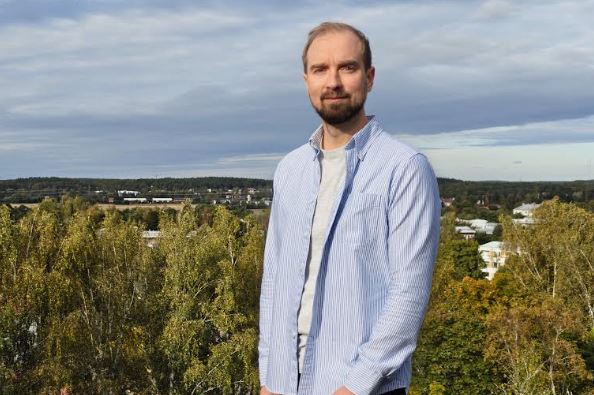
Inquiries: MD Jukka Pihlman, jttpih@utu.fi, +358405659506
29, Sep 2026
Only 7 pc Of Odisha Govt Hospitals Have Valid Fire Safety Certificates: CM
Bhubaneswar, Sept. 29 (UDN): Only 17 out of 241 government hospitals in Odisha that are required to have Fire Safety Certificates currently hold valid certificates, Chief Minister Mohan Charan Majhi informed the State Assembly on Monday.
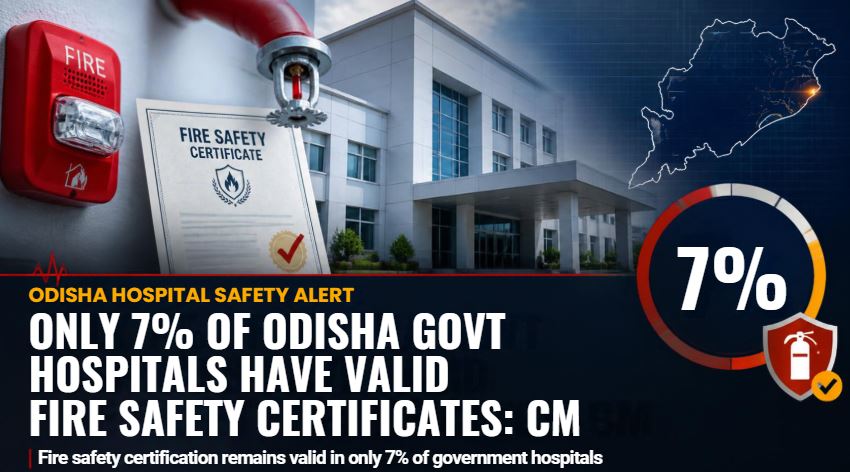
Representational Image
The figure means just 7.05 per cent of the government hospitals covered by the mandatory fire-safety requirement have valid certification.
241 Govt Hospitals Require Certification
In a written reply to a question raised by Basta MLA Subasini Jena, the Chief Minister said Fire Safety Certificates are mandatory for 241 of the state’s 747 government medical colleges and hospitals, District Headquarters Hospitals, Sub-Divisional Hospitals and Community Health Centres.
The requirement comes under the Odisha Fire Safety Rules, 2017, along with subsequent amendments.
Of the 241 facilities requiring certification, only 17 have obtained valid Fire Safety Certificates, according to the government’s reply.
Hospitals Asked To Apply
The Chief Minister said government hospitals that have not yet obtained the mandatory certificates have been advised to apply in accordance with the prescribed rules.
He further stated that steps are being taken under the Odisha Fire Safety Rules and amended provisions to address identified deficiencies and initiate appropriate action.
Balasore Has 10 Certified Facilities
The Assembly was also informed about the fire-safety status of hospitals and health facilities in Balasore district.
There are 65 government and private medical colleges and hospitals, District Headquarters Hospitals and Community Health Centres in the district where Fire Safety Certificates are mandatory.
Of these, 10 facilities have obtained Fire Safety Certificates, according to the Chief Minister’s written reply.
The remaining government and private health facilities have been advised to obtain the certificates as per the prescribed norms.
The government has stated that corrective measures are being pursued to address fire-safety deficiencies and ensure compliance with the applicable rules.
29, Sep 2026
World Heart Day: Heart Disease Is No Longer an Age-Defined Illness; Mumbai Experts Urge Early Risk Detection
Mumbai, Sept 29: Heart disease is no longer a health concern that can be viewed primarily through the lens of age. Mumbai’s fast-paced urban lifestyle, coupled with sedentary habits, tobacco exposure, unhealthy dietary patterns, obesity, diabetes, hypertension, abnormal cholesterol, chronic stress and inadequate sleep, is creating a growing cardiovascular risk burden—even among people who may appear healthy and symptom-free.
The concern extends beyond conventional lifestyle factors. A study assessing the health impact of particulate pollution in Mumbai estimated that 10,880 deaths annually were attributable to PM2.5 exposure in 2015, with ischemic heart disease accounting for about 33.3% of PM2.5-attributable mortality in the analysis. More recent research across Indian cities has also found that a 10 µg/m³ increase in short-term PM2.5 exposure was associated with a 1.4% increase in daily mortality, highlighting the wider health implications of urban air pollution.
“Heart disease is no longer a condition that can be viewed primarily through the lens of age. We are increasingly seeing the importance of identifying cardiovascular risk much earlier, particularly among individuals with multiple risk factors,” said Dr. Ashish Mishra, Consultant Interventional Cardiologist, Wockhardt Hospitals, Mira Road.
According to Dr. Mishra, hypertension, diabetes and dyslipidemia can remain clinically silent while progressively affecting blood vessels and the heart. The combination of multiple risk factors can accelerate cardiovascular risk, making early identification particularly important.
“Preventive cardiology should move from a symptom-driven approach to a risk-based approach. A young person may feel completely healthy while already having several interacting cardiovascular risk factors. The objective is not to subject everyone to extensive cardiac testing, but to identify those who require earlier assessment based on their personal and family history, metabolic profile and lifestyle,” Dr. Ashish Mishra, Consultant Interventional Cardiologist, Wockhardt Hospitals, Mira Road added.
Dr. Anand Ram, Consultant Cardiologist, Apex Group of Hospitals, Mumbai, emphasised that warning symptoms should never be dismissed, particularly when they are sudden, unusual or persistent. “Heart health should never be treated as an issue that can wait. Symptoms such as chest discomfort, breathlessness, unusual sweating, sudden fatigue or palpitations may sometimes indicate an underlying cardiac problem and should not be ignored,” said Dr. Ram.
He added that Mumbai’s urban lifestyle can make preventive health particularly challenging, with prolonged sitting, irregular eating patterns, stress, smoking and uncontrolled blood pressure or diabetes potentially adding to cardiovascular risk.
“The key is early recognition and timely medical evaluation. Regular health check-ups, a heart-healthy diet, physical activity, adequate sleep and effective management of risk factors can go a long way in protecting the heart. Most importantly, prevention is not a one-day effort—it is a lifelong commitment to better heart health,” Dr. Anand Ram, Consultant Cardiologist, Apex Group of Hospitals, Mumbai said.
For Mumbai citizens, experts emphasise that cardiovascular prevention should begin before symptoms appear—with awareness of personal risk, regular monitoring and timely medical intervention when required.


