


30, Mar 2026
CCRAS Partners with AI Platform to Expand Ayurveda Research Across Languages
New Delhi: The Central Council for Research in Ayurvedic Sciences (CCRAS) has joined hands with Anuvadini AI to make Ayurveda research more accessible to people across India by translating it into 13 languages.
The initiative aims to bridge language barriers that often limit access to traditional knowledge, especially in a country as linguistically diverse as India. By leveraging artificial intelligence, the collaboration will enable wider dissemination of research findings, educational materials, and scientific literature related to Ayurveda.
Officials said the move is expected to benefit students, researchers, and practitioners by allowing them to access authentic information in their native languages. It will also help bring traditional Indian medical knowledge closer to local communities, encouraging greater awareness and understanding.
The partnership reflects a growing effort to combine technology with traditional systems of medicine, making them more inclusive and easier to engage with. By expanding the reach of Ayurveda research, CCRAS hopes to promote its relevance not just within India but also on a global stage.

- 0
- By Neel Achary

30, Mar 2026
Screen time among children and adolescents has increased over three decades – especially after COVID-19 pandemic
| First systematic review to track long-term trends across pre- and post-pandemic periods finds dramatic rise in screen use among children and adolescents. |
|
Screen time among children and adolescents has increased significantly over the past three decades, with clear rise occurring after the onset of the COVID-19 pandemic, according to a new systematic review conducted at the University of Turku, Finland. The review analysed 60 peer-reviewed studies published between 1991 and 2022 and is the first to comprehensively examine long-term trends in screen time use among individuals aged 0–19 years across both pre-pandemic and pandemic periods. Postdoctoral Researcher Yuko Mori from the Research Centre for Child Psychiatry at the University of Turku, Finland, the shared lead author, tells that the nature of screen use has changed dramatically, shifting from traditional television to more interactive and personalised digital devices, such as mobile phones and video games. Earlier studies focused mainly on TV viewing, but from the mid-2010s onward, research began to include newer devices, such as smartphones and tablets. “Interestingly, even during the pandemic, television viewing continued to decline,” says Mori. School closures during the pandemic intensified screen dependence Before the COVID-19 pandemic, research showed a mixed picture, as most studies indicated an increasing trend while others showed mixed results. The majority of studies conducted after the pandemic showed a dramatic increase in both total and leisure screen time among children and adolescents. Across age groups, older children and adolescents generally reported higher screen time than younger children. “This likely reflects developmental factors,” says shared lead author Sanju Silwal, Postdoctoral Researcher at the University of Turku. “Adolescence is a life stage where peer relationships, online social interaction, and romantic relationships become increasingly central.” The increase in screen time was observed across socioeconomic groups, but it was more pronounced among children from higher socioeconomic backgrounds. The authors suggest this may reflect greater access to personal digital devices. Guidance needed for healthy screen use The sustained rise in screen exposure raises concerns regarding potential impacts on physical health, mental well-being, sleep, and development. Beyond time spent on digital devices, digital environments may expose young people to cyberbullying, inappropriate content, and unrealistic body ideals. Several countries have introduced regulatory measures in response to growing concerns about youth digital media use. The authors emphasise that effective responses must be grounded in high-quality evidence. Most research has focused on the duration of screen use rather than the quality, context, or content of digital activities. The authors call for future research to adopt a more nuanced and multidimensional approach, examining not only how much time children spend on screens but also what they are doing online and how it affects their well-being. “Technology offers tremendous opportunities, but it also presents risks,” Silwal notes. “To ensure that children benefit from digital environments, we need continuous research, evidence-based policies, and coordinated efforts from families, schools, communities, and governments.” This systematic review was funded by the INVEST Flagship programme of the Research Council of Finland and the European Research Council under the European Union’s Horizon 2020 research and innovation programme. The review titled “Long-term trends in screen time use among children and adolescents: A systematic review including pre- and post-COVID periods” was published in the journal Clinical Child Psychology and Psychiatry on March 2026: https://doi.org/10.1177/ |
28, Mar 2026
Roswell Park First in Region to Offer New Treatment for Tumors
Roswell Park Comprehensive Cancer Center has become the first care provider in the region to offer adaptive radiation therapy, marking a significant advancement in personalized cancer treatment.
This innovative approach leverages artificial intelligence and state-of-the-art technology to deliver highly precise radiation therapy. By using a linear accelerator integrated with real-time imaging, clinicians can assess the tumor’s size, shape, and position during each session, allowing for immediate adjustments to treatment plans.
Unlike traditional radiation therapy, where treatment follows a fixed plan despite changes in a patient’s anatomy, adaptive radiation therapy accounts for daily variations caused by factors such as digestion or tumor shrinkage. This ensures more accurate targeting of cancer cells while minimizing exposure to surrounding healthy tissues.
“This tool gives us the ability to modify treatment plans on the spot, accommodating daily changes in a patient’s anatomy,” said Mark Farrugia, highlighting the program’s role in enhancing treatment precision and patient outcomes.
The new therapy enables oncologists to deliver higher radiation doses directly to tumors while reducing side effects, improving both safety and effectiveness. Patients with cancers in areas prone to movement or change stand to benefit the most from this advancement.
One patient, Bill Doughtery, shared how the treatment helped protect his remaining kidney while effectively targeting cancerous areas, describing the approach as life-changing.
The introduction of adaptive radiation therapy has been supported in part by contributions to the Roswell Park Alliance Foundation, which funds research, education, and patient care initiatives.
With this launch, Roswell Park reinforces its commitment to advancing cancer care through innovation, aiming to deliver better outcomes with fewer side effects for patients across the region.
28, Mar 2026
Two UT MD Anderson Researchers Elected AAAS Fellows
Houston, Mar 28: In recognition of their significant achievements to advance cancer care and research, Theresa Guise, M.D., and Stephanie S. Watowich, Ph.D., from The University of Texas MD Anderson Cancer Center, have been elected fellows of the American Association for the Advancement of Science (AAAS).
This honor ranks among the highest distinctions in the scientific research community. Since 1874, AAAS has recognized leading scientists who are elected by their peers for outstanding contributions to science and society. The current class includes nearly 500 fellows who are honored for their exceptional achievements in research, innovation and public engagement. With the addition of Guise and Watowich, 72 UT MD Anderson faculty members have been elected as AAAS Fellows.
“We are incredibly proud to see Dr. Guise and Dr. Watowich recognized among leaders in the scientific community,” said Peter WT Pisters, M.D., president of UT MD Anderson. “Their unwavering dedication to advancing scientific breakthroughs and their remarkable contributions to cancer research make them truly deserving of this prestigious honor.”
UT MD Anderson’s research environment fosters continuous collaboration between clinicians and scientists, allowing ideas and discoveries to flow readily between the laboratory and the clinic. Findings from laboratory research can quickly be translated into new treatments for clinical testing, while insights from patient care help guide ongoing experiments in the lab. This continuous exchange is built on collaboration, strong connectivity and data-driven science, creating a powerful cycle of innovation that accelerates discovery.
Guise is professor of Endocrine Neoplasia and Hormonal Disorders, the Abell‑Hanger Foundation Distinguished Professor, and chief of the section of Bone and Mineral Disorders at UT MD Anderson. She is internationally recognized for her groundbreaking work uncovering how cancer and cancer treatments affect bone, muscle and metabolism. Her research has defined key molecular drivers of cancer‑induced bone destruction and revealed how bone‑derived signals contribute to muscle weakness, metabolic dysfunction and treatment‑related toxicities, shaping new therapeutic strategies across multiple cancer types. A Cancer Prevention and Research Institute of Texas (CPRIT) Scholar and leader in national and international scientific societies, Guises has published more than 200 studies and trained over 50 researchers, making her a transformative force in advancing the understanding of skeletal complications in cancer.
Watowich is professor and deputy chair of Immunology and holds the Vivian L. Smith Distinguished Chair in Immunology at UT MD Anderson. She is a leading scientist whose work has helped reveal how the immune system detects cancer and responds to modern immunotherapies.
Her research has uncovered how key immune cells develop and function, and how these cells can be guided to better fight tumors and limit harmful side effects from treatment. Her team’s discoveries have helped advance a promising new type of dendritic cell therapy and improved understanding of why some patients respond well to immunotherapy while others do not. This work is shaping new strategies to make immunotherapy more effective and safer for a wider range of patients.
A dedicated mentor and leader of several innovative training programs, Watowich has earned numerous awards and honors throughout her career and continues to guide the next generation of cancer researchers.
“The election of Dr. Guise and Dr. Watowich as AAAS Fellows recognizes the remarkable contributions they have made to scientific progress,” said Albert Koong, M.D., Ph.D., senior vice president and chief scientific officer at UT MD Anderson. “Their work exemplifies our spirit of innovation and reflects our institution’s commitment to advancing discoveries that translate into meaningful improvements in patient care.”
28, Mar 2026
The New Cholesterol Guideline What to Know
For the first time since 2018, a clinical guideline from the American College of Cardiology and the American Heart Association for screening and managing blood cholesterol levels has been updated and jointly published in the Journal of the American College of Cardiology and Circulation. The new guideline will be discussed March 28 at the American College of Cardiology’s 75th Annual Scientific Session in New Orleans.
The guideline’s release also ran a week before a paper titled “The ABCs of Cardiovascular Disease Prevention: Communicating What We Know in 2026” published in the American Journal of Preventive Cardiology.
The new guideline focuses on recommendations to lower elevated levels of low-density lipoprotein (LDL) cholesterol, often referred to as bad cholesterol, as well as other types of lipids, or fats such as lipoprotein(a), or Lp(a), circulating in the bloodstream. It also emphasizes the importance of earlier screenings, especially for those with a family history of heart disease, and more personalized risk estimations, such as for those with underlying medical conditions, to support shared decision-making between clinicians and patients.
“We know that lower LDL cholesterol levels are better when it comes to reducing the risk of heart attacks, strokes and congestive heart failure,” says Roger S. Blumenthal, M.D., chair of the guideline writing committee and director of the Johns Hopkins Ciccarone Center for the Prevention of Cardiovascular Disease. “We also know that bringing elevated lipids and blood pressure down in young adults supports optimal heart and vascular health throughout a person’s life.”
The updated guideline comes at a time when studies show that 1 in 4 U.S. adults have elevated LDL cholesterol (LDL-C), a risk factor for atherosclerosis (the narrowing or hardening of the arteries). The excess accumulation of certain lipids can fuel the growth and development of plaque in the arteries. Moderate atherosclerotic plaque in heart arteries can block blood flow. Other factors, such as age and other cardiovascular risks, can predispose plaque to break off — setting the stage for a heart attack, stroke or need for urgent interventions to restore circulation.
Blumenthal emphasizes that foundational principles known to support heart-healthy living and keep cholesterol levels within a normal range remain the same. These include eating a heart-healthy diet, engaging in regular, brisk physical activity, avoiding tobacco, getting enough sleep and maintaining a healthy weight. He underscores the fact that about 80% to 90% of cardiovascular disease is at least in part attributable to modifiable risk factors, which is why focusing on lifestyle interventions should be a first or foundational approach.
A change in the new cholesterol guideline is a call for earlier screenings and more use in assessing risk of a person’s family history of atherosclerosis, underlying medical conditions, like rheumatoid arthritis, and lifetime risks, such as early menopause or having certain pregnancy complications, such as preeclampsia or gestational diabetes, to inform treatment decisions.
For example, the new guideline recommends that people with a history of familial hypercholesterolemia, or inherited levels of extremely high LDL-C, are now advised to be screened earlier in life — starting in childhood at around age 9 (or earlier). The guideline also recommends one-time screenings for levels of Lp(a), which is often related to genetic risk and can increase a person’s risk for heart disease by about 40% at levels of 125 nanomoles per liter and a doubling of risk at levels of 250 nanomoles per liter.
Another update includes using a new risk calculator for 10- and 30-year risk estimates for heart attacks and stroke. Previously, the pooled cohort equation was used to predict 10-year risks for heart disease for people age 40 and older. That calculator contained baseline risks, such as age, cholesterol levels and blood pressure. The updated calculator, called Predicting Risk of Cardiovascular Disease EVENTs (PREVENT), incorporates additional data, including indicators of blood sugar and kidney health, to estimate these risks and is recommended for use starting at age 30. The PREVENT score is based on data gathered on 6.6 million individuals; the previous calculator was based on 26,000 people.
“Shifting the paradigm toward proactive prevention strategies earlier in life can meaningfully change the trajectory of cardiovascular disease and lead to better health outcomes for people decades later,” says Seth Martin, M.D., M.H.S., a cardiologist, member of the guideline writing committee and director of the Advanced Lipid Disorders Program and Digital Health Lab at the Johns Hopkins Ciccarone Center for the Prevention of Cardiovascular Disease.
To further support personalized risk assessment, the guideline also provides recommendations to help clinicians account for atherosclerosis “risk enhancers.”
For example, if a person has borderline to intermediate risks for atherosclerosis, clinicians may selectively use additional tests to guide decision-making. These include assessing circulating levels of inflammation in the bloodstream known as high-sensitivity C-reactive protein (hsCRP). Lp(a) elevation may also be considered, as can other factors, such as family history of early cardiovascular disease and higher-risk ancestry. In addition to risk enhancers, the updated guideline gives multiple recommendations for the use of coronary artery calcium scanning to detect deposits of calcium in the arteries, representing plaque, to help personalize treatment decisions.
The updated guideline includes recommendations about treatment decisions for pregnant or lactating women, adults age 75 and older and those living with underlying conditions, such as diabetes, late-stage chronic kidney disease and HIV infection, as well as people undergoing treatment for cancer.
The new guideline provides details about statin therapy, along with updated information about other lipid-lowering treatments, such as ezetimibe, bempedoic acid and injectable PCSK9 monoclonal antibody treatments. The latter are recommended for people who may not respond well to statin therapy, or who may need a combination of treatments to lower their LDL-C levels.
Optimal LDL-C levels for people without cardiovascular disease are considered below 100 mg/dL. The updated guideline recommends that people with intermediate risks lower LDL-C levels to below 70 mg/dL. People with higher risks should bring LDL-C levels to below 55 mg/dL. In addition to the LDL-C goals, the guideline provides recommendations for non-HDL-C and apolipoprotein B, a molecule attached to cholesterol.
In an editorial accompanying the new guideline, Blumenthal and the vice-chair of the 2026 ACC/AHA/Multisociety Dyslipidemia Guideline predicted that future guidelines would also likely recommend that people with at least moderate atherosclerosis aim to lower LDL-C levels to below 55 mg/dL. The 2026 guideline was developed before the results of the clinical trial VESALIUS-CV published in the New England Journal of Medicine. In that trial, researchers found benefits of targeting these ranges (by using a combination of lipid-lowering therapies).
The 2026 Guideline on the Management of Dyslipidemia is a report of the American College of Cardiology and the American Heart Association Joint Committee on Clinical Practice Guidelines. It was developed in collaboration with and endorsed by the American Association of Cardiovascular and Pulmonary Rehabilitation, the Association of Black Cardiologists, the American College of Preventive Medicine, the American Diabetes Association, the American Geriatrics Society, the American Pharmacists Association, the American Society for Preventive Cardiology, the National Lipid Association and the Preventive Cardiovascular Nurses Association.
Blumenthal is the chair of the guideline writing committee. Martin is a committee member. Other authors of the guideline writing committee include Morris P.B., Gaudino M., Johnson H.M., Anderson T.S., Bittner V.A., Blankstein R., Brewer L.C., Cho L., de Ferranti S.D., Gianos E., Gluckman T.J., Gradney K., Isiadinso I., Lloyd-Jones D.M., Marrs J.C., McLain K.H., Mehta L.S., Mora S., Mulugeta W.M., Natarajan P., Navar A.M., Orringer C.E., Polonsky T.S., Reynolds H.R., Saseen J.J., Shapiro M.D., Soffer D.E., Tynes S.A., Villavaso C.D., Virani S.S. and Wilkins J.T..
Martin disclosed prior research consultations for Amgen, Arrowhead Pharmaceuticals, AstraZeneca, Kaneka Pharma, Merck, NewAmsterdam Pharma, Novartis and Sanofi, and ownership in Corrie Health. Blumenthal and the majority of the writing committee had no relationships with industry.
27, Mar 2026
The Blind Spot Undermining Hospital Margins
By Shawn Sefton, MBA, RN
A circulator flips through a picklist that doesn’t match the back table. A surgeon asks for a device, and the nurse hesitates, “Is it even here?” A supply tech finds an expired implant just as the case is closing. The nurse tries to document the implant, but the scanner isn’t working and she can’t find it in the item master. Hours later, a revenue integrity analyst sits with unexplained and missed charges.
None of these moments make headlines. But together, they add up to stress in procedural rooms, missed revenue, unbudgeted waste, and hours of manual data entry. Hospitals can track a FedEx package from Memphis to Miami in real time. But the orthopedic plate placed in a patient yesterday? Sometimes it disappears into the system like it never existed.

Photo by RDNE Stock project:
The status quo can’t keep up
OR and procedural room documentation systems are failing to keep pace with the realities of modern surgery. The problem isn’t that hospitals don’t try to record implants and supplies, it’s that even newer system designs struggle to capture every supply and implant, resulting in missing and unreliable data.
Manual documentation, whether electronic or on paper, depends on perfect input often during the most complex moments of a procedure. In reality, barcode scanners can fail and reconciliation happens hours, sometimes days, after the fact. As a result, up to 50% of the supplies and implants used in ORs go undocumented.
Meanwhile, reconciliation teams are left deciphering handwritten item numbers, trying to match unlabeled implants to the correct records, and often chasing down clinical team members long after a case ends just to ensure proper billing and records.
The result is incomplete, unreliable data that breaks the billing chain. Missed scans and documentation errors often mean items never make it onto the claim, directly translating into missed charges and lost revenue.
The impact?
Not only do missed charges create an administrative burden but hospitals can lose up to 30% of billable revenue tied to supplies and implants, a margin loss that would be unimaginable in any other industry.
What’s more, failing to accurately capture these items can introduce significant quality, regulatory, and patient safety risks, exactly the kinds of problems health systems try very hard to avoid.
What perioperative leaders are saying
With OBBBA requirements tightening margins, hospitals are under pressure to minimize waste, understand costs and protect profitability more than ever before. Because the OR drives up to 70% of hospital revenue, it’s no surprise that Becker’s first Perioperative Summit kept circling back to the topic of revenue.
Workforce relief is non-negotiable for hospitals that want to scale. When nurses and techs can anticipate surgeon needs, the OR hums. Delays vanish, substitutions shrink, cases flow and surgeons trust their team. Staff stress levels lower. As another leader put it, “Getting nurses away from the supply screen and back to anticipating the surgeon’s needs is the biggest win.”
While resolving missed OR and procedural room charges is critical, leaders also underscored the importance of integration. Technology must fit into daily workflows and EHRs if it’s going to stick in such a fast-paced environment. As one panelist emphasized, “If it doesn’t integrate and work for our people, it won’t scale.”
Many OR leaders are taking action but ultimately still missing far too many products due to systems that fail them, with one leader at Becker’s Perioperative conference saying, “The number of items that go unscanned every case is disturbing.”
However, one healthcare system decided to find a solution and the results are compelling.
How one hospital turned admin chaos into profit
Owensboro Health set out to audit and resolve this very problem. Their perioperative teams were grappling with manual, error-prone documentation in the OR. Nurses entered supply and implant data by hand, items slipped through the cracks, inventory data lagged, and billing teams spent hours chasing missed charges.
Determined to improve workflow and margins, Owensboro Health rolled out an AI-enabled automated supply and implant capture program across its ORs. The impact was significant:
- Delighted clinical, revenue integrity, and supply chain teams
- 48% reduction in monthly expired product costs
- 90%+ reduction in ERP inventory depletion errors
- 12% increase in monthly billable revenue
The volume of cases didn’t change. What changed was product and implant visibility. For staff, that meant fewer end-of-shift reconciliations and less administrative burden. For leaders, it meant millions in recovered revenue.
What should leaders do?
Many hospitals aim to close the OR documentation gap by adding extra staff processes and duplicative tracking systems. This looks like control but creates silos, extra work, and ultimately flawed data.
While plenty of AI tools overpromise, some were built to solve administrative problems like this. It is important to assess solutions carefully. Here are key ways to evaluate AI tools for perioperative documentation:
- Prioritize real-time integration—Does the solution capture data as cases unfold, or does it rely on manual reconciliation after the fact?
- Check workflow alignment—Can it fit seamlessly into existing OR workflows without adding screens and clicks for nurses and techs?
- Look for measurable impact—Can it demonstrate clear metrics, like improved item capture rates, reduced reconciliation time, case costing, expiry management or recovered revenue?
- Evaluate interoperability—Does it connect cleanly with your EHR, ERP, and billing systems, or does it create another silo?
- Test with frontline staff—Does it make the job easier for nurses, techs, and supply teams, or just shift work elsewhere?
Closing the loop
Every day, critical details in the OR slip through the cracks of manual systems. A recalled implant from last week’s surgery. A missed charge for a high-cost disposable. Small moments, easily overlooked, that quietly add up. They create blind spots that chip away at hospital margins, wear down staff, and skew reports that leaders rely on to make decisions. But this no longer has to be the norm. AI technology now gives hospitals the ability to see and capture what’s been missed. Hospitals that act can protect their margins, ease the load on their teams, and bring clarity back to the center of care. The gap is clear. The tools exist. It’s time to close the blind spots.
Shawn Sefton, MBA, RN, is Clinical Advisor at AssistIQ.
27, Mar 2026
Scalable platform sheds light on how cancer spreads
Study links support cells to improved cancer cluster survival in bloodstream
HOUSTON, TX (March 27, 2026) – Metastasis, the spread of cancer from a primary tumor to other parts of the body, is difficult to study in the lab, in part because researchers lack reliable ways to recreate the conditions cancer cells encounter as they travel through the bloodstream.
Rice University bioengineers report a new platform designed to streamline one of the major challenges for metastasis research: Called the Advanced Tumor Landscape Analysis System, or ATLAS, the platform makes it easier to generate large quantities of cancer cell clusters that accurately model those involved in metastasis. Using the platform, the Rice team gained new insights into the mechanisms that enable cancer clusters to survive in the bloodstream during the metastatic process.
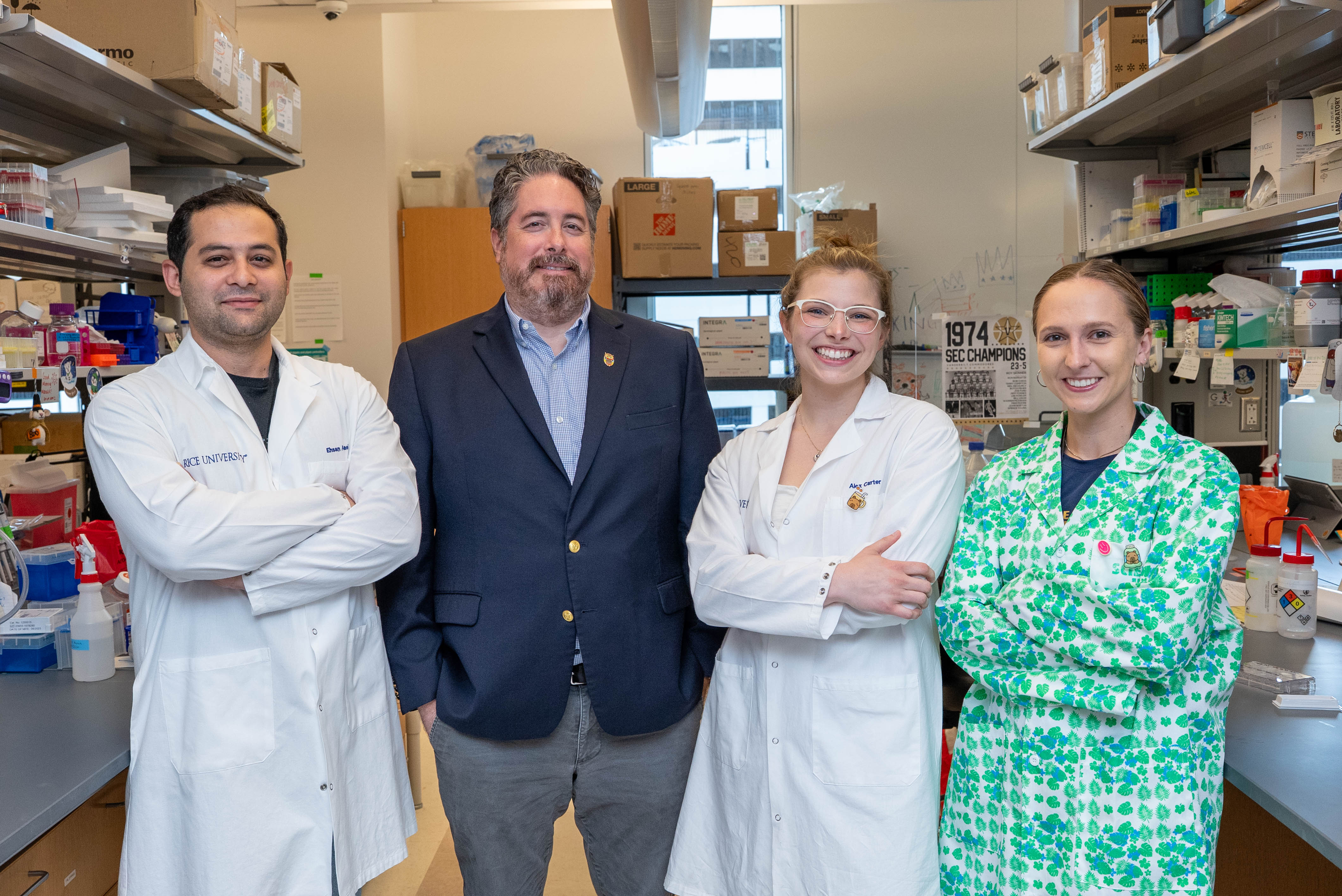
Developed in the lab of Michael King, Rice’s E.D. Butcher Professor of Bioengineering, ATLAS builds on earlier work using superhydrophobic surfaces, i.e. materials that strongly repel water. When droplets containing cells are placed on these surfaces, they bead up rather than spread out, encouraging cells to stick to each other and produce three-dimensional clusters.
“Metastasis is still poorly understood because adequate laboratory techniques to recreate this complex process are lacking,” said King, a Cancer Prevention and Research Institute of Texas Scholar who also serves as special adviser to the provost on life science collaborations with the Texas Medical Center.
The King lab has been working for years on new high-throughput approaches of creating clusters of cancer cells, both on their own and alongside stromal cells, which are noncancerous but are frequently found in the tumor microenvironment. To study what happens during the metastatic process, the researchers expose these models to conditions that closely resemble those in the body ⎯ either via animal models or laboratory blood flow experiments.
Compared to earlier methods, ATLAS takes less time to deploy and costs less to produce. It uses 3D-printed microwell arrays that are treated to create the same kind of water-repelling effect seen in nature, such as on a lotus leaf.
“The way this is achieved, both in nature and in the laboratory, is to create a surface that is rough on a nanoscale level, and then to coat the nanoscale bumps with a nonwetting substance such as Teflon or wax,” said Alexandria Carter, a doctoral student in the King lab who is the first author on the study. “Here, we achieved this for the first time through 3D printing, which means the method is scalable and easily adoptable by other labs.”
Going beyond method development into actual testing, the researchers used ATLAS to create clusters of prostate cancer cells, including ones containing a type of stromal cell called cancer-associated fibroblasts, or CAFs. Testing revealed that cancer clusters are more likely to survive when traveling in groups, especially when CAFs are present. These support cells actively help cancer cells withstand the stresses of circulation and continue to grow.
“One of the most exciting elements of our paper is that it does not just report on a new experimental method for other researchers to use, but it also reports new fundamental biological results,” Carter said. “Perhaps in the future the next generation of prostate cancer drugs will target these CAF ‘escorts’ as a way to prevent metastasis.”
Carter recently completed the Rice Innovation Fellows program and is working on establishing a startup company called Bionostic to commercialize ATLAS. Run by Rice’s Liu Idea Lab for Innovation and Entrepreneurship (Lilie), the program trains doctoral students and postdoctoral researchers to translate their research into breakthrough solutions for real-world problems.
Kyle Judah, Lilie executive director, said “a pre-requisite for bringing research beyond the bench is to be deeply passionate about the problem space, and Carter is the perfect example of an exceptionally driven and committed engineer willing this idea into reality.”
Models that are both realistic and practical make possible research that would otherwise take longer and be costlier to undertake.
“ATLAS makes it easier to study one of the most dangerous aspects of cancer,” King said.
26, Mar 2026
itel & AWF in collaboration with GNIDA Bring Eye Care Support to 150 Safai Mitras
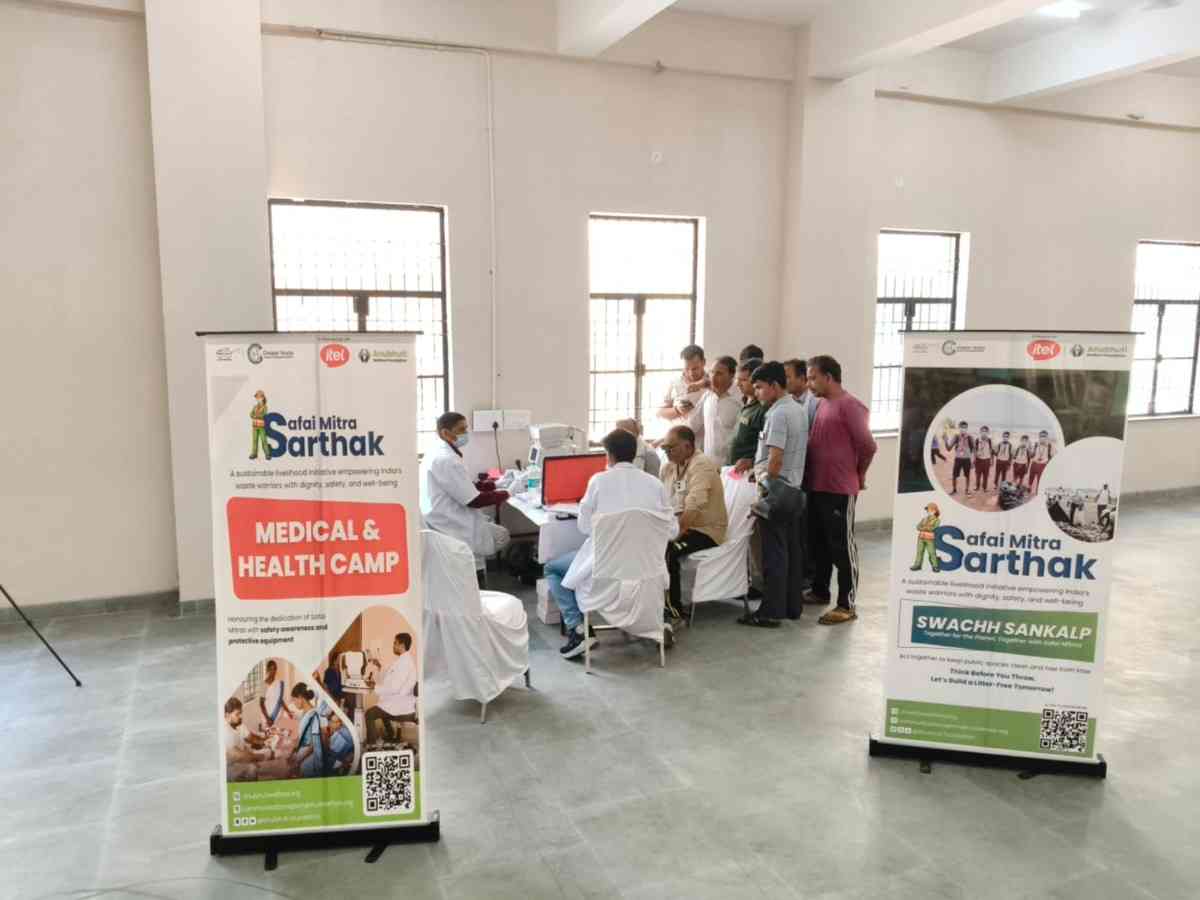
Greater Noida, UP | Mar 26: As frontline workers continue to keep cities clean under challenging conditions, an Eye Screening and Health Camp was organised in Greater Noida under theSafai Mitra Sarthak initiative, with CSR support from itel – a leading technology brand of India and in collaboration with the Greater Noida Industrial Development Authority (GNIDA). The camp was held at Sector 36 Community Hall and witnessed active participation from Safai Mitras across six zones of Greater Noida. This CSR initiative by itel is a testament to the brand’s unwavering commitment to improving the lives of people across Bharat.
The initiative aimed to address vision-related challenges commonly faced by sanitation workers due to prolonged exposure to dust, waste, and outdoor working conditions. A total of 150 Safai Mitras underwent comprehensive eye examinations conducted by trained medical professionals, ensuring early detection and timely intervention.
The programme was graced by Sh. Gaurav Baghel, AM, Health & Horticulture, along with Sh. Neeraj Chauhan, Sanitary Inspector, whose presence reinforced the importance of prioritising the health and safety of frontline sanitation workers. The dignitaries appreciated the collaborative effort and emphasised the need for continued healthcare access for Safai Mitras.
“Access to preventive healthcare is important for frontline sanitation workers. This initiative ensures early detection of vision-related issues and helps address concerns that may otherwise go unnoticed. Clear vision directly contributes to safer working conditions and better efficiency in daily tasks. I appreciate this collaborative effort to prioritise the well-being of Safai Mitras,” said Sh. Gaurav Baghel, AM, Health & Horticulture.
Following the screening, 145 Safai Mitras were identified for corrective spectacles, which will be distributed to support improved vision and enhanced work efficiency. Additionally, five individuals were detected with serious eye conditions and were referred for further specialised medical consultation, ensuring they receive the necessary treatment at the earliest.
About the initiative, itel’s spokesperson said, “itel has long been recognised as a trusted brand of Bharat, and this trust extends beyond our technology to our commitment to communities. Our partnership with Anubhuti Welfare Foundation under the Safai Mitra Sarthak initiative reflects our focus on supporting the well-being of Safai Mitras. Through the Eye Health Camp, we aim to enable better vision, improved safety, and a better quality of life for frontline sanitation workers.”
The camp not only facilitated essential eye care services but also raised awareness about preventive eye health practices, encouraging Safai Mitras to prioritise regular check-ups and protective measures during work. The Safai Mitra Sarthak initiative reaffirmed the commitment to ensuring that those who keep cities clean are supported with the care and dignity they deserve.
26, Mar 2026
Zuellig Pharma Reinforces Commitment to Japan through Its New Misato Depot, Advancing Clinical Logistics and Sourcing Excellence
MISATO, JAPAN – 26 March 2026 – Zuellig Pharma today announced the successful relocation of its new clinical depot to Misato, strengthening its ability to deliver global quality standards with local operational agility and further strengthening its clinical supply capability across Asia Pacific. Japan remains one of the region’s preferred locations for clinical research, underpinned by its strong focus on medical advancement, rigorous ethical standards and commitment to healthcare.
Medical innovation across the region continues to accelerate, with China, India, Australia, Japan, South Korea, Taiwan and Singapore emerging as key pillars of Asia Pacific’s clinical trial ecosystem over the past five years[1]. Against this backdrop, the move in Japan reinforces Zuellig Pharma’s commitment to supporting sponsors and clients with reliable, compliant and seamless access to Japan – advancing its broader mission to make healthcare more accessible.
The new depot will bring together Zuellig Pharma’s established knowledge assets, operational excellence, and clinical logistics and sourcing expertise. Backed by a highly experienced and expert-led local team, the depot delivers precision project management tailored to Japan’s intricate regulatory and logistical requirements, while enabling smoother coordination for multi-market studies as the clinical landscape continues to evolve.
“As sponsors and clients increasingly run multi-market studies, they need clinical supply partners that can deliver consistency across borders while navigating local complexity,” said John Graham, Chief Executive Officer, Zuellig Pharma. “This relocated depot will strengthen access to Japan within our regional network, helping us execute with greater reliability, compliance, and speed across the region.”
The Misato clinical depot will also provide a streamlined, turnkey solution for global sponsors seeking rapid and compliant market entry into Japan. Sponsors will benefit from the same rigorous operational excellence, regulatory adherence, and service consistency delivered by Zuellig Pharma’s strategic network of clinical depots, without the overhead of building or managing costly standalone facilities. This milestone supports Zuellig Pharma’s ongoing efforts to accelerate clinical development and improve patient access to innovative therapies across Asia Pacific.
With this strategic move, Zuellig Pharma further strengthens its position as a trusted partner for global clinical development, combining scale, expertise, and agility whilst delivering high-quality, compliant clinical logistics and sourcing solutions across Asia Pacific.
25, Mar 2026
Godrej Consumer Products’ ‘Machar Hai, Mehman Nahi’ public service film remind households that not every visitor deserves an invitation
Chandigarh, Mar 25: Mosquitoes and the diseases they spread continue to pose a serious public health challenge in India. Yet their presence has become so routine that it is often ignored. With the belief that mosquitoes should not be treated as harmless visitors, Godrej Consumer Products Limited (GCPL) has, as part of its CSR initiative Elimination of Mosquito Borne Endemic Disease (EMBED), launched a public service film titled ‘Machar Hai, Mehman Nahi’ urging households across India to rethink how easily mosquitoes are allowed into everyday spaces. This CSR initiative is in line with GCPL’s impact-oriented culture that focuses on creating real change for communities.
Mosquito-borne diseases such as Dengue, Malaria, and Chikungunya continue to affect millions across India each year. According to national health data, India reported over 1.13 lakh dengue casesin 2025 alone, underlining the urgent need for stronger community awareness and preventive action beyond the monsoon season.
Inspired by India’s deep-rooted tradition of hospitality, where guests are welcomed with warmth and respect, the campaign turns this cultural instinct on its head. ‘Machar Hai, Mehman Nahi’ (A mosquito is not a guest) reminds households that not every visitor deserves an invitation. The film creatively reinterprets the iconic phrase ‘Padharo Mare Desh’ into ‘Na Padharo Mare Desh’, reinforcing the message that mosquitoes should never be welcomed inside homes. It draws attention to how everyday habits, such as stagnant water in coolers, uncovered buckets, or neglected corners around homes, can unknowingly become breeding grounds for mosquitoes. By reframing mosquitoes as unwelcome intruders rather than harmless visitors, the film encourages families to adopt simple preventive practices to keep their homes and communities safe.
Commenting on the film, Sudhir Sitapati, MD and CEO, Godrej Consumer Products Limited, said,
“Mosquito-borne diseases remain a major public health concern. It requires collective awareness and sustained behavioural change. Through ‘Machar Hai, Mehman Nahi’ we wanted to use a cultural insight that resonates deeply with Indian households. By rethinking the idea of hospitality, we hope to inspire people to take simple but effective preventive steps that keep their homes and communities safer.”
Creative storyteller Swati Bhattacharya, who conceptualised and wrote the campaign film, said,
“ In India, hospitality is not just a tradition – it is an instinct. Just like we welcome guests, we also welcome mosquitoes with stagnant water and open rubbish bins. Lets unfriend the mosquito and have an anti-hospitality qawwali – machhar hai mehmaan nahin.”
At the heart of the campaign is a thought-provoking video film that uses storytelling and cultural symbolism to encourage families to become vigilant hosts by preventing mosquito breeding inside and around their homes. ‘Machar Hai, Mehman Nahi’ will be activated through a multi-channel awareness program including school engagement initiatives, community outreach drives, large-scale wall art across Maharashtra, radio storytelling, and a national digital movement encouraging citizens to ‘Unfriend the Mosquito’.