



25, Apr 2025
TATA AIG Rolls Out MediCare Select Campaign Highlighting Flexibility and Inclusive Coverage
Mumbai, 25 April 2025: TATA AIG General Insurance Company has launched an integrated brand campaign for MediCare Select, a next-generation health insurance solution designed to provide flexible, inclusive, and comprehensive coverage for families spanning three generations. The product launch is part of the company’s larger strategy to deepen healthcare access across both urban and emerging markets and strengthen its retail health portfolio.
Set against the backdrop of a maternity ward, the emotionally charged campaign film tells the story of three generations — symbolising protection from the very first moment of life. It positions MediCare Select as a plan that adapts to evolving health needs, offering coverage that extends far beyond hospitalisation. The narrative reinforces the role of health insurance in securing family wellbeing across life stages.
The campaign will be promoted across a mix of print, digital, OTT, and social media platforms, aiming to build meaningful awareness and emotional connection with audiences across India.
Shekhar Saurabh, Senior Vice President and Head of Marketing, TATA AIG said, “With MediCare Select, we wanted to bring to life a product that reflects the emotional realities of modern Indian families — where health planning begins at life’s most defining moments. The campaign captures this sentiment through a story rooted in care, protection, and togetherness. As health needs evolve, our focus is on delivering solutions that are not just clinically relevant, but emotionally resonant and accessible across urban and semi-urban India.”
MediCare Select is part of TATA AIG’s evolving retail health portfolio, tailored for young families, professionals, and multi-generational households. Key features include unlimited sum insured restoration, full policy period utilisation under Infinite Advantage, and enhanced protection for OPD expenses, maternity care, mental wellness, and consumables. The plan also offers daily cash benefits, a no-claim bonus of up to 100%, and exclusive discounts for salaried individuals (7.5%) and young families (10%), making it a balanced blend of affordability, flexibility, and future-readiness.
- 0
- By Team

25, Apr 2025
AHPI Delhi Chapter Holds First 2025–27 Executive Committee Meeting at BLK-Max Hospital
New Delhi, 25 April 2025 – On 19th April 2025, the Delhi Chapter of the Association of Healthcare Providers (India) (AHPI) convened its first Executive Committee meeting for the term 2025–27 at BLK-Max Super Speciality Hospital. The session marked the formal induction of the newly appointed leadership team and set the tone for a year of proactive healthcare collaboration, advocacy, and innovation in the capital region.
The meeting was presided over by Dr. Mradul Kaushik, who now serves as the President of the Delhi Chapter. He was joined by Mr. Mahipal Bhanot and Dr. Ajay Bedi, both of whom take on the role of Vice President. Dr. Narin Sehgal has assumed responsibilities as Secretary, with Dr. Gopal Sharma and Mrs. Jeena Jose stepping in as Joint Secretaries. The committee also welcomed a distinguished panel of Advisors, including Dr. C M Bhagat, Dr. Girish Tyagi, Dr. George, and Dr. KK Sethi, all of whom bring decades of experience and thought leadership in healthcare administration and policy.
In this inaugural meeting, the Executive Committee held extensive discussions on the direction and priorities for the year ahead. Five subcommittees were established during the meeting to address the following areas: health insurance, empanelment, training and capacity building, medico-legal and regulatory compliance, and community engagement and media management.
Speaking at the meeting, Dr. Mradul Kaushik, President of the AHPI Delhi Chapter, said, “This committee represents a collective commitment to healthcare excellence. As we step into this new term, our goal is to work shoulder-to-shoulder with all stakeholders—be it hospitals including smaller hospitals, policymakers, or healthcare workers on the ground—to address challenges, share best practices, and advocate for patient-centric reforms. Together, we can create a stronger, more inclusive healthcare ecosystem for Delhi and beyond.”
The meeting concluded with a unified pledge by all members to drive forward AHPI’s core mission of educating, advocating, and partnering to elevate healthcare standards across the region. The Delhi Chapter looks forward to engaging with institutions and communities in its journey to shape a more resilient and responsive healthcare system.
25, Apr 2025
Kamya Yoga Resonates with India’s Multitasking Women
New Delhi 25/04/ 2025 -While holistic wellness is reshaping our lifestyles, India is emerging as a key player in the yoga economy. Recent insights from Kamya Yoga and Wellness, a leading digital yoga platform, aligns with a GID Market study that predicts India’s yoga market will reach a staggering USD 7,285.4 billion by 2025, with projections soaring to USD 12,667.0 billion by 2030, showcasing a steady growth rate of 12.2%. This research highlights a significant transformation: wellness has shifted from being a luxury to an essential part of life, with Indian women at the forefront of this movement.
Kamya Yoga and Wellness, which has garnered over 1.25 lakh users since its inception in 2025, reveals that an impressive 90% of its users are women, primarily between the ages of 26 and 45. This demographic is increasingly embracing digital yoga not just for physical fitness, but as a crucial tool for mental health and emotional well-being.
| Tier | Home Maker % | Student % | Working Professional % |
| Tier 1 | 53.85 | 5.13 | 41.03 |
| Tier 2 | 46.62 | 11.90 | 40.48 |
| Tier 3 | 36.59 | 24.39 | 39.02 |
“Our platform has become a sanctuary for multitasking women—from homemakers to high-powered professionals—seeking calm, clarity, and control in their daily lives,” said Kamya, CEO and Founder of Kamya Yoga and Wellness. “This is more than a fitness trend—it’s a cultural shift where women are reclaiming time for themselves and reshaping wellness narratives,” added Kamya.
The corporate world is starting to embrace wellness, with a striking 68% of Fortune 500 companies in India now adding regular yoga sessions to their wellness programs. According to the 2025 Corporate Wellness Index, businesses that have implemented yoga initiatives have experienced a 27% reduction in employee absenteeism and a 32% increase in productivity.
The remarkable growth of the yoga and meditation industry is fueled by the rise of digital platforms, corporate wellness programs, and the flourishing wellness tourism sector. Destinations like Rishikesh, Kerala, and the Himalayan foothills are becoming sought-after eco-friendly retreat locations. As the industry expands, Kamya Yoga is committed to offering personalized content that meets the diverse needs of women at different life stages, in various locations, and with unique wellness goals, ensuring that every woman, regardless of her circumstances, can start her journey toward mindful living.
24, Apr 2025
Haryana emerges as model state for school-based health education
Chandigarh, April 24, 2025: In an urgent yet hopeful call to action, noted scientist and health advocate Dr. Rahul Mehra, National Representative of India to the UNESCO Chair on Global Health and Education and Executive Chairman of Tarang Health Alliance, launched a nationwide campaign titled ‘5-4-3-2-1-0: Countdown to a Healthy Life!’ at a media workshop in Chandigarh today.

Dr.Mehra noted that the life expectancy of an Indian is just around 70 years, compared to 85 in Japan. Unfortunately, an average Indian is only “healthy” till the age of 60 years. This is because physical and mental diseases are taking their toll. One in four Indians has diabetes and one in ten heart disease. Mental health issues are rising rapidly, especially among youth. Dr. Mehra emphasized that the most cost-effective solution is prevention – and that starts with health education in schools. “The only window to change this trajectory is during school years, when children are still forming their habits.”
The campaign, aimed at embedding healthy habits early in life, begins its rollout in Haryana, the first state to formally partner with Tarang Health Alliance to integrate structured health education into school curricula. Since April 2024, Haryana has piloted the programme in 12 government schools, successfully demonstrating how simple, everyday actions can transform health outcomes.
“We chose to begin in Haryana because the state has demonstrated rare commitment to health education,” said Dr. Mehra. “By allowing Tarang Health Alliance to work closely with its public education system, Haryana has created the ideal conditions for grassroots health learning. We are confident the state will emerge as a national leader in driving this mass awareness and behaviour change.”
“If we want to improve the country’s long-term health, we must begin with our children,” he added. “Changing adult behaviours is difficult. But if we empower our children with the right skills early on, they will carry these habits throughout their lives. The 5-4-3-2-1-0 campaign gives India a simple, science-based framework to do exactly that.”
The campaign outlines six daily health habits in an easy-to-remember countdown:
5: Eat five servings of fruits and vegetables daily
4: Wash hands properly with soap and water at least four times a day (after going to toilet, before breakfast, lunch, and dinner)
3: Consume three servings of protein-rich foods daily
2: Limit recreational screen time to two hours or less every day
1: Engage in at least one hour of physical activity every day
0: Avoid tobacco, sugary drinks, and salty packaged snacks
These habits are not just for children – they are designed to encourage families and schools to work together in building a culture of health. Schools are being urged to incorporate the campaign into morning assemblies, administer a student health pledge, conduct creative competitions like poster-making, and engage parents through PTAs and community sessions. A “Postcards to the Prime Minister” initiative invites children to share how these habits can help India achieve the dream of Viksit Bharat (Developed India) by 2047.
23, Apr 2025
Atherosclerosis: The Hidden Threat to Your Heart

By Dr. Naveen Chandra G S, HOD and Lead Consultant – Department of Interventional Cardiology, Aster Whitefield Hospital, Bengaluru
There are many health problems relating to the heart and among them, a serious one is Atherosclerosis – a silent killer. There is an urgent need to understand this condition to enable us to take preventive measures. Atherosclerosis is the hardening of arteries over a period of time and develops without noticeable symptoms. It mainly occurs when the arteries, which carry oxygenated blood from the heart to the whole body, become constricted due to accumulation of fat deposits – known as plaque development. Plaques are mainly made up of cholesterol, calcium, cellular waste and fibrin present in the blood. Over time, the deposition of plaques along the walls of the arteries impedes normal blood flow, resulting in severe complications associated with the vascular system such as strokes and heart attacks. Atherosclerosis is a common form of heart disease and world over, nearly 17.9 million deaths occur annually as per the World Health Organisation (WHO).
What are the symptoms of this condition
The initial symptoms associated with atherosclerosis depend on the organ involved. Some people have chest pain, especially when they are involved in exercises or high-intensity physical activity. Furthermore, chest pain might not be the only symptom as individuals may also experience breathlessness because the heart is unable to provide enough oxygen to the body. This is an indication that blood is unable to reach that part of the body due to reduced circulation.
Other symptoms include feelings of exhaustion and being woozy or fainting due to poor circulation of blood to the cerebral region. In these regions, you may experience episodes of loss of sensation and weakness, which frequently occur due to blockage of the arteries. These signs may be misinterpreted as associated with age, but these symptoms should not be disregarded since they are first warnings of atherosclerosis, which, if neglected, could result in heart attack and stroke.
Why does this condition occur
The major reason for atherosclerosis is damage to the arterial wall known as endothelium. The damage can occur due to factors like high cholesterol, high blood pressure, and smoking or chronic inflammatory diseases. While it is most common among people over 40 years, the risk gets aggravated as one grows older.
Smoking, inactivity, chronic stress, and lack of rest are also lifestyle factors that lead to atherosclerosis. Diet that contains saturated fats, trans fats, and cholesterol can also contribute to increased plaque formation in the arteries. Overeating, quick and sweet unhealthy foods will encourage the development of arterial plaques.
If you experience acute chest pain, pronounced shortness of breath, or discomfort in the arm or jaws, it would be appropriate to seek emergency care. If persistent tiredness occurs, if you experience weakness on one side of the body or trouble with walking, prompt evaluation to rule out having a stroke is absolutely essential.
How do you treat this condition
The typical approach is to evaluate, and record the relevant history, and conduct physical examination, based on which doctors would diagnose atherosclerosis. This necessitates blood tests for cholesterol levels, imaging for plaque via CT angiogram and perfusion assessment tests or coronary angiogram. On determining the condition, doctors generally recommend lifestyle changes like engaging in physical activity, coming up with a plan to stop smoking, and embracing a heart-friendly diet. In more advanced cases, prescriptions against high cholesterol levels, high blood pressure, or blood clotting may be necessary. Where the condition is much more complex, surgery such as angioplasty or bypass surgery is called for. The extent of atherosclerosis can be approximated by looking at the degree of constriction of the arteries and the dimensions and stability of plaques.
In conclusion, one can say that all these interventions help in reducing the deposition of plaques in arteries and reduces the incidence of atherosclerosis and its related complications, thereby enhancing general cardiovascular wellbeing and quality of life.
27, Mar 2025
Niva Bupa Finds Women in Non-Metros at Forefront of Health Insurance Adoption
New Delhi, March 27, 2025: The adoption of retail health insurance has increased amongst women in non-metros post-COVID-19. According to the latest findings by Niva Bupa Health Insurance Company Limited (formerly Max Bupa Health Insurance), one of India’s leading standalone health insurers, women in non-metro cities had an average 37% Y-o-Y increase in insured members from 2020 to 2024 compared to 24% growth in metros.
At Niva Bupa, women currently constitute 19% of overall policy proposers. The number of women purchasing health insurance for themselves and their families has grown 2.4 times since COVID-19, with growth being 3.1 times in non-metros and 1.7 times in metros. This growth reflects a larger socio-economic shift, where more women are coming forward to take charge of their health and secure their financial and healthcare futures.
Key Findings from Niva Bupa’s Analysis:
45% of all health insurance claims at Niva Bupa come from women. The percentage is slightly higher in South zone and Metros at approximately 48%. Incidentally, women also make up 45% of insured individuals at Niva Bupa
~80% of claims in the last five years were for women aged 28 and above, with serious health conditions often emerging around the age of 35.
The ailments tend to impact women at specific age groups – young adults (28 -35 years) accounted for 17% of all claims made by women. The percentage increased to 40% for middle aged women (36-54 years) and was 22% for women at an elderly age (55 years and above).
The top 6 ailments for which women seek treatment in hospitals include:
- Infections
- Genito urinary diseases
- Malignant cancer treatments
- Digestive issues
- Respiratory issues
- Eye related concerns
Some key observations basis the claims data were:
- Infants (less than 2 years) and kids (2 to 12 years) suffer mainly from seasonal issues and respiratory concerns
- For young adults (20 -27 years), maximum claim is related to maternity claims and related check-ups.
- During middle age (36-54 years), the top 3 reasons for claims are eye related issues followed by cardiovascular and musculoskeletal disorders.
- At an elderly age (55 years and above), women mostly made claims for serious concerns like malignant cancer cells, genito urinary treatments and cardiovascular disorders
Ailment incidences compared to men
The incidence of claims is higher for men compared to women, especially in cardiovascular diseases. However, in the age group of 41-50 years the incidence rate of claim for women is slightly higher compared to men indicating the need for women to take better care of their health as they grow older.
Pregnancy-related claims
It forms a substantial part of women’s health expenses, with 63% of childbirth claims being for C-sections and other complicated child birth procedures further emphasizing the rising costs of maternity care and the need for comprehensive health insurance.
The instances of complicated child birth procedures are higher in Western and Eastern zones of India (66% and 71% respectively).
Commenting on the findings, Nimish Agrawal, EVP & CMO, Niva Bupa Health Insurance, said: “The increasing participation of women in health insurance is an encouraging sign of financial empowerment and healthcare awareness. It’s heartening to see that women in non-metros are becoming more aware and realizing the importance to insure themselves and their families against any medical emergency. At Niva Bupa, we are committed to ensuring that women have access to the right coverage at the right time, empowering them to take charge of their health and financial well-being. Our focus remains on enhancing awareness, accessibility, and affordability of health insurance solutions tailored for women.”
26, Mar 2025
Aster Medcity Kicks Off ‘Traumax-2025’ to Enhance Trauma Care and Awareness
Kochi, 26- 03- 2025: Aster Medcity organized TRAUMAX 2025, a five-day conference dedicated to advancing trauma care practices. The event was organized in collaboration with the Association of Oral & Maxillofacial Surgeons of India, Kerala State Branch, and the Departments of Craniomaxillofacial Surgery and Emergency Medicine at Aster Medcity, Kochi.
Management of craniomaxillofacial trauma is a complex procedure necessitating the coordinated care by the emergency medicine specialist, intensive care specialist and anaesthesiologist along with neurosurgeon and craniomaxillofacial surgeon.
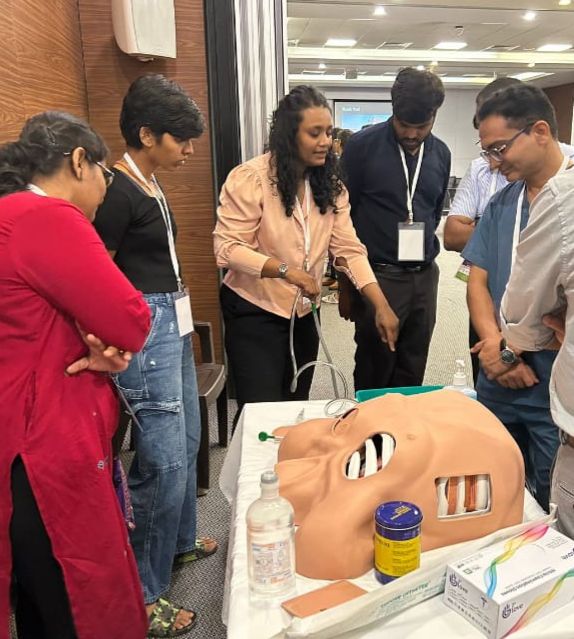
The aim of Traumax 2025 was to provide an insight into the care of a trauma victim. One of the highlights of the program was the group discussions focusing on various aspects of craniomaxillofaical trauma, virtual surgical planning and trauma in special age groups, including geriatric and pediatric patients. The conference offered hands-on sessions, featuring 3D models, to provide practical experience in applying the principles of reduction and fixation in maxillofacial trauma cases.
25, Mar 2025
Thyroid Cancer: What one Need to Know

By DR Narayana Subramaniam
Bengaluru March 25, 2025– The thyroid gland is a small, butterfly-shaped organ located at the front of the neck. It plays a crucial role in regulating metabolism, the cardiovascular system, the nervous system, and many other vital bodily functions. While thyroid disorders often involve decreased hormone production, the gland can also be affected by cancer. Dr Narayana Subramainam shares some important insights into the same.
How Common Is Thyroid Cancer and Who Is at Risk?
Thyroid cancer is more common in women. In India, it affects approximately 3-4 women per 1 lakh population and 1 man per 1 lakh population. Although it can occur at any age—from children to the elderly—most cases are diagnosed in individuals aged 30 to 50 years.
There are four major types of thyroid cancer, with papillary carcinoma being the most common. Fortunately, it typically responds well to treatment, and most patients go on to lead normal, healthy lives.
What Are the Signs of Thyroid Cancer?
Thyroid cancer often causes mild or no symptoms. However, possible signs include:
- A lump in the front of the neck that moves when swallowing.
- Voice changes or hoarseness.
- Discomfort or difficulty swallowing.
- Swelling or lumps on the side of the neck (due to lymph node involvement).
- Occasionally, it is incidentally detected during neck scans done for other reasons.
- Rarely, thyroid cancer may present as a rapidly growing, painful neck mass with swallowing or breathing difficulties.
How Is It Diagnosed? Should You Get Screened?
Thyroid cancer is usually diagnosed through:
- Ultrasound scanning of the neck.
- Fine needle aspiration cytology (FNAC) – a needle test used to confirm the diagnosis.
- CT or MRI scans may be necessary in advanced cases.
Routine screening is not required unless you have a family history of thyroid cancer. This is because many people have harmless, non-cancerous thyroid nodules that can lead to unnecessary tests, procedures, and anxiety when detected incidentally.
How Is It Treated?
Treatment typically involves:
- Surgery: Removal of the thyroid gland (thyroidectomy), sometimes along with affected lymph nodes.
- Radioiodine therapy: A nuclear medicine treatment that targets remaining or spread cancer cells.
- Radiotherapy or chemotherapy: Used in select cases, depending on the cancer type and stage.
Is It Curable?
Yes, thyroid cancer is often curable.
- Papillary thyroid cancer in younger patients (<55 years) has a nearly 100% survival rate at 5 years.
- Other types also have high survival rates, depending on the type, stage, and treatment.
- Even in advanced cases, survival is possible with early diagnosis and appropriate, specialized treatment.
Early detection and timely, expert care are key to maximizing outcomes. If you have concerns or symptoms, consult with a qualified specialist promptly.
19, Mar 2025
We Defeated Cancer: The Story of HIIMS Patients Who Defeated Death
New Delhi, March 19, 2025 – In a press conference organized by HIIMS (Hospital and Institute of Integrated Medical Sciences), cancer patients who were once declared incurable by leading hospitals shared their extraordinary recovery journeys. These patients, who had been advised chemotherapy and radiation, healed through Fever Therapy, the DIP Diet, Zero-Volt Therapy, Panchakarma Therapy, Time as Medicine, along with Ayurveda and homeopathy at HIIMS—without undergoing conventional treatments. Led by Dr. Biswaroop Roy Chowdhury and Acharya Manish, the event highlighted the institute’s holistic therapies, which have enabled patients to heal naturally.
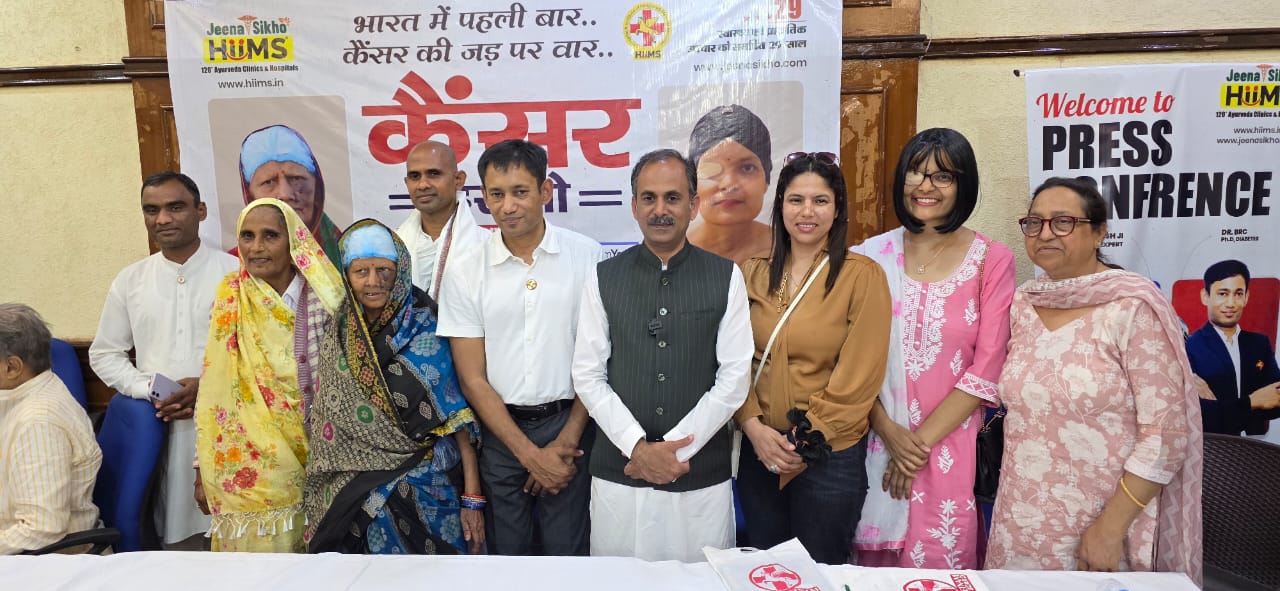
Speaking at the event, Acharya Manish emphasized the need to rethink conventional cancer treatments, stating, “Conventional medicine often focuses on symptom suppression rather than root cause healing. Our approach at HIIMS is to strengthen the body’s natural ability to fight diseases like cancer, ensuring long-term wellness without harmful side effects.”
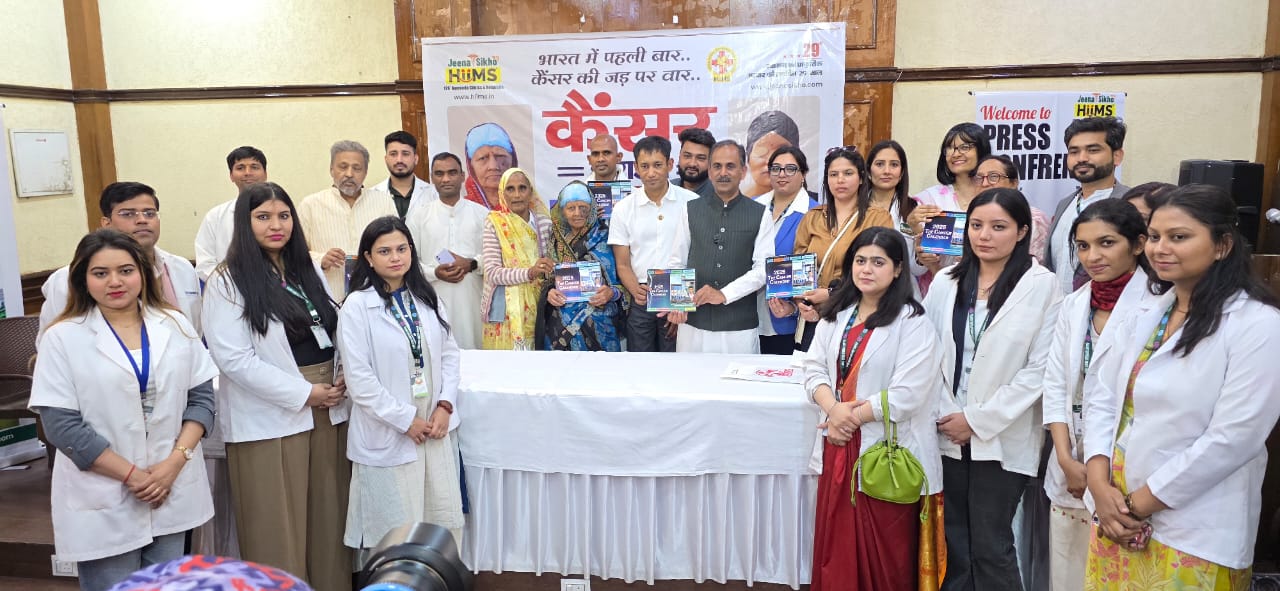
During the event, Dr. Biswaroop Roy Chowdhury presented his book, “Rabbit-Tortoise Model for Cancer Cure,” which provides scientific evidence on why chemotherapy and radiation often worsen cancer instead of curing it. He stressed, “The medical industry has conditioned people to believe that cancer is a death sentence unless treated with toxic chemicals. Our research and real-life patient recoveries prove otherwise—cancer can be reversed naturally.”
The highlight of the event was the testimony of five former cancer patients who defied the odds and fully recovered through HIIMS’ holistic treatments:
- Nishamani Behera from Odisha was diagnosed with stage 3 breast cancer and advised chemotherapy and surgery. Instead, she chose HIIMS’ approach, following a strict DIP diet, Fever Therapy, and Zero-Volt Therapy. Within months, her tumor shrank, and she was declared cancer-free without a single chemotherapy session.
- Prativa Samal, a professional working in Dubai, was diagnosed with ovarian cancer and given a grim prognosis. Opting for HIIMS’ natural therapies, she followed a detox regimen, Panchakarma, and Ayurvedic medicines. Today, she leads a healthy life with no sign of cancer recurrence.
- Chander Wati from Haryana was diagnosed with lung cancer and given just a few months to live. After undergoing HIIMS’ holistic treatments, including breathing exercises, herbal therapies, and immune-boosting nutrition, she made a miraculous recovery.
- Ambika Puri from Chandigarh was suffering from leukemia (blood cancer), and doctors had ruled out any chance of survival. However, through HIIMS’ specialized therapies focusing on herbal detox and a plant-based diet, her blood reports gradually normalized, and she regained her health.
HIIMS’ innovative therapies focus on detoxifying the body, boosting immunity, and restoring cellular health, using treatments like Panchakarma therapies, the DIP diet, Zero-Volt Therapy, yoga, and sunlight exposure. The conference also drew a parallel between HIIMS’ mission and Netaji Subhash Chandra Bose’s fight for freedom, emphasizing that just as Netaji fought against colonial oppression, HIIMS is fighting against the dominance of toxic medical treatments. The event concluded with a powerful message—cancer is not a disease but a metabolic disorder that can be reversed naturally.
10, Mar 2025
The Surprising Symptoms of Low NAD+ Levels and How NMN Can Help Replenish Them
Nicotinamide adenine dinucleotide (NAD+) is a vital coenzyme found in every cell of our body, playing a central role in many biological processes that are critical for maintaining overall health. As a key player in cellular metabolism, energy production, and DNA repair, it helps the body manage oxidative stress, regulate circadian rhythms, and promote longevity. Despite its importance, NAD+ levels naturally decline with age, leading to a range of surprising and often overlooked symptoms. Fortunately, supplementation with compounds like Nicotinamide Mononucleotide (NMN) offers a promising way to replenish NAD+ and help mitigate the effects of its decline.
What is NAD+ and Why Does It Matter?
NAD+ is a coenzyme that supports redox reactions in cells, facilitating the conversion of food into usable energy. It plays a pivotal role in ATP production, which fuels cellular functions. Beyond metabolism, NAD+ is crucial for maintaining proper DNA repair mechanisms, supporting the immune system, and regulating the body’s circadian rhythms (the internal biological clock). It also influences the activation of sirtuins, a group of proteins that are thought to protect cells from aging and extend lifespan.
As we age, NAD+ levels begin to naturally decline, and this reduction is associated with various health issues and symptoms that many people may not immediately connect to low NAD+ levels.
Surprising Symptoms of Low NAD+ Levels
- Fatigue and Decreased Energy
One of the most common symptoms of low NAD+ levels is chronic fatigue. NAD+ is essential for mitochondrial function—the powerhouses of cells responsible for energy production. When NAD+ levels drop, mitochondria struggle to produce ATP efficiently, leading to decreased energy levels, muscle weakness, and a constant feeling of tiredness, even after adequate rest. People with low NAD+ may feel sluggish, less motivated, and experience a general decline in their energy reserves throughout the day. - Cognitive Decline and Memory Problems
NAD+ is integral to maintaining brain health. It supports the activity of enzymes responsible for DNA repair and neuronal function. As NAD+ levels decrease, the brain’s ability to repair damaged DNA and maintain proper neural activity also diminishes. This leads to cognitive problems, including difficulty concentrating, short-term memory issues, and a decline in mental clarity. In some cases, long-term NAD+ depletion may contribute to neurodegenerative diseases such as Alzheimer’s or Parkinson’s. - Sleep Disturbances
A decline in NAD+ can lead to disturbances in circadian rhythm regulation, the body’s natural sleep-wake cycle. NAD+ influences the production of melatonin, the hormone responsible for sleep onset. Low levels of NAD+ can disrupt the sleep cycle, leading to difficulties falling asleep, staying asleep, or waking up feeling unrested. This can result in a cycle of poor sleep that exacerbates other health problems, such as mood swings and weakened immunity. - Increased Inflammation and Pain Sensitivity
NAD+ is involved in controlling inflammation and the body’s response to injury or infection. When NAD+ levels drop, the body’s inflammatory response can become unbalanced. This can lead to increased chronic pain, joint discomfort, and a heightened sensitivity to injury. Studies have suggested that lower NAD+ levels contribute to inflammatory diseases, autoimmune conditions, and even neuroinflammation, which may increase the risk of conditions such as arthritis or chronic pain syndromes. - Weakened Immune System
NAD+ plays a critical role in maintaining the health of the immune system. It helps regulate immune cell function and supports the body’s ability to respond to infections. As NAD+ levels decline, immune cells become less efficient, leaving the body more susceptible to infections, illnesses, and even slower recovery times after injury or sickness. Individuals with low NAD+ levels may find themselves catching colds more frequently or having a harder time fighting off infections. - Skin Aging and Poor Wound Healing
NAD+ also plays a role in skin health by promoting cellular repair processes and protecting against oxidative stress. Low NAD+ levels contribute to the aging of the skin, including increased wrinkles, sagging, and dryness. Additionally, a decrease in NAD+ can slow down the body’s ability to repair skin damage, leading to longer recovery times for cuts, bruises, and other wounds. - Metabolic Dysfunction and Weight Gain
NAD+ has a key role in regulating metabolic processes, including fat metabolism and insulin sensitivity. When NAD+ levels are low, the body may become less efficient at processing and burning fat, leading to weight gain or difficulty losing weight. Furthermore, insulin resistance, which is often associated with conditions like type 2 diabetes, can become more pronounced as NAD+ levels decrease, making it harder for the body to maintain stable blood sugar levels. - Mood Swings and Depression
Another surprising symptom of low NAD+ levels is a shift in mood. NAD+ affects the regulation of neurotransmitters, including serotonin and dopamine, both of which are responsible for regulating mood and emotional well-being. A deficiency in NAD+ may lead to mood swings, increased stress, anxiety, and symptoms of depression. This emotional imbalance can affect overall quality of life, leading to feelings of hopelessness and a lack of motivation. - Decreased Muscle Mass and Strength
Muscle strength and mass are closely tied to mitochondrial function, which is directly impacted by NAD+ levels. Low NAD+ can result in muscle weakness, a loss of lean muscle mass, and a decrease in overall strength. This can affect your ability to engage in physical activity, further contributing to fatigue, immobility, and even depression, as physical activity plays a significant role in maintaining mental health.
How NMN Can Help Replenish NAD+ Levels
Given the wide-ranging effects of low NAD+ levels, it is clear that maintaining optimal NAD+ levels is essential for overall health. While there are many factors that can influence NAD+ production, including diet, exercise, and lifestyle habits, one of the most effective ways to replenish NAD+ is through supplementation with Nicotinamide Mononucleotide (NMN).
NMN is a precursor to NAD+ and is considered one of the most efficient ways to boost NAD+ levels in the body. When NMN is ingested, it is converted into NAD+ through a series of enzymatic reactions. Supplementing with NMN can potentially counteract the age-related decline in NAD+ and help alleviate the symptoms associated with NAD+ depletion, including fatigue, cognitive decline, poor sleep, and metabolic dysfunction.
Research into NMN supplementation is still in the early stages, but animal studies and human trials have shown promising results in terms of improving energy levels, supporting cognitive function, and even promoting longevity. For example, studies have shown that NMN supplementation improves mitochondrial function, enhances DNA repair, and reduces markers of inflammation, all of which are vital for maintaining health and vitality as we age.
Conclusion
NAD+ is an essential molecule that plays a vital role in nearly every aspect of cellular function, from energy production to DNA repair and immune system regulation. Low NAD+ levels can lead to a surprising array of symptoms, including fatigue, cognitive decline, sleep disturbances, and weakened immunity. Fortunately, supplementation with NMN offers a promising strategy to replenish NAD+ levels, potentially reversing some of the age-related decline in cellular function and promoting overall well-being. While further research is needed to fully understand the long-term effects of NMN supplementation, the current evidence suggests that boosting NAD+ levels can have a profound impact on health, energy, and longevity.


