


14, Mar 2026
Ultrasound-Mediated Nanocarrier-Based Drug Delivery in Breast Cancer Therapy
Breast cancer continues to be one of the most common cancers affecting women worldwide. Yet, early detection and treatment progress remain limited by drug resistance, systemic toxicity and poor tumor specificity. Targeted therapy solves these limitations by directing therapeutic agents to cancerous tissues while protecting healthy cells. Nanocarrier-based delivery systems have improved drug solubility while extending circulation time and enabling controlled drug release at tumor sites. This review examines the current integration of ultrasound (US) as a strong external trigger which boosts nanocarrier-mediated therapy effectiveness. The application of continuous and pulsed US shows potential to enhance drug delivery by improving penetration and site-specific activation and spatiotemporal control of therapeutic release through acoustic cavitation and hyperthermia mechanisms. The application of US-responsive nanocarriers demonstrates promising outcomes in breast cancer models, both in vitro and in vivo, by delivering higher drug concentrations to tumors while minimizing damage to healthy tissues. The research details the US parameters that affect drug release patterns and therapeutic results. Such systems have been investigated for their dual diagnostic and therapeutic (theranostic) capabilities, which enable new personalized and image-guided treatment methods. Various case studies and preclinical evaluations demonstrate the advantages of integrating US with nanocarrier systems. The main obstacles to clinical implementation involve standardizing US protocols and enhancing nanocarrier designs, and addressing regulatory requirements. Our previous research works demonstrate how US-guided mediation can be combined with magnetic induction to create a revolutionary breast cancer treatment approach.

- 0
- By Neel Achary

14, Mar 2026
9 Essential Ways to Evaluate a Reliable Health Insurer in 2026

Pic Credit: Pexel
Selecting the right health insurer is one of the most important decisions you can make for your family’s well-being. With healthcare costs rising and insurance options expanding, it’s crucial to choose a provider that offers reliable coverage, excellent support, and smooth access to medical care. In 2026, several real-world factors can help you assess which health insurer is truly trustworthy.
1. Check the Network of Hospitals
A good health insurer should have an extensive network of hospitals in your city and across the country. Verify whether your preferred hospitals, both for emergencies and routine treatments, are included. A wide network ensures you have access to quality care without hassle or delays.
2. Cashless Facility
Cashless hospitalization is one of the most sought-after benefits. Check if the insurer provides cashless treatment options at network hospitals. This feature allows you to receive care without upfront payments, easing financial stress during medical emergencies.
3. Customer Support
Reliable insurers offer responsive customer support to assist with claims, policy details, and emergency guidance. Look for companies that provide multiple communication channels, including phone, chat, and mobile apps, so help is available whenever needed.
4. Claim Settlement Record
Research the insurer’s claim settlement ratio and customer reviews. High settlement ratios indicate a smooth and transparent claims process, while low ratios may signal delays or frequent disputes.
5. Coverage and Inclusions
Compare policies for coverage details, including hospitalization, pre-existing conditions, day-care procedures, and critical illness benefits. A trustworthy insurer clearly outlines what is included and excludes hidden clauses.
6. Flexibility and Portability
Choose a health insurer that allows policy portability, enabling you to switch plans without losing benefits. Flexible policies that accommodate changing health needs over time provide long-term security.
7. Premium Transparency
Ensure that premiums are transparent and aligned with the coverage offered. Avoid insurers who offer low initial premiums but have high deductibles or hidden charges.
8. Reviews and Recommendations
Check online reviews and ask for recommendations from family, friends, or healthcare providers. Real-world experiences often reveal strengths and weaknesses of insurers that official brochures may not highlight.
9. Value-Added Services
Many insurers now offer additional services such as teleconsultations, health check-ups, wellness programs, and mental health support. These value-added services can improve your overall healthcare experience and support preventive care.
Top Health Insurers to Consider in 2026
Some trusted health insurers in India in 2026 include HDFC ERGO Health Insurance, ICICI Lombard General Insurance, Max Bupa Health Insurance, Star Health and Allied Insurance, and Aditya Birla Health Insurance. These companies are known for extensive hospital networks, reliable cashless facilities, and high customer satisfaction.
Final Thoughts
Choosing a health insurer is not just about the cheapest premium—it’s about trust, reliability, and seamless support when you need it most. By evaluating hospital networks, cashless facilities, claim records, coverage, and real-world customer experiences, you can select a health insurer that gives you peace of mind and financial security in 2026 and beyond.
14, Mar 2026
Growing Implants Bring New Hope to Children with Bone Cancer

Pic Credit: Pexel
A new medical innovation called the “growing implant” is transforming the treatment of bone cancer in children. The technique allows surgeons to remove cancer-affected bone while preserving the limb and enabling it to grow normally, improving long-term mobility and quality of life.
Bone cancers such as osteosarcoma and Ewing sarcoma often affect children and adolescents. Traditional treatments sometimes required amputating the limb or resulted in permanent differences in leg length, creating long-term physical and emotional challenges. Growing implants now offer a more effective solution.
How the Growing Implant Works
The growing implant, also called an expandable prosthesis, is placed after the tumor is removed. Unlike standard implants, it can lengthen gradually as the child grows. Many modern implants use magnetic technology, allowing doctors to extend the device during routine hospital visits without additional surgery.
The gradual lengthening helps muscles, joints, and tissues adjust naturally, reducing pain and complications compared with older surgical methods.
Benefits for Patients
The implant offers several advantages:
-
Preserves the limb and improves mobility
-
Reduces the need for repeated surgeries
-
Maintains balanced limb growth
-
Supports long-term function and quality of life
Lengthening procedures usually take only 15–20 minutes, allowing children to return to normal activities quickly.
Future Developments
While implants can be costly and occasionally require revision surgeries, advances in 3D printing, imaging, and customized surgical planning are improving their precision and durability.
Growing implants are helping doctors focus on both curing cancer and ensuring children can lead active, independent lives after treatment. This innovation provides families facing bone cancer with renewed hope for survival and a better quality of life.
14, Mar 2026
FDA-Approved Cancer Drug Fedratinib Reshapes How Cell Organelles Communicate, Providing New Therapeutic Avenues
Researchers at the University of Michigan have discovered that the FDA-approved drug Fedratinib may promote communication between two critical cellular organelles—the endoplasmic reticulum and mitochondria—offering new insights into cellular metabolism and potential therapeutic strategies for multiple diseases.
Cells function much like complex cities, with different organelles performing specialized roles. Mitochondria generate energy, the endoplasmic reticulum acts as a transport network, and lysosomes manage waste disposal. For cells to function efficiently, these organelles must communicate through structures known as membrane contact sites.
One of the most abundant of these interactions occurs between the endoplasmic reticulum and mitochondria at structures called ER-mitochondria contact sites (ERMCS). Disruptions in ERMCS organization have been linked to several serious health conditions, including Cancer, Diabetes, Obesity, and Neurodegenerative Diseases. However, scientists have had limited understanding of the mechanisms that regulate these structures.
In the new study, researchers screened a library of FDA-approved drugs using human and mouse cell lines to identify compounds capable of influencing ERMCS formation. They discovered that fedratinib significantly increased the formation of these contact sites. Notably, the effect was reversible once the drug was removed from the cells.
The team determined that fedratinib works by inhibiting the protein BRD4, which regulates how cells read DNA during transcription. This inhibition activates a transcriptional pathway that promotes the formation of ER-mitochondria contact sites.
“Over the past few decades, researchers have seen that cell organelles work in conjunction and they need to talk to each other to do that,” said Yatrik Shah, Professor of Molecular and Integrative Physiology and member of the Rogel Cancer Center at the University of Michigan. “By identifying this signaling pathway, we can better understand how these contact sites are sustained.”
Using advanced electron microscopy, the researchers also identified notable structural changes in ERMCS sites following fedratinib treatment. The analysis revealed that the endoplasmic reticulum formed a three-dimensional envelope around mitochondria in certain cells. Approximately 30% of mitochondria displayed structural alterations, suggesting that mitochondria with extensive contact sites may support specialized metabolic pathways.
Interestingly, similar structural patterns have previously been observed in cells infected with COVID‑19 caused by SARS‑CoV‑2 and in metastatic melanoma cells.
“There were different populations of mitochondria that differed in their degree of contact with the endoplasmic reticulum,” said Drew Stark, a graduate researcher and the study’s first author. “Those with abundant contact sites may be supporting distinct metabolic processes within the cell.”
Researchers are now exploring whether these effects can also be observed in mouse models and how these mitochondrial changes influence metabolism and disease progression. The findings may open new directions for studying metabolic regulation and developing therapies targeting cellular communication pathways.
The research was supported by multiple grants from the National Institutes of Health and collaborating institutions.
13, Mar 2026
Researchers break decades-old bottleneck in chemotherapy drug manufacturing
Researchers break decades-old bottleneck in chemotherapy drug manufacturing
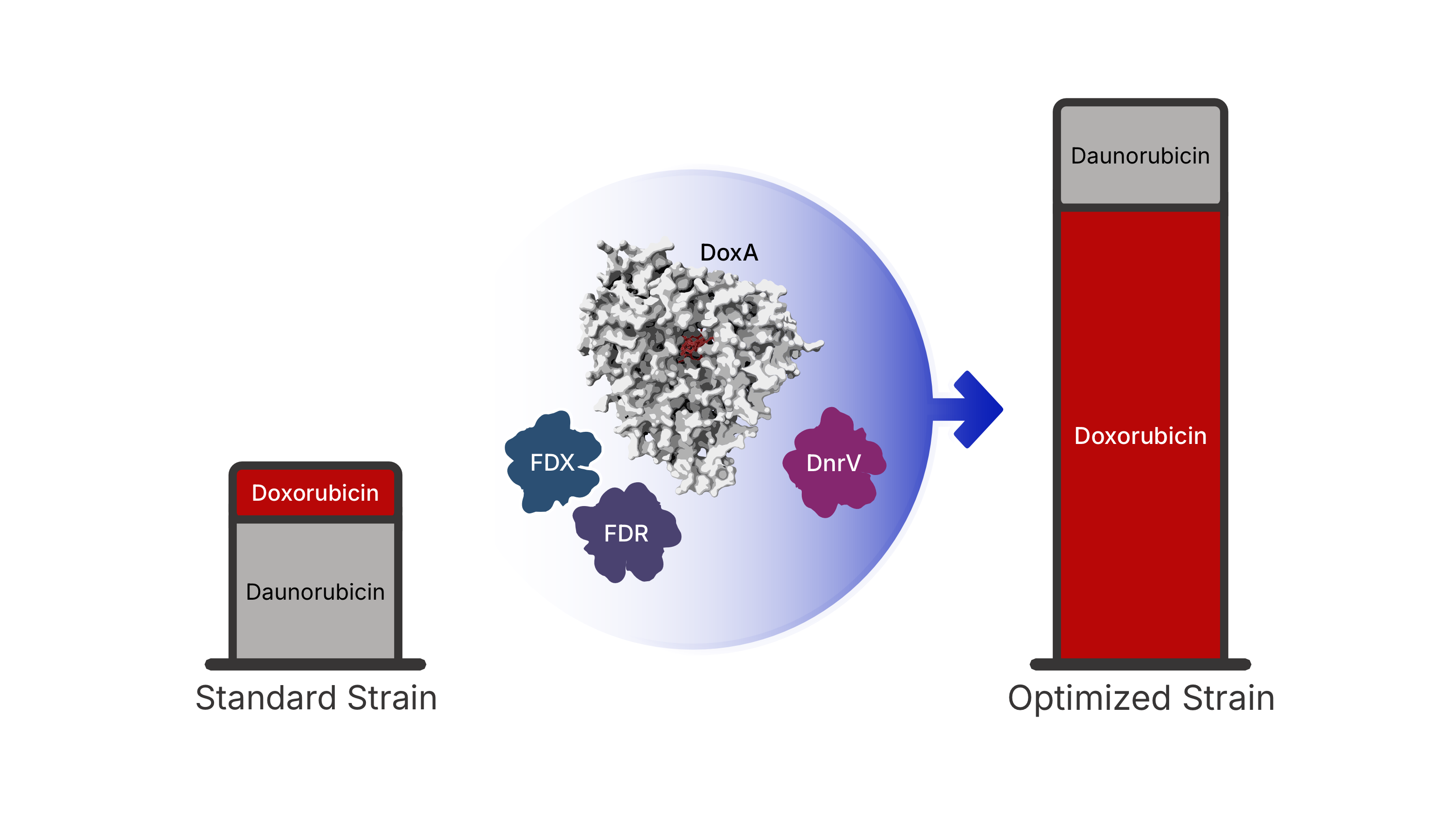
An international team of researchers has achieved a breakthrough in the production of doxorubicin, a vital chemotherapy agent. The study identifies and resolves molecular “bottlenecks” that have limited the natural production of this drug for over 50 years.
Doxorubicin is a chemotherapy drug that was first approved for medical use in the 1970s. It is a cornerstone in treating various cancers, including breast cancer, bladder cancer, lymphomas and carcinomas, with over one million patients receiving the treatment annually. However, bacteria naturally produce this important drug very inefficiently. Consequently, the pharmaceutical industry has relied on expensive, multi-step semi-synthetic processes.
“We have uncovered several independent factors that limit the formation of doxorubicin,” says Researcher, Keith Yamada, PhD, from the University of Turku in Finland, a lead scientist on the study. “By addressing these bottlenecks, we have harnessed rational strain engineering to pave the way for cost-effective manufacturing that can meet growing global demand”.
Researchers develop new strain of bacteria that enhances drug production
The study was the result of an extensive international collaboration involving a total of six research laboratories: the University of Turku in Finland, three laboratories in the United States, and two in Leiden, the Netherlands.
Together, the teams identified three primary constraints that prevent the high-yield production of doxorubicin.
Firstly, the team identified the specific natural “biological power supply” — redox partners named Fdx4 and FdR3 — that provide the necessary electron flow to power the drug-producing enzyme.
Secondly, they discovered that a protein called DnrV acts as a drug-binding “molecular sponge”. It sequesters (binds and holds) doxorubicin so the drug does not shut down the enzyme’s own production machinery.
Last, using X-ray crystallography, the team visualized the enzyme for the first time, revealing that the drug molecule sits in an unfavorable position within the enzyme, explaining the slow reaction rate.
By combining these discoveries, the researchers engineered a new strain of bacteria that produces 180% more doxorubicin than current industrial standards.
To bring these findings to the real world, the spin-out company Meta-Cells Oy was formed last year at the University of Turku. The company aims to commercialize these advanced technologies for the sustainable manufacturing of essential antibiotics and anti-cancer agents. This shift toward fully biosynthetic production promises a cleaner, more reliable supply of life-saving medicines.
The study was published in the renowned journal Nature Communications.
13, Mar 2026
Lurie Autism Institute Announces Dr. Huda Zoghbi as the Inaugural Recipient of the Nancy Lurie Marks Prize for Autism Research
Mar 13 – The Lurie Autism Institute, a joint initiative of Children’s Hospital of Philadelphia (CHOP) and Penn Medicine created to drive discovery, develop new treatments, and improve the lives of individuals and families affected by autism, is proud to announce that geneticist Huda Y. Zoghbi, MD, has been selected as the inaugural recipient of the Nancy Lurie Marks Prize for Autism Research, the Institute’s highest honor recognizing transformative contributions to autism research.
Zoghbi is a Distinguished Service Professor in the Departments of Molecular and Human Genetics, Pediatrics, Neuroscience, and Neurology at Baylor College of Medicine, and Director of Texas Children’s Duncan Neurological Research Institute (Duncan NRI). She is also an Investigator at the Howard Hughes Medical Institute. A pioneering pediatric neurologist and physician–scientist, Zoghbi has fundamentally reshaped understanding of the genetic and molecular basis of neurological disease – including autism spectrum disorder – by integrating human genetics, animal models, and systems-level neuroscience to define how disruptions in gene regulation, neuronal maturation, and circuit function drive disease.
“When thinking of an appropriate inaugural recipient of the Nancy Lurie Marks Prize for Autism Research, we wanted to consider the pre-eminent minds whose long history of incredible work in autism research continues to have a lasting effect,” said prize committee chair Frances E. Jensen, MD, Chair of the Department of Neurology and Professor of Neurology at the Perelman School of Medicine at the University of Pennsylvania and co-director of the Penn Translational Neuroscience Center. “Dr. Zoghbi’s record speaks for itself, and we couldn’t think of a more deserving inaugural recipient who exemplifies the pioneering work in autism research that the Lurie Autism Institute wants to make possible.”
The Prize Selection Committee recognized Zoghbi for her landmark discovery that mutations in the MECP2 gene cause Rett syndrome, an autism-related neurodevelopmental disorder. This breakthrough transformed Rett syndrome from an enigmatic clinical condition into a foundational model for understanding autism genetics and neurobiology. Her work established core principles that have guided modern autism research; these principles now underpin contemporary large-scale genomic studies of autism and have shaped how investigators conceptualize risk, penetrance, and phenotypic variability across neurodevelopmental disorders.
“I am deeply honored to receive the inaugural Nancy Lurie Marks Prize for Autism Research,” said Zoghbi. “Nancy’s dedication to autism research and to the families she so passionately championed has left an indelible mark on our field. The Lurie Autism Institute’s continued commitment to advancing impactful autism research benefits us all. I share this recognition with the patients and families who inspire our work every day, and with the remarkable trainees and collaborators whose insight, creativity, and dedication have advanced our understanding of how genetic disruptions alter brain function.” She continued, “I hope that continued progress in this field will lead to better insights and treatments, ultimately improving the lives of individuals with autism and their families. This honor serves as a powerful reminder of the promise rigorous science holds for truly transforming lives.”
By demonstrating that de novo mutations underlie Rett syndrome, Dr. Zoghbi helped catalyze study designs that enrich for de novo variation. These studies served as an important basis for projects such as the Simons Simplex Collection, a core project and resource of the Simons Foundation Autism Research Initiative (SFARI) that establishes a permanent repository of genetic samples of families of children with autism. This framework was then later adopted by the Simons Foundation Powering Autism Research for Knowledge (SPARK) and the Autism Sequencing Consortium. This paradigm led to the discovery of dozens of de novo variants and hundreds of autism-related genes, many of which encode chromatin regulators, firmly establishing epigenetic and chromatin-mediated mechanisms as central pathways in autism.
“Dr. Zoghbi’s incredible discoveries of some key biological mechanisms underlying autism are important steps in the journey we’re on with the Lurie Autism Institute to provide patients with more answers,” said Daniel Rader, MD, Interim Director, Lurie Autism Institute and Chief of Translational Medicine and Human Genetics, Penn Medicine and CHOP. “Her central role in advancing our understanding of neurobiology and translating that basic science into clinical progress makes her an extremely deserving recipient of the inaugural Nancy Lurie Marks Prize for Autism Research.”
The Nancy Lurie Marks Prize for Autism Research honors the legacy of Nancy Lurie Marks, whose visionary philanthropy has played a pivotal role in advancing autism research and improving the lives of individuals with autism. The Prize includes a $100,000 award and recognizes a single individual whose work has made a profound and lasting impact on the field.
“The Lurie Autism Institute was established to usher in a new era of scientific discovery in autism, and the work of extraordinary talents like Dr. Zoghbi exemplifies the kind of breakthrough discoveries we hope to make possible,” said Jeffrey Lurie, Chairman and CEO of the Philadelphia Eagles and founder of the Eagles Autism Foundation.
Zoghbi will be formally honored at the 2026 Lurie Autism Institute Symposium, to be held on May 7, 2026, in Philadelphia, where she will deliver a featured lecture.
The Lurie Autism Institute, which reflects the combined strength of Children’s Hospital of Philadelphia and Penn Medicine, was made possible through the generosity of the Lurie Family Foundation and the Nancy Lurie Marks Family Foundation. Launched in June, 2025, the Institute is dedicated to advancing autism science and care, while aiming to accelerate discovery, deepen understanding of autism’s complexities and improve outcomes for individuals and families.
12, Mar 2026
Miror Therapeutics Empowers Bengaluru’s “Ground Heroes” with Landmark Hormonal Health Initiative at Magadi Road Maternity Hospital
Bengaluru, Mar 12: Miror Therapeutics Pvt Ltd successfully hosted “Women’s Midlife & Beyond,” a high-impact hormonal health awareness program for frontline women workers in Bengaluru. Held at the Magadi Road Maternity Hospital, the event provided critical medical education and nutritional support to 62 women, including Pourakarmikas, ASHA workers, and staff from the government hospital.
The initiative targeted a significant but often overlooked demographic: the women who serve as the backbone of the city’s infrastructure. Through clinical screening of 54 participants, Miror identified a staggering need for early intervention, discovering that 84% of attendees were in the perimenopause stage, while 16% had reached menopause.
“This data underscores an urgent need for localised advocacy and early-stage hormonal support within these professional sectors,” stated Mr Sanjith Shetty, Founder & CEO, Miror Therapeutics.
The program moved beyond theory by providing actionable health solutions. Under the guidance of the Indian Menopause Society (IMS) and Miror Representatives, attendees discussed Perimenopause, Menopause, and Hormone Replacement Therapy (HRT).
While the event provided foundational dietary consultations, Miror has announced a strategic pivot for future outreach. Moving forward, the company will prioritise Gynaecologist-led advocacy to provide the “medical seal of authority” required for complex symptom management and HRT eligibility.
Mr Shetty also stated that “Our mission is to ensure every woman leaves with clinical clarity,” the report concludes. “By shifting toward clinical gynaecology, we aim to foster higher medical literacy and a more confident adoption of evidence-based treatments”.
12, Mar 2026
Guwahati family shares experience of hospital-based palliative care during advanced cancer treatment
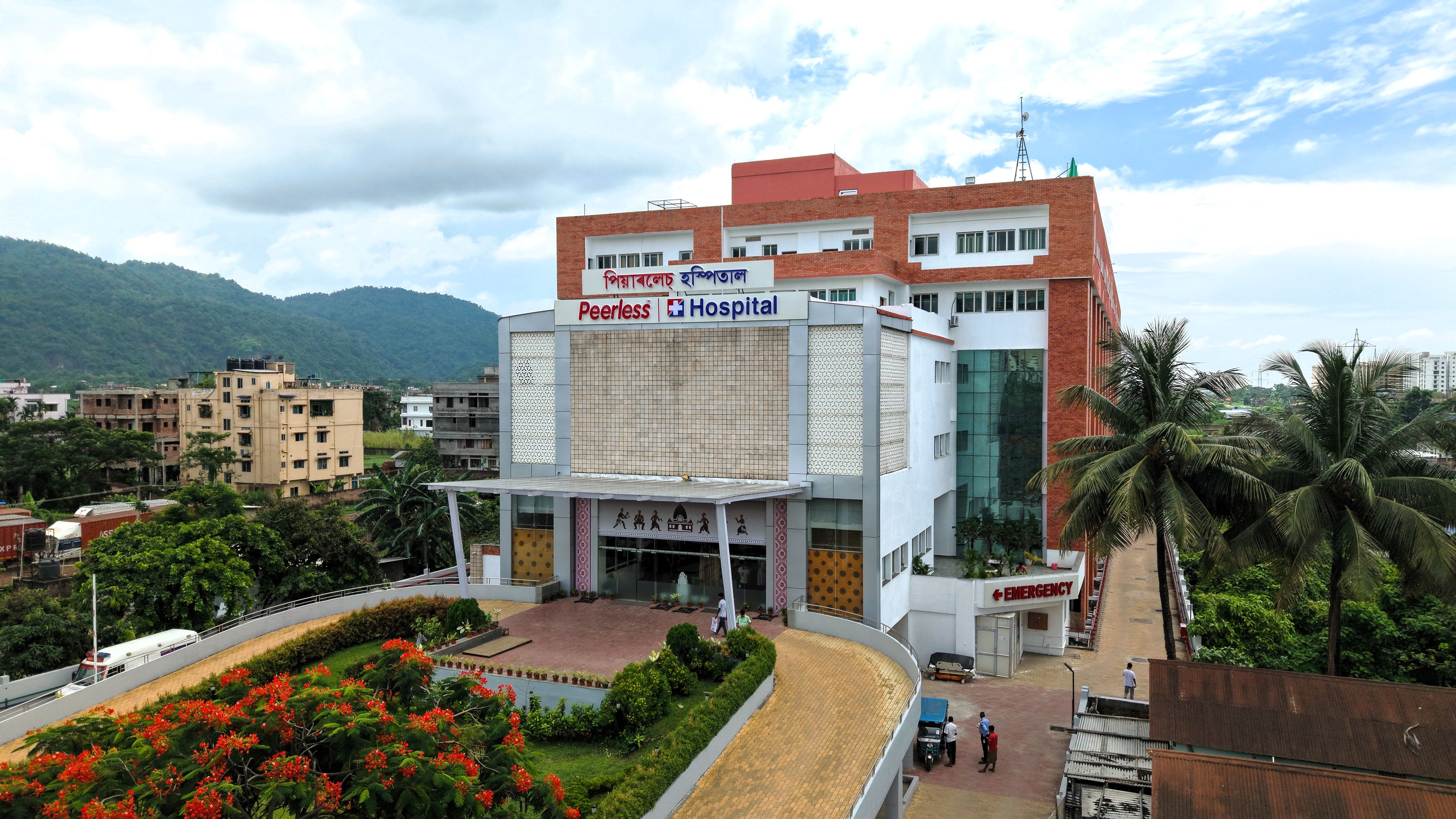
Guwahati, Mar 12: A Guwahati family has shared its experience of hospital–based palliative care after their mother, diagnosed with advanced-stage liver cancer, was shifted to comfort-focused treatment during a recent admission at Peerless Hospital Guwahati.
The 62-year-old patient had initially been admitted for what the family expected would be a short hospital stay. During the admission, doctors informed them that immunotherapy had not been effective and the disease had progressed, making palliative care the most appropriate course of treatment.
While home-based care was discussed, the family felt her condition required continuous medical supervision.
“We wanted her to remain in a setting where immediate medical support was available if needed. Continuing care at home did not seem medically advisable in her condition,” a family member said.
The family explored several palliative care options in Guwahati before opting for Peerless Hospital’s structured palliative care package, which was arranged within 24 hours of discussion with the medical team.
The patient was shifted to a single cabin where a family member could remain round the clock. She was placed under continuous vital monitoring, with nurses conducting regular manual checks of blood pressure, temperature and oxygen saturation. Preventive measures such as an air mattress were used to reduce the risk of bedsores, while medications were administered on schedule and her positioning was adjusted regularly for comfort.
A dietician reviewed her meals and adjusted food choices based on medical requirements and personal preferences. Mobility support was also encouraged, with wheelchair outings and assisted short walks when possible. Daily physiotherapy sessions were provided to help maintain strength and movement.
The patient’s primary physician reviewed her condition twice a day, and specialists were consulted whenever required.
Over time, the patient was able to resume oral intake after previously requiring assisted feeding, and both her feeding tube and catheter were removed.
“After months without appetite, being able to eat normally again meant a great deal to her,” the family member said.
Dr. Gautam Kumar Das, CEO at Peerless Hospital Guwahati, said palliative care focuses on improving comfort and quality of life when curative treatment is no longer effective.
“Palliative care is often misunderstood as only end-of-life care. In reality, it is about managing symptoms, maintaining dignity, and supporting both patients and families during serious illness. Many families want to remain closely involved in caring for their loved ones but also need the reassurance of medical supervision. Structured palliative care within a hospital environment can provide that balance of clinical support and family presence,” he said.
The family said the structured care plan helped them remain close to the patient while ensuring consistent medical supervision during a difficult phase of treatment.
10, Mar 2026
Park Hospital Launches Panchkula Facility, Expands Mohali Campus; Tricity Capacity to Reach 850 Beds
Panchkula/Mohali, Mar 10: Park Medi World Limited has approved the launch of an advanced multi-super specialty hospital in Panchkula along with the expansion of its existing facility in Mohali, further strengthening the presence of Park Group of Hospitals across the Tricity healthcare ecosystem.
The newly launched hospital in Panchkula will be expandable up to 350 beds and is scheduled to become operational from March 29, 2026. This development aims to expand access to advanced healthcare services for patients across Haryana, Punjab, Himachal Pradesh, and Chandigarh.
Alongside the Panchkula launch, the company will also expand its 350-bed Grecian Super Specialty Hospital in Mohali with an additional 150 beds, significantly enhancing its clinical capacity and specialty care services.
With these developments, Park Group of Hospitals will reach a combined capacity of 850 beds across the Tricity region, positioning it as the largest private healthcare network in the area. The Tricity cluster will comprise 350 existing beds at Mohali, a capacity of up to 350 beds at the newly launched Panchkula facility, and the upcoming 150-bed super specialty expansion at Mohali.
Advanced Healthcare Infrastructure
The Panchkula hospital has been designed to deliver comprehensive tertiary and quaternary care, supported by advanced diagnostics, modern operation theatres, and robust critical care infrastructure. The facility will provide specialized treatments across multiple medical disciplines to address the increasing demand for advanced healthcare services in the region.
Meanwhile, the Mohali expansion will focus on strengthening high-acuity specialties such as Oncology, Neurosciences, Gastro Sciences, and Robotic Surgeries. The facility will also introduce robotic joint replacement capabilities, enabling cutting-edge minimally invasive procedures and enhancing treatment outcomes for patients.
Leadership Perspective
Commenting on the development, Dr. Ankit Gupta, Managing Director of Park Medi World Limited, said:
“The launch of our Panchkula hospital and the expansion of our Mohali facility mark a significant milestone in Park Hospital’s journey to strengthen advanced healthcare access across the Tricity region. With a combined capacity of 850 beds across our Mohali and Panchkula campuses, we are building one of the most comprehensive private healthcare networks in the region.”
He further added, “The new Panchkula hospital, along with the upcoming 150-bed super specialty expansion in Mohali, reflects our long-term commitment to developing centres of excellence in high-acuity care. Our focus is on strengthening capabilities in areas such as oncology, neurosciences, gastro sciences, and robotic surgeries while introducing advanced technologies that enable minimally invasive and patient-centric treatment.”
Expanding Healthcare Access in North India
With the launch of the Panchkula hospital and the expansion of its Mohali facility, Park Group of Hospitals continues to expand its footprint in North India, reinforcing its commitment to delivering high-quality, specialized, and technology-enabled healthcare at scale.
The initiative aligns with the group’s broader vision of building an integrated healthcare ecosystem that combines clinical expertise, advanced technology, and large-scale infrastructure to provide world-class care closer to communities across the region.
9, Mar 2026
kyron.bio Announces Strategic Partnership with Servier to Advance Precision Glycosylation in Antibody Therapeutics
Paris, 9 March, 2026 – kyron.bio, a biotechnology company pioneering precision glycoengineering for antibody therapeutic development, today announced a strategic partnership with Servier, an international pharmaceutical group governed by a Foundation.
Under the terms of the agreement, kyron.bio will use its technology to glycoengineer an antibody selected by Servier, who will fund the associated research activities. Servier will have the option to further explore antibody engineering and development opportunities based on the outcomes. Financial details are not disclosed.
kyron.bio’s proprietary glycoengineering platform can enhance therapeutic performance of antibodies by enabling precise control of the glycan structures to improve efficacy, safety, and scalability. In this partnership kyron.bio will seek to demonstrate clear glycan control on the Servier antibody of interest for a specific pre-determined N-glycoform.
To date, engineering of glycans have been under-exploited, due to technical challenges, limiting the use of glycan engineering in drug design. kyron.bio is changing that. The company has developed a scalable, proprietary method to achieve comprehensive control over glycosylation, unlocking the possibility to use precision glycosylation in next generation drug design.
Dr. Emilia McLaughlin, founder and Chief Executive Officer of kyron.bio said,
“We are delighted that Servier has chosen to explore the potential of our glycoengineering platform. Servier has deep expertise in therapeutic development and combined with our precision glycosylation technology, this partnership provides a powerful opportunity to unlock new levels of antibody performance and deliver better outcomes for patients.
“Precision glycosylation represents a transformative approach in biologics development. By engineering defined glycan profiles, therapeutic antibodies can be optimized for improved immune engagement, pharmacokinetics, and reduced variability.”
In 2024, kyron.bio was the winner of the Servier Golden Ticket award which has provided invaluable support and mentorship through the company’s early translational phase and has developed a foundation for understanding the potential of kyron.bio’s technology.
Dr. Emmanuel Nony, Director of External Innovation Europe at Servier said,
“Meeting kyron.bio as a winner of Servier’s Golden Ticket award has enabled our scientists to develop an understanding of the kyron.bio glycan engineering technology and its exciting possibilities in antibody drug design. This collaboration is opening new frontiers for antibody derivatives as well. Together, we are exploring innovative pathways to optimize drug design and production, with a shared commitment to bringing safer and more effective therapies to patients.”
kyron.bio’s strategy is to form strategic drug design partnerships with pharmaceutical and biotech companies working on next-generation antibody therapeutics, alongside in house therapeutic development programs.
A successful company creation from the French Entrepreneur First Scheme, in 2025 kyron.bio raised €5.5m in a seed round from an experienced syndicate of venture investors including HCVC, Verve Ventures, Entrepreneurs First and Saras Capital, as well as private angel investors and the European Innovation Council. It has established an R&D base at the biotech hub Paris Biotech Santé in the Cochin Hospital.


