


9, Mar 2026
kyron.bio Announces Strategic Partnership with Servier to Advance Precision Glycosylation in Antibody Therapeutics
Innovative glycobiology platform aimed at enhancing the efficacy, safety, and scalability of next-generation antibody therapeutics across multiple disease areas
Paris, Mar 09 – kyron.bio, a biotechnology company pioneering precision glycoengineering for antibody therapeutic development, today announced a strategic partnership with Servier, an international pharmaceutical group governed by a Foundation.
Under the terms of the agreement, kyron.bio will use its technology to glycoengineer an antibody selected by Servier, who will fund the associated research activities. Servier will have the option to further explore antibody engineering and development opportunities based on the outcomes. Financial details are not disclosed.
kyron.bio’s proprietary glycoengineering platform can enhance therapeutic performance of antibodies by enabling precise control of the glycan structures to improve efficacy, safety, and scalability. In this partnership kyron.bio will seek to demonstrate clear glycan control on the Servier antibody of interest for a specific pre-determined N-glycoform.
To date, engineering of glycans have been under-exploited, due to technical challenges, limiting the use of glycan engineering in drug design. kyron.bio is changing that. The company has developed a scalable, proprietary method to achieve comprehensive control over glycosylation, unlocking the possibility to use precision glycosylation in next generation drug design.
Dr. Emilia McLaughlin, founder and Chief Executive Officer of kyron.bio said,
“We are delighted that Servier has chosen to explore the potential of our glycoengineering platform. Servier has deep expertise in therapeutic development and combined with our precision glycosylation technology, this partnership provides a powerful opportunity to unlock new levels of antibody performance and deliver better outcomes for patients.
“Precision glycosylation represents a transformative approach in biologics development. By engineering defined glycan profiles, therapeutic antibodies can be optimized for improved immune engagement, pharmacokinetics, and reduced variability.”
In 2024, kyron.bio was the winner of the Servier Golden Ticket award which has provided invaluable support and mentorship through the company’s early translational phase and has developed a foundation for understanding the potential of kyron.bio’s technology.
Dr. Emmanuel Nony, Director of External Innovation Europe at Servier said,
“Meeting kyron.bio as a winner of Servier’s Golden Ticket award has enabled our scientists to develop an understanding of the kyron.bio glycan engineering technology and its exciting possibilities in antibody drug design. This collaboration is opening new frontiers for antibody derivatives as well. Together, we are exploring innovative pathways to optimize drug design and production, with a shared commitment to bringing safer and more effective therapies to patients.”
kyron.bio’s strategy is to form strategic drug design partnerships with pharmaceutical and biotech companies working on next-generation antibody therapeutics, alongside in house therapeutic development programs.
A successful company creation from the French Entrepreneur First Scheme, in 2025 kyron.bio raised €5.5m in a seed round from an experienced syndicate of venture investors including HCVC, Verve Ventures, Entrepreneurs First and Saras Capital, as well as private angel investors and the European Innovation Council. It has established an R&D base at the biotech hub Paris Biotech Santé in the Cochin Hospital.

- 0
- By Neel Achary

9, Mar 2026
Akshar Yoga Kendraa Launches PURANTHA, a Global Centre for Advanced Yogic Sciences in Bengaluru

The campus aims to train 100,000 yoga teachers annually through structured yogic education
Bengaluru, India | Mar 09— Akshar Yoga Kendraa has announced the launch of PURANTHA, a Himalayan-origin centre dedicated to advanced yoga and spiritual science. Conceptualised under the vision of Himalayan Siddhaa Akshar, the new campus has been developed near Kempegowda International Airport in Bengaluru. Spread across about 165,000 square feet, the facility has been designed to train 100,000 yoga teachers each year, responding to the rising global demand for structured and authentic yoga education.
PURANTHA has been established as a space for deeper engagement with Himalayan yogic sciences and Siddha traditions, combining practice, study, and research within one environment. The campus brings together several aspects of yogic learning, including advanced practice modules, teacher education programs, and applied study of traditional knowledge systems.
The design of the centre allows different disciplines to function alongside one another. Facilities have been created for yogic training, meditation, prāṇāyāma, Ayurveda, research and development, and residential learning. With its scale and layout, the campus is intended to support sustained practice and long-term study without interruption between different activities.
All training and educational programs at PURANTHA are conducted under the guidance of Himalayan Siddhaa Akshar through Akshar Yoga Kendraa, an institution recognised by the Ministry of AYUSH under the Yoga Institution category. The centre has been developed with an emphasis on disciplined learning, methodological clarity, safety, and continuity of practice.
Speaking on the launch, Himalayan Siddhaa Akshar said: “PURANTHA has been envisioned as a space where the depth of Himalayan yogic traditions can be preserved, studied and practiced through a structured institutional framework. The intention is to support practitioners and teachers from across the world who wish to explore yoga as a science of inner evolution.”
Prataprao Ganpatrao Jadhav, Union Minister of State (Independent Charge), Ministry of AYUSH; Minister of State, Ministry of Health & Family Welfare, Government of India, said on the launch: “I extend my heartfelt congratulations and best wishes to Akshar Yoga Kendraa on the launch of PURANTHA, a Himalayan-origin centre dedicated to advanced yoga and spiritual science. I commend Himalayan Siddhaa Akshar and the entire Akshar Yoga community for this inspiring initiative, which will further strengthen India’s leadership in yoga and holistic wellness across the world.”
The campus is also intended to serve as a global platform for the structured transmission of Himalayan yogic and spiritual knowledge. Through residential training programs, institutional collaborations, and international participation, PURANTHA aims to contribute to the continued study and dissemination of yogic sciences across diverse cultural and educational contexts.
7, Mar 2026
Taiwan Researchers Develop Fluorescent Imaging That Could Make Tumor-Guided Surgery Easier to Adopt
During cancer surgery, one of the most challenging decisions surgeons face is identifying exactly where a tumor ends and healthy tissue begins. To the naked eye, cancer tissue often looks very similar to surrounding tissue, making it challenging to resect tumors completely without damaging healthy areas. As a result, studies across multiple cancer types suggest that 20–30% of patients may require additional treatment or repeat surgery due to unclear tumor margins.
Researchers led by Professor Li-Feng Liu from the School of Medicine at I-Shou University are developing a new imaging approach designed to make tumor boundaries visibly distinguishable during surgery, giving surgeons clearer guidance at the moment it matters most.
The method builds on a simple biological insight: cancer cells consume far more sugar than normal cells because they grow rapidly. Professor Liu’s team developed a fluorescent sugar-based imaging agent that exploits this behavior. When administered before surgery, the agent is taken up more readily by tumor tissue than by surrounding healthy cells.
During the operation, surgeons illuminate the surgical area using a simple ultraviolet light. Tumor tissue then emits visible fluorescence, creating a clear visual contrast that helps surgeons identify tumor boundaries in real time as they remove the cancer while preserving healthy tissue.
What sets this approach apart is its ease of adoption. Many existing fluorescence-guided systems rely on complex imaging platforms and specialized equipment that are not available in every operating room. In contrast, this method works with widely available light sources, integrates smoothly into existing surgical workflows, and is designed to be non-toxic and safe for intraoperative use.
By lowering technical and operational barriers, the technology could help extend tumor-guided surgery beyond major medical centers. Potential applications include regional hospitals, minimally invasive procedures, and veterinary oncology, where access to advanced imaging infrastructure may be limited.
As Professor Liu and his team continue to evaluate the technology across different tumor types and surgical settings, their goal is to make precision-guided cancer surgery easier to adopt, more widely accessible, and safer for patients. Readers interested in the science behind the innovation and its real-world potential can learn more by exploring the full press release and watching the accompanying video, which illustrates how the technology works in practice.
6, Mar 2026
First Gene Regulation Clinical Trials for Epilepsy Show Promising Results
Groundbreaking Phase 1/2a clinical trials co-led by Linda Laux, MD, from Ann & Robert H. Lurie Children’s Hospital of Chicago, show that the first gene regulation treatment for epilepsy is safe and well tolerated by patients with Dravet syndrome for whom antiseizure medications are not effective. Results, published in the New England Journal of Medicine, include significant seizure reduction and improvement in other symptoms of Dravet syndrome, such as language, motor and behavior issues. Researchers also report sustained treatment benefits in ongoing open-label extension studies.
“Our results are highly promising, especially since currently there are no approved treatments that address the underlying cause of Dravet syndrome,” said Dr. Laux, Head of the Epilepsy Center and Associate Division Head of Neurology at Lurie Children’s, as well as Associate Professor of Pediatrics at Northwestern University Feinberg School of Medicine. “Since this gene regulation product targets the actual root cause of Dravet syndrome, we observed improvements in other developmental and cognitive symptoms, in addition to seizure control. This is unprecedented.”
Dravet syndrome includes a spectrum of symptoms that emerge in infancy and evolve. Most patients experience cognitive deficits, communication and behavioral impairments, motor dysfunction, growth delays and autistic traits. Difficulties with feeding, poor appetite, and weight loss are also common.
As Dr. Laux explained, patients with Dravet syndrome have a mutation on one SCN1A (sodium channel receptor) gene with one normal SCN1A gene. The mutation causes a haploinsufficiency (only half of the amount of the alpha 1 sodium receptor subunit is made). This causes seizures, as well as cognitive and motor issues. The study medication (zorevunersen) acts on the normal SCN1A gene to make it work harder and overcome the deficit caused by the mutated SCN1A gene. Zorevunersen is injected into the spinal fluid by a lumber puncture.
Owen – a Lurie Children’s patient who participated in the clinical trial and now continues in the open label extension study – is a 12-year-old boy with Dravet syndrome, whose seizures were not controlled by medications. He also had intellectual disability and gait abnormalities. With zorevunersen, Owen’s seizures are significantly reduced and he has had marked improvement in language and behavior, according to Dr. Laux.
“He is able to make friends, which is kind of a new development,” said Owen’s mother Austin. “His quality of life has increased substantially so that he’s able to enjoy more activities with neurotypical peers.”
The two Phase 1/2a, open-label, multicenter studies (one in the U.S. and the other in the U.K.) enrolled 81 patients with Dravet syndrome aged 2–18 years on standard antiseizure medications.
Patients who received two to three doses of 70 mg zorevunersen had reduction of motor seizures of nearly 85% at three months and 73% at six months from dosing.
Eligible patients, like Owen, rolled over to the open-label extension studies. These patients were given 45 mg of zorevunersen every four months, and they continued to have significant seizure reduction ranging from 58% to 90% over the first 20 months. For patients in the extension studies for more than 36 months, expressive and receptive communication were significantly improved.
While nearly all patients had a treatment-emergent adverse event (TEAE), most of these were mild to moderate. The most common TEAE in the Phase 1/2a trials was post-lumbar puncture syndrome (nearly 25%) while the most common event in the extension studies was cerebrospinal fluid (CSF) protein increase (45%). However, none of the patients with CSF protein increase had increased intracranial pressure or hydrocephalus. Of the serious TEAE, only one was considered treatment related.
“Our data support zorevunersen safety and tolerability, as well as improvement in overall clinical status, quality of life and adaptive behavior following continued dosing in the extension studies,” said Dr. Laux.
A Phase 3, double-blind, placebo-controlled trial of zorevunersen for Dravet syndrome is currently underway.
Funding was provided by Stoke Therapeutics.
Dr. Laux holds the Lorna S. and James P. Langdon Chair in Pediatric Neurology at Lurie Children’s.
Ann & Robert H. Lurie Children’s Hospital of Chicago is a nonprofit organization committed to providing access to exceptional care for every child. It is the only independent, research-driven children’s hospital in Illinois and one of less than 35 nationally. This is where the top doctors go to train, practice pediatric medicine, teach, advocate, research and stay up to date on the latest treatments. Exclusively focused on children, all Lurie Children’s resources are devoted to serving their needs. Research at Lurie Children’s is conducted through Stanley Manne Children’s Research Institute, which is focused on improving child health, transforming pediatric medicine and ensuring healthier futures through the relentless pursuit of knowledge. Lurie Children’s is the pediatric training ground for Northwestern University Feinberg School of Medicine. It is ranked as one of the nation’s top children’s hospitals by U.S. News & World Report.
4, Mar 2026
Researchers played music to cells – aggressiveness of laryngeal cancer decreased
Mar 04: The continuous movement of the vocal cords weakens and eventually stops as laryngeal cancer progresses. Researchers have, for the first time, discovered that restoring cellular vibration reduces the aggressiveness of advanced vocal cord cancer. When cancer cells were exposed to sound-wave vibration, a protein that promotes cancer growth and severity decreased.
“What music should we play to our cells?” This question sparked a groundbreaking study on laryngeal cancer that revealed a previously unknown sensitivity of this cancer type to a targeted drug currently under development.
Laryngeal cancer is one of the most common malignant tumours of the head and neck region. The most common early symptom is hoarseness, as the cancer typically appears in the vocal cords, and their movement gradually becomes impaired as the disease develops. Movement decreases because the vocal cord tissue stiffens and the cancer invades surrounding tissue.
The most significant risk factors are smoking and heavy alcohol consumption. The prognosis for advanced laryngeal cancer is poor, and there are currently no targeted drug therapies available.
Stiffer the tissue, more malignant the cancer
Researchers have long known that increased tissue stiffness promotes cancer malignancy in non-moving tissues such as breast, liver, and pancreatic cancers, because cells sense and respond to the physical properties of their environment. The sensitivity of cells to external forces led researchers to take an interest in laryngeal cancer, which develops in constantly moving tissue.
“We wondered whether ‘movement could be medicine’ and whether tissue stiffening and immobilisation contribute to cancer development,” says Academy Professor Johanna Ivaska, Director of the BarrierForce Centre of Excellence funded by the Research Council of Finland.
“We developed this idea together with BarrierForce Vice Director Professor Sara Wickström and her research group. With their help, we used a bioreactor in which cells were grown on a vibrating membrane placed on top of a loudspeaker,” explains Ivaska.
The study included researchers from the BarrierForce Centre of Excellence and the InFLAMES Research Flagship. The study’s lead author, Jasmin Kaivola, who recently completed her doctoral degree at the University of Turku in Finland, came up with the idea of connecting an old mobile phone to the device to play sounds and music, and the experiments began.
Vibration affected cancer cells
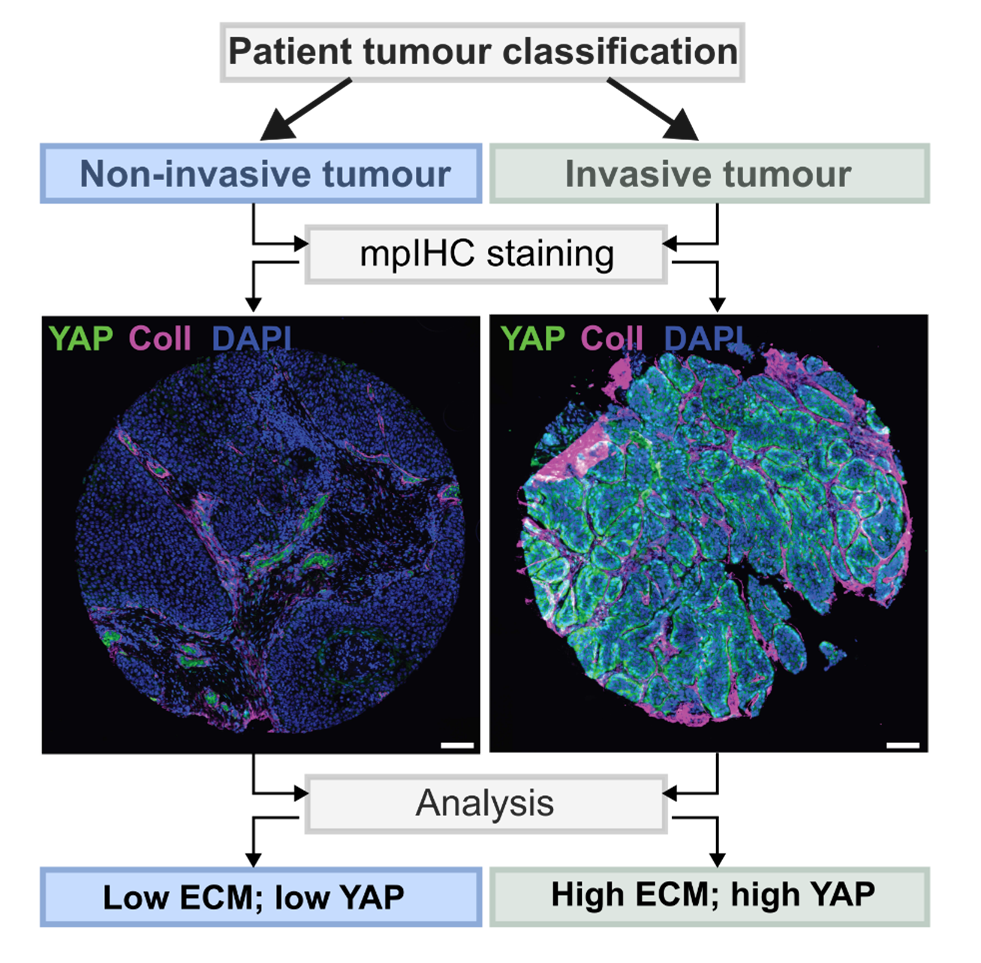
The researchers’ predictions proved correct: exposing cancer cells to vibration-mimicking vocal cord movement reduced their malignancy. One of the observed changes was a decrease in a protein called YAP in the cells.
Using samples of early-stage and advanced laryngeal cancer collected from approximately 200 Finnish patients, the researchers found that elevated expression of proteins that increase tissue stiffness enhanced YAP activity and predicted mortality. In an experimental cancer model, the researchers discovered that the cancer was sensitive to a targeted drug under development that inhibits YAP protein activity.
Jasmin Kaivola notes that the study is entirely groundbreaking because the biomechanics of developing cancers have not previously been studied in moving tissues. She says it would be interesting to investigate whether the mechanism they identified has prognostic value in other cancers of moving tissues, such as lung cancer.
“We are excited about the results and believe that our findings may encourage developers of these drugs to explore their suitability for this difficult-to-treat cancer with a poor prognosis,” says Kaivola.
The study was recently published in the highly prestigious scientific journal Nature Materials. The project, conducted primarily in the research laboratory of Academy Professor Johanna Ivaska at the Turku Bioscience Centre in Finland also involved three clinicians treating and studying oral cancers at the University Hospitals of Turku and Helsinki, as well as soft matter physicists from the University of Vienna and Milan.
InFLAMES is a joint flagship initiative of the University of Turku and Åbo Akademi University. Its aim is to identify new drug development targets and promote drug development in collaboration with biotechnology and pharmaceutical companies. The flagship also advances diagnostics to enable tailored targeted therapies for patients. InFLAMES is part of the Academy of Finland’s Flagship Programme.
3, Mar 2026
UH Professor Warns of Dangers of Red-Light Laser Myopia Therapy for Children
HOUSTON, Mar 03: As red-light laser therapy gains popularity in Asia for slowing myopia in children, reports of vision damage have emerged, prompting a University of Houston optometry researcher to evaluate the procedure and call for further study before it becomes more widely adopted.
“Although red laser therapy is a potential intervention for myopia, its rapid clinical adoption has outpaced thorough safety validation,” reports Lisa Ostrin, UH professor of optometry, in JAMA Ophthalmology.
Ostrin’s quality improvement study found that two popular devices, EyeRising and Sky-1201, exceeded national standards for safety classifications.
“We urge eye care professionals, researchers and regulatory agencies to prioritize safety assessments of these devices, including adaptive optics retinal imaging, multi focal electroretinography, and long-term cohort monitoring, before widespread pediatric use,” said Ostrin. “Establishing a balance between therapeutic efficacy and ocular safety remains essential to ensure that this intervention intended to preserve lifelong vision does not itself pose avoidable risks that outweigh benefits.”
Emergence of red-light therapy
Clinical trials in Asia of the repeated low-level red-light therapy have reported significantly slowed myopia progression and axial elongation, which limits the eye’s lengthening, the main cause of worsening myopia, accompanied by choroidal thickening which stabilizes eye growth.
At the same time, there are reports of damage. In one case, structural retinal damage was reported in a 12-year-old patient following repeated red laser therapy with only partial visual recovery after cessation of therapy. Another report described a reduced amount of cone cells in the retina, the very cells responsible for sharp, detailed and color vision.
In both cases, the device used was The Eyerising International device which has gained regulatory approval in several countries and has been reported to have been used for more than 100,000 children for red laser therapy in China and in more than 250,000 sessions completed outside of China.
Ostrin’s quality improvement study consisted of laboratory-based evaluations of the EyeRising, Sky-n1201, Future Vision and AirDoc
“These findings suggest that laser-based red light therapy instruments deliver irradiance levels that reach ANSI safety limits within exposure times below the recommended 180-second treatment time,” Ostrin reported.
“These findings, combined with emerging clinical reports of retinal damage and recent regulatory reclassification of red laser devices as Class III in China, highlight the need for rigorous, independent safety validation before widespread pediatric use.”
Ostrin’s partner on the project is Alexander Schill, a senior research scientist at the University of Houston College of Optometry.
2, Mar 2026
Study Reveals Extensive Benefits of Emergency Department Clinical Trials
A new study published in JAMA Network Open reveals that participation in emergency department-based clinical trials delivers substantial benefits that extend far beyond improved patient outcomes. The study, co-led by Gail D’Onofrio, MD, MS, Albert E. Kent Professor of Emergency Medicine at Yale School of Medicine, offers compelling evidence that clinical research can be a catalyst for positive change across multiple domains.
The cross-sectional survey, co-led by Joseph E. Carpenter, MD, from Emory University School of Medicine, examined investigators who participated in the ED-INNOVATION (Emergency Department–Initiated Buprenorphine and Validation Network) Trial, which spanned 33 emergency departments (EDs) across 23 states. The trial compared initiation of extended-release injectable buprenorphine with traditional sublingual buprenorphine and treatment engagement after the emergency department visit, addressing evidence-based care for opioid use disorder (OUD) in acute care settings.
Strengthening the research pipeline
According to D’Onofrio, ED INNOVATION lead investigator, “Participation in clinical trials can improve patient care while also strengthening the emergency medicine research pipeline—an area in need of sustained support and development. By engaging emergency department physicians in research activities, the trial built capacity, expanded investigator expertise, and positioned sites for future federally funded studies.”
Transforming institutional culture
The study documented remarkable institutional impacts from trial participation. One survey respondent noted that involvement in the clinical trial “completely changed the culture of our ED,” highlighting how research engagement can fundamentally reshape clinical practice environments. Participating institutions reported widespread practice changes that extended well beyond the trial’s specific focus, demonstrating how clinical trials can drive sustainable quality improvement in emergency care.
Career advancement and professional development
Individual clinicians experienced significant professional benefits from their involvement in the multi-site emergency medicine clinical trial. Site directors became more research-active, submitting additional funding proposals following their participation. Some clinicians obtained advanced certification in addiction medicine as a direct result of their trial participation, demonstrating that National Institutes of Health-supported clinical research can serve as a pathway to specialized expertise, leadership development, and career advancement.
Community engagement and partnership
The ED-INNOVATION trial successfully engaged a diverse array of community partners, including organizations and settings that could reach at-risk patients. This community-oriented approach demonstrates how clinical research can extend its impact beyond hospital walls to support broader public health initiatives and address social determinants of health.
Implications for the future
The findings come at a crucial time when clinical research infrastructure faces mounting pressures. The study underscores the multifaceted value of investing in emergency medicine clinical trials, suggesting that research funding generates returns not only through improved patient care but also through institutional development, workforce enhancement, and community strengthening.
28, Feb 2026
Severe Morning Headaches: Causes, Warning Signs, and What Your Body Is Trying to Tell You
By:- Dr. B K Madhusudhan, Lead Consultant, Neurology, Aster RV Hospital, Bangalore
Waking up with a severe headache can be distressing and may interfere with daily functioning. While an occasional morning headache can occur due to simple reasons like poor sleep or dehydration, repeated or intense headaches on waking often indicate an underlying issue that needs attention. From a medical point of view, morning headaches are usually linked to what happens to the body during sleep, including changes in oxygen levels, blood pressure, muscle tension and brain chemistry.
During sleep, breathing patterns, posture and hormone levels fluctuate. If sleep quality is poor, pain-regulating mechanisms in the brain are affected, making headaches more likely in the early hours of the morning. Morning headaches should not be dismissed, especially when they occur frequently or are unusually severe.
Common medical and lifestyle causes
One of the most significant medical causes of morning headaches is sleep apnea. In this condition, breathing repeatedly stops and starts during sleep, reducing oxygen supply to the brain. This often results in a dull, pressure-type headache on waking along with symptoms such as loud snoring, dry mouth, and daytime fatigue. Insomnia and fragmented sleep can also trigger headaches by increasing stress hormones and muscle tension.
Teeth grinding during sleep places strain on the jaw and temple muscles, leading to tight, band-like headaches in the morning. Poor sleeping posture or incorrect pillow support can strain the neck and upper back muscles, causing headaches that start at the back of the head and radiate forward. Dehydration is another common cause, as fluid loss overnight can reduce blood volume and trigger head pain. Skipping meals or low blood sugar levels, especially in people with diabetes or those who fast, can also cause early-morning headaches.
Migraines often worsen in the early morning due to changes in sleep cycles and brain chemicals. These headaches may be accompanied by nausea, light sensitivity, or visual disturbances. Certain medications, including frequent painkiller use, caffeine, or sleeping pills, can lead to rebound or withdrawal headaches that are felt soon after waking. Persistent morning headaches may also be linked to uncontrolled high blood pressure, especially when associated with throbbing pain at the back of the head.
Solutions, warning signs, and when to seek help
Addressing morning headaches starts with improving sleep quality. Maintaining regular sleep and wake times, using a supportive pillow, avoiding screens before bedtime and ensuring adequate hydration can significantly reduce symptoms. Managing stress, eating balanced meals and limiting caffeine and alcohol intake at night are also important preventive steps. If teeth grinding is suspected, dental evaluation and night guards may help. Treating underlying conditions such as sleep apnea or hypertension can dramatically improve morning headaches.
However, some morning headaches act as warning signs. Headaches that progressively worsen, are associated with vomiting, confusion, vision changes, limb weakness or wake a person from sleep require urgent medical evaluation. These symptoms may suggest increased pressure inside the skull, infections or neurological conditions that need prompt diagnosis.
In summary, waking up with a severe headache is not always harmless. While many causes are lifestyle-related and manageable, frequent or intense morning headaches can be a symptom of an underlying medical condition. Early recognition and appropriate care are essential to prevent complications and improve overall quality of life.
27, Feb 2026
Optimum Nutrition Celebrates World Protein Day with Project Protein Thali, Launches Gold Standard Unflavoured Whey
Feb, 27: On the occasion of World Protein Day, Optimum Nutrition, the world’s 1 sports nutrition brand, today unveiled Project Protein Thali 2026, the next phase of its consumer awareness campaign focused on making every day Indian meals more protein-inclusive. As part of the initiative, the brand also announced the launch of Gold Standard Unflavoured Whey, its additive-free whey protein offering, developed to meet the growing demand for versatile and ingredient-transparent nutrition solutions.

As awareness around nutrition and fitness continues to rise in India, protein is increasingly being recognised as an essential macronutrient for muscle health, recovery, and overall wellbeing. However, a significant gap still exists between daily protein requirements and actual intake. Simultaneously, consumer preferences are evolving toward simpler, cleaner supplements with minimal ingredients, particularly among users who want to avoid artificial flavours and sweeteners or are looking for more versatile ways to incorporate protein into everyday diets.
Building on the ideology to make every home cooked meal protein rich, Project Protein Thali 2026 initiative aims to demonstrate how small changes in meal composition can significantly improve protein intake by making protein the hero of the plate. The initiative also expands the role of protein beyond post-workout consumption, positioning high-quality unflavoured whey as a convenient ingredient that can be added to regular foods such as rotis, dals, smoothies, and snacks to create more balanced meals.
Complementing the campaign, the newly launched Optimum Nutrition Gold Standard 100% Whey now Unflavoured with whey protein isolate as 1 ingredient, offering high quality protein that supports muscle recovery and performance. Crafted around a clean-label philosophy, it contains zero artificial flavours, zero added sweeteners, zero colors, and no additives, addressing growing consumer demand for cleaner ingredients and simplicity. Its neutral taste allows consumers to customize flavour easily while blending seamlessly into shakes, coffee, oats, and both sweet and savory everyday recipes, making protein easy to incorporate beyond the post workout routine.
Commenting on the campaign and new product launch, Sumit Mathur, CEO of Glanbia India said,
“Protein awareness in India is clearly on the rise, with more people recognising its role in supporting performance, recovery, and overall health. At the same time, we are witnessing a growing preference for cleaner, simpler nutrition solutions. With Project Protein Thali, our goal is to demonstrate how small, practical changes can make everyday meals more protein-inclusive. The launch of Gold Standard Unflavoured Whey further strengthens this commitment by offering a versatile option that can be easily incorporated into daily diets. As the world’s 1 sports nutrition brand, we remain focused on delivering trusted, high-quality nutrition that fits seamlessly into modern lifestyles.”
With Project Protein Thali 2026 and the launch of Gold Standard 100% Whey – Unflavoured, Optimum Nutrition continues to advance its mission of making high-quality protein more accessible and relevant to Indian consumers. By combining practical nutrition education with clean, trusted products, the brand aims to inspire individuals to make small yet impactful changes to their daily meals, reinforcing protein as an essential part of everyday nutrition and active lifestyles.
26, Feb 2026
Pentair Foundation and Safe Water Network India Partner to Install Water ATMs in Noida
Noida, Feb 26: Safe Water Network India, along with Pentair Foundation, today inaugurated Water ATMs at Composite Sr. Primary School, Navada Rasoolpur, Noida, and Primary School, Sarfabad, Noida. The Water ATMs were inaugurated by Mr. Ajit Tulo, Vice President, Global Engineering Centre, Pentair, in the presence of Mr. Ravindra Sewak, Country Director, Safe Water Network India, and Ms. Poonam Sewak, Vice President, Programs and Partnerships, Safe Water Network India, along with other officials and dignitaries.
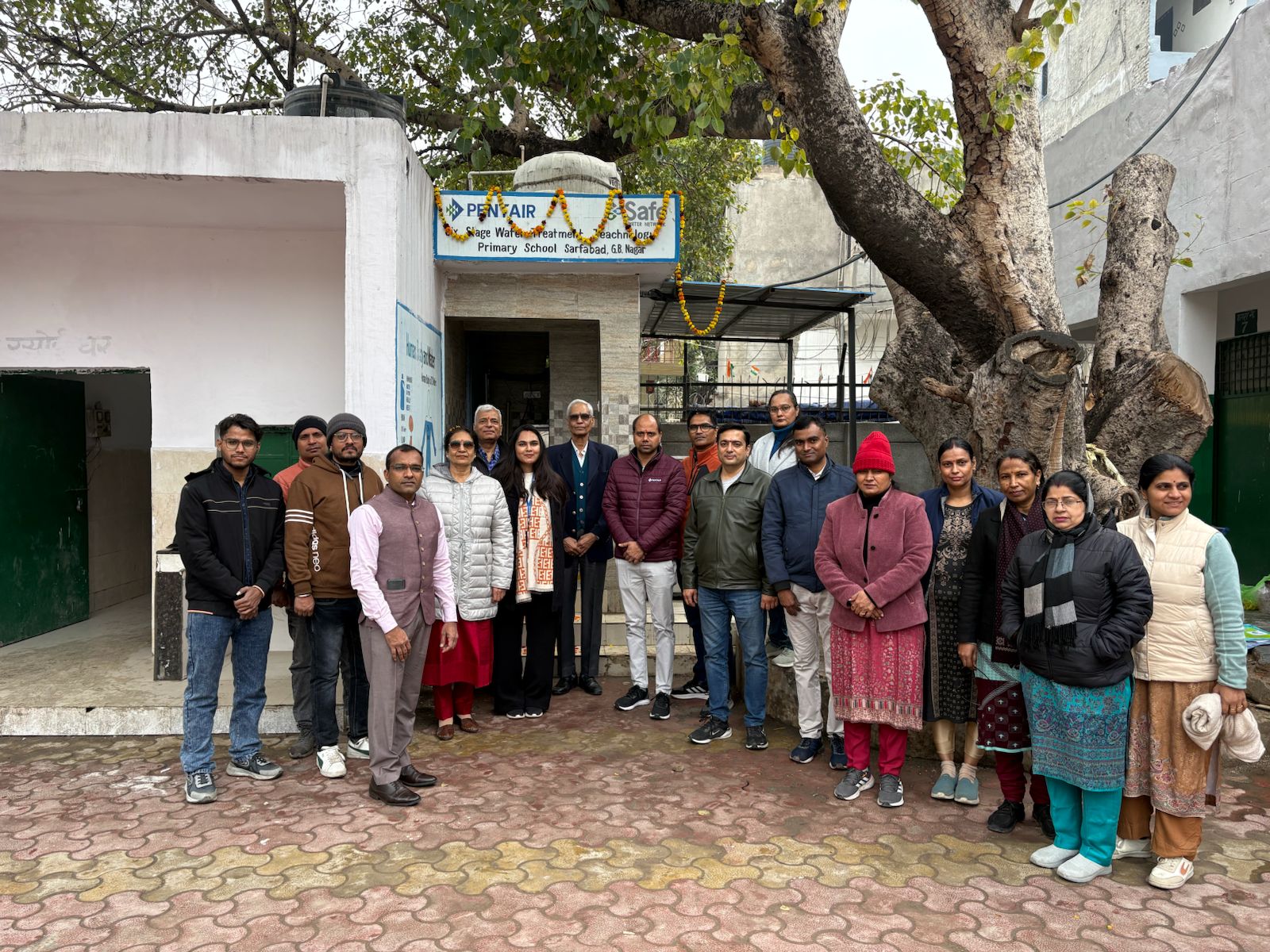
Speaking on the inauguration Mr. Ajit Tulo, Vice President, Global Engineering Centre, Pentair said,
“At the very outset, every citizen of the country has a right to have access to clean and safe drinking water, especially our young citizens who are the future of the country. We are pleased and honoured to have a partner like Safe Water Network India, with whom we have successfully commissioned similar water ATMs in 49 Government schools across NOIDA, Telangana, and Haryana which have benefitted about 20,000 students, 760 teachers and support staff across these states. We look forward to continue this partnership further, and have an intervention program in every district in the country.”
Elaborating further, Mr. Ravindra Sewak, Country Director, Safe Water Network India said,
“We have had a great start to 2026 with the inauguration of two Water ATMs in the first month itself and we hope to maintain the momentum throughout the year. With this successful commission, the students, teachers and support staff of both schools are assured of a dependable and clean supply of drinking water. My heartiest congratulations to everyone and a special thanks for Pentair for all their support over the years.”
The inauguration was marked with fun, frolic, and festivities. The students presented a skit on drinking safe water for good health and saving water, amongst other activities.
Pentair Foundation has been a core partner of Safe Water Network for the past 15 years, enabling innovative technological solutions for safe drinking water in underserved communities in India. In addition to Water for Schools and Institutions, Pentair has supported 17 decentralized safe drinking water stations called iJal stations, which bring water access to 55,000 people across 17 communities, and 19 ACOM – Automatic Chlorination and Online Monitoring Systems for piped water safety, delivering safe drinking water to 18,700 people across 19 communities.


