


25, Feb 2026
Bacterial pathogens build antibiotic-resistant “bunkers” using filament scaffolds
Researchers have discovered and characterized at the atomic level a mechanism that enables bacterial pathogens—including hospital bacteria Acinetobacter baumannii and Pseudomonas aeruginosa—to assemble antibiotic-resistant three-dimensional (3D) biofilms. These findings open a new avenue for developing therapies against multidrug-resistant bacterial infections by targeting the biofilm assembly. Many pathogenic bacteria form 3D biofilms to protect themselves from the immune system, antibiotic treatments, and drying on environmental surfaces. Some of the most problematic hospital bacteria, such as multidrug-resistant A. baumannii and P. aeruginosa, use specialized hair-like filaments called adhesive pili to attach to tissues or abiotic surfaces. After attaching, the bacteria then grow into thick 3D biofilms consisting of multiple layers of bacteria. This process is also mediated by adhesive pili, but until now it has been unclear how they prevent the growing 3D biofilm from falling apart.
Using a combination of advanced electron microscopy methods, the researchers at the MediCity Research Laboratory of the University of Turku in Finland, led by S. Jusélius Senior Researcher Anton Zavialov, discovered that adhesive Csu pili from neighboring A. baumannii bacteria attach to each other in an antiparallel manner. These pili rapidly assemble into flat sheets that link bacteria together and shield them from hostile environments.
“Impressively, Csu pili can self-assemble into huge, complex networks connecting hundreds of bacterial cells,” says Dr. Zavialov.
The team demonstrated that Csu pili can form at least two types of flat structures and resolved them at a near-atomic resolution.
“Cryo-electron microscopy methods are developing very rapidly. To obtain the first model, I initially developed a manual approach, and only later did we apply computational tools to solve these exceptionally large assemblies in 3D,” explains first author, Doctoral Researcher Henri Malmi.
The researchers also found that the pilus network becomes embedded in a less defined matrix composed of polysaccharides and DNA secreted by the bacteria.
“This final structure somewhat resembles reinforced concrete: the pili act like steel bars, while polysaccharides and DNA form the concrete. In this way, the bacteria effectively hide in a bunker,” adds Dr. Zavialov.
The team is now focused on developing inhibitors that target the connections between pili. Such inhibitors could be used in combination therapies to prevent 3D biofilm assembly and help antibiotics eliminate the pathogens more effectively.
- 0
- By Neel Achary

24, Feb 2026
Indraprastha Apollo Hospitals Launches Varian Edge Radiosurgery System with Hyperarc Technology, Advancing Precision Cancer Care
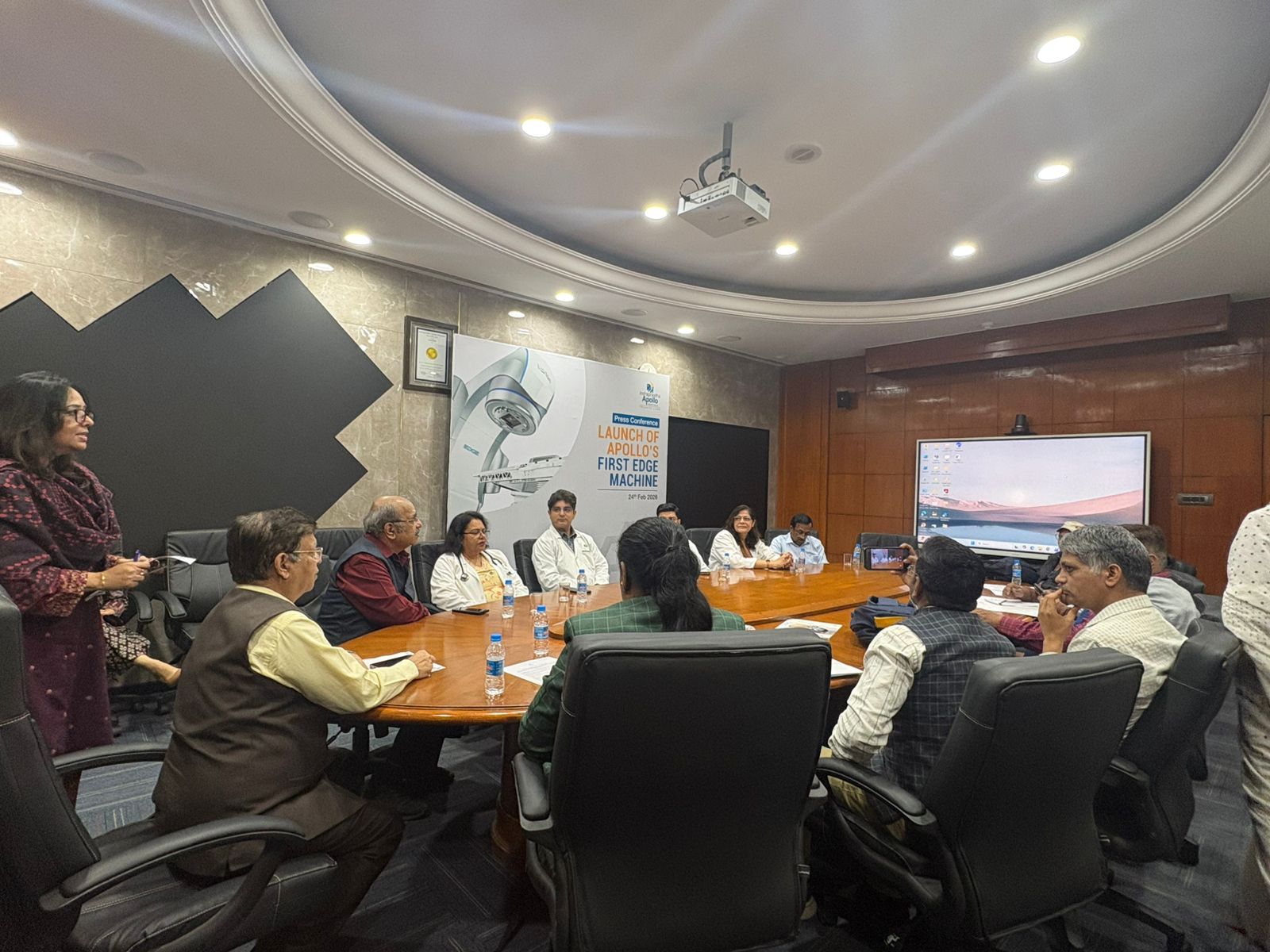
New Delhi, Feb 24: Indraprastha Apollo Hospitals has launched the Varian Edge® Radiosurgery System with Hyperarc Technology, strengthening its advanced cancer care capabilities and expanding treatment options for complex and hard-to-reach tumours.
The introduction of the Varian Edge® system marks a significant milestone in radiation oncology, combining precision and advanced motion management to deliver highly targeted radiation therapy while minimising exposure to surrounding healthy tissue. The technology enables doctors to treat tumours even as they move during breathing, ensuring consistent accuracy throughout treatment.
The platform also supports advanced motion-management techniques such as Deep Inspiration Breath Hold (DIBH), which is particularly beneficial in left-sided breast cancers by helping reduce radiation exposure to the heart. Its enhanced imaging clarity further strengthens precision in abdominal, liver, lung, gastrointestinal and genitourinary tumours, where internal organ movement and gas interference can otherwise impact treatment accuracy.
A key clinical advantage of the Varian Edge® platform is its ability to treat multiple metastases in a single session, often reducing overall treatment time to less than one-third of conventional LINAC or SRS treatments. The system’s synchronised movement of the radiation beam and treatment couch allows for continuous, precise radiation delivery, resulting in fewer radiation “hits” and improved patient comfort.
Dr G K Jadhav, Senior Consultant, Radiation Oncology, noted:
“The Varian Edge platform gives us a sharper and more versatile tool to manage a wide spectrum of tumours from tiny lesions to large, complex cases, even in challenging locations. It meaningfully expands our treatment options and enhances clinical outcomes.”
Dr Sapna Manocha Verma, Senior Consultant, Radiation Oncology, Indraprastha Apollo Hospitals, added:
“What sets apart this technology is the radiation beam continuously tracks and adjusts to the tumour’s position, even as it shifts during breathing, while surrounding healthy tissue is carefully protected. The platform also supports advanced motion-management techniques such as Deep Inspiration Breath Hold (DIBH), which is particularly beneficial in left-sided breast tumours and in select liver and lung tumours. For patients, this translates into shorter treatment times, fewer side effects, and faster recovery.”
Dr Robin Khosa, Senior Consultant, Radiation Oncology, Indraprastha Apollo Hospitals, said:
“The Varian Edge® Radiosurgery System with Hyperarc Technology represents a major advancement in precision radiation therapy. Its ability to track tumours in real time and deliver radiation with submillimetre accuracy allows us to treat complex cases including multiple brain metastases and tumours previously considered difficult or untreatable with greater safety and confidence.”
The launch was also marked by the presence of Dr Mano Bhadauria, Senior Consultant, Radiation Oncology; Dr Aditi Agarwal, Senior Consultant, Radiation Oncology, Indraprastha Apollo Hospitals; and Dr Devashish Tripathi, Senior Consultant in Radiation Oncology at Apollo Hospitals, New Delhi.
The system is particularly impactful in treating tumours located in delicate or hard-to-reach areas, where precision and motion management are critical. Enhanced imaging quality, sharper resolution, and improved accuracy enable clinicians to reduce treatment margins, safely deliver higher radiation doses when required, and potentially improve cure rates while lowering normal tissue toxicity.
With the launch of the Varian Edge® Radiosurgery System, Indraprastha Apollo Hospitals continues to reinforce its commitment to combining cutting-edge technology with deep clinical expertise. Backed by a multidisciplinary team of oncologists, neurosurgeons, physicists, and radiation specialists, the hospital remains focused on pushing the boundaries of what is possible in cancer care ensuring better outcomes, fewer side effects, and more time for patients to focus on living.
24, Feb 2026
Genetics and Age-Related Macular Degeneration: How Genes Influence Age-Related Blindness
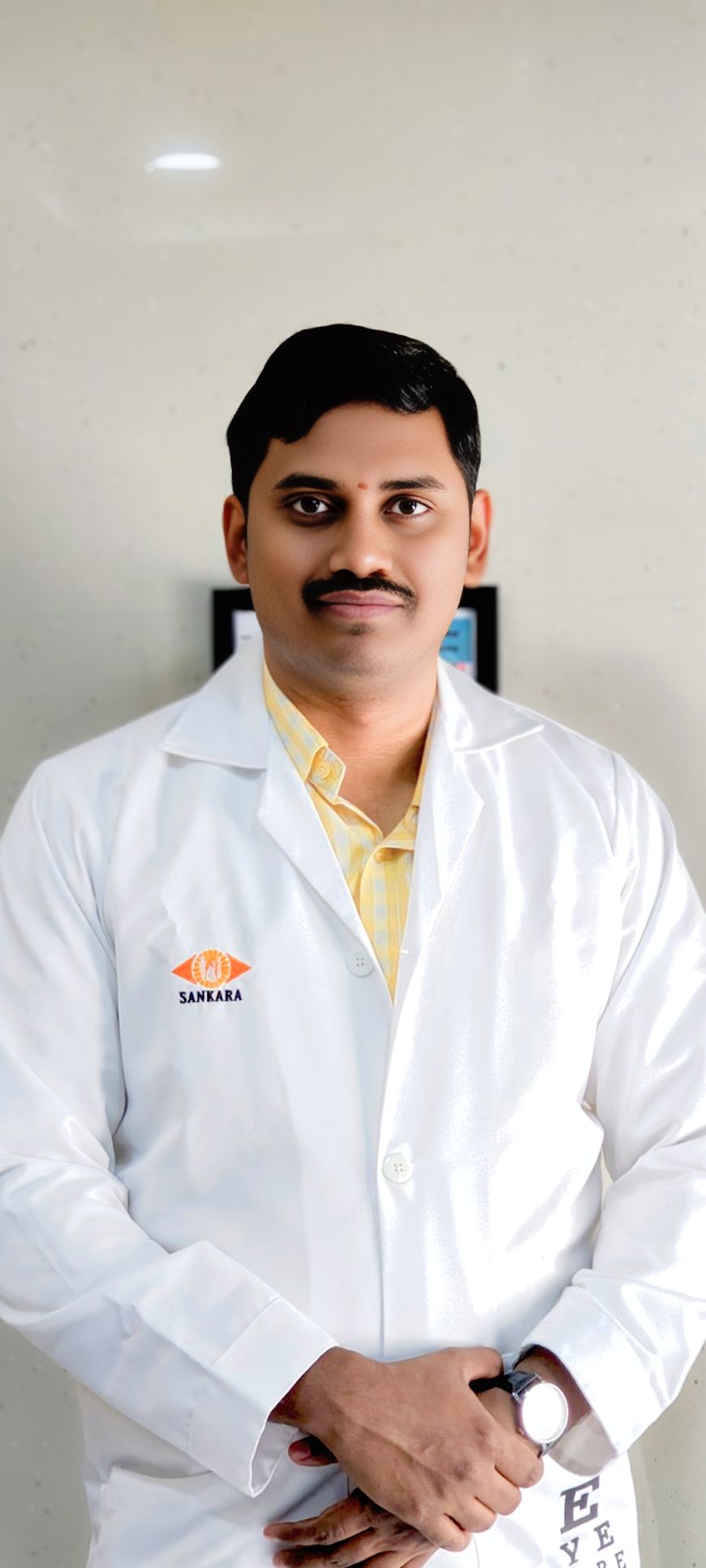
By- Dr Sriram Simakurthy, Chief Medical Officer, Sankara Eye Hospital, Hyderabad
Sight is one of our most valued senses, which allows us to connect with the world around us. With age, however, for millions of people, eyesight-related challenges begin with slight blurriness and progressively lead to irreversible vision loss.
Among the many age-related eye conditions, age-related macular degeneration (AMD) is one of the most common causes of vision loss in patients over the age of 50. As life expectancy increases in India, the number of cases of AMD is also rising. This condition often presents with early symptoms. Early counselling and identification are important for managing the condition better. Studies show that our genes play a critical role in determining who develops age-related macular degeneration. Understanding the genetic influence behind age-related blindness can help move toward earlier diagnosis, personalised care, and targeted prevention strategies.
The Genetic Link
Lifestyle and environmental factors like age, smoking, and poor nutrition are known risk factors for AMD. Genome studies have identified that genetics can also influence who is likely to develop AMD.
In age-related macular degeneration, one of the strongest genetic associations identified is with variations in the CFH (Complement Factor H) gene. This gene plays a role in regulating inflammation in the retina. Certain variants increase susceptibility to chronic inflammation, leading to damage of the macula, the central part of the retina responsible for sharp vision. Other genes, such as ARMS2 and HTRA1, also influence how retinal cells respond to stress and ageing.
Early Detection Can Change the Story
The start of AMD does not mean inevitable blindness. Understanding an individual’s genetic predisposition can enable doctors to recommend appropriate precautions to slow or mitigate its progress. For people with high-risk genetic variants, ophthalmologists can provide individualised recommendations such as:
-
More frequent retinal examinations
-
Diet modifications, including lutein and zeaxanthin supplementation
-
Lifestyle changes that reduce oxidative damage
Why Genetic Insights Matter
Standard eye exams detect visible physical changes but often miss hidden genetic risk factors that may silently influence disease development. Genetic testing empowers individuals to act early, potentially mitigating disease before symptoms worsen. Since AMD often runs in families, knowing one’s genetic risk can also help parents, siblings, and children understand and manage their own risk.
Advances in genetic research are paving the way for personalised ophthalmology. Emerging therapies aim to target specific molecular pathways influenced by genetic variants, particularly in conditions like AMD and inherited retinal disorders. While genetic testing is not yet routine for all age-related eye diseases, it is becoming an important tool in research and selected clinical settings.
From Awareness to Action
Vision loss due to ageing isn’t inevitable. Early detection can help identify AMD early and allow for better management. The first step in protecting sight and quality of life is understanding your genetic risk. Genes play a powerful but modifiable role in age-related blindness. By combining genetic awareness with proactive eye care and healthy ageing strategies, it is possible to preserve vision and quality of life well into later years.
24, Feb 2026
Indira IVF Expands in Haryana with the Inauguration of a New Fertility Clinic in Gurugram

Gurugram, Feb 24: Indira IVF Hospital Limited announced the inauguration of its new fertility clinic in Sector 51, Gurugram, further strengthening access to organised fertility and reproductive healthcare services across Haryana and the National Capital Region.
Located on the First Floor, the centre will offer a comprehensive range of fertility and assisted reproductive services. The clinic will operate with standardised clinical protocols and technology-enabled systems designed to ensure consistency, patient safety, and transparency across every stage of treatment.
The inauguration ceremony was graced by Ms. Neha Rathi, Indian Professional Wrestler, as the Chief Guest, Dr. Arvind Vaid, Zonal Business Director, Gynaecologist & IVF Specialist, Indira IVF Patel Nagar, Delhi as the guest of Honour & Dr. Abhilasha Mehta, Consultant Gynaecologist & IVF Specialist Centre Head, Indira IVF, Sector 51, Gurugram, & other dignitaries of Gurugram region.
Addressing the gathering, Ms. Neha Rathi said, “Access to specialised healthcare plays a crucial role in shaping healthier futures for families. The opening of Indira IVF in Gurugram strengthens the availability of structured fertility services in the region and underscores the importance of early evaluation and informed medical care.”
Commenting on the expansion, Mr. Nitiz Murdia, Managing Director, Indira IVF Hospital Limited, said, “The launch of our Gurugram centre reflects our continued commitment to improving accessibility to structured fertility care across growing urban hubs. As awareness around reproductive health increases, it is important that patients have access to evidence-based treatment supported by experienced clinical teams and standardised systems.”

Dr. Arvind Vaid, Centre Clinical Director, Zonal Business Director, Gynaecologist & IVF Specialist Indira IVF, Patel Nagar, Delhi, added, “Urban lifestyles, delayed parenthood, and underlying medical conditions are contributing to rising fertility concerns. The presence of a dedicated, technology-enabled fertility centre in Gurugram will encourage early consultation and structured treatment, which significantly improves clinical outcomes.”
Dr. Abhilasha Mehta, Consultant Gynaecologist & IVF Specialist and Centre Head, Indira IVF, Sector 51, Gurugram, said, “Fertility care requires timely diagnosis, scientific precision, and compassionate counselling. Our focus at the Gurugram centre is to provide personalised treatment plans backed by consistent protocols and advanced laboratory support, ensuring that couples receive comprehensive care under one roof.”
With this launch, Indira IVF continues to expand its national footprint, adding to its network of 200+ clinics across India. The Gurugram centre will offer a full range of fertility and assisted reproductive services for both male and female infertility, supported by standardised laboratory practices, electronic medical records and patient safety systems.
19, Feb 2026
Over 10 Lakh Customers Embrace Healthier Choices in Zomato’s Healthy High-Five Challenge
New Delhi, Feb 19: Two weeks into Zomato’s Healthy High-five challenge, the data shows a meaningful shift in how urban India orders food: making protein the priority, not an afterthought.
Since February 1, over 10 lakh Indians have collectively begun their High-five journey, ordering healthy meals with over 20 grams of protein more than 15 lakh times. Here’s what the data shows: people are going beyond the first milestone. Over 10,000 customers have earned their first free meal.
A customer from Bengaluru exemplifies this frequency, he has logged 33 high-protein orders in just two weeks, earning multiple free meals along the way. Since Healthy Mode launched in late 2025, a customer from Chennai has placed 811 orders through the feature. These patterns suggest sustained behavior change, not temporary experiments.
The geographic breakdown reveals expected metro dominance: Bangalore leads with 3.78 lakh high-fives, closely followed by Delhi and Mumbai. Interestingly, grilled chicken has emerged as the most-ordered dish in the challenge with over 1 lakh orders in February, suggesting customers are consciously switching to healthier options without sacrificing taste or familiarity.
Aditya Mangla, CEO, Zomato, said,
“We’ve always felt that people want to make healthier choices. They just need it to be simpler and more accessible. The Healthy High-five challenge was our small attempt to enable that. Two weeks in, with over 10 lakh customers participating, it’s encouraging to see not just orders come in, but early signs of habits taking shape.”
Since the launch of Healthy Mode on the Zomato app in late 2025, the feature has driven 74 lakh orders from 12 lakh customers, indicating growing user inclination towards healthy meal options. There’s been a 20% uptick in orders for dishes with ‘High’ healthy scores, compared to September’25.
The Healthy High-five challenge runs till the end of February 2026 on the Zomato app. To participate, order dishes that meet specific nutritional criteria: a minimum of 20g of protein and a high Healthy Score. Healthy Score evaluates dishes on protein, complex carbs, fibre, and micronutrients, and not just calories.
- Every qualifying order once delivered, earns the customer a ‘High-five’
- 4 High-fives unlock a free dish from a curated menu of high-nutrition options listed under the Healthy Mode.
19, Feb 2026
Ministry of Ayush Marks Unani Day 2026 with National Conference on “Innovation and Evidence in Unani Practice” in Mumbai
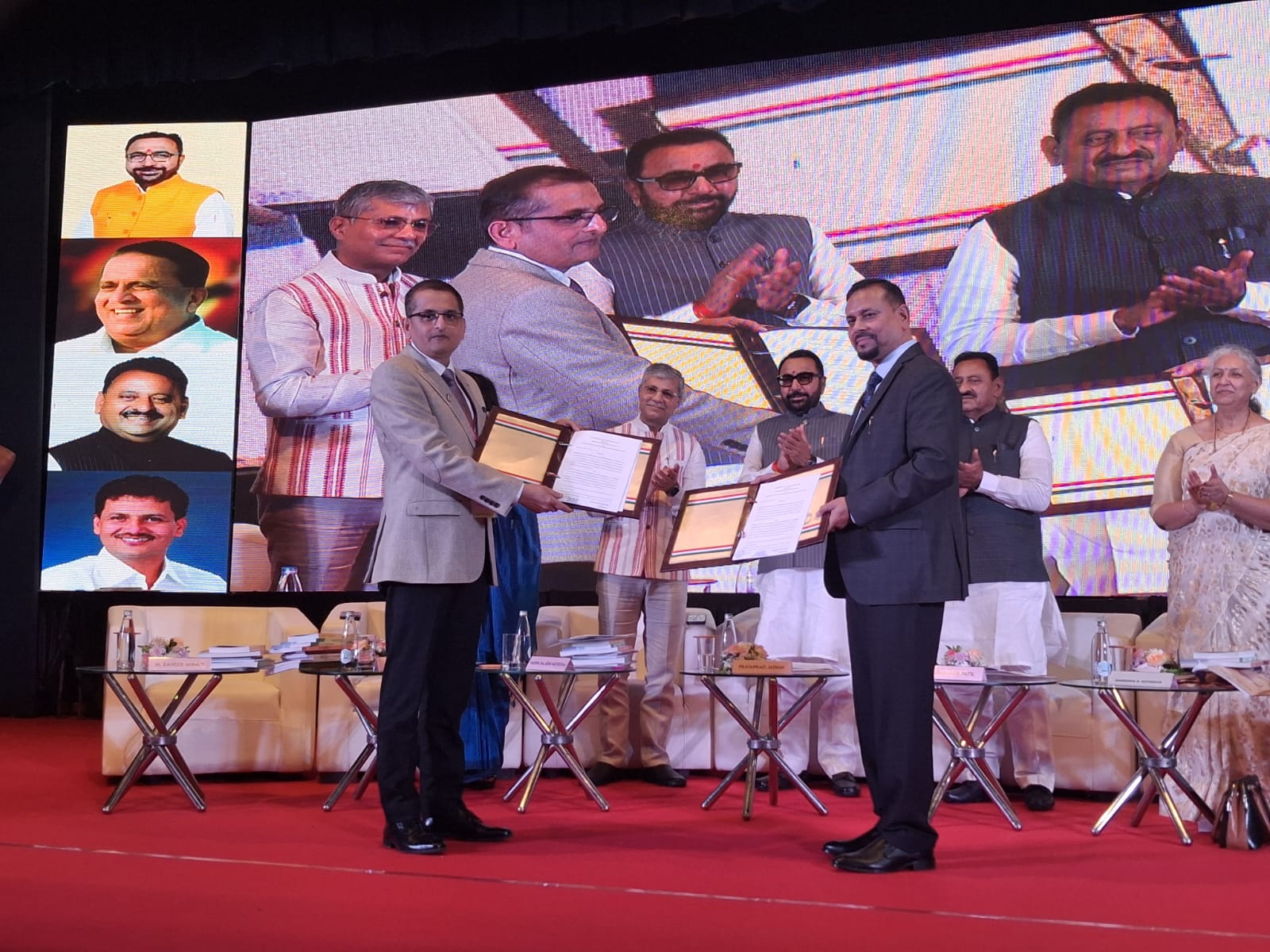
Mumbai, Feb 19: The Ministry of Ayush, Government of India, commemorated World Unani Day 2026 by organising a two-day National Conference on “Innovation and Evidence in Unani Practice” on February 14–15, 2026, in Mumbai. Held under the aegis of the Central Council for Research in Unani Medicine (CCRUM), the conference brought together policymakers, researchers, academicians, and industry stakeholders in a hybrid format.
Shri Prataprao Jadhav, Hon’ble Minister of State (Independent Charge), Ministry of Ayush and Minister of State, Ministry of Health and Family Welfare, Government of India, graced the occasion as Chief Guest. Shri Babasaheb Mohanrao Patel, Minister of Co-operation of Maharashtra, and Vaidya Rajesh Kotecha, Secretary, Ministry of Ayush were present as the Guests of Honour. The event was also attended by senior dignitaries including Ms. Monalisa Dash, Joint Secretary, Ministry of Ayush; Dr. M. A. Qasmi, Advisor (Unani), Ministry of Ayush; Dr. Syed Shah Alam, Director, NIUM, Bengaluru; and Dr. N. Zaheer Ahmed, Director General, CCRUM.
Observed annually on February 11 to commemorate the birth anniversary of Hakim Ajmal Khan, Unani Day highlights the legacy and contemporary relevance of Unani Medicine. The 2026 conference focused on strengthening scientific validation, promoting innovation in diagnostics and therapeutics, advancing clinical documentation, and fostering integration of traditional knowledge with evidence-based medical approaches.
The deliberations addressed the growing need for rigorous research, standardisation, and outcome-based studies to enhance the credibility and global acceptance of Unani practice, particularly in the context of rising chronic and lifestyle diseases.
An industry delegation led by Hamdard Laboratories also participated in the conference, represented by Mr. Abdul Majeed, Chairman and Managing Trustee, Hamdard Laboratories, along with other senior representatives. On the occasion, an MoU was exchanged between Hamdard Laboratories (India), represented by Dr. Santosh Joshi, Head, R&D, Hamdard Laboratories and Dr. N. Zaheer Ahmed, Director General, CCRUM, to strengthen collaborative research and innovation in Unani Medicine.
The conference served as a platform for knowledge exchange, thematic discussions, and showcasing research outcomes aimed at reinforcing the role of innovation and evidence in advancing Unani practice within India’s evolving healthcare framework and the broader vision of Viksit Bharat 2047.
18, Feb 2026
Barbra Streisand Women’s Heart Center Leads $7.5M Aging Study
LOS ANGELES (Feb. 17, 2026) — The National Institutes of Health and the National Institute on Aging have awarded a multi-institutional research team led by investigators in the Smidt Heart Institute at Cedars-Sinai $7.5 million to further study how damage to tiny blood vessels contributes to heart disease, cognitive decline and frailty as women age.
The new, five-year grant to examine sex-based differences in multiple age-related diseases supports the Microvascular Aging Effects—Women’s Evaluation of Systemic Aging Tenacity in Heart, Brain and Frailty study, commonly called MAE-WEST HBF. The acronym is a nod to the late actor, who reportedly once said, “You’re never too old to become younger.”
MAE-WEST HBF builds on prior research from Cedars-Sinai’s Barbra Streisand Women’s Heart Center that showed small blood vessel disease, chronic inflammation and iron buildup in women are linked to impaired heart, brain and kidney function, and declining physical strength.
“Armed with this funding, we are eager to continue uncovering biological mechanisms behind sex-based differences in aging and heart health,” said C. Noel Bairey Merz, MD, the principal investigator of MAE-WEST HBF and director of the Barbra Streisand Women’s Heart Center in the Smidt Heart Institute. “A better understanding of the causes of common age-related conditions in women could lead to more effective prevention and treatment strategies.”
For more than two decades, Bairey Merz and her team have made landmark discoveries in women’s heart health, particularly in coronary microvascular disease—a condition that occurs more often in women and results from damage to the heart’s smallest blood vessels. Symptoms of the condition, which can be subtle, were previously often dismissed, misdiagnosed or undertreated. But improved diagnostic tools and treatments resulting from Bairey Merz’s discoveries have contributed to significant reductions in cardiovascular deaths among women.
The new study brings together a multidisciplinary team of experts, including Pascal Sati, PhD, director of the Neuroimaging Program in the Department of Neurology at Cedars Sinai. Collaborators at UCLA will oversee biostatistical analysis, while those at the University of Texas at Arlington will lead frailty research.
“We now have effective treatments for small vessel dysfunction in the heart,” Bairey Merz said. “If we can better understand its effects on the brain and musculoskeletal system, we may be able to find ways to prevent or slow multiple age-related diseases—including declines in cognition and mobility—in both women and men.”
Although women generally live longer than men do, women experience higher rates of chronic conditions and so spend more years in poor health. Ultimately, investigators hope the new study will pave the way for a future in which healthy aging for women includes earlier screenings, advanced technology, and preventive care that identifies risks and stops diseases before they begin.
“After more than 25 years of progress in women’s cardiovascular research, this grant helps advance whole-person care that supports heart health, brain function and physical strength,” said Eduardo Marbán, MD, PhD, executive director of the Smidt Heart Institute. “All three are equally essential to healthy aging.”
Cedars-Sinai Health Sciences University is advancing groundbreaking research and educating future leaders in medicine, biomedical sciences and allied health sciences.
12, Feb 2026
Akums Drugs & Pharmaceuticals Skills Acid Attack Survivors at Haridwar Facility
Haridwar, Feb 12: Akums Drugs & Pharmaceuticals, India’s leading contract development and manufacturing organization (CDMO), recently engaged with acid attack survivors at its Haridwar facility to build workplace skills and professional readiness, in collaboration with the Chhanv Foundation. The engagement took place over three days and focused on strengthening confidence and preparing participants for professional environments.
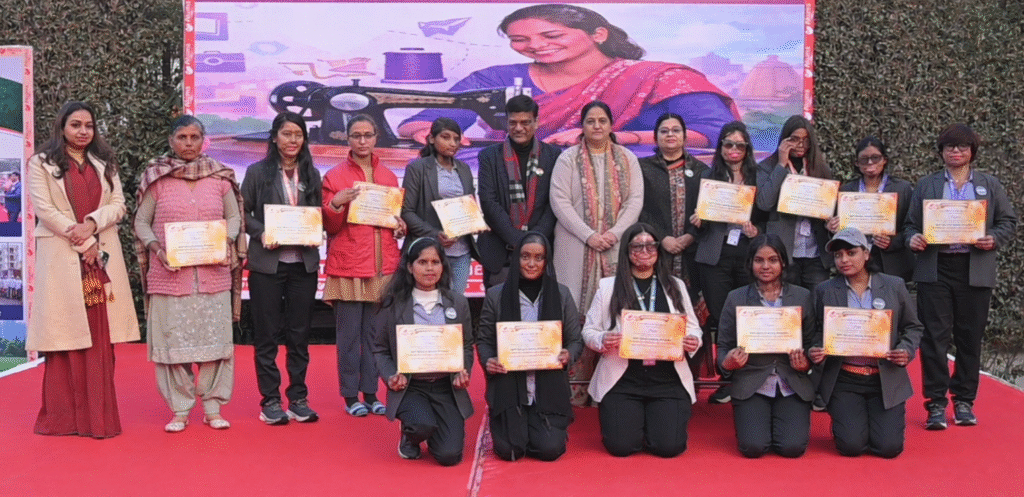
Planned with care and sensitivity, the three-day engagement focused on building practical capabilities. Participants took part in guided sessions on workplace etiquette, personal grooming, communication skills, interview preparation and basic digital tools. They were also introduced to real corporate and industrial environments through plant walkthroughs and interactions with teams across the facility, helping them gain a clearer understanding of professional settings and expectations.
Informal conversations with Akums’ leadership and employees created a warm and supportive atmosphere, encouraging openness and helping participants feel at ease as they prepared for future work opportunities. The engagement closed with a focused discussion on employability readiness and a formal acknowledgement of participation, reinforcing the importance of continued learning and self-belief.
Speaking on the engagement, Arushi Jain, Director, Akums Drugs & Pharmaceuticals, said,
“At Akums, we believe that meaningful inclusion begins with sharing skills and opening doors to real workplaces. This was about helping participants rebuild confidence and see themselves as professionals again. Working closely with the Chhanv Foundation allowed us to create an experience that respected individual journeys while staying closely aligned with the realities of the workplace. We hope this time here strengthens both capability and belief in what lies ahead.”
The Chhanv Foundation has been at the forefront of supporting acid attack survivors across India, working to restore dignity, confidence and independence through rehabilitation, education and livelihood-focused initiatives. Known for its survivor-centric approach, the Foundation goes beyond immediate care to enable long-term social and economic reintegration.
Mr. Alok Dixit, from the Chhanv Foundation, said,
“Rebuilding life after trauma is about more than healing — it is about regaining confidence, independence and a professional identity. Experiences like this give survivors the chance to step back into the world of work with clarity and dignity. We are grateful to Akums for creating a respectful space where learning felt natural and encouraging.”
For many participants, the experience marked an important turning point. One survivor shared,
“Before coming here, I was nervous about entering a workplace again. But everyone treated us with so much kindness and respect. It helped me believe that I can work, grow and support myself with confidence.”
Another participant said,
“Learning how to communicate better and prepare for interviews has changed how I see my future. I am leaving with new skills and the feeling that I still have many possibilities ahead.”
The collaboration with the Chhanv Foundation ensured that the engagement remained survivor-focused and grounded in practical workplace readiness. Through efforts like this, Akums continues to combine its leadership in healthcare manufacturing with a sustained commitment to building skills, inclusion and long-term opportunity.
12, Feb 2026
Kauvery Hospital Launches Bangalore’s Largest Advanced Ambulance Fleet in Marathahalli; Sets 3-Minute Emergency Response Benchmark
Five state-of-the-art ACLS ambulances are strategically positioned across the Marathahalli-Mahadevapura IT corridor. Emergency physicians onboard to begin treatment en route, ensuring patients reach the hospital within the golden hour.
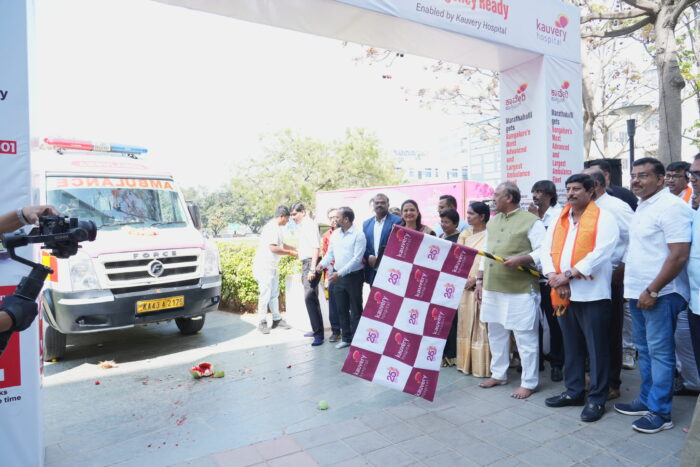
Bangalore, Feb 12: Kauvery Hospital Marathahalli today launched Bangalore’s largest and most advanced ambulance fleet, dedicating five fully equipped Advanced Cardiac Life Support (ACLS) ambulances exclusively to serve the Marathahalli and Mahadevapura constituencies.
Shri Aravind Limbavali, Former Minister and Mahadevapura Task Force Chairman, and Smt. Manjula Aravind Limbavali, MLA (Mahadevapura Constituency), formally handed over the fleet to the RWA community stakeholders at a ceremony held at New Horizon College of Engineering, Kaadubeesanahalli, as part of ‘Ayushmaan Bhava’, a scommunity health initiative.
The ambulance service introduces a 180-second (3-minute) emergency call-to-dispatch protocol. Ambulances are strategically positioned across the IT corridor and neighbouring residential areas. This deployment ensures residents access emergency medical care within minutes of a distress call.
Mobile ICUs Bring Treatment to Patients
These ambulances operate as mobile intensive care units with emergency physicians, trained paramedics, and nursing staff onboard. Treatment begins the moment paramedics pick up a patient. This matters for time-sensitive conditions.
“In emergency medicine, we measure outcomes in minutes, sometimes seconds,” said Dr. Surendar Sambath, Head of Emergency Medicine, Kauvery Hospital, Marathahalli. “The golden hour begins the moment a cardiac arrest or stroke occurs. With this fleet stationed strategically across Marathahalli and an emergency physician onboard each ambulance, we compress the critical window between a medical distress call and advanced medical intervention. For conditions like myocardial infarction or stroke, every minute of delay increases mortality risk. We bring ICU-level care to the patient’s doorstep.”
Each ambulance carries Advanced Life Support medical equipment including cardiac monitors, defibrillators, ventilators, and emergency medications. The service covers head injuries, heart attacks, stroke, road accidents and trauma, labor pain, and pediatric emergencies.
Ambulances positioned across the IT corridor and residential neighbourhood’s mean patients in critical condition reach the hospital facility well within the golden hour. Treatment starts during transport.
Addressing Infrastructure needs in High-Density Urban Corridor
The launch addresses to fulfil the needs in emergency medical infrastructure in Marathahalli-Mahadevapura, one of Bangalore’s most densely populated corridors. Home to major IT parks and residential complexes, the constituency has witnessed exponential population growth without proportionate emergency medical services. Traffic-related delays during peak hours have historically impacted emergency response times. The decentralized fleet positioning directly addresses this challenge.
The service offers free emergency pickups for all residents and operates on GPS real-time tracking for optimized dispatch. Residents now have medical help nearby.
Speaking at the launch, Shri Aravind Limbavali said, “Marathahalli and Mahadevapura are home to hundreds of apartment complexes with thousands of families. This ambulance fleet, strategically positioned in our high-density residential areas, ensures that emergency care reaches our residents’ doorsteps within minutes. I appreciate Kauvery Hospital’s commitment to our community’s safety. When you have 400 to 500 apartments in proximity and an ambulance stationed nearby, you save precious lives during the golden hour. This is the kind of healthcare infrastructure our growing constituency needs.”
Speaking at the launch, Amaresh Lakshminarayana, General Secretary of the Mahadevapura Task Force and President of the Green Glen Residents Association thanked Kauvery Hospital for their collaboration. He highlighted Kauvery Hospital’s close partnership with the Mahadevapura Task Force’s initiative to station an ambulance within every 2.5-kilometer radius will save precious lives during golden hour. Mahadevapura is an IT corridor and experiences significant traffic congestion, which makes reaching an ambulance during critical emergencies a major challenge. This initiative will ensure prompt arrival and save precious lives.
Residents access the ambulance service nearby via the dedicated emergency number 080-6801-6901, available 24/7.
Community Health Initiative Alongside Launch
The event also featured a mega blood donation camp organized in association with the Karnataka Voluntary Blood Donors Association and free health checkups for over 500 residents, with distribution of privilege discount health cards to beneficiaries as part of the birthday celebration of Shri Aravind Limbavali.
9, Feb 2026
Standard Diabetes Test May Mislead Diagnosis and Monitoring in South Asian Populations, New Analysis Warns
New Delhi, India, Feb 09 : A new evidence-based Viewpoint published online in Lancet Regional Health: Southeast Asia highlights that the widely used glycated hemoglobin (HbA1c) test, as available in India, may not accurately reflect blood glucose levels for millions of Indians, particularly in regions with high prevalence of anemia, hemoglobinopathies, and red blood cell enzyme (G6PD) deficiency. Led by Professor Anoop Misra and collaborators, the review questions reliance on HbA1c as a sole diagnostic or monitoring tool for type 2 diabetes in South Asia. HbA1c measurements primarily reflect the glycation of hemoglobin. Any condition that affects the quantity, structure, or lifespan of hemoglobin—such as anemia, hemoglobinopathies, or other red blood cell disorders—can distort HbA1c values and lead to misleading estimates of average blood glucose.
“Relying exclusively on HbA1c can result in misclassification of diabetes status,” said Professor Anoop Misra, corresponding author and Chairman of Fortis C-DOC Center of Excellence for Diabetes. “Some individuals may be diagnosed later than appropriate, while others could be misdiagnosed, which may affect timely diagnosis and management. Similarly, monitoring of blood sugar status may be compromised.”
Shashank Joshi, co-author from Joshi Clinic, Mumbai, added:
“Even in well-resourced urban hospitals, HbA1c readings can be influenced by red blood cell variations and inherited hemoglobin disorders. In rural and tribal areas, where anemia and red cell abnormalities are common, the discrepancies may be greater.”
Dr. Shambho Samrat Samajdar, co-author from Kolkata, emphasized a comprehensive approach:
“Combining oral glucose tolerance test, self-monitoring of blood glucose, and hematologic assessments provides a more accurate picture of diabetes risk. This approach can help refine public health estimates and guide resource allocation.”
Key findings from the review include:
- HbA1c may under- or overestimate blood glucose in populations with high rates of low blood counts (anemia), inherited blood disorders (abnormal hemoglobin), or enzyme problems like G6PD deficiency anemia, hemoglobinopathies.
- In some regions of India ( more than 50% population in some regions, data from 2025), people are nutritionally challenged with widespread have iron deficiency anemia, which can distort HbA1c readings.
- This would affect both diagnosis and monitoring thus misleading clinicians.
- Reliance on HbA1c alone could delay diagnosis by up to 4 years in men with undetected G6PD deficiency, potentially increasing risk of complications.
- In addition, inconsistent quality control across laboratories can further affect HbA1c accuracy, making interpretation challenging
- Public health surveys based solely on HbA1c may misrepresent India’s diabetes burden.


