


4, Mar 2026
Researchers played music to cells – aggressiveness of laryngeal cancer decreased
Mar 04: The continuous movement of the vocal cords weakens and eventually stops as laryngeal cancer progresses. Researchers have, for the first time, discovered that restoring cellular vibration reduces the aggressiveness of advanced vocal cord cancer. When cancer cells were exposed to sound-wave vibration, a protein that promotes cancer growth and severity decreased.
“What music should we play to our cells?” This question sparked a groundbreaking study on laryngeal cancer that revealed a previously unknown sensitivity of this cancer type to a targeted drug currently under development.
Laryngeal cancer is one of the most common malignant tumours of the head and neck region. The most common early symptom is hoarseness, as the cancer typically appears in the vocal cords, and their movement gradually becomes impaired as the disease develops. Movement decreases because the vocal cord tissue stiffens and the cancer invades surrounding tissue.
The most significant risk factors are smoking and heavy alcohol consumption. The prognosis for advanced laryngeal cancer is poor, and there are currently no targeted drug therapies available.
Stiffer the tissue, more malignant the cancer
Researchers have long known that increased tissue stiffness promotes cancer malignancy in non-moving tissues such as breast, liver, and pancreatic cancers, because cells sense and respond to the physical properties of their environment. The sensitivity of cells to external forces led researchers to take an interest in laryngeal cancer, which develops in constantly moving tissue.
“We wondered whether ‘movement could be medicine’ and whether tissue stiffening and immobilisation contribute to cancer development,” says Academy Professor Johanna Ivaska, Director of the BarrierForce Centre of Excellence funded by the Research Council of Finland.
“We developed this idea together with BarrierForce Vice Director Professor Sara Wickström and her research group. With their help, we used a bioreactor in which cells were grown on a vibrating membrane placed on top of a loudspeaker,” explains Ivaska.
The study included researchers from the BarrierForce Centre of Excellence and the InFLAMES Research Flagship. The study’s lead author, Jasmin Kaivola, who recently completed her doctoral degree at the University of Turku in Finland, came up with the idea of connecting an old mobile phone to the device to play sounds and music, and the experiments began.
Vibration affected cancer cells
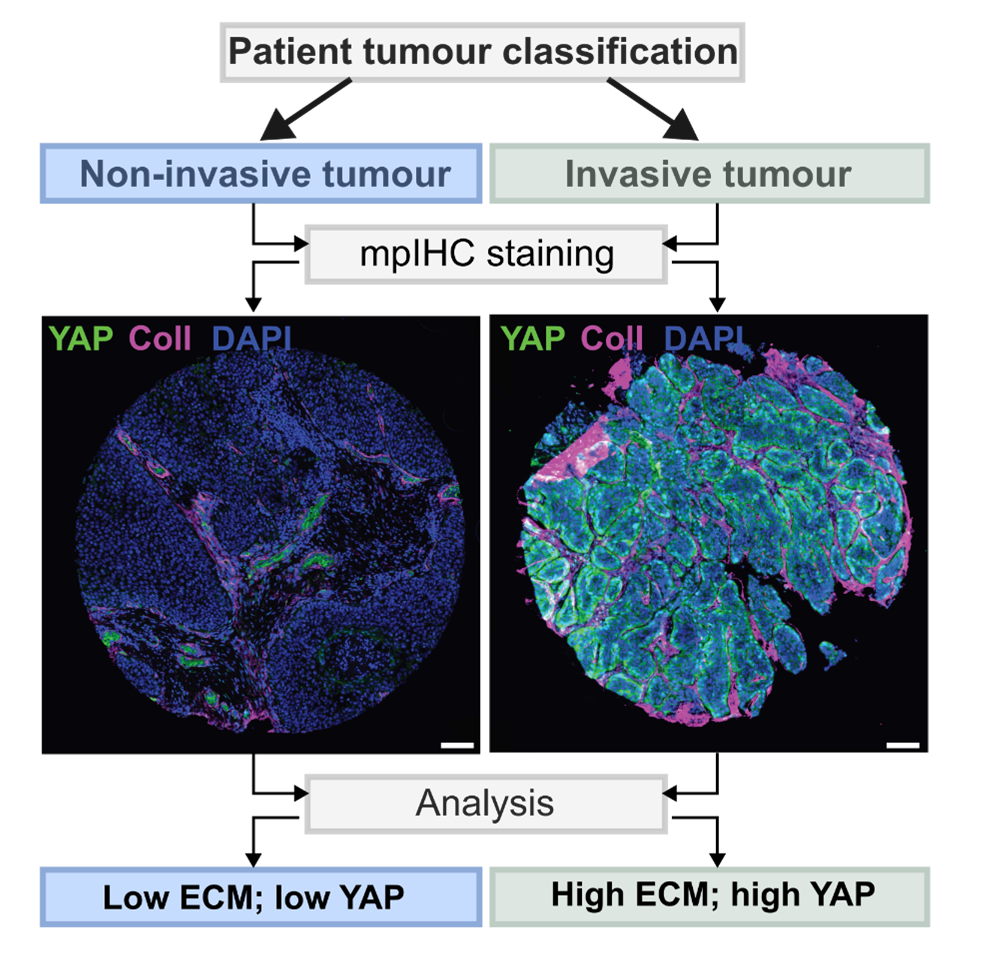
The researchers’ predictions proved correct: exposing cancer cells to vibration-mimicking vocal cord movement reduced their malignancy. One of the observed changes was a decrease in a protein called YAP in the cells.
Using samples of early-stage and advanced laryngeal cancer collected from approximately 200 Finnish patients, the researchers found that elevated expression of proteins that increase tissue stiffness enhanced YAP activity and predicted mortality. In an experimental cancer model, the researchers discovered that the cancer was sensitive to a targeted drug under development that inhibits YAP protein activity.
Jasmin Kaivola notes that the study is entirely groundbreaking because the biomechanics of developing cancers have not previously been studied in moving tissues. She says it would be interesting to investigate whether the mechanism they identified has prognostic value in other cancers of moving tissues, such as lung cancer.
“We are excited about the results and believe that our findings may encourage developers of these drugs to explore their suitability for this difficult-to-treat cancer with a poor prognosis,” says Kaivola.
The study was recently published in the highly prestigious scientific journal Nature Materials. The project, conducted primarily in the research laboratory of Academy Professor Johanna Ivaska at the Turku Bioscience Centre in Finland also involved three clinicians treating and studying oral cancers at the University Hospitals of Turku and Helsinki, as well as soft matter physicists from the University of Vienna and Milan.
InFLAMES is a joint flagship initiative of the University of Turku and Åbo Akademi University. Its aim is to identify new drug development targets and promote drug development in collaboration with biotechnology and pharmaceutical companies. The flagship also advances diagnostics to enable tailored targeted therapies for patients. InFLAMES is part of the Academy of Finland’s Flagship Programme.
- 0
- By Neel Achary

3, Mar 2026
UH Professor Warns of Dangers of Red-Light Laser Myopia Therapy for Children
HOUSTON, Mar 03: As red-light laser therapy gains popularity in Asia for slowing myopia in children, reports of vision damage have emerged, prompting a University of Houston optometry researcher to evaluate the procedure and call for further study before it becomes more widely adopted.
“Although red laser therapy is a potential intervention for myopia, its rapid clinical adoption has outpaced thorough safety validation,” reports Lisa Ostrin, UH professor of optometry, in JAMA Ophthalmology.
Ostrin’s quality improvement study found that two popular devices, EyeRising and Sky-1201, exceeded national standards for safety classifications.
“We urge eye care professionals, researchers and regulatory agencies to prioritize safety assessments of these devices, including adaptive optics retinal imaging, multi focal electroretinography, and long-term cohort monitoring, before widespread pediatric use,” said Ostrin. “Establishing a balance between therapeutic efficacy and ocular safety remains essential to ensure that this intervention intended to preserve lifelong vision does not itself pose avoidable risks that outweigh benefits.”
Emergence of red-light therapy
Clinical trials in Asia of the repeated low-level red-light therapy have reported significantly slowed myopia progression and axial elongation, which limits the eye’s lengthening, the main cause of worsening myopia, accompanied by choroidal thickening which stabilizes eye growth.
At the same time, there are reports of damage. In one case, structural retinal damage was reported in a 12-year-old patient following repeated red laser therapy with only partial visual recovery after cessation of therapy. Another report described a reduced amount of cone cells in the retina, the very cells responsible for sharp, detailed and color vision.
In both cases, the device used was The Eyerising International device which has gained regulatory approval in several countries and has been reported to have been used for more than 100,000 children for red laser therapy in China and in more than 250,000 sessions completed outside of China.
Ostrin’s quality improvement study consisted of laboratory-based evaluations of the EyeRising, Sky-n1201, Future Vision and AirDoc
“These findings suggest that laser-based red light therapy instruments deliver irradiance levels that reach ANSI safety limits within exposure times below the recommended 180-second treatment time,” Ostrin reported.
“These findings, combined with emerging clinical reports of retinal damage and recent regulatory reclassification of red laser devices as Class III in China, highlight the need for rigorous, independent safety validation before widespread pediatric use.”
Ostrin’s partner on the project is Alexander Schill, a senior research scientist at the University of Houston College of Optometry.
2, Mar 2026
Study Reveals Extensive Benefits of Emergency Department Clinical Trials
A new study published in JAMA Network Open reveals that participation in emergency department-based clinical trials delivers substantial benefits that extend far beyond improved patient outcomes. The study, co-led by Gail D’Onofrio, MD, MS, Albert E. Kent Professor of Emergency Medicine at Yale School of Medicine, offers compelling evidence that clinical research can be a catalyst for positive change across multiple domains.
The cross-sectional survey, co-led by Joseph E. Carpenter, MD, from Emory University School of Medicine, examined investigators who participated in the ED-INNOVATION (Emergency Department–Initiated Buprenorphine and Validation Network) Trial, which spanned 33 emergency departments (EDs) across 23 states. The trial compared initiation of extended-release injectable buprenorphine with traditional sublingual buprenorphine and treatment engagement after the emergency department visit, addressing evidence-based care for opioid use disorder (OUD) in acute care settings.
Strengthening the research pipeline
According to D’Onofrio, ED INNOVATION lead investigator, “Participation in clinical trials can improve patient care while also strengthening the emergency medicine research pipeline—an area in need of sustained support and development. By engaging emergency department physicians in research activities, the trial built capacity, expanded investigator expertise, and positioned sites for future federally funded studies.”
Transforming institutional culture
The study documented remarkable institutional impacts from trial participation. One survey respondent noted that involvement in the clinical trial “completely changed the culture of our ED,” highlighting how research engagement can fundamentally reshape clinical practice environments. Participating institutions reported widespread practice changes that extended well beyond the trial’s specific focus, demonstrating how clinical trials can drive sustainable quality improvement in emergency care.
Career advancement and professional development
Individual clinicians experienced significant professional benefits from their involvement in the multi-site emergency medicine clinical trial. Site directors became more research-active, submitting additional funding proposals following their participation. Some clinicians obtained advanced certification in addiction medicine as a direct result of their trial participation, demonstrating that National Institutes of Health-supported clinical research can serve as a pathway to specialized expertise, leadership development, and career advancement.
Community engagement and partnership
The ED-INNOVATION trial successfully engaged a diverse array of community partners, including organizations and settings that could reach at-risk patients. This community-oriented approach demonstrates how clinical research can extend its impact beyond hospital walls to support broader public health initiatives and address social determinants of health.
Implications for the future
The findings come at a crucial time when clinical research infrastructure faces mounting pressures. The study underscores the multifaceted value of investing in emergency medicine clinical trials, suggesting that research funding generates returns not only through improved patient care but also through institutional development, workforce enhancement, and community strengthening.
28, Feb 2026
Severe Morning Headaches: Causes, Warning Signs, and What Your Body Is Trying to Tell You
By:- Dr. B K Madhusudhan, Lead Consultant, Neurology, Aster RV Hospital, Bangalore
Waking up with a severe headache can be distressing and may interfere with daily functioning. While an occasional morning headache can occur due to simple reasons like poor sleep or dehydration, repeated or intense headaches on waking often indicate an underlying issue that needs attention. From a medical point of view, morning headaches are usually linked to what happens to the body during sleep, including changes in oxygen levels, blood pressure, muscle tension and brain chemistry.
During sleep, breathing patterns, posture and hormone levels fluctuate. If sleep quality is poor, pain-regulating mechanisms in the brain are affected, making headaches more likely in the early hours of the morning. Morning headaches should not be dismissed, especially when they occur frequently or are unusually severe.
Common medical and lifestyle causes
One of the most significant medical causes of morning headaches is sleep apnea. In this condition, breathing repeatedly stops and starts during sleep, reducing oxygen supply to the brain. This often results in a dull, pressure-type headache on waking along with symptoms such as loud snoring, dry mouth, and daytime fatigue. Insomnia and fragmented sleep can also trigger headaches by increasing stress hormones and muscle tension.
Teeth grinding during sleep places strain on the jaw and temple muscles, leading to tight, band-like headaches in the morning. Poor sleeping posture or incorrect pillow support can strain the neck and upper back muscles, causing headaches that start at the back of the head and radiate forward. Dehydration is another common cause, as fluid loss overnight can reduce blood volume and trigger head pain. Skipping meals or low blood sugar levels, especially in people with diabetes or those who fast, can also cause early-morning headaches.
Migraines often worsen in the early morning due to changes in sleep cycles and brain chemicals. These headaches may be accompanied by nausea, light sensitivity, or visual disturbances. Certain medications, including frequent painkiller use, caffeine, or sleeping pills, can lead to rebound or withdrawal headaches that are felt soon after waking. Persistent morning headaches may also be linked to uncontrolled high blood pressure, especially when associated with throbbing pain at the back of the head.
Solutions, warning signs, and when to seek help
Addressing morning headaches starts with improving sleep quality. Maintaining regular sleep and wake times, using a supportive pillow, avoiding screens before bedtime and ensuring adequate hydration can significantly reduce symptoms. Managing stress, eating balanced meals and limiting caffeine and alcohol intake at night are also important preventive steps. If teeth grinding is suspected, dental evaluation and night guards may help. Treating underlying conditions such as sleep apnea or hypertension can dramatically improve morning headaches.
However, some morning headaches act as warning signs. Headaches that progressively worsen, are associated with vomiting, confusion, vision changes, limb weakness or wake a person from sleep require urgent medical evaluation. These symptoms may suggest increased pressure inside the skull, infections or neurological conditions that need prompt diagnosis.
In summary, waking up with a severe headache is not always harmless. While many causes are lifestyle-related and manageable, frequent or intense morning headaches can be a symptom of an underlying medical condition. Early recognition and appropriate care are essential to prevent complications and improve overall quality of life.
27, Feb 2026
Optimum Nutrition Celebrates World Protein Day with Project Protein Thali, Launches Gold Standard Unflavoured Whey
Feb, 27: On the occasion of World Protein Day, Optimum Nutrition, the world’s 1 sports nutrition brand, today unveiled Project Protein Thali 2026, the next phase of its consumer awareness campaign focused on making every day Indian meals more protein-inclusive. As part of the initiative, the brand also announced the launch of Gold Standard Unflavoured Whey, its additive-free whey protein offering, developed to meet the growing demand for versatile and ingredient-transparent nutrition solutions.

As awareness around nutrition and fitness continues to rise in India, protein is increasingly being recognised as an essential macronutrient for muscle health, recovery, and overall wellbeing. However, a significant gap still exists between daily protein requirements and actual intake. Simultaneously, consumer preferences are evolving toward simpler, cleaner supplements with minimal ingredients, particularly among users who want to avoid artificial flavours and sweeteners or are looking for more versatile ways to incorporate protein into everyday diets.
Building on the ideology to make every home cooked meal protein rich, Project Protein Thali 2026 initiative aims to demonstrate how small changes in meal composition can significantly improve protein intake by making protein the hero of the plate. The initiative also expands the role of protein beyond post-workout consumption, positioning high-quality unflavoured whey as a convenient ingredient that can be added to regular foods such as rotis, dals, smoothies, and snacks to create more balanced meals.
Complementing the campaign, the newly launched Optimum Nutrition Gold Standard 100% Whey now Unflavoured with whey protein isolate as 1 ingredient, offering high quality protein that supports muscle recovery and performance. Crafted around a clean-label philosophy, it contains zero artificial flavours, zero added sweeteners, zero colors, and no additives, addressing growing consumer demand for cleaner ingredients and simplicity. Its neutral taste allows consumers to customize flavour easily while blending seamlessly into shakes, coffee, oats, and both sweet and savory everyday recipes, making protein easy to incorporate beyond the post workout routine.
Commenting on the campaign and new product launch, Sumit Mathur, CEO of Glanbia India said,
“Protein awareness in India is clearly on the rise, with more people recognising its role in supporting performance, recovery, and overall health. At the same time, we are witnessing a growing preference for cleaner, simpler nutrition solutions. With Project Protein Thali, our goal is to demonstrate how small, practical changes can make everyday meals more protein-inclusive. The launch of Gold Standard Unflavoured Whey further strengthens this commitment by offering a versatile option that can be easily incorporated into daily diets. As the world’s 1 sports nutrition brand, we remain focused on delivering trusted, high-quality nutrition that fits seamlessly into modern lifestyles.”
With Project Protein Thali 2026 and the launch of Gold Standard 100% Whey – Unflavoured, Optimum Nutrition continues to advance its mission of making high-quality protein more accessible and relevant to Indian consumers. By combining practical nutrition education with clean, trusted products, the brand aims to inspire individuals to make small yet impactful changes to their daily meals, reinforcing protein as an essential part of everyday nutrition and active lifestyles.
26, Feb 2026
Pentair Foundation and Safe Water Network India Partner to Install Water ATMs in Noida
Noida, Feb 26: Safe Water Network India, along with Pentair Foundation, today inaugurated Water ATMs at Composite Sr. Primary School, Navada Rasoolpur, Noida, and Primary School, Sarfabad, Noida. The Water ATMs were inaugurated by Mr. Ajit Tulo, Vice President, Global Engineering Centre, Pentair, in the presence of Mr. Ravindra Sewak, Country Director, Safe Water Network India, and Ms. Poonam Sewak, Vice President, Programs and Partnerships, Safe Water Network India, along with other officials and dignitaries.
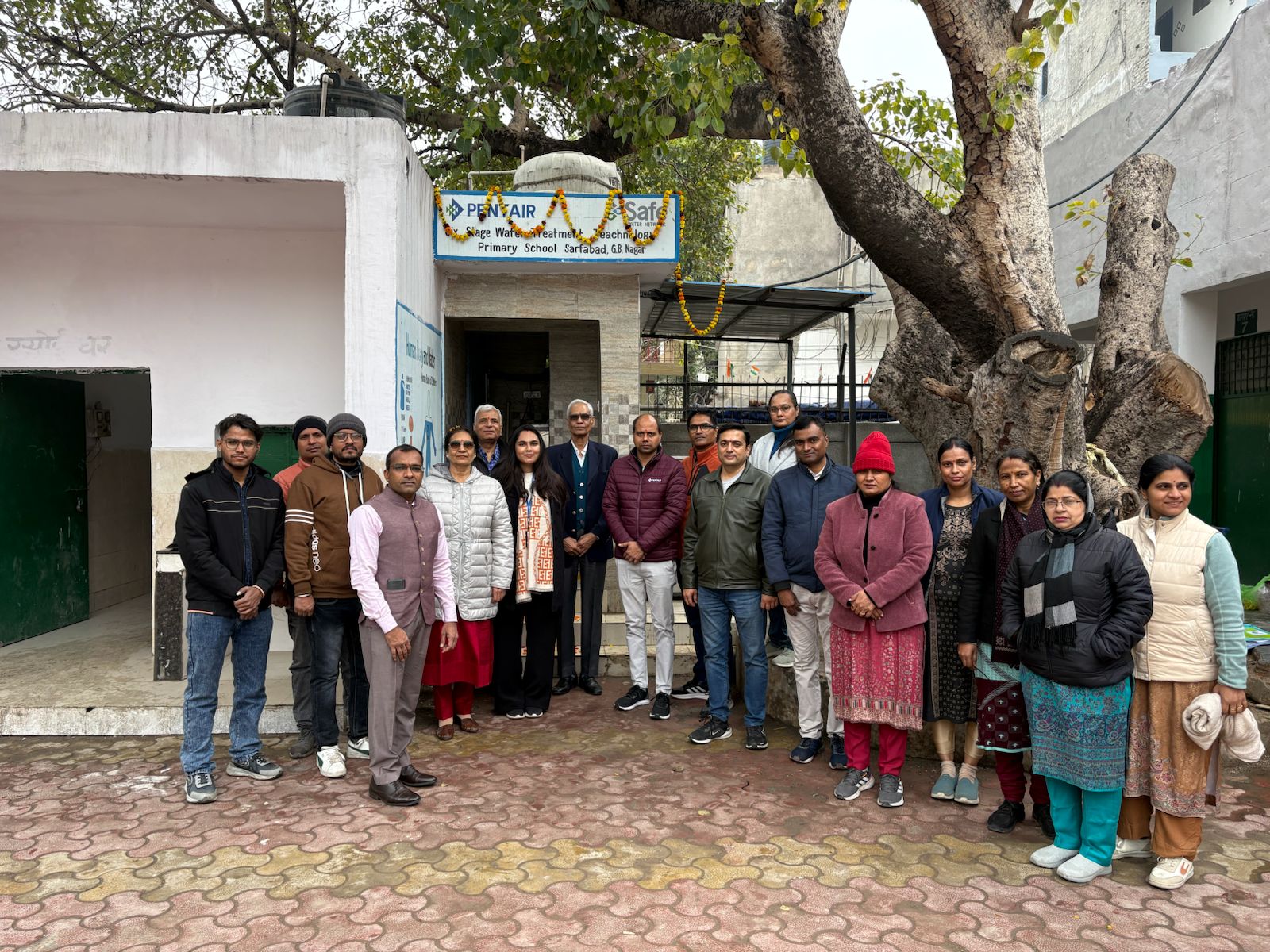
Speaking on the inauguration Mr. Ajit Tulo, Vice President, Global Engineering Centre, Pentair said,
“At the very outset, every citizen of the country has a right to have access to clean and safe drinking water, especially our young citizens who are the future of the country. We are pleased and honoured to have a partner like Safe Water Network India, with whom we have successfully commissioned similar water ATMs in 49 Government schools across NOIDA, Telangana, and Haryana which have benefitted about 20,000 students, 760 teachers and support staff across these states. We look forward to continue this partnership further, and have an intervention program in every district in the country.”
Elaborating further, Mr. Ravindra Sewak, Country Director, Safe Water Network India said,
“We have had a great start to 2026 with the inauguration of two Water ATMs in the first month itself and we hope to maintain the momentum throughout the year. With this successful commission, the students, teachers and support staff of both schools are assured of a dependable and clean supply of drinking water. My heartiest congratulations to everyone and a special thanks for Pentair for all their support over the years.”
The inauguration was marked with fun, frolic, and festivities. The students presented a skit on drinking safe water for good health and saving water, amongst other activities.
Pentair Foundation has been a core partner of Safe Water Network for the past 15 years, enabling innovative technological solutions for safe drinking water in underserved communities in India. In addition to Water for Schools and Institutions, Pentair has supported 17 decentralized safe drinking water stations called iJal stations, which bring water access to 55,000 people across 17 communities, and 19 ACOM – Automatic Chlorination and Online Monitoring Systems for piped water safety, delivering safe drinking water to 18,700 people across 19 communities.
25, Feb 2026
Bacterial pathogens build antibiotic-resistant “bunkers” using filament scaffolds
Researchers have discovered and characterized at the atomic level a mechanism that enables bacterial pathogens—including hospital bacteria Acinetobacter baumannii and Pseudomonas aeruginosa—to assemble antibiotic-resistant three-dimensional (3D) biofilms. These findings open a new avenue for developing therapies against multidrug-resistant bacterial infections by targeting the biofilm assembly. Many pathogenic bacteria form 3D biofilms to protect themselves from the immune system, antibiotic treatments, and drying on environmental surfaces. Some of the most problematic hospital bacteria, such as multidrug-resistant A. baumannii and P. aeruginosa, use specialized hair-like filaments called adhesive pili to attach to tissues or abiotic surfaces. After attaching, the bacteria then grow into thick 3D biofilms consisting of multiple layers of bacteria. This process is also mediated by adhesive pili, but until now it has been unclear how they prevent the growing 3D biofilm from falling apart.
Using a combination of advanced electron microscopy methods, the researchers at the MediCity Research Laboratory of the University of Turku in Finland, led by S. Jusélius Senior Researcher Anton Zavialov, discovered that adhesive Csu pili from neighboring A. baumannii bacteria attach to each other in an antiparallel manner. These pili rapidly assemble into flat sheets that link bacteria together and shield them from hostile environments.
“Impressively, Csu pili can self-assemble into huge, complex networks connecting hundreds of bacterial cells,” says Dr. Zavialov.
The team demonstrated that Csu pili can form at least two types of flat structures and resolved them at a near-atomic resolution.
“Cryo-electron microscopy methods are developing very rapidly. To obtain the first model, I initially developed a manual approach, and only later did we apply computational tools to solve these exceptionally large assemblies in 3D,” explains first author, Doctoral Researcher Henri Malmi.
The researchers also found that the pilus network becomes embedded in a less defined matrix composed of polysaccharides and DNA secreted by the bacteria.
“This final structure somewhat resembles reinforced concrete: the pili act like steel bars, while polysaccharides and DNA form the concrete. In this way, the bacteria effectively hide in a bunker,” adds Dr. Zavialov.
The team is now focused on developing inhibitors that target the connections between pili. Such inhibitors could be used in combination therapies to prevent 3D biofilm assembly and help antibiotics eliminate the pathogens more effectively.
24, Feb 2026
Indraprastha Apollo Hospitals Launches Varian Edge Radiosurgery System with Hyperarc Technology, Advancing Precision Cancer Care
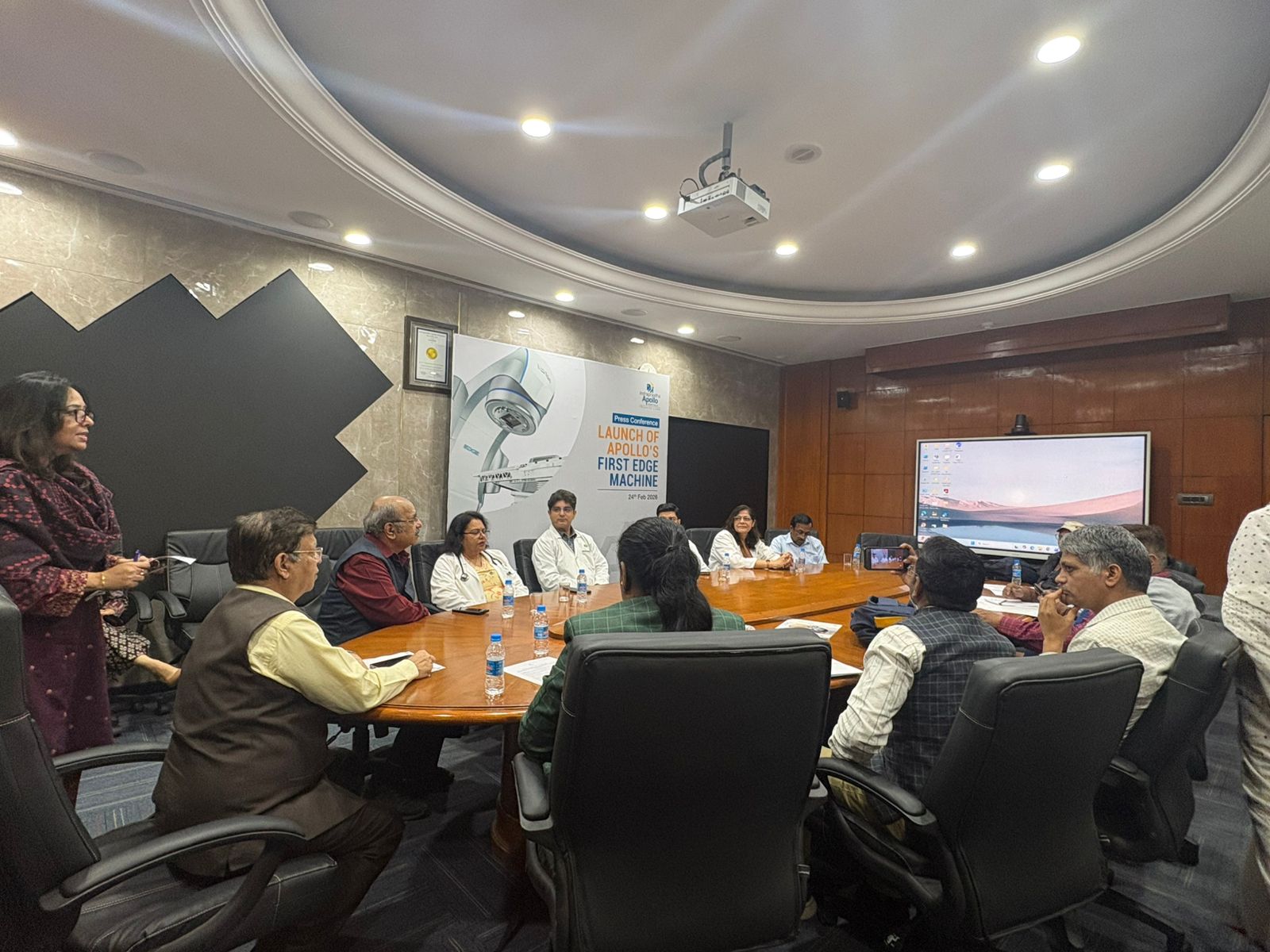
New Delhi, Feb 24: Indraprastha Apollo Hospitals has launched the Varian Edge® Radiosurgery System with Hyperarc Technology, strengthening its advanced cancer care capabilities and expanding treatment options for complex and hard-to-reach tumours.
The introduction of the Varian Edge® system marks a significant milestone in radiation oncology, combining precision and advanced motion management to deliver highly targeted radiation therapy while minimising exposure to surrounding healthy tissue. The technology enables doctors to treat tumours even as they move during breathing, ensuring consistent accuracy throughout treatment.
The platform also supports advanced motion-management techniques such as Deep Inspiration Breath Hold (DIBH), which is particularly beneficial in left-sided breast cancers by helping reduce radiation exposure to the heart. Its enhanced imaging clarity further strengthens precision in abdominal, liver, lung, gastrointestinal and genitourinary tumours, where internal organ movement and gas interference can otherwise impact treatment accuracy.
A key clinical advantage of the Varian Edge® platform is its ability to treat multiple metastases in a single session, often reducing overall treatment time to less than one-third of conventional LINAC or SRS treatments. The system’s synchronised movement of the radiation beam and treatment couch allows for continuous, precise radiation delivery, resulting in fewer radiation “hits” and improved patient comfort.
Dr G K Jadhav, Senior Consultant, Radiation Oncology, noted:
“The Varian Edge platform gives us a sharper and more versatile tool to manage a wide spectrum of tumours from tiny lesions to large, complex cases, even in challenging locations. It meaningfully expands our treatment options and enhances clinical outcomes.”
Dr Sapna Manocha Verma, Senior Consultant, Radiation Oncology, Indraprastha Apollo Hospitals, added:
“What sets apart this technology is the radiation beam continuously tracks and adjusts to the tumour’s position, even as it shifts during breathing, while surrounding healthy tissue is carefully protected. The platform also supports advanced motion-management techniques such as Deep Inspiration Breath Hold (DIBH), which is particularly beneficial in left-sided breast tumours and in select liver and lung tumours. For patients, this translates into shorter treatment times, fewer side effects, and faster recovery.”
Dr Robin Khosa, Senior Consultant, Radiation Oncology, Indraprastha Apollo Hospitals, said:
“The Varian Edge® Radiosurgery System with Hyperarc Technology represents a major advancement in precision radiation therapy. Its ability to track tumours in real time and deliver radiation with submillimetre accuracy allows us to treat complex cases including multiple brain metastases and tumours previously considered difficult or untreatable with greater safety and confidence.”
The launch was also marked by the presence of Dr Mano Bhadauria, Senior Consultant, Radiation Oncology; Dr Aditi Agarwal, Senior Consultant, Radiation Oncology, Indraprastha Apollo Hospitals; and Dr Devashish Tripathi, Senior Consultant in Radiation Oncology at Apollo Hospitals, New Delhi.
The system is particularly impactful in treating tumours located in delicate or hard-to-reach areas, where precision and motion management are critical. Enhanced imaging quality, sharper resolution, and improved accuracy enable clinicians to reduce treatment margins, safely deliver higher radiation doses when required, and potentially improve cure rates while lowering normal tissue toxicity.
With the launch of the Varian Edge® Radiosurgery System, Indraprastha Apollo Hospitals continues to reinforce its commitment to combining cutting-edge technology with deep clinical expertise. Backed by a multidisciplinary team of oncologists, neurosurgeons, physicists, and radiation specialists, the hospital remains focused on pushing the boundaries of what is possible in cancer care ensuring better outcomes, fewer side effects, and more time for patients to focus on living.
24, Feb 2026
Genetics and Age-Related Macular Degeneration: How Genes Influence Age-Related Blindness
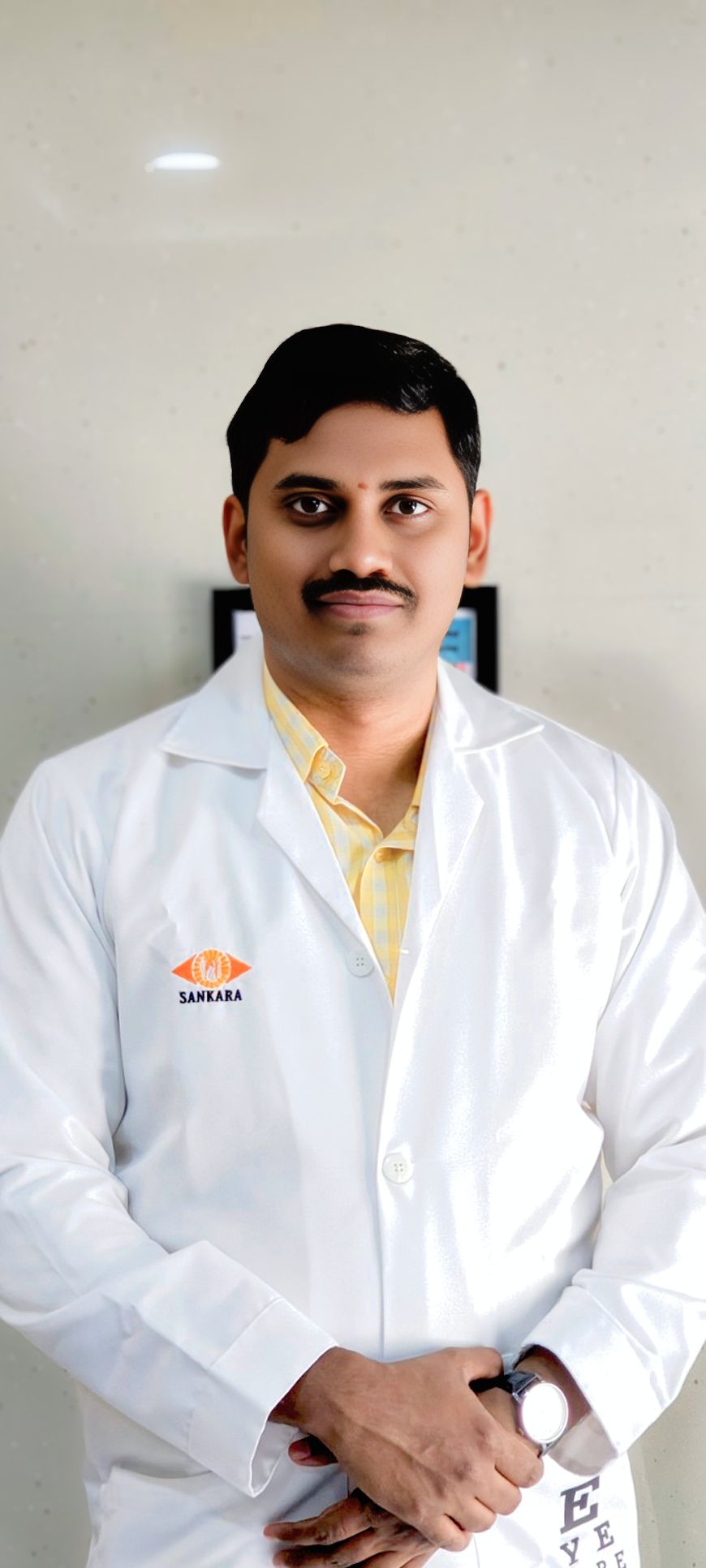
By- Dr Sriram Simakurthy, Chief Medical Officer, Sankara Eye Hospital, Hyderabad
Sight is one of our most valued senses, which allows us to connect with the world around us. With age, however, for millions of people, eyesight-related challenges begin with slight blurriness and progressively lead to irreversible vision loss.
Among the many age-related eye conditions, age-related macular degeneration (AMD) is one of the most common causes of vision loss in patients over the age of 50. As life expectancy increases in India, the number of cases of AMD is also rising. This condition often presents with early symptoms. Early counselling and identification are important for managing the condition better. Studies show that our genes play a critical role in determining who develops age-related macular degeneration. Understanding the genetic influence behind age-related blindness can help move toward earlier diagnosis, personalised care, and targeted prevention strategies.
The Genetic Link
Lifestyle and environmental factors like age, smoking, and poor nutrition are known risk factors for AMD. Genome studies have identified that genetics can also influence who is likely to develop AMD.
In age-related macular degeneration, one of the strongest genetic associations identified is with variations in the CFH (Complement Factor H) gene. This gene plays a role in regulating inflammation in the retina. Certain variants increase susceptibility to chronic inflammation, leading to damage of the macula, the central part of the retina responsible for sharp vision. Other genes, such as ARMS2 and HTRA1, also influence how retinal cells respond to stress and ageing.
Early Detection Can Change the Story
The start of AMD does not mean inevitable blindness. Understanding an individual’s genetic predisposition can enable doctors to recommend appropriate precautions to slow or mitigate its progress. For people with high-risk genetic variants, ophthalmologists can provide individualised recommendations such as:
-
More frequent retinal examinations
-
Diet modifications, including lutein and zeaxanthin supplementation
-
Lifestyle changes that reduce oxidative damage
Why Genetic Insights Matter
Standard eye exams detect visible physical changes but often miss hidden genetic risk factors that may silently influence disease development. Genetic testing empowers individuals to act early, potentially mitigating disease before symptoms worsen. Since AMD often runs in families, knowing one’s genetic risk can also help parents, siblings, and children understand and manage their own risk.
Advances in genetic research are paving the way for personalised ophthalmology. Emerging therapies aim to target specific molecular pathways influenced by genetic variants, particularly in conditions like AMD and inherited retinal disorders. While genetic testing is not yet routine for all age-related eye diseases, it is becoming an important tool in research and selected clinical settings.
From Awareness to Action
Vision loss due to ageing isn’t inevitable. Early detection can help identify AMD early and allow for better management. The first step in protecting sight and quality of life is understanding your genetic risk. Genes play a powerful but modifiable role in age-related blindness. By combining genetic awareness with proactive eye care and healthy ageing strategies, it is possible to preserve vision and quality of life well into later years.
24, Feb 2026
Indira IVF Expands in Haryana with the Inauguration of a New Fertility Clinic in Gurugram

Gurugram, Feb 24: Indira IVF Hospital Limited announced the inauguration of its new fertility clinic in Sector 51, Gurugram, further strengthening access to organised fertility and reproductive healthcare services across Haryana and the National Capital Region.
Located on the First Floor, the centre will offer a comprehensive range of fertility and assisted reproductive services. The clinic will operate with standardised clinical protocols and technology-enabled systems designed to ensure consistency, patient safety, and transparency across every stage of treatment.
The inauguration ceremony was graced by Ms. Neha Rathi, Indian Professional Wrestler, as the Chief Guest, Dr. Arvind Vaid, Zonal Business Director, Gynaecologist & IVF Specialist, Indira IVF Patel Nagar, Delhi as the guest of Honour & Dr. Abhilasha Mehta, Consultant Gynaecologist & IVF Specialist Centre Head, Indira IVF, Sector 51, Gurugram, & other dignitaries of Gurugram region.
Addressing the gathering, Ms. Neha Rathi said, “Access to specialised healthcare plays a crucial role in shaping healthier futures for families. The opening of Indira IVF in Gurugram strengthens the availability of structured fertility services in the region and underscores the importance of early evaluation and informed medical care.”
Commenting on the expansion, Mr. Nitiz Murdia, Managing Director, Indira IVF Hospital Limited, said, “The launch of our Gurugram centre reflects our continued commitment to improving accessibility to structured fertility care across growing urban hubs. As awareness around reproductive health increases, it is important that patients have access to evidence-based treatment supported by experienced clinical teams and standardised systems.”

Dr. Arvind Vaid, Centre Clinical Director, Zonal Business Director, Gynaecologist & IVF Specialist Indira IVF, Patel Nagar, Delhi, added, “Urban lifestyles, delayed parenthood, and underlying medical conditions are contributing to rising fertility concerns. The presence of a dedicated, technology-enabled fertility centre in Gurugram will encourage early consultation and structured treatment, which significantly improves clinical outcomes.”
Dr. Abhilasha Mehta, Consultant Gynaecologist & IVF Specialist and Centre Head, Indira IVF, Sector 51, Gurugram, said, “Fertility care requires timely diagnosis, scientific precision, and compassionate counselling. Our focus at the Gurugram centre is to provide personalised treatment plans backed by consistent protocols and advanced laboratory support, ensuring that couples receive comprehensive care under one roof.”
With this launch, Indira IVF continues to expand its national footprint, adding to its network of 200+ clinics across India. The Gurugram centre will offer a full range of fertility and assisted reproductive services for both male and female infertility, supported by standardised laboratory practices, electronic medical records and patient safety systems.


