


4, Feb 2026
Industry Leaders Welcome Union Budget 2026 Boost to India’s Biopharma and Healthcare Ecosystem
Mr. Sheetal Arora, Promoter & CEO, Mankind Pharma
“The Union Budget makes a clear and timely choice by placing biopharma at the centre of India’s next manufacturing wave, alongside other frontier sectors. As India’s disease burden shifts towards diabetes, cancer, and autoimmune disorders, and advanced NCD therapies gain wider adoption globally, the focus on biologics and biosimilars is both relevant and necessary. The Bio Pharma Shakti initiative recognises that longevity, quality of life, and affordability will define healthcare outcomes going forward.
The Finance Minister, Nirmala Sitharaman, has reinforced the Viksit Bharat vision through a ₹10,000 crore commitment to build a strong domestic biopharma ecosystem, strengthen institutions, upgrade the Central Drugs Standard Control Organization to global standards, and enable faster, predictable approvals. The full BCD exemption on 17 cancer drugs and targeted relief for rare diseases will further improve patient access while supporting innovation in high-need areas.
Over the coming years, the alignment of these reforms with the evolving **European Union–India trade framework will help Indian pharma move from scale to leadership, attract global investment, and strengthen India’s position as a trusted manufacturing and innovation partner in advanced therapies.”
Mr. Sanjiv Navangul, CEO, BSV ( A Mankind Group Company)
“The Union Budget 2026 provides much-deserved momentum for India’s biopharma journey. We welcome the government’s intent to strengthen the biopharma ecosystem, and the Biopharma Shakti initiative is an encouraging step in this direction. The focus on building scale across strategic and frontier sectors creates the right environment for long-term improvements in health outcomes. The initiative recognises the need for innovation and research while creating a conducive ecosystem for good health through knowledge sharing and technology.
Alongside this, the emphasis on driving research by setting up new National Institutes of Pharmaceutical Education and Research will not only build talent but also augment the research capabilities of the country.
Strengthening the regulatory landscape through a robust biopharma-focused network, including enhanced capacity and faster approval timelines, will further support innovation and improve patient access.
Further, the proposed investment of Rs 10,000 crore over five years, along with the emphasis on domestic production, will go a long way in strengthening supply security and reducing dependence on imports. This aligns with the vision of BSV, as we remain committed to making in India for India and the world.
Additionally, the Budget’s proposal to promote India as a global hub for sports goods is also encouraging. Improved access to quality sports equipment can help drive wider participation of women in sports while supporting healthier lifestyles.”
Dr. Ankit Gupta, Managing Director, Park Medi World Limited
“The Union Budget 2026 presents a comprehensive roadmap for strengthening India’s healthcare ecosystem at a time when the country’s disease burden is shifting towards non-communicable diseases such as diabetes, cancer, and autoimmune disorders, alongside a rapidly ageing population. The proposed addition of one lakh allied health professionals will help bridge workforce gaps across hospitals, rehabilitation centres, and community-based care settings. This is complemented by plans to train 1.5 lakh caregivers through NSQF-aligned, multi-skilled programmes, strengthening long-term, elderly, and post-acute care services.
The establishment of five regional medical tourism hubs in partnership with the private sector reinforces India’s ambition to emerge as a preferred global healthcare destination. For hospital networks such as Park Hospitals, these initiatives create meaningful opportunities to scale specialised allied services, strengthen geriatric and rehabilitation care, and contribute to medical value tourism aligned with national healthcare priorities.”
- 0
- By Neel Achary

4, Feb 2026
Dr. Saloni Wagh and Shivani Wagh Honoured at Hurun India U40 Awards 2025
Supriya Lifescience’s Dr. Saloni Wagh and Shivani Wagh Honoured at Avendus Wealth–Hurun India U40 Awards 2025
New Delhi, Feb 4: Supriya Lifescience Ltd., a leading manufacturer of Active Pharmaceutical Ingredients (APIs), announced that Dr. Saloni Wagh, Managing Director, and Ms. Shivani Wagh, Joint Managing Director, have been honoured at the prestigious Avendus Wealth–Hurun India U40 Awards 2025. The awards ceremony was held at the Four Seasons Hotel, Mumbai, on January 29, 2026.

The Avendus Wealth–Hurun India U40, U35 and U30 Awards recognise India’s most promising young entrepreneurs and next-generation leaders who are building high-impact businesses through ambition, innovation and purpose-driven scale. The platform celebrates individuals who are redefining industries, strengthening entrepreneurial ecosystems and enhancing India’s global business standing.
Dr. Saloni Wagh and Shivani Wagh’s leadership has played a pivotal role in Supriya Lifescience’s sustained growth, with a strong focus on business continuity, expansion of global operations and improved access to high-quality healthcare. Under their stewardship, the company has continued to strengthen its commitment to sustainable growth, robust corporate governance and long-term value creation.
Commenting on the recognition, Dr. Saloni Wagh, Managing Director, Supriya Lifescience Ltd., said,
“Being recognised by the Avendus Wealth–Hurun India platform is a meaningful milestone in our journey. This honour reflects the collective efforts of our teams and our focus on building a globally competitive, innovation-led pharmaceutical business from India. It reinforces the importance of responsible leadership and long-term value creation.”
Sharing her thoughts, Shivani Wagh, Joint Managing Director, Supriya Lifescience Ltd., added,
“It is encouraging to be part of a platform that celebrates ambition, impact and purpose-driven scale. Indian entrepreneurs today are building faster and bolder businesses, and this recognition further strengthens our commitment to operational excellence, sustainability and expanding access to healthcare worldwide.”
This recognition adds to a growing list of accolades received by Dr. Saloni Wagh and Shivani Wagh for their leadership in the pharmaceutical sector. In 2025, both leaders were featured in the Candere Hurun India – The Moment of Lift Awards for their contributions to the industry. Under their continued leadership, Supriya Lifescience has strengthened its global footprint and reinforced its position as a trusted API partner worldwide.
4, Feb 2026
SRV Agadi Hospital organises a Community Awareness March to observe World Cancer Day 2026
Bengaluru, Feb 04: Marking World Cancer Day, SRV Agadi Hospital, a leading multispeciality tertiary care hospital located in Wilson Garden, organised a cancer awareness march on Tuesday to promote early detection, prevention, and timely access to cancer care. The initiative brought together students, healthcare professionals, and community members in a public show of solidarity for patients and survivors.
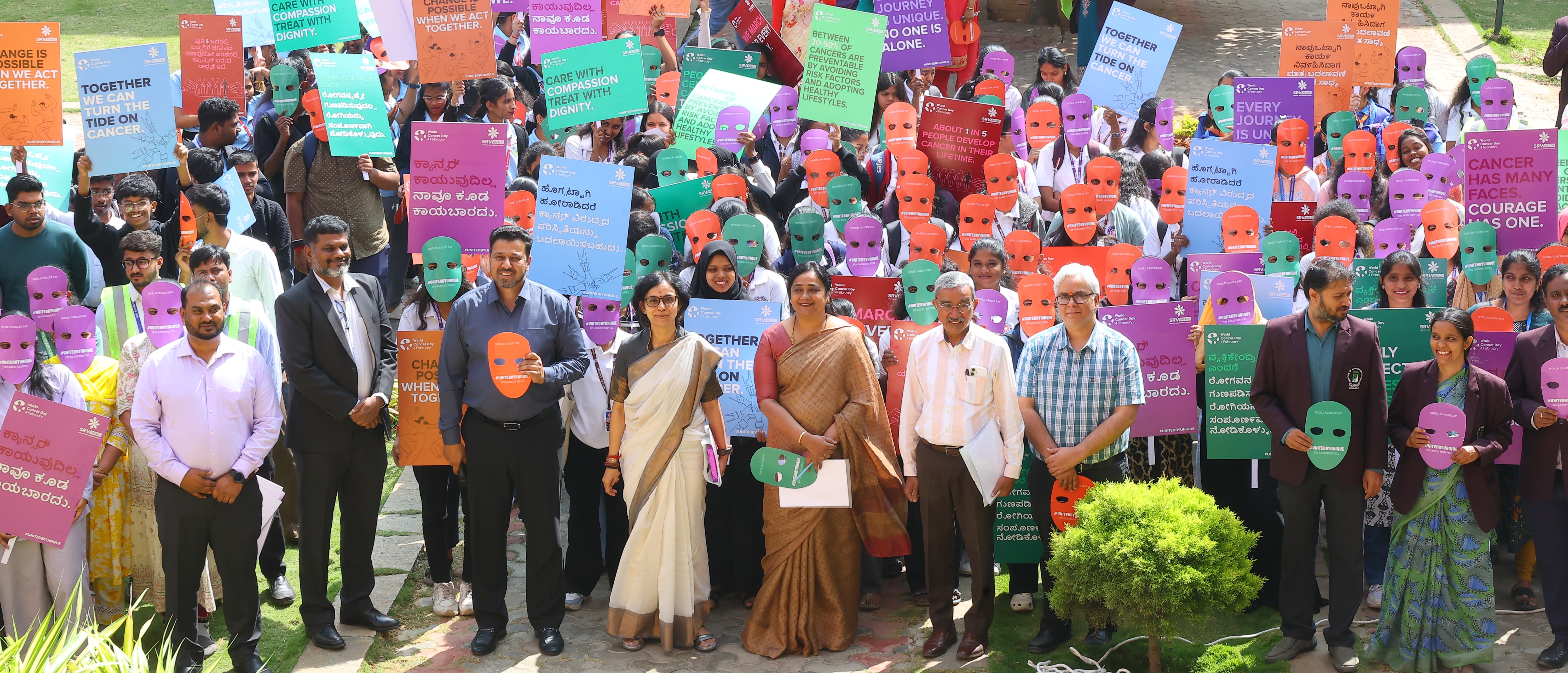
The march was flagged off by Dr. Niti Raizada, Senior Director – Medical Oncology & Haemato-Oncology; Dr. S. Krishnamurthy, Senior Consultant – Surgical Oncology; Dr. Anju Agadi of SRV Agadi Hospital, Bengaluru; and Shri Umar Ismail Khan, Chairman, Al-Ameen College of Management Studies.
The event, held ahead of World Cancer Day, witnessed enthusiastic participation from students, healthcare professionals, volunteers, and local residents. The march began at Al-Ameen Institute of Management Studies on Hosur Road and culminated at SRV Agadi Hospital in Wilson Garden. Participants wore symbolic masks and held awareness placards, creating a striking visual that reinforced the message that while cancer journeys differ, collective support and informed conversations can make a meaningful difference.
Doctors from SRV Agadi Hospital actively engaged with the public throughout the event, offering insights on cancer prevention, screening guidelines, and early symptom recognition. They also interacted one-on-one with participants, addressing common concerns such as screening age, lifestyle risks, vaccination where applicable, and when to consult a specialist.
World Cancer Day, instituted by the Union for International Cancer Control (UICC) in support of the World Cancer Declaration, is observed annually on February 4 to raise awareness about cancer and encourage its prevention, early detection, and treatment, with the primary goal of reducing cancer-related deaths and illness worldwide.
World Cancer Day serves as a unifying global initiative in the fight against cancer. Under the 2026 campaign theme, ‘United by Unique’, the movement aims to save millions of preventable deaths each year by promoting awareness, education, and action among governments, healthcare systems, and individuals.
“Cancers detected at an early stage have significantly better outcomes,” said Dr. Abhay Vispute, Founder-Director, SRV Hospitals. “Yet in India, late presentation remains a major challenge. Healthcare institutions must stand visibly for awareness as much as they stand for treatment. Through initiatives like this march, we are bridging the gap between awareness and actionable health behaviour—especially among young adults and families. Educating communities on subtle early signs and available screening options is critical to improving survival rates.”
SRV Hospitals is fully equipped with state-of-the-art medical infrastructure and experienced consultants across multiple specialties. The hospital offers comprehensive care under one roof, including advanced operation theatres and cath labs, a robust emergency and accident unit, expansive OPD and diagnostic services, a 24×7 pharmacy, and in-house pathology services.
4, Feb 2026
United by Unique: A Call for Awareness and Early Action This World Cancer Day 2026
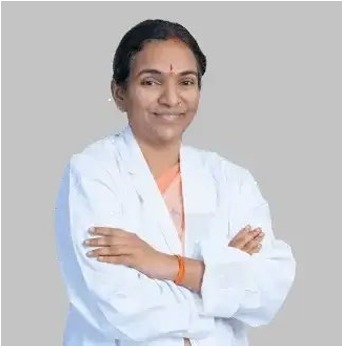
“Cancer care today is deeply personalised two patients with the same diagnosis may need very different treatments based on tumour biology and individual circumstances. ‘United by Unique’ reminds us that while every journey is different, compassion, early detection and multidisciplinary care can dramatically improve outcomes. Listening to your body and seeking timely medical advice can save lives.”
4, Feb 2026
Study Highlights Early Health Risks in Children Born Prematurely
A comprehensive longitudinal study by researchers at Vilnius University’s Faculty of Medicine reveals that nearly 80 per cent of all medical diagnoses in children born prematurely are identified before the age of seven, underscoring the urgent need for early, long-term and personalised follow-up care.

Led by Dr Rūta Morkūnienė and Prof. Dr Janina Tutkuvienė, the research traces health trajectories from birth through adolescence and into adulthood, demonstrating that the impact of prematurity extends far beyond the neonatal period. The findings carry global relevance: according to the World Health Organization, an estimated 15 million babies are born preterm each year worldwide. While survival rates have improved significantly, the study challenges the assumption that prematurity-related health issues are limited to infancy, highlighting instead a prolonged and evolving health burden.
Most health risks emerge early in life
One of the most extensive analyses of long-term outcomes in preterm children conducted in Lithuania to date, the study draws on medical records from primary healthcare institutions to map health patterns from birth through adolescence.
Unlike many previous studies, the researchers did not restrict their analysis to conditions traditionally linked to prematurity, such as respiratory or neurological disorders.
“I did not set out to record only diagnoses already described in the literature as typical for preterm children,” explains Dr Morkūnienė, a physician and lecturer at Vilnius University. “I documented everything that each child accumulated over time. What emerged was a very broad spectrum of conditions, often involving multiple organ systems and differing greatly from one child to another.”
The findings show that children born prematurely experience a substantially higher overall disease burden than those born at term. Congenital anomalies, nervous system and mental health disorders, tumours, and diseases of the urinary and reproductive systems were diagnosed three to four times more often than in the general population. Disorders of the immune and blood systems occurred up to ten times more frequently, indicating vulnerabilities that persist well beyond early childhood.
A critical window from birth to age seven
Perhaps the study’s most striking insight relates to the timing of diagnosis.
“More than 45 per cent of all diagnoses are made during the first three years of life,” notes Dr Morkūnienė, “and over 30 per cent more are identified between the ages of three and seven.”
By the age of seven, children born prematurely have already accumulated nearly 80 per cent of all diagnoses they are likely to receive by adulthood. The heaviest disease burden falls on children born with very low birth weight (below 1,500 grams), who not only develop more health conditions overall but also a wider range of them.
“Even children born at the same gestational age and with the same birth weight can follow very different health trajectories,” Dr Morkūnienė adds. “Still, the most premature and smallest infants tend to accumulate both more numerous and more diverse health problems.”
Birth weight outweighs gestational age
A key methodological strength of the study lies in its decision to analyse birth weight and gestational age separately, rather than combining them into a single indicator. This distinction revealed that birth weight is more strongly associated with long-term disease burden than gestational age alone.
Children born with lower birth weight grew more slowly and remained shorter and lighter than their peers into adolescence. While their body mass index (BMI) was initially lower, it began to rise sharply from around the age of nine, eventually surpassing that of children born at term.
“This pattern is increasingly recognised internationally,” explains Prof. Tutkuvienė. “Children born prematurely face a higher risk of long-term metabolic conditions, including obesity and diabetes. By analysing birth weight and prematurity separately, we were able to identify which factor plays a more significant role in specific metabolic processes—one of the key novelties of our research.”
Why population-specific growth standards matter
Beyond individual outcomes, the study highlights a broader challenge in paediatric care: the reliance on outdated or poorly adapted growth standards.
“Until recently, Lithuania did not have head circumference reference values for newborns,” says Dr Morkūnienė. “Height and weight standards were often based on limited or decades-old data.”
Using advanced statistical methods developed by Prof. Tim Cole of the UCL Institute of Child Health, the research team established new, population-specific growth norms for Lithuanian newborns, including preterm infants. While international standards are useful for comparison, the researchers warn that they may misrepresent clinically meaningful thresholds in specific populations, potentially leading to delayed or inaccurate diagnoses.
Survival is not the endpoint
Survival outcomes for preterm infants have improved dramatically. In Lithuania, nine out of ten children born prematurely now survive, placing the country among the global leaders in neonatal care. However, the researchers stress that survival alone should not be viewed as the endpoint.
“Prematurity is not a life sentence,” emphasises Prof. Tutkuvienė. “The human body is remarkably resilient. What truly matters is whether health systems provide timely, personalised and long-term support that allows children to reach their full potential.”
Children born preterm, the researchers argue, require extended, multidisciplinary follow-up, involving not only neonatologists and neurologists but also psychologists, speech therapists, physiotherapists and other specialists who can monitor physical, cognitive and emotional development.
“Early childhood is a period of exceptional developmental flexibility,” says Dr Morkūnienė. “When difficulties are identified early, targeted interventions can make a profound difference. Timely support during these formative years can significantly shape long-term health and wellbeing.”
4, Feb 2026
RevealDx Receives FDA Clearance for AI-Powered Lung Nodule Risk Assessment
Seattle, WA – Feb 04: RevealDx, a leader in artificial intelligence solutions for lung nodule characterization, today announced that it has received U.S. Food and Drug Administration (FDA) clearance for RevealAI-Lung, its AI-powered lung nodule risk assessment software. The announcement follows the company’s MDR Certification, received in November 2025.
RevealAI-Lung is designed to assist radiologists in the evaluation of incidental lung nodules by generating a Malignancy Similarity Index (mSI™)—a clinically relevant score that supports more informed follow-up recommendations and aids in earlier and more accurate cancer diagnosis. The technology has been validated on data from more than 1,500 patients across diverse clinical cohorts.
The RevealAI-Lung CADx device offers several differentiated capabilities, including:
-
Significant improvement in radiologist reader performance (AUC delta)
-
Use of real-world National Lung Screening Trial (NLST) data as the reference population
-
Clinically meaningful malignancy risk scoring
-
Industry-first direct integration into PACS, enabling seamless workflow integration
-
Strong generalizability across exam types and patient populations
RevealAI-Lung is available for purchase directly from RevealDx or through its U.S. distributor, Sirona. The company has also announced integrations with Riverain, the leading lung nodule detection company in the U.S., as well as FUJIFILM PACS, further expanding clinical accessibility.
With FDA clearance, RevealAI-Lung is now eligible for Medicare reimbursement under CPT codes 0721T and 0722T, supporting broader clinical adoption.
Commenting on the milestone, Chris Wood, CEO of RevealDx, said,
“We are excited to announce that RevealAI-Lung is now available in the United States. We would like to thank our clinical collaborators for their invaluable support in achieving this milestone. Most importantly, we are enthusiastic about the positive impact RevealAI-Lung can have on patient care by enabling more confident and timely clinical decision-making.”
1, Feb 2026
Budget 2026 Boosts Healthcare Access, Infrastructure, and Skilled Workforce
By:- Dr. Azad Moopen, Founder & Chairman, Aster DM Healthcare
Today’s Budget lays out a thoughtful and forward-looking blueprint for India’s healthcare ecosystem—one that seamlessly integrates innovation, access, capacity expansion and global competitiveness. The Biopharma Shakti initiative, with an outlay of ₹10,000 crore over five years and a clear focus on strengthening research, manufacturing and regulatory capabilities, will play a pivotal role in accelerating India’s journey towards advanced, affordable and globally benchmarked healthcare solutions. The exemption of basic customs duty on 17 critical cancer drugs is a timely and patient-centric measure that will significantly improve access to life-saving therapies while easing the financial burden on families.
The Budget’s strong emphasis on healthcare infrastructure is equally encouraging. The proposed 50 percent capacity expansion of district hospitals, combined with targeted investments in tertiary care through the expansion of NIMHANS 2.0 in North India and the addition of three new AIIMS facilities, will meaningfully strengthen care delivery across both urban and underserved regions. These measures reinforce the government’s commitment to building a more resilient, inclusive and future-ready public health system.
Importantly, the Budget recognises healthcare as a powerful engine of employment and social impact. The announcement of 1,00,000 Allied Health Professionals (AHPs), alongside the training of 1.5 lakh caregivers, supported by structured skilling initiatives, AI-enabled training pathways and digital health programmes, marks a decisive step towards building a large, skilled and future-ready healthcare workforce. This integrated approach will help support an ageing population, specialised care needs and emerging models of care delivery. Together with the continued push for medical hubs, medical value tourism, and a sharper focus on mental and digital health, these initiatives firmly position India as a globally trusted healthcare destination with sustainable long-term growth potential.
1, Feb 2026
Budget 2026: Healthcare Industry Welcomes Focus on Research, Trauma Care, and AYUSH-Integrated Medical Hubs
New Delhi, Feb 01: The Union Budget 2026 has been widely welcomed by India’s healthcare industry for its strategic emphasis on long-term preparedness, research, emergency care, and integrated healthcare systems. Industry leaders highlight that the measures announced in the Budget position India as a global hub for advanced, affordable, and holistic healthcare.
Dr. (Prof.) Purshotam Lal, Chairman, Metro Group of Hospitals, said,
“The ₹10,000 crore commitment to establish a national Biopharma Hub and strengthen non-communicable disease control is both timely and visionary. The proposal to set up trauma centres in every district hospital will enhance emergency response, particularly in semi-urban and rural areas. The creation of 1,000 accredited clinical trial sites bridges the gap between innovation and patient access, while regulatory strengthening enhances India’s credibility in global healthcare.”
Echoing this view, Mr. Abhishek Kapoor, CEO, Regency Healthcare, stated,
“Budget 2026 builds a framework for a more balanced healthcare ecosystem by investing in district-level infrastructure, expanding clinical research networks, and addressing the shortage of allied healthcare professionals. This integrated approach ensures that advanced care and innovation are accessible beyond major urban centres, improving patient outcomes and trust in both public and private healthcare systems.”
Dr. Sharan Shivaraj Patil, Chairman, SPARSH Group of Hospitals, added,
“The establishment of five new Medical Hubs integrated with AYUSH centres marks a major boost for medical tourism and the ‘Heal in India’ initiative. By linking infrastructure, research, and system-wide capacity building, the Budget strengthens India’s position as a global destination for high-quality, affordable treatment.”
Dr. Alok Khullar, Group CEO, RJ Corp Healthcare, commented,
“Budget 2026 demonstrates a strategic vision for healthcare as a driver of economic growth. Expanding clinical trial networks and streamlining regulatory processes will accelerate innovation, improve patient access to advanced therapies, and strengthen India’s global healthcare credibility.”
Mr. Baldev Raj, Founder & CEO, Prius Healthcare, and Vice Chairman, Public Relations Council of India (Delhi Chapter), said,
“The integration of AYUSH centres within five Medical Hubs signals a new era where healthcare is not only a social sector but a pillar of economic growth and global competitiveness. The Budget ensures that infrastructure, skilled manpower, and innovation converge to build a trusted, world-class healthcare system that extends beyond metropolitan centres.”
Key Highlights Welcomed by Industry Leaders:
-
₹10,000 crore for a national Biopharma Hub and non-communicable disease control
-
Trauma centres in every district hospital to enhance emergency care
-
1,000 accredited clinical trial sites to accelerate research and innovation
-
Integration of AYUSH centres within five new Medical Hubs to boost medical tourism
-
Emphasis on allied healthcare professionals and skill development
-
Regulatory strengthening to improve compliance, safety, and global credibility
Collectively, these measures are expected to improve healthcare access in Tier-2 and Tier-3 cities, strengthen India’s research and medical tourism capabilities, and reinforce the country’s position as a global healthcare leader.
31, Jan 2026
KIMS Kurnool doctors Dr. Sheikh Mannan & Dr. Kiran Kumar who corrected S-shaped spine
Kurnool, Jan 31: Doctors at KIMS Hospital, Kurnool, have successfully corrected a severe S-shaped spinal deformity in an 18-year-old girl through a highly complex surgery involving the placement of 30 spinal screws.
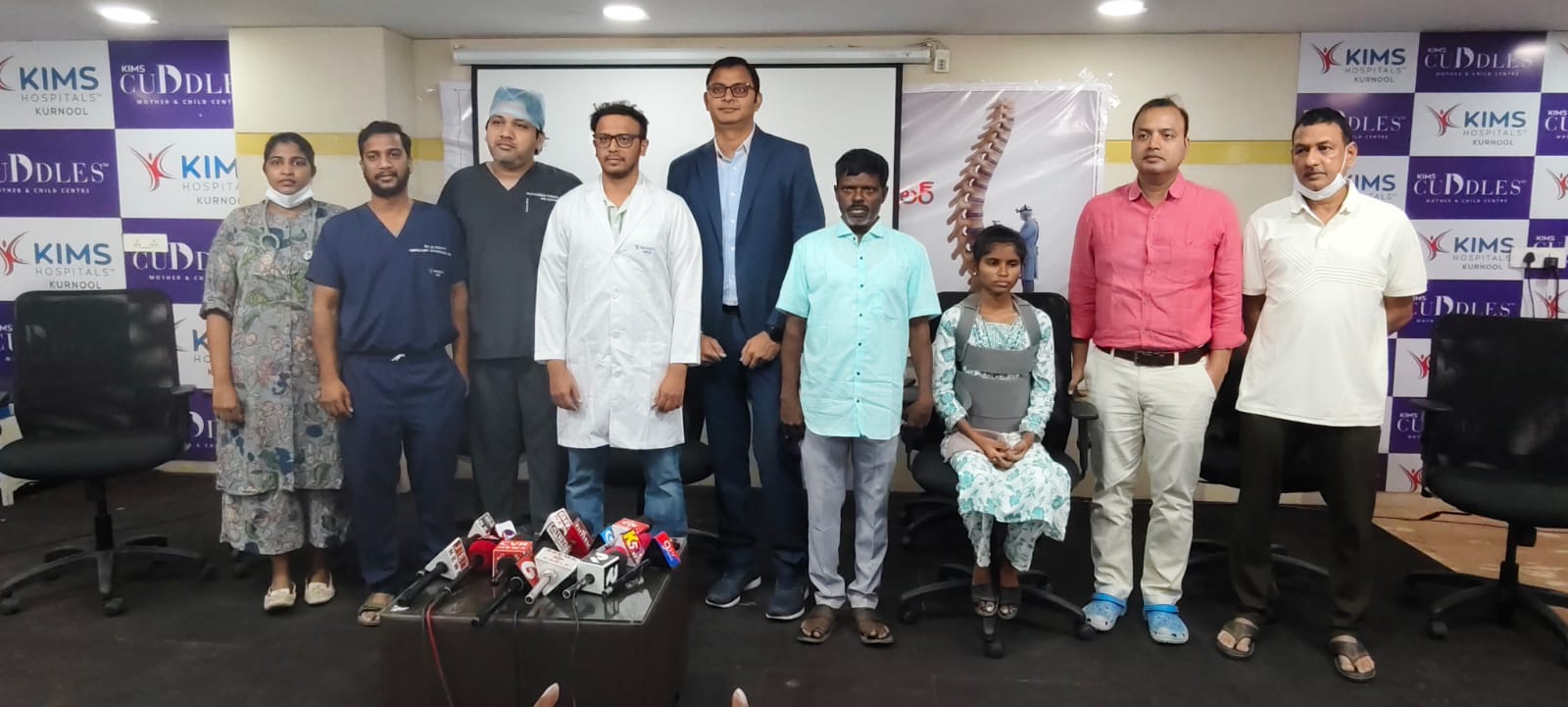
The patient, a resident of Vamasamudram village in Kurnool district, had been suffering for several years from persistent headaches, abnormal gait, and progressive spinal curvature. Her family, belonging to an economically weaker background, initially sought treatment at a private hospital where she underwent surgery in 2019 for Arnold–Chiari malformation, a congenital condition affecting the brain. While the headaches subsided after that procedure, the spinal deformity continued to worsen over the years, eventually resulting in a pronounced hunchback posture.
Given the high risk associated with corrective spinal surgery in such cases, including the possibility of permanent neurological damage, the patient was referred to KIMS Hospital, Kurnool.
After detailed evaluation, a team led by consultant spine surgeon Dr. Shaik Mannan and Chief Consultant and Head of the Orthopaedics Department Dr. Kiran Kumar decided to perform the surgery under continuous intra-operative neuromonitoring.
Explaining the procedure, Dr. Mannan said the patient had a spinal curvature of nearly 50 degrees extending from the D2 to L4 vertebrae.
“Despite the high risk, we were able to achieve nearly 90–95% correction using 30 specialised screws. The spinal alignment has been restored close to normal. The earlier shoulder imbalance has resolved, both shoulders are now at the same level, and the prominent bony hump on the back has significantly reduced,” he said.
Remarkably, the patient was able to walk independently from the first day after surgery, and her vital functions returned to normal soon after. The surgery was successfully completed with the support of the anaesthesia team comprising Dr. Bhuvana and Dr.Shruthi, along with, critical care Dr. Rajesh Reddy.
Orthopaedic HOD Dr. Kiran Kumar said the procedure marked one of the most complex spinal surgeries performed in the Rayalaseema region and the first successful neuromuscular scoliosis correction of its kind in the area. “This achievement once again highlights the clinical expertise and commitment of KIMS Hospital,” he noted.
KIMS Kurnool Regional COO Siddareddy stated that the entire cost of the surgery was covered under the Arogyasri scheme, making it completely free for the patient. He added that the hospital has performed over 100 highly complex spinal surgeries in the Rayalaseema region, which he described as a matter of pride for the institution.
31, Jan 2026
HPV Vaccination and Regular screening can prevent cervical cancer
Mohali, Jan 31: Cervical cancer is the second most common cancer affecting Indian women, with nearly 1.3 lakh women diagnosed every year. Sadly, most women in India are diagnosed in advanced stages leading to high death rates. This is truly unfortunate as cervical cancer is a preventable cancer. With January being observed as the Cervical Cancer Awareness Month, Dr Shweta Tahlan, Senior Consultant, Gynae Onco-Surgery, Fortis Hospital, Mohali, gives us a detailed insight on cervical cancer.
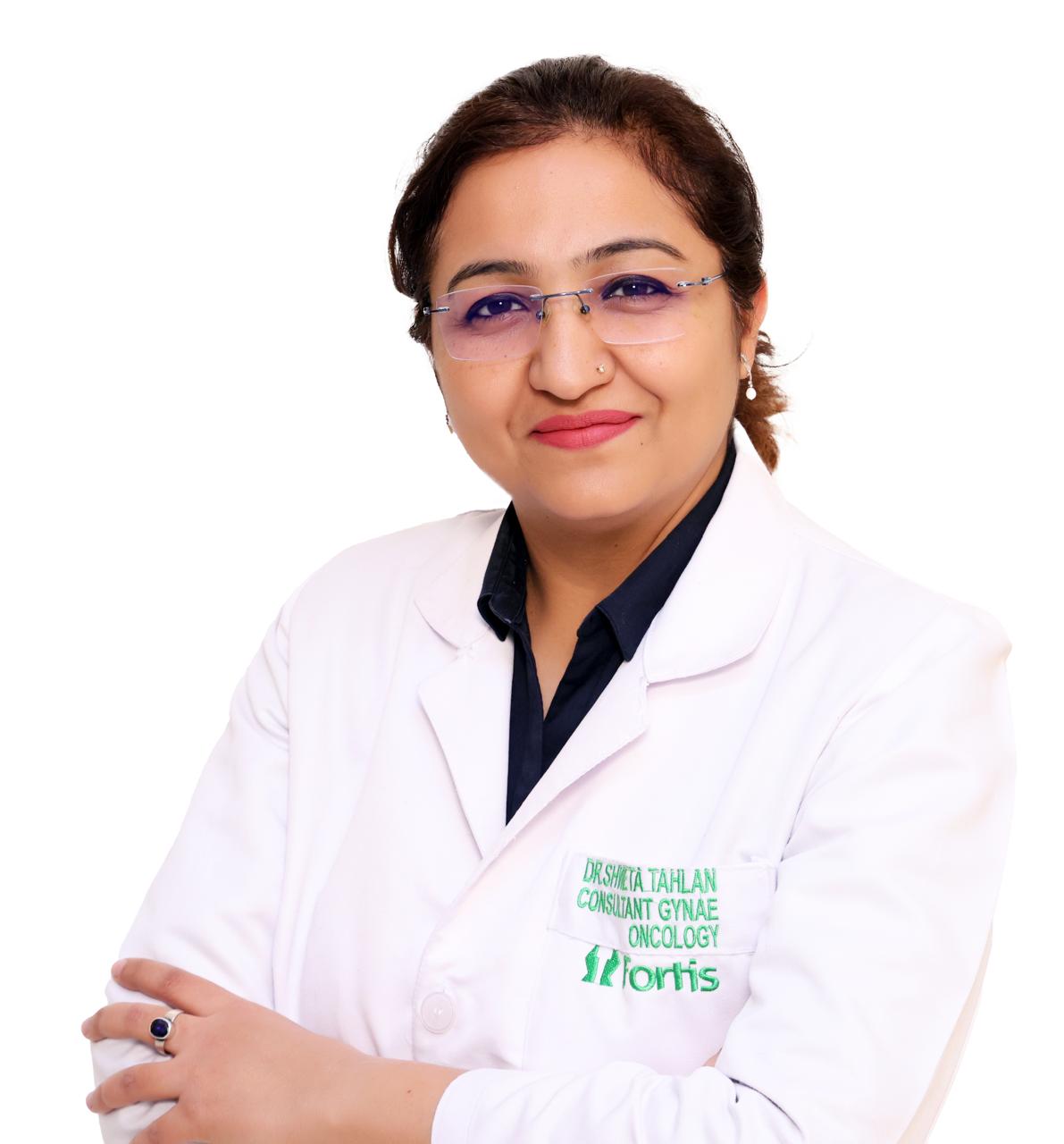
Cervical cancer occurs in the cells of the cervix, which is the lower part of uterus and most cases are reported in the age group of 35-60 years. Majority of cervical cancers are caused by persistent infection by high-risk strains of Human papilloma virus, and a precancer stage usually precedes the invasive cancer stage. This detailed understanding of the disease makes it a preventable cancer
Prevention and Early detection
HPV vaccination provides the primary prevention against this deadly disease and timely vaccination gives lifelong protection. The recommended age to get vaccinated is between 9 and 26 years of age, although, it can also be given to women up to 45 years of age. HPV vaccine is very safe, effective, widely available and affordable. HPV vaccination is recommended by all medical organizations like WHO, FOGSI and IAP.
Screening tests provide secondary prevention, and it is done by testing cervical smears for abnormal cells (Pap smear & LBC) and presence of HPV (HPV testing). The test is painless and is done in OPD itself. This helps us detect and cure women in precancer stage itself (before cancer is formed). Screening test is recommended for all women over the age of 25 years.
Early detection helps detect women in early stages of cancer. Symptoms of cervical cancer are postcoital vaginal bleeding, persistent vaginal discharge which can be foul-smelling or blood stained, postmenopausal vaginal bleeding, continuous or intermenstrual bleeding, lower abdomen pain or discomfort, urinary troubles and severe back ache.
Treatment
Women in early stages are treated effectively by radical surgery and women diagnosed in advanced stages are treated with radiotherapy, chemotherapy and immunotherapy. Timely treatment from expert oncologists can provide good survival and excellent quality of life.
Widespread HPV vaccination and regular screening can help save many lives. Our target is to save women from this deadly disease and together, we can achieve it.


