


31, Jan 2026
ISIC Expands Advanced Care with Launch of Integrated Sports Injury Clinic
New Delhi, January 30, 2026: ISIC Multispecialty Hospital, has further strengthened its advanced care portfolio with the launch of a dedicated Sports Injury Clinic—a first-of-its-kind, fully integrated centre designed to deliver comprehensive, patient-centric sports injury management.
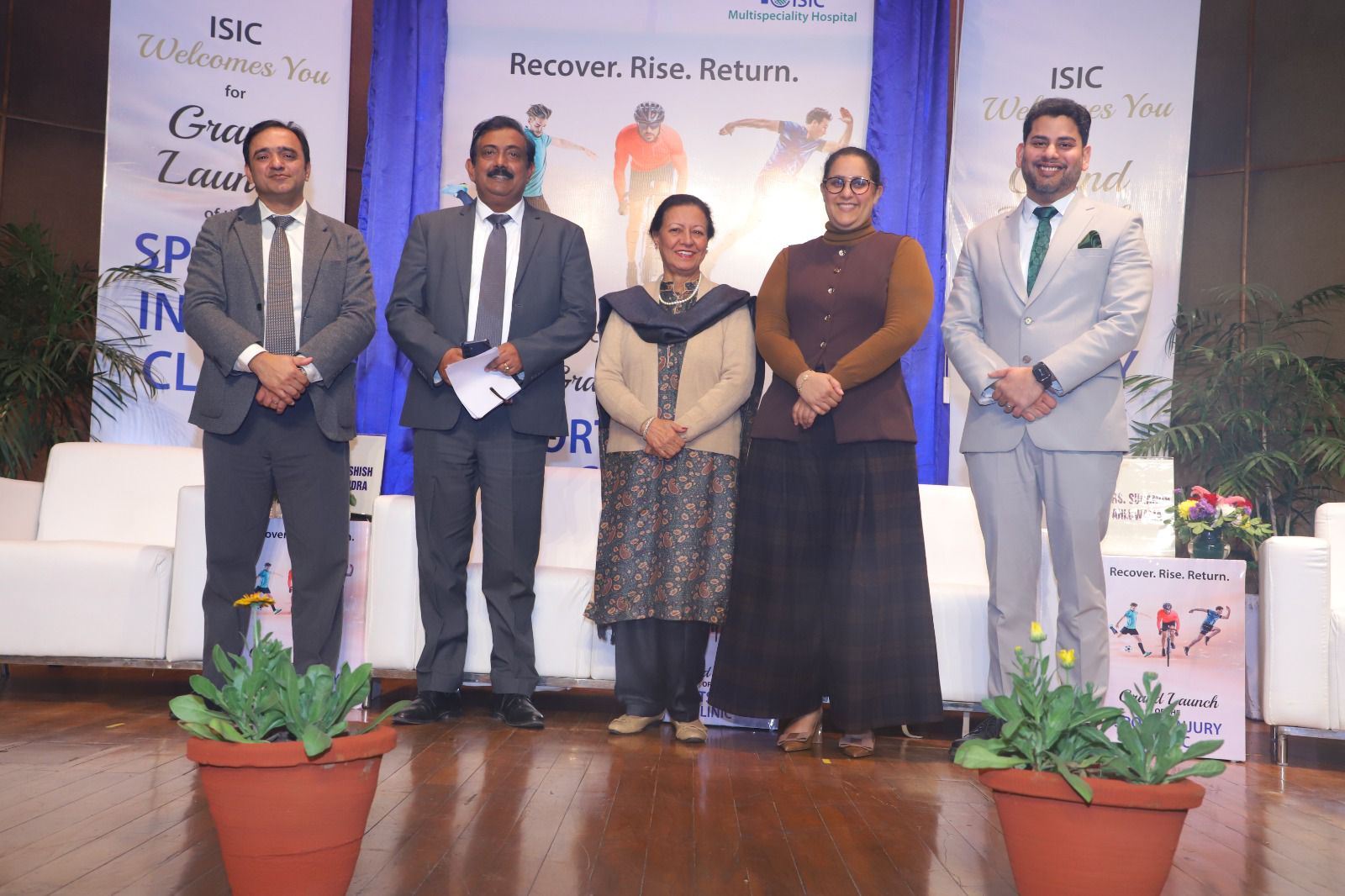
Going beyond conventional treatment models, the clinic combines professional movement and biomechanical assessments with advanced diagnostics to identify underlying “weak links” in the body that contribute to injury or recurrence. The medical team deploys non-invasive and minimally invasive interventions, including Arthroscopy, Minimally Invasive Spine Surgery (MISS), Platelet-Rich Plasma (PRP), Stem Cell Therapy/BMAC, and Prolotherapy, ensuring precision-led treatment, faster recovery, and durable outcomes. From prehabilitation and accurate diagnosis to surgical excellence and data-driven rehabilitation, the clinic offers a truly end-to-end care ecosystem.
Built on the philosophy that movement is medicine, the Sports Injury Clinic integrates cutting-edge technology with expert-led clinical care to optimise recovery and performance. Central to this approach is the TecnoBody Digital Movement Laboratory, featuring a Digital Mirror Wall, 3D cameras, and real-time biofeedback that provide instant visual cues to correct posture and movement during therapy. Walker View Gait Analysis evaluates walking and running mechanics to identify imbalances and improve posture, while ProKin Balance Platforms deliver advanced proprioceptive training—critical for recovery from injuries such as ankle sprains and ACL tears.
The clinic’s capabilities are further strengthened by hydrotherapy, low-impact recovery programmes, advanced robotics, and 7K visualisation systems, enabling enhanced precision and safety across interventions. Rehabilitation is delivered exclusively by Masters-level physiotherapists, using advanced neuromuscular training techniques, supported by naturopathy and evidence-based clinical nutrition to accelerate healing, optimise performance, and build long-term resilience.
The launch comes at a time when sports-related injuries are rising steadily across India. Studies suggest that nearly half of individuals engaged in regular physical activity experience musculoskeletal injuries, most commonly affecting the knees (28%), ankles (18%), shoulders (10%), and spine (13%). Notably, ACL injuries among young athletes have surged by over 400% in the past two decades, driven by early sports specialisation and inadequate rehabilitation. Experts highlight that the lack of integrated sports medicine infrastructure often results in incomplete recovery, repeated injuries, and shortened athletic careers—gaps the ISIC Sports Injury Clinic aims to address.
Commenting on the launch, Ms. Sugandh Ahluwalia, Chief Strategy Officer, ISIC Multispecialty Hospital, said,
“ISIC’s legacy has always been rooted in restoring movement and function through advanced spine and orthopaedic care. The Sports Injury Clinic is a natural extension of this philosophy, where prehabilitation and rehabilitation are not add-ons but central to recovery. By integrating early conditioning, precise movement analysis, and masters-led rehabilitation, we are enabling athletes to be better prepared before injury or surgery and supported well beyond it—ensuring recovery that is stronger, safer, and sustainable.”
Dr. Ashish Chandra, Chief Operating Officer, ISIC Multispecialty Hospital, added,
“As ISIC continues to evolve, our focus remains on building advanced, future-ready centres of care. The Sports Injury Clinic reflects this vision—bringing together minimally invasive surgery, robotic rehabilitation, digital motion labs, hydrotherapy, and regenerative therapies under one roof. This integrated ecosystem allows us to offer athletes access to sports medicine and recovery protocols on par with leading global institutions.”
With the launch of the Sports Injury Clinic, ISIC Multispecialty Hospital reinforces its position as a centre of excellence in advanced orthopaedic and sports medicine care, offering athletes a comprehensive, future-ready platform dedicated to recovery, performance, and long-term athletic health.
- 0
- By Neel Achary

30, Jan 2026
Budget 2026 Can Strengthen Early and Accessible Fertility Care: Abhishek Aggrawal
Abhishek Aggrawal, CEO, Birla Fertility & IVF
“India’s health system has made significant progress in prevention, diagnostics, and treatment. Fertility care now needs to be formally integrated into this framework as part of comprehensive family health planning.
Budget 2026 has an opportunity to enable earlier and more efficient fertility care through practical measures. Integrating fertility screening into preventive health programmes and extending insurance coverage to diagnostics and early stage interventions would allow people to seek care sooner, when treatment is more effective and costs are better controlled.
Access must be matched with quality. National standards for fertility laboratories, structured training for embryologists, and consistent clinical protocols are essential to delivering safe and reliable outcomes across the country.
These are targeted investments with long term returns. Strong fertility care infrastructure supports family formation, demographic stability, and a more resilient healthcare system, making it a logical inclusion in India’s health and economic planning.”
29, Jan 2026
Kauvery Hospital Treats Rare Pancreatic Tumour Using Advanced Technology After Patient Presents with Giddiness
Chennai, Jan 29: Kauvery Hospital, Vadapalani, successfully diagnosed a rare and elusive pancreatic tumour known as an insulinoma in a 60-year-old woman, causing persistently low blood sugar and frequent loss of consciousness.
The hospital followed a stepwise diagnostic approach. Initial imaging studies, including a contrast CT scan and a specialised PET scan, did not clearly identify the cause. The breakthrough came with specialised blood tests measuring insulin and C-peptide levels, followed by a targeted endoscopic ultrasound (EUS), which ultimately helped locate the tumour.
The tumour’s small size and challenging location added a further layer of complexity. Measuring just 1.3 cm, it was located at the neck of the pancreas and surrounded by vital structures. The surgical team therefore opted for a robotic-assisted approach, using robotic intraoperative ultrasound (RIOUS) to accurately localise and safely remove the tumour.
The surgery was successful, with the patient’s blood sugar levels started normalising immediately after the procedure. She made a rapid recovery and was able to return to normal activity the very next day.
The diagnostic team was led by Dr. P. Basumani, Senior Consultant and Director, Kauvery Institute of Digestive Sciences, Kauvery Hospital, Vadapalani, while the robotic procedure was performed by Dr. Swaminathan Sambandam, Senior Consultant and Lead, Multi-Organ Transplant (Liver, Kidney, Pancreas and Small Intestine), Kauvery Hospital, Vadapalani.
In his comments Dr. Basumani said,
“Insulinomas are extremely difficult to locate, especially when they are very small. In this case, even advanced imaging did not give us clear answers. Specialised blood tests combined with focused Endoscopic Ultrasound Evaluation helped us precisely identify the tumour.”
Dr. Swaminathan Sambandam said,
“This was a technically demanding surgery. Tumours of this size and location are extremely challenging to operate on through conventional methods. Robotic surgery, supported by intraoperative ultrasound, gave us unmatched precision and control. Very few hospitals in the country have access to this level of technology.”
In his comments, Dr Aravindan Selvaraj, Co-founder and Executive Director, Kauvery Group of Hospitals, said,
“This case reflects the strength of clinical teamwork, perseverance in diagnosis, and the role of advanced technology in handling rare pancreatic and endocrine tumours. It reinforces Kauvery Hospital’s commitment to clinical excellence, advanced diagnostics and state-of-the-art robotic surgery”.
29, Jan 2026
Cervical Cancer awareness month: Tata AIA Health Buddy makes prevention simple and accessible for Families
Bangalore, Jan 29: Cervical cancer is often silent, undetected, and devastating. But what if the story could be changed? What if prevention was within reach—right now?
Cervical cancer: A preventable crisis
Cervical cancer is the second most common cancer among women in India, responsible for nearly 20% of all female cancer cases. The good news is that 90% of these cases are preventable with timely vaccination and screening. Yet, fewer than 2% of women between 30–49 have ever been screened. This isn’t due to a lack of concern, but because many women lack the access, awareness, and support to act early. The solution is simple, taking an HPV (Human Papillomavirus vaccine) in advance as a preventive measure.
Prevention Starts with Early Action
What if families could act before cervical cancer even has a chance? Tata AIA Health Buddy empowers families to take control of their health. With easy access to HPV vaccination as part of Health Buddy benefits, our consumers can ensure they are protected from cervical cancer, that too at discounted rates. Tata AIA removes the hassle of external appointments and complicated procedures, enabling families to act when it matters most.
Sujeet Kothare, Chief of Products, Marketing, Corporate Communications & Business Mid Office, Tata AIA Life Insurance said,
“Cervical cancer remains a significant threat to women’s health in India, but prevention is within our control. Taking proactive steps, such as the HPV vaccination, can help protect future generations. At Tata AIA, we are committed to empowering women with the tools they need to live healthy lives. Through our Tata AIA Health Buddy benefits, we offer exclusive discounts on HPV vaccinations, reinforcing our dedication to the well-being of the communities we serve. Together, we can make a lasting impact in the fight against cervical cancer.”
More than just Vaccination: Comprehensive support at every step
Cervical cancer prevention is just the beginning. Tata AIA Health Buddy is designed to support families throughout their health journeys:
- Doctor Consultations: Easy access to expert advice when needed.
- Health Check-ups: Regular monitoring to stay ahead of health needs.
- Medical Second Opinions & Case Management: Dedicated support for families during critical health challenges.
- Extra Savings: Discounts on prescribed medicines and lab tests.
These services aren’t just about convenience—they’re about giving families the tools to make informed decisions and the peace of mind that comes with knowing they are supported at every step of the way.
Real benefits for the Whole Family
Health decisions affect the entire family. Whether it’s a mother, wife, sister, or daughter, caring for loved ones is a shared responsibility. With Tata AIA Health Buddy, the whole family has access to crucial health services, empowering them to stay healthy. And it’s not just policyholders who benefit; Tata AIA extends these services to nominees and family members as well.
Shifting the Focus: Life Insurance that cares about Health
What if life insurance was about more than just financial protection? What if it was about proactive care, early action, and long-term health management? Tata AIA is shifting the paradigm. With Tata AIA Health Buddy, the company is not only protecting families’ financial futures—it’s helping them stay healthy, stay informed, and take charge of their well-being every step of the way.
28, Jan 2026
85-Year-Old Treated Successfully for Rare Drug-Resistant Knee Implant Infection Amid Rising AMR Concerns
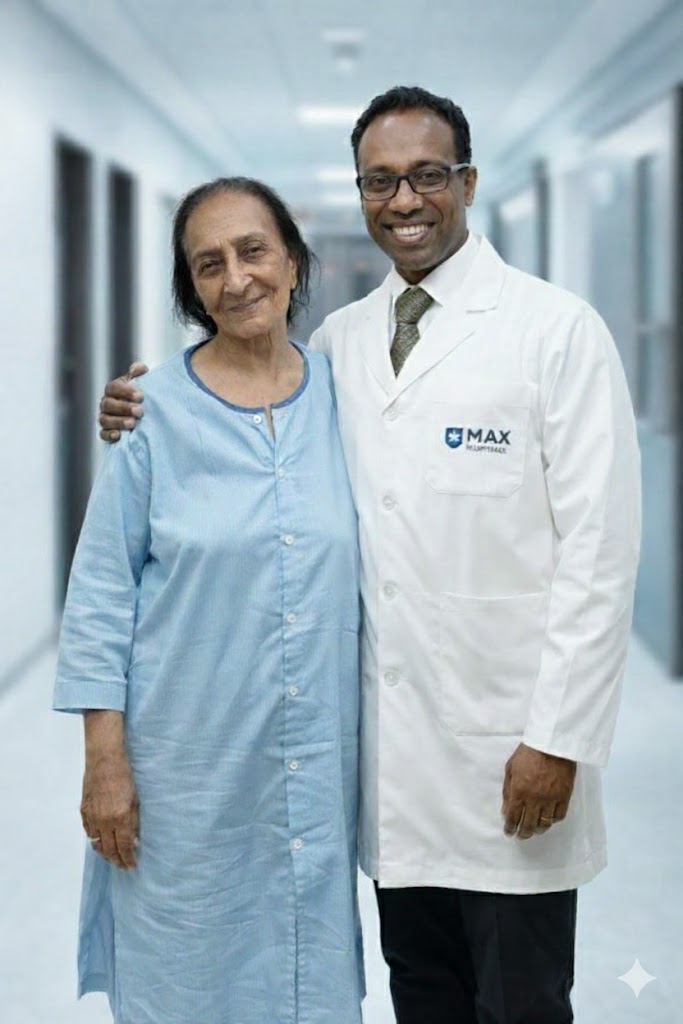
Delhi, Jan 28: As antimicrobial resistance increasingly complicates infection management, orthopaedic specialists are encountering more cases where standard antibiotic treatment alone is insufficient. In one such case, Dr. Simon Thomas, Director and Head of Robotic Joint Replacement & Reconstruction, Max Hospital, successfully treated an 85-year-old patient with a drug-resistant knee implant infection through a carefully planned, staged surgical approach, demonstrating how complex infections can be managed effectively with timely, evidence-based care.
Implant-related infections present challenges distinct from routine infections. In joint replacements, bacteria can adhere to the implant surface and form a biofilm, reducing the effectiveness of antibiotics if treatment is initiated without identifying the infecting organism. The issue has gained wider attention amid growing concerns around antimicrobial resistance, which has also been highlighted at a national level. In a recent episode of Mann Ki Baat, Prime Minister Narendra Modi cautioned against the misuse and overuse of antibiotics, noting that indiscriminate use can weaken their effectiveness over time. When antibiotics are started without culture confirmation, resistant bacteria may persist, making infections harder to eradicate and recovery more prolonged.
In this case, the patient, Mrs Pushpa, had undergone bilateral knee replacement surgery in March 2022 and remained active for several years. In early 2025, she developed persistent pain and swelling in both knees. Further evaluation, including joint fluid analysis and laboratory investigations, identified Achromobacter xylosoxidans, a rare organism known for resistance to commonly used antibiotics. Implant-related infections require specialised management, particularly in elderly patients, where treatment decisions must carefully balance infection control with overall safety.
Explaining the clinical approach, Dr. Simon Thomas, Director and Head of Robotic Joint Replacement & Reconstruction, Max Hospital, said, “Implant-related infections are especially challenging today because antimicrobial resistance limits treatment options. In these cases, starting antibiotics without identifying the organism can allow resistant bacteria to persist. A step-by-step approach, based on accurate diagnosis, targeted antibiotics, and timely surgery, is essential to control the infection while protecting long-term joint function.”
Adding to this, Dr. Divesh Gulati, Associate Director Robotic Joint Replacements & Orthopaedics, Max Hospital, Shalimar Bagh, said,
“Cases like this underline the importance of restraint and precision in infection management. When antimicrobial resistance is involved, every decision—from investigation to intervention—must be deliberate. A structured, staged strategy not only improves outcomes but also avoids unnecessary procedures, which is especially critical in elderly patients.”
Mrs Pushpa added,
“At my age, the infection was worrying, and I was unsure how well I would recover. The treatment was explained clearly and carried out step by step, which helped reassure me. I am now recovering steadily and able to move better.”
In May 2025, the infected implant from the patient’s left knee was removed, and the joint was thoroughly cleaned. This was followed by high-dose, culture-specific antibiotic therapy. After infection parameters stabilised, a second-stage revision knee replacement was performed using a high-stability implant, with intra-operative checks confirming infection clearance before implantation. During the same hospital stay, the patient’s right knee, which showed raised inflammatory markers, was evaluated cautiously through joint aspiration and laboratory testing, helping rule out active infection and avoid unnecessary surgery. Despite her age, the patient tolerated the procedures well and is currently undergoing supervised rehabilitation to improve mobility and daily function.
The case highlights the growing clinical impact of antimicrobial resistance and the need for early diagnosis, targeted treatment, and appropriate surgical intervention. It demonstrates that with specialised care and careful planning, even complex, drug-resistant implant infections can be managed successfully in elderly patient
28, Jan 2026
CK Birla Hospital Delhi Saves 2-Year-Old Child with Severe Breathlessness Using Advanced Nasal Endoscopy
Delhi, Jan 28: Doctors at CK Birla Hospital Delhi successfully treated a two-year-old boy who was brought to the emergency department after accidentally inserting a peanut into his nose while playing at home. The child presented with discomfort, continuous crying, and severe breathlessness. Considering the risk of bleeding, infection, and airway obstruction associated with nasal foreign bodies in young children, the case was managed on priority by the hospital’s highly skilled emergency and ENT teams.
The child, a resident of Delhi, visited the hospital with his parents and was rushed immediately to the emergency. Seeing the seriousness of the child’s condition, an advanced nasal endoscopy was performed to accurately locate and safely remove the foreign object. The doctors opted for this minimally invasive procedure, considering the child’s tender age and the potential risks of bleeding, infection, or airway obstruction. The minimally invasive procedure, which lasted for 15 minutes, was completed successfully without any bleeding or complications, providing immediate relief to the child.
Speaking about the case, Dr. Deepti Sinha, Consultant, ENT Department, CK Birla Hospital Delhi, said,
“Foreign body insertion in the nose is common among young children, but it can become serious if not addressed promptly. Parents should avoid attempting removal at home, as this may push the object deeper or cause injury. Early medical intervention ensures safe removal and prevents complications. In this case, nasal endoscopy enabled precise and trauma-free removal, allowing the child to recover quickly.”
Following the procedure, the child was monitored briefly and discharged in stable condition on the same day, bringing immense relief to his parents.
Adding to this, Mr. Amit Sharma, Vice-President, CK Birla Hospital Delhi, stated,
“Child safety extends beyond the home and depends on timely access to appropriate medical care. This incident highlights the importance of parental awareness, trained specialists, and advanced medical technology in managing paediatric emergencies. At CK Birla Hospital Delhi, our teams are equipped to handle such delicate situations with clinical expertise and compassion, ensuring the best possible outcomes for our youngest patients.”
The incident serves as an important reminder for parents and caregivers to seek immediate medical attention in cases involving foreign body insertion in children, as timely treatment can prevent serious complications.
28, Jan 2026
Wellness Trends You’ll See Everywhere This Year

Personalized Health: A Tailored Approach to Well-Being
One of the most significant developments in wellness is the move toward personalization. Advances in technology now allow individuals to understand their bodies better and make informed health choices based on their unique biological and lifestyle needs.
Genetic testing, for instance, offers insights into dietary preferences, fitness responsiveness, and potential health risks. Rather than following generalized advice, individuals can adopt routines aligned with their genetic makeup. This approach reinforces the idea that wellness is deeply personal—what works for one person may not be effective for another.
Personalized nutrition is also gaining momentum. Instead of rigid diet trends, people are choosing flexible, goal-oriented plans that support energy, performance, and long-term health. Mental wellness, too, is becoming more customized, with stress-management techniques and mindfulness practices tailored to individual preferences and emotional patterns.
While these tools offer immense value, expert guidance remains essential. When used thoughtfully, personalized wellness strategies can significantly enhance both physical and mental well-being.
Mental Wellness and the Rise of Mindful Living
Mental health has become a central pillar of wellness, with increasing emphasis on practices that support emotional resilience and inner calm. Meditation, mindfulness, and breathwork are now widely embraced for their ability to reduce stress, improve focus, and promote self-awareness.
Mindfulness encourages individuals to remain present and engaged, helping them navigate daily challenges with greater clarity. Meditation, in its many forms, provides space for reflection and mental stillness, allowing the mind to reset and recharge. Breathwork techniques further complement these practices by calming the nervous system and easing anxiety.
Technology has played a key role in expanding access to mental wellness tools. Guided meditation apps and digital wellness platforms make it easier for individuals to integrate mindful practices into busy routines, making mental well-being more approachable than ever before.
Sustainable Wellness: Caring for Self and the Planet
Environmental awareness has reshaped consumer behavior, and the wellness industry is no exception. People are increasingly choosing products that support both personal health and environmental responsibility.
Sustainable wellness products—such as natural skincare, eco-friendly fitness accessories, and plant-based supplements—are gaining popularity. Brands that prioritize ethical sourcing, clean ingredients, and recyclable packaging are setting new standards for conscious consumption.
Choosing sustainable options extends wellness beyond the individual, contributing to healthier ecosystems and reduced environmental impact. This alignment of personal care and planetary care reflects a growing understanding that well-being is interconnected on a global scale.
Digital Detox: Reclaiming Balance in a Screen-Driven World
As digital devices dominate daily life, many individuals are recognizing the need to step back and reassess their relationship with technology. Digital detoxing—intentionally limiting screen time—has emerged as a powerful wellness practice.
Excessive digital exposure can contribute to mental fatigue, anxiety, and reduced focus. By setting boundaries around device usage, such as screen-free meals or tech-free evenings, individuals can create space for rest, reflection, and real-world connections.
Mindful alternatives like spending time outdoors, practicing yoga, or engaging in creative hobbies help replace passive screen use with meaningful experiences. A balanced digital lifestyle supports mental clarity while allowing technology to remain a helpful tool rather than a constant distraction.
Holistic Health Practices: Healing the Whole Self
Holistic wellness approaches emphasize treating the individual as a whole rather than addressing isolated symptoms. Practices such as acupuncture, herbal therapies, and energy healing are gaining recognition for their role in supporting physical and emotional balance.
Acupuncture, rooted in traditional medicine, aims to restore harmony within the body and is commonly used to relieve pain, stress, and fatigue. Herbal remedies harness natural ingredients to support immunity, reduce inflammation, and promote relaxation. Energy-based practices like Reiki focus on balancing internal energy, encouraging emotional release and mental calm.
As holistic health becomes more mainstream, individuals are increasingly blending traditional and alternative approaches to create wellness routines that feel intuitive and sustainable.
Community-Centered Wellness and Social Well-Being
Wellness is not solely an individual pursuit—it thrives in connection. Community-based wellness initiatives are gaining traction as people recognize the impact of social bonds on mental and physical health.
Group activities such as outdoor fitness sessions, community yoga, and wellness workshops foster a sense of belonging while encouraging healthy habits. Community gardens, support groups, and shared wellness spaces create opportunities for collaboration, emotional support, and shared growth.
These initiatives highlight the importance of collective well-being, reminding us that strong social connections are a vital component of holistic health.
Redefining Fitness: Movement Beyond Traditional Gyms
Fitness trends are shifting away from rigid gym routines toward more enjoyable and accessible forms of movement. Outdoor workouts, dance-based fitness, and social fitness challenges are transforming how people stay active.
Exercising in natural environments enhances mood and motivation, while dance classes combine creativity with physical activity, making fitness feel less like a chore and more like a celebration. Online and community fitness challenges further encourage consistency through shared goals and mutual encouragement.
This evolution reflects a broader understanding that sustainable fitness thrives on enjoyment, flexibility, and community engagement.
Conclusion: The Future of Wellness
The future of wellness is rooted in balance, personalization, and inclusivity. As mindfulness, technology, sustainability, and holistic practices continue to shape the wellness landscape, individuals are empowered to take ownership of their health journeys.
Rather than chasing perfection, wellness is increasingly viewed as a lifelong process of learning, adapting, and aligning with what truly supports well-being. By staying open to new approaches and honoring individual needs, people can cultivate healthier, more fulfilling lives—one mindful step at a time.
23, Jan 2026
After 11 Years of Severe Hip Pain, 41-Year-Old Man from Mauritius Avoids Hip Replacement Through Cell-Based Therapy
Navi Mumbai, Jan 23: A 41-year-old man from Mauritius, who had been living with debilitating hip pain for over 11 years due to advanced Avascular Necrosis (AVN), has successfully avoided hip replacement surgery after undergoing cell-based regenerative therapy at StemRx Hospital & Research Centre, Navi Mumbai. Treated under the care of Dr. Pradeep Mahajan, Regenerative Medicine Researcher and Founder of StemRx, the patient has experienced significant pain relief, improved mobility, and a renewed quality of life.
Mr. Kavraj Singh Bohani had been suffering from persistent pain, stiffness, and severely restricted movement for more than a decade. Over the last three to four years, his condition worsened considerably, affecting his ability to walk, sleep, work, and perform everyday activities. Multiple medical consultations in Mauritius recommended hip replacement surgery as the only viable option. Long-term use of pain medication offered only temporary relief and began impacting his mental and emotional well-being.
In search of a non-surgical, root-cause-focused solution, Mr. Bohani learned about StemRx through the Medi Check Clinic in Mauritius and decided to travel to India for treatment.
At StemRx Hospital, a comprehensive evaluation confirmed advanced AVN of the hip, a condition caused by reduced blood supply to the bone, leading to bone damage and joint degeneration. Based on the assessment, the medical team designed a personalised regenerative medicine protocol aimed at restoring blood flow, reducing inflammation, and stimulating natural bone healing.
Even before the primary therapy commenced, the patient showed improvement through supportive care and physiotherapy. He subsequently underwent stem cell-based regenerative therapy, supported by a multidisciplinary treatment approach that included targeted cell therapy, physiotherapy, quantum energy medicine, Hyperbaric Oxygen Therapy (HBOT), and EBOO (Extracorporeal Blood Oxygenation and Ozonation). The integrated strategy focused on slowing or halting disease progression, relieving pain, improving joint function, and avoiding joint replacement surgery.
Commenting on the case, Dr. Pradeep Mahajan, Regenerative Medicine Researcher & Founder, StemRx Hospital & Research Centre, said,
“Avascular necrosis develops when the blood supply to the bone is compromised, leading to progressive damage and severe pain. In many cases, joint replacement is advised as the final option. Our approach focuses on addressing the disease at the cellular level—by improving blood flow, reducing inflammation, and stimulating bone regeneration. In Mr. Bohani’s case, a customised stem cell therapy protocol helped support recovery of the hip joint and significantly improve his quality of life.”
He added,
“What stood out in this case was the patient’s determination and trust in the treatment process. With consistent therapy and rehabilitation, we observed meaningful improvements in pain levels, mobility, and overall function. This case highlights how regenerative medicine can offer hope to patients who believe surgery is their only option.”
Sharing his experience, Mr. Kavraj Singh Bohani said,
“For years, pain controlled every part of my life. I couldn’t work properly, sleep peacefully, or even step out without discomfort. Doctors told me surgery was the only way forward. Coming to StemRx changed everything. Today, I am almost pain-free and no longer dependent on medicines. I finally feel hopeful again.”
He further added,
“Dr. Mahajan gave me confidence from day one. His calm approach and clear explanations made me feel safe throughout the treatment. Before opting for a hip replacement, I would strongly encourage anyone suffering from AVN to explore regenerative therapy. It truly gave me my life back.”
This case underscores the potential of cell-based regenerative medicine in offering effective, non-surgical treatment options for chronic and debilitating conditions such as Avascular Necrosis—helping patients restore mobility, dignity, and long-term quality of life.
20, Jan 2026
Fortis Escorts Okhla Doctors Remove 10.4 kg Abdominal Tumour from 80-Year-Old Woman
10.4 kgs Abdominal Tumour measuring 50 cms Successfully Removed from 80-year-old Woman at Fortis Escorts Okhla
New Delhi, Jan 20: Doctors at Fortis Escorts Okhla, New Delhi, have accomplished a remarkable surgical feat: a multidisciplinary team led by Dr Archit Pandit, Director – Surgical Oncology, Fortis Escorts Okhla alongside Dr Vineet Goel ,Consultant – Surgical Oncology, Fortis Escorts Okhla, Dr Kushal Bairoliya, Consultant – Surgical Oncology & GI Surgery, Fortis Escorts Okhla and Dr Manju, Senior Consultant, Anaesthesia & Critical Care, Fortis Escorts Okhla, successfully removed an exceptionally large abdominal tumour from an 80-year-old woman. The tumour – a diagnosis of Liposarcoma, is a rare cancer originating in fatty tissues – had grown aggressively, invading deeply into the patient’s abdomen. It compressed critical structures including the kidneys, colon, urinary bladder and uterus. Despite the patient’s advanced age, multiple co-morbidities and the extreme complexity of the surgery, the team carried out the resection successfully. The patient was discharged in stable condition just 12 days post the surgery, an outcome that highlights both the surgical team’s skill and the strength of the hospital’s multidisciplinary cancer-care programme.
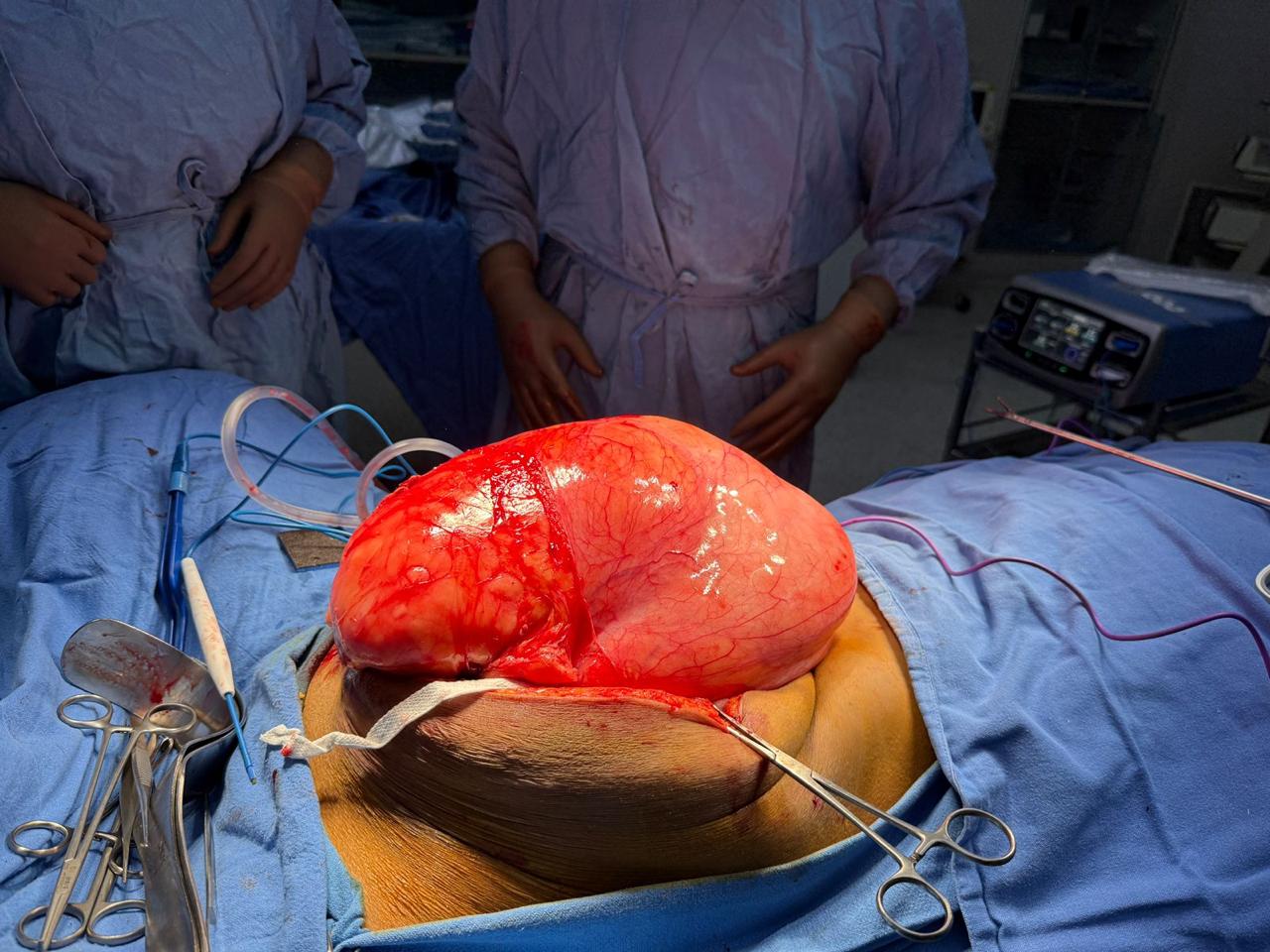
The elderly lady was presented to Fortis Escorts Okhla, with significant abdominal distension – her abdomen had swollen so significantly that it resembled a pregnant pouch. Despite having sustained bloating and abdominal discomfort for over two years, she had been treated at other hospitals merely with anti-gas medications, and no advanced diagnostic imaging had been performed. On evaluation at Fortis Escorts Okhla, imaging revealed a massive tumour in her abdominal cavity. The mass was diagnosed as a Liposarcoma – a rare malignant tumour of fatty tissue. The surgery required meticulous planning and cross‐specialty coordination. During the surgery, the doctors painstakingly separated the tumour from adjacent organs, preserving the functional integrity of compressed kidneys and intestines, despite the extreme size and complexity of the mass. While the largest liposarcoma reported in literature weighed ~45 kgs, tumors above 10 kgs are exceedingly rare, with very few such resections published in India and globally.
Giving details of the case, Dr. Archit Pandit, Director – Surgical Oncology, Fortis Escorts, Okhla Road, said,
“Operating on a patient in such a fragile condition was extremely challenging. The true complexity lies not only in removing the tumour but in ensuring functional recovery with dependable reconstruction. Given the tumour’s size, its proximity to vital organs and the risk of severe intra-operative bleeding, this surgery required extensive planning and precise execution. Such cases test the limits of surgical oncology and are only possible through a coordinated, multi-disciplinary effort. Our priority was not just to remove the tumor but also to preserve the patient’s quality of life, which we were able to achieve successfully.”
Dr Vikram Aggarwal, Facility Director, Fortis Escorts Okhla Road, New Delhi said,
“Globally, liposarcomas of this magnitude are extremely rare, with only a handful of cases exceeding 10 kgs documented in the medical literature. Fortis Escorts’ successful resection of a 10.4 kg tumour underscores the hospital’s expertise, advanced infrastructure, and commitment to delivering world-class oncological care for even the most complex cases.
20, Jan 2026
Butterfly Dental Solutions Redefines Dental Distribution with Tech-Enabled Hy-Commerce™ Model
Butterfly Dental Solutions (BDS) is transforming India’s dental distribution landscape with its tech-enabled Hy-Commerce™ marketplace, seamlessly combining digital speed with trusted human distribution. Designed to address the evolving needs of the dental ecosystem, BDS brings dentists, manufacturers, and local associates together on a single, integrated platform built on transparency, trust, and compliance.
Positioned as a full-service dental Hy-Commerce™ marketplace, BDS blends the efficiency of e-commerce with the reliability of human-led engagement, ensuring that technology enhances, rather than replaces, long-standing professional relationships. The platform enables dentists and clinics to place seamless online orders while continuing to benefit from expert human interaction that ensures product authenticity, regulatory adherence, and consistent service quality.
For dental professionals, this hybrid approach delivers the convenience of digital ordering without compromising on confidence and personal support. By maintaining a strong human interface where it matters most, BDS ensures reliability, accountability, and continuity, key pillars in clinical decision-making.
Manufacturers benefit from a scalable, compliance-led go-to-market model that offers structured market access, improved visibility into demand, and reduced dependence on fragmented distribution channels. Through its technology backbone, BDS enables manufacturers to engage with the market in a more organised, transparent, and standards-driven manner.
Strengthening its global alignment, Butterfly Dental Solutions is also an official partner of Henry Schein, the world’s largest dental products and Solutions Company. This partnership reinforces BDS’s commitment to international benchmarks in quality, compliance, and ethical business practices.
BDS further empowers its associate network through an asset-light micro-entrepreneurship model. Franchise partners are supported with technology, structured training, centralised systems, and strong manufacturer relationships, enabling them to build sustainable local businesses with lower risk and long-term growth potential.
At the core of Butterfly Dental Solutions’ Hy-Commerce™ approach are five defining principles:
• Speed enabled by technology
• Transparency in pricing and processes
• Compliance by design
• Human expertise where it truly matters
• Scalable growth for every stakeholder
With its future-ready vision, Butterfly Dental Solutions is building a next-generation dental distribution ecosystem, one that prioritises trust, performance, and long-term value creation, while staying true to its promise of digital efficiency powered by human reliability.
Commenting on the initiative,
Mr. Rakesh Julka, Co-Founder, Butterfly Dental Solutions said, “The Company is focused on building a structured, transparent, and compliance-driven operating framework that simplifies procurement for dental clinics while addressing systemic inefficiencies.”
Mr. Murugan Pillai, Co-Founder, Butterfly Dental Solutions, added, “Combining technology with strong on-ground execution, Butterfly Dental Solutions is creating a scalable and future-ready dental supply chain that allows professionals to focus on patient care.”


