


16, Jan 2026
Born With a Rare Heart Defect, Treated with Life-Saving Modern Surgery at BM Birla Heart Hospital
When a 32-year-old woman from Kolkata began experiencing worsening breathlessness and frequent palpitations over the past two years, she did not suspect a rare congenital heart condition affecting fewer than one per cent of patients worldwide. Despite undergoing a hole-in-the-heart closure in 2022, her symptoms persisted, prompting her to seek specialised care at BM Birla Heart Hospital.
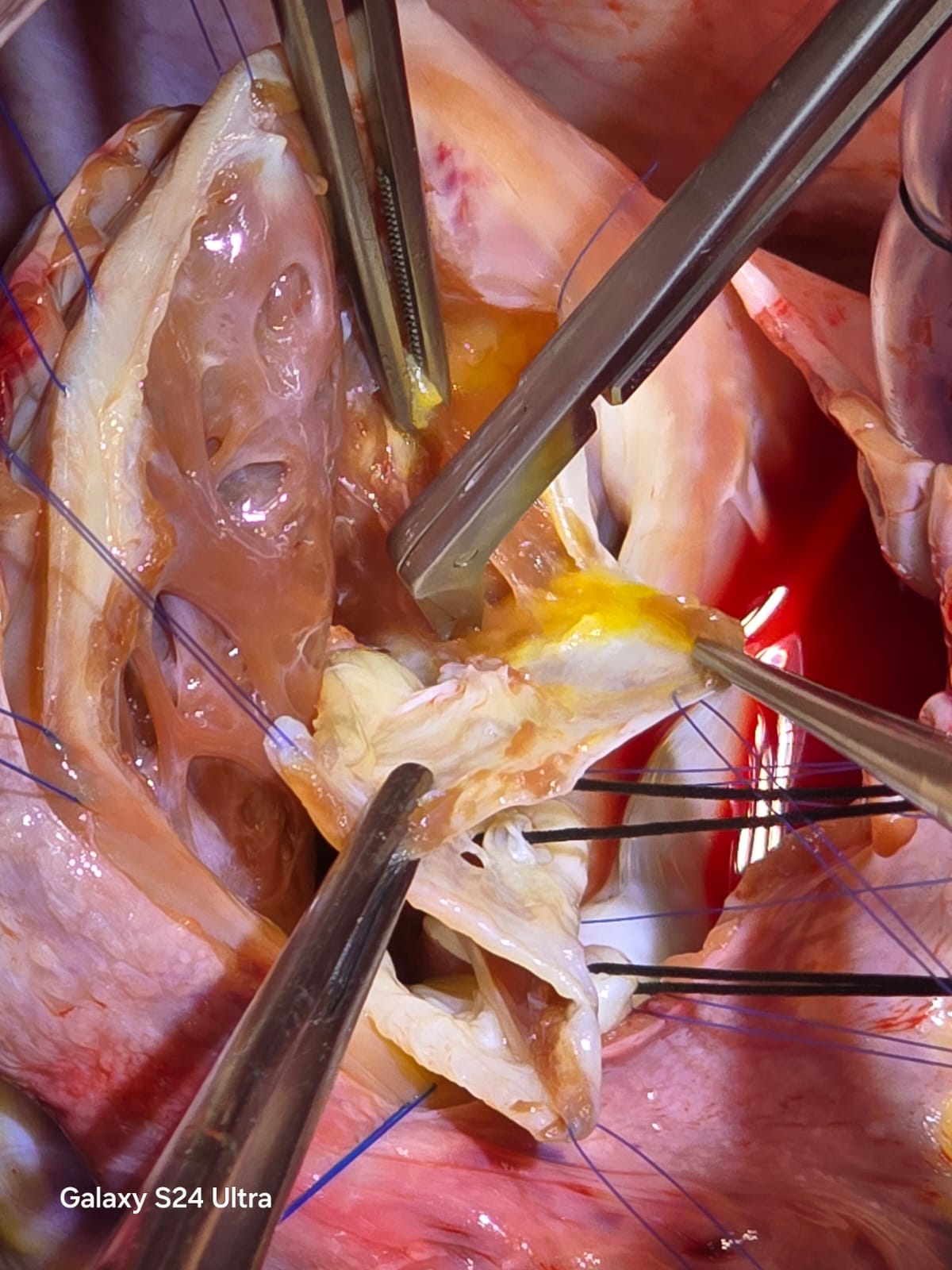
A detailed cardiac evaluation revealed Ebstein anomaly, a complex congenital disorder marked by severe leakage of the tricuspid valve and enlargement of the right side of the heart. Given her young age and progressively limiting symptoms, surgical intervention became essential—not only to address the condition, but also to preserve long-term quality of life.
The cardiac surgery team, led by Dr. Amanul Haque, Consultant Cardiothoracic and Vascular Surgeon, opted for the advanced Cone Repair procedure, a highly specialised technique that reconstructs the patient’s own tricuspid valve rather than replacing it with an artificial prosthesis. During the surgery, the abnormally positioned valve leaflets were carefully mobilised, reshaped into a cone-like structure, and reattached to the true valve annulus—restoring near-normal valve anatomy and function.
This approach successfully corrected the severe valve leakage while preserving the patient’s natural tissue, significantly lowering the risk of future reoperations and eliminating long-term complications often associated with artificial heart valves.
“The Cone Repair allows us to restore the valve almost anatomically while maintaining long-term durability, as the patient’s own valve tissue continues to function naturally over time. For young patients, this makes a critical difference to long-term outcomes,” said Dr. Haque.
Post-surgery, the patient has shown marked improvement in heart function, with a significant reduction in breathlessness and improved exercise tolerance. She is now recovering well and looks forward to resuming an active, unrestricted lifestyle.
This case highlights how advanced surgical expertise, combined with patient-centric clinical decision-making, can deliver transformative outcomes even in rare and complex congenital heart conditions reinforcing BM Birla Heart Hospital’s commitment to world-class cardiac care with a strong human touch.
- 0
- By Neel Achary

15, Jan 2026
Peerless Hospital enhances clinical exposure programme to prepare future-ready medical professionals
Guwahati, Jan 15: Peerless Hospital Guwahati, the city’s leading super-speciality hospital, has reinforced its Academic–Clinical Partnership with The Assam Royal Global University, following the signing of a Memorandum of Understanding (MoU) earlier this year. With the region facing an urgent shortage of trained healthcare professionals and an increasing need for industry-integrated education, the collaboration has already begun generating impact.
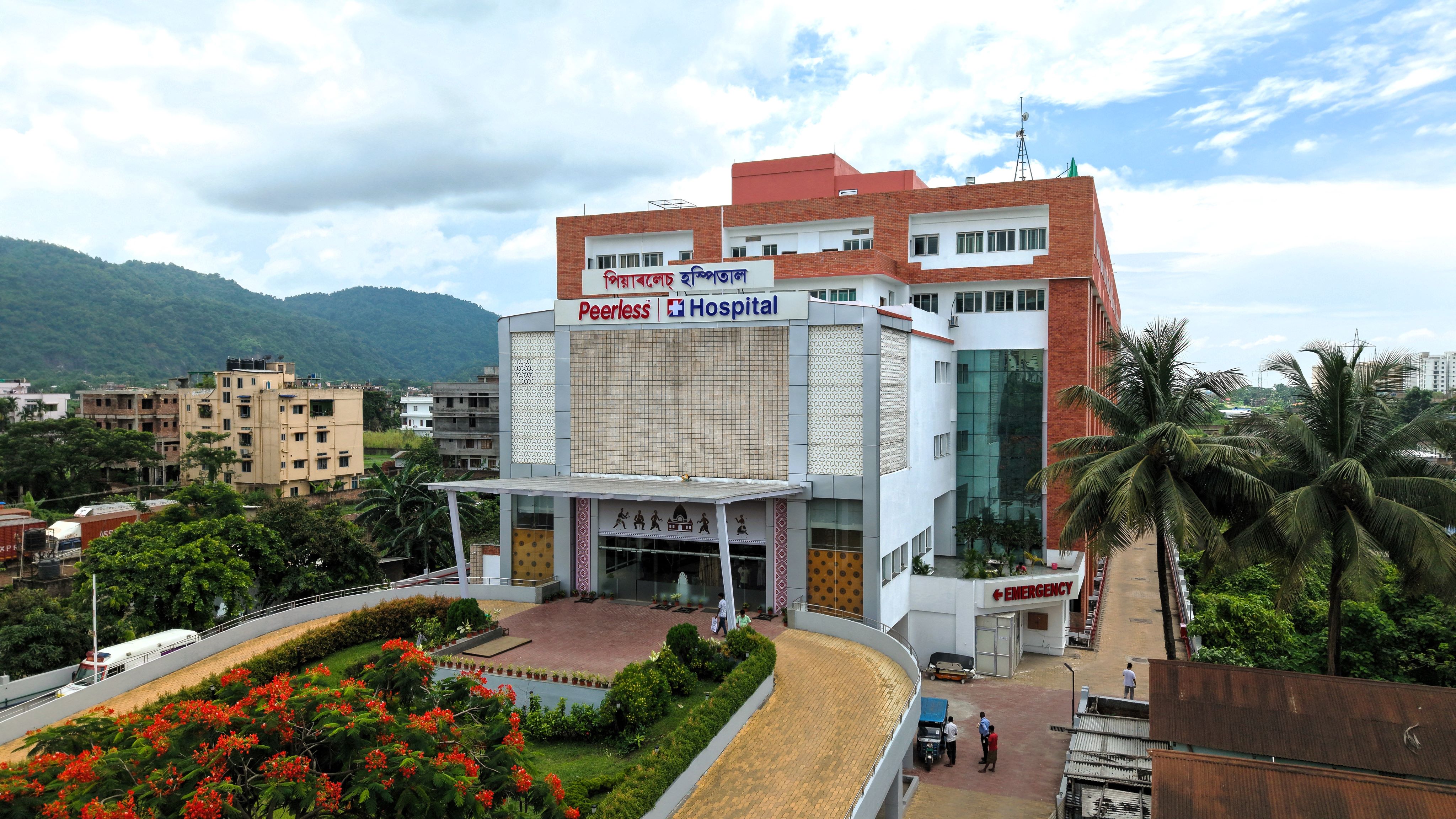
Since the MoU, Peerless Hospital has facilitated multiple clinical exposure sessions, specialist-led lectures and structured industry experiences for students of the Royal School of Medical & Allied Sciences (RSMAS). These initiatives have provided students with hands-on learning in a real hospital environment, ensuring that medical education remains aligned with contemporary healthcare challenges.
Under the partnership, RSMAS students will continue to receive opportunities across clinical training, internships, research, and academic exchange—bridging classroom learning with real-world medical practice in Eastern India.
The MoU was signed by Dr Gautam Kr Das, CEO, Peerless Hospital Guwahati; Dr Pranab Barua, Medical Superintendent & Director, Emergency Department, Peerless Hospital Guwahati; Dr Diganta Munshi, Registrar (Administration), The Assam Royal Global University; and Dr Abhijit Dutta, Dean, RSMAS, The Assam Royal Global University.
“We are witnessing a transformative period in healthcare, where the demand for highly skilled professionals far exceeds supply—especially in northeastern India,” said Dr Gautam Kr Das, CEO, Peerless Hospital Guwahati. “This partnership is helping address that gap meaningfully. By ensuring structured, specialised clinical exposure for students, we are preparing a workforce that is confident, competent, and ready for the future.”
He added that Peerless Hospital is committed to driving knowledge exchange beyond its own infrastructure.
“The need for industry-integrated medical education has never been higher. Our teams have already conducted several sessions at the university, and we remain open to partnering with more institutions that share our vision for skill development and healthcare capacity building in the Northeast.”
Since its inauguration in July, Peerless Hospital Guwahati has undertaken several community initiatives, including speciality OPDs, health camps, preventive screening drives, and neighbourhood wellness programmes. These efforts, along with the hospital’s academic collaborations, reflect its broader mission to improve healthcare quality, awareness, and accessibility across the region.
13, Jan 2026
ShardaCare Healthcity and GIFT Host Thalassaemia Awareness Program with Free HLA Testing Camp
ShardaCare Healthcity in Collaboration with GIFT Hosts Thalassaemia Awareness Program with a Free HLA Testing Camp: Giving Children a Chance at Cure
Greater Noida, Jan 13: ShardaCare Healthcity, a leading super-speciality hospital in Greater Noida, renowned for its advanced clinical capabilities and patient-centric approach, is organising a Bone Marrow Transplant (BMT) Awareness Program and Free Human Leukocyte Antigen (HLA) Testing Camp in collaboration with the Globally Integrated Foundation for Thalassaemia (GIFT). The camp will be led by Dr. Pawan Kumar Singh, Senior Specialist in Blood Disorders and Bone Marrow Transplantation. The awareness session will educate families about thalassaemia, available treatment options, such as bone marrow transplant, and the importance of early intervention. The free HLA testing camp will aim to identify suitable sibling donors – an essential factor for successful transplantation.
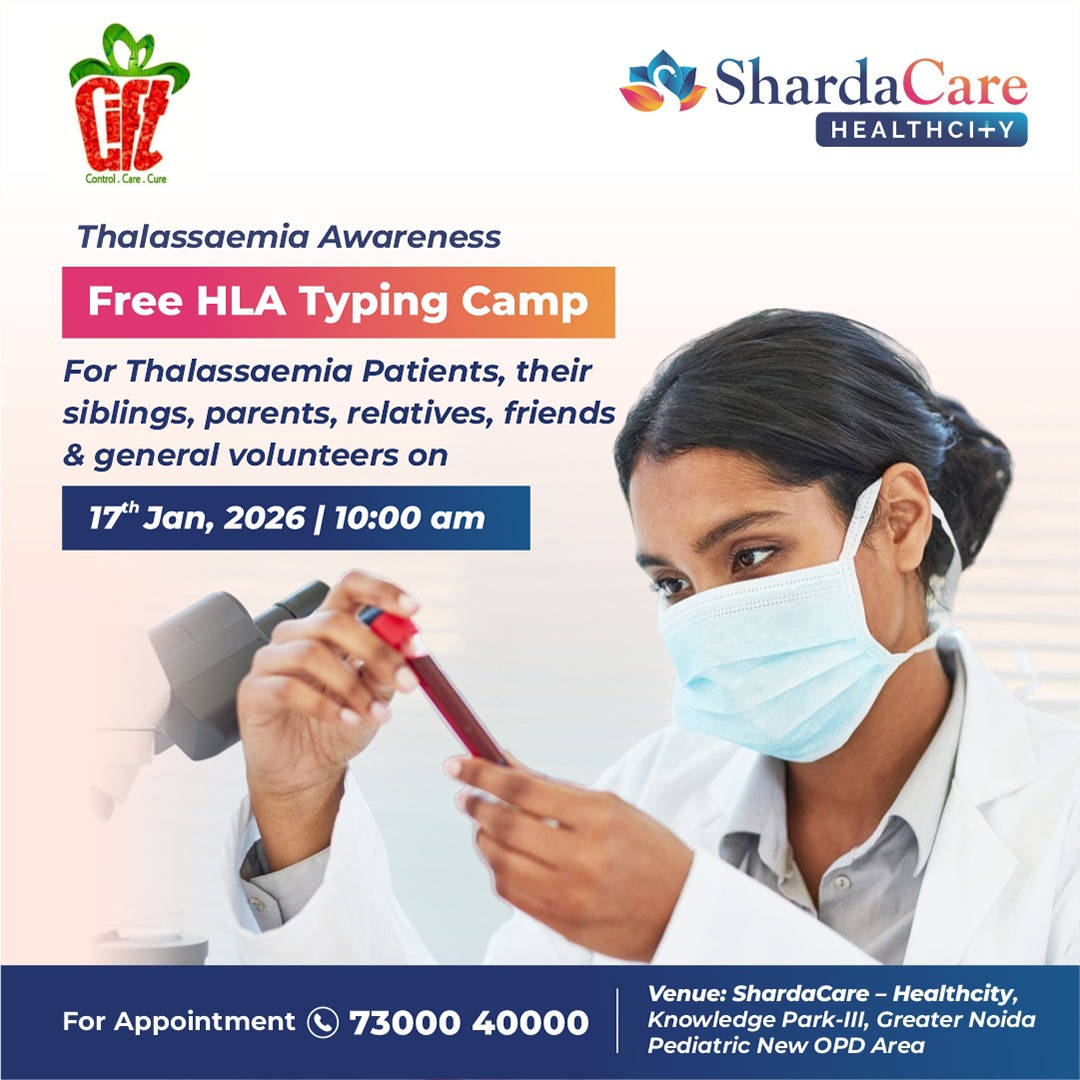
Thalassaemia is a serious paediatric blood disorder with far-reaching health implications. As a genetic condition, it often requires affected children to undergo lifelong, regular blood transfusions, placing a significant physical, emotional, and financial burden on families. India carries a substantial share of the global thalassaemia burden, with an estimated 10,000–15,000 children born with thalassaemia major every year. Despite this, limited awareness, delayed diagnosis, and restricted access to advanced treatments – such as Bone Marrow Transplant (BMT)- continue to pose major challenges. Encouragingly, medical advancements like BMT offer a curative option, holding the potential to free children from lifelong transfusions and dramatically improve their quality of life.
Dr Kousar Shah, Group CEO, Shardacare Healthcity, said,
“At ShardaCare Healthcity, our mission has always been to bridge the gap between advanced Healthcare and the people who need it most. Thalassaemia is a daunting challenge for any family, but with the right clinical expertise and timely intervention, it is a challenge that we can overcome. By hosting this HLA testing camp, we are not just providing a diagnostic service; we are providing a pathway to cure. We remain steadfast in our commitment to making high-end super-speciality treatments like Bone Marrow Transplants accessible and affordable, ensuring that every child has the opportunity to lead a life free from the burden of chronic illness.”
Dr. Pawan Kumar Singh, Senior Specialist in Blood Disorders and Bone Marrow Transplantation, said,
“Blood disorders such as thalassaemia is not just a complex medical condition – they place an immense emotional and financial strain on families. While Bone Marrow Transplant offers a life-changing and potentially curative solution, many children continue to remain undiagnosed or untreated due to limited awareness and access to resources. Through timely diagnosis, increased awareness, and improved access to care, we can give these children a real chance at a healthier and brighter future”.
Adding to this, Madan Chawla, Founder, GIFT, said,
“The very first and most critical step towards a bone marrow transplant is HLA testing. Unfortunately, this test is expensive and out of reach for many families. Without HLA testing, a transplant is simply not possible. Through this camp, our aim is to remove this barrier and offer free HLA testing to economically weaker families, enabling them to take the first step towards a cure.”
This initiative marks a significant step towards reducing the treatment gap for thalassaemia patients and reinforcing the commitment of GIFT and Sharda Care Health City towards inclusive and compassionate healthcare.
12, Jan 2026
Biopeak Powers a Cultural Shift in Fitness and Health as Exclusive Longevity Partner at Peakst8 Festival 2026
Biopeak, India’s first full-stack precision health platform, participated as the exclusive longevity partner at the Peakst8 Festival 2026, anchoring the festival’s health and recovery narrative through the Longevity Lounge, a science-led, immersive experience designed to help individuals understand, optimise, and regenerate their bodies in real time.
Hosted at the Centre for Sports Excellence, Bengaluru, the day-long festival brought together over 2,500 participants, including founders, athletes, creators, and fitness-forward urban consumers, as part of Rainmatter Health’s growing movement-led ecosystem. With 20+ brands, multiple movement stages, races, recovery experiences, and honest conversations around long-term performance, Peakst8 positioned fitness and health not as isolated goals, but as shared cultural practices.
From Fitness as Activity to Health as Awareness
At the heart of Biopeak’s presence was the Longevity Lounge, a calm yet high-engagement zone that saw 500+ participants move through a guided Detect → Optimise → Regenerate framework, offering a clear snapshot of how their bodies respond to stress, effort, and recovery.
- Detect helped participants understand baseline physiology through quick, non-invasive assessments related to cardiovascular readiness, oxygen delivery, stress handling, and body composition
- Optimise focused on nervous system training and adaptability using biofeedback, reaction-based challenges, and controlled hypoxia experiences
- Regenerate introduced targeted recovery protocols, including cold plunge, infrared sauna, and red light therapy, supporting recovery, downshift, and resilience.
By integrating precision health directly into a movement-first festival, Biopeak demonstrated how longevity can move beyond abstraction and become immediately experiential, personal, and actionable.
“What we’re seeing is a shift from fitness as effort to health as awareness,” said Rishi Pardal, CEO and Co-founder, Biopeak. “People already train hard and show up consistently. What’s missing is depth, understanding how their bodies respond, recover, and adapt over time. When that understanding happens in a shared environment like Peakst8, health stops being a solo optimisation exercise and starts becoming part of collective culture. That’s the future we’re building toward.”
Reframing the Future of Health in India
As part of the festival’s thought leadership initiatives, Shiva Subramaniam, CIO and Co-founder, Biopeak, participated in a panel discussion titled “The Future of Your Health: Why Everything You Know Is Changing.” The panel also featured Jitendra Chouksey, Founder & CEO of Fittr and Naresh Krishnaswamy, CEO, Curefit, bringing together perspectives from fitness, technology, and health entrepreneurship.
“In India, we’re at an inflection point where health is no longer just about access to care, but about interpretation,” said Subramaniam. “People are tracking more data than ever, yet still feel unsure about what truly matters. The next decade of health will be defined by our ability to translate signals into context, so individuals can make better decisions early, not reactively.”
Health as a Shared Cultural Practice
Peakst8 Festival brought together a diverse ecosystem of fitness, nutrition & wellness brands, reflecting a broader industry shift toward supporting everyday athletes and active communities. Biopeak’s presence at Peakst8 marks a step forward in its broader mission to bring precision health into everyday life, not just through clinics or programs, but by embedding deep health understanding into the environments where people already move, train, and connect. As interest in longevity, performance, and healthspan continues to grow, Biopeak plans to expand these experience-led formats, working closely with communities, athletes, and partners to help make informed, long-term health a practical norm.
12, Jan 2026
Festive Indulgence Takes a Toll on Health, Warn CARE Hospitals Doctors
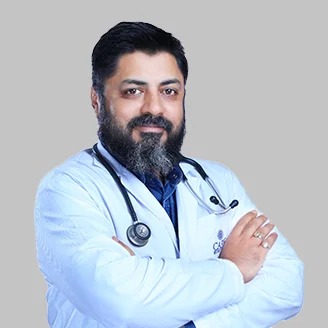
“After extended festive periods, many patients present with fatigue, acidity, uncontrolled blood sugar levels, elevated blood pressure and breathlessness. When celebrations continue without a break, the body does not get sufficient time to recover, increasing the risk of complications, particularly in people with diabetes, hypertension or obesity.”
“The liver is among the most affected organs during festive indulgence. Repeated consumption of alcohol and rich foods can worsen fatty liver disease, gastritis and other digestive disorders. Many patients seek medical attention only when symptoms persist well beyond the festive season.”
3, Jan 2026
Is Infertility Becoming a New Lifestyle Disorder?
By:- Dr. Sabia Mangat, Consultant – Gynaecologist, Reproductive Medicine and IVF, Milann Fertility Hospital, Chandigarh
India is witnessing a striking paradox: even as medical technology advances, more young couples are struggling to conceive. Fertility specialists across the country report a steady rise in infertility cases often in couples in their late 20s and early 30s. While medical conditions such as PCOS, endometriosis, low ovarian reserve, and poor sperm quality remain important causes, a growing body of evidence suggests that infertility today is increasingly shaped by modern lifestyle choices. From stress and screen addiction to delayed childbirth and dietary habits, infertility is rapidly emerging as a lifestyle disorder.
According to the latest Sample Registration System (SRS) data, the country’s Total Fertility Rate (TFR) has fallen to 1.9, below the replacement level of 2.1. Eighteen states and union territories including Delhi, Karnataka, Punjab, and West Bengal are now below replacement fertility. For the first time, even rural India has touched a TFR of 2.1, while urban areas have dipped to 1.5, reflecting shifting social patterns. Fertility is declining most sharply among younger women (15–29 years), while increasing marginally among women aged 30 and above, clear evidence of delayed parenthood making it the biggest contributor.
An increasing number of couples are choosing to postpone pregnancy while they build careers, achieve financial stability, or pursue personal goals. Although empowering, this trend collides with biological reality. Women are born with all the eggs they will ever have, and both egg quality and egg quantity begin to decline sharply after the age of 32. For men, long working hours, erratic meals, smoking, alcohol consumption, and chronic stress are linked to reduced sperm count and motility. Together, these factors are pushing infertility into the mainstream as a lifestyle-driven phenomenon.
The urban lifestyle is another major catalyst. Long workdays, high-pressure environments, sedentary habits, and chronic screen exposure are now common across age groups. Stress has become a new normal in today’s life. And, stress triggers hormonal imbalances that affect ovulation in women and testosterone levels in men. Again, the increase in desk jobs has also led to an epidemic of obesity, and other other risk factors for ovulatory issues, insulin resistance, erectile dysfunction, and poorer IVF outcomes. Even the non-uniform working hours lead to sleep deprivation, excessive social media use, or irregular routines, disrupting hormonal cycles essential for fertility.
Diet, too, plays an increasingly important role. The growing dependence on processed foods, sugary beverages, refined carbohydrates, and high-salt snacks fuels inflammation and metabolic disorders that interfere with reproductive health. According to fertility experts, a Mediterranean-style diet, supports better hormonal balance and improves both egg and sperm quality. However, for many urban Indians, convenience often takes precedence over nutrition, leading to deficiencies in essential vitamins, minerals, and antioxidants.
Environmental factors have also been linked to declines in fertility. Air pollution, endocrine-disrupting chemicals in plastics, pesticides in food, and everyday exposure to cosmetics and household products containing harmful chemicals have been linked to declining fertility rates globally. These disruptions mimic or interfere with the body’s natural hormones, affecting menstrual cycles, sperm development, and embryo implantation.
What makes infertility particularly complex is the emotional landscape surrounding it. Modern lifestyles leave little room for rest, reflection, or interpersonal connection, creating a sense of isolation among couples facing fertility challenges. The added pressure of societal expectations, competitive careers, and financial commitments only intensifies the emotional burden. Mental health issues such as anxiety, burnout, and depressive symptoms, create a vicious cycle, further affecting hormonal and reproductive health.
Recognising infertility as a lifestyle disorder is the first step toward prevention. Time has come to take proactive approaches, such as: regular health screenings, maintaining a healthy diet, staying physically active, reducing smoking and alcohol consumption, managing stress through yoga or mindfulness, and prioritising 7–8 hours of sleep. For couples planning to delay pregnancy, fertility preservation options such as egg or sperm freezing offer greater reproductive flexibility.
Infertility is caused by genetic and biological factors, but the rise in number reflects a deeper lifestyle shift. As work pressures intensify, diets become more processed, and stress becomes a constant companion, reproductive health inevitably takes a hit.
29, Dec 2025
Fortis Gurugram Honours Security Staff for Exemplary Integrity
Gurugram, Dec 29:- At Fortis Memorial Research Institute, Gurugram, ethics, integrity and a patient-first approach are not just guiding principles, but values practised every day by its staff across all functions. This commitment was exemplified recently by two members of the hospital’s security team, whose honesty and presence of mind ensured that lost cash was safely returned to distressed patients and attendants.
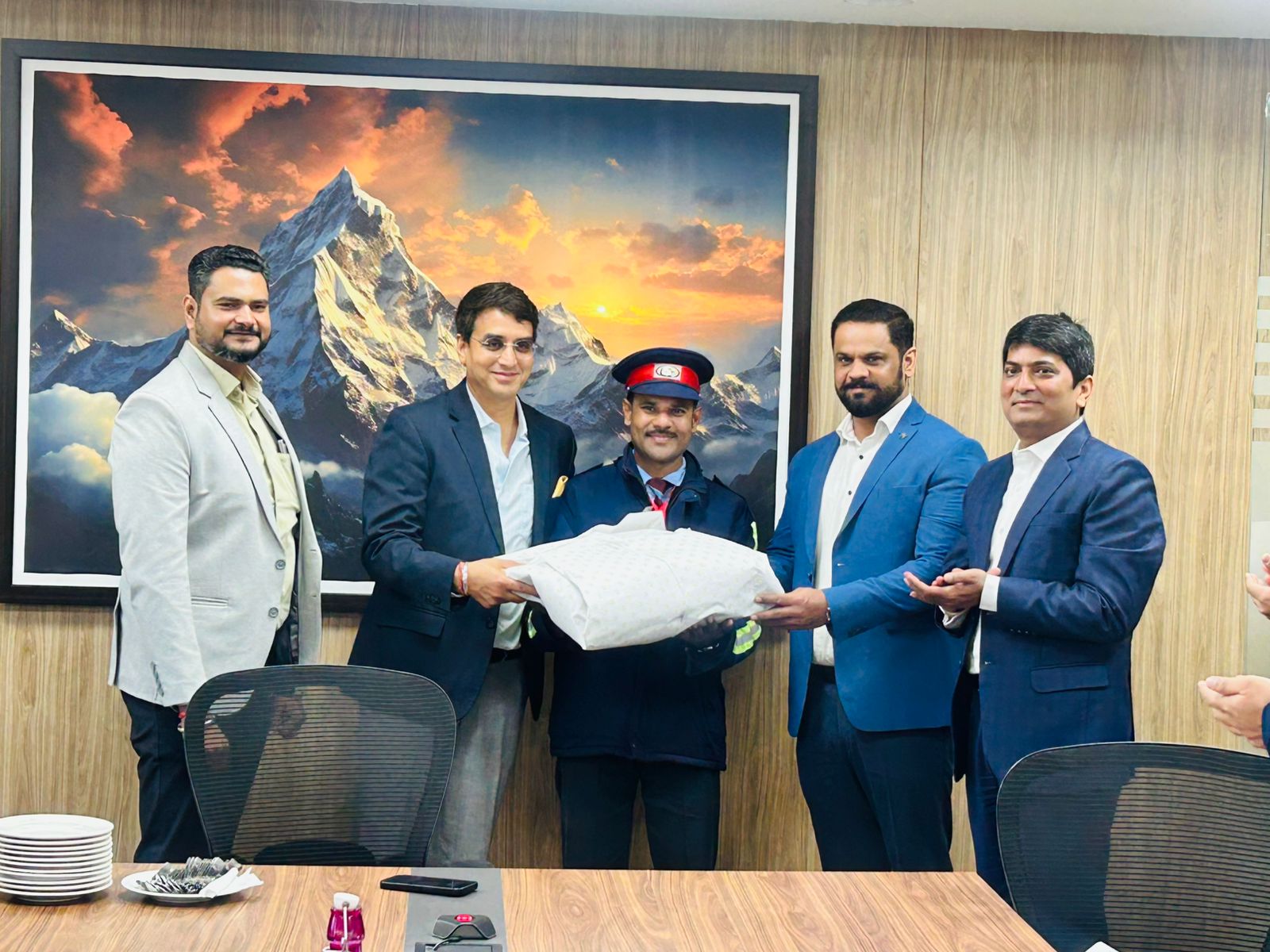
In the first incident, a security guard found a black purse on the lower ground floor of the hospital premises and immediately handed it over to the Shift In-charge. On verification, the purse was found to contain Rs. 63,000 in cash along with important documents, including Aadhaar Card, Driving Licence, PAN Card and ATM cards.
Shortly thereafter, a patient visiting the Orthopaedics OPD reported the loss. After identity verification and a review of CCTV footage, the purse and its contents were promptly returned to the rightful owner, bringing immense relief to the patient.
In another incident, Mr. Ranjit Rai, posted at the main porch, noticed an unattended packet, and immediately informed the security officer on duty. The packet was found to contain Rs. 1.40 lakh in cash. The matter was escalated to the Management on Duty, and soon after, a patient attendant reported the loss of money from the hospital premises. CCTV verification confirmed the claim, and the recovered cash was returned to him.
For the individuals who lost the money, many are already under emotional stress due to ongoing medical treatment, the timely recovery came as a deep relief, reinforcing their trust in the hospital’s systems and staff.
In recognition of their exemplary conduct, Fortis Memorial Research Institute, Gurugram felicitated Mr. Ranjit Rai and Mr. Ashok Kumar. The appreciation ceremony was attended by Yash Rawat, Facility Director; Ravi Ranjan, SBU HR Head; Mr. Yogender Singh, Unit Head General Administration and Mr. Sawan Dahiya, Chief Security Officer.
Speaking on the occasion, Yash Rawat, Facility Director, Fortis Memorial Research Institute, Gurugram, said,
“Healthcare is built on trust, and that trust goes far beyond clinical care to every interaction within the hospital. The honesty, vigilance and compassion displayed by our security staff reflect the strong value system we uphold at Fortis. Such acts of integrity, though simple, leave a lasting impact, reassuring patients, and families that they are in a safe, ethical environment and strengthening the bond between caregivers, patients, and the community we serve.”
23, Dec 2025
NIIMS–Yashoda Medicity Conclude 20th International Spine & Pain Workshop
NIIMS Medical College in Association with Yashoda Medicity Concludes 20th International Spine & Pain Live-cum-Cadaver Workshop
Noida, Dec 23: Noida International Institute of Medical Sciences, Medical College, Noida International University, in collaboration with Yashoda Medicity, Indirapuram, successfully concluded its 20th International Spine & Pain Live-cum-Cadaver Workshop, an intensive 8-day academic and hands-on training program aimed at advancing pain management practices among medical professionals.
The workshop witnessed participation from delegates across India and abroad, making it a significant international academic event in the field of pain medicine. The program was conducted and mentored by Dr. Neeraj Jain, an internationally acclaimed pain specialist, marking his 20th consecutive training workshop dedicated to skill enhancement and knowledge upgradation of pain physicians. Dr. Shantanu Mallik from Mumbai also played a key role in training faculty members and delegates during the workshop.
Dr. Neeraj Jain, in his keynote, said,
“Conducting the 20th International Spine and Pain Live-cum-Cadaver Workshop has been a deeply fulfilling experience. The core objective of this initiative is to empower pain physicians with precise anatomical understanding, evidence-based techniques, and hands-on expertise so that chronic pain can be managed effectively without unnecessary surgical interventions. By continuously upgrading skills through structured training, we aim to build a strong community of pain specialists who can deliver safer, more accurate, and patient-centric pain management solutions across the country and beyond.”
The cadaveric training sessions, hosted at the Noida International Institute of Medical Sciences, provided participants with hands-on exposure to advanced spine and pain intervention techniques. Faculty members from Yashoda Medicity, including Dr. Sunil Sharma, Dr. Rajshree, and Dr. Rakhi Goyal, contributed actively to the academic sessions, sharing clinical insights and best practices.
Dr. Ranjit Ghuliani, MS, NIIMS, said,
”We are deeply grateful to our leadership for their constant encouragement and visionary support. I sincerely thank Dr. Devesh Kumar Singh, Chairman, Noida International University, and Dr. Uma Bhardwaj, Vice Chancellor, NIU, for fostering an academic environment that enables such high-impact international programs. My appreciation also extends to Mr. Raj Vardhan Dixit for his invaluable guidance and administrative support, which played a crucial role in the smooth and successful conduct of this workshop. Such initiatives significantly strengthen our commitment to excellence in medical education and advanced clinical training.”
Addressing the growing relevance of pain medicine, experts highlighted that chronic pain has emerged as a widespread health concern, affecting individuals across all age groups. Conditions such as low back pain, sciatica, neck pain, knee pain, and other joint-related disorders are increasingly prevalent. With a strong emphasis on non-surgical pain management, pain physicians are emerging as frontline specialists in addressing this modern healthcare challenge.
Workshops like these, regularly conducted by Dr. Neeraj Jain, play a crucial role in enhancing the clinical capabilities of pain specialists while also contributing to greater awareness about advanced pain management options among the medical community and the general population.
22, Dec 2025
A Conqueror of Death: The Zambian Nurse Who Defied All Odds
Hyderabad, Dec 22: Extraordinary self-belief, unwavering hope, and world-class medical care came together to turn a 27-year-old nurse from Zambia into a true conqueror of death. Her name is Mumba Margaret. She was diagnosed with one of the most aggressive and life-threatening blood cancers—Acute Myeloid Leukaemia (AML). The cancer was first detected in September 2023. Doctors advised that she required highly advanced treatment and a stem cell (bone marrow) transplant. Determined to survive at any cost, she travelled thousands of miles and reached KIMS Hospital, Secunderabad, seeking hope and life.
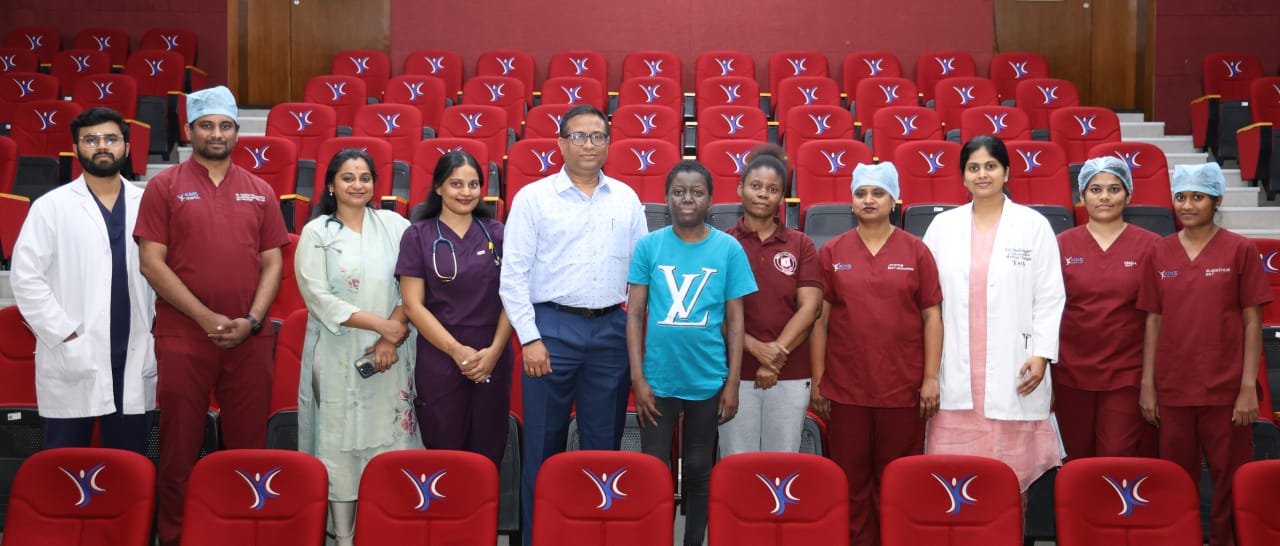
Mumba Margaret’s treatment journey was far from easy. Even before the stem cell transplant could be performed, she was diagnosed with tuberculosis. During treatment, the leukemia relapsed, making another round of chemotherapy necessary. In the meantime, she suffered multiple severe infections. Despite facing countless complications, Mumba remained hospitalized for nearly 40 days, fighting with remarkable courage and resilience. Details of her condition and the treatment provided were shared by Dr. Narendra Kumar Thota, Head of the Hemato-Oncology Department, Stem Cell and Bone Marrow Transplant Specialist at KIMS Hospital, along with his team.
On June 19, 2025, Mumba Margaret underwent her first stem cell transplant at KIMS Hospital. However, post-transplant, she developed extremely rare and life-threatening complications that occur in only a very small number of patients. One of them was dyselectrolytemia, a condition where levels of sodium, potassium, calcium, magnesium, and chloride in the blood rise dangerously, which can lead to severe weakness, nausea, vomiting, seizures, kidney failure, and other serious risks. She also developed febrile neutropenia, a condition marked by a drastic reduction in white blood cells that fight infections. Additionally, her heart and lung functions were severely compromised.
She further suffered from Posterior Reversible Encephalopathy Syndrome (PRES), which caused sudden headaches, seizures, blurred vision, confusion, loss of consciousness, and swelling in the posterior part of the brain.
At one point, it seemed there was almost no chance of survival. Mumba experienced more than seven cardiac arrests, requiring repeated CPR to revive her. Each time, the stem cell transplant team, critical care specialists, and cardiology teams made relentless efforts to save her life. Alongside this extraordinary medical intervention, Mumba herself displayed incredible mental strength and an unyielding will to live. The highest standards of medical care, coordinated multidisciplinary treatment, advanced technology, and constant vigilance by the medical teams at KIMS ultimately turned the tide in her favour.
Today, Mumba Margaret stands as a symbol of hope. Having conquered aggressive leukaemia and survived a series of life-threatening complications, she has reclaimed her life. After months of intensive treatment, she is now healthy and stable. She is fully prepared to return to her home country, Zambia, with renewed strength. With the joy of reuniting with her family and the dream of resuming her nursing profession, she is ready to begin a new chapter of life.
Mumba’s journey is a testament to the power of modern medicine and the unwavering commitment of the KIMS Oncology Department. The dedication of the haematology and stem cell transplant teams, combined with the extraordinary courage of this young nurse, secured her future. Her life story proves that courage has no limits—and that with the right treatment and strong hope, even the toughest battles can be won.
22, Dec 2025
KIMS Hospitals Launches Spine Robot for First Time in Telugu States
Hyderabad, Dec 22: KIMS Hospitals CMD Dr. Bollineni Bhaskar Rao stated that the hospital has always been at the forefront of adopting the latest medical innovations from across the world. He was speaking at a programme held at a Novotel hotel in the city on the occasion of the launch of the Spine Robot, introduced for the first time in the Telugu states.
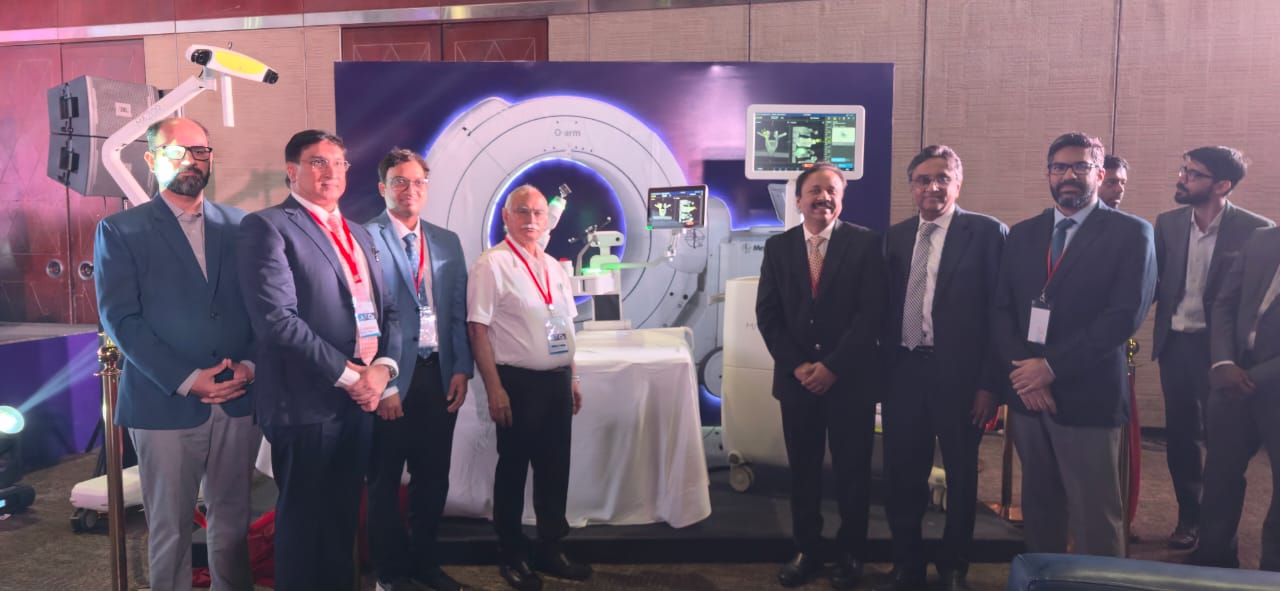
Dr. Bhaskar Rao said that spine-related surgeries demand the highest level of precision and that no hospital in the Telugu states had so far used robotic technology for such procedures. By introducing the spine robot for the first time, KIMS Hospitals has ushered in a new era in spine surgeries, he added. Earlier, Chief Robotic Joint Replacement Surgeon Dr. Anne Sai Lakshman welcomed the guests attending the programme.
Later, Senior Consultant Neurosurgeon and Head of the Neurosurgery Department at KIMS Hospital, Dr. Manas Kumar Panigrahi, explained that the spine robot, manufactured by US-based Medtronic, will be installed at KIMS Kondapur Hospital. During surgery, a CT scan is taken and fed into the robot, enabling surgeons to pre-plan the placement of screws and the extent of bone cutting required. The robot then fixes the screws with 99.9% accuracy, ensuring virtually no risk of nerve damage and better patient recovery, he said.
KIMS Sunshine Hospital MD and Chief Joint Replacement Surgeon Dr. AV Gurava Reddy said that
“robotic systems have already ensured complete accuracy in knee replacements and other surgeries. By extending robotic technology to spine surgeries, KIMS Hospitals has created a new chapter in medical history”, he remarked.
Consultant Minimally Invasive Spine Surgeon at KIMS Kondapur, Dr. K. Srikrishna Chaitanya, said that
“robotic spine surgery is especially beneficial for children, particularly for treating spinal deformities such as hunchback, where absolute precision is critical.”
Consultant Neurosurgeon and Minimally Invasive Spine Surgeon at KIMS Hospital, Dr. BV Savithr Sastry, noted that robotic spine surgery is currently available at only four or five centres across India, and none in Telangana or Andhra Pradesh. Introducing this advanced surgical robot at KIMS Kondapur Hospital is a matter of great pride, as it enables the highest standards of patient care, he said.
During the programme, Dr. Soumyajit Basu, Head of the Spine Surgery Department and Director of the Spine Fellowships Programme at Kothari Medical Centre, Kolkata, also spoke and congratulated the KIMS Hospital management for bringing such advanced medical technology to the Telugu states.


