


10, Dec 2025
Spinz Expands Glow Skincare Portfolio, Enters High-Growth De-Tan Segment
Chennai, Dec 10: Spinz, the flagship skincare brand from the house of FMCG major CavinKare, today announced a significant expansion of its glow-focused skincare portfolio with the launch of the Spinz DeTan Face Pack. Building on the strong consumer response to its BB Cream and India’s first-ever BB Face Powder, the brand is now entering the high-growth detan skincare segment with a product designed to deliver complete glow care from daily enhancement to weekly rejuvenation. Spinz’s entry into the detan category marks a strategic step in offering consumers a more holistic, end-to-end glow regimen. The new DeTan Face Pack debuts on leading e-commerce platforms, reflecting the brand’s intent to strengthen its presence in the digital-first skincare space.

The Spinz DeTan Face Pack features an advanced no-bleach formulation, crafted to gently clear tan and impurities while deeply nourishing the skin. With rising sun exposure and increased time spent outdoors, tanning has become a common skin concern – often leaving the complexion looking dull, uneven, and fatigued.
Enriched with honey, Besan & Kojic, Spinz’s DeTan Face Pack works to exfoliate the dead skin cells, reduce dullness, to reveal brighter, more even-toned skin with 100% salon like glow at home, within just 15 minutes of application. While honey helps soothe and moisturize the skin, besan gently lifts impurities and excess oil, and Kojic works to lighten pigmentation, together creating a powerful blend for visible brightness and clarity. This potent trio not only targets dullness at the root but also boosts the skin’s natural radiance. Dermatologically tested, the product is suitable for all skin types and ideal for regular weekly use.
Commenting on the launch, Mr. Rajat Nanda, Business Head – Personal Care, CavinKare, said,
“Glow has always been at the heart of Spinz’s skincare proposition. With the launch of the Spinz DeTan Face Pack, we are expanding this promise by giving consumers a complete glow solution, from everyday radiance with Spinz BB Cream and BB Face Powder to deeper rejuvenation with this detan face pack. The segment presents immense potential, driven by rising skincare awareness, self-care trends and a strong preference for salon-like results at home. This launch not only strengthens our skincare portfolio but also reinforces Spinz’s commitment to making high-performance glow care accessible to all.”
- 0
- By Neel Achary

9, Dec 2025
Scrub Typhus on the Rise: Key Prevention Tips for 2025
Hyderabad, Dec 9:- Andhra Pradesh is witnessing an unusual spike in Scrub typhus cases this season, with more than 174 confirmed infections and Visakhapatnam reporting over 130 cases, according to state health officials. The disease, which has already claimed eight lives, is prompting renewed attention to preventive health and personal immunity.
Scrub typhus is not new to India, but its rising incidence in rural and semi-urban pockets has become a growing concern. The infection is caused by a bacterium called Orientia tsutsugamushi, spread through the bite of infected chiggers tiny larval mites found in grassy, bushy, and wooded areas. The CDC notes that the illness is common in parts of Southeast Asia, the Indian subcontinent, and other tropical regions.
How the Disease Spreads;
People generally contract scrub typhus when they come into contact with vegetation where infected mites are present. Farmers, field workers, children playing outdoors, and individuals living near dense greenery are at higher risk. Symptoms often begin with fever, body aches, headache, and may escalate if untreated.
Prevention Is the Strongest Defence;
Public health experts emphasise simple but effective prevention measures:
- Avoid sitting or sleeping directly on grass.
- Wear full-sleeved clothing when in fields or forested areas.
- Keep surroundings clean and free from overgrown vegetation.
- Seek immediate medical attention if fever develops after outdoor exposure.
Can Immunity Play a Role?
While environmental precautions are essential, many doctors believe that strong baseline immunity can influence how the body responds to infections.
Hyderabad-based classical homeopathy practitioner Dr. Anubbha explains that long-term constitutional care can help improve an individual’s resistance to seasonal and vector-borne illnesses.
“In classical homeopathy, each remedy is tailored to the person’s genetic constitution. When immunity is strengthened, the body becomes less reactive to infectious triggers. We observed this even during COVID-19—patients with consistent constitutional support tended to cope better,” she says.
According to Dr. Anubbha, classical homeopathy does not act as a vaccine, but it enhances the body’s internal defence system, helping individuals remain more resilient when exposed to infections like scrub typhus.
Holistic Prevention Matters;
Experts agree that a combined approach works best:
- Environmental care to reduce exposure
- Timely diagnosis to prevent complications
- Immunity-building practices, including classical homeopathy, for long-term resilience
As scrub typhus cases continue to rise in Andhra Pradesh, a stronger focus on prevention and personal immunity can help communities stay prepared and protected.
Dr. Anubbha, BHMS,
Classical Homeopathy Specialist,
Dr. Anubbha’s Homeopathy, Kondapur & Masab Tank.
8, Dec 2025
Indo–Italian Medical Consensus Sounds Alarm on Paediatric Sarcoma; Experts Urge Action on Early Diagnosis
Bengaluru, Dec 8: Indo–Italian experts from India, Italy, Malaysia, and Singapore convened in Bengaluru for the Indo–Italian Consensus Meet on Sarcoma and Complex Orthopaedic Reconstruction, held on December 5th & 6th at Bengaluru. The two-day conference, is a collaborative medical conference organised by the Global Healthcare Academy, focusing on paediatric/adult sarcoma care, complex reconstructions, 3D printing, regenerative medicine, and precision orthopaedic oncology via expert panels and hands-on workshops.
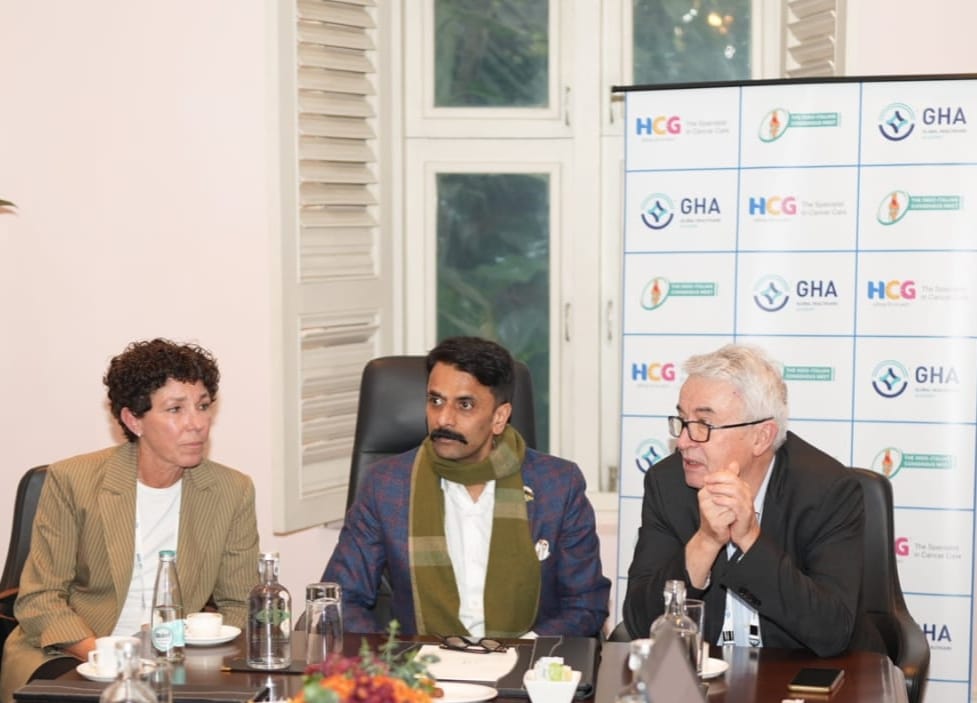
Experts at the meet advised that late detection, misdiagnosis, and gaps in national cancer policy continue to cost young lives and limbs. The conference, themed “Sarcoma Advances, Genomics & Immunotherapy,” brought together more than 200 leading specialists in orthopedics, oncology, paediatric oncology, radiology, and reconstructive surgery for high-level discussions, live demonstrations, and consensus building on clinical protocols.
The deliberations were led by eminent global faculty, including Dr. B.S. Ajaikumar, Founder & Chairman, HealthCare Global Enterprises Ltd; Dr. Pramod Chinder, Orthopaedic Surgeon and Group Director – Orthopaedic Oncology, HCG Cancer Centre; Dr. Marco Manfrini, Orthopaedic Surgeon, Istituto Ortopedico Rizzoli, Bologna; Dr. Laura Campanacci, Musculoskeletal Oncology, Istituto Ortopedico Rizzoli, Bologna; as well as keynote speakers Dr. Vivek Ajit Singh, Professor and Head of Orthopaedic Oncology, University Malaya, and Dr. Kumaran Rasappan, Adjunct Assistant Professor, National University of Singapore.
Dr. B. S. AjaiKumar, Founder & Chairman, HealthCare Global Enterprises Ltd said that
“Sarcomas are preventable when diagnosed early and treated the right way, the first time. The Indo-Italian Consensus Meet marks an important milestone in bringing together global expertise to complement and strengthen our standards of care. By increasing awareness, ensuring rapid access to MRI, and establishing a national Sarcoma Registry, we can enable timely diagnosis, higher limb-salvage rates, and equitable care for patients across India – whether they live in Bengaluru or in a small rural town. The central goal in sarcoma management is to prevent recurrence. This is only possible when every patient – child or adult – receives evidence-based, multidisciplinary, first-time-right treatment. Over several decades, HCG has built one of the largest sarcoma programs in the country. Our experience – particularly that of Dr. Pramod Chinder, who has treated more than 5,000 sarcoma cases – shows that these cancers can be definitively treated with strong long-term outcomes when handled correctly from the outset.
While international protocols provide a basic scientific platform, our true strength lies in making these guidelines patient-centric and India-specific. We refine them using our own extensive clinical data, high case volumes, and deep understanding of disease patterns unique to Indian patients. With the integration of genomics, precision diagnostics, and innovative treatment planning, we continue to improve outcomes and ensure that no patient is denied the chance of a cure.”
He further added that
“One of the most compelling examples of what timely, expert, multidisciplinary care can achieve is the limb-saving surgery Dr. Pramod performed on a 20-day-old newborn – an outcome that reflects the level of expertise now available in our country and underscores what is possible with the right approach. With continued collaboration, scientific rigor, and a national commitment to early detection, we can significantly reduce recurrence rates and ensure that every sarcoma patient – child, adolescent, or adult – receives world-class, first-time-right care.
Imagine a young person waking night after night with leg pain, dismissed as growing pain or a sports injury – until scans finally reveal bone cancer. This is the reality we must change. It reinforces why early diagnosis and timely, first-time-right treatment are absolutely critical.”
Experts highlighted that sarcomas are often diagnosed late in India, particularly in children, because early signs are frequently overlooked by parents and primary care physicians. Symptoms such as swelling around the knees or shoulders or persistent pain are commonly mistaken for minor injuries, leading to avoidable delays. Population-based cancer registry data reinforce this concern, showing that 68% of Ewing Sarcoma cases occur in the 0–19 age group, with the highest incidence in children aged 10–14 years.
Parents are advised to watch for red flags such as persistent bone pain for weeks, night pain, a growing lump or swelling, limping or reduced mobility, fractures from minor injuries, and unexplained fever, weight loss, or fatigue. These symptoms warrant immediate medical evaluation.
Dr. Pramod S. Chinder, Orthopaedic Surgeon, Group Director – Orthopaedic Oncology, HCG Cancer Hospital, said:
“The biggest tragedy in sarcoma care is when a child loses a limb simply because the first surgery was not done right. Early MRI, correct biopsy, and a multidisciplinary approach are non-negotiable. Our collaboration with leaders from the Rizzoli Orthopaedic Institute, Italy, brings world-class limb-salvage techniques, 3D-printed implants, and precision navigation to Indian practice.”
He further added that this partnership will directly strengthen clinical pathways, reduce misdiagnosis, and help save more limbs and more childhoods across India. Over 15 years, “We have managed more than 6,000 bone tumours, including up to 3,000 sarcomas, and our experience shows one clear truth that sarcomas are highly curable when treated correctly the first time. With proper chemotherapy, high-quality limb-salvage surgery, and standardised reconstruction, long-term survival exceeds 70%, and our survivors go on to become doctors, engineers, entrepreneurs, and athletes.”
In India, cancers affecting the bones and muscles make up only about 1% of all cancers, making them among the rarest forms; yet they are nearly 70% curable when diagnosed early and treated appropriately, especially in children. The Indo–Italian collaboration holds particular significance as India’s policy framework for bone and muscle sarcomas is still evolving, while Italy’s sarcoma program is widely regarded as a global gold standard.
According to Dr. B. S. AjaiKumar, this conference marks a Significant step toward developing an organized Sarcoma Registry for India, a crucial requirement in today’s AI-driven healthcare era, where accurate data and precision-guided care can significantly improve survival outcomes.
Specialists cautioned that sarcoma outcomes worsen when the first surgery is performed incorrectly, often due to swelling being mistaken for infection or a harmless lesion. Such errors can lead to improper incisions or incomplete tumour removal, severely limiting limb-salvage options.
The meet highlighted advanced technologies transforming sarcoma care, including robotic navigation, 3D-printed implants, targeted chemotherapy, and image-guided minimally invasive treatments. Experts noted that these innovations, supported by genomics and immunotherapy, are dramatically improving limb-salvage success.
Despite being highly treatable when diagnosed early, sarcomas remain excluded from most public health schemes, leaving families with significant financial burdens. Experts called for insurance coverage, wider MRI access, regional referral centres, and a mandatory national Sarcoma Registry to improve timely, equitable care.
8, Dec 2025
MGM Healthcare Rolls Out Ambulance with ICU-Level Heart–Lung Support
Chennai, Dec 8th: MGM Healthcare, a leading multispecialty hospital in the city, has unveiled its state-of-the-art Mobile ECMO Unit, an advanced emergency service that provides ICU-level heart-and-lung life support and rapid on-site stabilisation for patients in severe cardiac or respiratory failure, significantly improving survival by reducing delays in initiating life-saving care.
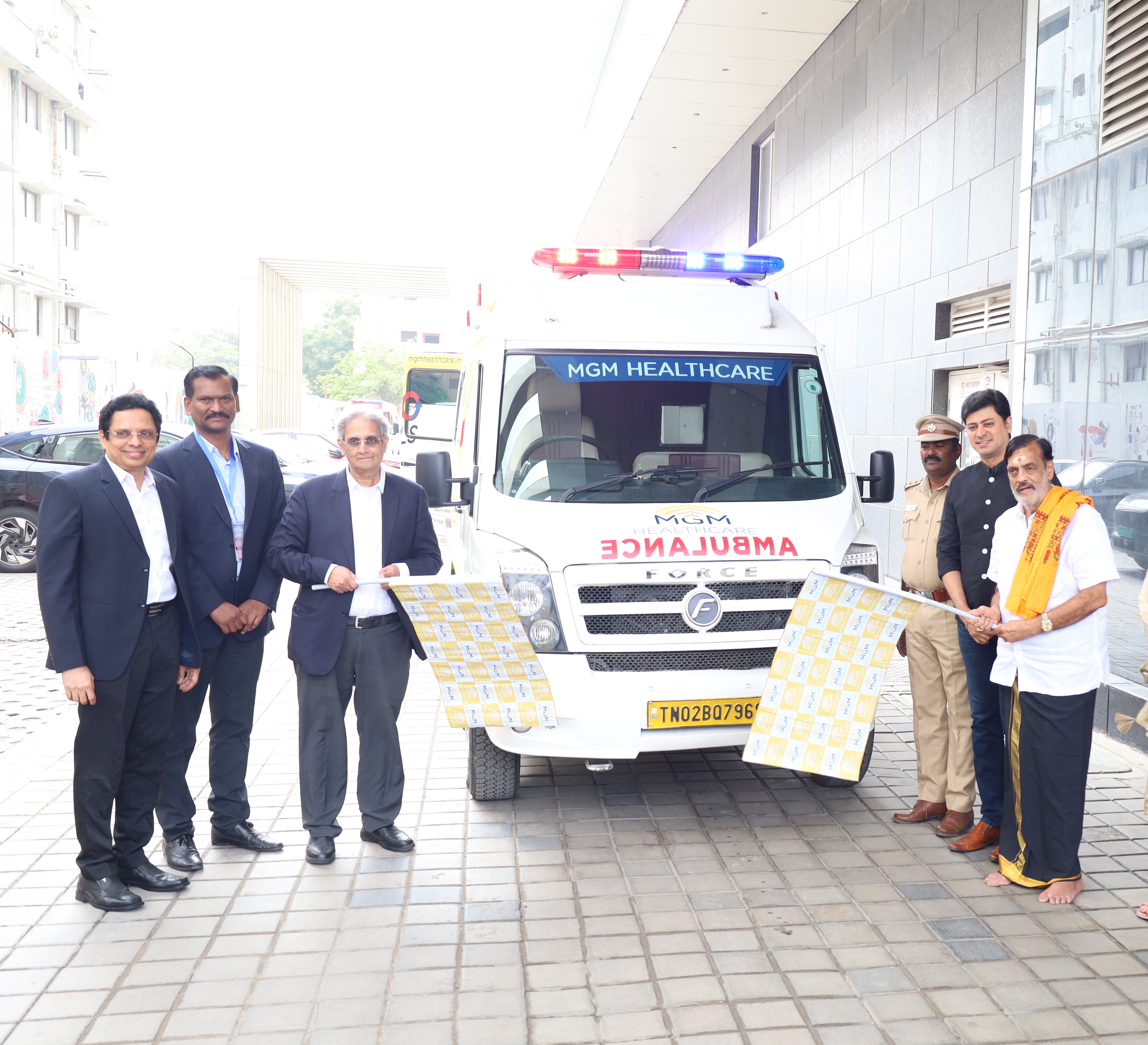
The mobile unit was launched by ACP P.K Ravi, Mr. M.K Mohan, Member of the Legislative Assembly, Anna Nagar Constituency and Dr. Rajesh, Managing trustee, ALERT Foundation, in the presence of Dr. K. R. Balakrishnan, Director of Heart & Lung Transplantation, Dr. Suresh Rao, Co-Director, Institute of Heart & Lung Transplant, and Dr Senathi Nanda Kishore, Clinical Director, Senior Consultant & Clinical Lead, Anaesthesiology and Surgical ICU, MGM Healthcare.
Extracorporeal Membrane Oxygenation (ECMO) is a life-support technique in which blood is circulated outside the body, oxygenated through an artificial lung (membrane), and then pumped back in. ECMO is used when the heart or lungs are so severely impaired that conventional treatments such as medications, ventilators, or CPR can no longer maintain adequate oxygenation or circulation. It is critical in life-threatening conditions such as cardiac arrest, cardiogenic shock, severe heart attacks, massive pulmonary embolism, advanced pneumonia, ARDS, and uncontrolled respiratory failure. Along with the ECMO unit, they also conducted an advanced CME for equipping professionals with emergency and critical care beyond CPR and inotropes.
In his comments, Dr Senathi Nanda Kishore said,
“Timely access to ECMO can be the difference between life and death in cardiopulmonary emergencies. Traditionally, ECMO support has been available only at highly specialised hospitals but there can be delays in reaching them. For patients suffering severe heart or lung failure in remote locations, every minute without adequate oxygenation or circulation raises the risk of irreversible organ damage, brain injury, or cardiac arrest. The new Mobile ECMO Unit bridges that critical gap by bringing advanced heart–lung life support directly to the patient’s location. It is staffed by expert critical-care physicians, perfusionists, and nurses who enable rapid on-site stabilisation and initiation of life-saving therapy even before hospital arrival.”
Dr K R Balakrishnan, said,
“When all other traditional resuscitative strategies have been exhausted, ECMO is the only alternative left to save the life. ECMO is a resource-intensive, high stakes intervention reserved for the sickest patients, designed to provide temporary, life sustaining support in critical moments. Our goal is to provide timely, high-quality ECMO to every patient, wherever they are. By bringing an experienced ECMO team and a fully equipped mobile unit directly to the patient’s bedside, ECMO on Wheels reduces transfer delays, stabilises patients early, and delivers life-saving cardiopulmonary support exactly when it’s needed.”
In his comments, Dr. Suresh Rao said,
“The Mobile ECMO Unit marks a major leap forward in emergency critical care. It allows us to reach patients with severe heart failure, advanced pneumonia, Acute Respiratory Distress Syndrome (ARDS), a severe lung condition causing dangerously low oxygen levels, or pulmonary embolism, a condition of blood clot in the lungs, much faster, initiate life-saving support on-site, and safely transport even the sickest individuals. By extending ICU-level care to remote locations and reducing delays in treatment, this service is set to transform outcomes for patients who would otherwise have little chance of survival.”
6, Dec 2025
Free Artificial Limb Measurement Camp
For the 19th year Karnataka Marwari Samaj in association with Bhagwan Mahaveer Vikalang Sahayata Samiti (Jaipur Foot) organizing a ‘Free Artificial limb Measurement Camp “. The camp, organized in association with Bhagwan Mahaveer Viklang Sahayata Samiti (BMVSS), will offer free fittings of artificial limbs, calipers, crutches, and other assistive devices. A team of experienced prosthetic and orthotics experts will assess patients and provide personalized care.
The measurement camp will be conducted on Saturday 6th December 2025 at Maharaja Agrasen Bhavan, near Ashoka Pillar, Jayanagar, Bengaluru -560011, Time 8:00 am to 3:00 pm.
Speaking on the announcement Pravin Tulsiyan President KMS said
“committed to serving humanity and empowering differently-abled individuals. This initiative is part of our ongoing efforts to support individuals with disabilities are receiving high-quality artificial limbs and other devices they couldn’t afford before. These camps build community support, raise awareness, and help people regain mobility, improving lives and societal engagement. This initiative offers free medical check-ups, fittings, and ongoing care to enhance quality of life, empowering individuals and making a lasting impact. People from Karnataka and neighboring states are welcome to benefit from this opportunity.”
Sri Bimal Kumar Saraogi, Project Director, Karnataka Marwari Samaj said,
“Each of us has been affected in various ways, and it is imperative that we contribute according to our capabilities to support others. KMS remains unwavering in its social vision and commitment to assisting individuals with disabilities in reclaiming their mobility and dignity. Through the provision of high-quality, durable artificial limbs and other assistive devices, we aim to significantly improve their quality of life.”
6, Dec 2025
WHO Endorses GLP-1 Drugs Like Semaglutide for Obesity, Highlighting Cardiac and Metabolic Benefits
- Cardiovascular health: Major cardiovascular events, heart failure (with preserved ejection fraction), and systolic blood pressure.
- Metabolic & Organ health: Diabetes prevention, kidney diseases, metabolic dysfunction-associated steatohepatitis (MASH), and LDL cholesterol
- Other systemic conditions: Obstructive sleep apnoea, peripheral artery disease, and neurodegenerative diseases
5, Dec 2025
Nutrica Launches Digital Campaign for Bee Honey, Promoting Simple Daily Wellness Habits
India, Nov 5: Nutrica, the lifestyle and wellness brand under BN Agritech Limited, has released a new digital video campaign for Nutrica Bee Honey. The film captures how modern Indian families move through their mornings and how a small, natural habit can quietly support everyday health.
The story is set inside a contemporary home. It follows a family navigating a typical start to the day: breakfast being prepared, parents juggling multiple tasks, and a child gearing up for school. Within this familiar rush, Nutrica Bee Honey appears as a routine that fits effortlessly into the flow. The film draws attention to the honey’s purity, its direct-from-beekeepers sourcing, and its ability to bring clean energy and balance to the morning.
The campaign builds on a simple idea. Wellness is shaped by consistent, everyday choices, not dramatic lifestyle changes. A spoon of honey before a workout, a warm drink for immunity, or a quick boost for an energetic child becomes a steady health ritual. The film positions Nutrica Bee Honey as a trusted family essential that works across ages and routines.
Sparsh Sachar, Director and Business Head, FMCG Vertical, Nutrica, said, “Families today want wellness to be easy, intuitive and part of the life they already lead. They are choosing cleaner ingredients and products that genuinely add value to their day. Nutrica Bee Honey sits at the heart of that shift. Its purity, traceable sourcing and nutritional profile make it a simple everyday choice with real benefits for energy, fitness and immunity. With this campaign, we wanted to show honey the way families actually use it, as a dependable part of their daily rhythm.”
Nutrica Bee Honey is available in three variants designed for specific everyday needs and is retailed across 14 cities including Delhi, Mumbai, Pune, and Chandigarh. Multifloral delivers a natural energy lift. Lemon supports morning fitness and weight-management routines. Tulsi strengthens immunity and offers comfort during cough, cold and seasonal changes.
21, Nov 2025
Sarvodaya Hospital Performs India’s First Bilateral Hip Replacement in 165-kg Young Patient
India, Nov 21: In a landmark achievement that underscores its leadership in advanced orthopaedic care, Sarvodaya Hospital, Sec 8, Faridabad, has successfully treated a highly complex case of bilateral Avascular Necrosis (AVN) of the hip in a 27-year-old patient weighing 165 kg.
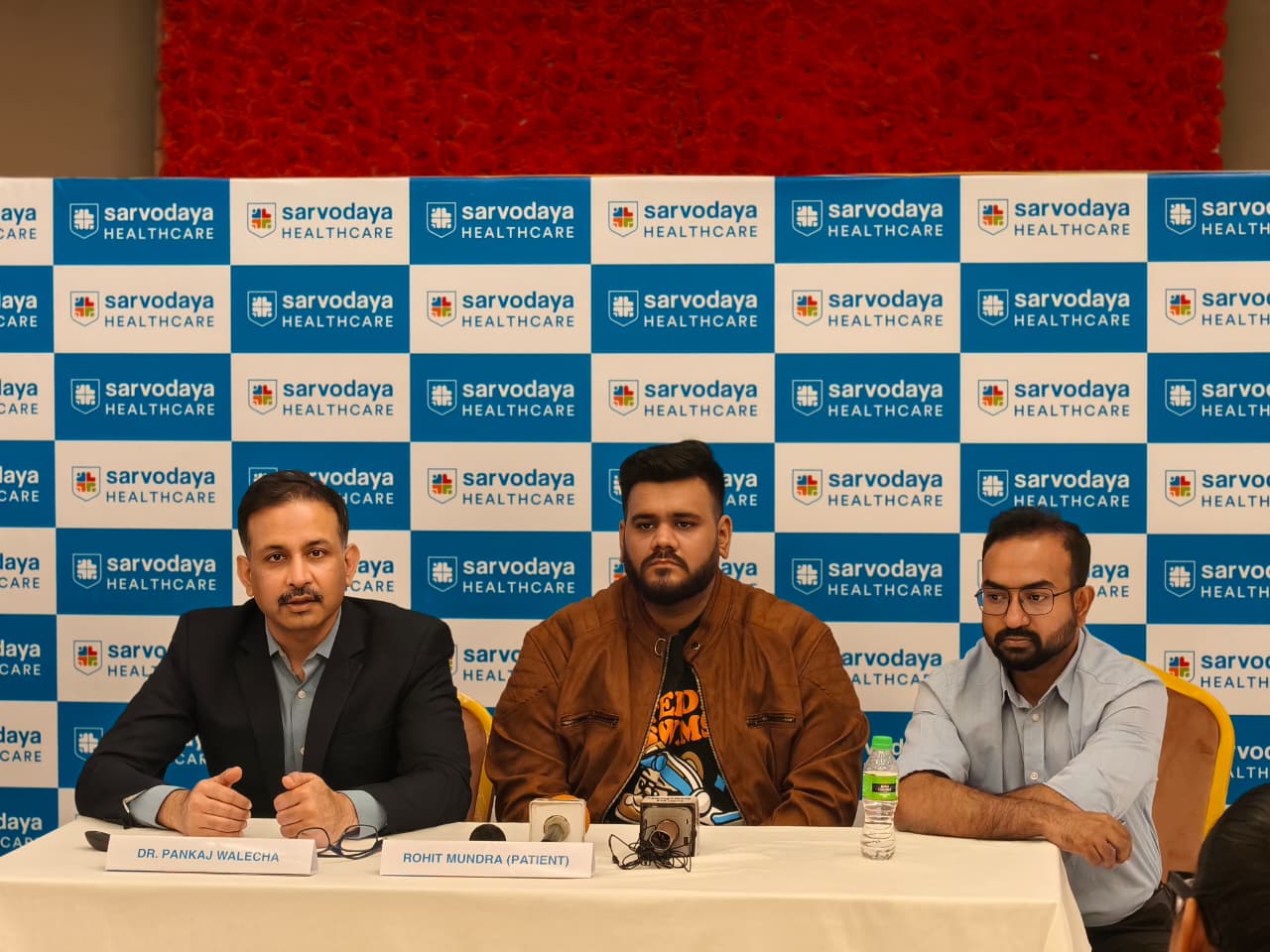
Rohit Mundra, a young professional from Kolkata, was suffering from severe AVN in both hips – an increasingly common condition in younger Indians that severely restricts mobility and affects long-term quality of life. Compounded by class III obesity (BMI 49.2), which represents the most severe category of obesity and is associated with significant health risks like type 2 diabetes, cardiovascular disease, hypertension, sleep, osteoarthritis, and certain cancers, while also experiencing challenges such as reduced mobility and psychosocial stress. His case posed significant surgical challenges that only a high-expertise centre could address.
The patient successfully underwent hip replacement surgery on one side last year. Encouraged by his recovery and the exceptional expertise of the medical team, in 2025 he returned for the replacement of the second hip. This procedure has now been completed with equal success, further underscoring the team’s commitment to delivering advanced care and restoring mobility for patients.
Speaking about the case, Dr. Pankaj Walecha, Director & Head Robotic Knee & Minimally Invasive Hip Replacement, Sarvodaya Hospital, Faridabad, said, “Such cases demand exceptional experience and a specialised ecosystem. A 165-kg young adult undergoing Total Hip Replacement is not common, and it requires a high level of surgical skill, meticulous planning, and a fully prepared multidisciplinary setup. AVN is rising sharply in younger age groups, and we now see such patients daily in our OPD, coming not only from all across India but also from Bangladesh and Nepal.”
Dr. Pankaj further added that obesity, steroid use, alcohol intake, and delayed diagnosis are major contributors to early hip joint destruction, often making Total Hip Replacement surgery the most effective solution.
Sarvodaya Hospital has emerged as a trusted centre for Minimally Invasive Hip Replacement and complex joint reconstruction, supported by the advanced operation theatres designed for high-risk surgeries, a specialised orthopaedic anaesthesia and critical care team, next-generation imaging and computer-assisted navigation and a rehabilitation program tailored for obese and young patients.
Obesity not only accelerates joint damage but also makes hip replacement technically demanding, requiring advanced expertise, customised implants, and an infrastructure equipped to handle high-risk procedures safely.
This successful outcome reinforces Sarvodaya’s growing reputation for managing challenging orthopaedic cases with precision, safety, and long-term functional results.
19, Nov 2025
SIMS Hospital Saves 29-Year-Old’s Brain, Heart and Leg from Extremely Rare Recurrent Stroke
Chennai, Nov 19: SIMS Hospital recently managed an exceptionally rare case of a 29-year-old man who suffered a recurrent stroke caused by a blood clot in his brain, along with simultaneous clots in his heart and leg. Multi-organ clotting with a second stroke in a young adult is considered an extraordinary medical occurrence.
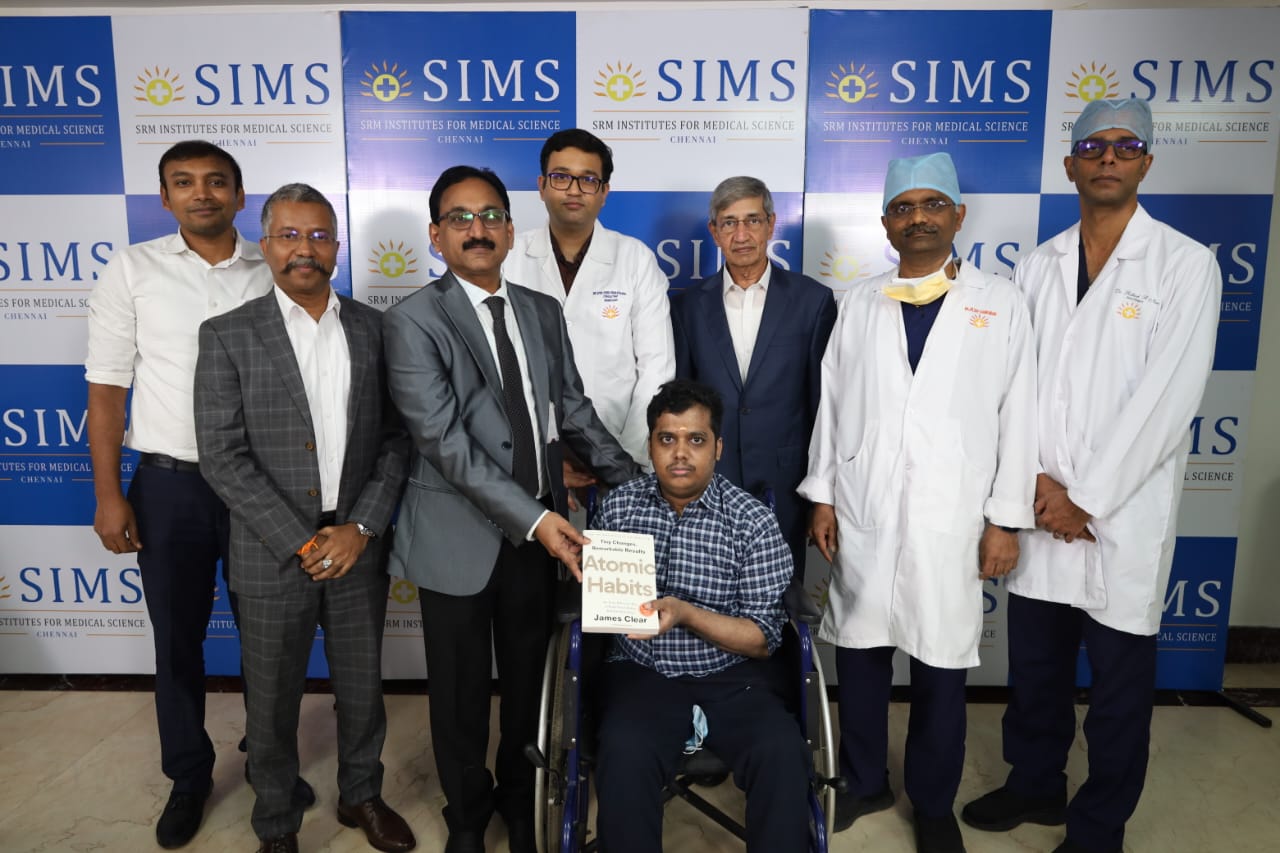
The patient, previously diagnosed with Antiphospholipid Antibody Syndrome (APLA)—an autoimmune condition that increases the risk of abnormal clot formation—had his first stroke at age 26, which required emergency decompression surgery. A short interruption in his regular medication triggered this second, more severe episode. Recognizing early symptoms such as slurred speech, he immediately sought medical attention, which was crucial in preventing permanent damage.
The case was managed by a multidisciplinary team;Dr. Prabash Prabhakaran and Dr. Vivek Iyer (Neurology), Dr. Rithesh R. Nair and Dr. S. Selvin (Interventional Neurology), supported by Dr. Sairam Subramaniam (Vascular and Endovascular Surgery). The patient has been discharged, is stable, and will require lifelong medication with regular follow-up.
Dr. Vivek Iyer, Joint Director of Neurology, commented, “A 29-year-old presenting with a second stroke and clots in three major organ systems is extremely rare. It required a highly coordinated, multidisciplinary approach to manage immediate threats and secure a positive long-term outcome.”
Dr. Prabash Prabhakaran, Director and Senior Consultant, Neurology, emphasized, “Stroke can affect people of any age. This patient’s self-awareness and rapid response were instrumental in his survival. Recognizing early signs and reaching the hospital promptly gave us a critical window to intervene.”
The interventional team performed a surgical thrombectomy to remove the clot from the right femoral artery in his leg while simultaneously administering clot-dissolving medication to clear blockages in the heart and brain. Treating clots in three organs simultaneously is highly complex, as each presents unique risks and requires different treatment strategies.
Dr. Rithesh R. Nair, Director and Senior Consultant, Interventional Neurology, explained, “Our immediate goal was to restore blood flow. Performing thrombectomy in the leg while simultaneously treating the heart and brain clots highlights the advancements in interventional neurology and its ability to manage complex, multi-site clotting events.”
Experts noted that India records 1.6 million new stroke cases annually, with an incidence of 119–145 per 100,000 people. Strokes in individuals below 40 are increasing due to sedentary lifestyles, chronic stress, unhealthy diets, poor sleep, altered blood clotting patterns, and exposure to pollution and microplastics, along with traditional risk factors such as uncontrolled hypertension, diabetes, high cholesterol, smoking, and alcohol consumption.
Modern stroke treatment—including thrombolysis and mechanical thrombectomyhas significantly improved outcomes, allowing restoration of blood flow even in smaller and medium-sized vessels. However, early recognition and rapid hospital arrival remain the most critical factors for survival and recovery.
18, Nov 2025
Singapore-India Collaboration Strengthens Maternal and Child Health Services in Tamil Nadu
Chennai, India, Nov ,18– The Singapore International Foundation (SIF), SingHealth, and the Department of Public Health and Preventive Medicine (DPHPM), Government of Tamil Nadu today marked the conclusion of the second phase of the Enhancing Maternal and Child Health Services (EMCH) Project.
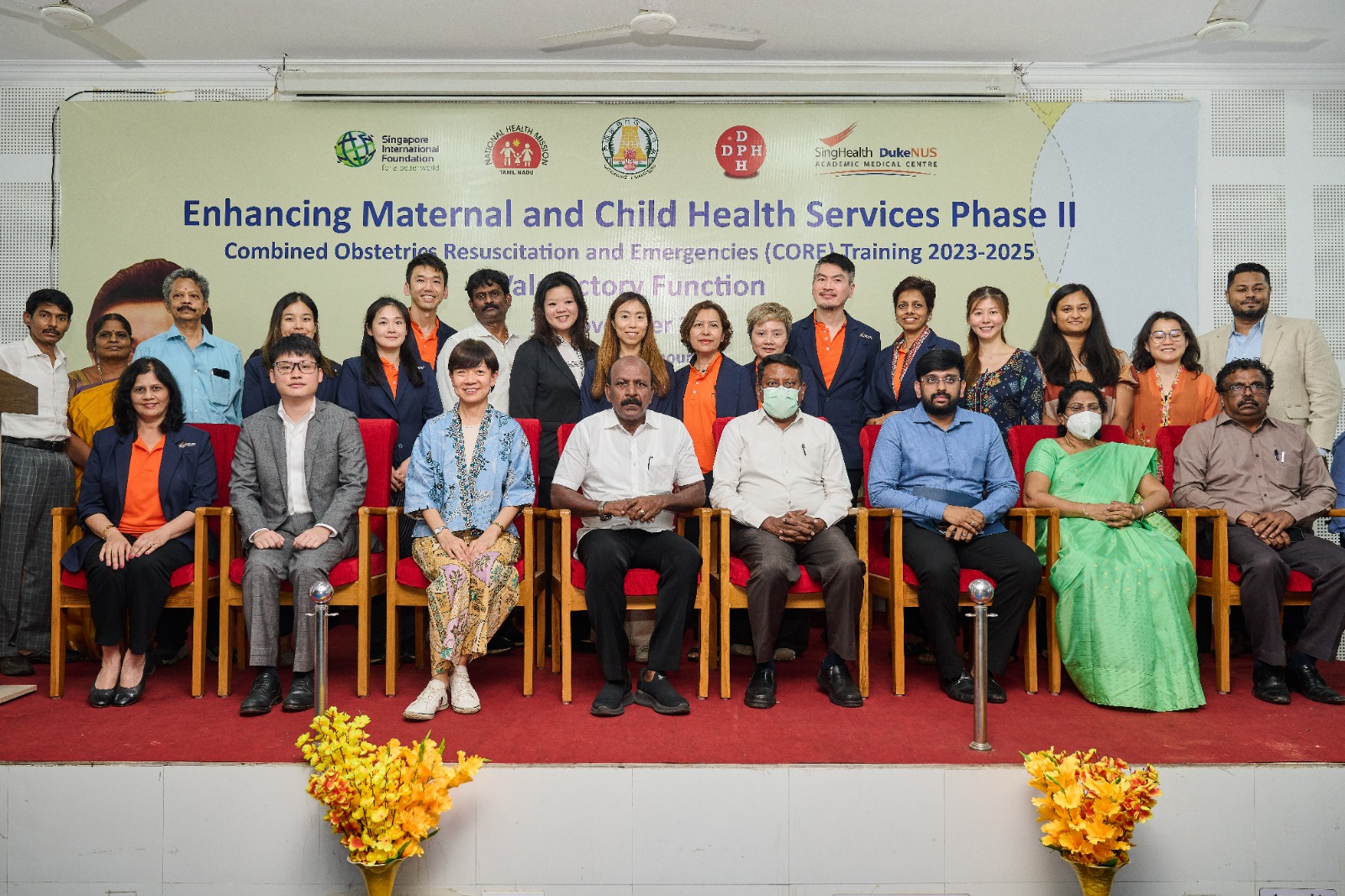
Launched in 2015, the EMCH Project aims to strengthen maternal and child healthcare across Tamil Nadu. Building on the success of the first phase, the current phase (2023–2025) extended its reach to Primary Health Centres, enhancing the management of high-risk pregnancies and neonatal emergencies, and improving outcomes across the state’s maternal and child health system.