


4, Jul 2025
Seven Doors to Heaven Unveils Custom Retreats for Mind Body and Soul
Mumbai, 04st July 2025: Amidst a world increasingly overwhelmed by stress, fragmentation, and emotional burnout, Seven Doors to Heaven officially launches as a dynamic, globally mobile wellness movement. Co-founded by Geeta Ramakrishnan, Ontological Wellness Whisperer, and Divya Malik, Integrated Energy Healing Artisan, the program reimagines modern healing through a structured, seven-day journey that traverses the seven layers of human existence.

“True healing begins when we stop treating ourselves as fragments,” says Geeta Ramakrishnan. “This program brings together the essential elements of human wellbeing in a way that’s holistic, structured, and spiritually grounded.”
Seven Doors to Heaven was born from a realization: that true transformation arises when healing is holistic, rooted in community, and mobile. Although the venture is new in form, its founders have individually conducted deep healing work across the globe. Now, with their forces united, they’re launching a curated program that travels wherever it’s needed by bringing personalized, nature-based retreats to groups worldwide.
“Seven Doors to Heaven is more than a retreat, it’s a homecoming,” says Divya Malik. “We offer people the space to reconnect with their essence, to remember who they are beneath the noise.”
What truly sets Seven Doors to Heaven apart is its commitment to depth and sustainability over surface-level wellness. The program is rooted in the understanding that even the most outwardly successful individuals, leaders, high performers, and creatives often face profound emotional exhaustion, disconnection, and burnout. Instead of offering temporary relief or generic practices, Seven Doors to Heaven is designed as a catalyst for authentic, lasting change. It goes beyond conventional offerings like yoga classes or meditation routines, facilitating real personal revolutions through a multi-layered process that supports the full body-mind system. The retreat serves as the starting point but the impact extends beyond, through ongoing support, community, and practical tools for integration.
This philosophy extends to the very design of the program. Along with the sessions from Geeta and Divya, the Seven Doors to Heaven team includes Sidharth (Yoga Therapy) and Krishna (Meditation Techniques), as well as additional therapists specializing in sound healing, Ayurvedic massage, and other holistic therapies. “Our retreats aren’t confined to one center. We’re a community of facilitators who travel wherever there is a call for healing whether it’s a corporate group in Europe, a wellness circle in India, or a group of seekers in Bali.” Their first international retreat in Bali this September marks a key milestone, while a return to Rishikesh next week offers a symbolic reconnection to the program’s spiritual roots.
Retreat Structure: Intimate, Adaptive, and Deeply Personal
The Seven Doors to Heaven experience is a seven-day immersive journey designed for small groups of 10 to 20 participants, allowing for personalized attention, deep inner work, and a shared sense of transformation.
The program is highly customizable. While retreats are typically hosted in serene, nature-rich locations like Rishikesh, Kochi, or Bali, participants can co-create their experience by choosing destinations that align with their own energy and needs. With a diverse audience ranging from corporate teams and CEOs to artists, military officers, and individual seekers, the retreat format is flexible and inclusive.
A growing global network of past participants, spanning regions like Greece, the United States, Russia, and Italy, has also emerged. These participants often organize local wellness circles and invite the Seven Doors team to lead sessions where healing is most needed.
Seven Doors to Heaven offers a layered and structured path to inner wholeness, with each day of the retreat dedicated to opening one of the seven “doors”, each representing a core dimension of human experience. The journey begins with Annamay Dwaar, focusing on physical vitality through yogic movement and body awareness. It then moves into Praanmay Dwaar, emphasizing energy cleansing and breathwork, followed by Manomay Dwaar, which cultivates mental stillness and emotional resilience. Vijnaanmay Dwaar explores intuitive intelligence and cognitive clarity, while Chetnamay Dwaar facilitates deep subconscious healing and emotional release. The sixth day, Anandmay Dwaar, nurtures compassion and heart-centered connection, culminating in Atmamay Dwaar, which invites spiritual insight and self-realization. Together, these seven doors create a holistic and transformative journey from the physical to the spiritual.
Blending ancient Indian wisdom with contemporary integrative practices, the retreat invites participants to journey from surface stress to soul-level transformation.
With the global wellness economy projected to exceed $8.5 trillion by 2027, and India’s wellness travel industry growing by over 20% annually, Seven Doors to Heaven responds to a profound and rising need for meaningful, experiential healing.
“This is not just another wellness retreat. It’s a multi-dimensional roadmap back to wholeness—offered in an intimate, flexible, and global format.” says Geeta Ramakrishnan
Upcoming Retreats:
Rishikesh, India – July 2025 (Confirmed)
Bali, Indonesia – September 2025 (International Launch Retreat)
Custom locations – Available upon group inquiry (Corporate or private groups of 10–20)
- 0
- By Neel Achary

3, Jul 2025
Saving Seconds, Saving Lives: Manipal Hospital Bhubaneswar Strengthens Emergency and Critical Care with Lifesaving Awareness Drive
Bhubaneswar, July 3rd, 2025: Manipal Hospital Bhubaneswar recently launched a comprehensive public awareness campaign focused on its Critical Care and Emergency Medicine Departments. This highlights the hospital’s ongoing mission to deliver swift, life-saving care through advanced emergency response and critical care services. The campaign was launched by Dr. Saktimaya Mahapatra, Hospital Director along with the critical and emergency care team including, Dr. Sarat Kumar Behera, Director of Critical Care & Senior Consultant – Pulmonology, Dr. Abhijeet Dash, Consultant – Critical Care Medicine, Dr. Rupali Patnaik, Consultant – Critical Care Medicine, Dr. Avishek Chatterjee, HOD & Consultant – Emergency Medicine, Manipal Hospital Bhubaneswar.
In a growing city like Bhubaneswar, where emergencies like heart attacks, strokes, and trauma can occur without warning, timely access to expert care is crucial. Manipal Hospital Bhubaneswar, with over 11 years of trusted service, has been at the forefront of delivering top-notch critical care and rapid emergency response. This new awareness campaign aims to educate the public on the importance of acting fast and choosing the right facility, highlighting the hospital’s role as a reliable destination for life-saving care.
Speaking about the campaign, Dr. Saktimaya Mahapatra, Hospital Director Manipal Hospital Bhubaneswar, stated, “We believe that every second counts in an emergency. Our campaign is not just about raising awareness—it’s about reinforcing the message that timely, expert-led intervention can save lives. With our advanced infrastructure, expert specialists, and prompt response systems, we are committed to being one of the most trusted and capable centers for emergency and critical care in the region. Our goal is simple: to be ready when our community needs us the most.”
As part of its newly launched awareness campaign, Manipal Hospital Bhubaneswar has strengthened its emergency preparedness with over 150 dedicated ICU beds, integrated within its advanced multispeciality infrastructure. These units are equipped with cutting-edge monitoring systems, high-end ventilators, bedside imaging, isolation beds, and ECMO (Extracorporeal Membrane Oxygenation) support, enabling the management of complex, life-threatening conditions such as multiorgan failure. Supported by a multidisciplinary team of skilled critical care specialists, the hospital follows stringent clinical protocols to ensure consistent, outcome-driven care across specialties.
Supporting this ecosystem is MARS (Manipal Ambulance Response Service) — a technologically advanced emergency fleet powered by 5G connectivity. The service offers real-time data transfer, live patient monitoring, and is equipped to handle everything from newborn transfers to air ambulance coordination for long-distance emergencies. With the region’s fastest response time, MARS ensures that critical care begins not at the hospital, but from the very moment help is dispatched—bridging the crucial gap between emergency onset and expert intervention. For 24/7 ambulance support, the dedicated call centre can be reached at 0674 666 6666/6600.
The goal of the campaign is to position Manipal Hospital Bhubaneswar as the region’s most trusted destination for emergency and critical care services, underscoring its role in saving lives through rapid assessment, expert intervention, and collaborative care.
1, Jul 2025
Saluting the Silent Saviours: CARE Hospitals Pays Tribute to Doctors on National Doctors’ Day
Hyderabad, India, July 1st, 2025: On the occasion of National Doctors’ Day, CARE Hospitals, one of India’s leading multi-specialty healthcare providers, extends its heartfelt gratitude to the medical community for their unwavering dedication, compassion, and tireless commitment to transforming lives every single day.

“Behind every recovery, every milestone, and every moment of hope is a doctor whose commitment goes beyond duty. National Doctors’ Day is a moment to acknowledge not just the profession but the people behind it, the doctors who stand strong through long hours, complex decisions, and life-saving interventions. At CARE Hospitals, this day reaffirms our deep respect for doctors as healers, mentors, and pioneers of patient-centric care. Their courage, resilience, and relentless pursuit of healing continue to inspire us every day,” said Dr. Nikhil Mathur, Group Chief of Medical Services, CARE Hospitals.
Founded in 1997 by leading cardiologists, CARE Hospitals has grown into a trusted multi-specialty network with 17 facilities across seven cities in six states, offering comprehensive care in more than 33 specialties. With Centres of Excellence in key areas like Cardiac Sciences, Oncology, Critical Care, and Organ Transplants, the Group is recognized for its legacy of medical innovation, including developing India’s first indigenous coronary stent and performing groundbreaking surgeries like swap kidney and womb transplants.
Dr. Mathur, further added, “For the past 27 years, CARE Hospitals has always believed that our doctors are at the very heart of who we are. Their expertise and empathy have shaped our journey from a 100-bedded heart institute to one of the top five hospital chains in India. As we continue to expand our footprint, introduce advanced technologies, and pioneer new treatments, our mission remains clear, to empower our doctors with the tools, training, and infrastructure they need to deliver the highest standard of care.”
Every day, hundreds of CARE doctors touch thousands of lives through compassionate care, clinical excellence, and patient safety. This is strengthened by continuous investments in advanced medical technologies, robotic surgeries, digital tools, and skill development programs that enable doctors to stay at the forefront of healthcare delivery.
Patient safety and quality outcomes remain central to CARE Hospitals’ mission. The Group fosters a culture of ethical medical practice, teamwork, and research-driven care, ensuring that every patient receives treatment that is both cutting-edge and compassionate.
With a vision to set global standards in healthcare as a trusted, people-centric integrated system, CARE Hospitals remains dedicated to building a future where excellence, equity, and empathy go hand in hand, with doctors leading the way and patients always at the centre.
1, Jul 2025
The Hidden Costs of Unsafe Water During the Monsoons and How to Avoid It
By – Dr. Dr Anil Kumar, Water Scientist at Eureka Forbes Ltd.
The monsoon season brings much-needed relief from the summer heat, but it also brings a less visible threat: water contamination. Every year, the onset of rains leads to an alarming spike in waterborne diseases across India – typhoid, cholera, dysentery, and hepatitis A. What often goes unnoticed is the hidden health-related costs associated with consuming unsafe water during this season.
Contaminated drinking water is one of the primary causes of gastrointestinal infections during the monsoons. Children, the elderly, and those with weakened immunity are especially vulnerable. These infections not only cause discomfort and sick days, but often lead to prolonged medical treatments. Investing in safe drinking water and sanitation can significantly reduce healthcare expenses and improve quality of life. Frequent illnesses from unsafe water can burden families with rising medical costs and disrupted routines, especially when minor infections in children or the elderly escalate into serious health issues.
How to Avoid These-
• Invest in a Quality Water Purifier: During the monsoons, municipal water quality can deteriorate. A certified water purifier with RO, UV, or advanced filtration systems acts as the first line of defence.
• Regular Maintenance: Ensure your purifier is serviced regularly, especially before and during monsoon season, to ensure it functions at optimal efficiency.
• Awareness and Action: Encourage your community or housing society to test their water supply and install purification systems if necessary.
“We often talk about the visible dangers during the monsoons like flooding and infrastructure damage but the contamination of drinking water is a silent crisis. At Eureka Forbes, our mission is to ensure that every household has access to safe and pure drinking water, especially during vulnerable periods like the monsoon. Our water purifiers are equipped with multi-stage filtration to tackle microbial and chemical contaminants that spike during this season.”– Dr. Anil Kumar, Water Scientist, Eureka Forbes
Monsoon showers nourishe the earth, but they can also carry unseen health risks into our homes. By taking timely precautions and choosing the right water purification solutions, we can protect our families from the hidden costs of unsafe water and enjoy a healthier, worry-free season.
1, Jul 2025
D. Y. Patil Medical College Performs India’s First Bilateral Lung Transplant on Serving Army Soldier
Dr. D. Y. Patil Medical College, Hospital & Research Centre Makes History with India’s First Bilateral Lung Transplant on a Serving Army Soldier
Pune, July 1, 2025: A 30-year-old serving Indian Army officer from Jammu & Kashmir, suffering from a rare and life-threatening lung condition, has been given a new lease on life after a successful bilateral lung transplant at Dr. D. Y. Patil Medical College, Hospital & Research Centre, Pimpri, Pune. This landmark surgery marks the first successful bilateral lung transplant in India performed on a serving Army soldier, reinforcing DPU’s reputation as a centre for critical care excellence and advanced transplant science.
The officer was diagnosed with Pulmonary Langerhans Cell Histiocytosis (PLCH), a rare interstitial lung disease that led to progressive respiratory failure. As his condition worsened, he became completely oxygen-dependent and bed-bound. Following his referral from the Cardiothoracic Centre of Command Hospital, Pune, he was evaluated and registered for a transplant at Dr. D. Y. Patil Medical College, Hospital & Research Centre, Pimpri, Pune on 20th March 2025.
On 14th April 2025, a complex 12-hour surgery was performed. The patient’s recovery was remarkable – off oxygen within a week and discharged in just over two weeks, walking unaided and breathing freely.
Hon’ble Dr. P. D. Patil, Chancellor, Dr. D. Y. Patil Vidyapeeth (Deemed to be University), Pimpri, Pune, said, “This transplant reflects the strength of our healthcare ecosystem where advanced infrastructure, experienced clinicians and a deeply committed support team come together to make the extraordinary possible. We are proud that Dr. D. Y. Patil Medical College, Hospital & Research Centre, could support a serving soldier’s journey to recovery with the highest standards of care. My heartfelt gratitude to every individual who played a role – from the transplant and rehabilitation teams to the coordinators, nursing staff and the authorities who made the green corridor possible.”
Hon’ble Dr. (Mrs.) Bhagyashree P. Patil, Pro-Chancellor, Dr. D. Y. Patil Vidyapeeth (Deemed to be University), Pimpri, Pune, added, “Every life we touch through our hospital is a reflection of our commitment to healing with purpose. Supporting a soldier’s recovery through such a complex procedure speaks to the values we hold close – compassion, excellence and service to the nation. To care for someone who has served the country is a privilege we hold with deep respect. Dr. D. Y. Patil Medical College, Hospital & Research Centre stands as a centre of advanced care, where clinical excellence is matched by empathy and national responsibility.”
Dr. Sandeep Attawar, Lead Transplant Surgeon, DPU Super Specialty Hospital, Pimpri, Pune, said, “PLCH is a rare and complex disease. This transplant required clinical precision, coordination and above all, trust. Seeing the patient recover so rapidly is a result of every unit working in perfect sync.”
Dr. Rahul Kendre, Transplant Pulmonologist, DPU Super Specialty Hospital, Pimpri, Pune, added, “It was an honour to care for someone who has served the country. His determination, supported by strong teamwork and timely care, made this outcome possible.”
Dr. Rekha Arcot, Dean, Dr. D.Y. Patil Medical College, Hospital & Research Centre, said, “This life-saving lung transplant on a brave, serving officer of the Indian Army is more than just a medical milestone for us—it is a tribute to the spirit of service and sacrifice. We are deeply honoured to have played a role in giving a soldier a second chance at life. Our team’s dedication is driven by a profound respect for those who serve our nation, and this successful transplant is a moment of pride, gratitude and hope for us all.”
The Intensive Care Unit team, led by Dr. Prashant Sakhwalkar (Intensivist), ensured clinical stability and recovery, with support from Dr. Asir Tamboli, Dr. Swapnil, Dr. Sagar, Dr. Viren and Dr. Amey Sable. Physician Assistants Dr. Sangapriya, Dr. Pratiksha and Dr. Shifa provided daily clinical coordination between departments. Dr. Ranjith Joel and Dr. Ashok managed the patient’s rehabilitation and physiotherapy, ensuring full functional recovery.
The transplant was equally supported by an expert operations team. In the Operating Theatres, Sijo Rajan, Rijo Kuriakose, Rohini and Wamik facilitated organ retrieval and implantation across dual OT setups. Halimath, Vishal and Suneel managed organ perfusion and ECMO support, while Mr. Bagwat Patil, Bronchoscopic Technician, ensured smooth pre-operative diagnostics.
The ICU nursing team – Ganesh Munde, Pooja, Preeti, Nayna, Vaishali, Sonali and Kavita played a central role from pre-operative care to discharge, providing vigilant, compassionate support.
Transplant coordination including documentation, ZTCC compliance and clinical matching was expertly managed by Mr. Arun Ashokan and Ms. Vasanthi, who ensured timely execution of every step.
Overseeing the full institutional framework and ensuring operational readiness was Dr. H. H. Chavan, Medical Superintendent, DPU Super Specialty Hospital, Pimpri, Pune. His guidance and oversight helped align medical, surgical and administrative teams with precision and purpose.
The final and most time-sensitive part of this transplant – the transfer of donor lungs was executed with military precision. With approvals from the Zonal Transplant Coordination Centre (ZTCC), facilitated by Ms. Aarti, a green corridor was established for the organ to travel from Dombivli to Pune in under two hours. This mission was led by Mr. Pramod Patil, Administrative Head of DPU Super Specialty Hospital along with Mr. Parthasarathy Shanmugam, Administrative Head, Organ Transplantation and executed with the support of the Traffic Commissioners and the city traffic authorities across districts who ensured swift passage of the organ transport.
Thanks to the exceptional teamwork, clinical expertise and visionary leadership at Dr. D. Y. Patil Medical College, Hospital & Research Centre, a serving soldier of the Indian Army now breathes freely and looks ahead to life with renewed strength and dignity. The hospital remains steadfast in its mission to advance transplant science and raise nationwide awareness about the life-saving impact of organ donation.
Dr. D. Y. Patil Medical College, Hospital & Research Centre, Pimpri, Pune has successfully performed over 460 transplants including 32 bilateral lung transplants, 4 combined heart and lung transplants, 4 standalone heart transplants, and 1 combined heart and kidney transplant – reaffirming its position as a leader in the field of organ transplantation
30, Jun 2025
Precision Without Pain, How Robotic Surgery is Changing Urology
Dr Devendra Kumar Babbar, Senior Consultant, Urology and Robotic Surgery, Yatharth Hospital, Greater Noida
For many patients, the word “surgery” still brings to mind long hospital stays, painful stitches, and weeks of slow recovery. This fear often leads people to delay treatment, especially for urological problems like kidney tumors or prostate issues. In India, prostate enlargement affects nearly 60 percent of men over the age of 60, and kidney cancer cases have been steadily rising, with many detected at advanced stages. But in recent years, robotic-assisted surgery has quietly changed the face of urology. By using small instruments controlled through a robotic system, doctors can now perform complex procedures with greater safety, less pain, and much faster healing. This shift is giving patients the confidence to seek timely treatment, without the fear of traditional open surgery.
How Robotic Surgery Works
Robotic surgery is not performed by a machine on its own. Instead, it is fully controlled by a trained surgeon who operates from a console. The robot’s arms translate the surgeon’s hand movements with higher accuracy and stability. A 3D high-definition camera gives the doctor a magnified view inside the body, making it easier to work around delicate tissues. Through small keyhole-sized cuts, complex urology procedures can be performed without the need for large incisions.
Common Urological Conditions Treated
Robotic surgery is now used widely in several important urology cases. In prostate cancer, especially among older men, robotic surgery helps remove the prostate gland while protecting surrounding nerves, preserving urinary function. For kidney cancer, robotic tools allow the tumor to be removed while saving healthy parts of the kidney. In young adults with pelviureteric junction obstruction, where urine flow is blocked, robotic repair offers long-term relief with faster recovery. It is also used in selected cases of bladder cancer or difficult urinary tract surgeries.
Faster Recovery, Less Pain
One of the main advantages of robotic surgery is how much easier it makes recovery. Patients usually experience less pain after surgery, have lower chances of infection or blood loss, and are able to leave the hospital sooner. Many can walk the next day and return to light activities within a week or two, depending on the type of surgery. Scars are smaller, and post-operative discomfort is minimal. For cancer patients, timely and precise surgery also improves long-term health outcomes.
A Technology That Needs Wider Reach
Despite its clear benefits, robotic urological surgery is still mainly available in big cities or larger hospitals. Many patients in smaller towns are not aware that such an option exists or assume it is too expensive. However, with more hospitals in India adopting robotic systems and trained specialists becoming available, access is improving. The cost of robotic surgery has also come down significantly in recent years.
A Better Future for Urology Patients
Robotic-assisted surgery is transforming the experience of urological care. It replaces fear with confidence, pain with comfort, and long recoveries with quicker returns to normal life. For patients, this technology represents not just a medical breakthrough, but a chance to face serious health problems with hope and dignity. As awareness grows and access expands, robotic urology surgery is set to become the standard of care across the country.
30, Jun 2025
MGM Malar Successfully Resects Rare Large Benign Bone Tumor in Teenager
A 17-year-old student regains mobility after complex surgery for a rare 10 cm tumor on the right thigh
Chennai, 30 June 2025: MGM Malar has successfully performed a rare and complex orthopedic procedure on 17-year-old, who was suffering from a large benign bone tumor known as osteochondroma. The Class 12 student had been dealing with a progressively enlarging swelling and pain in his right knee region for over a year. Investigations revealed a 10 cm tumor arising from the distal femur—an unusually large presentation in adolescents—prompting a meticulously planned two-hour elective excision. The patient made a remarkable recovery, was discharged the next day, and has since resumed daily activities independently.
Osteochondroma, also referred to as exostosis, is a benign bone tumor that typically appears in young individuals. Though often asymptomatic, tumors of significant size can cause pain, mechanical limitations, or even malignant transformation if untreated. Considering the tumor’s dimensions and the risk posed by its thick cartilage cap, surgical intervention was deemed necessary. Histopathological analysis confirmed the tumor was benign with clear margins, and the patient will be monitored every six months for the next two years.
The complexity of the case stemmed from the tumor’s proximity to major neurovascular structures, requiring precision dissection to ensure safe and complete removal. The raw bone area was sealed using bone wax to control bleeding, and utmost care was taken to excise the tumor leaving no residual tissue that could contribute to recurrence.
Dr. Shriram Krishnamoorthy, Senior Consultant – Orthopaedics, MGM Malar said, “This was a rare case due to the sheer size and location of the tumor. Osteochondromas are common in adolescents but rarely grow this large without causing functional problems. The proximity to major blood vessels and nerves made complete removal without complications extremely challenging. With proper planning and surgical precision, we were able to achieve a complete excision and give this young boy back his normal, active life.”
Osteochondromas occur in approximately one in 50,000 individuals, more commonly in adolescent males, and are often associated with growth plate abnormalities or genetic predispositions. This case underscores the need for timely diagnosis and expert care in managing bone tumors before they result in more serious complications.
30, Jun 2025
P. D. Hinduja Hospital & Medical Research Centre Launches India’s First Living Will Clinic to Help Individuals Plan Their Future Healthcare Decisions
Mumbai, June 30, 2025: P. D. Hinduja Hospital & Medical Research Centre has launched India’s first Living Will Clinic to empower individuals to make informed decisions about their future medical care. The clinic will help individuals articulate and document their healthcare preferences through a legally recognised Living Will, ensuring that their decisions are known and respected, even if they may be unable to communicate them later during their medical treatment.
A living will, also known as an advanced medical directive is a legal document that enables individuals to outline their preferences for medical treatment in serious or unforeseen health circumstances, ensuring they retain control over future healthcare decisions. As part of advance care planning, it encourages individuals to reflect on their values, document treatment choices, appoint a medical power of attorney, and engage in meaningful conversations with loved ones. The Living Will Clinic at P. D. Hinduja Hospital guides individuals through this process, providing clear information, compassionate support, and the confidence to make informed decisions that honour their wishes and ease the burden on families during medical crises.
Mr. Gautam Khanna, CEO, P. D. Hinduja Hospital & MRC, said, “At P. D. Hinduja Hospital, we believe that healthcare should go beyond treatment and help individuals make informed decisions about their future health. With the launch of India’s first Living Will Clinic, we aim to empower individuals to take control of their future medical decisions with clarity and dignity. This clinic offers compassionate guidance to help people articulate their values and ensure those wishes are honoured, even when they cannot voice them. It is an extension of our commitment to a compassionate, ethical, and forward-thinking healthcare system.”
Dr. Roop Gursahani, Section Head, Neurology, P. D. Hinduja Hospital & MRC, said, “Our healthcare system currently lacks preparedness for situations where patients are unable to communicate for themselves. In such cases, families are forced to make difficult decisions without knowing what their loved one would have wanted. The Living Will Clinic helps individuals in taking charge of their decisions in advance by explaining their options, documenting their wishes, and designating someone they trust to take the right decision on their behalf.”
Dr. Smriti Khanna, Consultant – Palliative Medicine, P. D. Hinduja Hospital & MRC said, “Conversations around end-of-life care are difficult but are an extremely essential part of advance care planning. We believe the living will process is at the core of personalised medicine, as it allows individuals to reflect deeply about what quality of life means to them and express their wishes clearly. Our goal at the clinic is to help people navigate through these decisions with sensitivity, keeping their values, beliefs, and comfort remain central to any future medical care they may receive.”
The launch of Living Will Clinic marks an important step in encouraging structured advance care planning in India. By providing individuals with the knowledge and resources to make informed decisions in advance, the clinic aims to reduce uncertainty during medical crises and promote care that is consistent with personal values and wishes. P. D. Hinduja Hospital & Medical Research Centre is committed to fostering such progressive initiatives that prioritize patient welfare and preparedness at the forefront of healthcare.
26, Jun 2025
Cataracts Cause 66% of Blindness in India: Nethradhama and Sun Pharma Launch Cataract Awareness Cyclothon in Bengaluru
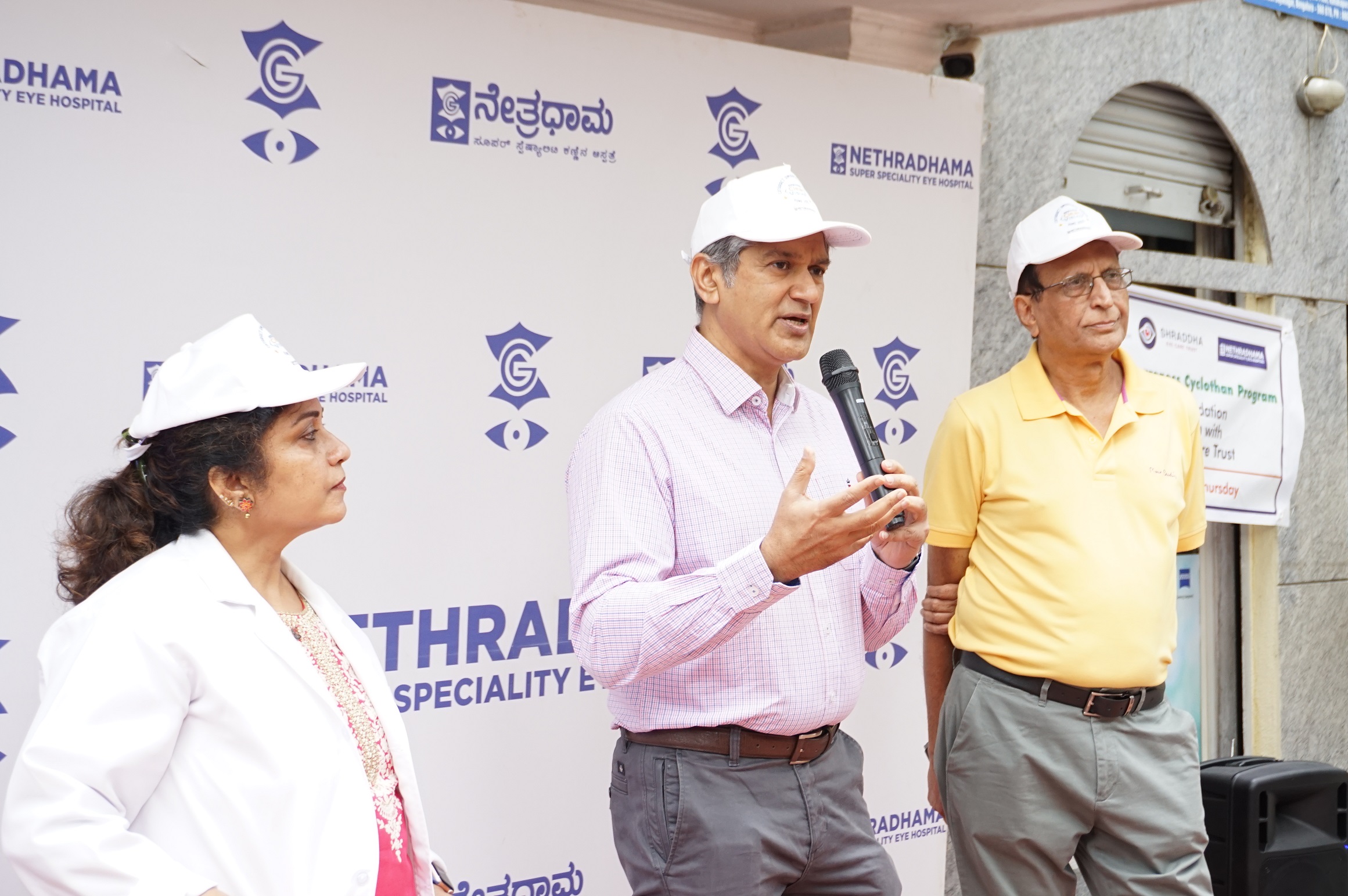
Bengaluru, June 26, 2025: Nethradhama Super Speciality Eye Hospital, in collaboration with Sun Pharma, organised a Cataract Awareness Cyclothon in Jayanagar today. The initiative aimed to raise public awareness about the importance of early diagnosis and timely treatment of cataracts—which is still the leading cause of preventable blindness in India.
The event witnessed participation from over 75 cyclists, including healthcare professionals and eye donors from Shraddha Eye Care, the non-profit wing of Nethradhama. The cyclothon was flagged off by Mr. R. K. Gupta, Trustee of Koshika Foundation, a Non-Profit organization that sponsors free eye checkups, eye surgeries and heart surgeries for needy and underprivileged people, and Professor Dr. Sri Ganesh, Chairman and Managing Director of Nethradhama Super Speciality Eye Hospital. Cyclists rode through key areas of Jayanagar, spreading the message of proactive eye care.
Cataracts account for over 66.2% of blindness cases in India, according to the National Blindness and Visual Impairment Survey. Although effective surgical treatment is available, delayed diagnosis—often due to lack of awareness—leads to irreversible vision loss, particularly among the elderly and rural populations.
“Cataracts are one of the leading causes of blindness, yet they preventable with timely treatment. However, due to a lack of awareness, thousands continue to lose their sight unnecessarily. This is especially true in rural and underserved communities where access to care is limited or delayed. With initiatives like the Cataract Awareness Cyclothon, our goal is to take the message of proactive eye care to the streets — encouraging people to look out for early signs and seek timely medical attention. Awareness, combined with access, is key to eliminating avoidable blindness,” said Professor Dr. Sri Ganesh.
Mr. R. K. Gupta, Trustee of Koshika Foundation, added, “At Koshika Foundation, we focus strongly on eye care because we believe restoring sight can give dignity to many lives. Through small contributions from many people, we help fund cataract surgeries, organise free eye camps, and support charitable eye clinics. Initiatives like this help spread awareness and demonstrate how collaborative efforts can bring timely and affordable treatment to those in need. Awareness is the first step toward prevention, and together, we can help eliminate avoidable blindness. Koshika ensures that every Rupee received from donors goes towards serving the needy. Till date, Koshika Foundation has sponsored over 14,000 cataract surgeries through Shraddha Eye Care.”
Nethradhama is committed to quality eye care with continuous learning, community outreach, and maintaining a high standard of care across all their services. As a part of the initiatives, Nethradhama distributed educational materials, social media awareness drives, and community outreach activities. The doctors at Nethradhama urges families especially with elderly members to prioritise regular eye check-ups, recognise the early signs of cataract, and seek timely care.
25, Jun 2025
Experience the Healing Power of Sound at Justbe by Nidhi Nahata
In a world where stress, anxiety, and sleeplessness have become everyday challenges, Justbe by Nidhi Nahata’s Holistic Studio introduces a sanctuary for modern healing—through the ancient, deeply therapeutic practice of Sound Healing.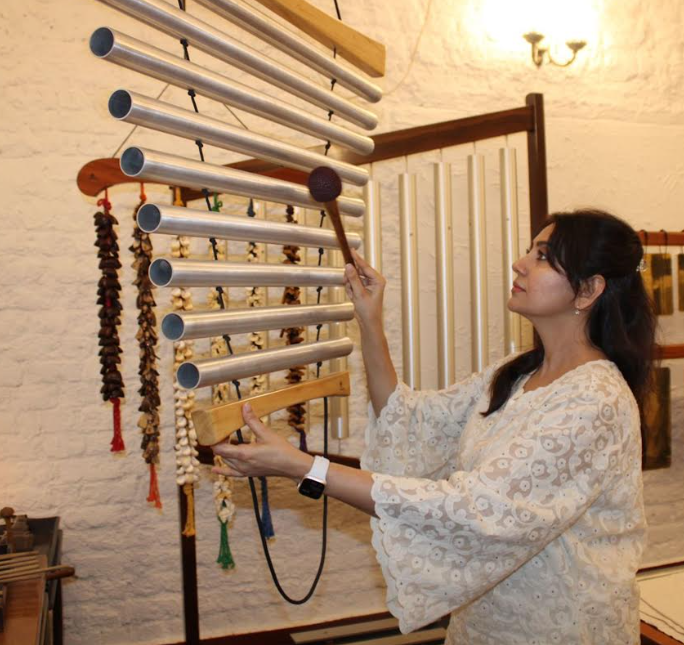
Whether you are battling mental fatigue, emotional overwhelm, or simply looking to recharge—this session is designed for you. Here, vibration becomes medicine, and sound is the pathway inward.
Set inside the calm and conscious space of Justbe’s Holistic Studio in Sadashivnagar, the session features over 35 rare instruments from around the world—from singing tubes to ocean drums and ocarinas to rainmakers—each selected for their healing resonance.
As participants lie down and relax, these curated frequencies gently work through layers of tension. The experience begins by calming the nervous system and gradually moves through states of clarity, release, and rest. From gamma waves that boost focus to theta and delta waves that support deep relaxation and emotional detox—this is more than a meditation; it’s a reset button for the mind and body.
Perfect for individuals managing anxiety, burnout, sleep disorders, emotional exhaustion, stress from prolonged screen time, and mind-body imbalances.


