


17, Sep 2026
Study Finds Bile Acid May Help Reduce Liver Fat
Hyodeoxycholic acid reduces excess liver fat in mice through two distinct pathways, demonstrating multi-target therapeutic potential
Sept 17: Excess fat accumulation in the liver can contribute to the development and progression of metabolic dysfunction-associated steatotic liver disease (MASLD), highlighting the need for new approaches to manage the condition. Now, researchers have found that hyodeoxycholic acid (HDCA), a bile acid, can reduce liver fat in mice while also identifying the biological pathways involved. The findings suggest that HDCA could help inform the development of new approaches to managing MASLD.
Non-alcoholic fatty liver disease (NAFLD), now known as metabolic dysfunction-associated steatotic liver disease (MASLD), is a common condition that causes excess fat to build up in the liver, affecting about one-quarter of adults worldwide. In some people, this can lead to inflammation and liver cell or hepatocyte injury, triggering the formation of thick, fibrous connective tissue known as fibrosis. Over time, advanced fibrosis can progress to cirrhosis, in which permanent scarring impairs the liver’s normal function. MASLD is often described as a “silent” disease because symptoms may be absent or mild until the disease becomes more advanced.
Hepatic steatosis refers to the initial stage of MASLD, where excess fat gets accumulated in the hepatocytes. Though it is a common metabolic disorder, the mechanistic understanding of the biological pathways involved as well as effective therapeutic strategies remain incompletely understood.
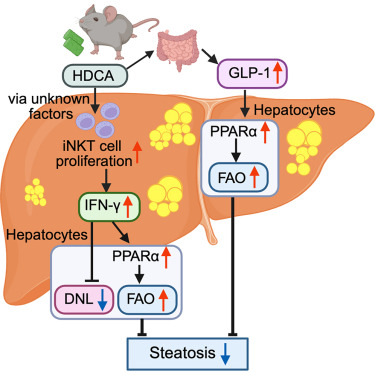
Against this backdrop, a study from Chiba University found that a bile acid, hyodeoxycholic acid (HDCA), helps reduce excess fat accumulation in the liver.
The study was led by Professor Takashi Miki, Dean of the Graduate School of Medicine at Chiba University, Japan, with Dr. Eunyoung Lee as the first author, along with Professor Antonio Vidal-Puig of the MRC Institute of Metabolic Science, University of Cambridge, UK, and other researchers. The paper was made available online on August 7, 2026, and was published in Volume 45, Issue 8 of the journal Cell Reports on August 25, 2026.
“We unexpectedly found that adipose tissue transplantation increased circulating HDCA levels in our diabetic mouse model. This intriguing finding prompted us to investigate HDCA’s potential metabolic effects. We found that HDCA treatment prevented high-fat diet-induced hepatic steatosis,” says Prof. Miki.
To investigate the effects of HDCA, the researchers fed mice a high-fat diet and treated them with HDCA. At a 0.25% dose, HDCA reduced blood glucose levels, lowered the amount of triglycerides (fat) stored in the liver, and improved liver function without affecting the mice’s body weight, suggesting that its effects on liver fat were not due to weight loss.
The researchers then investigated how HDCA produced these effects. They found that HDCA increased the activity of PPARα, a protein that controls genes involved in breaking down fatty acids. In mice that lacked this protein, HDCA could no longer prevent fat from building up in the liver.
The researchers then identified two pathways through which HDCA activated PPARα. First, HDCA increased the number of invariant natural killer T (iNKT) cells, a type of immune cell, in the liver. These cells produced more interferon-γ (IFN-γ), a signaling molecule that activated PPARα in liver cells. PPARα then switched on the genes that help liver cells break down fatty acids.
As another pathway, HDCA also increased the levels of glucagon-like peptide-1 (GLP-1), a gut hormone that helps regulate metabolism. The researchers found that GLP-1 signaling was necessary for HDCA to reduce liver fat. When they tested mice that lacked the GLP-1 receptor, HDCA could no longer prevent fat from accumulating in the liver.
To further examine the role of GLP-1 and its relationship with iNKT cells and PPARα, the researchers injected liraglutide, a drug that activates the GLP-1 receptor and is used to treat type 2 diabetes, into normal mice and mice lacking iNKT cells, PPARα, or the GLP-1 receptor. Liraglutide reduced liver fat in both normal mice and mice lacking iNKT cells, but not in mice lacking PPARα. These findings indicated that GLP-1 reduces liver fat through PPARα and does not require iNKT cells.
Together, the researchers showed that HDCA may combat MASLD through two distinct pathways: an immune pathway involving iNKT cells and IFN-γ, and a metabolic pathway involving GLP-1. Both pathways ultimately activate PPARα, which helps the liver increase fatty-acid breakdown and reduce fat accumulation.
“Both HDCA and the GLP-1 receptor agonist liraglutide exhibited potent anti-steatotic effects in mice in a PPARα-dependent manner,” says Prof. Miki, highlighting PPARα as a potential target for developing strategies to combat MASLD.
Overall, these findings emphasize the potential of HDCA as an effective multi-target therapeutic strategy for the treatment of hepatic steatosis.
- 0
- By Neel Achary

17, Sep 2026
World-Renowned Texas Plastic Surgeon Dr. Ozan Sozer Named ISAPS President-Elect

The longtime ISAPS leader will assume the presidency of the global aesthetic surgery organization in 2028
El Paso, TX, Sept 17 – The International Society of Aesthetic Plastic Surgery (ISAPS), a global professional organization dedicated to advancing aesthetic plastic surgery education and patient safety, has elected internationally recognized, board-certified plastic surgeon Dr. Ozan Sozer as President-Elect. He will assume the role of President in 2028.
His election marks the latest chapter in Dr. Sozer’s longstanding leadership within ISAPS. Currently serving as Treasurer, Dr. Sozer has also spent many years leading the organization’s education efforts as Chair of Education, helping advance global knowledge-sharing and education among plastic surgeons.
“It is an incredible honor to be elected President-Elect of ISAPS by colleagues from around the world,” said Dr. Sozer, Board-Certified Plastic Surgeon and ISAPS
President-Elect. “I have always believed that aesthetic surgery advances when physicians share knowledge, challenge one another and continue learning. I look forward to helping further ISAPS’ commitment to global education, innovation and patient safety.”
Founded in 1970, ISAPS brings together aesthetic and reconstructive plastic surgeons from more than 117 countries, providing an international forum for scientific exchange, continuing education and the advancement of patient safety.
With 25+ years of experience, Dr. Sozer is the founder of El Paso Cosmetic Surgery and is known for his work in facial aesthetics, body contouring and surgical innovation, including the development of techniques such as the Glidelift™ and Extended Gliding Brow Lift.
12, Sep 2026
Hamdan bin Mohammed visits Aster Pharmacy’s distribution centre in Dubai

Dubai, UAE – Sept 12: His Highness Sheikh Hamdan bin Mohammed bin Rashid Al Maktoum, Crown Prince of Dubai, Deputy Prime Minister, and Minister of Defence of the UAE, and Chairman of The Executive Council of Dubai, visited Aster Pharmacy’s distribution centre in Dubai Industrial City, one of the largest pharmaceutical warehouses in the region.
During the visit, His Highness said the private sector has an important role to play in building and developing an efficient and reliable healthcare system. Sheikh Hamdan noted the importance of cooperation between the private and public sectors in providing high-quality services that meet the community’s needs for medicines and medical supplies.
His Highness was briefed by Dr. Azad Moopen, Founder and Chairman of Aster DM Healthcare, and Alisha Moopen, Managing Director and Group CEO of Aster DM Healthcare, on the operations of the 145,000 sq. ft. facility and the services it provides across the UAE and the GCC through Aster’s network.
Sheikh Hamdan commended the facility’s innovative approach, which improves efficiency and enables medicines to be distributed faster and with greater accuracy. He expressed his support for Aster’s continued growth and its efforts to adopt innovative solutions that further enhance its services and contribute to the development of the UAE’s healthcare system.
His Highness was accompanied by His Excellency Omar bin Sultan Al Olama, Minister of State for Artificial Intelligence, Digital Economy and Remote Work Applications; His Excellency Helal Saeed Almarri, Director General of the Dubai Department of Economy and Tourism; and His Excellency Malek Al Malek, Chairman of TECOM Group.
The facility handles approximately 75,000 transactions each day through Aster’s UAE network of 350 pharmacies, 120 medical clinics and 15 hospitals.
Commenting on the visit, Dr. Azad Moopen, Founder Chairman, Aster DM Healthcare, said “We are honoured to welcome His Highness Sheikh Hamdan bin Mohammed bin Rashid Al Maktoum to our facility and to showcase the strength of Aster Pharmacy’s advanced robotic warehouse and its role in enabling faster, more accurate and efficient distribution of medicines across the UAE. His Highness’s visit and support reaffirm the importance of innovation and public-private collaboration in strengthening the UAE’s healthcare ecosystem, and we remain committed to contributing to Dubai’s vision of building a world-class, technology-enabled healthcare system.”
10, Sep 2026
Three Weeks to Go: World Wellness Weekend Unites the Global Wellness Community for Its 10th Anniversary
More than 20 days to go as hotels, spas, fitness communities, destinations and wellness professionals across the world prepare for 18–20 September
Sept 10 — The 10th World Wellness Weekend (WWW) is entering its final countdown, bringing together wellness communities, hospitality groups, tourism organisations, fitness networks and local communities worldwide for a global celebration from 18–20 September 2026.
Marking its 10th anniversary, World Wellness Weekend continues to expand its international footprint, with new country programs, major hospitality partnerships and community initiatives being confirmed in the weeks leading up to the event.
From luxury resorts and thermal spas to public parks, fitness clubs, yoga studios and community organisations, this year’s program demonstrates that wellness is increasingly becoming a shared community experience rather than simply a luxury or individual pursuit.
A global celebration with strong local stories
The latest country updates reveal the breadth and diversity of the 2026 celebration.
Italy, one of the most active countries in the movement, has 644 participating venues, including Sport City Day, iconic properties from Italian Hospitality Collection, and numerous spas, fitness clubs and wellness centres. More than 420 fitness clubs within the CIWAS Fitness Network Italia are preparing free fitness opportunities, while Florence, Sardinia, Tuscany and other regions are developing programs combining movement, nature, thermal wellness, nutrition and mindfulness.
In Spain, with 609 venues, leading hotels and spas including El Palace Barcelona, Hotel Miramar Barcelona, Torre Melina Gran Meliá and SPA InterContinental Barcelona, Hard Rock Hotel are preparing activities ranging from Pilates, sound healing and meditation to complimentary spa experiences. Tenerife will also host a program including a solidarity massage marathon, conscious movement, sound and vibration workshops and emotional wellbeing activities.
In Japan, wellness activities will take place nationally, across all 47 prefectures, from Hokkaido to Okinawa gathering all generations. Programs include yoga, family activities, sound baths, arts and crafts, fitness and initiatives connecting personal wellbeing with environmental care. The initiative has received support from organisations including the Japan Tourism Agency, Japan Spa & Wellness Tourism Association, Fitness Industry Association Japan and Japan Fitness Association.
India, with possibly 500+ venues, is seeing major participation from leading hospitality and wellness groups including Taj Hotels, Shangri-La, Oberoi, Hyatt, ITC Hotels, The Lodhi, Fairmont, Six Senses Vana and others. For the first time, Wellness Connect by Professional Beauty India will serve as the official in-person event partner.
In Vietnam, 146 venues are participating, reinforcing the country’s emergence as a wellness destination. Resorts and brands including Alba Wellness Valley by Fusion, Fusion Resort & Villas, Furama Resort Danang, Avani Quy Nhon, An Lam Retreats and other leading properties are preparing programs combining yoga, sound healing, breathwork, nature, fitness, healthy cooking and community initiatives.
Meanwhile, the Maldives will see 48 venues participate, with groups including Mandara Spa, Chavana Spa and ELE|NA offering experiences ranging from sunrise yoga and sound healing to beach clean-ups, meditation, massage workshops and wellness activities for colleagues and local communities.
Wellness meets hospitality, tourism and community
The 2026 edition is also strengthening the connection between wellness and travel.
In Mexico, more than 50 hotels in Quintana Roo, alongside 12 Iberostar properties, are joining World Wellness Weekend. Local tourism authorities in Yucatán, Cancún, Isla Mujeres, Los Cabos and Puerto Morelos are supporting the initiative, while participating resorts are offering programmes including yoga, Pilates, breathwork, meditation, fitness and environmental clean-ups.
In the United States, 278 venues are participating, with support from organisations including ISPA, Spa Industry Association, Wellness Tourism Association, Wellness in Travel and Tourism and the Health & Fitness Association. Major hospitality names including Marriott International, Rosewood, Mandarin Oriental, Sofitel, Hard Rock Hotels and AIRE Ancient Baths are represented.
The UK program includes 151 venues, with David Lloyd Clubs preparing activities across 100 UK clubs and 50 clubs across Europe, while Aqua Sana Forest Spas, AIRE Ancient Baths, Aromatherapy Associates, PURE Spa & Wellness and other major wellness brands are also participating.
From luxury wellness to “Wellness for All”
A defining feature of the 10th anniversary edition is the emphasis on accessibility, solidarity and community.
In France, for example, Les Cures Marines de Trouville – MGallery, La Réserve Paris and La Réserve Ramatuelle will combine guest and employee wellness with coastal clean-ups and tree planting, while Molitor Paris MGallery will provide a fitness experience for people fighting cancer through its partnership with CAMI.
In Colombia, the program includes a nature-based “PACHAMAMA” experience combining mindful walking, tree planting, spa and thermal experiences, conscious breathing and sound therapy, with proceeds donated to children in the Payacal village.
In Ukraine, Maharaja Yoga & Spa in Kharkiv will offer trauma-sensitive practices, breathwork, Yoga Nidra, restorative activities and wellness gatherings designed to support veterans, families and people affected by the war – demonstrating how wellness can become a space for solidarity, resilience and hope.
Connecting personal and planetary wellbeing
World Wellness Weekend is also joining forces with World Cleanup Day ahead of 20 September, encouraging participating venues to combine environmental action with personal wellbeing. Activities will include clean-ups of parks, beaches, riverbanks and neighborhoods followed by a short guided relaxation. World Cleanup Day’s global network has previously mobilised more than 114 million people across 211 countries and territories.
The initiative is also continuing its collaboration with the Global Wellness Breathe Initiative of the Global Wellness Institue, which will explore breathing, performance, pregnancy, anxiety and respiratory wellbeing through a dedicated webinar series and guided breathwork experiences.
A growing global wellness ecosystem
The 10th World Wellness Weekend is being supported by an expanding network of international organisations, including Wellness in Travel & Tourism (WITT) and the Wellness Tourism Association (WTA), working together to increase participation from hotels, resorts, wellness practitioners and destinations and to strengthen wellness within the global travel ecosystem.
“Beyond design and marketing, what makes people want to return to a property dedicated to fitness, beauty and tourism is the talent of the teams, their expertise and their passion to care for people and deliver experiences rich in meaning and sensations, as transformative as possible,” says Jean-Guy de Gabriac, Founder of World Wellness Weekend.
Journalists invited to cover the 10th World Wellness Weekend
With the event now just weeks away, World Wellness Weekend welcomes journalists, editors, broadcasters, travel writers and wellness media to cover the 10th anniversary celebration.
The global initiative offers opportunities to explore local and international wellness stories, interview country and city ambassadors, speak with participating hotel and spa leaders, and discover how destinations are using wellness to support healthier communities, tourism and sustainable lifestyles.
Journalists interested in covering World Wellness Weekend can also be connected with local ambassadors, participating venues and program organisers in their respective markets.
8, Sep 2026
Yoga for a Healthier Mind and Body: A Simple Habit for Stress, Fitness and Wellbeing

In a fast-moving world filled with work pressure, long hours in front of screens and little time to slow down, maintaining both mental and physical health can be a challenge. Yoga offers a simple way to bring movement, breathing and mindfulness into everyday life, helping people create a healthier balance between the mind and body.
Unlike workouts that focus mainly on physical strength, yoga combines body movements with controlled breathing and mental awareness. This combination can make the practice useful not only for staying active but also for managing everyday stress and improving overall wellbeing.
For many people, one of the biggest challenges of modern life is an overcrowded mind. Thoughts about work, family, finances and the future can continue long after the day is over. Yoga encourages people to concentrate on their breathing and movements, giving the mind an opportunity to step away from these constant distractions.
Breathing exercises and meditation can further support relaxation. By slowing the pace of breathing and paying attention to the present moment, people may find it easier to manage stress and develop a greater sense of calm. Research has found potential benefits of yoga for stress management, although the strength of evidence varies across studies.
The benefits may also extend to heart health. A 2025 systematic review and meta-analysis involving 30 randomised controlled trials and more than 2,200 participants found that yoga was associated with reductions in blood pressure among people with prehypertension or hypertension. However, researchers rated the overall quality of evidence as very low, highlighting the need for larger and better-designed studies.
This means yoga can be a useful addition to a healthy lifestyle, but it should not be treated as a replacement for prescribed medicines or medical treatment. People with high blood pressure should continue to follow their doctor’s advice while using appropriate physical activity and stress-management practices as part of their overall care.
Yoga can also help people stay physically active without putting excessive strain on the body. Different poses work different muscle groups while improving flexibility, balance and body awareness. Regular practice can be particularly useful for people who spend much of their day sitting at a desk or working on computers.
Another advantage is that yoga does not necessarily require a gym or expensive equipment. A quiet space and a few minutes of regular practice can be enough to get started. Beginners can begin with gentle stretches and breathing exercises before gradually moving towards more challenging postures.
A simple daily routine could include a few minutes of gentle movement, followed by slow breathing and a short period of relaxation. The aim is not to perform complicated poses but to build a routine that feels comfortable and can be maintained consistently.
The growing popularity of yoga reflects a broader shift in the way people think about health. Staying fit is no longer only about physical exercise. Mental wellbeing, stress management, sleep, nutrition and regular movement all contribute to a healthier lifestyle.
Yoga brings several of these elements together. It gives the body a chance to move while giving the mind a chance to slow down.
Ultimately, yoga is not about achieving a perfect posture or completing an intense workout. Its real value lies in developing a regular habit of movement, breathing and awareness. For someone dealing with the pressures of everyday life, even a few quiet minutes on a yoga mat can become a meaningful step towards feeling healthier, calmer and more balanced.
4, Sep 2026
Health Ministry Unveils SUMAN Roadmap 2030 to Accelerate Maternal and Newborn Care
The Union Ministry of Health and Family Welfare convened a two-day national workshop in Lucknow on September 2–3 to advance the implementation of SUMAN Roadmap 2030, with the objective of accelerating progress towards zero preventable maternal and newborn deaths. Held under the chairpersonship of Smt. Aradhana Patnaik, Additional Secretary and Mission Director, National Health Mission, the workshop brought together more than 200 participants, including senior health officials from States and Union Territories, experts, academics, professional bodies and development partners.
Addressing the inaugural session, Uttar Pradesh Deputy Chief Minister Shri Brajesh Pathak stressed the importance of registering newly married couples as an early intervention to prevent unintended pregnancies and promote planned and healthy pregnancies. Smt. Patnaik said India has made considerable progress in reducing maternal mortality but highlighted the need for sustained efforts, particularly in States with high maternal mortality ratios and in vulnerable and hard-to-reach areas. She said the SUMAN roadmap places safety, dignity and quality healthcare at the centre of the maternal health journey.
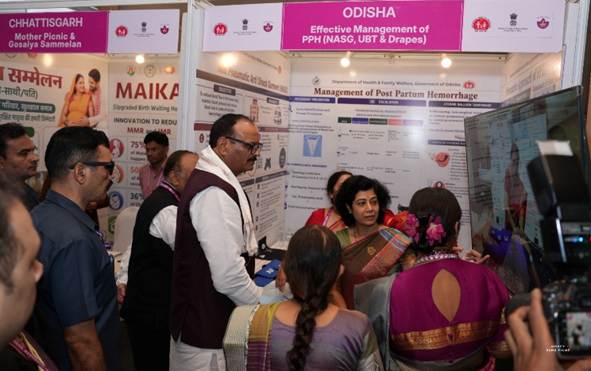
The roadmap follows a life-course and continuum-of-care model, covering healthcare interventions from the pre-pregnancy stage through antenatal, delivery and postnatal care. Its strategy is divided into two components: one specifically targeting 13 high-focus States and 130 districts with a disproportionate burden of maternal and newborn deaths, and another covering all States and Union Territories to sustain progress towards Sustainable Development Goal targets. The workshop examined issues including high-risk pregnancies, postpartum haemorrhage, Caesarean-section services, community interventions, Birth Waiting Homes, digital health, grievance redressal and the impact of climate change on maternal health. Guidelines on Birth Waiting Homes, communication material and a video on SUMAN Roadmap 2030 were also launched.
The meeting also gave States an opportunity to present their priorities, implementation challenges and proposed solutions, while a Gallery Walk showcased field innovations from across the country, including maternal health interventions and digital initiatives. Representatives from WHO, UNFPA, UNICEF, Gates Foundation, Jhpiego, FOGSI, C3 and CIFF participated in the discussions and reiterated their support for the programme. Through technical sessions and group exercises, participants worked on practical solutions for high-risk pregnancy management, pre-pregnancy care, postpartum haemorrhage and Caesarean-section services. The Ministry said the deliberations would help translate the SUMAN Roadmap 2030 into measurable action and strengthen the national effort to eliminate preventable maternal and newborn deaths by 2030.
4, Sep 2026
National Institute of Homoeopathy, Kolkata Marks Golden Jubilee with New Clinical and Research Facilities
The National Institute of Homoeopathy (NIH), Kolkata, has celebrated its Golden Jubilee, marking 50 years of contribution to homoeopathic education, research and patient care. The milestone event also saw the inauguration of a state-of-the-art Modular Operation Theatre and a Centre of Excellence, aimed at strengthening the institute’s clinical services, academic capabilities and research infrastructure.
The celebrations were attended by Shri Prataprao Jadhav, Minister of State (Independent Charge), Ministry of Ayush and Minister of State, Ministry of Health & Family Welfare, and Shri Sukanta Majumdar, Union Minister of State for Education. Members of Parliament Jyotirmay Singh Mahato and Samik Bhattacharya, West Bengal MLA Sumana Sarkar, Vaidya Rajesh Kotecha, Secretary, Ministry of Ayush, along with senior officials, faculty members, doctors, students and other stakeholders, were also present.
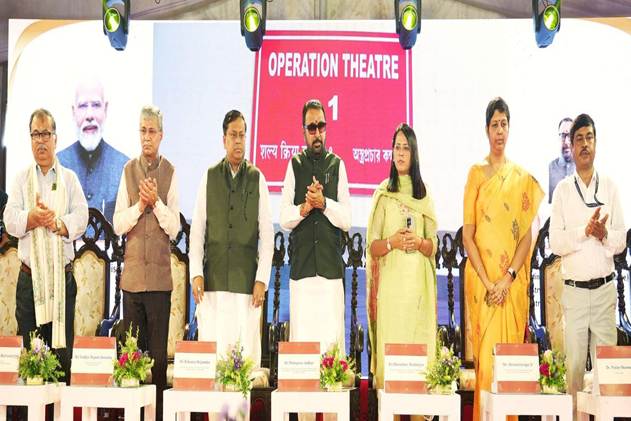
Addressing the gathering, Shri Prataprao Jadhav described the completion of 50 years as a significant milestone in NIH Kolkata’s journey. He said the Golden Jubilee provides an opportunity not only to recognise the institute’s achievements over the past five decades but also to define its priorities and vision for the years ahead.
The Minister said the newly inaugurated facilities demonstrate the government’s focus on modernising Ayush institutions through improved infrastructure, quality education, advanced research and better patient-care services. He stressed the importance of combining the strengths of traditional systems of medicine with contemporary technology, research and innovation to respond to emerging healthcare needs. Jadhav also called for stronger opportunities in homoeopathic education and research for students, researchers and young professionals, expressing confidence that NIH Kolkata would further strengthen its position as a leading centre for homoeopathic education, research and patient care.
31, Aug 2026
A Father’s Gift of Life: 55-Year-Old Father Donates Kidney to 22-Year-Old Daughter
Wockhardt Hospitals, Mira Road successfully performs Kidney Transplant, giving young woman a chance at a dialysis-free life
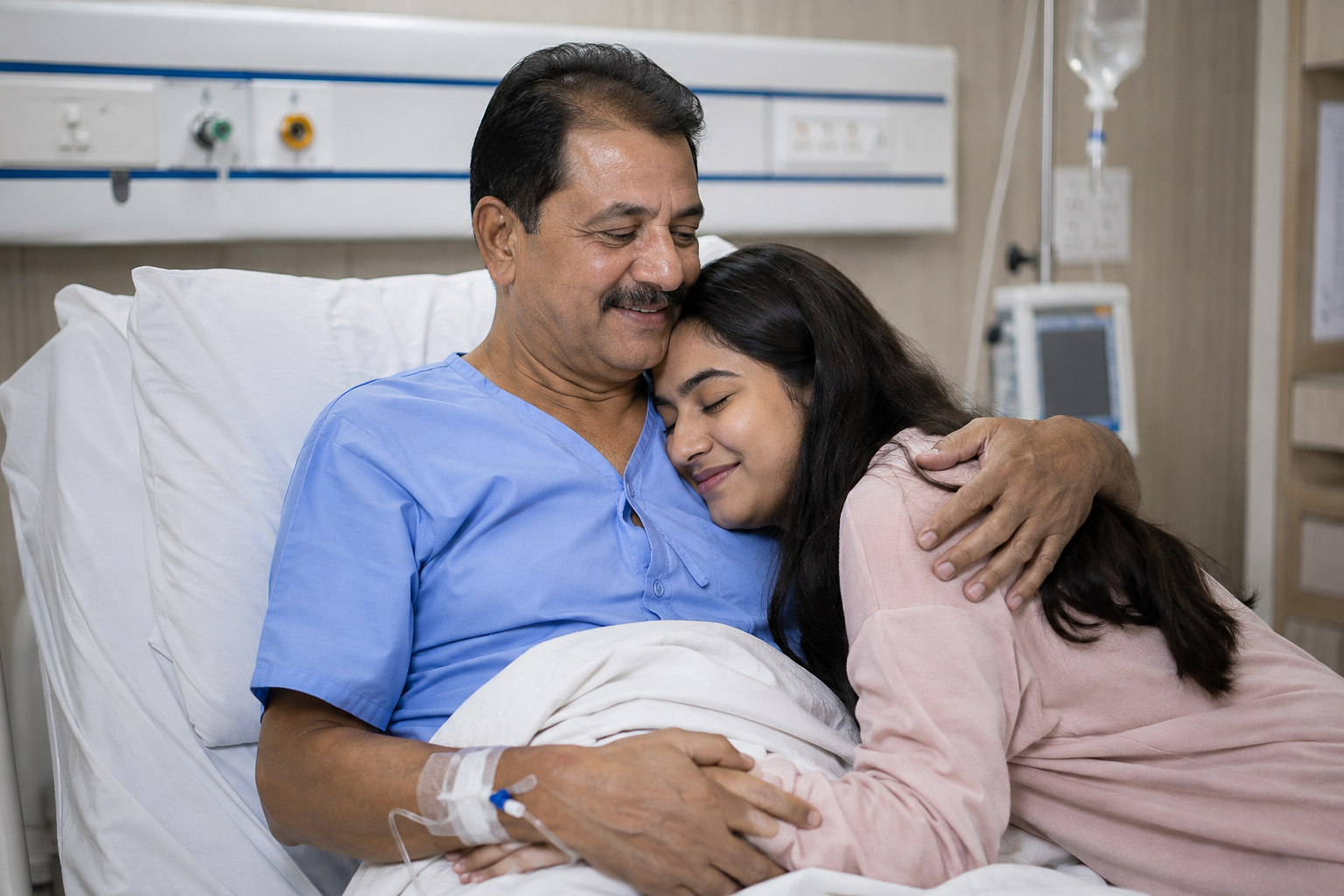
Mumbai|, Aug 31: In an emotional story of unconditional parental love, a 55-year-old father from Bhayandar donated one of his kidneys to his 22-year-old daughter after she was unexpectedly diagnosed with kidney failure. The transplant was successfully performed at Wockhardt Hospitals, Mira Road, giving the young woman a new chance at a healthier, dialysis-free life.
Her kidney failure was discovered unexpectedly during a routine blood test. Further evaluation and sonography revealed small, shrunken kidneys. She was subsequently started on dialysis. To improve her long-term quality of life, the family decided to explore Kidney Transplantation. However, initially, no suitable donor was available within the family.
At this crucial moment, her father stepped forward to donate his kidney to his daughter. Although he had been newly diagnosed with diabetes, he was determined to become her donor. He underwent a comprehensive medical evaluation and detailed donor assessment at Wockhardt Hospitals, Mira Road, and was found medically fit to undergo kidney donation.
The Kidney Transplant was successfully performed under the leadership of Dr. Puneet Bhuwania, Consultant Nephrologist and Transplant Physician, along with a multidisciplinary transplant team at Wockhardt Hospitals, Mira Road. The transplant team included Dr. Jayesh Dhabalia, Consultant Transplant Surgeon; Dr. Pradeep Vyawahare, Consultant Urologist & Transplant Surgeon, Dr. Prakash Tejwani, Consultant Urologist & Transplant Surgeon and Dr. Ashutosh Baghel, Consultant Urologist, Andrologist and Renal Transplant Surgeon. The multidisciplinary team worked together to ensure surgical precision, coordinated transplant care, comprehensive donor evaluation and close postoperative management.
The post-transplant period was challenging and required close monitoring and multidisciplinary care. After approximately 15 days of treatment and observation, the young woman recovered well and was discharged in a healthy condition. She is now doing well and progressing towards a healthier life without dialysis.
Dr. Puneet Bhuwania, Consultant Nephrologist and Transplant Physician at Wockhardt Hospitals, Mira Road, said: “A father donating his kidney to his daughter is a profound expression of love and courage. His recent diagnosis of diabetes made the donor evaluation particularly important. Our priority was to ensure that kidney donation was safe for him while giving his daughter the opportunity for a healthier future. We are happy that she has recovered well and is now living without dialysis.”
Wockhardt Hospitals, Mira Road has advanced facilities and multidisciplinary expertise for Kidney and Liver Transplantation, including comprehensive donor evaluation, transplant surgery and post-transplant care. For this family, the successful transplant is more than a medical milestone. It represents a father’s extraordinary gift of life—transforming a difficult diagnosis and the uncertainty of dialysis into renewed hope for his daughter’s future.
28, Aug 2026
St. Mary’s Health System Deploys Canopy’s Wearable Safety Technology System-Wide to Enhance Employee Safety
138-year-old Maine health system equips all staff, across five locations in three communities, with discreet wearable duress buttons
LEWISTON, ME, UNITED STATES, Aug 28 –– Canopy, the leader in connected safety technology for healthcare, today announced a partnership with St. Mary’s Health System, a member of Covenant Health serving the Greater Lewiston-Auburn community since 1888, to deploy Canopy Protect across its entire health system. St. Mary’s is equipping every employee, clinical and non-clinical, with wearable duress buttons that can notify nearby colleagues and security, allowing staff to summon support quickly and discreetly.
The system-wide rollout, which went live August 19, spans a multi-city geographic footprint: St. Mary’s main campus in Lewiston, including d’Youville Pavilion and St. Mary’s Residences, two locations in Auburn, and its Poland location. Coverage extends beyond hospital walls to include parking areas, protecting staff as they walk to their vehicles at night. In total, the deployment covers 1,220 employees and 8 buildings.
“Listening to our staff and investing in technology that makes their work safer is part of how we continue to evolve,” said Jill Rollins, CNO/COO of St. Mary’s Health System. “Canopy gives every member of our team a simple, discreet way to call for support and adds another layer of safety across our health system.”
St. Mary’s decision to invest in Canopy grew out of the health system’s ongoing commitment to listening to its staff. Through culture-of-safety surveys, event reviews, and the work of its Workplace Violence Prevention Committee, which includes frontline nurses, emergency department staff, outpatient practice staff, and providers, a consistent need emerged: staff wanted a way to summon help quickly and discreetly, including on locked units where reaching a phone is not always possible. St. Mary’s rollout builds on Covenant Health’s existing experience with Canopy, which is already in use on specific units at two sister hospitals within the health system.
Workplace violence remains one of healthcare’s most pressing challenges nationwide, and most tools available to health systems, including policies, training, and response protocols, focus on the moment violence occurs or its aftermath. Canopy Protect addresses the critical window before that point. With a discreet double-press of a wearable button, a staff member can call a colleague to check in on them before a situation escalates, enabling pre-escalation intervention that complements the training, education, and response protocols St. Mary’s already has in place.
“Healthcare workers and frontline staff deserve to feel safe every time they step on campus, and we’re proud to partner with organizations like St. Mary’s that are making workplace safety a priority for every single employee,” said Shan Sinha, CEO and founder of Canopy. “A health system that has served its community for nearly 140 years choosing to protect its entire workforce, across every campus, every role, and every shift, sends a powerful message. We’re excited to work alongside their team to create a safer environment for caregivers so they can stay focused on what matters most: delivering exceptional patient care.”
Members of St. Mary’s Workplace Violence Prevention Committee, including emergency department staff, outpatient providers, and other frontline team members, previewed the technology ahead of launch and have been enthusiastic advocates for the rollout. On go-live day, St. Mary’s and Canopy teams distributed buttons at morning huddles across the system, with leadership on-site to celebrate the launch alongside staff.
24, Aug 2026
Indian Railways Launches Special Drive to Ensure Safe Drinking Water at Stations
Indian Railways has launched a special cleanliness and disinfection drive across its network to strengthen the safety and hygiene of drinking-water facilities and ensure passengers have access to clean and potable water at railway stations.
As part of the initiative, Zonal Railways will inspect and maintain the complete drinking-water supply chain, including water sources, treatment plants, filtration systems, underground and overhead tanks, water booths, taps and dispensing points. The focus is on preventive maintenance and regular water-quality monitoring rather than relying only on testing at the final point of supply.
During the drive, drinking-water tanks will be drained, desludged, scrubbed and disinfected. Railway authorities will also check tank covers, vents and overflow points to prevent contamination by birds, animals and algae. Damaged tanks, pipelines and filters will be repaired or replaced wherever necessary.
The inspection will also focus on preventing cross-connections between potable and non-potable water systems. Pipelines forming part of the drinking-water network will be checked for leakages, with corrective measures taken to prevent contamination as well as unnecessary water loss.
Special attention will be given to drinking-water facilities dependent on hand pumps and borewells. Zonal Railways will verify that water drawn from these sources remains free from contamination and meets the requirements for safe potable use.
The Railway Board has also directed comprehensive inspections of water coolers and purification systems. Cooler tanks will be cleaned, while leakages in coolers, pipelines and taps will be repaired promptly. UV and RO purification systems will be checked for proper functioning, with servicing, filter replacement and overhauling undertaken wherever required.
The same hygiene and quality-control measures will be extended to Water Vending Machines. Railway authorities will conduct physical, chemical and bacteriological testing of water samples from selected sources, treatment outlets, tanks, coolers, vending machines and drinking-water taps or booths. Daily residual-chlorine monitoring will also be carried out, with re-chlorination or other corrective action wherever necessary.
The Railway Board has further asked Zonal Railways to expedite sanctioned projects for replacing old overhead and underground tanks and constructing new ones. Station-wise deficiencies identified during the special drive will be recorded along with corrective action taken, enabling closer monitoring and time-bound resolution.
The action plan also covers drinking-water infrastructure in Railway colonies and workplaces. Through regular inspection, cleaning, disinfection, infrastructure upgrades and systematic water-quality testing, Indian Railways aims to strengthen its drinking-water management system and ensure safe, clean and hygienic water for both passengers and railway personnel.


