


25, Jun 2025
Brain Tumours Demystified: Essential Information for Patients and Families
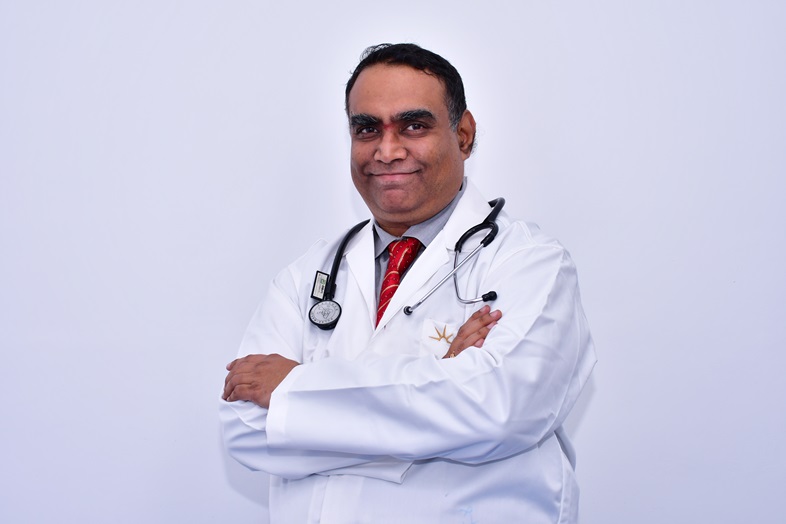
Dr R V RAGHUNANDAN, Senior Consultant – Radiation Oncologist at HCG MNR Curie Cancer Centre at Ongole
The diagnosis of a brain tumour usually triggers significant anxiety in the minds of the patient and the family. Given the brain’s central role in controlling cognition, emotion, and bodily function, this sense of fear is understandable. Yet, it is important to recognise that not all brain tumours carry the same prognosis or treatment implications. Advances in neuro-imaging, surgical techniques, and targeted therapies have significantly improved the outlook for many patients. A nuanced understanding of brain tumours—ranging from benign to malignant forms—is essential to support informed decision-making and reduce unnecessary fear.
Not All Brain Tumours Are the Same
One of the most common misconceptions is the assumption that all brain tumours are aggressive or malignant. In reality, brain tumours comprise a diverse group of conditions, with varying behaviours, prognoses, and treatment approaches.
Some are benign (non-cancerous), such as meningiomas or acoustic neuromas. These grow slowly and may not spread but can still cause symptoms if they press on vital brain structures. Others, like glioblastomas, are malignant and can grow rapidly.
There are also secondary (metastatic) brain tumours, which begin as cancers elsewhere in the body—like the lung, breast, or kidney—and travel to the brain. These are actually more common than primary brain tumours.
Knowing what type of tumour, it is, and where it’s located, determines everything: from symptoms, to treatment, to prognosis.
Symptoms Can Be Subtle—or Sudden
Brain tumours do not always announce themselves dramatically. Patients may present with non-specific symptoms that are frequently attributed to stress or fatigue. Persistent headaches, difficulty concentrating, memory disturbances, and noticeable changes in behaviour or mood are among the early signs that may warrant further neurological evaluation.
Weakness on one side of the body or seizures could possibly be the first sign of a brain tumour. If a person experiences persistent neurological symptom, they definitely deserve attention. While not every neurological problem indicates a tumour, early detection can help keep the body safe.
Imaging Is the Game-Changer
Decades ago, diagnosing a brain tumour relied on intuitive conjecture and invasive tests. Today, advanced tools, such as MRI and CT scans that allow us to see the brain with remarkable clarity. Advanced imaging helps us not only detect tumours but also understand their behaviour—how fast they’re growing, how they’re interacting with brain tissue, and whether they can be surgically removed.
In some cases, a biopsy may still be required to confirm the type of tumour. But increasingly, there is a huge dependence on high-resolution scans and molecular diagnostics, to guide our treatment decisions.
Treatment Is Often Multi-Pronged
Treatment for brain tumours is highly individualized. A young patient with a small, slow-growing tumour may only need monitoring. Another person might need a combination of surgery, radiation, and chemotherapy.
Surgical techniques have also improved vastly. Neuro-navigation systems, real-time brain mapping, and minimally invasive procedures allow us to operate with much greater precision and safety. The aim is not just to remove the tumour, but to preserve as much normal brain function as possible.
When surgery isn’t an option, stereotactic radiosurgery—a focused form of radiation—or targeted drug therapies may be used. The era of “one-size-fits-all” is gone. We now treat tumours based on their genetic profile, behaviour, and the impact on the individual.
It’s Not Just About the Brain—It’s About the Person
One of the most overlooked aspects of brain tumours is the toll they take on personal life. Even a small tumour can affect speech, vision, balance, or personality. That’s why care must extend beyond treating the tumour.
Close collaboration with rehabilitation specialists, psychologists, as well as speech and occupational therapists is an integral part of comprehensive brain tumour care. The goal is not just survival—but the quality of life, post-survival. Helping a patient walk again, regain her voice, or return to work, is just as important as removing a tumour.
Things Patient Should Keep in Mind
When a patient hears the term “brain tumour,” the first reaction is often fear, as it can be difficult to understand. However, knowledge is empowering. One of the most important steps a patient can take is to stay well-informed. Being aware, asking questions, and remaining actively involved with the medical team can make a significant difference.
A brain tumour diagnosis can be overwhelming, but it is important to recognise that significant advancements in medical science have transformed the way these conditions are managed. With improved diagnostic tools, targeted therapies, and multidisciplinary care, outcomes continue to improve and recovery is increasingly achievable. Each case is unique, and treatment plans must be tailored to the specific clinical and biological characteristics of the tumour and the individual.
The presence of persistent neurological symptoms should never be ignored or delayed in evaluation, as timely assessment is critical for accurate diagnosis and effective management. Early evaluation by a specialist can make a significant difference. Remember, knowledge is power—seeking timely medical advice can lead to better outcomes. Reach out to a qualified neurologist or neurosurgeon to discuss your concerns and take the first step towards understanding and managing brain health, with confidence.
- 0
- By Neel Achary

25, Jun 2025
HCAH Appoints Dr. Munim Tomar to Boost PMR Expertise, Accelerates Recovery Mission in Delhi-NCR
New Delhi, June 25, 2025 – In a powerful step toward its core mission of delivering India’s fastest, most effective rehabilitation outcomes, HCAH—India’s leading full-stack rehab and geriatric care platform—has appointed Dr. Munim Tomar, an accomplished physiatrist trained at AIIMS, as Consultant, Physical Medicine and Rehabilitation (PMR) at its Patel Nagar facility. This strategic addition strengthens HCAH’s leadership in out-of-hospital neuro, paediatric, and amputee rehabilitation across Delhi-NCR.
The expansion of HCAH’s PMR capabilities is not just an operational milestone—it’s a direct enabler of HCAH’s founding motto: to deliver the fastest recoveries through expert-led, evidence-based, patient-centric care. With structured PMR now at the center of its clinical model, HCAH is creating a system where speed and quality of recovery go hand in hand.
Dr. Tomar brings over seven years of clinical and academic experience from India’s premier institutions including AIIMS, Safdarjung, and RML. His areas of specialization span neuro rehab, paediatric rehabilitation, spinal cord injury, orthotic and prosthetic rehab, chronic pain management, and sports injury recovery. His appointment arrives at a time when post-stroke disability, neurological disorders, and trauma-related mobility challenges are rising sharply in the region—underscoring the urgent need for structured, multidisciplinary PMR care.
At the Patel Nagar centre, Dr. Tomar will lead personalized, protocol-driven rehab plans tailored to reduce pain, restore function, and help patients reclaim independent lives—faster and more completely. This includes working closely with patients recovering from stroke, children with neurological impairments, and individuals requiring prosthetic or orthotic support after limb loss.
Dr. Gaurav Thukral, Co-Founder and COO of HCAH, said:
“HCAH’s motto has always been simple—‘Fastest recovery. Best quality of life.’* With the addition of Dr. Tomar and the expansion of our PMR team, we are turning that promise into measurable reality. This is not just a new appointment—it’s a significant reinforcement of our philosophy. Whether a patient is recovering from stroke, living with cerebral palsy, or adjusting to life after amputation, our goal is to get them back to function, back to purpose—and do it faster than traditional models allow.”*Dr. Tomar added:
“Rehabilitation should not be an afterthought. It should be the driving force of post-acute care. For every patient, time is function—and the faster we act, the better the recovery. At HCAH, I see an environment where that urgency is matched with structure, empathy, and clinical excellence. I’m excited to join this mission to make recoveries not just possible—but faster and fuller.”
HCAH’s full-stack model integrates in-patient rehab centres, home-based rehab services, and long-term geriatric care into one coordinated continuum. With PMR specialists now embedded across its Delhi-NCR operations, HCAH is building a national benchmark for rapid, out-of-hospital rehabilitation—combining speed with sustainability for stroke survivors, amputees, and children with mobility disorders.
25, Jun 2025
Unlock a Healthier, Happier You with TimesHealth+
India’s Most Trusted Wellness Ecosystem Empowers Individuals to Take Charge of Their Physical, Mental, and Emotional Well-Being
New Delhi, June 25, 2025 – TimesHealth+, an initiative by The Times of India, is redefining how people approach everyday wellness. Launched in 2025, TimesHealth+ is a holistic, subscription-based wellness platform offering live expert-led sessions, habit-building challenges, and tools designed to support long-term health routines.
As one of India’s most trusted wellness ecosystems, TimesHealth+ gives subscribers exclusive access to a comprehensive suite of offerings that support their physical, mental, and emotional health. From daily yoga and bootcamp classes led by certified experts to nutrition workshops and guided wellness challenges, the platform provides the structure and support needed to build sustainable habits.
“At TimesHealth+, our mission is to empower individuals everywhere to prioritize their well-being and unlock a healthier, happier version of themselves,” said Amit Khanna of TimesHealth+. “By offering expert-led sessions, habit-building tools, and structured support, we’re helping people take control of their wellness journey in a way that fits into their daily lives.”
Through the TimesHealth+ subscription, members gain access to:
Live & Interactive Wellness Classes:
Daily Yoga Asana sessions
Weekly Bootcamps focused on joint health, mobility, posture, and strength-building
Guided Pranayama & Meditation sessions for mental clarity and emotional balance
Nutrition & Habit Formation sessions led by certified experts
Expert-Led Challenges & Tasks:
Bite-sized, easy-to-follow daily/weekly wellness tasks
Focus areas: mindful eating, posture correction, movement tracking, and more
In addition to its live and expert-led programming, TimesHealth+ offers personalized insights and progress tracking to help subscribers stay consistent, motivated, and accountable throughout their wellness journey.
“We’re excited to introduce TimesHealth+ as a holistic wellness destination that helps individuals make wellness a daily practice,” added Amit Khanna. “From live sessions and guided programs to small, everyday actions, the platform is built to keep users motivated, consistent, and confident in their wellness journey.”
To explore TimesHealth+ and begin your wellness journey, visit timeshealthplus.com.
About TimesHealth+:
TimesHealth+ is a wellness initiative by The Times of India, launched in 2025 to help individuals take charge of their physical, mental, and emotional well-being. It offers a subscription-based ecosystem of live expert-led sessions, practical tools, and guided programs that promote lasting, healthy habits – all accessible from anywhere.
24, Jun 2025
Rising Cases of Fatty Liver Among Youth: ILS Hospital Expert Warns on Lifestyle Risks and Urges Early Intervention
By – Dr. Sarbajit Ray,Consultant Physician,ILS Hospitals, Salt Lake
Recently it’s observed that an increasing number of young people are reporting fatty liver. Fatty liver typically can be caused by Non Alcoholic Fatty Liver Disease or Alcohol related fatty liver.
The increase in NAFLD in the young population is worrisome.
NAFLD could be due to lifestyle factors, particularly poor diet and sedentary behavior. Increased consumption of sugary drinks and processed foods, combined with a lack of physical activity, leads to fat accumulation in the liver.
Metabolic syndrome, including obesity, diabetes, high blood pressure, and high cholesterol are major risk factors for NAFLD. Genetic factors and insulin resistance increase the risk manifold.
1. Lifestyle Factors:
Poor Diet:
Processed food and fast foods are high-fat, high-sugar diets, especially high in refined carbohydrates and saturated fats. These foods overwhelm the liver’s ability to process and break down fats.
Sedentary Lifestyle:
Lack of physical activity contributes to weight gain and fat accumulation, including in the liver.
Obesity:
Excess body weight, particularly abdominal fat is strongly associated with NAFLD.
2. Metabolic Factors:
Metabolic Syndrome:
This condition, characterized by obesity, high blood pressure, high cholesterol, and high blood sugar, is a major risk factor for NAFLD.
Insulin Resistance:
When the body’s cells don’t respond properly to insulin, it can lead to elevated blood sugar and fat levels, increasing the risk of fatty liver. Indians are particularly prone to have insulin resistance which increases the risks.
3. Other Factors:
Genetic Factors: Some individuals may have a genetic predisposition to developing NAFLD.
Rapid Weight Loss: Rapid weight loss also can trigger fat release into the bloodstream, potentially leading to fatty liver.
Excessive Alcohol Consumption: While usually associated with alcoholic liver disease, excessive alcohol intake also contributes to fatty liver.
The bottom line is prevention . Adoption of Lifestyle modifications, Regular exercise coupled with a healthy diet will help in reversing the damage. And of course consult your physician.
24, Jun 2025
Frutas de Chile Launches a Health Focused Campaign in India to Promote Kiwifruit from Chile
24th June’2025: Chile is globally recognised for its premium-quality produce, thanks to its unique climate and geographical diversity. Among its celebrated exports, Chilean Kiwifruit stands out not only for its exceptional taste but also for its powerful nutritional benefits.
To raise awareness about the health advantages of this superfruit and establish a deeper connection with Indian consumers, Frutas de Chile has launched a dedicated promotional campaign across India, ‘The Power of Vitamin C, Fresh from Chile!’ celebrating both taste and nutrition of Chilean kiwifruits.

Known as one of the most nutrient-dense fruits, Chilean Kiwi is a powerhouse of essential vitamins and minerals. It is especially rich in vitamin C, dietary fiber, actinidin, potassium, and folate. Just one serving provides a remarkable 117% of the recommended daily intake of vitamin C and 21% of dietary fiber. It is also a good source of potassium and vitamin E, making it a smart and wholesome addition to daily diets.
Talking about the health benefits, Ms. Rima Rao, dietitian and nutritionist, said “Chilean kiwi is a smart choice for those looking to support digestive health naturally. Its rich fiber content and the enzyme actinidin help improve digestion, support gut health, and may even aid in better blood sugar regulation.”
“One bite of a ripe Chilean kiwi gives you more vitamin C than an orange and more potassium than a banana, that’s nature’s multivitamin!” added Ms. Rao.
Mr Carlos Cruzat, President of the Chilean Kiwifruit Committee said “We are truly delighted with the overwhelming response to Chilean Kiwifruit in India. Health-conscious Indian consumers have embraced the fruit for its exceptional quality, great taste, and nutritional value. Our campaign is focused on deepening this connection and bringing the fruit closer to consumers across the country.”
Mr. Sumit Saran, In-Country Market Representative of Chilean Kiwis, said, “Consumers in India are constantly looking for fruits that builds their immunity. Through various activities and campaigns, we aim to increase awareness about health, taste and versatility of Chilean kiwifruits. Chile, a country in South America is one of the largest producers of premium kiwifruits in the world.’
“With strong support from our trade and retail partners, we’re making Chilean Kiwifruit available in more cities across the country. And with Chile’s preferential trade agreement with India, it’s also become more affordable for Indian consumers, added Cruzat.”
Chilean Kiwifruits will be widely available across India for the next three months. Consumers can easily purchase them from local fruit stores or online through leading e-commerce and q-commerce platforms.
24, Jun 2025
Varicose Veins Are Increasingly Being Diagnosed in Men Aged 25-45, Say Experts
Mumbai: Traditionally seen as a condition affecting women, varicose veins are now increasingly being diagnosed in men aged 25-45. Various lifestyle factors such as prolonged standing or sitting, lack of physical activity, obesity, and even genetics are contributing to the growing number of male patients. Just like in women, timely management in men is important to prevent complications like leg ulcers, blood clots. Early symptoms such as leg heaviness, visible veins, and night cramps are often ignored, delaying treatment and worsening the condition.
Dr Javed Sikandar, Consultant Radiologist and Varicose Vein Expert, Apollo Spectra Hospital Chembur Mumbai Said, Varicose veins occur when the valves in the veins, usually in the legs, are unable to function properly, leading to poor blood circulation and pooling of blood. This results in veins becoming enlarged, twisted, and visibly swollen. “Though women still represent the majority of cases, currently, even men are suffering from it and having difficulty in navigating their daily life. In men, common causes include prolonged standing (especially in jobs like teaching, security, or retail), obesity, sedentary lifestyle, and lifting heavy weights. A family history of vein disorders also raises the risk. Symptoms can range from aching pain, throbbing, muscle cramps, and swelling to visible blue or purple veins under the skin. In a month, approximately 3 in 10 men aged 25-45 come with symptoms such as pain, swollen and twisted veins due to varicose veins. 1 out of 3 is recommended for the Endovenous Laser Therapy (EVLT) or sclerotherapy. So, there is a 30% surge in varicose vein cases in men. Remember, timely intervention can help one to move freely and manage this problem.”
Dr Ashank Bansal, Vascular Surgeon & Interventional Radiologist, Zynova Shalby Hospital Said “Many men tend to dismiss the early signs of varicose veins as temporary fatigue or muscle strain. However, untreated varicose veins can lead to serious complications, including skin discoloration, leg ulcers, and even deep vein thrombosis (DVT) in rare cases. The risk factors include obesity, prolonged standing or sitting, smoking, and a lack of physical exercise. In a month, approximately 2 in 10 men aged 25-45 visit with symptoms such as muscle cramps, pain, fullness, and heaviness in legs, swollen and twisted veins that can indicate varicose veins. So, there is a 20% spike in varicose vein cases in men. In moderate to severe cases, minimally invasive procedures such as Endovenous Laser Therapy (EVLT) or sclerotherapy offer effective treatment. Timely consultation with a vascular specialist can help avoid discomfort and long-term damage.”
“Preventive measures include regular movement, leg elevation during rest, avoiding tight clothing, and wearing compression stockings can help. Maintaining a healthy weight and staying active reduces pressure on the veins. Men must start taking leg health seriously, it’s not just a cosmetic issue but a vascular condition that needs timely care, concluded Dr Sikandar.
21, Jun 2025
Yashoda Medicity Hosts Yoga Sangam to Champion Preventive Healthcare on Yoga Day 2025
Ghaziabad/NCR, June 21, 2025: On the occasion of the 11th International Yoga Day, Yashoda Medicity hosted Yoga Sangam, in collaboration with the Federation of Hotel and Restaurant Associations of India (FHRAI) and with the support of the Ministry of AYUSH, Government of India.

The program started with a live telecast of Hon’ble Prime Minister Shri Narendra Modi’s speech, followed by a yoga demonstration. He emphasized how yoga has become a global practice, cutting across geographies and generations. He also discussed the deeper significance of yoga as a means of public engagement and harmony, and the ultimate objective of collective well-being.
Over 500 participants, including healthcare professionals, members of nearby societies, and yoga enthusiasts, gathered at Yashoda Medicity for the event, where they performed asanas and breathing exercises under the guidance of certified trainers, as part of the Common Yoga Protocol.
This year’s theme of “Yoga for One Earth, One Health” was at the center of the event, reflecting the ethos of healthy living and eco-friendly living.
Distinguished guests such as Professor R.M. Acharya from Swami Vivekananda Yoga University and Shri Mahendra Nath Pandey, Former Minister of Heavy Industries and Public Enterprises of India, graced the occasion. They were joined by key stakeholders, Dr. Upasana Arora, Dr. P.N. Arora, Dr. Sunil Dagar, and other employees at Yashoda Medicity, who actively participated in the session. Their presence underscored the importance of integrating traditional wellness practices into modern healthcare.
Yoga Sangam mirrored the increasing popular interest in health and awakening living. With collective participation central to the event, it highlighted Yashoda Medicity’s sustained efforts towards holistic well-being and preventive care among people.
Speaking on this, Dr. Upasana Arora, Managing Director of Yashoda Group of Hospitals, said, “Yoga is a powerful way to support mental well-being. It lowers stress and provides a sense of calmness and balance. It was heartening to see so many participants, from our doctors and staff to residents from nearby societies, and passionate yoga enthusiasts, come together at Yashoda Medicity for this meaningful session. The collective energy and intent with which everyone participated truly reflected how deeply people value preventive care and mindful living.”
Dr. P.N. Arora, Chairman and Managing Director, Yashoda Group of Hospitals, added, “Yoga is a simple yet powerful practice that encourages people to take ownership of their well-being. It was encouraging to see individuals from all age groups come together with a common goal of prioritising health, mindfulness, and balance. That collective participation is what gives such initiatives lasting impact.”
21, Jun 2025
Medanta Marks International Yoga Day with Grand Celebration Focused on Wellness
Gurugram, June 21, 2025 – Medanta – The Medicity, one of India’s leading multi-specialty hospital and ranked as the country’s Best Private Hospital by Newsweek for six consecutive years, spearheaded the celebrations of the 11th International Yoga Day. In collaboration with the Art of Living Foundation, Medanta hosted two large-scale events at the hospital — on the lawns and in the auditorium — which saw nearly 200 participants, including Dr. Kartikeya Bhargava, Senior Director, Electrophysiology, Cardiac Care, Medanta, who emphasized the importance of integrating yoga into daily life for better heart health and overall well-being.

Further, amplifying the message of holistic health, Medanta extended the celebrations to local communities by helping to organize special yoga sessions in collaboration with RWAs in Gurugram and Noida, as well as at New Delhi’s Defence Colony Club.
Together, the events engaged more than 1,000 individuals across Delhi-NCR, underscoring Medanta’s commitment to preventive healthcare and community well-being in line with this year’s theme — Yoga for One Earth, One Health.
Highlighting the importance of Yoga in everyday life, Dr. Naresh Trehan, Chairman and Managing Director of Medanta, stated, “Yoga is one of the most powerful tools we have for preventive healthcare. It strengthens the body, calms the mind, and enhances immunity — all of which are essential for a healthy life in today’s fast-paced world. Practices like Pranayama and Anulom Vilom help improve lung capacity, regulate blood pressure, and manage stress — a key contributor to many chronic illnesses. Regular yoga practice strengthens the body, boosts immunity, and supports heart health. At Medanta, we believe that true healthcare begins long before disease strikes, and yoga plays a vital role in empowering individuals to take charge of their health. This vision strongly resonates with Prime Minister Narendra Modi’s initiative to celebrate International Yoga Day — not just as an annual event, but as a global movement to promote holistic well-being. We must embrace yoga not just as a one-day celebration, but as a way of life — for a healthier, stronger, and more resilient society.”
Dr. Kartikeya Bhargava, Senior Director, Electrophysiology, Cardiac Care, Medanta said, “We witnessed enthusiastic participation at Medanta this Yoga Day, and it was heartening to see people from all walks of life embrace this powerful practice. While yoga’s roots go back over 2,000 years, its relevance in modern medicine continues to grow. Yoga has been shown to improve cardiovascular function, help regulate blood pressure, and enhance autonomic balance, which is crucial for heart health. Beyond that, it plays a significant role in reducing stress, anxiety, and chronic pain, while also improving flexibility, sleep quality, and emotional well-being. For patients with chronic conditions like heart disease, diabetes, or arthritis, yoga offers a safe and effective complementary therapy. Integrating it into our daily lives can truly empower individuals to take proactive steps toward holistic, long-term health.”
Medanta remains at the forefront of driving awareness, promoting preventive care, and advancing evidence-based integration of yoga into modern medical practice — reaffirming its commitment to building a healthier, more conscious society.
21, Jun 2025
Superfoods For Sperm And Egg Health: A Couple’s Guide To Fertility Nutrition
By-Dr Bani Kumar Mitra, Founder & Chief Consultant, Abha Surgy Centre
With fertility-related issues becoming a growing concern among urban couples, medical practitioners and nutritionists are placing renewed emphasis on the role of diet in reproductive health. Amidst a surge in awareness about holistic wellness, superfoods—natural foods dense in essential nutrients are being increasingly recognised for their ability to enhance reproductive potential in both men and women.
For women, fertility begins with healthy ovulation and hormone balance. Superfoods such as leafy greens, avocados and berries are rich in folic acid, a vital B-vitamin that supports cell division and ovum development. Nuts and seeds, particularly flaxseeds and walnuts, offer omega-3 fatty acids that help regulate hormones and improve uterine blood flow. Antioxidant-rich foods like blueberries and pomegranates help fight oxidative stress, a known factor in declining egg quality with age.
Male fertility is equally influenced by diet. Zinc, found in pumpkin seeds and lentils, is essential for sperm production and testosterone levels. Selenium, abundant in nuts, boosts sperm motility. Vitamin C and E found in citrus fruits and almonds protect sperm from DNA damage. Tomatoes, high in lycopene, have been linked to improved sperm morphology and count.
Couples looking to conceive should focus on a whole-food, antioxidant-rich diet, avoiding excessive caffeine, trans fats and processed sugars, all of which are linked to hormonal imbalance and lowered fertility.
While superfoods alone may not offer a complete solution, their impact becomes significantly more effective when integrated with broader lifestyle changes such as regular physical activity, stress management, and timely medical consultation. At a time when assisted reproductive technologies are witnessing a steady rise, returning to nature’s own resources may well serve as a foundational and nourishing first step in a couple’s path to parenthood.
21, Jun 2025
Joint Replacement Surgeries: What Age is Too Early or Too Late
By Dr. Achal Saradava, Sr. Orthopedic Surgeon,HCG Hospitals, Rajkot
Does age play a significant role in Joint Replacement Surgery, or Arthroplasty? The answer would be “No”. What truly matters is the quality of life people will be living irrespective of age. If your joint pain is affecting the quality of your life, you should visit a doctor for proper evaluation.
So, let us now understand the basics about a joint replacement and its relation with age.
Understanding the Basics
When a joint is damaged, or injured due to arthritis, or any physical mishap, it can be replaced with an artificial implant and this surgical procedure is called Joint replacement. This procedure is most commonly performed for the hip or knee joints. It’s typically advised when there is chronic and debilitating pain, affecting mobility and other treatments—such as medication, physiotherapy, or lifestyle changes didn’t work.
Is There a “Right” Age?
There’s no one-size-fits-all age when it comes to joint replacement, every joint pain case becomes unique in itself.
Young patients, under 50 or even younger often delay joint replacement surgery. They worry about how long the implant will last, since their bones are still maturing and implants may wear out over time. The thought of needing another surgery later can be a major concern.
And, for older patients with 70+ age worry about recovery, surgical risks, or whether they’ve “missed the window”, given the reality of increased susceptibility to infection and decreased capability to heal.
Many in their 40s or 50s, with severe joint pain, avoid the symptoms and prefer home remedies. They fear that getting a replacement now might entail a second surgery later. But the fact is artificial joints tend to remain viable for 15 to 25 years, or more.
People should understand that persisting pain in joint can significantly limit their regular activities. Delaying for a surgery can further degrade the chronic pain both physically and psychologically leading to muscle loss, worsening deformity, and affecting mental health equally.
Today’s developments have transformed implants more durable than before, and advances in surgical technique make potential revision surgeries manageable.
Is Joint Replacement is not an option for over 70s?
Seniors may consider themselves too old for surgery and also think it as a financial constraints. But this can be an option for those who are physically active, mentally sharp, and otherwise healthy.
For older adults, doctors look at the whole picture—not just age. They consider both physical health and how the body is aging. For example, a healthy and active 78-year-old with good heart and lung function may recover better from joint surgery than a 60-year-old with several uncontrolled health problems.
Before the procedure begins, a careful preoperative assessment is essential. This assessment is done by collaborating with cardiologists, anaesthesiologists, and physiotherapists to ensure that the procedure is safe and that recovery prognosis is satisfactory
When Timing Is Everything
Timing matters, but symptoms, including persistent joint pain that doesn’t improve with medications, limited range of motion affecting daily tasks, difficulty walking, climbing stairs, or getting out of bed, sleep disturbances due to pain, or dependence on others for basic mobility, demand the consideration of surgical options. Early intervention often leads to better recovery and improved joint function. Delaying too long can lead to more complicated surgery, poorer outcomes, or irreversible muscle wasting.
Advancements in Joint Replacement
With developing technologies the Joint replacement in today’s era has become highly advanced. With minimally invasive techniques, computer navigation, and custom-fit implants that improves precision and reduces recovery time.
Rehabilitation protocols have become more streamlined, and many patients begin walking the same day, or the next. With proper planning and motivation, age is now, rarely a limiting factor.
The “right” time for joint replacement should be determined by how much your pain is affecting your life, not by the age.
Whether you’re 45 or 80, the goal is the same, you still have options to cure the joint pain. Consulting an orthopaedic specialist and getting an evaluation is essential. The right time for surgery might just be now.


