


19, Jun 2025
Habuild hits the 1 crore milestone as more Indians commit to daily healthy habits
Chennai: Habuild, India’s first habit building platform, has crossed a significant milestone by building a wellness-first community of over 1 crore members across the country. With this achievement, now 1 in every 140 Indians is now a part of Habuild, underscoring the platform’s growing influence in making holistic wellness accessible, inclusive, and routine.

What began as a simple yet powerful idea to make people fall in love with consistency has now evolved into one of India’s largest digital wellness communities. From 1000 users in 2022 to 1 crore in 2025, Habuild’s journey is rooted in creating daily discipline around yoga, mindfulness, and healthy habits, without preaching perfection or pushing unrealistic goals.
Commenting on the milestone, Saurabh Bothra, Co-founder of Habuild , said, “We are deeply humbled and inspired to see over 1 crore Indians committing to better health through daily habits. Our goal was never just numbers, it was to build a movement where wellness is accessible, inclusive, and rooted in discipline rather than motivation. I started Habuild for my mom but even after 1 Crore+ people joining us, this is just the beginning.”
Habuild’s approach offering live yoga sessions, habit challenges, and expert-led conversations continues to resonate with diverse age groups, professionals, homemakers, and first-time wellness seekers. With the platform reaching users in Tier 1 to Tier 4 cities, its philosophy of “doing over planning” is creating tangible shifts in how India engages with health. “We have seen everyone from a 3 year old to a 91 year old attend our session,” added Bothra.
As International Yoga Day approaches, Habuild aims to further amplify this momentum with community initiatives, social impact initiatives, and a call to adopt yoga not as a one-day event, but as a lifetime practice.
- 0
- By Neel Achary

19, Jun 2025
MGM Healthcare Performs Rare Skull Base Surgery on 1-Year-Old
Chennai, 19th June, 2025: MGM Healthcare successfully performed a Transnasal Endoscopic Repair of Cerebrospinal Fluid (CSF) Leak from a herniated brain inside nose with Skull Base Defect Reconstruction on a one-year-old child from Odisha. , marking a rare and complex intervention in pediatric endoscopic skull base surgery. This surgery was done using duragen, a collagen-based biomaterial, instead of a traditional autograft. The surgery was uneventful, the patient was discharged 48 hours post-surgery.
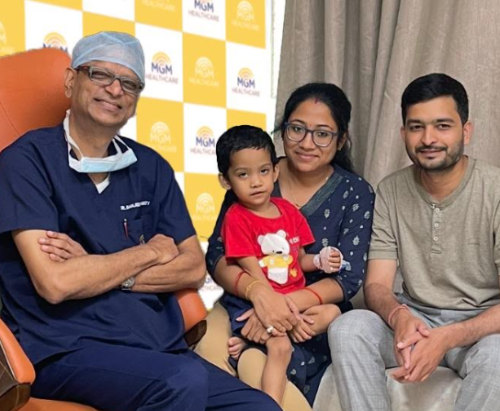
Cerebrospinal fluid (CSF) leakage occurs when there is a defect or tear in the protective membranes surrounding the brain and spinal cord, allowing the clear, cushioning fluid to escape from its normal pathways. When such a leak occurs at the skull base, it can lead to nasal discharge, recurrent infections, and breathing difficulties.The presence of congenital meningomyocele inside the nasal cavity proved to be the biggest surgical challenge . The condition is extremely rare, occurring in approximately 1 in 10,000 cases.
In this case, the child had been experiencing multiple episodes of brain fever, persistent CSF leakage and complete nasal blockage for nearly six months, due to a congenital skull base defect. This is a rare condition where the base of the skull does not fully develop during the growth period. If left untreated may lead to life-threatening complications due to the exposure of prolapsed meninges herniating into the nasal cavities from above. It was left undiagnosed and untreated till the pertinent investigations clinched the diagnosis. In the earlier visits to the hospitals, the baby was treated conservatively in the hope that mouth breathing would abate as the age progresses.Finally , a proper evaluation led to the diagnosis of this clinical entity.
The intra operative innovation using collagen based artificial dura eliminated the requirement for a secondary surgical site, thereby reducing surgical invasiveness, an important consideration in pediatric surgical care. In such an underweight child, especially , during the growth phase , it’s important to preserve the existing anatomy to the extent possible.
Prof. Dr. Sanjeev Mohanty, Senior Consultant and Head of the Department, Institute of ENT, MGM Healthcare said, “Navigating through a narrow transnasal route in a one-year-old child with such a high-risk skull base defect is always a surgical challenge. This case reinforces the importance of early diagnosis and timely intervention. Open surgical approaches in such cases can be highly morbid. However, by employing the endoscopic technique along with advanced biomaterials, we were able to minimize scarring, ensure faster recovery, and reduce the overall surgical burden on the child.”
Using advanced high-definition endoscopic imaging technology, Dr. Mohanty and his team successfully navigated the infant’s extremely narrow nasal passage to locate and repair the skull base defect with high precision.
This case also underscores the value of cadaveric dissection-based training and continual upskilling in endoscopic skull base approaches, which enhance surgical precision and enable safer, more effective treatment of rare and complex cases like this one.
19, Jun 2025
Narayana Health Doctors Reattach Severed Foot in Rare Surgery
Bengaluru, 19th June, 2025: In a rare and complex surgical feat, doctors at Narayana Health City, Bengaluru, have successfully reattached the foot of a 23-year-old woman, Pavithra, following a devastating road traffic accident (RTA) that resulted in a traumatic foot-level amputation.
The incident occurred on May 14th, when Pavithra was riding pillion with a family member on a two-wheeler and was involved in a collision that led to the complete severing of her foot. Demonstrating remarkable presence of mind, her family quickly retrieved and preserved the amputated limb in a clean, cool condition and rushed her to Narayana Health City within the critical golden window of six hours.
What followed was an intricate, high-stakes surgical procedure led by Dr. Ravi D R, Consultant Plastic and Reconstructive Surgeon, supported by a specialised trauma and microsurgical team. The surgery, which lasted several hours, involved meticulous repair of crushed bone, arteries, veins, nerves, and tendons to restore the limb’s viability.
“Foot re-implantation surgeries are extremely rare, especially in cases involving severe crush injuries,” said Dr. Ravi. “Most such injuries are considered unfit for reattachment. However, quick-thinking action by the patient’s family, combined with our team’s preparedness, surgical precision, coordinated care, and overall medical excellence, made this extraordinary outcome possible.”
This case is medically significant not only due to the complexity and rarity of foot re-implantation but also because it demonstrates the level of coordinated trauma care that is available in select advanced centres. To the team’s knowledge, this is the first such successful foot re-implantation performed at their unit since 2018.
Pavithra is currently recovering well under close observation, with early signs of success and the initiation of physiotherapy for rehabilitation. Her case underscores the importance of public awareness in post-amputation first aid—prompt transport, proper preservation of the limb, and immediate medical intervention, which can make the difference between permanent disability and functional recovery.
17, Jun 2025
Know Everything about Autism Spectrum Disorder
 By-Dr. Joseph Sunny, CEO and Founder Prayatna Centre For Child Development, Kochi
Autism Spectrum Disorder (ASD) is one of the most prevalent neurological and developmental disorders affecting children worldwide. Defined by a broad spectrum of symptoms ranging from social difficulties to repetitive behaviours, autism presents unique challenges for both individuals and their families.
What is ASD?
ASD is characterized by a combination of challenges in social interaction, communication, and behaviour. It is known as a “spectrum” disorder due to the wide variation in symptoms and severity. Symptoms typically emerge within the first three years of life and can persist throughout an individual’s lifetime.
Identifying Symptoms
Recognizing the signs of autism early is vital for intervention and support. The most common symptoms in children include delays in language development and echolalia, which is the constant repetition of words or phrases.
Children may engage in certain common repetitive behaviours or actions such as hand-flapping or spinning. Children with ASD are either Hypersensitive and Hyposensitive. They have difficulty in processing sensory information which leads to increase in sensitivity or avoidance of touch, light, and sound while some children may be seen showing an intense interest in specific topics of conversation or objects. Difficulty communicating is yet another symptom and children may struggle to understand verbal and nonverbal cues. This may sometimes affect their ability to make friends.
Exploring Causes
While the exact cause of autism remains unclear, several factors may contribute to its development such as genetics, preterm birth or low birth weight, maternal diabetes during pregnancy. Excessive screen time, particularly without sufficient parent-child interaction; a phenomenon sometimes referred to as “virtual autism”, has also been linked to the increase in prevalence of autism. Apart from these, advanced parental age, particularly paternal age, has been associated with a higher risk of autism in children.
Early Identification
Parents play a crucial role in identifying potential signs of autism in their children. Identifying sensory issues, such as aversions to stimuli or unusual reactions, can become valuable early indicators. If a child consistently fails to respond when their name is called or shows strong reactions to certain textures or sounds, it’s important to take notice and consider consulting a Family Physician or Paediatrician promptly.
The Role of Parental Participation
Active involvement of parents in therapy sessions is crucial for the progress of children with autism. During therapy sessions, parents should be encouraged to actively participate and facilitate activities, while the therapist guides the process. Parents should also create a supportive environment at home to reinforce learned behaviours and skills gained by the child during therapy sessions as it will help promote continuity in engagement of child even within the home atmosphere thereby mitigating the effects of developmental delays.
Is Autism Curable?
While there is currently no known cure for autism, various therapies and interventions can help manage its symptoms effectively. Consulting a developmental pediatricians or clinical psychologists can provide valuable guidance on developing an individualized support plan for each child.
It’s essential to keep children motivated and engaged in activities they enjoy, fostering a positive and supportive environment for progress.
Understanding autism as a spectrum disorder requires a multifaceted approach that encompasses early identification, parental involvement, and access to appropriate support services. By raising awareness and promoting acceptance, we can create a more inclusive environment for individuals with autism for their growth and development.
17, Jun 2025
Amway India strengthens its immunity portfolio; launches Nutrilite Triple Protect
New Delhi, 17th June 2025: With rising lifestyle diseases and growing health awareness, India is seeing a clear shift toward proactive healthcare. Aligning with the evolving consumer need, Amway India, a leading company supporting health and wellbeing, strengthened its nutrition category offering with Nutrilite Triple Protect. A scientifically formulated, plant-based supplement powered by the natural strength of Acerola Cherry, Turmeric, and Licorice. This potent formulation has nutrients that offer triple-action benefits—supporting immunity, reducing inflammation, and providing strong antioxidant protection for the gut, skin, and immune health.

Commenting on the launch, Rajneesh Chopra, Managing Director, Amway India, stated, “As poor nutrition continues to impact over half the nation’s health, the need for clean, plant-based solutions for overall wellbeing has never been greater. Today’s consumers are prioritizing health like never before, with 52% ranking immunity as the top benefit they seek in supplements – underscoring a growing demand for holistic wellness recommendations. Keeping in mind the consumer needs and as part of our strategic business priority of Accelerating Product Innovation Pipeline, we are happy to introduce our latest innovation – Nutrilite Triple Protect by Amway. This one-of-a-kind formulation brings together science-backed ingredients to support immunity, gut and skin-empowering individuals to take a proactive, holistic approach to wellness. With a health-first approach, we at Amway are committed to empowering individuals to take control of their health and wellbeing and focus on enhancing their healthspan—living not just longer, but healthier lives.”
Nutrilite Triple Protect embodies the philosophy of sustainable, plant-based, and evidence-backed nutrition. Each serving delivers 100% of the Recommended Daily Allowance (RDA) of Vitamin C, ensuring support for immune health. The formulation includes Acerola Cherry extract—sustainably sourced from certified organic farms in Ubajara, Brazil—which contains nearly seven times more Vitamin C than Amla. It also includes 40mg of Turmeric Extract (equivalent to 50 times raw turmeric) and 167mg of Licorice Extract (equivalent to six times raw licorice), both sourced from certified organic farms, contributing to its powerful anti-inflammatory and antioxidant benefits. Made without artificial colors, flavors, or preservatives, this thoughtfully combined formulation has ingredients that support immune, gut, and skin health.
Talking about the power-packed formulation, Amrita Asrani, Chief Marketing Officer, Amway India, said, “Nutrilite Triple Protect is a testament to Amway India’s ongoing commitment to advancing holistic well-being. Packed with Acerola Cherry, Turmeric, and Licorice, this powerful trio has nutrients that come together to support overall health. At the frontline — as a soldier — is Acerola Cherry, used as one of the sources of vitamin C along with ascorbic acid to support the immune system. Next in line is Licorice, as a peacemaker – Licorice exhibits anti-inflammatory & antioxidant properties that may support the body’s overall defense mechanism. Finally, Turmeric takes on the role of the protector, neutralizing free radicals and providing antioxidant benefits. Together, these ingredients form a triple-action formulation that works harmoniously to support immunity, reduce inflammation, and provide antioxidant benefits to promote overall wellness”
With Nutrilite Triple Protect, Amway India is reaffirming its commitment to helping millions embrace wellness as a way of life. Backed by 90 years of global expertise in nutrition, Nutrilite continues to lead the way, emphasizing sustainability, scientific innovation, and a commitment to preventive healthcare. Nutrilite’s seed-to-supplement philosophy, ongoing R&D investments, and uncompromising quality standards ensure the delivery of world-class quality products with safe, pure, and effective ingredients supporting a healthier future.
17, Jun 2025
Swallowed toothbrush retrieved without surgery successfully at Manipal Hospital Mukundapur
New Delhi, 17th June 2025: In a rare and possibly fatal emergency in the early hours of 24th May, a 37-year-old female was admitted to Manipal Hospital Mukundapur, part of Manipal Hospitals – Eastern India’s one of the largest hospital chains at 2:00 AM with accidental swallowing of a toothbrush. Dr. Sanjoy Basu, Senior Consultant – Gastroenterology, Manipal Hospital – Mukundapur, who performed the emergency procedure timely with his team, extracted the object from the stomach of the patient through a high-risk endoscopic procedure.
She was experiencing breathlessness and chest pain, prompting immediate medical evaluation. Although a chest X-ray was done as per standard emergency protocol, the plastic toothbrush was not visible on the scan. Dr. Basu reached the hospital at 3:00 AM and conducted an emergency upper GI endoscopy, where the toothbrush was found lodged deep in the stomach.

While sharing the details, Dr. Sanjoy Basu said, “This was a high-risk situation. A long foreign object like a toothbrush, if left inside the stomach, can cause serious internal injuries—perforation of the stomach lining, bleeding, or complete obstruction of the digestive tract. Unlike smaller ingested items or cases where objects are stuck in the esophagus, the challenge here was that the toothbrush had traveled all the way down to the stomach. Endoscopically retrieving it from that depth without causing trauma required extreme precision. At one point, while pulling it out, it got stuck again at the upper food pipe. With controlled manual intervention and careful head extension, we managed to bring it out safely. Each step had to be calculated—we were racing against time to prevent the need for surgery.”
Using a snare inserted through the endoscope, the team carefully maneuvered the toothbrush back up the food pipe. With the patient’s head extended and under strict monitoring, the object was finally removed manually through the mouth. The entire procedure took about 45 minutes and was completed by 5:00 AM. The patient was discharged in stable condition later the same day.
17, Jun 2025
New guidelines for monitoring IBD patients to prevent bowel cancer
June 17th, 2025: The new guidelines, developed for the British Society of Gastroenterology by academics at the Universities of Newcastle, Oxford, Central Lancashire and others, have been published in the UK journal Gut. This work was supported by the NIHR Newcastle Biomedical Research Centre (BRC) and the National Institute for Health and Care Research (NIHR) Oxford Biomedical Research Centre (BRC).

Despite improved treatments and regular check-ups, people with IBD – which includes Crohn’s disease and ulcerative colitis – still have a higher risk of developing and dying from bowel, or colorectal cancer compared to the general population.
A person’s risk of developing bowel cancer may depend on different factors, for example: how long they have had IBD; which part of their bowel is affected; or the severity of inflammation they experience.
India is witnessing a significant rise in the incidence of inflammatory bowel disease (IBD), including ulcerative colitis and Crohn’s disease, particularly in urban areas. This trend is attributed to factors such as urbanisation, dietary changes, and improved hygiene practices. Despite the growing prevalence, India currently lacks formal national guidelines for IBD management. Instead, healthcare providers often rely on international protocols, such as those from the European Crohn’s and Colitis Organisation (ECCO), to guide treatment decisions. The recent UK-led initiative to develop global consensus guidelines for IBD management, as reported by Newcastle University, presents an opportunity for India to adapt these recommendations to its unique healthcare context, enhancing patient care and outcomes across the country.
Among the recommendations in the guidelines are that all IBD patients have a colonoscopy around eight years after their symptoms start, and that any patients with primary sclerosing cholangitis – a rare condition that causes inflammation of the bile ducts and sometimes liver damage – should have a colonoscopy at diagnosis.
Among those contributing to the new guidelines were doctors, including endoscopists and surgeons, specialist nurses, and patients. They analysed more than 7,500 publications to arrive at 73 statements that might inform clinical decision-making and deliver IBD colorectal surveillance services.
Chris Lamb, Professor of Gastroenterology at Newcastle University as well as a member of the NIHR Newcastle BRC and a co-author on the paper, added: “Working in partnership with patients and clinicians from across the UK we have an important up-to-date framework for care using the latest evidence, technology, and expert opinion.
“This will help to provide shared decision-making tailored to the individual for personalised risk prediction and treatment. Developing the guidelines allowed us to identify key factors for delivering the highest quality care in the NHS, how best to train the future workforce, plus to identify where more research is needed in 2025 and beyond.”
Accurate, up-to-date advice for clinicians
Professor James East, Consultant Gastroenterologist and Endoscopist at Oxford University Hospitals NHS Foundation Trust and first author on the paper said: “These guidelines provide accurate, up-to-date advice for clinicians working with IBD patients, to give them the tools they need to give the best possible care and treatment for their patients.
“That might relate to how to discuss the risk of colorectal cancer with individual IBD patients; when to start and stop surveillance, how often it should happen and who should receive it; how to organise services and support patients; and a wide range of other issues that might arise.”
Professor Morris Gordon, from the University of Central Lancashire, is co-first author of the guidelines. He highlighted: “These guidelines represent a significant shift in approach and employ the best available methods to support the guideline group in identifying, appraising, using and describing evidence that underpin their decision-making. This is presented transparently to the reader so they can always understand how and why decisions were made and supports individual discussions with patients.”
Catherine Winsor, Director of Services and Evidence at Crohn’s & Colitis UK, said: “We know that people living with Crohn’s and Colitis need personalised, joined-up care and some IBD services are stretched. Having this clear set of guidelines to facilitate the early detection of cancer in people with Crohn’s and Colitis is a huge step forward. Whilst we know that most people with IBD will not go on to develop colorectal cancer, the earlier changes are spotted, the more effective treatment will be. Anything that enables early detection and gives patients and clinicians a clear path is vital.”
The British Society of Gastroenterology guidelines on colorectal surveillance in inflammatory bowel disease are published in Gut.
Three papers have already been published as part of the process of producing the guidelines, with two more expected.
Low-coverage whole genome sequencing of low-grade dysplasia strongly predicts advanced neoplasia risk in ulcerative colitis
Comparative Efficacy and Safety of Endoscopic Modalities for Colorectal Cancer Screening in Inflammatory Bowel Disease: A Systematic Review and Network Meta-analysis
Update from 2010 (standard operating procedure): protocol for the 2024 British Society of Gastroenterology Guidelines on colorectal surveillance in inflammatory bowel disease
16, Jun 2025
Dr. Deepak Raina of Max Hospital Highlights When Joint Replacement Becomes the Right Move Toward Pain-Free Living
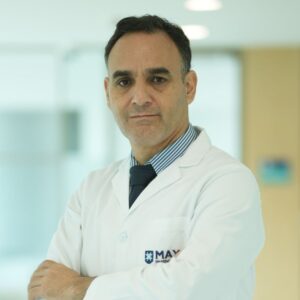
By-Dr. Deepak Raina,Senior Director & Unit Head – Orthopaedics & Joint Replacement, Max Hospital, Dwarka
Joint pain can be more than just discomfort— it can take away your ability to move freely, enjoy daily activities, or maintain your independence. When medications, physiotherapy, and lifestyle changes no longer provide relief, joint replacement surgery may be the next step toward a more active and pain-free life.
But how do you know when it’s time to consider this option?
Understanding Joint Replacement
Joint replacement is a surgical procedure where a damaged joint— commonly the knee, hip, elbow, ankle or shoulder— is replaced with an artificial implant. These implants are designed to function like your natural joint, restoring movement and reducing pain.
With advancements in technology and surgical techniques, joint replacement has become safer and more effective, offering quicker recovery and long-term relief.
When Is Joint Replacement Recommended?
Joint replacement is not the first step in the treatment process. It is usually recommended when conservative treatments such as medication, physiotherapy, or weight management no longer provide relief and the quality of life is significantly affected.
Some common indications for joint replacement include:
● Severe Joint Pain: Persistent, intense pain that limits the ability to perform everyday tasks like walking, climbing stairs, or even getting out of a chair— is one of the main signs. This pain may be present during movement or even while resting.
● Joint Stiffness or Swelling: Loss of flexibility, swelling, and stiffness in the joint can reduce mobility. If stiffness is affecting your sleep or preventing you from performing routine activities, surgery might be needed to restore function.
● Advanced Arthritis: Conditions like osteoarthritis, rheumatoid arthritis, and post-traumatic arthritis can cause long-term joint damage. In severe cases where cartilage has worn away, and bones rub against each other, joint replacement is often the most effective treatment.
● Deformity in the Joint: Changes in joint shape, such as bowing of the legs or shortening of one limb, can indicate joint degeneration. These deformities may lead to further complications if not corrected.
● Limited Response to Other Treatments: When physical therapy, painkillers, no longer provide lasting relief, surgical intervention may be necessary to improve function and reduce chronic pain.
● Joint Damage Due to Injury: Certain injuries, like fractures or torn ligaments, may lead to lasting damage to the joint. If the joint becomes unstable or non-functional, replacement may be required.
A Life-Changing Decision
Choosing to undergo joint replacement is a personal decision that should be made in consultation with an orthopaedic specialist. Doctors evaluate your symptoms, medical history, lifestyle, and imaging results like X-rays or MRIs before recommending surgery.
Thanks to modern surgical techniques, such as minimally invasive procedures recovery times have improved significantly. Most patients experience reduced pain, better mobility, and improved quality of life after surgery.
Take the First Step Toward Recovery
Joint pain doesn’t have to define your life. If you’re experiencing ongoing discomfort that affects your daily activities, consult an orthopaedic specialist to explore whether joint replacement is the right option for you.
Early diagnosis and timely intervention can help you return to the life you love— free from pain, stiffness, and limitations.
12, Jun 2025
Rare Brain Bypass Surgery Gives Pune Software Engineer a New Lease on Life
Pune, 12th June 2025: Neurosurgeons at Manipal Hospitals, Baner, were able to successfully perform a superficial temporal artery to middle cerebral artery (STA-MCA) bypass (commonly known as brain bypass surgery) on a 32-year-old software engineer from Pune with rare condition. The patient had repeated ischemic episodes and had lost vision in one eye after a stroke. After surgery, the patient has recovered well, able to regain vision in his affected eye, which was an unexpected outcome. His recurrent strokes are expected to improve over a period of time.
For six months, the patient had several episodes of left-sided weakness, each lasting a few minutes, under the influence of minor stressors like low blood pressure or dehydration. The right middle cerebral artery (MCA) appeared to be completely blocked, leading doctors to suspect Moya Moya disease, a rare progressive intracranial arteriopathy that is more prevalent in Asian populations and more common in young people and teens. Since there was no visible distal blood flow and the blocked channel was not stentable, no conventional therapeutic options were taken into consideration.

While speaking about this case, Dr. Amit Dhakoji, HOD & Consultant – Neurosurgery, Manipal Hospital, Baner said, “We decided to do a STA-MCA bypass because the case was so complex. This technique involved rerouting and anastomosing the superficial temporal artery, a healthy artery on the head, to a viable segment of the middle cerebral artery that was distant to the occlusion. This rerouting made it possible to restore the blood flow to the damaged brain region. The patient recovered exceptionally well after the operation. The frequent, brief ischemia episodes immediately ended, and the doctors were even surprised to see that the formerly blind eye’s vision had partially returned.”
Mr. Anand Mote, Cluster Director, Manipal Hospital, Baner, Pune said, “We at Manipal Hospitals continuously deliver exceptional medical treatment, even in uncommon and complex circumstances. This instance shows the value of interdisciplinary teamwork, cutting-edge technology, and extensive clinical knowledge. Being a facility that can offer cutting-edge neurosurgical solutions with accuracy and empathy makes us proud.”
10, Jun 2025
The Silent Heart Attack, Often Missed But Deadly

By-Dr. Deepankar Vatsa, Consultant – Cardiology, Yatharth Hospital, Greater Noida
Heart attacks have long been associated with dramatic chest pain and older age. But in recent years, a silent and deeply concerning trend has emerged as young adults in their 20s, 30s, and early 40s are increasingly falling victim to heart attacks, and in many cases, without any warning signs at all. These are called silent heart attacks, and they can be just as dangerous, if not more than the typical ones.
What Is a Silent Heart Attack?
A silent heart attack, or silent myocardial infarction, occurs when the blood supply to a part of the heart is blocked, but the person feels little to no symptoms. Unlike the stereotypical image of someone clutching their chest in pain, silent heart attacks may be presented as mild discomfort, fatigue, indigestion, or breathlessness. Often, these symptoms are brushed off as minor acidity, overexertion, or stress leading to a delay in diagnosis and treatment.
Why the Young Are Increasingly at Risk
In India, nearly 25% of heart attacks are now seen in individuals under the age of 40, a startling figure. This shift is not just due to genetic predisposition but heavily influenced by lifestyle choices. Long hours at desks, poor diet, smoking, binge drinking, lack of sleep, and mounting mental stress are all playing a part.
Many young professionals, especially in urban centers, skip routine health check-ups and assume heart disease is decades away. Unfortunately, this assumption can be fatal. Silent heart attacks may quietly damage the heart muscle, and by the time they are discovered incidentally during a routine ECG or medical emergency the damage is already done.
The Subtle Signs You Shouldn’t Ignore
Though the signs may not be dramatic, the body does give hints. Persistent fatigue, shortness of breath after mild activity, dizziness, cold sweats, mild chest pressure, or pain in the jaw, back, or left arm even if brief can be warning signs. These are often misinterpreted as acidity, anxiety, or muscle strain, particularly in younger people. This underestimation delays life-saving treatment.
Prevention Is Still the Best Medicine
The good news is that heart disease, including silent heart attacks, is largely preventable with early lifestyle changes. Maintaining a healthy weight, exercising regularly, avoiding tobacco, limiting alcohol, managing stress, and eating a heart-friendly diet can significantly reduce the risk.
It’s equally important to get regular screenings for blood pressure, cholesterol, blood sugar, and other cardiac risk factors especially if there is a family history of heart disease. In some cases, a stress test or an echocardiogram may be recommended by your doctor to assess how well the heart is functioning under exertion.
When Every Second Counts
If a heart attack, silent or otherwise is suspected, time is critical. Advances in cardiology such as angioplasty, stenting, and modern imaging techniques like Intravascular Ultrasound and Optical Coherence Tomography have greatly improved outcomes. However, these tools are only effective when the problem is recognized in time.
Rapid transportation to a hospital with a cardiac care unit and initiation of early treatment can be the difference between life and death. That’s why awareness, even in asymptomatic individuals, is so crucial.


