



21, Feb 2024
Indian Dental Association conducting Oral Cancer Public Dental Health screening camp
Hyderabad, 21th February 2024: IDA (Indian Dental Association) through its Deccan Branch; is hosting an Oral Cancer Checkup, Screening, Awareness, Detection Camp, as a part of it’s a national CSR activity initiative till February 23rd 2024, between 9.00 am and 5.00 pm., at the APMC (Agriculture Produce Marketing Committee), Malakpet, Hyderabad. The screening camp is doing general dental health check-up for decayed teeth, missing teeth, filled teeth, and for other miscellaneous dental and gum ailments. The Camp was inaugurated today.
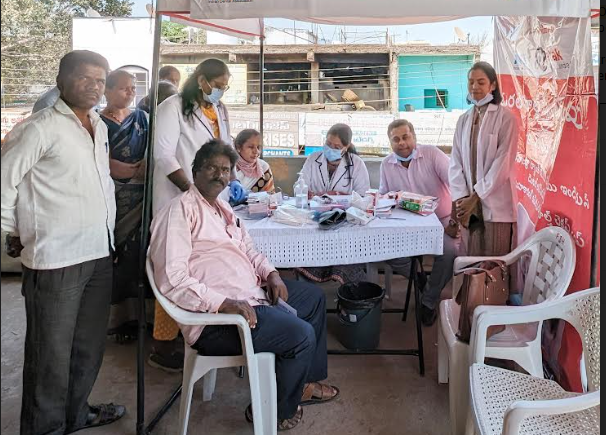
The camp aims to detect oral cancers in the early stages and curb oral cancers. Fifteen Dental Surgeons including Oral & Maxollofacial Specialists from IDA & Pananeeya Institute of Dental Sciences will be performing the Oral Cancer Checkup, Screening, Awareness, Detection where necessary biopsies will also be taken in suspected oral cancer lesion cases.
According to Dr A Srikanth, Secretary IDA, Deccan Branch; Telangana’s percentage of mouth, head, and neck cancers is 16%, which is higher than the national average of 12% surpassing the count of lung cancer cases. Head, neck and mouth cancers have now become the number one cancer among men in Telangana. Among the top 5 cancers in India, for instance, cancers of lungs, oral cavity, uterine cervix and large intestine have strong lifestyle risks. People who use tobacco products, smoke cigarettes, pipe, hookah or chew gutka, snuff etc. have much higher chances of getting lung or oral cavity cancers. Consuming alcohol alongside tobacco increases the risk of oral cancers even further. Oral cancers are the leading cancer by incidence in the world. The most common reasons include consumption of tobacco, betel nut, alcohol along with poor oral hygiene.
Dental surgeon plays a critical role in the diagnosis and treatment of oral cancer. Early detection and treatment is key to improving outcomes for patients with oral cancer. Oral cancer can be cured if found and treated at an early stage, dental doctors often finds oral cancer in its early stages because the mouth and lips are easy to examine, says Dr Srikanth.
- 0
- By Rabindra

21, Feb 2024
Harmful Effects Of Eyelash Extension & Remedial Measures
Dr. Anchal Mitra MBBS, MS, DNB, FMRF, FICO
Consultant Ophthalmologist
Dept. Of Cataract, Paediatric Ophthalmology & Squint
Disha Eye Hospitals.

To make the lashes appear longer and fuller, eyelash extensions are semi-permanent lash treatments that require gluing strands of silk, synthetic, mink, human, or horse hair to each lash. An expert from the salon does the process. To manually adhere a fake lash to an existing lash, they employ several kinds of glue. The effect is a richer, more realistic-looking flutter. Depending on the type of fake hair used, lash extensions come in three main varieties. It falls into the categories of synthetic, mink and silk.
In extremely small amounts, latex, cellulose gum, cyanoacrylates, benzoic acid, and formaldehyde are some of the substances frequently found in eyelash extension adhesives. Among the substances present in eyelash extension removers are propylene glycol and formaldehyde.
Chemicals and other potentially hazardous or irritating substances are present in the glues used to attach eyelash extensions to natural lashes. Within two to three days, the person may feel discomfort if there is a reaction to a chemical used during the procedure.
Side effects on the skin and eyes
The usage of eyelash extensions has been linked to a variety of dangers. They are as follows:
a) Significant eye pain and redness have resulted from nylon lash extensions lodged in the conjunctiva and subconjunctival area; removal necessitates an operating room visit. It has been reported that subconjunctival haemorrhage and conjunctival damage can result from the pressure exerted on the eyes by eyelash tape and the rubbing involved in lash removal.
b) The use of different kinds of eyelash glue, eyelash tape and eyelash remover has also been linked to reports of allergic blepharitis, keratoconjunctivitis, and contact dermatitis. Eyelash glue abraded the cornea, causing serious vision-threatening conditions like hemophilus influenza keratitis, a bacterial infection of the cornea.
c) Eyelash remover solvent may cause corneal complications, specifically in patients with prior LASIK refractive surgery.
d) As lash glue ranks as one of the most toxic beauty products in the market, many variants contain a cocktail of hazardous chemicals including paraben, ammonia, formaldehyde, lead, and sodium dodecylbenzenesulfanate – all of which cause skin irritation, redness, and swelling.
e) Lash glue can cause a variety of inflammatory conditions – inflammation of the cornea and the inner membrane that protects the eyelids and blepharitis – inflammation of the eyelids that causes redness and itchiness and formation of scales.
f) Apart from allergies, these chemicals are also responsible for one of the most alarming dangers of eyelash glue: cancer. Mounting studies prove that exposure can cause brain, lung, and kidney cancer. Lead poisoning can also cause miscarriage in women and can be fatal to small children.
g) The American Academy of Ophthalmology cautions that lash glue components also lead to infection of the eyelids and the cornea. In fact, a 2012 study of 120 women found that 97.5 percent or 117 female subjects experienced dryness, itchiness, tearing, and purulent discharge – a common sign of infection – following lash glue application. Infections can sometimes also result from dirt and bacteria getting trapped in glue.
h) Loss of lashes. While a lot of people accidentally pull out their natural lashes while applying false lashes, lash glue itself can cause hair loss as well. The tension that glue and false lashes put on natural lashes can cause them to fall out – the condition is called traction alopecia. Although in many cases lashes grow back in six to eight weeks, Britain’s College of Optometrists notes that there are instances when this excessive tension damages the hair shaft and follicle that lash production does not only slow down but stops completely.
Unless one has an underlying condition that makes eyelash extensions an inappropriate choice, the following guidelines can typically help avoid these risks:
• Have a professional, certified cosmetologist or aesthetician attach eyelash extensions in a clean environment.
• Ask for a list of the ingredients used in the adhesive. Avoid adhesive that includes formaldehyde, as it is a toxin that can cause allergic reactions and skin irritation.
• If allergic to latex, ensure it is not among the listed ingredients.
• Ensure the clinician uses surgical glue and not nail glue. This is a must-avoid red flag.
• Confirm that the clinician washes their hands, sterilizes their equipment, and provides clean towels or bedding for the procedure.
• If one has sensitive skin or allergies to products like makeup, ask for a patch test to be done on the arm a few days before the eyelash extension procedure.
People with certain skin conditions probably should not get eyelash extensions unless their doctor has approved the procedure ahead of time.
Consult a doctor about getting eyelash extensions if one has:
• Eyelid Dermatitis
• Blepharitis
• Alopecia Areata
• Trichotillomania
Avoid getting eyelash extensions while undergoing medical procedures of the eye, such as LASIK surgery or chemotherapy and radiation.
To avoid allergies to glue used in eyelash extensions:
1. Use an Anti-Allergy Gel – It works wonders to keep glue allergies at check by keeping an open jar of Anti-Allergy Gel nearby. This jelly-like jar contains Anti-Allergy Gel, which absorbs fumes and cyanoacrylate before they reach the eyes and nostrils.
2. Stock glues for lash extensions that are delicate. Compared to regular lash glues, sensitive lash extension glues have substantially less cyanoacrylate. While they might not be the longest-lasting or fastest-drying glues, they are nonetheless appropriate for customers with delicate immune systems or eyes. The best adhesives for delicate eyes are BL Advanced Glue and Lily Glue.
Lash glue frequently contains ammonia and latex, two major allergies. It also frequently releases large amounts of the hazardous formaldehyde.
Blepharitis – Blepharitis typically happens due to the accumulation of bacteria on the lids, just around where lashes grow. Although everyone has some degree of bacteria around their eyes, certain things can increase the quantity of it, like using mascara, contact lens solutions, or eyelash extensions.
There is no proven treatment for blepharitis, but there are a couple of key steps that can be taken to manage symptoms, including:
• Gently washing eyelids regularly.
• Keeping eyelids clean and free of crusts.
When washing eyelids, follow these steps:
· First, make sure hands are clean by washing them with soap and water.
· Place a drop of mild cleanser on a clean, damp cloth.
· Gently press the cloth against the closed eye(s) for a couple of minutes. This will help loosen the crusts and can also open up the oil glands, preventing them from clogging.
· Using very little force, rub the cloth on lids to remove the crusts.
· Rinse the eyes with clean water.
· Repeat as needed.
Often referred to as “artificial tears,” over-the-counter eye drops can also be used to assist relieve dryness and pain. Consult a medical expert again if symptoms do not go away after a few days. An ophthalmic examination can be performed to evaluate the state.
Treatment recommendations may include the following, depending on the symptoms:
Eye Drops: Steroid eye drops are useful for reducing inflammation, redness, and pain. An earlier study from 2012 found that using eye drops and/or ointments to treat blepharitis helped 107 patients with their symptoms.
Antibiotics: A medical practitioner may recommend antibiotics if they believe that bacteria caused the blepharitis.
In some cases, an underlying condition, like rosacea, psoriasis, or dandruff, might be triggering blepharitis symptoms. In that case, you will need to treat the underlying cause. If you have lash extensions, treatment might involve getting them removed to help reduce symptoms.
To sum up, I would thus say why to have a cosmetic procedure like eyelash extensions in the very first place, when even the safe ones also come with so many side effects
21, Feb 2024
Breaking the Stigma: Understanding Epilepsy, its causes, effects and treatment
Dr. Sowmya M, Senior consultant Neurologist, Aster RV Hospitals
Come February, Epilepsy awareness is planned and observed as International Epilepsy day. The aim is to improve awareness about epilepsy in the general public , reduce stigma related to epilepsy due to the misunderstanding and misconceptions that surround it and provide support to individuals and families living with epilepsy . “Milestones on My Epilepsy Journey”. The theme of International epilepsy day this year , emphasises to highlight personal achievements despite the challenges brought about by the condition.
For the benefit of people who are not clear about Epilepsy, Epilepsy is a neurological disorder that affects the brain, where there is sudden abnormal electrical activity in the brain causing a person to loose control over his body and have a seizure. There are many different types of seizures. There is the major type where a person looses consciousness, falls down and has involuntary jerky movements of the whole body and minor types where they do not lose consciousness completely, may be confused and have partial symptoms depending on the area of brain affected, like simple twitching movements of the face, jerking of one part of the body, visual or hearing symptoms or abnormal feelings. Epilepsy is a condition where a patient has 2 or more recurring seizure without a provoking cause.
In India over 1 crore people are affected with epilepsy , that is 6-10 persons per 1000 but unfortunately a large number of these people do not get access to proper treatment causing major suffering to the patient and the family members.
What are the types of Seizure?
Seizures can vary in type and intensity, Auras or warning signs or sensations which lead to visual disturbances or strange smells, experience temporary confusions, memory loss, or difficulty speaking or understanding language, or uncontrollable movements of the arms, legs, or other parts of the body are all symptoms of an Epileptic attack.
What are the causes of Epilepsy?
Epilepsy has no identifiable cause in about half of the people while in the other half the condition can be due to various causes like genetic influence, developmental conditions. Other causes can be structural problems in the brain like head trauma from accidents or injuries, brain tumour or structural abnormalities in the brain, infections, vascular conditions like stroke , hypoxic injury to brain during birth. Other causes for seizure can be due to effect of illicit drug abuse, excessive alcohol consumption or sudden alcohol withdrawal, low or very high blood sugar levels, low blood sodium levels, high blood creatinine levels which occurs in renal failure and various other causes. It is important to try and identify the underlying cause and receive appropriate treatment.
Effects of Epilepsy
Seizures can result in physical injury due to falls or involuntary movements. This risk of injury may lead to limitations in daily activities and independence. Epilepsy can have psychological effects, including anxiety, depression, and social stigma, which may impact mental well-being and quality of life. Some individuals with epilepsy may experience cognitive impairments, such as memory problems or difficulty concentrating, which can affect academic or occupational performance. In many countries, individuals with epilepsy are subject to driving restrictions due to the risk of seizures while operating a vehicle, which can impact mobility and independence.
Treatments for Epilepsy:
Anti seizure medications have to be appropriately chosen. Antiepileptic drugs (AEDs) are often the first-line treatment for epilepsy. These medications help control seizures by stabilizing electrical activity in the brain. In about 30 % of epilepsies which do not respond to medications, there are alternative modalities of treatment like neuromodulation and epilepsy surgeries. Surgical options include removing the area of the brain responsible for seizures or implanting devices to regulate brain activity. There is also Vagus Nerve Stimulation (VNS) therapy which involves implanting a device that delivers electrical impulses to the vagus nerve, helping to reduce the frequency and severity of seizures. Some individuals with epilepsy may benefit from following a ketogenic diet, which is high in fat and low in carbohydrates. This diet has been shown to help control seizures in some cases, particularly in children. Lifestyle modifications, such as getting adequate sleep, managing stress, and avoiding triggers known to precipitate seizures, can help reduce the frequency and severity of epilepsy episodes.
21, Feb 2024
Minimally Invasive Cardiac Surgery: A gentle approach to Heart Health
National Heart Valve Disease Awareness Day
Dr. Udgeath Dhir, SENIOR DIRECTOR CARDIO THORACIC VASCULAR SURGERY, Fortis Hospital, Gurgaon
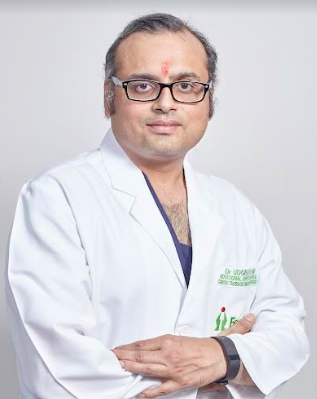
When it comes to matters of the heart, advances in medical science continue to bring hope and relief to those in need. One such innovation is minimally invasive cardiac surgery, a technique that offers a gentler alternative to traditional open-heart procedures.
A study carried out by the Global Health Research Institute suggests that J&K has recorded 29.6% deaths due to heart-related ailments. The study further reports that 25% of deaths occur in the age group of 25-69 years. In light of the above statistics, minimally invasive heart surgery emerges as a beacon of hope.
In minimally invasive heart surgery, the skilled hands of surgeons make small incisions in the chest, sidestepping the need to crack open the breastbone as in traditional surgeries. Through these tiny openings, surgeons can navigate between the ribs with precision, aided by a miniature camera that provides a clear view of the heart’s inner workings.
This approach is versatile, lending itself to the treatment of various heart conditions including coronary bypass, valve surgery, repairing holes in the heart, and even addressing heart tumors such as myxomas. What sets minimally invasive surgery apart is not just the smaller scars it leaves behind, discreetly tucked below the breast, but also the reduced pain and swifter recovery it offers to patients.
Let’s take coronary bypass surgery as an example. In the minimally invasive version of this procedure, only a single small chest incision is made, sparing the patient the discomfort associated with a larger cut down the center of the chest in traditional open-heart surgery. This translates to less pain, minimized scarring, and a faster return to everyday activities for the patient.
The benefits of minimally invasive heart surgery extend beyond aesthetics:
1. Reduced blood loss during surgery.
2. Decreased risk of post-operative infections.
3. Alleviated pain for patients undergoing the procedure.
4. Diminished reliance on a breathing tube, known as a ventilator, following surgery.
5. Shortened hospital stays, resulting in less time spent recovering in medical care facilities.
6. Accelerated recovery timelines, enabling patients to swiftly return to their daily routines.
7. Minimized scarring due to smaller incisions made during the surgery.
After a minimally invasive bypass surgery, for instance, patients can expect to spend around few days in the Intensive Care Unit (ICU) for close monitoring. Following this, they are transferred to a general ward where they continue to be observed for a few more days before being discharged, usually within four- or five-days post-surgery. Within a week to ten days, most patients find themselves back to their usual activities, with their hearts on the path to healing.
Throughout the recovery journey, patients receive support and guidance from their healthcare providers. Regular check-ins and follow-ups ensure that any concerns or discomfort are promptly addressed, while encouragement and positivity from the surgical team help patients navigate the emotional aspects of post-surgery life.
21, Feb 2024
Choosing between Natural Birth and C-section: Factors to Consider

By Dr Chandana Galidevara, Consultant Obstetrician & Gynaecologist, High-risk Pregnancy, Foetal Medicine Specialist & Laparoscopic Surgeon, Ankura Hospital for Women and Children
Bringing a new life into the world is a momentous occasion filled with anticipation and excitement. As expectant parents prepare for the arrival of their little one, one of the most significant decisions they face is choosing between natural birth and Cesarean section (C-section). Both methods of delivery have their own set of considerations, and making an informed decision is paramount for the health and well-being of both the mother and the baby.
In general, the majority of child births worldwide occur through natural vaginal delivery, accounting for approximately 75 to 90⁶% of deliveries. However, the rate of C-sections has been steadily rising globally, reaching around 20 to 25% of all births. Understanding these factors is essential for expectant parents to make an informed decision that aligns with their unique circumstances and preferences.
Medical Considerations
One of the primary factors to consider when choosing between a natural birth and a C-section is the medical condition of both the mother and the baby. Maternal health conditions such as hypertension, diabetes, or heart disease may influence the suitability of vaginal delivery. Similarly, obstetric complications such as Placenta Previa, contracted pelvic, fetal distress, or a breech presentation may necessitate a C-section.
Consulting with healthcare providers, including obstetricians and midwives, is essential. They carefully evaluate the individual’s health condition and determine the safest delivery method for both the mother and the baby, aiming to minimize risks and complications.
Previous Delivery Experience
A woman with a previous childbirth experience can significantly impact her decision regarding the method of delivery. Positive experiences with natural birth may lead to a preference for a vaginal delivery, while traumatic or complicated deliveries may prompt consideration of a C-section. Women who have undergone a C-section in the past may consider vaginal birth after Cesarean (VBAC) after discussion with their healthcare providers and careful assessment of their suitability for VBAC.
It’s essential for expectant parents to reflect on their past experiences and discuss them with their healthcare providers to make an informed decision.
Delivery Process
Understanding the details and implications of the delivery process for both natural birth and C-section is crucial. Natural birth typically involves the onset of labour, progression through different stages of labour, and ultimately, the delivery of the baby through the birth canal. It often results in a shorter recovery time for the mother and promotes early bonding and breastfeeding initiation. On the other hand, a C-section is a surgical procedure that requires anesthesia and involves incisions on the abdomen and uterus to deliver the baby. While C- sections may be necessary in cases of medical emergencies or complications, they generally involve a longer recovery period and a higher risk of infection compared to vaginal delivery.
Personal Preferences and Birth Plans
In the realm of childbirth, personal preferences and birth plans serve as guiding beacons for expectant parents navigating the intricate journey of bringing new life into the world. Some expectant parents may have strong preferences for one method of delivery over the other based on cultural or emotional factors. It’s essential for them to openly communicate with their healthcare providers about their preferences and concerns to ensure that their birth plan aligns with their wishes while prioritizing the health and well-being of both mother and baby. These preferences encompass a spectrum of desires, intentions, and expectations unique to each individual, shaping the trajectory of labour, delivery, and postpartum care.
Support System and Resources
Having a supportive birth team and access to resources such as childbirth education classes and prenatal support services can facilitate the decision-making process. Childbirth education classes provide expectant parents with valuable information about the childbirth process, pain management techniques, and strategies for labour and delivery. Facilities for the provision of epidural, having a supportive partner or support person can provide emotional and practical support throughout labour and childbirth.
Psychological and Emotional Factors
The psychological and emotional readiness of expectant parents is another critical factor to consider when choosing between natural birth and C-section. Pregnancy and childbirth can evoke a range of emotions, including excitement, anxiety, and fear. It’s essential for expectant parents to explore their feelings and seek emotional support from their healthcare providers, family members, or support groups as needed.
In conclusion, choosing between a natural birth and a C-section involves a careful consideration of medical, obstetric, personal, and emotional factors. Expectant parents should work closely with their healthcare providers to weigh the risks and benefits of each delivery method and make an informed decision that aligns with their preferences and circumstances. Addressing issues such as anxiety and alleviating fear helps in making positive choices. By prioritizing safety, well-being, and open communication, expectant parents can embark on their childbirth journey with confidence and peace of mind.
20, Feb 2024
TriLife Hospital Empowers Residents with BLS Training Workshop
Bengaluru, February 20th, 2024 — TriLife Hospital, a leading healthcare provider in Bengaluru, has conducted a specialized Basic Life Saving Skills (BLS) Training Workshop with the Orchidwood Association. The workshop is aimed at equipping residents with essential life-saving skills, focused on handling emergencies involving residents with a focus on children and the elderly. The training program is part of a comprehensive series of workshops to be conducted across apartment complexes in Bengaluru, with the aim of training over 5000 individuals across the city. Led by certified doctors and therapists with extensive experience in emergency response and healthcare, the workshop covered a wide range of topics, including CPR, first response to burn injuries, assessment, and handling of cardiac emergencies, drowning first aid and common first aid training for accidents and mishaps.
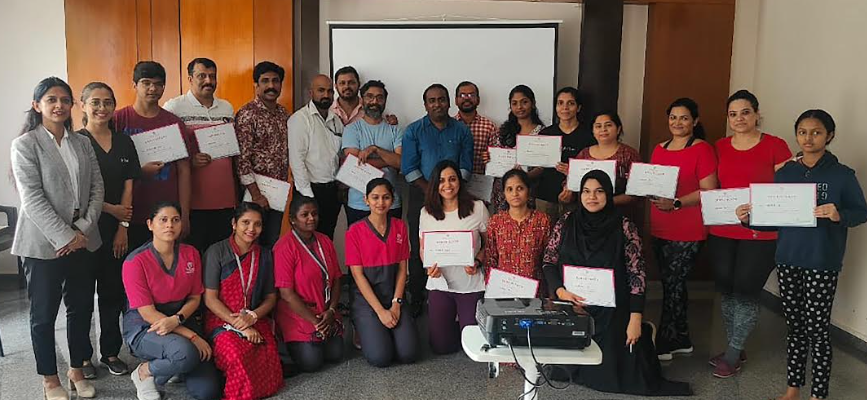
“This BLS training initiative is testament to our commitment to reach as many sections of the public as possible to promote safety and first aid awareness. It provides an indirect effect on improving public health and safety. This initiative aligns with our commitment to educate and empower people with the necessary skills and knowledge on how to respond quickly and effectively in emergency situations. We have already conducted similar programs with the Bengaluru City Police in Hennur and Banaswadi police station limits. As a leading healthcare provider in the city, we remain committed to its mission of saving lives and promoting well-being.” said Dr. Shafiq A M, Director and CEO of TriLife Hospital
TriLife Hospital is in talks with RWA’s across the city and will conduct similar programs with them in future as well .
20, Feb 2024
11-year-old Srilankan Girl Undergoes Rare Deformity Correction using 3D Bone Model Technology at MGM Healthcare
Chennai 20th February 2024: MGM Healthcare, a renowned multi-specialty quaternary care hospital located in the heart of Chennai, proudly announces the successful spine deformity correction surgery performed on an 11-year-old from Sri Lanka. The child, Ms. Shreya (Name Changed), was diagnosed with Neurofibromatosis with L5 S1 Spondyloptosis and Right-sided severe neglected rigid thoracolumbar scoliosis.
The parents of Ms. Shreya had consulted with several doctors at different healthcare facilities in Sri Lanka, but didn’t receive positive outcomes due to high risk involved in surgery. Senior doctors from a private hospital in Sri Lanka recommended the family to seek consultation at MGM Healthcare in Chennai.
Under the guidance of Dr. Karunakaran. S, Director and Senior Consultant, Department of Spine Surgery, MGM Healthcare, and Dr. Vijayaraghavan, Senior Consultant, Department of Spine Surgery, MGM Healthcare, the child underwent a comprehensive evaluation. The doctors advised the family to opt for a deformity correction surgery. Failure of which there is definite risk of progression of deformity and chances of respiratory failure in future leading to risk of life.
Speaking about the procedure Dr. Karunakaran. S, Director and Senior Consultant, Department of Spine Surgery, MGM Healthcare, said “Due to duration of chronic neglection and severity of the deformity the anatomy of spine was completely distorted. Placing screws in such a deformed spine is really challenging hence we advocated 3D bone model technology where a plastic SD bone model will be made similar to patient’s deformed spine pre-operatively based on ct scan. Doctors can plan spine instrumentation before as well as during surgery with the help of 3D model. This creates an avenue to perform surgery more precisely as well as safely.”
The Importance of Early Detection in Pediatric Scoliosis
Scoliosis in children, if left untreated, can lead to severe complications, affecting not only physical health but also emotional well-being. Early detection is critical as it allows for timely intervention and a higher likelihood of successful recovery.
Dr. Vijayaraghavan, Senior Consultant, Department of Spine Surgery, MGM Healthcare, emphasized the significance of early detection, stating, “Ms. Shreya’s case highlights the importance of identifying scoliosis in children at an early stage. Early detection allows for more conservative, less morbid surgical treatment options and significantly improves the chances of a positive outcome.”
Postoperatively, Ms. Shreya exhibited significant clinical improvement. Her successful recovery led to her discharge with tailored advice for ongoing care and rehabilitation.
The successful intervention showcases MGM Healthcare’s commitment to pushing the boundaries of medical expertise and providing world-class care for complex cases.
20, Feb 2024
Prehabilitation – A tool to prevent postoperative complications in patients planned for surgeries
Dr. Swapna Karthikeyan, Tutor, Department of Cardiovascular & Pulmonary Physiotherapy, at Saveetha College of Physiotherapy, Saveetha Institute of Medical and Technical Science, Chennai.
Prehabilitation is a series of interventions carried out in a medical facility prior to a surgical operation. It focuses on the modifiable risk factors, allowing individuals to prepare for treatment by encouraging healthy behaviours and prescribing multimodal programs that include exercise, diet, and psychological therapies depending on their individual needs. In addition, prehabilitation involves assessing medications, encouraging decreased alcohol use, helping patients cease smoking, and optimizing treatment for long-term illnesses including diabetes and anaemia. Prehabilitation aims to increase a patient’s functional capacity before surgery, improve postoperative outcomes, prevent postoperative complications, and assist with the recovery and restoring state following the surgical procedure.
At Saveetha College of Physiotherapy, SIMATS, Chennai, our cardiopulmonary physiotherapy team creates an individualized prehabilitation program based on the patient’s physical, physiological, and psychological state through thorough assessment and management strategies to enhance the efficacy of various treatments, improve the quality of life and functional capacity post-operatively. We counsel the patients regarding the dos and don’ts post-operatively and increase their adherence to a post-operative rehabilitation program. The modern era allows us to use smart devices in planning strategies and monitoring them. This makes it easy and feasible for the patients to take part in the prehabilitation programs.
Prehabilitation helps patients increase their resistance to therapy and enhance their long-term health as it is a component of the rehabilitation continuum.
When deciding on a course of treatment, consider attending a reputable facility like SIMATS, which is renowned for its advanced amenities and can provide individualized treatment tailored to your individual needs.
19, Feb 2024
Chronic Kidney Diseases – Diagnosis & Treatment
Dr. Vishal Saxena, Senior Director – Nephrology & Renal Transplantation, BLK-MAX Super Speciality Hospital, Delhi
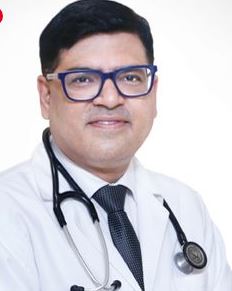
The burden of chronic kidney diseases in India cannot be assessed accurately. The approximate prevalence of CKD is 800 per million population (pmp), and the incidence of end stage renal disease is around 150-200 pmp. Most common cause of kidney disease is diabetes and high blood pressure. Both the diseases are related to our genetics and lifestyle, hence the emphasis is to keep our diabetes and blood pressure under control with medicines, exercise and a blend of healthy food. Blood pressure not only needs to be judiciously controlled , but weather its secondary to kidney disease also needs to be ruled out. Young people developing high bp especially needs to be screened for underlying kidney diseases.often people feel depressed once diagnosed with chronic kidney disease( CKD), hence the whole idea of doctors is now to focus on a holistic approach when dealing with CKD. This involves dietary change, avoiding pain killers , quit smoking and to promptly refer to a nephrologist ,once diagnosed with diabetes , high bp or any form of CKD. Certain kidney diseases are controllable/ treatable hence the need to promptly diagnose the disease and treat it .
Preventive strategies play a very pivotal role in dealing with CKD. Regular health check ups form an integral role in screening of CKD during early phase, which i think should be inculcated in schools, colleges at entry level and while joining a new job or organization. Since treating a CKD patient is more expensive these screening strategies will definitely reduce the financial burden on the patient and on the society as whole. Another most neglected area in our country is lack of physical activity/regular exercise. Regular exercise not only improves physical well being, but also is a stress buster for a lot of patients. All these measures help in creating awareness in coping with the kidney disease and allow the patient to deal with his disease with a positive mindset. Being in regular follow up with one’s kidney physician helps the patient to help discuss strategies to not only control his disease but also to formulate a planned way of dealing with his ailment. India being a big country with patients having varied dietary habits, diet plays a very important role when it comes to kidney diseases, hence patients regular diet counselling is very important. Kidney diseases have a variable presentation; hence a tailor-made therapy is important for each kidney patient.
19, Feb 2024
Spotting STDs Early: Understanding the Telltale Signs
Dr. Basavaraj S Kumbar, Consultant- Internal medicine, Aster Whitefield Hospital, Bengaluru

If you’ve had unprotected sex, it’s important to remember that there’s more at stake than just pregnancy. Not using protection increases the chances of getting sexually transmitted diseases (STDs), which can vary from common infections like chlamydia and gonorrhea to more serious ones like HIV and herpes. It’s essential to know that not all STDs show immediate symptoms. That’s why it’s smart to regularly get tested to catch any surprises early on. Looking after your sexual health means more than just avoiding pregnancy – it’s about protecting yourself and your partner from potential infections.
Sexually transmitted diseases (STDs) are a big worry because they can harm your health in many ways. While some infections cause symptoms like itching, pain, or strange discharges, others don’t show any signs right away. This means you might not even realize you have something wrong inside you. It’s really important to get tested regularly to catch any problems early. The symptoms of these infections can vary a lot, from sores and painful urination to unusual discharge and swollen lymph nodes. If left untreated, STDs can cause serious issues like trouble getting pregnant, damage to your organs, or even cancer. So, it’s not just about you – it’s about taking care of your health and thinking about your future self.
Recognizing the signs
Let’s talk about the common suspects when it comes to sexually transmitted diseases (STDs). These include Bacterial Vaginosis, Chlamydia, Gonorrhoea, Hepatitis, Herpes, HIV, HPV, Mycoplasma Genitalium, Syphilis, and Trichomoniasis. Each of these can bring different symptoms and challenges. For example, Bacterial Vaginosis might give off a fishy odor, while Chlamydia and Gonorrhoea can cause discomfort and unusual discharge. Hepatitis, especially type B, can hide without showing any symptoms, highlighting the importance of vaccination. Herpes shows up with sores, and HIV might initially feel like the flu. HPV, which is quite common, can lead to warts or even cancer, stressing the need for vaccination and regular check-ups. Mycoplasma Genitalium is still being studied in testing, and Syphilis starts with painless sores but can cause serious damage to organs if left untreated. Trichomoniasis typically causes itching, burning, and strange discharge.
Transmission
Exploring how sexually transmitted diseases (STDs) spread and the risks involved, let’s delve into the various transmission routes and their implications. STDs can spread through oral, anal, or vaginal sex, but the level of risk varies for each. While oral sex carries a lower risk for some infections, using condoms and dental dams can help protect against transmission. Anal sex has higher risks because the rectal lining is vulnerable, so it’s crucial to use condoms and lubrication consistently. Vaginal intercourse is a common way for STDs to spread, highlighting the importance of using condoms and getting regular screenings. Also, some infections can spread through skin-to-skin contact, so it’s essential to stay aware even when using condoms.
Is it different for men and women?
Men and women might notice different symptoms when it comes to sexually transmitted diseases (STDs). For example, women may not easily spot genital ulcers, while men might see unusual discharge or sores on their penis. Men usually recognize external symptoms like sores or discomfort, while women might feel pelvic pain or notice subtle changes in vaginal discharge. Genital ulcers might not be as visible in women and could be inside the cervix or vaginal canal. Both men and women can have STDs without showing any symptoms, underlining the need for regular screenings. If left untreated, these infections can lead to problems with fertility. It’s important for partners to communicate openly and use barrier methods consistently to prevent STD transmission.
Treatment and prevention
Treatment and prevention methods for sexually transmitted diseases (STDs) vary depending on the type of infection. Antibiotics can effectively treat bacterial STDs, while viral infections cannot be cured but can be managed with proper medical care. Vaccines against hepatitis A, hepatitis B, and HPV offer an extra layer of protection against certain infections.
Making smart lifestyle choices like abstaining from sex, limiting sexual partners, practicing mutual monogamy, and consistently using condoms significantly lower the risk of getting an STD. Untreated STDs can lead to serious health problems such as infertility, organ damage, illness, cancer, and the spread of other diseases. Routine gynecological check-ups are key for early detection of sexually transmitted diseases (STDs).


