


9, May 2025
8th Edition of Global Grace Cancer Run–2025, the World’s Largest Cancer Awareness Run, Announced
Hyderabad, May 09, 2025 — GRACE (Global Research and Cancer Education) Cancer Foundation on Friday announced the 8th edition of Quambiant Developers Global Grace Cancer Run (GGCR)–2025, powered by Evernorth, the world’s largest Cancer Awareness Run, at a launch function held at Hotel Daspalla, Jubilee Hills, Hyderabad.

The theme for the edition is “Run for Grace and Screen for Life”
The run will be organised by the Hyderabad-based non-profit Grace Cancer Foundation, which has been working for 11 years to alleviate the cancer burden through Education, Early Detection, Treatment, Rehabilitation, and Research.
Dr. Alagu Varsini, IAS, Secretary, Telangana Social Welfare Residential Educational Institutions Society (TGSWREIS), was the Chief Guest, while Ms. Shilpa Reddy—Mrs. India, a model, entrepreneur, fashion designer, and socialite, graced the occasion as the Guest of Honour. The dignitaries were joined by Dr. Chinnababu Sunkavalli, Senior Consultant, Robotic Surgical Oncologist and Founder of Grace Cancer Foundation, along with a host of doctors, runners, and volunteers. Mr. Sujatha Rao, Dr Prameela China Babu, Mr. Vijay, Mr. Yogendranath, Bharanendra Nallamotu, Ashok Venkatachalam and others graced the occasion.

Addressing the gathering of over 200 participants after unveiling the event poster, Dr. Alagu Varsini said she found the initiative very genuine and a need of the hour. We have engaged 70,000 girls during the National Cancer Week to create awareness about cancer. We will see that 10,000 girls students of the TGSWREIS participate in the run. We should talk about cancer openly and freely, she said.

Ms. Shilpa Reddy, in her remarks, said, there are a few things which are non-negotiable in life. And that good diet. We should take the right diet. Our food can be both poisonous and medicine. Make food medicine by taking the right food. Avoid eating packaged food which contains a lot of preservatives and synthetics. Another important non-negotiable thing in our lives is sleep, a good amount of sleep. Avoid taking toxins, listen to your body, she said.
Today all can’t afford to go for early detection tests of cancer. You may gift somebody a test., she said.
In his welcome address, Dr. Chinnababu Sunkavalli shared the vision behind the event: “The Run aims to make a meaningful impact by raising cancer awareness, promoting physical activity as a preventive measure, and enabling access to free doorstep cancer screening for the underprivileged.”

The 8th Global Grace Cancer Run will take place on 12th October, 2025 in hybrid mode—both Physical and Virtual. The physical run will be held at Gachibowli, Hyderabad, with over 30,000 to 40,000 runners, including 10,000 students from Navodaya schools, expected to be locally informed by Bharanendra Nallamotu.
The event features three race categories: 2K, 5K, and 10 K.
Participants can register (please insert URL) online by paying a nominal fee:
- ₹600 for 2K
- ₹800 for 5K
- ₹1200 for 10K
Corporate supporters include Quambiant Developers, Evernorth, and Ryan, who are backing the cause.
The proceeds will fund mobile cancer screenings for underserved communities, to screen one lakh lives for Non-Communicable Diseases (NCDS) and deliver doorstep healthcare to rural India.
Over the past 11 years, the initiative has impacted 1.4 crore people across 130 countries. The Foundation’s programs range from:
- Tribal Cancer Screening in Odisha and Araku Valley
- Cancer checks for Anganwadi staff in Telangana
- Screening for Cyberabad police personnel
- HPV vaccinations and screenings in educational institutions
- Internship programs for international students
- Collaborative research and innovations
The 7th edition drew an overwhelming 1.5 lakh runners from 130 countries, making it a truly global movement.
Join the Movement. Save Lives.
Cancer doesn’t discriminate—it can affect anyone, anywhere. By participating in the Global Grace Cancer Run–2025, you’re not just running—you’re running for a cause. Your steps will help fund free cancer screenings for thousands of underprivileged individuals, bringing hope and early detection to those who need it most. This is more than an event; it’s a global movement spanning 130 countries, driven by compassion and the commitment to fight cancer together. Let’s lace up not just for ourselves, but for the lives we can touch. Run for awareness. Run for prevention. Run for change.
Cancer is no longer a death sentence—if detected early, it is curable. Early detection is the most powerful weapon we have. Regular screenings and awareness can save lives. Awareness is the first step toward prevention and cure. Many lives are lost not because of cancer, but because it was discovered too late. You may not run for yourself, but you can run for someone who can’t. Every step you take helps bring screening and care to people who otherwise have no access. 1 in 9 Indians is at risk of developing cancer in their lifetime. Participation in awareness initiatives like this run can make a real difference in shifting that statistic, Dr. Chinna Babu added in his closing remarks.
Please log in to www.gracecancerrun.com for online registration.
- 0
- By Neel Achary

8, May 2025
World Thalassemia Day: Medical Breakthrough Offers Hope to Thalassemia Patients
NEW DELHI, May 8, 2025 — Dharamshila Narayana Superspeciality Hospital announces a milestone achievement in thalassemia treatment, as young patient Gaurvik celebrates two years free from blood transfusions following a pioneering haploidentical bone marrow transplant (BMT).
Diagnosed with Beta Thalassemia Major at just six months of age, Gaurvik’s life began with regular hospital visits and constant blood transfusions. The only curative option for his condition was an allogenic bone marrow transplant, which typically requires a fully HLA-matched donor, often a challenging requirement with only a 25% chance of siblings being a complete match.

When testing revealed that Gaurvik’s sister Ananya was only a half match, his family turned to the specialized team at Dharamshila Narayana Superspeciality Hospital. Under the leadership of Dr. Suparno Chakrabarti and Dr. Sarita Rani Jaiswal, pioneers in haploidentical transplantation, a groundbreaking solution was implemented.
“Haploidentical BMT represents a significant advancement in thalassemia treatment,” said Dr. Suparno Chakrabarti, Head of Hematology and BMT at Dharamshila Narayana Superspeciality Hospital. “When we began this mission in 2014, we envisioned creating hope for every thalassemia patient, regardless of donor availability. Gaurvik’s success story validates our perseverance through countless challenges.”
Gaurvik underwent the transplant at age two on May 1, 2023, with his sister serving as the donor. Today, two years post-transplant, he enjoys a normal, healthy childhood without dependence on transfusions.
Dr. Sarita Jaiswal, who managed Gaurvik’s care from eight months of age, remarked, “Watching Gaurvik transform from a transfusion-dependent infant to a thriving, healthy child has been profoundly rewarding. His journey represents the culmination of medical innovation, specialized care protocols, and the extraordinary resilience of both patient and family. This case demonstrates that with advanced transplant techniques, we can now offer curative options to virtually every thalassemia patient, even without fully matched donors.”
Dharamshila Narayana Superspeciality Hospital continues its mission, which was initiated in 2014, to cure all children with Thalassemia Major who lack HLA-matched family donors.
7, May 2025
Early Signs and Care Tips for Managing Asthma Effectively
By-Dr Mrinmoy Mitra Consultant Pulmonologist ILS Hospitals, Dumdum
Asthma is a chronic respiratory condition that can be effectively managed with proper care and treatment. It is important to understand the early signs and adopt appropriate preventive measures to ensure a good quality of life for those affected.
Asthma is a Well-Controllable Disease if Treated Properly
Asthma, though chronic in nature, is not a disease that is beyond control. With timely diagnosis, regular monitoring, and the right course of treatment, individuals can lead normal, active lives. Early and consistent medical intervention plays a crucial role in preventing disease progression and avoiding complications.
Seasonal Variation of Cough and Cold (Sometimes with Wheezing) is the Most Common Symptom of Asthma
One of the earliest and most common signs of asthma is a recurring pattern of cough and cold that appears to worsen with seasonal changes. These symptoms may be accompanied by wheezing – a high-pitched whistling sound during breathing. The recurrence of these symptoms, especially in particular seasons or in response to environmental triggers, should be considered a warning sign and evaluated by a healthcare provider.
Most People with Asthma Have Associated Allergy or Allergic Rhinitis (Excessive Sneezing or Nasal Blockage)
Asthma often coexists with allergic conditions, particularly allergic rhinitis. Symptoms such as excessive sneezing, runny or blocked nose, and nasal irritation are commonly observed. These allergic responses can act as triggers for asthma symptoms or exacerbations. Identifying and managing these associated allergic conditions is vital for effective asthma control.
Proper Treatment with Appropriate Inhalation Medication (with Proper Technique) is the Gold Standard Treatment
Inhalation therapy remains the cornerstone of asthma management. It is crucial that patients not only use the correct medication prescribed by their healthcare provider but also master the proper technique for using inhalers. Incorrect usage can lead to inadequate delivery of the medication and poor symptom control. Regular review of inhaler technique by medical professionals can significantly improve treatment outcomes.
Yearly Influenza Vaccination is a Must for All Asthma Patients to Prevent Any Exacerbation
Individuals with asthma are more vulnerable to respiratory infections like influenza, which can trigger severe asthma exacerbations. Annual flu vaccination is therefore essential for all asthma patients. It helps in reducing the risk of infections that could lead to hospitalization or worsen asthma symptoms.
Use Mask Wherever Possible
Wearing a mask in situations where exposure to allergens, pollutants, or respiratory infections is likely can help reduce the chances of asthma flare-ups. Masks serve as a protective barrier, especially in crowded places, during high pollution days, or in environments with known triggers such as dust or pollen.
5, May 2025
Techno India DAMA Hospital Successfully Treats Rare Pancreatic Tumor in Young Bangladeshi National
Kolkata, 5th May, 2025: A young 18-year-old girl from Bangladesh, Mehroon got affected with a risky and never seen before, large tumor in her pancreas. After the preliminary diagnosis of the state of the tumor the Doctors marked the infection as Solid Pseudopapillary Epithelial Neoplasia (SPEN) which has been occupying her almost entire pancreas. Initially she applied for an Indian Medical Visa. But her appeal got rejected every time due to the cross border turbulent phases. In the meantime, she visited many other countries and consulted renowned Cancer Specialists. According to their suggestions, without the removal of her organs, a successful operation of this specific tumor was not possible.
Mehroon was not ready to undergo the removal of her multiple organs as this might affect her physically in the future. She contacted Dr Suddhaswatta Sen, Senior Consultant, GI-HPB Colorectal and Cancer Surgery, Techno India DAMA Hospital. Her clearance of the Medical permit took nearly 8 months which was quite a lengthy duration leading to the aggravation of the tumor in her pancreas. The size of the infection increased to 15/10 cm, thus appearing to be heavy and risky. Techno India DAMA Hospital, took all the imperative measures and stood beside Mehroon from getting the clearance of her Medical Visa to her admission at the hospital for the treatment.
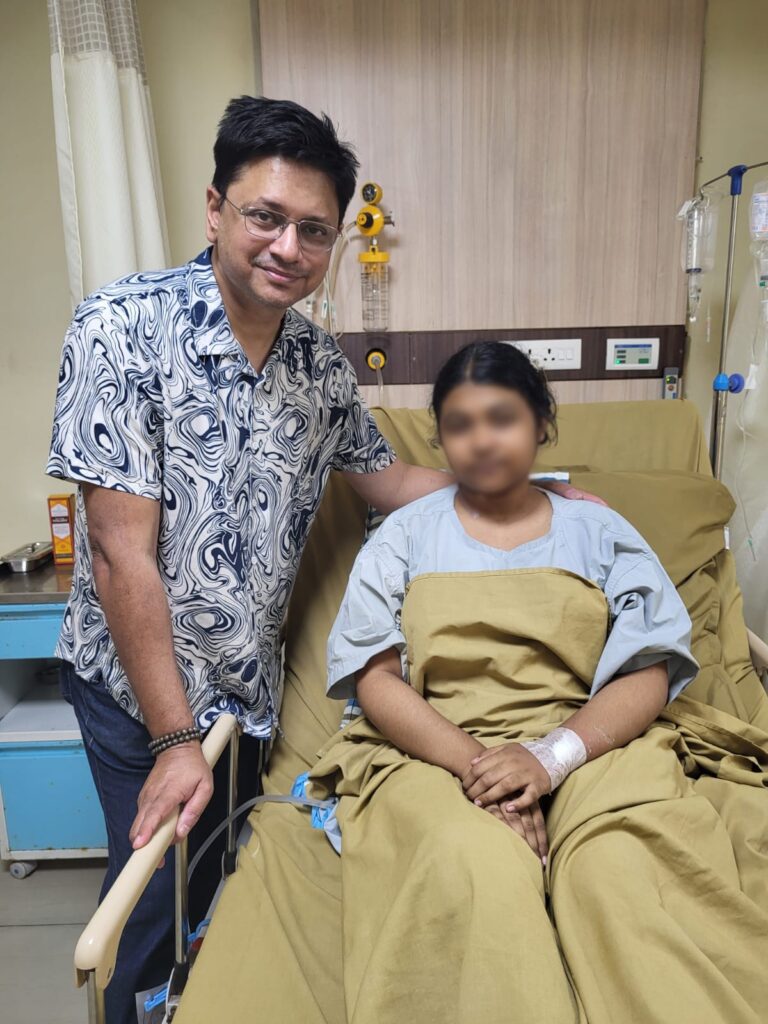
“The Solid Pseudopapillary Epithelial Neoplasia (SPEN) is a very uncommon disease. One in a crore usually suffers from this particular ailment. In the case of Mehroon, the size of the tumor was big, spreading across her head, neck and body. The life risk was high, but she successfully survived after the operation. Despite the high political tension across the two Nations, the citizens of Bangladesh are still hopeful of the healthcare facilities available in India. We treat patients without any discrimination,” said Dr Suddhasattwa Sen, Sr Consultant Chief GI HPB Colorectal and Oncosurgery, Techno India DAMA Hospital.
Dr Sen and his team did the surgery, Spleen and organ Preserving Surgery, without much blood loss, no blood transfusion, her other organs remained intact and the chances of shifting her to the ICU was zero. The experts team successfully removed the tumor from her body. The patient is currently under observation and is responding to the treatment.
3, May 2025
Dr. Shubham Vatsya Saves 77-Year-Old Man After Swallowing Keychain
New Delhi, May 03,2025 : One of the rarest of the rare cases of a foreign body ingestion came to Dr. Shubham Vatsya. A 77 year old man accidently ingested a key with a full keychain, probably due to dementia. The observation was difficulty in swallowing food and even water, and even finding hard to breathe. A swift X-ray by the attending general physician revealed a metallic foreign object lodged in the upper esophagus — shockingly, it was a key attached to a full keychain.

The patient was immediately referred to Dr. Shubham Vatsya, a renowned gastroenterologist, who acted without delay. An emergency endoscopy was performed, and the object was safely removed in under a minute.
“Such cases in elderly patients with cognitive decline are extremely rare, and the risks can escalate very quickly,” said Dr. Shubham. “Fortunately, the quick diagnosis and immediate referral made all the difference.” He further adds that solving such a case only becomes possible with expertise of the gastroenterologist to perform endoscopic foreign body removal. This case was solved in less than one minute by the specialised gastroenterologist with assistance of expert endoscopy technicians.
Within just 15 minutes of the procedure, the patient’s swallowing and breathing returned to normal. The case highlights the critical importance of early intervention and the role of multidisciplinary collaboration between general physicians and specialists.
This entire incident is a demonder that though uncommon observation, ingestion of a foreign body in the elderly can be fatal and rapid response is crucial.
2, May 2025
Who’s Steering Indian Health Policy COP11 Highlights Foreign Influence
As India prepares for the WHO Framework Convention on Tobacco Control (FCTC) COP11, concerns over foreign influence in health policymaking are gaining prominence. Growing apprehension surrounds the FCTC process, which many believe is increasingly shaped not by science but by a few powerful international NGOs, often backed by private philanthropic funding. While India has consistently asserted its right to localize global frameworks across sectors, the issue becomes particularly stark in the case of tobacco regulation. India faces one of the most severe tobacco burdens globally, with over 300 million users and more than 1.35 million annual deaths attributable to tobacco-related illness. The urgency to act is clear — but so is the need for regulation that reflects Indian consumption patterns, socio-economic realities, and public health infrastructure.
Commenting on the issue, Jeffrey Smith, Resident Senior Fellow at Integrated Harm Reduction, stated, “The only known fact is that the existing tobacco policies fall far short of meeting the goal of cessation. Without novel policies that provide options for those who use tobacco products to switch, it is unlikely that India will reduce the health consequences of tobacco use at the population level.”
Instead, global policy frameworks have often pushed for blanket prohibitionist measures — including on emerging alternatives that help fight the ill effects of smoking or chewing tobacco— while failing to adequately address the more harmful forms of tobacco, such as bidis and smokeless tobacco. The result is a regulatory approach that appears inconsistent with risk profiles and ground realities. Around the world, countries are re-evaluating such frameworks. Sweden, Indonesia, Malaysia, and the UAE, among others, are exploring more flexible regulatory models — focused on mitigating harm through innovation, consumer awareness, and better enforcement.
2, May 2025
A Wake-Up Call: Cancer’s Rising Impact on the Under-40 Generation

Dr Raghav Kesri, Senior Consultant and Head of Department, Medical Oncology, Yatharth Hospital, Greater Noida
Cancer is no longer a disease confined to older adults. In recent years, India has seen a concerning rise in cancer cases among individuals under the age of 40. According to the Indian Council of Medical Research (ICMR), cancers among the youth, particularly breast, colorectal, blood, and thyroid cancers have seen a significant spike, especially in urban areas like Delhi, Bengaluru, and Mumbai. This shift in demographics is a wake-up call for early detection, timely intervention, and lifestyle awareness.
Young Adults and Unexpected Cancer Diagnoses
Traditionally, cancer screening programs and public awareness campaigns have focused on middle-aged and older adults. However, doctors across India are now reporting more cases in younger individuals who often present with aggressive forms of the disease. Breast cancer is being diagnosed in women in their 20s and 30s, while young men are increasingly facing colorectal and testicular cancers. Unlike older adults, the disease in younger patients often progresses faster and can go undetected longer due to lack of screening.
Factors such as sedentary lifestyles, poor dietary habits, increased exposure to environmental toxins, obesity, smoking, and delayed medical checkups are contributing to this surge. Additionally, hereditary factors and genetic mutations play a more prominent role, especially in families with a history of cancer.
Why Awareness and Timely Action Matter
One of the biggest challenges in treating cancer among the youth is the delay in diagnosis. Many young people dismiss early warning signs like unexplained weight loss, fatigue, changes in bowel habits, or lumps, assuming they are too young to have cancer. This leads to late-stage detection, when treatment becomes more complex and outcomes less favorable.
Awareness campaigns must now evolve to speak directly to young adults, stressing the importance of not ignoring symptoms and undergoing regular health checkups, especially in high-risk groups.
Rethinking Prevention and Screening
While national cancer screening programs are being expanded, there is an urgent need to tailor these initiatives for younger populations. High-risk individuals, those with family history, lifestyle risks, or early symptoms should be prioritized for screening and early evaluation.
Hospitals and cancer care centers across India are beginning to introduce more youth-focused outreach and genetic counseling, particularly in states like Maharashtra, Karnataka, and Tamil Nadu, where young-onset cancer incidence is rising rapidly.
The rise of cancer among young Indians is not just a medical concern, it is a social and generational issue. Early detection, timely intervention, and greater awareness can significantly improve outcomes. As India grapples with this evolving challenge, it’s essential to educate, empower, and equip younger generations with the tools to act early. Detection at the right time can save lives, even in the prime of youth.
30, Apr 2025
Significance of Umbilical Cord Healing cannot be understated
Bengaluru, 30 April 2025: The umbilical cord serves as a crucial connection between a mother and her baby during pregnancy, supplying essential nutrients and oxygen. After birth, once the cord is clamped and cut, a small stump remains attached to the newborn’s navel. Proper care of this stump is vital to prevent infection and ensure healthy healing.
Typically, the umbilical cord stump dries out, darkens, and naturally detaches within one to three weeks post-birth. During this period, maintaining cleanliness and dryness is essential to minimize infection risks. Parents and caregivers should vigilantly observe the stump for any signs of complications.
Tips for Proper Umbilical Cord Care
1. Keep It Dry: Ensure the stump remains dry to promote effective healing. Expose the stump to air to help dry out the base. Keep the front of your baby’s diaper folded down, so it doesn’t cover the stump.
2. Opt for Sponge Baths: Until the stump naturally detaches, give your newborn sponge baths instead of full immersions. This approach helps keep the stump dry.
3. Gentle Cleaning: If the stump becomes soiled, clean it with a soft cloth dampened with plain water. Avoid using alcohol or harsh antiseptics unless specifically directed by a pediatrician, as they can delay the healing process.
4. Avoid Interference: Refrain from pulling or tugging at the stump, even if it appears to be loosening. Allow it to detach naturally to prevent injury or infection.
5. Minimize Irritation: Dress your baby in loose-fitting, soft cotton clothing to prevent irritation. Ensure that diapers do not rub against the stump; folding the diaper below the stump can help avoid friction.
Precautions to Prevent Infection
Monitor for Signs of Infection: Be attentive to symptoms such as increased redness, swelling, a foul-smelling discharge, or excessive bleeding around the stump. A fever in your newborn may also signal an infection. If any of these signs are present, contact your pediatrician promptly.
Maintain Hygiene: Always wash your hands thoroughly before touching your baby or the umbilical cord area to reduce the risk of introducing harmful bacteria.
Avoid Applying Substances: Do not use powders, oils, or ointments on the stump unless prescribed by a healthcare professional, as they may hinder healing or promote bacterial growth.
Dr. Leenatha Reddy, Consultant Paediatrician and Neonatologist at Kinder Women’s Hospital, Bangalore emphasizes the importance of proper cord care, “Ensuring proper care of a newborn’s umbilical cord is essential to prevent infections, which are a significant cause of neonatal mortality in our country. Ensuring the cord remains clean and dry until it naturally detaches can greatly reduce the risk of serious complications.”
When to Seek Medical Advice- While slight bleeding when the stump falls off is normal, persistent or heavy bleeding, continuous redness, or pus-like discharge necessitates medical attention. In rare instances, a serious infection called omphalitis can develop, requiring immediate treatment. If the stump hasn’t detached within three weeks or if you observe signs of infection, consult your pediatrician without delay.
Post-detachment, continue to keep the navel area clean and dry. It’s common to notice slight scabbing or minor bleeding, which typically resolves on its own. However, if the area becomes inflamed or discharges fluid, seek medical advice promptly.
Dr Sampath Kumar Shettigar, Senior Consultant, Pediatric & Neonatologist, Kinder Hospitals, Bangalore highlighted the potential complications from inadequate care. “The infected cord and umbilical area can become red and swollen, ooze pus or infection, which may spread to the body through the blood,” he said. “Caring for a newborn’s umbilical cord may seem daunting, but with proper guidance, it becomes a manageable task,” he added.
When uncertain, always consult your healthcare provider for advice, keeping your baby’s health and safety as the foremost priority.
30, Apr 2025
Dr Reddy’s and Sanofi Launch RSV Drug Beyfortus in India
Mumbai, India; April 30, 2025 – On the occasion of World Immunization Week, Dr. Reddy’s Laboratories Ltd. (BSE: 500124, NSE: DRREDDY, NYSE: RDY, NSEIFSC: DRREDDY; hereafter referred to as “Dr. Reddy’s”), a global pharmaceutical company, expands its strategic partnership with Sanofi Healthcare India Private Limited (“SHIPL”) to introduce a novel drug, Beyfortus® (nirsevimab), in India. Beyfortus® contains the monoclonal antibody, nirsevimab, in a prefilled injection used for the prevention of respiratory syncytial virus (RSV) lower respiratory tract disease (LRTD) in newborns and infants born during or entering their first RSV season. It is also administered in children up to 24 months of age, who remain vulnerable to severe RSV disease through their second RSV season.

Under the arrangement, Dr. Reddy’s will have exclusive rights from SHIPL to promote and distribute Beyfortus® (nirsevimab) in India. This announcement follows Dr. Reddy’s successful exclusive distribution partnership with Sanofi for their portfolio of vaccines in India last year. Dr. Reddy’s is expected to launch Beyfortus® in India in the second quarter of the current fiscal year.
RSV is a highly contagious virus that can lead to serious respiratory illness for infants. Two out of three infants are infected with RSV during their first year of life and almost all children are infected by their second birthday. In addition to being the most common cause of LRTD such as bronchiolitis and pneumonia in infants, RSV is also a leading cause of hospitalization in infants worldwide, with most hospitalizations occurring in healthy infants born at term. In 2019, there were approximately 33 million cases of acute lower respiratory infections globally, leading to more than 3 million hospitalizations, and it was estimated that there were 26,300 in-hospital deaths of children younger than 5 years.
Nitya Padmanabhan, Head of Sanofi Vaccines (India) said, “Bringing Beyfortus® to India is a pivotal step in our mission to protect every child from immunization preventable diseases like RSV. In India, where the disease burden is significant and early protection is critical, this collaboration with Dr. Reddy’s enables us to reach parents and healthcare providers with an innovative solution. Together, we are advancing equitable access to immunization and improving preventive care for numerous children in India.”
M.V. Ramana, Chief Executive Officer, Branded Markets (India and Emerging Markets), Dr. Reddy’s, said, “We are happy to extend our partnership with Sanofi in India – this time for a novel drug to address the RSV burden among newborns and infants in India. This partnership highlights our continued efforts to become the ‘partner of choice’ in bringing novel, innovative and trusted drugs to patients. Beyfortus® enables the access of healthcare professionals and parents to an improved drug in the prevention of RSV. Additionally, the launch of Beyfortus® will help us strengthen our immunization portfolio in India.”
Beyfortus® has been approved for use in the European Union, the U.S., China, Japan, and many other countries around the world. In India, Beyfortus® received its marketing authorization approval in June last year from the Central Drugs Standard Control Organization (CDSCO).
28, Apr 2025
HPV Vaccine Can Help Eliminate Cervical Cancer Within a Generation, Asserts Dr. Chinnababu Sunkavalli

Davangere, April 28, 2025 — Grace Cancer Foundation, a Hyderabad-based non-profit organisation committed to alleviating the burden of cancer through education, early detection, treatment, rehabilitation, and research, in collaboration with Maximus India, a Bangalore-based diversified organisation, launched a major initiative aimed at eradicating cancer.
The effort was marked by a free HPV vaccination and cancer screening camp held at Mayur Global School, Davangere, Karnataka.
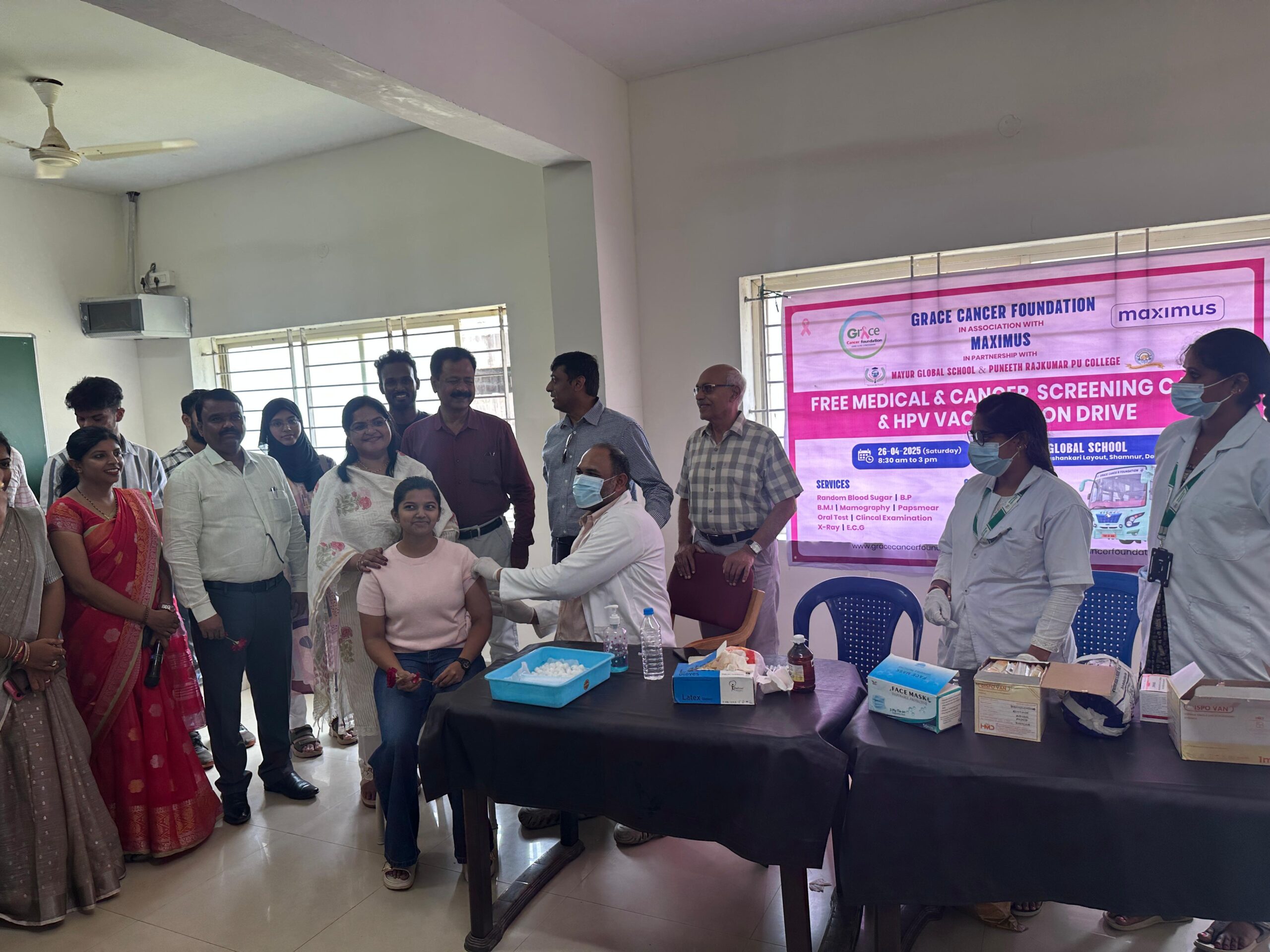
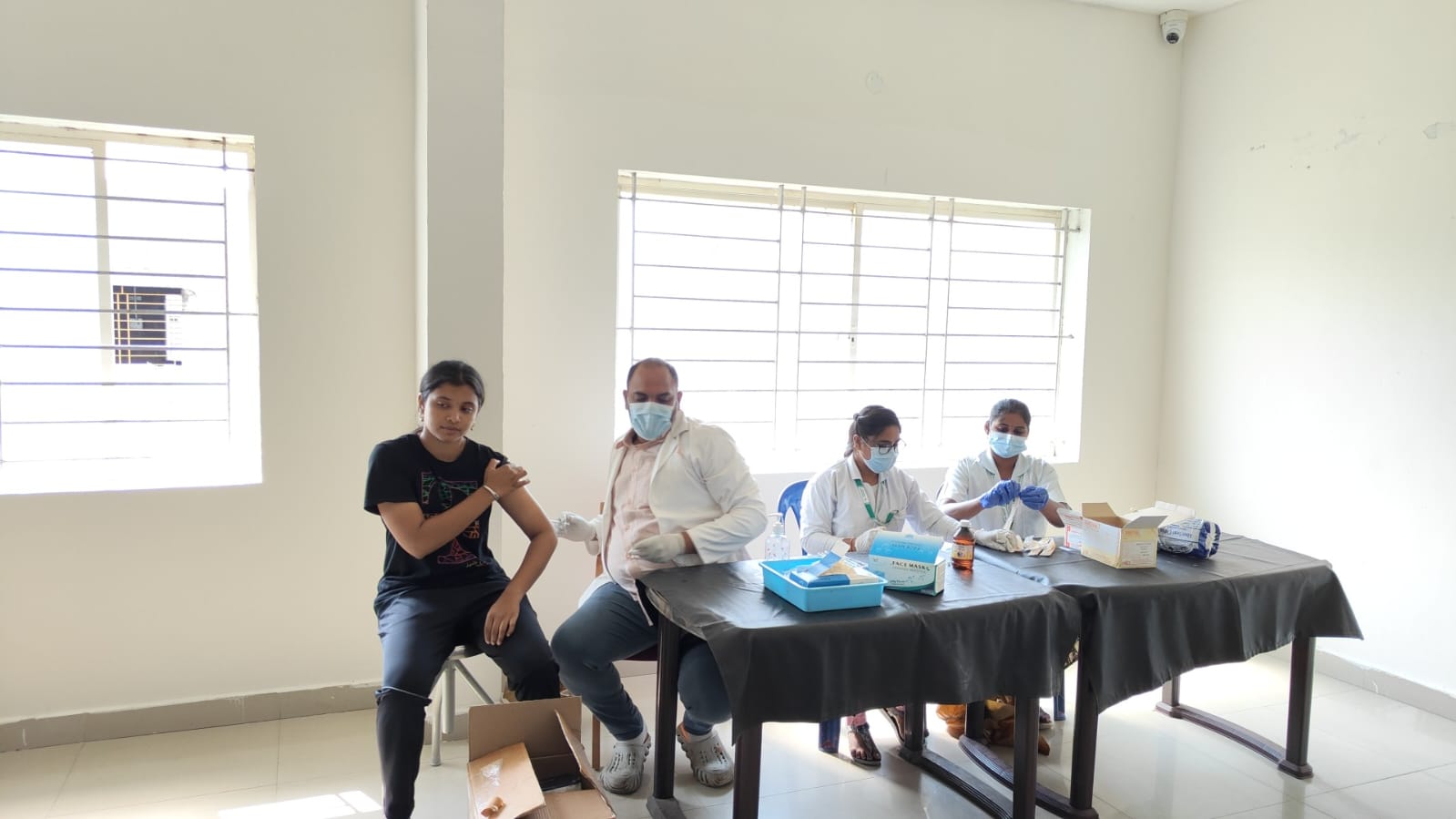
At the camp, 350 HPV vaccinations were administered and 200 cancer screenings conducted. The HPV vaccine plays a pivotal role in eradicating or significantly reducing HPV-related cancers, particularly cervical cancer. By preventing infections caused by specific HPV types, the vaccine can avert a large proportion of these cancers.
The program underscored the critical importance of collective action in fighting cancer, with influential voices calling for greater community involvement. This collaborative effort between Grace Cancer Foundation and Maximus India stands as a testament to their shared commitment to public health and cancer prevention. The initiative not only raised awareness but also actively engaged the community in safeguarding their health.
In a press note issued today from Hyderabad, Dr. Chinnababu Sunkavalli, Founder of Grace Cancer Foundation, Senior Robotic Surgical Oncologist, and Clinical Director at Yashoda Hospitals, Hyderabad, made a heartfelt appeal to the public: “Let’s come together to ensure every girl child gets vaccinated,” mphasising the critical role of vaccination in preventing cervical cancer.
P.N. Lokesh, Deputy Commissioner of Davangere, Government of Karnataka, highlighted the vital role of community participation in the success of health campaigns.
Ms. Praveena Bhimavarapu, Senior Vice President and Country Head of Maximus India, stressed the importance of early intervention: “Early intervention is key in the fight against cancer,” noting that timely vaccination can significantly reduce the risk of cervical cancer, one of the most prevalent cancers affecting women globally.
The initiative marks an important step towards the vision of a cancer-free nation, and the collaboration between Grace Cancer Foundation and Maximus India serv.es as a model for future health initiatives.