



12, Feb 2024
Empowering Rural Communities: Aster RV Hospitals Joins Forces for a Remote Healthcare Initiative
In a significant step towards promoting the well-being of Communities living in rural regions, Rural Communitis, joined forces with Vanavasi Kalyana Trust to organize a comprehensive health camp in a remote village near Kanakapura. The event aimed to address the healthcare needs of the rural population by offering a range of medical services, including general checkups, eye examinations, dental care, and health awareness programs.
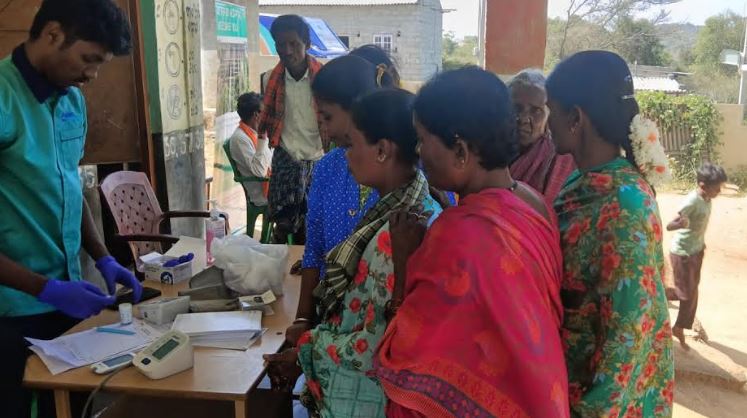
The health camp, conducted in collaboration with Aster RV Hospital’s Corporate Social Responsibility (CSR) initiative, witnessed an enthusiastic response from the remote rural communities. J. Parashuram, Assistant Manager, CSR, Aster RV Hospital, expressed his commitment to making healthcare accessible to underserved populations. “We believe in the power of collaboration to bring about positive change. Partnering with Vanavasi Kalyana Trust allowed us to extend our services to those who need it the most,” said Parashuram. A team of dedicated volunteers of the Aster Volunteer team catered to close to 200 rural and tribal communities from the nearby Kanakpura village at Govt. Higher Secondary School premises, Kodihalli hobli, Kanakpura Taluk, Ramanagara District over the weekend and conducted Health Check up camp
The health camp covered various aspects of healthcare, focusing on preventive measures and early detection of health issues. The medical team, consisting of 11 doctors, nursing staff, and dedicated volunteers, provided free services, including BMI calculations, eye checkups, and distribution of free spectacles for those in need. The camp also included general checkups and the distribution of essential medications.
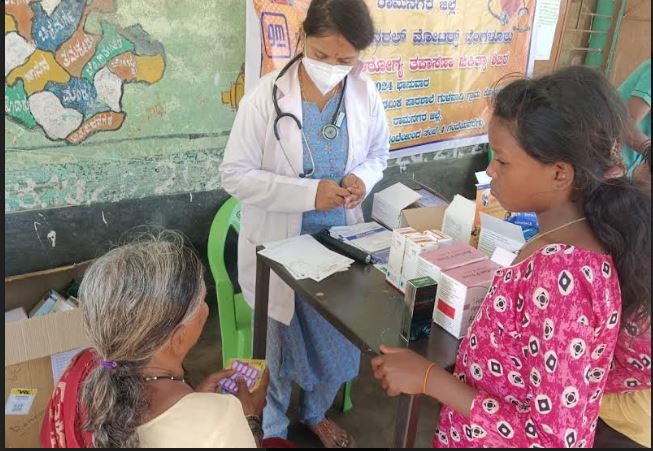
One of the highlights of the event was the provision of free ECG tests, ensuring that cardiovascular health was assessed for all participants. Dental checkups were also conducted, with the distribution of toothpaste and brushes to promote oral hygiene. The medical team took the opportunity to raise awareness about the importance of maintaining good dental health in the community. Hygiene awareness sessions were conducted to emphasize the significance of maintaining cleanliness and adopting healthy practices in daily life. In addition to medical services, the camp included training sessions first aid services. Participants were educated on how to call for an ambulance and provide basic support in emergency situations. This initiative aimed to empower the community with essential life-saving skills, ensuring they are better equipped to handle emergencies.
Aster Hospitals started Aster Volunteers with a singular vision, to unite people from all walks of life in helping make the world a little better. The initiatives of Aster volunteers through medical and non-medical aid, seek to impact the underserved sections of our society. This short but deeply fulfilling journey of 6 years has helped impact the lives of 4 million+ people, with just 53,000 volunteers. This initiative exemplifies the commitment to making quality healthcare accessible to all, irrespective of geographical barriers. As the hospital continues to work towards the well-being of underserved communities, such initiatives pave the way for a healthier and more inclusive society.
- 0
- By Rabindra

12, Feb 2024
Expansion of oncology services in tier two cities to close the care gap in cancer treatment in India
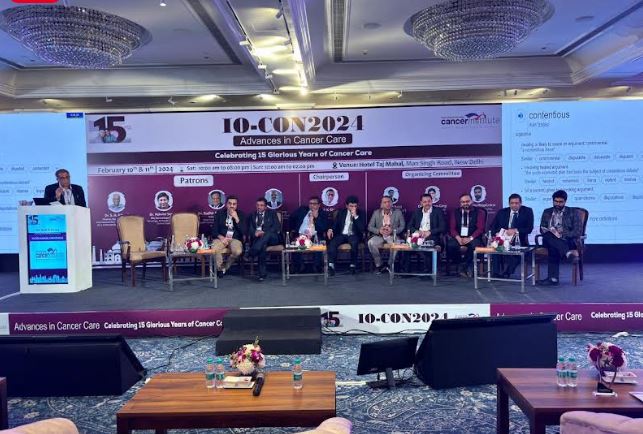
Delhi February 12, 2024: At least 50% of lung cancer cases in India occur in non-smokers, said the doctors during the two-day IO-CON2024 advances in Cancer Care scientific conference on Saturday in Delhi.
The oncologists emphasised that 50% of lung cancer cases in India are caused by declining air quality, aside from lifestyle factors. It is concerning that in some circumstances, the patient has never smoked and arrives at the doctor’s office in a more advanced state. Because tobacco smoking is so pervasive in India, head and neck cancer is quite common among men there, accounting for 30% of all cancer cases. On the other hand, breast cancer is most common among women with every eighth woman in India suffering with breast cancer.
“Of the almost 14 lakh new cancer cases diagnosed in India every year, more than 60% get diagnosed in advanced stages which underscores the need for an enhancing the awareness and diagnosis,” stated Dr. Shubham Garg, Director of Surgical Oncology, IOCI, Fortis Hospital, Noida.
Dr Anita Malik, Senior Consultant and Clinical Lead Radiation Oncology at IOCI said, “In India, there are more than 640 radiation therapy equipment, but because the country is now experiencing a 5-7% annual growth in cancer cases, the number of machines needs to be scaled up 1400 as per WHO. The infrastructure costs associated with any oncology institution exceed Rs 100 crore, and the cost of radiation devices is at least Rs 25 crore. This calls for a sufficient public-private cooperation to make the treatment accessible to the greatest number of people, which is still limited to a set of people.”
Dr PK Sharma, Executive Director, International Oncology Cancer Institute said, “The International Oncology Cancer Institute’s 15 years of providing cancer care was celebrated by organising IO-CON2024. The organisation has made progress in establishing oncology centres in cities such as Kanpur, Saharanpur, Indore, Aurangabad, Jodhpur, Greater Noida, and Mumbai.”
Dr. Madhur Garg, the Clinical Director of Radiation Oncology at Montefiore Medical Center in the United States, emphasizes the importance of expanding oncology services in tier two cities in India. He advocates for a strong public-private partnership to achieve this goal. Dr. Garg points out that doctors are willing to serve in tier two cities, provided there is adequate infrastructure in place to support cancer treatment services.
He also acknowledges the positive impact of the Ayushman Bharat health coverage provided by the Government of India. This health coverage initiative offers financial assistance for cancer treatment, which is expected to improve the accessibility of testing and treatment processes for people living in smaller towns across the country.
“Molecular testing, often performed alongside biopsies, helps identify specific genetic mutations or alterations present in cancer cells. Molecular testing provides insights into the genetic makeup of tumors, allowing oncologists to select targeted therapies that are more likely to be effective against specific molecular targets. In addition, for a holistic treatment, personalized medicine in oncology leverages molecular testing and comprehensive genomic profiling to develop individualized treatment strategies that consider the unique genetic, molecular, and environmental factors influencing each patient’s cancer. This approach holds great promise for improving treatment outcomes and enhancing the quality of life for individuals diagnosed with cancer.
Dr Rajat Bajaj, Program Director, IOCI said, “The future of cancer treatment is every optimistic, but the key lies in the timely detection which requires more people friendly approach at the oncology centres. The medical services must reach in smaller cities where the cooperation of government and the private sector I healthcare will make a difference and save more lives.”
During the event on advances in cancer care oncologists from IOCI including Dr Jalaj Baxi, Dr Kabir Rehmani and Dr Rakesh Ojha addressed a panel discussion on future of cancer care in India.
12, Feb 2024
Telerehabilitation for Sustainable health
Dr. Vinodhkumar Ramalingam, Professor & Head of Sports and Manual Therapy, Saveetha College of Physiotherapy, Saveetha Institute of Medical and Technical Science, Chennai
The field of telerehabilitation, with its technological developments, presents great potential for promoting sustainable health within our ecosystem. This can be achieved through various means, such as enhancing patient access to healthcare, cutting costs, optimizing resource use, minimizing environmental impact, improving continuity of care, empowering patients, minimizing environmental impact, developing innovative healthcare models, and more.
Through telerehabilitation, people in rural or underserved areas can receive healthcare treatments without being hindered by distance. This enhanced accessibility can lead to early detection and management of health issues, reducing the burden on healthcare facilities and preventing the escalation of health problems. Telerehabilitation cuts down on the costs of in-person clinical visits by offering remote consultations, monitoring, and interventions. This includes savings on facility fees and travel costs. Moreover, early intervention and prevention facilitated by telerehabilitation can potentially decrease the overall cost of care by preventing the progression of diseases and complications.
Telerehabilitation facilitates seamless coordination and communication between patients, caregivers, and healthcare professionals by fostering continuity of care across several locations and healthcare specialists in a real time. Telerehabilitation empowers patients to actively participate in the management of their own healthcare by providing them with tailored health information, technology for remote monitoring, and training materials.
In a book chapter on telerehabilitation in physiotherapy, Prof. Dr. Vinodhkumar and his colleagues expressed their strong belief that telerehabilitation can lead to long-term improvements in healthcare delivery through improving patient empowerment, continuity of care, cost reduction, resource optimization, and environmental minimization. The long-term resilience and sustainability of global health ecosystems can be enhanced by embracing telerehabilitation as an essential part of sustainable health.
10, Feb 2024
Acute Ear Infections in Children: Prevention and Treatment
By Dr T.V. Vijay Kumar Consultant Neonatologist and Paediatrician
Ankura Hospital For Women & Children

Acute ear infections, also known as acute otitis media (AOM), are common childhood ailments characterized by inflammation and infection of the middle ear. These infections often result from bacterial or viral agents and can cause discomfort and pain for children. However, several preventive measures and treatment options can help manage and alleviate the symptoms associated with acute ear infections.
Prevention:
Breastfeeding: Breastfeeding infants for at least the first six months of life has been linked to a reduced risk of ear infections. Breast milk contains antibodies that help bolster the baby’s immune system, potentially reducing the likelihood of infections.
Avoiding Passive Smoking: Exposure to passive smoking increases the risk of ear infections in children. Parents and doctors should make efforts to keep children away from environments where smoking occurs.
Vaccinations: Following the recommended vaccination schedule can help prevent certain infections that may lead to acute ear infections. Vaccines such as the pneumococcal conjugate vaccine (PCV) and the influenza vaccine can significantly reduce the risk of ear infections caused by specific pathogens.
Promote Good Hygiene: Encouraging children to practice good hygiene, such as regular handwashing, can help minimize the spread of infections that may contribute to ear infections.
Limiting Pacifier Use: Prolonged pacifier use has been associated with an increased risk of ear infections. Limiting the use of pacifiers, especially during sleep, may help reduce this risk.
Treatment:
Antibiotics: In cases where the ear infection is bacterial and severe, a doctor may prescribe antibiotics. It’s essential to complete the full course of antibiotics as prescribed, even if symptoms improve before the medication is finished.
Pain Management: Over-the-counter pain relievers such as acetaminophen or ibuprofen can help alleviate discomfort associated with ear infections. Follow the recommended dosage based on the child’s age and weight.
Ear Drops: Ear drops containing analgesics or antibiotics may be prescribed to help alleviate pain and combat infection directly in the affected ear.
Warm Compresses: Applying a warm, moist compress to the affected ear can provide temporary relief from pain and help reduce inflammation.
Rest and Fluids: Encourage the child to rest and stay hydrated to support their immune system as they recover from the infection.
Observation: In some cases, particularly with mild infections and in older children, doctors may recommend a period of observation without immediate antibiotic treatment, as many ear infections resolve on their own without complications.
Surgical Intervention: In rare cases of recurrent or severe ear infections, surgical procedures such as tympanostomy tube insertion may be considered. These tubes help ventilate the middle ear and prevent fluid buildup, reducing the risk of future infections.
Conclusion:
Acute ear infections are a common childhood ailment that can cause discomfort and distress for both children and their doctors. However, with proper prevention measures and timely treatment, the impact of these infections can be minimized. By promoting good hygiene, adhering to vaccination schedules, and seeking appropriate medical care when needed, parents and doctors can help safeguard children against the risk of acute ear infections and support their overall health and well-being.
10, Feb 2024
Unlocking the Mystery of Laryngeal Cancer: From the Beginning to Recovery

By Dr. Shama Shetty, Consultant ENT and Head and Neck Oncology, SPARSH Hospital, Yelahanka, Bengaluru
Getting to Know Your Voice’s Guardian
Let’s talk about the larynx – our voice’s defender, tucked in our neck, making sure we can talk, breathe, and swallow easily. But what if the dark clouds of laryngeal carcinoma disturb this balance? There are a few things you must know if any situation arises like this.
Larynx has three parts – the upper supraglottis, the middle glottis, and the lower subglottis. Laryngeal cancer? It’s a tricky character, with glottic cancer stealing the spotlight at 50%, supraglottic at 45%, and subglottic playing a mysterious role at 5%. Predominantly observed in individuals aged 40-70 years, it exhibits a higher prevalence among males, with an increasing incidence in females attributed to rising smoking rates.
The Culprits: Un the Risk factors
In the mysterious tale of laryngeal cancer, risk factors play a vital role. Tobacco, the main troublemaker, poses a significant threat, especially for cigarette smokers. Excessive alcohol consumption, encounters with workplace toxins like asbestos, paint, plastic radiation, and a history of acid reflux, and the plot thickens. Exploring these risk factors is crucial in developing preventive strategies and raising awareness.
Early Detection: A Vital Component of Recovery
Understanding the subtle indicators of laryngeal carcinoma is crucial for early identification. Supraglottic cancer might start with feeling of a foreign object in the throat, throat pain, difficulty swallowing or neck swelling. Glottic involvement can present with hoarseness whereas Subglottic cancers present with stridor. Additional presentations might include a lingering cough, and referred ear pain. Recognizing these signs and seeking prompt medical attention can significantly impact the success of treatment.
Diagnosis: Why Precision Matters
In the diagnostic theatre, precision steals the spotlight. CT scans, MRIs, and laryngoscopies take centre stage. An Examination Under Anesthesia is like an encore for a comprehensive diagnosis. A biopsy performed on suspicious lesions confirms the presence of cancer. Speech and Swallowing Evaluation is imperative to gauge the impact of laryngeal cancer and its treatment on essential functions such as eating, speaking, and swallowing. Each of these diagnostic elements plays a crucial role in both diagnosing and developing a tailored treatment plan.
Precision in Treatment: Tailoring Approaches to Individuals
Recent strides in medical research has shattered the one-size-fits-all approach. Personalized treatments, like bespoke suits, consider the cancer stage, location, patients general health and their preferences. A multidisciplinary team including oncologists, radiologists, speech therapists, nutritionists, and mental health professionals is essential to maximize cure and provide good quality of life.
Early stage cancers- a single modality treatment with Transoral Microscopic Laser Resection (TOLR), radiotherapy or partial laryngectomy are the options. The choice depends on the patient’s general condition, performance status, profession, and the expertise of the surgeon. Intermediate-stage cancers, where laryngeal function is still preserved, often undergo organ preservation chemoradiotherapy. If the patient is unfit for chemoradiotherapy, surgery is considered. In advanced cancers, total laryngectomy, involving the removal of the entire voice box, is performed, followed by adjuvant treatment and postoperative voice rehabilitation.
Neck dissection (removal of lymph nodes around the tumor) is contingent on the subsite and stage of the tumor.
Regular follow-ups and supportive care are crucial components to enhance the patient’s overall well-being throughout the treatment journey.
Top of Form
Life After Cancer: The Rehabilitation Journey
Surviving laryngeal cancer extends beyond overcoming the disease; it involves reclaiming life post-treatment. Rehabilitation programs, which encompass speech therapy and swallowing exercises, are crucial in assisting individuals in regaining their voice and adjusting to any changes in their communication and swallowing abilities. Psychological support also plays an integral role in addressing challenges that may arise during the recovery process.
Voice rehabilitation methods include Esophageal speech, Electro larynx, TEP (Tracheo-oesophageal puncture) with voice prosthesis. Each method has its own set of advantages and disadvantages, with TEP prosthesis offering the best speech compared to the others. Speech and language pathologists play a pivotal role in guiding and supporting individuals through the voice rehabilitation process.
Raising Awareness: A Collective Responsibility
Understanding the nuances of laryngeal cancer becomes a powerful tool. The more informed individuals are, the better equipped they are to take charge of their health. From educating the public about risk factors, symptoms, promoting regular screenings to embracing innovative treatments and rehabilitation, a holistic approach ensures that individuals facing this diagnosis can navigate the complexities with resilience and hope.
9, Feb 2024
When to Act: Recognizing the Warning Signs of Diabetic Foot Complications
Dr Rajeev Premnath, General Laparoscopic Surgeon and Endoscopist, Minimally Invasive Proctology Department at Ramakrishna Hospital, Bengaluru

Your feet are like health detectives, giving you valuable clues about your overall well-being. Instead of waiting until you’ve accidentally hurt them, start paying attention to your feet—they might be trying to warn you about potential health issues. After all, your feet are more than just the sturdy support for your adventures; they’re like a health barometer, ready to share important insights about your body.
If your feet frequently experience the sensation of “falling asleep,” it could be a signal that diabetes is at play. Elevated sugar levels might be causing a crucial nerve in your foot to misfire. Don’t ignore the warning signs—open sores, cuts, or injuries that drag your feet in healing could be red flags. It’s like your feet are sending an SOS, so don’t hesitate to seek a podiatrist’s expertise. If there’s a tingling or numbness sensation, it could be your body’s way of whispering, “Check for diabetes!”
Diabetes in India
In India, about 77 million adults aged 18 and above have type 2 diabetes, and almost 25 million are on the brink of developing diabetes. India stands second globally in the diabetes count. Both Type 1 and Type 2 diabetes mess with how our bodies handle blood sugar, and it all revolves around the hormone, insulin. Insulin, crafted by the pancreas’ beta cells, shuttles glucose from our food into cells for energy. Type 2 diabetes kicks in when cells resist insulin, causing sugar levels to rise, potentially impacting the heart, kidneys, and vision. Type 1 diabetes, an autoimmune battle, destroys insulin-making beta cells with no cure, requiring insulin. Type 2 diabetes, often tied to lifestyle choices like obesity, can be tackled with a mix of healthy eating, exercise, and sometimes medications. Now, let’s explore the signs your feet may be signaling that it’s time to take action, especially if you have diabetes.
Exploring Diabetic Foot Complications
Nerve Troubles (Neuropathy): For people with diabetes, a common challenge is neuropathy, when foot nerves act up, bringing on tingling that hints your nerves might be in trouble, along with numbness or pain. If you notice a burning feeling, it could be a sign of nerve discomfort. Weak muscles are like a warning sign for nerve problems. Finding these signals early on is crucial for proper care.
Blood Flow Blockade (Peripheral Artery Disease): Another issue connected to diabetes is peripheral artery disease, which messes with blood flow to the extremities, like the feet. Watch for chilly or cold feet, as it might mean less blood flow. Slow-healing wounds could suggest circulation problems, and changes in skin color may signal vascular issues—warning signs that need quick attention.
Immunity Dilemma (Infections): Diabetes weakens the immune system, making infections more likely. Foot infections can escalate fast, stressing the importance of keeping a close eye and taking timely action.
Toenail Health: Your toenails spill secrets, especially about diabetes. If they break easily or get thick, it’s a nudge to check your blood sugar. Dark or yellow nails, tricky ingrown toenails, and slow healing are signals for a diabetes check. Diabetes can lead to toenail fungus, so stay alert for any thickness or color changes.
Neglecting foot issues can have a domino effect on overall health, potentially impacting the cardiovascular system and mobility.
Steps Towards Health Wellbeing
In a nutshell, embracing a healthy lifestyle is key to managing diabetes and ensuring optimal foot health. Start by keeping a close watch on your blood sugar levels through a balanced diet and regular exercise. Equally important is choosing the right footwear, acting as a shield against potential diabetes-related issues. Also don’t forget good hygiene practices, a robust defense lowering the risk of foot infections. The most crucial aspect is focusing on enhancing immunity.
9, Feb 2024
Amrita Hospital Faridabad Ties Up with IIT Hyderabad to Develop New Technology
Hyderabad, February 09, 2024: Dr. Bhaskar Viswanathan, HoD, Department of Radiation Oncology, Amrita Hospital, Faridabad, has been recently selected for a research grant, meant to develop an indigenous robotic ultrasound for tumor motion and radiation hyperthermia for cancer treatment. The technology would be developed in association with Dr. Avinash Eranki, Assistant Professor, Department of Biomedical Engineering at the Medical Ultrasound Research Laboratory of Indian Institute of Technology – Hyderabad, Eranki Labs Private Limited, and Amrita Centre for Advanced Robotics.

Dr. Bhaskar Viswanathan, Head of Radiation Oncology Department at Amrita Hospital, Faridabad said, “It is a matter of immense pleasure and pride for us that we have been selected for this grant to indigenously develop robot-assisted ultrasound system for image-guided therapies and hyperthermia for cancer patients. It is a non-invasive technique that uses focused ultrasound waves and has a huge potential in cancer treatment like tumor ablation, mild hyperthermia for radiotherapy and chemotherapy, and motion management during radiation delivery.”
“This cutting-edge technology will allow precise localization of lesions, enabling targeted and effective delivery of therapeutic radiation and avoiding damage to the surrounding tissue and organs. Robotic ultrasound plays an important role in guiding the delivery of hyperthermia by accurately locating the tumor and monitoring its motion during treatment. Real-time tracking can be crucial in ensuring that hyperthermia is delivered precisely to the intended target,” the doctor said.
He explained that tumors in the body can move due to factors like breathing and organ motion. Tracking this motion is crucial for accurately delivering radiation therapy. Robotic ultrasound systems can be used to track the movement of tumors in real-time. They use robotic arms equipped with ultrasound transducers to continuously monitor the tumor position during treatment, thus improving targeting accuracy.
Hyperthermia involves raising the temperature of the tumor region to make cancer cells more sensitive to radiation. It also improves blood flow to the tumor, enhancing the delivery of oxygen and chemotherapy. Combining hyperthermia with radiation therapy can significantly enhance the therapeutic effects and theoretically allow for theoretic lower radiation doses, minimizing damage to surrounding healthy tissue.
Dr. Avinash Eranki, Assistant Professor, Department of Biomedical Engineering, and CEO of Eranki Labs Pvt. Ltd. said, “The need for spatially precise and efficacious delivery of radiation and ultrasound energy is possibly key to improved outcomes in patients with debilitating cancer disease.”
“The collaboration with IIT Hyderabad and Eranki Labs Private Limited enhances the project’s scope, leveraging the expertise of both medical and engineering domains. This interdisciplinary partnership is crucial for advancing technology in cancer care, emphasizing a holistic approach to treatment innovation. We expect to complete the project in 3 years, the grant for which was provided to us by the Indian Council of Medical Research (ICMR),” added Dr. Viswanathan.
9, Feb 2024
World Cancer Day: Dr. Dana Cohen, a graduate of St. George’s University School of Medicine, gives guidance on how to prevent Cervical Cancer
According to the National Library of Medicine, more than 132,000 new cases of cervical cancer are diagnosed annually in India, with 74,000 individuals succumbing to the disease. Globally, cervical cancer ranks as the fourth-most common cancer in women, with an alarming 604,000 new cases and 342,000 associated deaths reported annually. However, there is a glimmer of hope, as the Centers for Disease Control and Prevention highlights that up to 93% of cervical cancer cases could potentially be prevented with appropriate measures and interventions.
In recognition of World Cancer Day, integrative medicine specialist Dr. Dana Cohen who graduated from St. George’s University (SGU) School of Medicine in the Caribbean shares advice on how to reduce the risk of this deadly disease through daily holistic wellness practices.
Cervical cancer causes and risk factors
Before we cover the important preventative measures that women can take to decrease their risk of cervical cancer, it’s helpful to learn about the causes and risk factors that contribute to the disease. The most prominent cause of cervical cancer is persistent infection with high-risk types of human papillomavirus (HPV), a viral infection that causes growth of the skin or mucous membrane (thin skin that covers the inside surface of parts of the body). While pervasive, most HPV infections clear up naturally without causing significant harm.
In some cases, however, the virus persists and can lead to changes in the cells of the cervix, the lowermost part of the uterus. Cervical cancer begins when healthy cells in the cervix develop changes in their DNA, eventually forming a mass of cancerous cells called a tumour. These malignant cells can invade and destroy healthy body tissue. With time, they can even break away and spread to other parts of the body.
Even though HPV remains the primary cause of cervical cancer, other elements can impact an individual’s susceptibility such as smoking, having a weakened immune system, a genetic predisposition and lack of screening, which could lead to undetected pre-cancerous changes.
Cervical cancer prevention tips
The most prominent preventative measures against cervical cancer include getting vaccinated for HPV. As the list of risk factors indicates, it can also help to quit smoking and have regular healthcare visits.
Additionally, taking a proactive approach with integrated lifestyle choices can have a significant impact on cervical health outcomes. These three holistic methods can help patients support their immune systems to fight HPV and reduce their cervical cancer risk.
1. Nourish your immune system with functional nutrition
A healthy immune system is the body’s best defense against high-risk infection. These three nutrients can help support immune health:
Medicinal mushrooms: Adaptogenic mushrooms like chaga, shitake, and lion’s mane contain bioactive compounds that can enhance immune function; they also have helpful anti-inflammatory properties.
Vitamin C: Found in citrus fruits, strawberries, and bell peppers (among other fruits and vegetables), vitamin C is a powerful antioxidant that boosts the body’s immune response.
Folate: Present in lentils, eggs, spinach, and bananas, folate is a B vitamin that is essential for DNA synthesis and cell division; low folate levels in women are associated with higher rates of developing cervical cancer from HPV.
2. Stay hydrated
Water’s role in supporting the immune system cannot be overstated. Proper hydration helps maintain blood volume and circulation, which ensures that immune cells can travel efficiently through the body. White blood cells require a balanced internal environment to function optimally.
Remaining well-hydrated can also help reduce the burden placed on an individual’s immune system by working to remove toxins and waste products from the body. This enhances your immune response with more strength to focus on defending against infections.
3. Reduce stress
Stress reduction can also have a significant impact on supporting immune function. Chronic stress has been found to weaken the immune system, making the body less effective in warding off infection.
Some activities that can help patients manage their stress levels include:
Practising mindfulness and meditation techniques to help promote relaxation and decrease anxiety.
Committing to regular physical activity serves as a natural stress reducer by releasing endorphins.
Try holistic therapies like aromatherapy, acupuncture, and massage to promote relaxation, balance energy, and relieve tension.
Learn to take charge of your health
To conclude, there are measures individuals can take to mitigate their susceptibility to developing this deadly disease. Incorporating proper nutrition, hydration, and stress reduction methods into your daily routine can strengthen your immune system and help reduce your risk of cervical cancer — particularly when combined with proper vaccination.
8, Feb 2024
Narayana Health Unveils State-of-the-Art Rehabilitation Centre
Bengaluru, February 08, 2024: Narayana Health, one of India’s leading healthcare providers, proudly announces the inauguration of its advanced Rehabilitation Centre at Hebbagodi in Electronic City, today. This state-of-the-art facility shall provide comprehensive care for patients requiring advanced rehabilitation services following an acute illness, underscoring Narayana Health’s unwavering dedication to healthcare excellence.
The inauguration ceremony, was graced by prominent dignitaries including Dr Devi Shetty, Chairman of Narayana Health and Shri Dinesh Gundu Rao, Minister of the Department of Health and Family Welfare, Government of Karnataka.
In his address at the inauguration, Shri Dinesh Gundu Rao commended Narayana Health for its commitment to addressing the critical need for top-tier post-acute rehabilitation services in the state. He praised the institution’s holistic approach and emphasized the importance of personalized care facilitated by a team of experienced specialists and support staff.
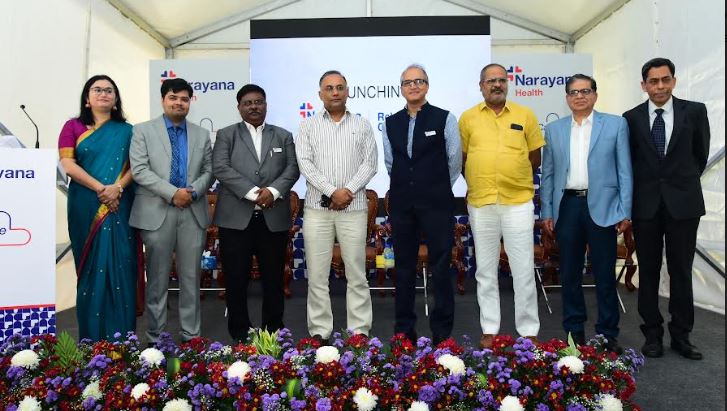
Highlighting the key features of the Centre, Dr Devi Shetty said, “Our rehabilitation facility is very unique. The centre offers cutting-edge, cost-effective rehabilitation, catering to both in-patient and out-patient needs. What sets us apart is the seamless integration of clinical support from our multispecialty centre with rehabilitation that is done in a very serene environment conducive to healing. This ensures a continuum of care rarely found elsewhere. The initiative is a hallmark of Narayana Health’s commitment to provide comprehensive care and to constantly improve our patient outcomes.”
Dr Emmanuel Rupert, CEO of Narayana Health emphasized that the centre would fill the gap in rehabilitative services that is present in healthcare delivery. Dr Srikant Venkatakrishnan, Head of the Department of Physical Medicine and Rehabilitation, said “Our strength lies in our multidisciplinary team, comprising Rehabilitation Physicians/Physiatrists, physical therapists, occupational therapists, speech and language pathologists, orthotists, psychologists and clinical social workers. We provide customized care plans for our patients focusing on functional goal setting, seeking to maximise patient outcomes. We seek to incorporate advances in health care and facilitate community re-integration of our patients and their families. “
The Narayana Health Rehabilitation Centre offers a comprehensive range of services, including post stroke rehabilitation, traumatic brain injury care, spinal cord injury management, cardio-pulmonary rehabilitation, chronic pain management amongst others. The centre is managed with the latest rehabilitation protocols and clinical equipment such as gamified rehabilitation, body weight support systems, virtual reality, automated assistive technology in addition to standard rehabilitation devices. With a focus on enhancing functional independence and reducing caregiver burden, the Centre endeavors to empower patients and their families towards holistic recovery and societal integration.
In addition to providing expert medical care, the Centre is committed to community engagement and wellness.
8, Feb 2024
Max Hospital Saket, Launches Exclusive Cancer Care OPD Services in Bhiwani
North India’s leading healthcare provider, Max Super Speciality Hospital Saket today announced the launch of its exclusive Oncology OPD Services in partnership with the city-based Bhardwaj Hospital.
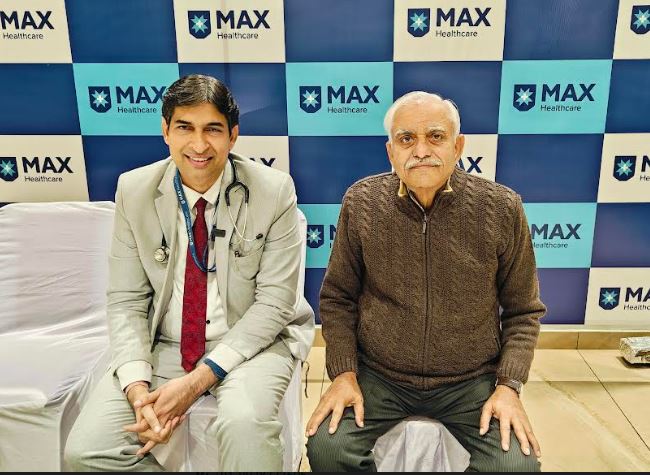
The OPD services were launched in the presence of Dr. Nagender Sharma, Principal Consultant, Medical Oncology and Dr Debashish Chaudhary, Principal Consultant, Surgical Oncology from Max Super Speciality Hospital,Saket who will be available for primary consultations at Bhardwaj Hospital, Agrasen Chowk, M.C Colony, Bhiwani.
Dr. Nagender Sharma will be available on the 1st & 3rd Wednesday of every month, and Dr Debashish Chaudhary will be available on the 2nd & 4th Thursday of every month. The timing of the OPDS for both doctors will be between 12 pm to 3 pm.
During the launch, Dr. Nagender Sharma, Principal Consultant, Medical Oncology, Max Super Speciality Hospital, Saket emphasized the importance of a comprehensive approach to cancer care which has evolved significantly and said “Cancer treatment has evolved significantly, and Max Hospital Saket continues to be at the forefront of this innovation and excellence. The landscape of cancer treatment has seen remarkable advancements. We are now able to provide personalized and targeted therapies that are more effective and less invasive, ultimately leading to better outcomes for our patients. The launch of these OPD Services in Bhiwani will be a value addition to the people in terms of quick access to the best-in-class services and expert opinion without the hassle of travelling to other cities for primary consultations or follow-ups.”
Dr Debashish Chaudhary, Principal Consultant, Surgical Oncology from Max Super Speciality Hospital Saket said“Our endeavour is to raise awareness about cancer and provide a holistic and supportive environment for such patients in their journey. With the advancement of technology, minimal access to cancer surgeries has also become commonplace. Experts can adequately resect difficult tumours including colon cancers, stomach cancer, including liver metastases which suggest a late-stage disease, with minimal incisions or even laparoscopically, in certain cases. Minimally invasive surgeries, have numerous advantages for patients in comparison to traditional surgeries including minimal scars, faster recovery, reduced pain, shorter duration of hospital stays, and lesser post-surgery complications.”


