



11, Nov 2023
Health Precautions to Take During Diwali Season

Diwali, the festival of lights, is a wonderful celebration but can also pose health challenges. The festivities often involve fireworks, which can lead to air and noise pollution, impacting those with respiratory issues or sensitivity to loud sounds. Additionally, indulging in rich sweets and treats during Diwali might not always align with a healthy diet. It’s essential to balance the enjoyment of traditional foods with moderation.
It’s a beautiful festival filled with joy and celebrations, but it also comes with some health risks, especially due to the use of firecrackers and the associated air and noise pollution. Here are some precautions to consider during the Diwali season:
Air Quality Precautions:
Avoid Firecrackers: Opt for eco-friendly ways to celebrate, like lighting diyas (lamps) or using eco-friendly crackers if necessary.
Stay Indoors: Especially during peak fireworks hours, stay indoors to reduce exposure to pollution.
Air Purifiers: Consider using air purifiers indoors to maintain better air quality.
Protect Your Ears:
Ear Protection: If you’re around firecrackers, consider wearing earplugs to protect your ears from the loud noises.
Fire Safety:
Keep Fire Safety Measures in Place: If you are lighting lamps or candles, ensure they are placed safely and away from flammable objects. Have fire extinguishers handy.
Supervise Children: If they’re handling fireworks, ensure they’re under adult supervision.
Eye Safety:
Protective Eyewear: If you’re handling fireworks, wear protective glasses to prevent eye injuries.
Pet Safety:
Comfort Pets: Many animals are frightened by the loud noises. Keep them indoors and create a safe space for them to reduce anxiety.
Healthy Eating:
Diet: Enjoy traditional Diwali treats in moderation. Opt for healthier versions of sweets or smaller portions.
Mindful Eating: With all the festive treats, try to balance your diet with healthy options and stay hydrated.
Physical Safety:
Mind Your Steps: Be cautious of any wires or debris from fireworks on the ground to avoid accidents.
Environmental Responsibility:
Eco-friendly Celebrations: Opt for eco-friendly decoration materials and minimize waste generation.
Respect Others:
Consider Neighbors: Be mindful of your neighbors who might not be celebrating and might be affected by the noise and air pollution.
Post-Diwali Clean-Up:
Dispose of Waste Responsibly: Dispose of used fireworks and other waste responsibly to keep the surroundings clean.
Diwali is a time for joy and togetherness, so prioritizing both enjoyment and well-being is key
By taking these precautions, you can enjoy the festivities of Diwali while ensuring your health and safety, as well as that of others and the environment.
- 0
- By Rabindra

10, Nov 2023
How to Take Care of Your Health in Winter

Winter brings its own set of health considerations. Colder temperatures can affect our bodies in various ways. Staying warm is essential to avoid issues like hypothermia and frostbite. It’s also common for people to experience seasonal affective disorder (SAD) due to reduced exposure to sunlight, which can impact mood and energy levels. Furthermore, the flu and colds tend to be more prevalent during the winter months due to people spending more time indoors and in close proximity to one another.
It’s crucial to take care of your health during this time. Dressing warmly, staying active, eating well, and maintaining good hygiene by washing hands frequently can all contribute to staying healthy during the winter. Additionally, ensuring you get enough vitamin D, either through diet or supplements, can help counteract the lack of sunlight. Emotional well-being is just as important, so finding ways to stay socially engaged and combat the winter blues can make a significant difference.
Taking care of your health in winter is crucial to stay well during the colder months. Here are some tips to keep yourself healthy:
Nutrition:
Balanced Diet: Focus on a balanced, nutritious diet with plenty of fruits, vegetables, lean proteins, and whole grains.
Vitamin Intake: Consider supplements like Vitamin D, as sunlight exposure might be reduced in winter.
Hydration: Stay hydrated even though you might not feel as thirsty as in hotter months.
Exercise:
Indoor Activities: Find indoor exercises that you enjoy, such as yoga, dancing, or home workouts.
Outdoor Activities: If weather permits, engage in outdoor activities like skiing, ice skating, or even brisk walks.
Hygiene:
Hand Hygiene: Maintain proper hand hygiene to prevent the spread of colds and flu.
Immune Support: Consider immune-boosting habits like getting enough sleep and managing stress.
Clothing:
Layer Up: Dress in layers to adapt to changing temperatures.
Protective Gear: Wear appropriate winter gear to protect against cold and wet conditions.
Skin Care:
Moisturize: Cold air can be harsh on the skin, so moisturize regularly.
Sunscreen: Don’t skip sunscreen even in winter to protect against UV rays.
Home Environment:
Heating: Keep your home warm but not too dry; consider using a humidifier to prevent dry air.
Cleanliness: Regularly clean and disinfect your home to prevent the spread of germs.
Health Check-ups:
Vaccinations: Ensure your flu shot and any other necessary vaccinations are up to date.
Regular Check-ups: Keep up with regular health check-ups to catch any issues early.
Mental Health:
Socializing: Keep in touch with friends and family to prevent feelings of isolation.
Self-Care: Prioritize self-care and take time for relaxation and stress management.
Taking care of your health in winter involves a combination of good nutrition, hygiene, exercise, and maintaining a healthy lifestyle. Remember, it’s about finding a balance that works for you and being mindful of your body’s needs during the colder months.
10, Nov 2023
Gut bacteria protects against diarrhoeal disease
Peer reviewed – Systematic review – people and animals
New Delhi, November 10, 2023: The severity of a diarrhoeal disease could be down to the bacteria in your gut – according to new research from the University of East Anglia.
Cryptosporidiosis is responsible for over 100,000 deaths annually – predominantly in children under five.
It also affects animals, and a new study published today shows that large animals – including primates – with less different kinds of bacteria in their gut are the more severely affected.
It reveals that introducing more diverse gut bacteria can improve outcomes – including reducing diarrhoea and the potential for the disease to spread.
The team, led by Prof Kevin Tyler at UEA’s Norwich Medical School, say that diet, probiotics and faecal transplant therapy could help target the disease by improving gut bacteria in people and animals.
Prof Tyler said: “The vast majority of infections and deaths happen in low-income countries, but outbreaks also occur in the UK and elsewhere in Europe.
“In the UK, the disease is currently re-emerging and cases this year are increasing dramatically, suggesting the disease is currently epidemic. There are no human vaccines and only one drug licensed for human use, which is not effective for many who are affected.
“So, understanding what that can improve outcomes is critical to tackling outbreaks.
“We wanted to know whether some of the variations in symptoms might relate to the make-up of an infected person or animal’s gut bacteria and whether that composition was in turn affected by having cryptosporidiosis.”
The team collected all studies that had looked at the composition of gut bacteria in mammals which were infected by cryptosporidium and for which the data had been made publicly available.
They compared these to answer questions about the significance of gut bacterial diversity and the effect of cryptosporidium infection.
Lead researcher Georgina Hurle, also from UEA’s Norwich Medical School, said: “The Cryptosporidium parasite is one of several microorganisms that cause diarrhoeal disease. It affects both babies and new-born livestock and it can be contracted either from animals or from people.
“Most people contracting cryptosporidiosis will recover naturally, but some people and animals will require treatment, suffer long-term consequences from the infection, and may even die.
“The severity of the disease is known to be affected by prior exposure, so adults are generally less severely infected and recover better.
“We found that more severely affected large animals such as cows, sheep and primates, have less different kinds of bacteria in their gut.
“We also found that having and even introducing more diverse gut bacteria can improve outcomes, reducing diarrhoea and potential for disease transmission.
“Gut bacteria composition can be affected by diet, by consumption of probiotics and pre-biotics and by therapies like faecal transplant therapy.
“Understanding the changes that accompany infections and outcomes provides an opportunity for such relatively affordable but novel therapies in targeting a disease for which very few interventions are currently available.
“This study is important in showing that these approaches may be effective at reducing disease severity in those affected and at-risk groups and populations.”
9, Nov 2023
How to Take Care of Your Dental Health at Home
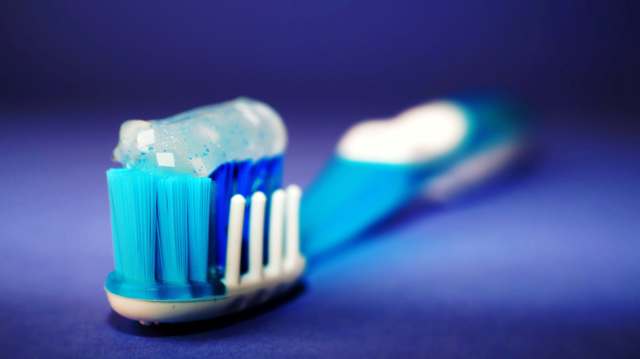
Taking care of your teeth is crucial for overall health. Brushing your teeth twice a day, flossing, and regular dental check-ups can help prevent issues like cavities and gum disease. It’s also essential to watch your diet, as sugary foods and drinks can contribute to dental problems.
Taking care of your dental health at home is crucial for maintaining a bright smile and preventing dental issues. Here are some tips:
Brushing: Brush your teeth twice a day, in the morning and before bedtime. Use a fluoride toothpaste and a soft-bristled toothbrush. Brush for at least two minutes, covering all surfaces of your teeth.
Flossing: Floss daily to remove plaque and food particles between your teeth. This helps prevent cavities and gum disease.
Mouthwash: Consider using an antimicrobial or fluoride mouthwash to help kill bacteria and strengthen your teeth. However, it’s not a substitute for brushing and flossing.
Healthy Diet: Limit sugary and acidic foods, as they can contribute to tooth decay. Opt for a balanced diet rich in fruits, vegetables, and whole grains.
Hydration: Drink plenty of water throughout the day. Water helps rinse away food particles and keeps your mouth hydrated.
Replace Your Toothbrush: Change your toothbrush or toothbrush head every three to four months, or sooner if the bristles are frayed.
Protect Your Teeth: If you play sports or grind your teeth at night, consider wearing a mouthguard to protect your teeth from injury or damage.
Avoid Tobacco: Smoking and using tobacco products can contribute to gum disease and tooth decay. Quitting can significantly improve your oral health.
Regular Dental Check-ups: Even if you take excellent care of your teeth at home, regular dental check-ups are essential. Your dentist can catch potential issues early and provide professional cleanings.
Limit Alcohol and Caffeine: Excessive alcohol and caffeine intake can contribute to a dry mouth, which increases the risk of cavities. Moderation is key.
Remember, good oral hygiene at home, combined with regular dental check-ups, is the foundation for a healthy smile.
9, Nov 2023
XITE College Organizes Successful Free Eye and Vision Check-Up Camp
Jamshedpur, November 9, 2023 — XITE College, known for its commitment to
student welfare and community health organized a successful Free Eye and
vision check-up camp at its premises on November 7, 2023. The camp aimed to
provide essential eye care services to the college community, including students,
staff and faculty.
The event, which witnessed the participation of more than 100 individuals, was
enabled by ASG Eye Hospital, Jamshedpur, a leading name in eye care services.
Under the guidance and leadership of Mr. Ashish Singh, Head of Branding and
Communication at XITE College, the camp was efficiently organized and
coordinated.

Dr. Fr. Mukti Clarence, the Vice Principal of XITE College, lent his invaluable
support to the initiative, underscoring the institution’s commitment to the well–
being of its community. The camp wouldn’t have been successful without the
dedicated efforts of the support staff, including William Dungdung, Alban
Kerketta and Sarju Singh ensured a smooth and organized experience for
all participants.
The camp not only provided free eye and vision check-up services but also
raised awareness about the importance of regular eye check-ups and
maintaining good eye health. It reflected XITE College’s commitment to the
health and well-being of its students and staff.
XITE College continues to be a leader in community welfare and healthcare
initiatives, focusing on its mission to create a healthy and thriving environment
for all.
9, Nov 2023
Vedanta Sesa Goa’s Four-Week Health Check-up & Awareness Camp
Primary School Students in Bicholim Taluka Set to Benefit from Vedanta Sesa Goa’s Four-Week Health Check-up & Awareness Camp
Vedanta Sesa Goa’s Specialised Health Camp for students is poised to benefit about 500
students, residing in nearby communities, over the next month.
Goa, 9th November 2023: In line with its unwavering commitment towards the health & wellness of the communities, Vedanta Sesa Goa launched a health campaign covering over 500 primary school children in the Bicholim Taluka. The initiative is aimed at spreading awareness about myriad health-related aspects and providing guidance on healthy lifestyle & importance of physical activity. In its four-week duration, the initiative will cover 20 schools in Bicholim, Mayem, Mulgao, Pilgao, & Sirigao.
The inaugural health checkup was conducted at Govt. Primary School, Bhavkai, Mayem, which was well-received by the students, who willingly participated in the activity. The students were eager to learn more about various health-related aspects, that would help transform them into healthier individuals.
During the event, the Ms. Sneha Fadte, Principal, Govt. Primary School, Bhavkai, Mayem, expressed her appreciation for Vedanta Sesa Goa’s initiative & acknowledged the beneficial impact of the health check-up & awareness camps. She also expressed her hope that the initiative will significantly improve the lifestyle and well-being of the students, ultimately helping them grow into healthier and stronger individuals capable of scaling newer heights in life.

The health camps encompassed activities such as general health checkups for students, administration of medicines & various awareness sessions on ‘Good food habits for improved health.’ The initiative was led by Dr. Purushottam Raut of the Mobile Health Unit, Vedanta Sesa Goa.
Expressing her thoughts on the occasion, Leena Verenkar, Head-CSR & ESG said, “We at Vedanta Sesa Goa have always been committed to the well-being of the communities, especially women and children. Through this initiative, Sesa Goa aims to curb pediatric issues. We will forever remain committed to fulfilling our responsibility of transforming communities and contributing to their prosperity & well-being, paving the way for a brighter tomorrow.”
Previously, Sesa Goa conducted specialized health camps, between the 25th of August’23 and to 10th of September’23 for high school students studying in nearby schools, namely Govt. High school, Mulgao, Govt. High School Shirodwadi, Mulgao, Ideal High School, Pilgao, Mahamaya High School Mayem & Govt. High School, Sirigao.
Vedanta, in line with its philosophy of ‘giving back’ to society, has been undertaking numerous health-related initiatives under Project Swath Jagruti health camps were conducted in high schools in the first phase and the second phase aims to cover primary schools, specialized health camps for women, sponsoring the medical needs of TB patients, and Mobile Health Units.
8, Nov 2023
Smiles Child Development Centre opened to address developmental disability, a neurological illness which is on the rise in children post covid

Hyderabad, November 08, 2023…..Smiles Child Development Center opened in the city at Road No. 14, Banjara Hills on Wednesday to address the growing incidences of children developing autism-like symptoms due to poor social contact they went through during the COVID
The unique centre was inaugurated by Renuka B, MD of Butta Group and Founder of Meridian Educational Society and Seema Sikri, Associate Director of Hyderabad City Security Council.
Autism symptoms such as lack of eye contact, attention span, doing things repetitively, inattentiveness, delayed speech, no response to calling out their name, poor social contact, and addiction to mobile phones are seen in a significant number of children in the age group of up to 14 years and their number is on the rise said Sangeeta Rajesh, ISB alumni, the lady behind Smiles Child Development Center.
These symptoms can be reversed to normal behaviour after therapy, said Sangeeta Rajesh, Smiles Child Development Center. But Hyderabad the city which is known for the best healthcare infrastructure lacks amenities and needs counselling and therapy services, facilities required for treating autistic children and Autism look-a-like children.
The only second of its kind and the biggest (5000 sq ft) centre with all under service is set up at an investment of little over rupees two crore
The centre is the need of the hour as a significant percentage of the child population in the city in the age group of up to 14 years is developing autism-like symptoms, Sangeeta added.
Schools are unable to keep students, parents are caught off guard not knowing what to do.
Smiles Child Development Center once opened is the biggest in the city, making children school ready.
Smiles added massive infrastructure/facilities such as Therapy Balls (Peanut Balls etc.), a Trampoline, a Multi-Sensory Gym, Kids Toilet Training, a Home Suite, Occupational Therapy Equipment, Balancing Exercise Equipment, Monkey Bar, Multi Swing System, Floating Bridge etc. required to address the problem, Sangeeta said.
Autism is the world’s third most common developmental disability, a neurological illness. In the city, it is now emerging as a big health issue. Low awareness, lack of minimum required facilities and poor diagnosis, lack of well-trained professionals is a challenge, Sangeeta said.
Sangeeta Rajesh is an academician with rich experience in remedial instruction.
She earlier associated Euro Kids, Meridian School, DRS Kids, Educom Solutions and others. She established Smiles School at Himayatnagar about 15 years back to make special children and children with learning disabilities and made hundreds school-ready and are leading a happy life.
Sangeeta was a curriculum designer, trainer and consultant. She worked on reviving long-forgotten Indian traditional childhood games. She has over eight lakh followers on Facebook.
7, Nov 2023
Cardiovascular Exercises for Your Health

Exercise is a physical activity performed to improve or maintain physical fitness and overall health. Regular exercise offers numerous benefits, both for the body and the mind
“Cardio” is a term commonly used to refer to cardiovascular exercise, also known as aerobic exercise. Cardiovascular exercise is a type of physical activity that increases your heart rate and breathing, improving the efficiency and strength of your cardiovascular system, which includes your heart and blood vessels.
Cardiovascular exercises, often referred to as cardio exercises or aerobic exercises, are essential for maintaining good health. They help improve your cardiovascular system, strengthen your heart, and provide various other health benefits. Here are some popular cardio exercises for your health:
Running: Running is an excellent high-impact cardio exercise that can improve your cardiovascular fitness, burn calories, and strengthen your leg muscles.
Walking: Brisk walking is a low-impact alternative to running and is suitable for people of all fitness levels. It can help improve heart health and aid in weight management.
Cycling: Riding a bicycle, whether indoors on a stationary bike or outdoors, is a great way to get your heart rate up and strengthen your leg muscles.
Swimming: Swimming is a full-body workout that is gentle on the joints, making it an excellent option for individuals with joint problems. It improves cardiovascular fitness and tones muscles.
Jumping Rope: Jumping rope is an inexpensive and highly effective cardio exercise that also improves coordination and balance.
Dancing: Whether it’s Zumba, hip-hop, or ballroom dancing, dancing is a fun way to get your heart rate up and improve your cardiovascular health.
Rowing: Using a rowing machine provides a full-body workout, engaging both your upper and lower body while boosting cardiovascular endurance.
Aerobics: Aerobic classes or videos incorporate a variety of movements like stepping, kicking, and jumping, helping improve heart health and overall fitness.
High-Intensity Interval Training (HIIT): HIIT involves short bursts of intense exercise followed by short rest periods. It’s a time-efficient way to improve cardiovascular fitness and burn calories.
Stair Climbing: Climbing stairs or using a stair climber machine is an effective way to work your lower body and increase your heart rate.
Hiking: Hiking in natural environments not only provides cardiovascular benefits but also connects you with nature, reducing stress.
CrossFit: CrossFit workouts incorporate a combination of strength and cardiovascular exercises to build overall fitness.
Kickboxing: This martial arts-based cardio workout combines punches and kicks with high-intensity intervals.
Remember to consult with a healthcare professional or fitness expert before starting a new exercise routine, especially if you have underlying health conditions or are new to exercise. It’s important to choose exercises that you enjoy, as this will help you stay motivated and make it easier to maintain a regular fitness routine. Aim for at least 150 minutes of moderate-intensity aerobic exercise or 75 minutes of vigorous-intensity aerobic exercise per week, as recommended by health guidelines, to maintain good cardiovascular health.
6, Nov 2023
Health Benefits of Sound Sleep

Sound sleep is a term often used to describe a state of deep and restful sleep. It refers to a sleep quality in which a person enjoys uninterrupted, undisturbed, and rejuvenating rest. Achieving sound sleep is essential for overall health and well-being because it allows the body and mind to recover, repair, and refresh
Getting a good night’s sleep is crucial for overall health and well-being. Here are some of the significant health benefits of sound sleep:
Improved cognitive function: Adequate sleep is essential for maintaining optimal cognitive function, including better memory, concentration, problem-solving, and decision-making skills.
Enhanced mood and emotional well-being: Quality sleep is closely linked to emotional regulation. A lack of sleep can lead to irritability, mood swings, and an increased risk of developing mood disorders like depression and anxiety.
Physical health: Sound sleep is vital for physical health in numerous ways, including:
a. Immune system support: Adequate sleep helps your body’s immune system function optimally, making you less susceptible to infections.
b. Weight management: Lack of sleep can disrupt the balance of hunger-regulating hormones, leading to weight gain and obesity.
c. Cardiovascular health: Chronic sleep deprivation is associated with an increased risk of heart disease, high blood pressure, and stroke.
d. Diabetes risk: Poor sleep patterns can contribute to insulin resistance and an increased risk of type 2 diabetes.
Pain management: Sleep is essential for the body’s natural healing and repair processes, and it can help reduce chronic pain and improve overall pain tolerance.
Hormonal balance: Sleep plays a critical role in regulating hormones like cortisol (stress hormone), growth hormone, and sex hormones, helping to maintain hormonal balance in the body.
Immune system support: Sound sleep helps your body’s immune system function optimally, making you less susceptible to infections.
Cellular repair and growth: During deep sleep, the body undergoes a process of tissue repair and growth, helping to maintain overall health and well-being.
Better cardiovascular health: A consistent sleep pattern is associated with a reduced risk of heart disease, high blood pressure, and stroke.
Enhanced athletic performance: Athletes often see improvements in physical performance, reaction times, and endurance with proper sleep.
Improved skin health: Quality sleep can help reduce the appearance of wrinkles, dark circles, and other signs of aging, as it supports skin regeneration and repair.
Hormonal regulation: Adequate sleep helps maintain a healthy balance of hormones, contributing to overall well-being and a stable mood.
Longevity: Several studies have suggested that individuals who consistently get enough sleep tend to live longer and have a better quality of life.
To reap these health benefits, it’s recommended that adults aim for 7-9 hours of quality sleep per night, though individual sleep needs may vary. Creating a conducive sleep environment and adopting healthy sleep habits can help improve the quality of your sleep and promote better overall health.
4, Nov 2023
Health Benefits of Daily Exercise
Exercise is a physical activity that is performed to maintain or improve physical fitness and overall health. It is an important component of a healthy lifestyle and has numerous benefits for the body and mind
Engaging in daily exercise can have numerous health benefits for both your physical and mental well-being. Here are some of the key advantages of incorporating regular exercise into your routine:
Weight management: Regular physical activity can help you maintain a healthy weight or lose excess body fat. It burns calories and boosts your metabolism, making it easier to achieve and maintain a healthy body weight.
Cardiovascular health: Exercise strengthens the heart and improves circulation. It can lower blood pressure, reduce the risk of heart disease, and improve cholesterol levels. Aerobic exercises, such as running, swimming, and cycling, are particularly effective for cardiovascular health.
Muscle and bone health: Exercise, especially resistance training, helps build and maintain muscle mass and bone density. This can reduce the risk of osteoporosis and fractures, particularly as you age.
Mental well-being: Physical activity stimulates the release of endorphins, which are natural mood elevators. Regular exercise can help reduce symptoms of anxiety, depression, and stress, and improve overall mental health.
Improved sleep: Regular physical activity can lead to better sleep quality, helping you fall asleep faster and enjoy deeper, more restorative sleep.
Enhanced flexibility and balance: Certain types of exercise, such as yoga and Pilates, can improve flexibility and balance, reducing the risk of falls and injuries, especially in older adults.
Increased energy levels: Regular exercise can boost your energy and endurance, making everyday activities easier to handle.
Immune system support: Exercise can help strengthen the immune system, reducing the risk of illness and enhancing your body’s ability to fight off infections.
Reduced risk of chronic diseases: Regular physical activity is associated with a lower risk of chronic conditions like type 2 diabetes, certain types of cancer, and stroke.
Cognitive benefits: Exercise may improve cognitive function, memory, and concentration. It has been linked to a reduced risk of cognitive decline and neurodegenerative diseases like Alzheimer’s.
Social engagement: Participating in group activities or team sports can promote social connections and boost your overall well-being.
Stress reduction: Physical activity can be an excellent way to relieve stress and manage daily pressures, helping you maintain better mental health.
Better self-esteem: Achieving fitness goals and feeling physically strong can boost your self-confidence and self-esteem.
It’s important to note that the benefits of exercise can vary depending on the type, duration, and intensity of the activity. The key is to find a form of exercise you enjoy and can sustain over time. It’s also essential to consult with a healthcare professional before starting a new exercise regimen, especially if you have underlying health conditions or concerns.


