



3, Nov 2023
Healthy Habits for a Healthy Life

“Health is wealth” is a well-known saying that emphasizes the importance of good health as a valuable asset. This phrase highlights the idea that having good health is one of the most precious and valuable things in life. Without good health, it can be challenging to enjoy life to its fullest or achieve one’s goals and aspirations. Maintaining a healthy lifestyle through proper diet, regular exercise, and other health-promoting habits is seen as an investment in one’s well-being and overall quality of life. In contrast, poor health can lead to various physical, emotional, and financial challenges. So, taking care of your health is often considered a wise and valuable investment.
Healthy habits are essential for maintaining a healthy life. They not only promote physical well-being but also contribute to mental and emotional health. Here are some key healthy habits to incorporate into your daily life:
Balanced Diet: Eat a variety of nutrient-dense foods, including fruits, vegetables, whole grains, lean proteins, and healthy fats.
Control portion sizes to prevent overeating.
Stay hydrated by drinking plenty of water throughout the day.
Regular Exercise: Aim for at least 150 minutes of moderate-intensity aerobic exercise or 75 minutes of vigorous-intensity exercise per week.
Incorporate strength training exercises for muscle health and bone density.
Find physical activities you enjoy to make exercise a sustainable habit.
Sufficient Sleep: Aim for 7-9 hours of quality sleep each night.
Maintain a consistent sleep schedule to regulate your body’s internal clock.
Create a comfortable and relaxing sleep environment.
Stress Management: Practice stress-reduction techniques such as meditation, deep breathing, yoga, or mindfulness.
Set realistic goals and prioritize tasks to reduce stress.
Get support from friends, family, or a mental health professional if needed.
Regular Check-ups: Schedule routine health check-ups with your healthcare provider.
Follow recommended screenings and vaccinations for your age and risk factors.
Be proactive in addressing any health concerns or symptoms.
Hygiene and Sanitation: Wash your hands frequently with soap and water to prevent the spread of germs.
Maintain good personal hygiene, including oral care, regular bathing, and clean clothing.
Keep your living spaces clean and well-ventilated.
Stay Hydrated: Drink an adequate amount of water daily to maintain proper bodily functions.
Limit the consumption of sugary beverages and excessive caffeine.
Avoid Harmful Substances: Limit or eliminate the use of tobacco, alcohol, and recreational drugs.
Be cautious with prescription medications and follow your healthcare provider’s instructions.
Maintain a Healthy Weight: Aim for a healthy body weight and body mass index (BMI).
Focus on gradual, sustainable weight management through diet and exercise.
Social Connections: Build and maintain strong social relationships for emotional support.
Spend time with loved ones, engage in social activities, and seek community involvement.
Continuous Learning: Stimulate your mind through reading, learning new skills, or pursuing hobbies.
Challenge your brain with puzzles, games, and intellectual activities.
Positive Self-talk: Cultivate a positive self-image and practice self-compassion.
Challenge negative thoughts and focus on self-improvement.
Gratitude and Mindfulness: Practice gratitude by regularly reflecting on the things you’re thankful for.
Embrace mindfulness to stay present in the moment and reduce stress.
Environmental Responsibility: Contribute to a healthy planet by reducing waste, conserving energy, and supporting sustainable practices.
Remember that adopting and maintaining healthy habits is a lifelong journey, and it’s essential to be patient with yourself. Make gradual changes, set realistic goals, and seek support from professionals or support networks when needed. The key is to create a balanced and sustainable lifestyle that promotes your overall well-being.
- 0
- By Rabindra


3, Nov 2023
Rocky Mountain Hospital for Children Named Colorado Parent Magazine’s Family Favorite Hospital for Seventh Year in a Row
Denver, CO, November 03, 2023 , Rocky Mountain Hospital for Children (RMHC) is proud to have been voted Colorado Parent Magazine’s Family Favorite Hospital for the seventh consecutive year. RMHC at Presbyterian/St. Luke’s Medical Center, located at 20th and N. High Street in Denver, Colorado, serves the entire Rocky Mountain Region and is the anchor facility for the HealthONE system of comprehensive pediatric care.
“Being voted the Family Favorite Hospital by the readers of Colorado Parent is a truly meaningful recognition from our community, and comes as a result of the hard work and dedication by our doctors, nurses, and colleagues,” said Maureen Tarrant, President and CEO of Presbyterian/St. Luke’s Medical Center and Rocky Mountain Hospital for Children. “Our mission is – and always has been – to improve more lives in more ways. I am incredibly grateful for the passion, strength, compassion and commitment to excellent patient care shown by all our teams.”
RMHC is honored to provide world-class healthcare. At RMHC, teams work to strengthen connections between the “hospital” world and that of pediatric patients and families. Their work is inspired by the intersection of medical innovation, a care like family approach and the colorful worlds children create through their imagination, energy and talent. Whether a child needs a minimally invasive surgical specialist or a family needs high-risk care for their unborn child, RMHC teams understand and collaborate to help patients get back to their worlds quickly.
2, Nov 2023
Daily Healthy Diet to Live Healthy

Health and diet are closely interconnected, and what you eat can have a significant impact on your overall well-being. Maintaining a healthy diet is essential for overall well-being. Here’s a general guideline for a daily healthy diet that you can follow. Keep in mind that individual dietary needs may vary, so it’s essential to consult with a healthcare professional or registered dietitian for personalized recommendations:
Fruits and Vegetables:
Aim for a variety of colorful fruits and vegetables, as they provide essential vitamins, minerals, and antioxidants.
Consume at least 5 servings of fruits and vegetables daily.
Whole Grains:
Choose whole grains like brown rice, quinoa, whole wheat, oats, and whole-grain pasta.
Whole grains are a good source of fiber and important nutrients.
Lean Protein:
Include lean protein sources like skinless poultry, lean cuts of beef or pork, fish, tofu, legumes, and beans.
Fish, particularly fatty fish like salmon and trout, provide omega-3 fatty acids, which are beneficial for heart health.
Dairy or Dairy Alternatives:
Opt for low-fat or fat-free dairy products or fortified dairy alternatives (e.g., almond milk, soy milk) for calcium and vitamin D.
If you’re lactose intolerant or follow a vegan diet, ensure you get enough calcium and vitamin D from other sources.
Healthy Fats:
Use unsaturated fats like olive oil, avocado, and nuts in moderation.
Limit saturated and trans fats, which can increase the risk of heart disease.
Portion Control:
Pay attention to portion sizes to prevent overeating and maintain a healthy weight.
Hydration:
Drink plenty of water throughout the day to stay hydrated. Herbal teas and diluted fruit juices can be good options as well.
Limit Added Sugars:
Minimize the consumption of sugary beverages, candies, and processed foods high in added sugars.
Limit Sodium:
Reduce your intake of high-sodium foods, such as processed snacks, canned soups, and fast food.
Meal Planning:
Plan your meals and snacks in advance to make healthier choices and avoid impulse eating.
Balanced Meals:
Aim for a balanced distribution of macronutrients (carbohydrates, proteins, and fats) in each meal.
Mindful Eating:
Pay attention to your body’s hunger and fullness cues. Avoid eating when you’re not hungry and stop when you’re satisfied.
Avoid Overly Restrictive Diets:
Avoid extreme diets that eliminate entire food groups or severely restrict calories unless medically necessary.
Listen to Your Body:
Learn to recognize your body’s unique nutritional needs and adjust your diet accordingly.
Cook at Home:
Preparing your meals at home allows you to have better control over ingredients and portion sizes.
Regular Exercise:
A healthy diet should be complemented by regular physical activity to maintain overall health.
Moderation:
Enjoy occasional treats in moderation to prevent feelings of deprivation.
Remember that no single diet is suitable for everyone, and individual dietary needs may vary based on factors like age, activity level, and any underlying health conditions. It’s important to consult with a healthcare professional or a registered dietitian to create a personalized nutrition plan that meets your specific needs and goals.
1, Nov 2023
Here is why there is no harm in going to the gym while fasting during Karva Chauth; shares essential dieting tips to stay healthy and fit
Karwa Chauth is a Hindu festival observed by married women who fast from sunrise to moonrise for the long life and well-being of their husbands. While fasting is a personal decision, many women who frequent the gym might be unsure about how to carry on with their exercise regimen without endangering their health.
There is no harm in going to the gym while fasting during Karva Chauth, till the time you are giving your body energy-providing foods. One must ensure that your body has enough fuel to run the entire show at the gym. How to do that? We have listed 10 essential tips for those who don’t want to ditch their diet and fitness routine but still celebrate this auspicious Hindu festival.
TheHealthSite.com explained on why there is no harm in going to the gym while fasting during Karva Chauth; shared essential dieting tips to stay healthy and fit
Check them out here:
Eat a Healthy And Balanced Sargi (Pre-Dawn Meal)
The most important part of this festival is the Sargi thali, which consists of all the foods that you can consume while fasting. In case you want to know how to make this festival a little extra healthy for you, here is the answer
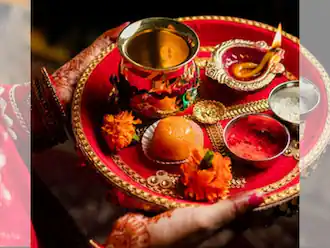
Add foods that are rich in complex carbohydrates, protein, good fats, and liquids to your sargi. Why so? This will help in giving you consistent energy throughout the day. Some good Sargi options include:
· Milk with Nuts with Oats
· Dal and veggies on roti
· Fruit-topped yoghurt with granola
· protein powder, yogurt, and fruits combined to make a smoothie
Stay Hydrated
Drink lots of water, coconut water, and buttermilk to avoid dehydration-induced health complications.
Avoid Sugary Drinks And Processed Foods
Avoid adding any sugary drinks, or processed foods to your sargi when fasting for Karva Chauth. Why? These foods can lead to blood sugar spikes, and crashes, which can make you feel tired and sluggish.
Eat Healthy Fats
For general health and well-being, healthy fats are essential. Nuts, seeds, avocados, and olive oil are good sources of good fats.
Include Protein In Every Meal
Building and mending muscle tissue require protein. Lean meats, poultry, fish, eggs, dairy products, legumes, and nuts are all excellent sources of protein.
Eat Small, Frequent Meals
Eating small, frequent meals helps to keep the blood sugar levels stable and prevent hunger pangs.
Eat Complex Carbohydrates
The body uses complex carbs to provide long-lasting energy. Whole grains, fruits, and vegetables are excellent providers of complex carbs.
Here are some additional tips for gymgoers who are fasting on Karwa Chauth:
· Modify Your Workout Routine: Lower your workout’s intensity or duration if you’re feeling weak or exhausted.
· Focus on compound exercises: Exercises that target many muscle groups simultaneously are more effective.
· Listen To Your Body: If you’re not feeling well, take a break from exercising and get some rest.
1, Nov 2023
Apollo Cancer Centres Introduces India’s Fastest & Most Precise Breast Cancer Diagnosis, Redefining Cancer Care
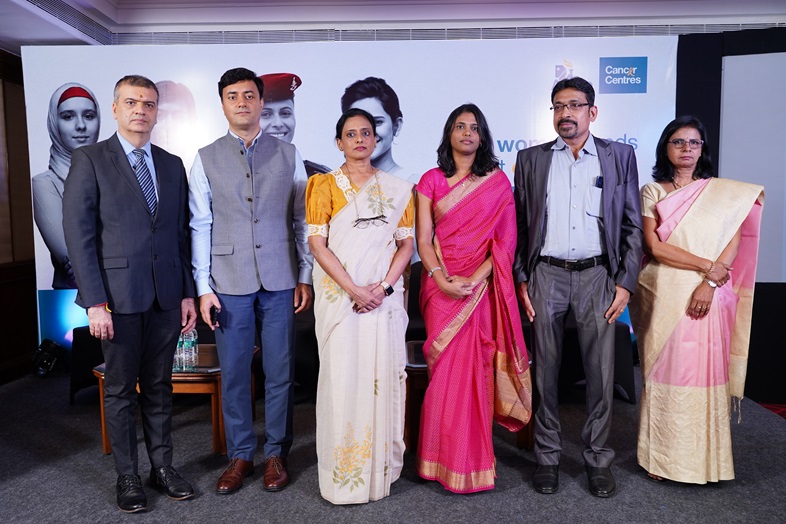
Bangalore, 1st November 2023: Apollo Cancer Centres (ACCs) continues to push the boundaries with advanced cancer treatment, by introducing ‘India’s Fastest & Most Precise Breast Cancer Diagnosis Program’. This pioneering initiative aims to provide swift and precise breast cancer diagnoses, reinforcing the significance of early detection in mitigating the right treatment for a better survival rate, and enhancing the quality of life for patients.
This groundbreaking initiative marks a significant stride toward breast cancer management and offers a promising glimpse into the future of healthcare services. Apollo Cancer Centres is proud to be the first in India to provide this program and envisions the potential to replicate the model for other organs in the future. In alignment with Breast Cancer Awareness Month in October, Apollo Cancer Centres is dedicating this program to the timely diagnosis of breast cancer in women.
Breast cancer is a prevailing concern for women’s health, and timely diagnosis is the cornerstone of effective intervention. Early detection is paramount in the fight against breast cancer, and we at Apollo Cancer Centre, have achieved a great level of success in treating breast cancer diagnosed in the early stages. We have accomplished breast conservation rates up to 60%, and are able to de-escalate therapy as per global evidence-based guidelines, hence offering our patients superior quality of life outcomes.
‘India’s Fastest & Most Precise Breast Cancer Diagnosis Program’ is designed to ensure timely and accurate diagnosis, alleviating the stress of protracted waiting times for results. Apollo Cancer Centres firmly believes in the adage, “Earliest Easiest,” when it comes to breast cancer management.
This program includes advanced diagnostic technologies, including mammography, ultrasound, and biopsy, to promptly and precisely assess breast health. Patients can expect results within 24 hours, a testament to the program’s efficiency. It is open to individuals seeking breast cancer screening or diagnostic services, provided they meet the necessary criteria. Its primary benefits encompass rapid results, reduced patient anxiety, and early detection of breast cancer—advancements that significantly improve treatment outcomes.
Diagnostic tests employed are generally safe and minimally invasive, with healthcare professionals dedicated to ensuring patient comfort throughout the process. Cost variations may arise depending on location, insurance coverage, and specific diagnostic requirements, for which patients could reach out to Apollo Cancer Centres for precise information. In case of breast cancer being detected, Apollo Cancer Centres’ program is equipped to guide patients toward personalized care, connecting them with skilled oncologists and specialists for a comprehensive treatment plan.”
Dr Jayanti Thumsi- Lead Surgeon – Breast Oncology, Apollo Cancer Centre, Bangalore, said, “Our mission at Apollo Cancer Centres is to revolutionize cancer care through innovation and compassion. The 24 hours Breast Cancer Diagnosis Program is a significant stride in this direction. We understand the fear and anxiety that often accompanies a cancer diagnosis. With this program, we aim to reduce those burdens by providing women with rapid, precise diagnoses and a clear path towards tailored treatments on need basis. Every minute counts, and we are determined to make every moment count for the betterment of our patients.”
Dr. Manish Mattoo – Chief Executive Officer – Karnataka Region, Apollo Hospitals said, “The launch of India’s First, Fastest & Precise Diagnosis’ program is a testament to our unwavering commitment to redefining cancer care. We believe that time is of the essence when it comes to breast cancer. Our goal is to provide hope and healing swiftly, offering women the timely and accurate diagnoses they deserve. With this program, we are not just reducing wait times; we are elevating patient outcomes, ensuring early intervention, and spreading the message of empowerment and resilience.”
Dr Govindarajan M J Sr. Consultant – Radiology Apollo Cancer Centre, Bangalore, said,.”We recognise that an early diagnosis of breast cancer can be a turning point in a patient’s journey; achieving this quickly and accurately goes a long way in reducing patients’ anxiety and facilitates faster acceptance and timely treatment, which in turn improves the outcomes. The launch of India’s fastest & most precise breast cancer diagnosis program, represents our commitment to swift, precise diagnoses and tailored treatments. It’s not just about detecting cancer but providing empowerment, reassurance, and the best possible care to our patients when they need it the most.”
Dr Aruna R Patil-Senior Consultant Radiologist, Apollo Cancer Centre, Bangalore, said, ” Our commitment to breast cancer diagnosis and care goes beyond just medical excellence; it extends to ensuring our patients are feeling empowered and supported. We understand that early diagnosis leads to better outcomes and improved quality of life. With our One-Day Cancer Diagnosis Program for Breast Cancer in Women, we aim to offer not only timely results but also a path to hope and recovery. This program allows us to combine our expertise with advanced diagnostic tools to deliver timely and accurate diagnosis. It is about providing the best care when our patients need it most.”
Dr Swarna Shivkumar- Senior Consultant Pathologist, Apollo Cancer Centre, BangaloreOur mission at Apollo Cancer Centres is to revolutionize cancer care through innovation and compassion. The One-Day Breast Cancer Diagnosis Program is a significant stride in this direction. We understand the fear and anxiety that often accompany a cancer diagnosis. With this program, we aim to reduce those burdens by providing women with rapid, precise diagnoses and a clear path toward tailored treatments on need basis. Every minute counts, and we are determined to make every moment count for the betterment of our patients.”
27, Oct 2023
Mythbusters: Clarifying Breast Cancer Misconceptions for Informed Awareness
In India, a concerning reality unfolds: a woman is diagnosed with breast cancer every four minutes. It accounts for 13.5 percent of all cancer cases in the country, with a 10.6 percent mortality rate. Shockingly, these cases are diagnosed a decade earlier in India compared to the Western world and tend to be more aggressive. October is Breast Cancer Awareness Month, uniting people worldwide to raise awareness, educate about symptoms, and emphasize early detection and support, symbolized by the color pink on World Breast Cancer Day.
Simplifying Breast Cancer
The breast consists of lobules (milk-producing glands), ducts (milk transport tubes), and connective tissue. Breast cancer is uncontrolled cell growth in the breast, with various types based on cell origin. Most start in ducts or lobules. Cancer can spread through blood and lymphatic vessels, termed metastasis.
The primary breast cancer types are invasive ductal carcinoma, which starts in ducts and can spread both within the breast and to other parts of the body, and invasive lobular carcinoma, originating in lobules and spreading locally and beyond. There are less common types like Paget’s disease, medullary, mucinous, and inflammatory breast cancer. Ductal carcinoma in situ (DCIS) is a condition where cancer cells are limited to duct linings and have not invaded surrounding tissues, but it carries a risk of developing into invasive breast cancer.
Breast Health: What’s Normal and Warning Signs
● Breast appearance and feel vary among individuals, with factors like menstrual cycles, childbirth, weight changes, medications, and age influencing them.
● Breast cancer symptoms differ, and some may not display any.
● Warning signs may include new lumps in the breast or underarm, breast thickening or swelling, skin changes (irritation or dimpling), nipple abnormalities, breast pain, or nipple discharge (other than breast milk).
● It’s crucial to remember that these symptoms can also be associated with non-cancerous conditions. If you notice any changes or experience symptoms, seek prompt medical attention from your doctor.
Dispelling Common Misconceptions
Myth 1: If you have a mastectomy, you cannot get breast cancer again
Fact: After a mastectomy, cancer may reappear in the chest wall lining or skin. Signs of recurrence within the same breast can include a new lump, skin changes, redness, or nipple discharge. If it recurs on the chest wall, it may present as painless nodules or thickening near the mastectomy scar.
Myth 2: Hormone replacement therapy (HRT) always causes breast cancer
Fact: Hormone replacement therapy (HRT) slightly elevates the risk of breast, ovarian, and occasionally uterine cancer. However, the increase in risk is minimal.
Myth 3: Breastfeeding increases the risk of breast cancer
Fact: Breastfeeding doesn’t raise breast cancer risk; it reduces it. It’s a misconception that it can increase cancer risk. Recent studies show it has a protective effect against some cancers.
Myth 4: Antioxidant-rich foods prevent breast cancer
Fact: Antioxidants in food are good, but high-dose supplements don’t prevent diseases. Excessive supplements may even raise cancer risks. Food contains a mix of compounds that work together for health.
Myth: Solely Breast Lumps Are a Cause for Concern
Fact: While self-examination can uncover breast lumps, not all of them are indicative of cancer. Some lumps may be attributed to non-cancerous conditions or cysts.
26, Oct 2023
Indian Society of Heart and Lung Transplantation in Association with MGM Healthcare to Host Fourth Annual Meeting
Chennai 26th October 2023: Indian Society for Heart and Lung Transplantation (INSHLT) is proud to announce its fourth annual two-day national conference, scheduled to take place in Chennai on the 27th and 28th of October. The event will gather over 300 national and international experts, all convened to explore the latest advancements in heart and lung transplantation and to promote research and development in heart and lung transplantation and to promote research and development in the field.
INSHLT, a pioneering organization, is dedicated to raising awareness and disseminating knowledge about scientific breakthroughs, research, and clinical management in the domains of heart and lung transplants, as well as heart failure, including assist devices. The society plays a pivotal role in fostering the establishment of the necessary infrastructure to achieve these goals in India.
This year’s conference being organized by The Indian Society of Heart and Lung Transplantation (INSHLT) in partnership with the Institute of Heart and Lung Transplant and Mechanical Circulatory Support at MGM Healthcare, Chennai. The institute has remarkable track record of completing over 600 heart and lung transplants, it stands as one of the nation’s most comprehensive transplantation programs and is honored to partner in organizing this significant event.
The conference agenda encompasses a diverse range of topics, including heart and lung failure, medical aspects of heart and respiratory failure, advanced heart failure therapies, pulmonary hypertension treatments, advances in heart and lung transplantation, immunosuppression, preservation, and donor organ transportation, as well as design aspects of artificial heart pumps.
The conference features an outstanding roster of both national and international faculty, with distinguished Heart Transplant Surgeon including Dr. Ivan Knezevic, Dr. Mathew Binnie, Dr. Deborah Levine, Dr. Keshava Rajagopal, Dr. Edouard Sage, and Dr. Arvind Bhimaraj, who will be sharing their invaluable insights during the conference.
Dr. K.R. Balakrishnan, Organizing Chairman of the conference and Director of the Institute of Heart and Lung Transplant and Mechanical Circulatory Support, MGM Healthcare, emphasized the significance of this event, stating, “The Fourth Annual Meeting of INSHLT presents an exceptional opportunity for medical professionals to collaborate and stay updated on the latest breakthroughs in heart and lung transplantation. Through this initiative, which furthers reinforces our commitment to enhancing the quality of life for patients with end-stage heart and lung diseases in India.”
The Indian Society of Heart and Lung Transplantation is unwavering in its dedication to advancing the science and practice of heart and lung transplantation to enhance the quality of life for patients suffering from end-stage heart and lung diseases in India.
21, Oct 2023
The next big thing in Medicine is ‘Gut Microbiome’: Dr. D. Nageshwar Reddy
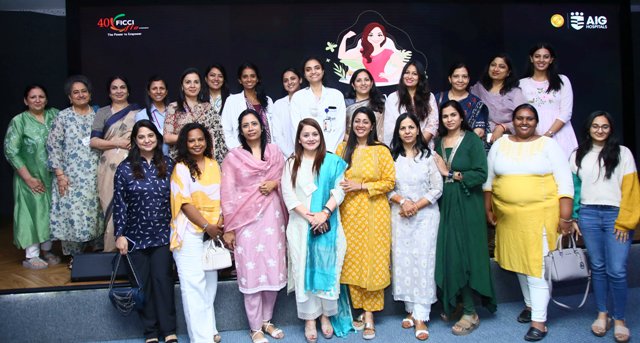
Hyderabad, October 21, 2023:FICCI Ladies Organisation (FLO), Hyderabad Chapter organised a “Healthier Women, Healthier Society”, a colloquium on women’s health in association with AIG Hospitals at its premises in Gachibowli on Friday. It was organised as part of sustaining her health initiative of FLO, said its chairperson Ritu Shah, while giving her welcome address.
Dr. D. Nageshwar Reddy, Chairman and Chief of Gastroenterology; Dr Pragnya Chigurupati, Consultant Breast Surgeon; Dr Sujana Priya, Consultant Radiation Oncologist and Dr Indraja Siripurapu, Consultant Medical Oncologist participated in the colloquium.
The Next big thing in Medicine is the Gut Microbiome, said Dr D. Nageshwar Reddy, Chairman and Chief of Gastroenterology, at AIG Hospitals while addressing the session.
The gut breaks down the foods we eat and absorbs nutrients that support the body’s functions. The importance of the gut to our overall health is a topic of increasing research in the medical community now. Research is showing us that our gut microbiome can affect every organ in our body, added Dr Reddy.
One of my friend’s daughter was once caught in drunken driving. But to the rude shock of everybody she never touched alcohol in her life but this has happened. She had to pay the fine and got out. Subsequently, we found that it happened because of a medical condition called ‘Auto Brewery Syndrome’. This means her stomach had a brewery factory. Subsequently, we produced this in court and got over the problem, said Dr Nageshwar Reddy.
But now Gut Health is the topic of the world. Our stomach is full of bacteria both good and bad. The stomach has billions of bacteria. It has 1000 species in the intestine, ten times more than our body. In my friend’s daughter’s case, she acquired bad bacteria in childhood.
A lot of us squire bad bacteria may be due to an unnecessary cesarean section, not breastfeeding the baby, or excessive usage of antibiotics. If both bacteria good and bad in the stomach fight each other and if the bad bacteria win, it leads to many health problems. Profiles of good bacteria and bad bacteria can be done by testing stool. Probiotics are good bacteria. Yogurt is a good source. Commercial yogurt may not be good. Homemade yogurt is good. Prebiotics which are found in vegetables and fruits are good. Almonds which contain Tyrosine are also good sources for bacteria.
If you are obese, following a strict diet, exercising sufficiently still if you are not losing weight, bad bacteria may be the reason Dr Nageshwar Reddy said. Some Bacteria make us lazy and some make us active for exercise, he explained.
Speaking further the well-known gastroenterologist in the country said diet influences bacteria. The best food to eat is the Mediterranean. We developed an IndMed Diet mix of Indian and Mediterranean food with the help of the world’s best nutrition institute in Israel, he said.
Faecal transplantation is a procedure to collect feces, also called stool from a healthy donor and introduce them into a patient’s gastrointestinal tract. The procedure can control an infection called Clostridium difficile by adding healthy bacteria into the recipient’s intestines.
Patients who used odorless freeze-dried stool from healthy donors had a significant improvement in the health of their gut bacteria in a small study. This helps in treating hard-to-treat infections, Dr Reddy informed
I noticed in one of my visits abroad to the Asian Stool Bank. Similar Blood Bank, Breast Milk Bank, and Stool Banks have come up now. These stool banks freeze, preserve and bank donor stool which improves the condition of the patient. Stool banks safely collect, store, and distribute stool products for treatment, Dr Nageshwar Reddy shared much to the surprise of the audience.
The Asia Microbiota Bank (AMB) is a Hong Kong-based social enterprise. Based out of Hong Kong it is one of the first cities in Asia to offer this innovative treatment, and the first in Asia to have an organized stool bank.
Following his talk was a panel discussion on Women’s Health. Dr Pragnya Chigurupati, Consultant Breast Surgeon; Dr Sujana Priya, Consultant Radiation Oncologist and Dr Indraja Siripurapu, Consultant Medical Oncologist, Ritu Shah, Dr Shwetha, Ms Arshiya Afsar participated
They spoke about why breast cancer is spreading at an alarming rate.?
Some of the reasons Dr Pragnya said were partly due to diet, stress, workload, sedentary lifestyle, avoiding breastfeeding etc and others.
Now women of 25 to 40 years are suffering from cancer, observed one of the speakers.
Over 100 FLO members joined this program.
10, Oct 2023
MediBuddy Unveils LoseTheMentalWeight Campaign on World Mental Health Day
Mumbai, October 10, 2023: MediBuddy, India’s largest digital healthcare platform known for innovative healthcare solutions, has launched the #LoseTheMentalWeight campaign in honor of World Mental Health Day. This campaign highlights the importance of accessible, convenient mental healthcare services while challenging the stigma surrounding mental health.
Mental health affects millions of lives across the globe, and the #LoseTheMentalWeight campaign seeks to dismantle the walls of silence that have long surrounded it. MediBuddy recognizes that mental health has long been a topic of stigma, causing many to silently deal with their struggles. This campaign is dedicated to destigmatizing mental health issues and creating a safe space for individuals to share their experiences. Through this campaign, the aim is to cast a spotlight on this critical issue and foster positive conversations around mental health. With a vision to make high-quality healthcare accessible for a billion Indians, MediBuddy is stepping up as your buddy for better mental health. The campaign will be made live on October 10, 2023, on the World Mental Health Day.
Speaking about the campaign, Mr. Saibal Biswas, Head of Marketing, Partnerships & PR at MediBuddy, said, “Conversations about mental health and well-being are imperative, and it’s high time that it is given the recognition it deserves, just like physical health. This campaign aims to emphasize the immediate connection with specialists within 10 minutes, ensuring 100% privacy and confidentiality, 24/7 accessibility, and a secure and comfortable space for online video doctor consultations. At MediBuddy, we aim to destigmatize mental health issues and enable safe spaces for individuals to share their experiences. #LoseTheMentalWeight seeks to draw attention to the need for improved mental health services, better access to care, and the power of community support in helping those in need reach out for help.”
#LoseTheMentalWeight advocates for improved mental health services and access to better care. The campaign recognizes that mental health is a fundamental aspect of overall well-being and promotes positive changes in mental healthcare through increased awareness and dialogue. This campaign is conceptualized and produced by MediBuddy’s in-house creative team. The campaign video is titled #LoseTheMentalWeight and is 1 Minute 18 seconds in duration. The video will be amplified across all social media platforms.
MediBuddy’s #LoseTheMentalWeight campaign seeks to remind everyone that it’s okay not to be okay and that help is readily available. This World Mental Health Day, join us in creating a world where mental health is a priority, stigma is replaced by understanding, and support is just a click away.
10, Oct 2023
Sunrise Multispecialty Hospital Becomes a Leading Healthcare Provider For Economically Backward Individuals

New Delhi: 10 Oct 2023: Located in Jamia Nagar-Shaheen Bagh, Delhi, Sunrise Multispecialty Hospital has emerged as a prominent healthcare provider for economically backward individuals. The hospital specializes in Gynecology, Dermatology, and Aesthetics services, providing high-quality medical care at affordable rates. Additionally, it also regularly organizes health camps to ensure healthcare accessibility for all.
The services offered here are primarily focused on women’s health, and the hospital is committed to providing comprehensive healthcare for their well-being. Mr. Mujeeb Alam Saifi, Co-founder of the Skin and Aesthetic Center at Sunrise Multispecialty Hospital, states, “Sunrise Multispecialty Hospital proved that quality healthcare can reach to everyone, regardless of their financial circumstances. Aim of the hospital is to prioritize healthcare access for all, enabling people to lead healthy and balanced lives. To achieve this, hospital also organize health camps periodically.”
He further stated, “The hospital’s Gynecology department offers extensive healthcare services for women of all ages, with a team of experienced specialists providing maternity services, surgery, and expertise in reproductive health.” Mr. Gaurav Trehan, from the hospital’s Financial and Management Department, said, “We aim to improve the health of our community, especially those with limited financial resources. Success in this endeavor can lead to a more better and healthy country.”

Located at J-51/52, Kalindi Kunj Road, Jasola in New Delhi, Sunrise Multispecialty Hospital prioritizes healthcare services for residents of Delhi and its surrounding areas. The hospital’s mission is to ensure that quality healthcare remains accessible to all. The hospital also have Skin and Aesthetic Department where a team of specialized doctors provides a range of cosmetic procedures, including dermatology and aesthetics.
Sunrise Multispecialty Hospital offers emergency and ambulance services, general medicine, general surgery, pediatrics, orthopedics, neurology, ENT, gastroenterology, pulmonology, cardiology, radiology, and various diagnostic services. Furthermore, the hospital includes dialysis, ICU, NICU, private, and general wards, ensuring patients receive comfortable and secure care. Sunrise Multispecialty Hospital is dedicated to fulfilling the healthcare needs of the community and has risen as a leading healthcare provider for economically backward individuals, with a particular focus on women’s health, dermatology, and aesthetics services.


