


28, Jul 2026
Study: Casdatifan Demonstrates Durable Tumor Responses in Heavily Pretreated Patients with Advanced Kidney Cancer
MIAMI, July 28: A new multi-center clinical study is shedding light on a potential new approach for patients with advanced kidney cancer, offering measurable clinical responses alongside a clearer view into how the disease operates beneath the surface.
Findings from the ARC-20 phase 1 clinical trial show that casdatifan, an oral investigational therapy designed to inhibit hypoxia-inducible factor-2 alpha, produced durable tumor responses with a manageable safety profile in patients with heavily pretreated clear cell renal cell carcinoma, the most common form of kidney cancer. The study appears in Nature.
For a disease that often adapts and resists treatment, the results provide an early signal that a more targeted approach may help slow its momentum.
“These findings are encouraging and suggest we may be able to better understand which patients benefit from targeting this pathway,” said co-author of the study, Jamie Merchan, M.D., co-leader of the Translational and Clinical Oncology Research Program at Sylvester Comprehensive Cancer Center, part of University of Miami Miller School of Medicine, and director of its Phase 1 Clinical Trials Program.
Clear cell renal cell carcinoma is driven in large part by abnormal activation of HIF-2α, a transcription factor that helps tumors grow, spread and survive in low-oxygen environments.
In many ways, the pathway acts like a control center inside the tumor, switching on signals that fuel its growth. While earlier therapies have attempted to interrupt this process, response rates have remained limited in patients whose disease progresses after initial treatment.
Casdatifan was designed to more effectively interrupt that signal, with characteristics intended to improve how the drug reaches and engages tumor tissue.
The ARC-20 study enrolled 127 patients with advanced, treatment-resistant disease, most of whom had received multiple prior therapies. Among patients receiving the recommended dose, the confirmed objective response rate was 35%. Across the full study population, the response rate was 31%, with more than 80% of patients achieving disease control, including stable disease.
Responses occurred within a median of approximately three months. In some cases, tumors continued to shrink over time rather than plateau early.
“These results are notable in a heavily pretreated population,” said Merchan. “They suggest this approach may provide meaningful activity for patients who have limited options.”
The study was a single-arm, early-phase trial and was not designed to compare casdatifan directly with other therapies. Differences in study design and patient populations also limit cross-trial comparisons.
A defining feature of the study is how closely it connects what is happening in the clinic to what is happening inside the tumor. Researchers observed that reductions in serum erythropoietin, a marker regulated by HIF-2α, were associated with higher response rates, lower rates of disease progression and longer progression-free survival.
Tumor analyses reinforced the pattern. Patients whose tumors showed higher levels of HIF-2α-related activity were more likely to benefit, suggesting the drug is engaging the pathway it was designed to target. Together, these findings begin to map a clearer connection between tumor biology and treatment response, helping researchers see not just whether a therapy works, but why.
“This is an important step in understanding how tumor biology may help guide treatment decisions,” Merchan said.
The safety profile of casdatifan was consistent with other therapies targeting the same pathway. Common side effects included anemia, fatigue and hypoxia, most of which were managed with supportive care and dose adjustments. Treatment discontinuation related to the study drug was infrequent, and no treatment-related deaths were reported.
While the results are encouraging, researchers emphasize that additional studies are needed to better define the role of casdatifan in treating advanced kidney cancer. Ongoing clinical trials are evaluating the therapy in combination with other treatments to determine whether outcomes can be further improved.
Casdatifan remains investigational in this setting and is not yet part of standard treatment.
For now, the ARC-20 study offers a clearer glimpse into how targeting a central cancer pathway may influence outcomes, particularly in tumors that appear to depend on that signal.
“In a disease that can shift and adapt over time, even a clearer line of sight into its underlying biology represents meaningful progress, helping guide where research and treatment strategies move next,” Merchan.
- 0
- By Neel Achary

28, Jul 2026
India Aims to Build Global Pharma Hub Through Innovation: Piyush Goyal
New Delhi, July 28: The government is committed to strengthening India’s pharmaceutical sector by promoting innovation, research, and global competitiveness, Union Commerce and Industry Minister Piyush Goyal said.
Goyal said the focus is on creating a strong ecosystem that supports pharmaceutical companies, encourages research and development, and helps Indian firms expand their presence in global markets.
He highlighted that India’s pharma industry plays a crucial role in providing affordable medicines worldwide and has become an important pillar of the country’s healthcare and economic growth.
The minister said continued investment, technological advancement, and collaboration between industry and stakeholders will help India build a stronger and more innovative pharmaceutical sector.
The government remains focused on making the pharma industry more competitive, sustainable, and globally recognised, he added.
28, Jul 2026
Preventive Care and HPV Vaccination Key to Ending Cervical Cancer
New Delhi, July 28: The HPV vaccine can play a significant role in preventing cervical cancer and reducing the global burden of the disease, an Indian-American radiation oncologist has said, underlining the importance of vaccination, early screening, and greater health awareness among women.
The oncologist said cervical cancer is among the most preventable forms of cancer, with a majority of cases linked to persistent infection with high-risk strains of the Human Papillomavirus (HPV). Expanding access to HPV vaccination and regular screening programmes can help identify risks at an early stage and save lives.
Highlighting the role of preventive healthcare, the expert said timely vaccination, routine medical check-ups, and awareness about cervical cancer symptoms are essential steps towards reducing the impact of the disease.
Health specialists noted that HPV vaccination provides the greatest protection when administered before exposure to the virus, particularly during adolescence. Along with vaccination, regular cervical screening remains a critical tool for detecting early abnormalities and improving treatment outcomes.
The latest health insights highlight the need to strengthen awareness campaigns and improve access to vaccination and screening facilities, especially in underserved communities.
Doctors said a comprehensive approach combining prevention, early detection, and advanced treatment options could bring the world closer to the goal of eliminating cervical cancer as a major public health challenge.
27, Jul 2026
World Hepatitis Day: Protect Your Liver, Protect Your Life – Dr. Vikas Singla, Max Super Speciality Hospital, Saket

By:- Dr. Vikas Singla, Vice Chairman & Head Gastroenterology, Max Super Speciality Hospital, Saket, Delhi
Every year on 28 July, the world observes World Hepatitis Day to raise awareness about viral hepatitis—a group of infections that cause inflammation of the liver. Many people around the world are living with hepatitis, many without knowing they are infected. Left undiagnosed or untreated, some forms of hepatitis can lead to serious liver damage, including cirrhosis, liver failure, liver cancer, and in some cases, the need for a liver transplant.
The good news is that viral hepatitis is largely preventable, and many cases can be effectively treated if detected early.
Understanding the different types of hepatitis, recognizing the symptoms, and taking simple preventive measures can go a long way in protecting your liver health.
Hepatitis A
Hepatitis A is caused by a virus that spreads mainly through contaminated food or water or close contact with an infected person. It usually causes a short-term illness and does not become chronic.
Common Symptoms
Symptoms usually develop 2 to 7 weeks after infection and may include:
Fever
Fatigue
Loss of appetite
Nausea and vomiting
Abdominal pain
Dark urine
Pale stools
Yellowing of the eyes and skin (jaundice)
Young children may have very mild illness or no symptoms, while adults are more likely to develop noticeable symptoms.
Prevention
Wash hands thoroughly with soap before eating and after using the toilet.
Drink safe and clean water.
Eat freshly prepared, hygienic food.
Wash fruits and vegetables before consumption.
Get vaccinated if recommended, especially if you have chronic liver disease or are travelling to areas where Hepatitis A is common.
Treatment
There is no specific antiviral treatment for Hepatitis A. Most people recover completely with adequate rest, good nutrition, and plenty of fluids. In rare cases, particularly in older adults or people with existing liver disease, the infection can cause acute liver failure and may require hospitalization.
Hepatitis B
Hepatitis B spreads through contact with infected blood and body fluids. It can also be passed from an infected mother to her baby during birth. While some people recover completely, others develop chronic infection that can silently damage the liver over many years.
Common Symptoms
Many people do not have symptoms initially. When symptoms occur, they may include:
Fever
Fatigue
Loss of appetite
Nausea
Abdominal discomfort
Joint pain
Dark urine
Yellowing of the eyes and skin (jaundice)
Prevention
Get vaccinated against Hepatitis B.
Practice safe sex.
Avoid sharing needles, razors, or toothbrushes.
Ensure blood transfusions and medical procedures are carried out safely.
Pregnant women should be screened for Hepatitis B to help prevent transmission to the baby.
Treatment
Acute Hepatitis B usually requires supportive care. For people with chronic Hepatitis B, effective antiviral medicines are available that help control the virus, reduce liver damage, and lower the risk of cirrhosis and liver cancer. Regular follow-up with a liver specialist is important.
Hepatitis C
Hepatitis C spreads mainly through infected blood. Many people do not know they have the infection because it often causes no symptoms for several years. Without treatment, it can gradually damage the liver.
Common Symptoms
When symptoms occur, they may include:
Fatigue
Loss of appetite
Nausea
Abdominal discomfort
Dark urine
Yellowing of the eyes and skin (jaundice)
Prevention
Do not share needles or injecting equipment.
Ensure blood transfusions are screened and medical procedures are performed using sterile equipment.
Follow proper infection-control practices in healthcare settings.
Currently, there is no vaccine available for Hepatitis C.
Treatment
The good news is that Hepatitis C is now curable in most patients. Modern antiviral medicines can eliminate the virus in more than 95% of cases, with treatment usually lasting 8 to 12 weeks. Early diagnosis and treatment can prevent long-term liver damage.
Why Early Diagnosis Matters
Your liver performs hundreds of essential functions, including removing toxins, helping digest food, storing nutrients, and producing important proteins. When hepatitis goes untreated, especially Hepatitis B and Hepatitis C, ongoing inflammation can gradually replace healthy liver tissue with scar tissue. This condition is called liver cirrhosis.
Cirrhosis reduces the liver’s ability to function properly and increases the risk of liver failure and liver cancer. In advanced stages, when the liver is permanently damaged and can no longer perform its vital functions, a liver transplant may become the only life-saving treatment.
Unlike Hepatitis B and C, Hepatitis A does not cause chronic liver disease, although it can rarely lead to acute liver failure in people with pre-existing liver disease or in older adults.
Protect Your Liver
Most cases of viral hepatitis can be prevented or successfully managed. Vaccination against Hepatitis A and Hepatitis B, practising good hygiene, consuming safe food and water, avoiding unsafe injections, and getting tested if you are at risk are simple yet powerful steps to protect your liver.
This World Hepatitis Day, make liver health a priority. Learn the signs and symptoms of hepatitis, encourage your family and friends to get vaccinated where recommended, seek medical advice if you notice symptoms, and do not delay screening if you are at risk. Early diagnosis and timely treatment can prevent serious complications, save lives, and reduce the burden of liver disease.
27, Jul 2026
India Accelerates Hepatitis Elimination Mission with Expanded Free Testing and Treatment Services
New Delhi, July 27: India is stepping up efforts to eliminate viral hepatitis as a public health threat by 2030 through expanded screening, free diagnostic services and accessible treatment under the National Viral Hepatitis Control Programme (NVHCP).

The government has strengthened the nationwide programme by integrating hepatitis prevention, detection and treatment services with existing healthcare initiatives. Since its launch in 2018, the NVHCP has focused on improving early diagnosis, ensuring timely treatment and reducing the burden of hepatitis-related illnesses.
Under the programme, patients suffering from Hepatitis B and Hepatitis C receive free diagnostic tests and medicines, while awareness campaigns and surveillance systems help identify infections at an early stage. The initiative also covers all five major forms of viral hepatitis — A, B, C, D and E — through targeted prevention and management strategies.
Prevention remains a key focus area, with Hepatitis B vaccination being provided under the Universal Immunisation Programme, including the crucial birth dose within 24 hours of delivery. The government is also expanding screening among pregnant women, high-risk groups and blood donors through coordination with other national health programmes.
To improve access to care, hepatitis services are being decentralised from district hospitals to local healthcare facilities, enabling more people to receive testing and treatment closer to their communities. Digital monitoring systems are also being used to strengthen patient tracking and programme management.
The government said the expansion of affordable medicines, free healthcare services and integrated disease management efforts will play a crucial role in achieving India’s 2030 goal of eliminating viral hepatitis as a major public health challenge.
27, Jul 2026
Mysuru Couple Overcomes Severe Male Infertility to Welcome Baby Through Advanced IVF Treatment at Nova IVF Fertility
Mysuru, July 27: A Mysuru couple who struggled with infertility due to severe male-related infertility has successfully welcomed a healthy baby following advanced fertility treatment at Nova IVF Fertility, Mysuru. The case highlights how personalised treatment planning and advanced sperm retrieval techniques, can help couples achieve parenthood even in complex infertility cases.
Bhavya and Girish , who had been married for two years, approached Nova IVF Fertility after facing difficulties conceiving naturally. Detailed fertility investigations revealed a combination of male and female factors contributing to infertility. The male partner was diagnosed with severe Azoospermia, a condition characterised by zero sperm in semen. Further tests also revealed bilateral varicocele, a condition which causes enlargement or swelling of the veins on both sides of the testicles. This can also negatively affect sperm production and quality. The female partner was diagnosed with Polyendocrine Metabolic Ovarian Syndrome and faced irregular periods.
Dr. Prakash Savanur, Fertility Specialist, Nova IVF Fertility, Mysuru, said,
“Severe male-factor infertility can significantly reduce the chances of natural conception, but advances in reproductive medicine now enable us to overcome many of these challenges. At Nova IVF Fertility, we recommended IVF only when medically indicated, and in some cases, it may be the most appropriate first-line of treatment for some cases and not treated as a last option. Much like cancer treatment is guided by the stage of the disease, and chemotherapy can be the recommended treatment at first. In the same way, fertility treatment is guided to the severity of infertility. In this case, despite the absence of sperm in the semen, advanced techniques such as TESA (Testicular Sperm Aspiration) allowed us to retrieve sperm directly from the testes and create healthy embryos, giving the couple a strong chance of pregnancy. At Nova IVF Fertility, wherever medically feasible, we strive to help couples conceive using their own eggs and sperm. This case shows the importance of evaluating both partners early and demonstrates how advanced fertility treatments can help couples achieve biological parenthood even in cases of severe male infertility.”
Following a comprehensive fertility evaluation, the couple was advised to undergo Intracytoplasmic Sperm Injection , an advanced IVF procedure in which a single healthy sperm is injected directly into an egg. The couple achieved pregnancy in the first attempt and delivered a healthy baby. The rest of the embryos were frozen so that the couple can plan their second child using these frozen embryos, and do not have to go through egg retrieval again.
Fertility specialists at Nova IVF Fertility advise couples who are unable to conceive after one year of trying naturally to seek a timely fertility evaluation. Early diagnosis and personalised treatment can significantly improve the chances of achieving a healthy pregnancy, particularly in cases involving severe male-factor infertility.
27, Jul 2026
Calicut FC and Beacons Brigade Organise Blood Donation Camp at Aster MIMS Hospital
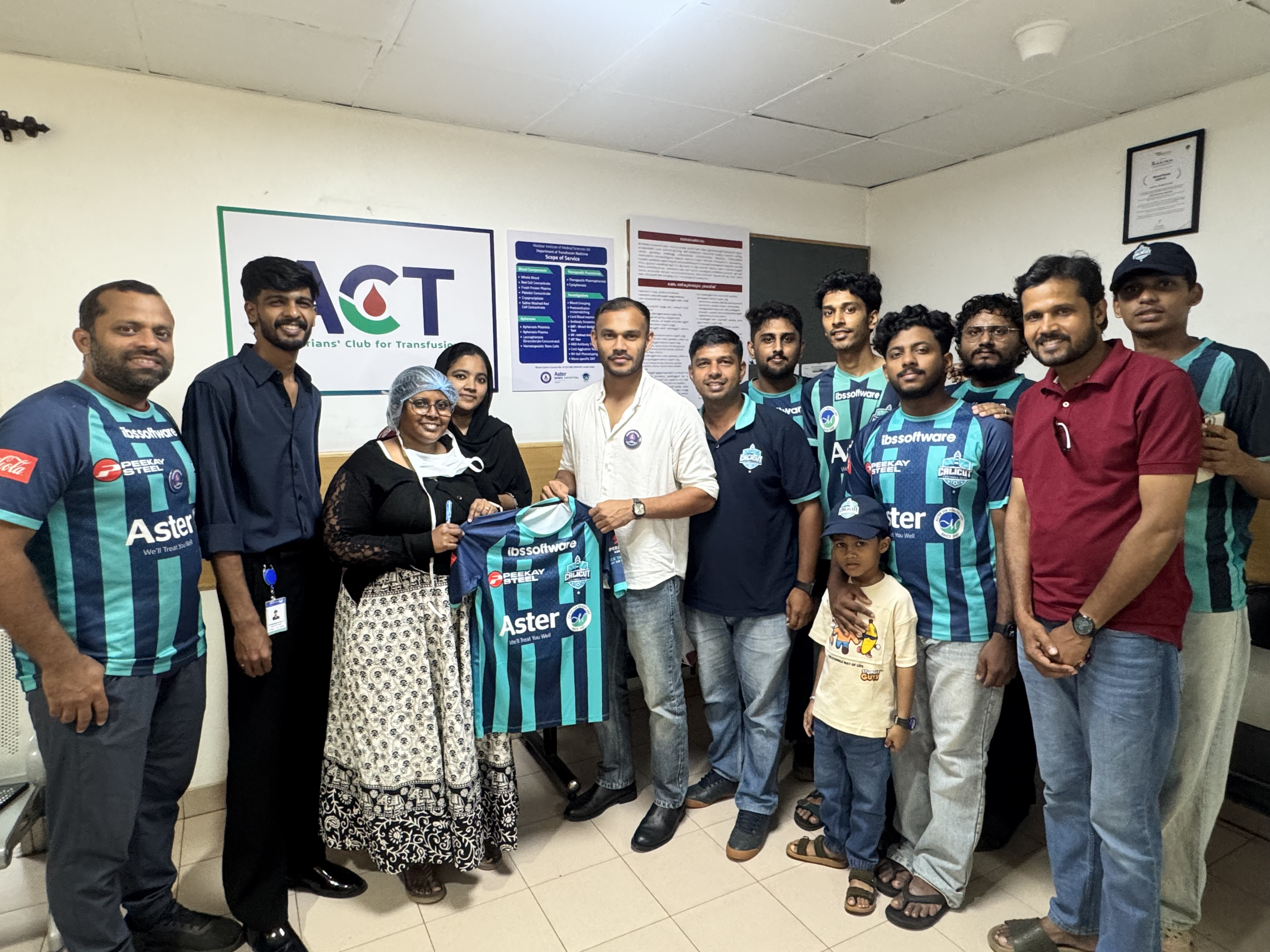
Kozhikode, July 27: Calicut FC, along with its official fan club, Beacons Brigade, organised a Blood Donation Camp in association with Aster MIMS Hospital, Kozhikode, on Sunday as extending its commitment to community welfare. The camp continued till 3 PM, during which a total of 42 units of blood were collected.
The camp was inaugurated by Calicut FC player Gani Ahammed, who extended their warm wishes and gratitude to all the volunteers for their contribution.
With a total of 50+ participants, including football fans, club members, volunteers, and the public, the event supported a meaningful cause. Representatives from Calicut FC, Beacons Brigade, and Aster MIMS Hospital were actively present during the event and appreciated the enthusiastic response from the participants.
“Giving back to society beyond the football pitch is a shared responsibility of both the club and its supporters. This initiative aimed to raise awareness about the critical importance of blood donation and encourage more people to step forward for the cause” said Jishnu P, President, Beacons Brigade
23, Jul 2026
India’s Pharma and Healthcare Deals Hold Strong at Dollar 13.9 Billion in Q2 2026
July 23: India’s pharmaceutical and healthcare sectors continued to attract strong investor interest, with deal activity remaining resilient at $13.9 billion in the second quarter of 2026, reflecting confidence in the long-term growth potential of the industry.
The sector maintained momentum amid evolving global market conditions, supported by rising healthcare demand, innovation-driven growth, and increasing investments in pharmaceuticals, biotechnology, and healthcare services.
Industry analysts said the continued strength in deal values highlights the attractiveness of India’s healthcare ecosystem, backed by expanding domestic consumption, advanced manufacturing capabilities, and growing opportunities in research and development.
The pharma and healthcare sectors have witnessed increased strategic investments as companies focus on strengthening capabilities, expanding market reach, and developing new technologies and treatments.
Experts noted that India’s growing healthcare needs, favourable business environment, and role as a major global pharmaceutical supplier continue to support investor confidence.
The resilient deal activity underscores the sector’s importance in India’s economic growth story and its expanding role in the global healthcare landscape.
23, Jul 2026
India’s Pharma Sector Shows Strong Domestic Momentum Amid Global Trade Transition
July 23: India’s pharmaceutical market is entering a period of global trade transition with strong support from domestic growth, according to a recent report. The sector continues to demonstrate resilience amid changing international tariff conditions and evolving market dynamics.
The report highlighted that India’s pharmaceutical industry is being supported by rising domestic demand, increasing healthcare awareness, expanding access to medicines, and steady growth across key therapeutic segments.
While global trade policies, including changes in tariff structures, may create challenges for pharmaceutical exporters, the industry’s strong domestic foundation is expected to provide stability and support continued expansion.
India’s pharma sector remains a major contributor to the global healthcare ecosystem, with the country playing a significant role in medicine production and supply chains worldwide. Companies are focusing on innovation, manufacturing capabilities, and market diversification to navigate changing global conditions.
Industry experts said strengthening research and development, improving manufacturing standards, and expanding healthcare access will remain important factors for sustaining long-term growth.
The report noted that India’s pharmaceutical market is well-positioned to manage external uncertainties while continuing its growth trajectory through domestic demand and global opportunities.
22, Jul 2026
Gujarat Takes a Step Towards Addiction-Free Communities with New De-Addiction Centres
Gandhinagar, July 22: In a major push to strengthen addiction treatment and rehabilitation services, the Gujarat government has approved Rs 14.90 crore for setting up de-addiction centres in all district hospitals across the state.
The initiative aims to bring professional support closer to people and families affected by substance abuse by providing easier access to counselling, medical assistance, rehabilitation, and recovery services at the district level.
The upcoming centres will focus on early intervention, awareness, and personalised care under the guidance of trained healthcare professionals. The facilities are expected to help individuals seek timely support while creating a more supportive environment for recovery.
Health officials said addiction impacts not only individuals but also families and communities, making awareness, prevention, and accessible treatment essential. Strengthening district-level services will help reduce barriers to care and encourage more people to come forward for assistance.
The government’s move reflects its commitment to improving public health infrastructure and addressing social health challenges through a combination of medical care, counselling, and community awareness programmes.
By expanding de-addiction services across all districts, Gujarat aims to build a stronger support system that promotes healthier lives and helps individuals overcome addiction with dignity and care.


