


22, Jul 2026
India Hosts BRICS Health Ministers’ Meet
New Delhi, July 22: India is hosting the BRICS Health Ministers’ Meeting, bringing together representatives from Brazil, Russia, India, China, and South Africa to strengthen cooperation in building more inclusive, accessible, and resilient healthcare systems.
The meeting will focus on expanding access to quality healthcare, promoting digital health solutions, improving primary healthcare, and enhancing preparedness for future public health emergencies. Health ministers are also expected to discuss ways to address non-communicable diseases and encourage greater collaboration in medical research and innovation.
As the host nation, India will highlight its efforts to improve healthcare delivery through technology, affordable medical services, and public health initiatives. The discussions are expected to encourage the exchange of best practices and reinforce partnerships aimed at improving health outcomes across BRICS countries.
The meeting reflects the shared commitment of BRICS nations to advancing equitable healthcare and strengthening cooperation to address evolving global health challenges through collective action.
- 0
- By Neel Achary

21, Jul 2026
Kolkata Hospital Provides Care to Three Covid-19 Patients as Authorities Keep Close Watch
Kolkata, July (UDN): Three individuals diagnosed with Covid-19 are undergoing treatment at a private hospital in Kolkata, with medical teams providing necessary care and health authorities monitoring the situation closely.
The patients were admitted to the hospital after testing positive for the infection and are currently receiving medical attention as per established health protocols. Doctors are assessing their condition and ensuring appropriate treatment and monitoring.
Health officials are keeping track of the developments and reviewing the situation to ensure timely response measures, if required. Hospitals and healthcare teams remain prepared to manage cases while following safety guidelines.
Medical experts have advised people to remain alert and follow basic preventive measures, including maintaining hygiene, avoiding close contact when unwell, and seeking medical advice if symptoms appear.
Authorities have urged citizens not to panic and to rely on verified health information while continuing to take reasonable precautions, especially among vulnerable groups.
The latest cases highlight the importance of continued health awareness and preparedness as healthcare institutions remain vigilant in managing respiratory infections and protecting public health.
21, Jul 2026
India Moves Forward in Healthcare Innovation as ICMR Shares New Biomedical Solutions
July 21: The Indian Council of Medical Research (ICMR) has taken a significant step towards strengthening healthcare innovation by transferring three biomedical technologies focused on improving solutions for cancer and infectious diseases.
The initiative aims to bring promising scientific research closer to practical healthcare use by encouraging collaboration between researchers, healthcare institutions, and industry partners. The move reflects growing efforts to develop advanced, affordable, and accessible medical solutions within the country.
The transferred technologies are expected to support improvements in disease detection, management, and treatment approaches, particularly in areas where timely and effective healthcare interventions are crucial. By enabling wider adoption of research-driven innovations, the initiative seeks to create a stronger connection between scientific discoveries and patient care.
Healthcare experts highlighted that technology transfer plays a vital role in building a robust biomedical ecosystem. It helps transform laboratory research into real-world applications while promoting indigenous innovation and reducing challenges in delivering advanced healthcare solutions.
ICMR continues to support medical research and innovation through partnerships, technology development, and knowledge sharing. The latest move reinforces its commitment to addressing major health challenges and supporting India’s journey towards a more resilient and self-reliant healthcare system.
With these new technologies moving closer to implementation, the initiative offers fresh opportunities to improve healthcare outcomes and strengthen the country’s fight against complex diseases such as cancer and infectious illnesses.
21, Jul 2026
KMC Hospital Mangaluru Successfully Treats 94-Year-Old Stroke Patient with Timely Mechanical Thrombectomy
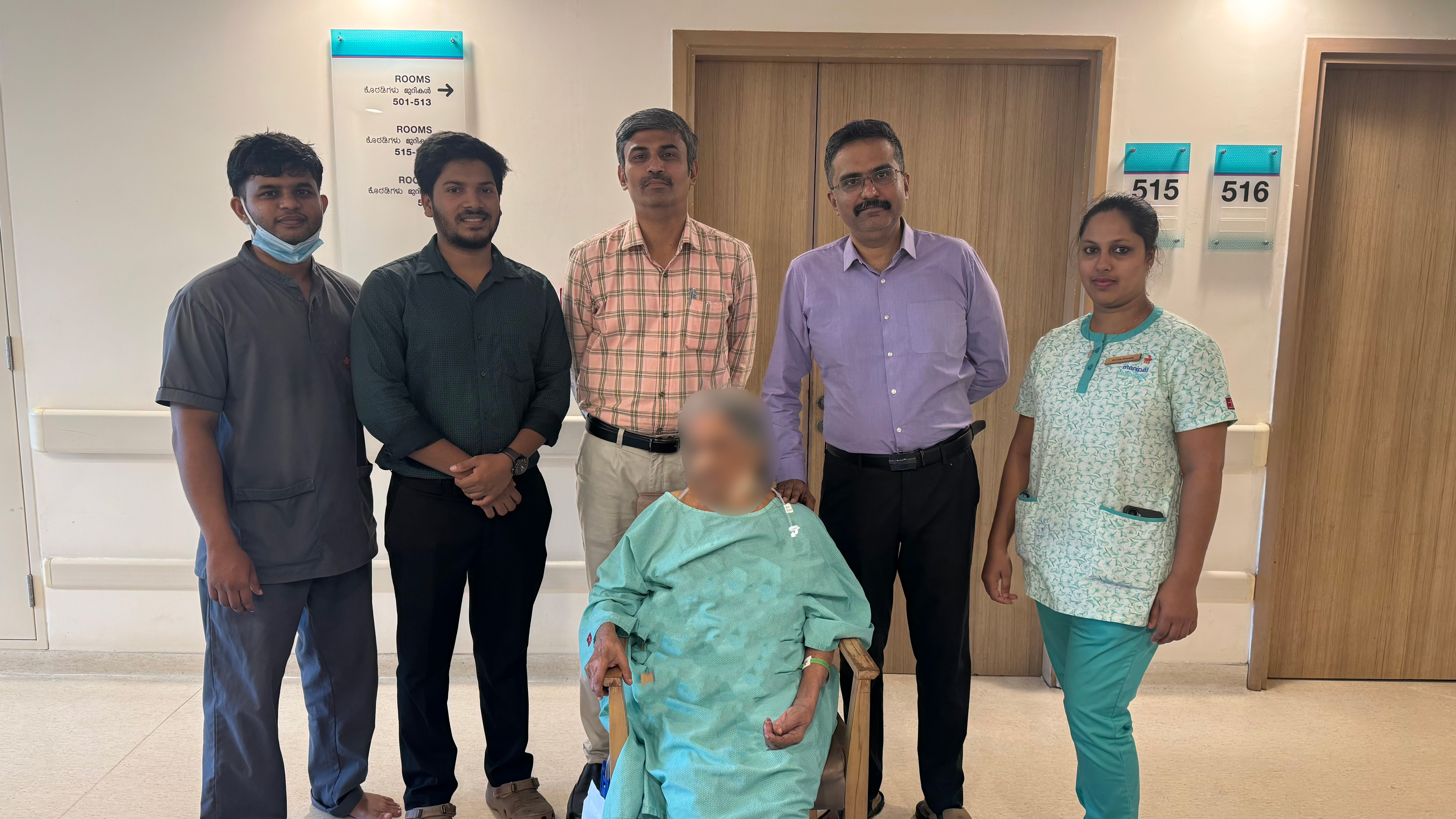
Mangaluru, 20 July: Reinforcing the message that “Time is Brain” and that age should never be a barrier to advanced stroke care, KMC Hospital Mangaluru successfully treated a 94–year–old woman who suffered an acute ischemic stroke, enabling her to regain mobility and return home with a good recovery.
Dr. Rohit Pai, Consultant Neurologist, said, “Stroke is a medical emergency where every minute matters. Age alone should never prevent patients from receiving advanced stroke treatment. Early hospital arrival, rapid diagnosis, and timely intervention can significantly improve recovery, as demonstrated by this patient‘s excellent outcome.”Dr. Keerthiraj B, Interventional Neuroradiologist, added, “Mechanical thrombectomy can restore blood flow by removing the clot before irreversible brain damage occurs. This case highlights that with prompt treatment and favourable clinical conditions, even patients in their nineties can achieve meaningful recovery. Time truly is brain.”
20, Jul 2026
On World Cleft Awareness Day, Smile Train India Marks 800,000 plus Free Surgeries and a Renewed Push for Early Diagnosis of Clefts
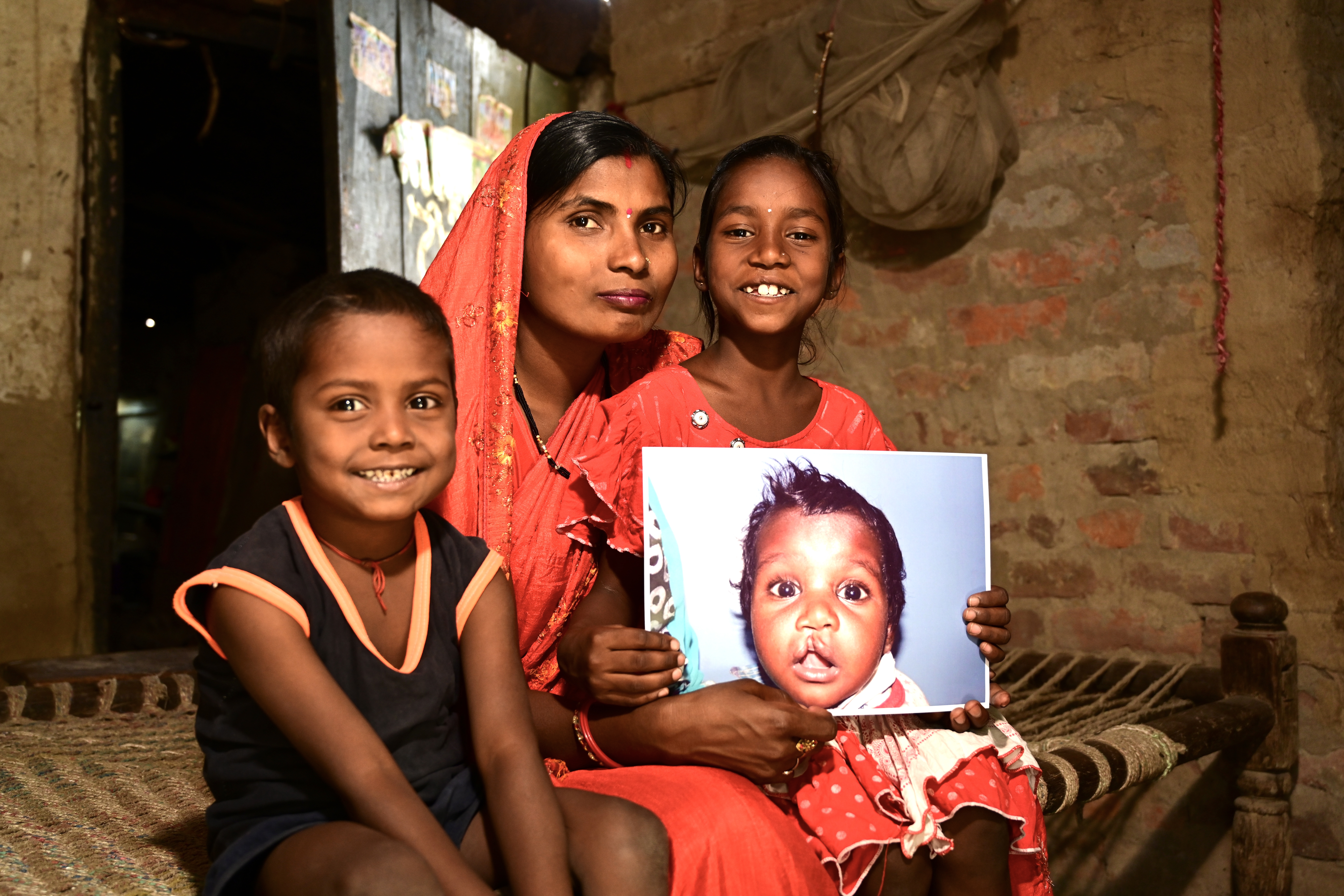
New Delhi, July 20: World Cleft Awareness Day (WCAD), observed globally on July 20, was introduced by Smile Train in 2025 to bring cleft lip and palate into mainstream public health conversations and ensure every child born with a cleft has access to timely, comprehensive treatment. This year, Smile Train India, the country’s leading cleft-focused NGO, celebrates a proud milestone: over 800,000 free cleft surgeries supported for children across the country since 2000. Building on this achievement, the organisation is now turning its attention to the next frontier of impact, raising awareness so that every child born with a cleft is identified early and given the chance to thrive.
Nearly 35,000 children are born with clefts in India every year, yet many miss the critical window for treatment due to myths, misinformation, and stigma. Delayed care can lead to feeding difficulties, malnutrition, speech and hearing impairment, and long-term social and emotional challenges. Early diagnosis and timely surgery are key to better outcomes and access to comprehensive care. World Cleft Awareness Day seeks to raise awareness, dispel misconceptions, and ensure every child born with a cleft receives timely treatment.
Smile Train India treats surgery as one part of a larger picture. Its holistic model includes nutritional support, speech therapy, and orthodontic treatment, helping children thrive fully in life. Underpinning this is a sustainability-first strategy: Smile Train India trains and empowers local surgeons, anaesthetists, nurses, and multidisciplinary cleft teams to deliver care locally. By strengthening partner hospitals, the organisation ensures children can access high-quality, free cleft care close to home, while building healthcare capacity that outlasts any single intervention.
This year’s awareness push has drawn wide-ranging support, with partners, donors, ambassadors, cleft affected individuals and families, well-wishers, and the broader community coming together to mark WCAD, many taking to social media and other platforms to share their voices and extend the conversation beyond the medical community and into everyday households.
We’ve made real progress expanding access to treatment, but awareness remains our toughest battle,” said Mamta Carroll, Senior Vice President and Regional Director – Asia, Smile Train. “Every day, children arrive at our doors months or even years later than they should have — not because treatment wasn’t there, but because their families never knew cleft could be treated or feared the stigma that so often surrounds it. If we can close that awareness gap, we can reach these children in time and make sure not a single one is left waiting.”
This World Cleft Awareness Day, Smile Train India urges parents, caregivers, healthcare professionals, policymakers, media, and communities to play an active role in raising awareness, encouraging early diagnosis, and challenging misconceptions surrounding clefts.
17, Jul 2026
Delhi Strengthens Primary Healthcare Network with Launch of 45 New Ayushman Jan Arogya Mandirs
New Delhi, July 17: The Delhi government has expanded its public healthcare infrastructure with the opening of 45 new Ayushman Jan Arogya Mandirs, increasing the total number of operational centres across the city to 415.
The newly added healthcare facilities are aimed at bringing essential medical services closer to residents and improving access to affordable, preventive and primary healthcare. The centres will provide services including basic medical consultations, health screenings, early detection support and wellness-related care.
Officials said the expansion reflects the government’s continued focus on strengthening community-level healthcare and ensuring timely medical assistance for citizens at the neighbourhood level.
The Ayushman Jan Arogya Mandirs are expected to play an important role in reducing the burden on major hospitals by providing accessible healthcare services and encouraging early diagnosis and preventive care.
With the addition of these new centres, Delhi’s primary healthcare network has further expanded, supporting the vision of a more accessible and efficient healthcare system for residents across the national capital.
17, Jul 2026
Gujarat Intensifies Monsoon Health Surveillance with Record Malaria Testing Drive
Gandhinagar, July 17: Gujarat has strengthened its monsoon health preparedness by conducting a record 94 lakh malaria tests as part of an intensified surveillance campaign to control vector-borne diseases during the rainy season.
The large-scale testing initiative is aimed at early detection, timely treatment and prevention of the spread of malaria and other mosquito-borne illnesses across the state. Health authorities have increased monitoring activities in vulnerable areas as monsoon conditions create a favourable environment for mosquito breeding.
The surveillance programme includes extensive testing, field-level monitoring, awareness campaigns and preventive measures to protect communities from seasonal health risks. Healthcare teams are working to identify suspected cases quickly and ensure patients receive appropriate medical support.
Officials said the state’s proactive approach focuses on strengthening disease surveillance networks, improving public awareness and ensuring faster response to potential outbreaks.
Residents have been advised to take preventive measures such as keeping surroundings clean, avoiding stagnant water accumulation and seeking medical advice if symptoms such as fever and body aches appear.
With monsoon-related health challenges requiring increased vigilance, Gujarat continues to expand its public health efforts to safeguard communities and reduce the impact of vector-borne diseases.
15, Jul 2026
India’s Pharma Innovation Gains Momentum as Domestic Patent Growth Surges
July 15: India’s pharmaceutical sector is witnessing a strong rise in innovation activity, with India-origin pharma patents registering significant growth and the industry’s research pipeline expanding to more than 1,095 projects, according to a recent report.
The increase in patent filings reflects the growing focus of Indian pharmaceutical companies on research and development, new drug discovery, and advanced healthcare solutions. The sector is increasingly moving towards innovation-led growth, strengthening its role in the global pharmaceutical landscape.
The report indicates that companies are investing in emerging areas such as biotechnology, complex medicines, specialty treatments, and next-generation healthcare technologies. This expanding innovation pipeline is expected to support the development of new therapies and improve access to advanced healthcare solutions.
Industry stakeholders believe the growth in intellectual property creation highlights India’s strengthening research ecosystem, supported by increased investments, scientific talent, and collaborations between pharmaceutical companies and research institutions.
India has long been recognised as a major global pharmaceutical hub, and the rise in patent activity further reinforces its evolving role from a manufacturing base to an innovation-driven healthcare partner.
With continued investment in research, technology, and scientific infrastructure, the Indian pharmaceutical industry is expected to play a larger role in shaping the future of global healthcare innovation.
13, Jul 2026
Raichur Revamps 48 Anganwadi Centres, Enhancing Facilities for 4,200 Children
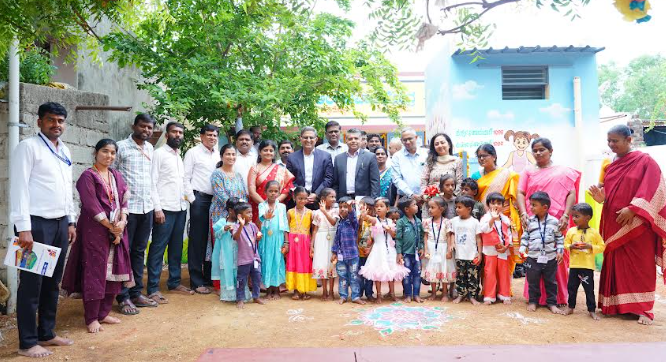
Raichur, July 13: The District Administration of Raichur in collaboration with, GE HealthCare and United Way Bengaluru (UWBe), mark ten years of driving meaningful change in Early Childhood Care and Education (ECCE) through the Born Learning Campaign (BLC), a flagship initiative of UWBe that has strengthened Anganwadi ecosystems and improved early learning outcomes across Karnataka.
Implemented in Raichur, one of Karnataka’s aspirational districts, the campaign has worked to transform Anganwadi Centres (AWCs) into vibrant, child-friendly spaces that support holistic development during the most critical years of a child’s life. Around 48 Anganwadi centers in Raichur have been refurbished, benefiting around 4200 children (0-6 years). The partnership has also extended to Bengaluru’s Whitefield, KR Puram, and Kadugodi to support early childhood care.
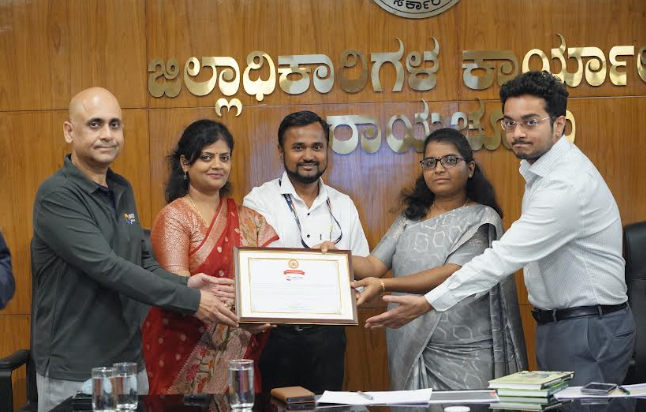
The success of the initiative in Raichur has been driven by the strong partnership between
GE HealthCare, United Way Bengaluru, the Office of the Deputy Commissioner, district and block-level departments, Anganwadi workers, local stakeholders, and communities. The partnership has focused on improving Anganwadi infrastructure, enhancing access to age-appropriate learning materials, strengthening the capacities of Anganwadi workers, and engaging parents and communities in early childhood development. The campaign aligns closely with the Government of India’s vision for Saksham Anganwadi and the National Education Policy (NEP) 2020, which recognizes the importance of universal access to quality early childhood education.
Over the past decade, the partnership has demonstrated measurable improvements in children’s cognitive, language, social-emotional, and physical development, along with increased attendance and participation across supported centers. Through sustained collaboration with Anganwadi workers, the program has contributed to creating nurturing environments where young children can learn, play, and thrive.
“Investing in early childhood is investing in the future of our district. The Born Learning Campaign has not only improved Anganwadi infrastructure and learning environments but has also strengthened community participation and institutional capacity. We appreciate the sustained commitment of GE HealthCare and United Way Bengaluru in strengthening Anganwadi centers and supporting early childhood development in Raichur. These efforts are helping create a strong foundation for our children and contributing to the district’s long-term development” said Smt. Poovitha S., IAS, Deputy Commissioner and District Magistrate, Raichur.
“For over ten years, our partnership with GE HealthCare has demonstrated the power of investing early in a child’s development. Together, we have strengthened Anganwadi Centres as community hubs that nurture learning, health, nutrition, and well-being. Long before ECCE became a national priority under NEP 2020, this partnership recognized the importance of the early years and invested in creating sustainable systems that support children, caregivers, and communities. We are proud of the impact achieved and remain committed to ensuring that every child has the opportunity to thrive,” – Rajesh Krishnan, CEO, United Way Bengaluru.
As the partnership enters its next decade, GE HealthCare and United Way Bengaluru remain committed to strengthening early childhood ecosystems and creating enabling environments where every child can learn, grow, and reach their full potential.
13, Jul 2026
ZEISS Vision Care India’s ‘Take Care of Your Vision and Visual Health’ Print Campaign
July13: ZEISS Vision Care India, part of a 180-year-old German pioneer of science in optics, launched a print-ad campaign in The Times of India to encourage readers across the country to prioritize their vision and visual health. The initiative builds on the global digital campaign, “Take Care of Your Vision and Visual Health,” launched in June, reinforcing the importance of proactive eye care and regular eye examinations at every stage of life.
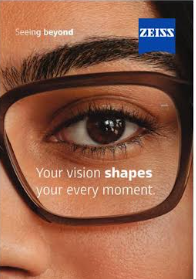
Despite the importance of good vision, eye health is often overlooked until problems arise. A 2021 Vision Market Research study found that while 94% of people prioritize self-care, only 43% regularly care for their vision health. With over 1 billion people worldwide living with preventable vision conditions, regular eye examinations and timely intervention have never been more important. Through this campaign, ZEISS Vision Care India aims to inspire readers to make vision care a lifelong priority and help them protect one of their most valuable senses.
The print advertisement features a QR code directing readers to the ZEISS Vision Care website, where they can learn more about visual health, understand the importance of regular eye screenings, discover personalized vision solutions, and locate their nearest authorized ZEISS Optician. Just as regular health check-ups are essential, ZEISS reminds readers that good visual health should be a non-negotiable part of everyone’s overall health routine at every stage of life.
Charlotte Hamel, Vice President – Head of Global Brand Management, Carl Zeiss Vision, said,
“Since 1846, ZEISS has been driven by a commitment to protect and enhance the vision and visual health of people worldwide. We believe that visual health is fundamental to quality of life where what you see shapes how you grow, how you connect, and how you experience the world. With this campaign, we want to emphasize that we are with our customers at every stage of life to take care of their vision and visual health. This initiative represents our commitment not just by providing products, but by creating awareness and inspiring proactive eye care choices that enhance lives.”
We know blurry vision makes our brain work harder, and taking care of visual health is now more important than ever. The latest ZEISS ClearMind portfolio combines larger zones of clear vision with ZEISS NeurOptix technology to reduce cognitive load and support overall well-being. Available for all age groups, these lenses represent ZEISS India’s commitment to delivering innovative solutions that enhance visual performance and quality of life at every stage from children developing their visual systems to working professionals managing digital eye strain, and older adults maintaining their independence through exceptional clarity.


