


14, Sep 2026
Zydus Spine Surgeons Push the Boundaries of Complex Spine Care, Delivering Excellent Outcomes Across All Ages
AHMEDABAD, India, Sept. 14, 2026 /PRNewswire/ — Over the past decade, India has witnessed a worrying rise in spine-related problems, not just among the elderly, but increasingly among young adults and teenagers. Spinal health issues are becoming a silent epidemic in the country. According to the World Health Organization (WHO), low back pain is now the leading cause of disability worldwide, and India is no exception.

“A spinal injury can be life-changing but with the right medical care and support from family, most patients are able to return to the lives they had before,” said Dr. Niraj Vasavada, Sr. Spine Surgeon in Ahmedabad with more than two decades of experience in rare and complex surgeries. To address the growing disease burden, Zydus Hospitals in Ahmedabad has built a dedicated, multidisciplinary spine care team backed by advanced surgical technology to handle even the most complex cases. Dr. Hitesh Modi, Sr. Spine Surgeon in Ahmedabad and one of the first PhD-qualified spine surgeons in Western India with 20 years of experience, adds “We strive to combine surgical skill and experience with advances in technology. At Zydus, our focus is on creating a coordinated environment where complex spine procedures can be planned and performed with appropriate expertise, technology, and multidisciplinary support.” The spine team also includes Dr. Prateek Lodha and Dr. Karan Chauhan.
One recent case illustrates the importance of coordinated care in an emergency. A 7-year-old child was rushed to the ER after being hit by a car in his housing society. Dr. Ketan Patel, Head of the Emergency Medicine, stabilised him and alerted the spine team and Dr. Ankit Mehta, Pediatric Intensivist, who then took over.
“The child arrived with multiple wounds across his lower back and was unable to move. We dressed his wounds and reeled him in for a CT scan that confirmed multiple fractures at the L1 level of the vertebra,” said Dr. Niraj. The boy underwent emergency surgery for spinal fracture stabilisation to avoid further damage. Given the extent of his injuries, the surgical team expanded to include Dr. Amit Shah, Sr. GI Surgeon, Dr. Shailendra Singh, Sr. Plastic Surgeon, along with the anaesthesiology team including Dr. Parv, led by Dr. Meeta Agarwala.
“We had to place eight screws to stabilise the fractured section of his spine. We used the O-Arm for real-time imaging of the bone structure and intraoperative neuromonitoring (IONM) to get the best results,” said Dr. Niraj. The deformity was substantially corrected following surgery and with appropriate postoperative care and rehabilitation, the child was discharged within a week.
Osteoporosis-related fractures are a recurring theme in revision spine surgery, particularly among the elderly, and have become considerably more difficult to treat when other health conditions complicate the picture. “An 80-year-old man consulted with the team, and he had a history of severe osteoporosis along with Parkinson’s disease, uncontrolled diabetes, and altered kidney functions,” said Dr. Hitesh Modi. He had been operated on twice elsewhere for osteoporotic compression fractures over a period of 1.5 years. Now he was developing paraparesis (weakness in both legs), his implants were loose, and he was in severe pain. He remained bedridden due to his condition, thus, a revision surgery to correct the spinal implant loosening was required in his case. Simultaneously, his Parkinson’s was also managed by Dr. Dinesh Saini, Neurologist & Movement Disorder Specialist, his diabetes was managed by Sr. Internal Medicine Specialists, Dr. Navneet Shah and Dr. Nimit Shah, and his kidney function was constantly monitored by the nephrology team.
Dr. Hitesh Modi performed the surgery using IONM and O-arm surgical navigation to achieve precise results that were also possible due to real-time 3D guidance. Advanced technology such as intraoperative neuromonitoring (IONM) and the O-Arm have become central to how Zydus approaches complex spine surgery. The O-Arm provides real-time 3D imaging during surgery, helping the team understand spinal anatomy and verify the placement in real time. IONM, meanwhile, continuously monitors the nervous system throughout the procedure, helping surgeons make sure that nerve function stays intact during surgery. Combination of successful surgery, support from the multi-disciplinary team along with advanced technology and superior clinical acumen and extensive physiotherapy helped him gradually regain strength in his lower limbs, and he could walk again within a week. He continues to enjoy regular outings with his family, well into his eighties.
Lifestyle factors such as prolonged sitting, poor posture, and excessive mobile or laptop use accelerate spinal degeneration in younger patients, but age and lifestyle aren’t the only drivers. Rheumatoid arthritis (RA) is an autoimmune condition in which the immune system attacks the joints and weakens them over time. “We perform several revision and redo surgeries. One such case was of a 73-year-old woman who was struggling with RA for many years. She underwent two surgeries at another hospital, but the screws were not holding well as her bones grew increasingly brittle due to RA. She suffered excruciating pain, was bedridden for 8 months, and decided to consult with us,” said Dr. Niraj. “Our goal was to remove the misaligned screws from her earlier operations and replace them with new fixations, this time cemented directly into the bone to compensate for how fragile it had become. The surgery took eight hours and after removing the old ones, 14 new screws were placed with specialised bone cement for solid fixation”, Dr. Niraj added. With extensive physiotherapy as a part of postoperative spine rehabilitation, she recovered well and soon went home. It’s been more than a year now, and she has been doing well and has resumed her day-to-day activities.
Spinal conditions that develop gradually can be just as disruptive as sudden trauma, often stripping away basic daily function. On of the most common is scoliosis, which leads to an abnormal sideways curvature of the spine. Once the curve progresses past a certain point, typically once it exceeds 45 to 50 degrees, it usually requires surgical correction. Though it’s often seen in childhood, scoliosis can also develop or worsen over decades, eventually affecting a person’s ability to walk, sit, or carry out daily tasks. “An elderly woman had lived with scoliosis for years, and her spine bent so severely that it had completely affected her day-to-day activities. Her condition significantly affected her day-to-day activities, and she came to us for a solution,” said Dr. Prateek. Dr. Niraj Vasavada and his team built a 3D model of her spine for scoliosis surgery, and rehearsed the operation on it before entering the OT. “We used the model to understand her spine better, and ran a mock surgery to simulate exactly what we planned to do in the OT,” said Dr. Niraj. “The results were excellent and we could help her getting back to normalcy.”
With a global rise in spine-related disorders, India has increasingly become a preferred destination for patients seeking multidisciplinary care. With access to reputed surgeons and global health standards, Zydus Hospitals has become one such hub in Western India, drawing a growing number of patients from across the world, with African nations, including Tanzania, among the fastest-growing sources. Dr. Hitesh Modi, who regularly visits these countries for OPDs, recalls one such case of a 65-year-old patient and his family who consulted with his team. “He had been diagnosed with multiple myeloma that put severe pressure on his spinal cord”. Doctors in his home country told him surgery wasn’t possible; however, after the online consultation, his family decided to fly him to India. He had been paraplegic for 4 years and complained of persistent abdominal pain. Given the complexity of this case, the oncology and bone marrow transplant teams were also looped in and his treatment strategy was drawn in multiple stages. “We decided to first operate on his spine and performed a six-hour-long procedure,” he said. The surgery went well and his post-op recovery was also smooth.
“When my father was wheeled out of the OT, I saw the slightest movement in his toes for the first time in years. I almost couldn’t believe it,” said the patient’s son. Extensive robot-assisted physiotherapy continued alongside treatment from the oncology team was done before a bone marrow transplant was planned. He was then placed under the care of Dr. Akanksha Garg, Hemato-oncologist and BMT specialist. Over the following four months, supported by a physiotherapy and rehabilitation team that stayed with him through every stage, he slowly regained the ability to walk independently. “We were thrilled with the results, and when we saw him walk without any support, we couldn’t help but admire the grit that helped him push through so many hurdles,” said Dr. Karan Chauhan, Spine Surgeon.
The spine team at Zydus has excelled advanced spine care solutions for a wide range of spinal conditions, ranging from conservative measures and pain management to minimal-access procedures and Safe Spine Surgery (SSS). Their expertise also includes extensive reconstruction of spinal deformities, vertebral fractures, hematoma, spinal stenosis, abscess, tumours, degenerative disc disease, herniated disc, spinal cyst excision, spinal root blocks, across lumbar, thoracic and cervical spine, and more.
To know more about their services, visit https://zydushospitals.com.
 View original content to download multimedia:https://www.prnewswire.com/in/news-releases/zydus-spine-surgeons-push-the-boundaries-of-complex-spine-care-delivering-excellent-outcomes-across-all-ages-302876508.html

- 0
- By Sai Krishna

14, Sep 2026
Tickets Now Available for The Story of Studio Ghibli at Gardens by the Bay, Opening in Singapore on 18 December 2026
- Singapore will be the exhibition’s world premiere, bringing 12 life-sized worlds inspired by iconic Studio Ghibli films and featuring multiple world-first immersive exhibition experiences.
- Explore nearly 3,500 square metres of immersive experiences inspired by My Neighbor Totoro, Spirited Away, The Boy and the Heron, and more.
SINGAPORE, Sept. 14, 2026 /PRNewswire/ — Tickets are now available for The Story of Studio Ghibli, the immersive exhibition featuring world premiere experiences in Singapore. Opening on 18 December 2026 at Gardens by the Bay, the Singapore edition will span nearly 3,500 square metres, making it the largest presentation of The Story of Studio Ghibli to date. The exhibition invites visitors to journey through unforgettable moments from beloved films including Nausicaä of the Valley of the Wind, My Neighbor Totoro, Kiki’s Delivery Service, Princess Mononoke, Spirited Away, Howl’s Moving Castle, The Boy and the Heron, and more.

Founded in 1985 by Isao Takahata, Hayao Miyazaki and Toshio Suzuki, Studio Ghibli has become one of the world’s most influential animation studios. Its films have captivated audiences worldwide through timeless storytelling, memorable characters and themes of kindness, courage, respect for nature, and hope, which continue to resonate across generations.
Produced by TSUKURU, INC. and M Experience, and supported by the Singapore Tourism Board, The Story of Studio Ghibli transforms these celebrated films into an immersive, walk-through experience featuring 12 life-sized recreated worlds. Visitors can encounter the majestic Ohmu from Nausicaä of the Valley of the Wind, stand beside Totoro while waiting for the Catbus from My Neighbor Totoro, wander through the mysterious streets of Spirited Away, and experience the world’s first eight-metre-tall three-dimensional recreation of its iconic bathhouse. Interactive multimedia installations throughout the exhibition place visitors at the centre of each story, transforming familiar scenes into experiences best encountered in person.
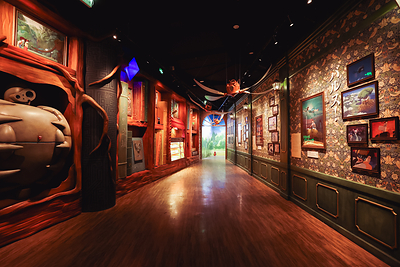
The Story of Studio Ghibli offers both longtime fans and a new generation of audiences an opportunity to explore these stories in a new way. Beyond recreating scenes from the films, visitors are invited to journey beyond the artwork and production materials, engage more deeply with the stories themselves and rediscover the ideas and values that continue to resonate across cultures and generations.
“The Story of Studio Ghibli is not simply an exhibition to be viewed. It is an experience to be felt. Through 12 recreated immersive scenes inspired by iconic Studio Ghibli films, visitors will be invited to step into the stories themselves and connect with the emotions, values and imagination that continue to resonate across cultures and generations,” said Sean Lim, CEO, M Experience.
“We are delighted to welcome the world premiere of The Story of Studio Ghibli to Singapore. The expanded, immersive experience will bring beloved stories to life for fans and create unforgettable moments for visitors. Events of this calibre contribute to Singapore’s vibrancy, adding to our line-up of world-class experiences and reinforcing our appeal as the region’s premier lifestyle destination,” said Ms Guo Teyi, Director, Leisure Events, Singapore Tourism Board.

Designed for fans of all ages, the exhibition will also explore themes such as creativity, resilience and environmental stewardship. Educational initiatives and learning opportunities are currently being developed to encourage deeper engagement with these themes, with further details to be announced closer to the exhibition opening.
Early Bird Tickets Now Available
Tickets are now available here on Klook, the official ticketing partner for The Story of Studio Ghibli in Singapore.
To celebrate the launch of ticket sales, each adult ticket purchased during the Early Bird period from 12 September 2026 to 17 December 2026 will include an exclusive limited-edition gift, while stocks last.
The Story of Studio Ghibli opens at Gardens by the Bay on 18 December 2026.
Plan your visit
Venue: Gardens by the Bay, West Lawn, 18 Marina Gardens Drive, Singapore 018953
Duration: 18 December 2026 to 4 July 2027
Opening hours: 10am – 7pm daily
Ticket Prices:
Singapore Citizens and Permanent Residents
- Adult: S$39
- Concession*: S$29
Standard Admission
- Off-Peak:
- Adult: S$49
- Concession*: S$43
- Peak:
- Adults: S$55
- Concession*: S$49
* Concession tickets are available for seniors aged 65 and above and children aged 3 to 12.
-END-
About Studio Ghibli
Studio Ghibli was founded in 1985 by animated film directors Isao Takahata, Hayao Miyazaki and Toshio Suzuki, and has produced twenty-five feature-length films. Most Studio Ghibli films ranked number one at the box office in Japan in the year in which they were released. Studio Ghibli films have garnered numerous awards and critical acclaim from film critics and animation specialists around the world. Spirited Away was awarded the Golden Bear as the Best Feature Film at the 52nd Berlin International Film Festival and won the 75th Academy Award® for Best Animated Feature Film. The Wind Rises (2013), The Tale of The Princess Kaguya (2013), When Marnie Was There (2014) and The Red Turtle (2016) earned the studio four consecutive nominations for the Academy Awards® for Best Animated Feature Film, and Earwig and the Witch (2020) was an official selection for the 73rd Cannes Film Festival. The studio’s latest film, The Boy and the Heron (2023) was awarded the Golden Globe® Award, the BAFTA® Film Award and the Academy Award® for Best Animated Feature Film in 2024. The studio received Honorary Palme d’Or at the 77th Cannes Film Festival.
About TSUKURU, INC.
TSUKURU, INC. was founded in 2023 and operates as a global group with entities in Tokyo, Japan; Hong Kong, China; and Shanghai, China.
The company is strategically positioned around IP Management as its core business, with a strong focus on global operations. Its activities include the introduction of international IP and content, IP management, commercial development, and marketing. By integrating creative design, technical production, execution, and promotional strategies, it provides comprehensive support for Intellectual Property (IP) assets worldwide.
About M Experience
M Experience has delivered a range of immersive IP exhibitions and cultural experiences across Asia, including collaborations with global partners such as Neon Global and Tencent. Its portfolio spans large-scale installations, interactive environments, and digital immersive formats, with experience in delivering Studio Ghibli exhibitions as well as other IP-led experiences across entertainment, cultural heritage, and technology-driven formats.
 View original content to download multimedia:https://www.prnewswire.com/in/news-releases/tickets-now-available-for-the-story-of-studio-ghibli-at-gardens-by-the-bay-opening-in-singapore-on-18-december-2026-302877135.html

14, Sep 2026
Shanghai Electric Secures First Overseas Heavy-Duty Gas Turbine Order for 500 MW Malaysian Project
SHANGHAI, Sept. 14, 2026 /PRNewswire/ — Shanghai Electric (SEHK: 02727, SSE: 601727) has achieved a milestone in the high-end overseas energy sector by securing the contract for Unit 3 of the Sarawak Samalaju Combined Cycle Gas Turbine (CCGT) Project in Malaysia. The win represents significant international recognition of Shanghai Electric’s heavy-duty gas turbine technology, underscoring the company’s growing competitiveness in the global gas turbine market.
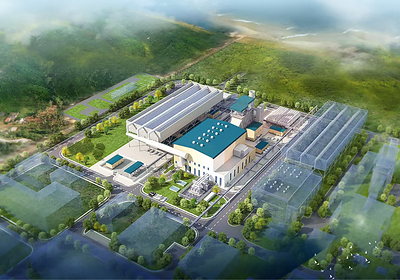
Under the agreement, Shanghai Electric will deliver a full EPC turnkey solution for the gas-fired power plant, coupled with a 25-year long-term service agreement (LTSA) covering all major equipment. Notably, every core component—from gas turbines and steam turbines to generators, heat recovery steam generators, and air-cooled systems—will be manufactured in-house by Shanghai Electric, which will also serve as the sole provider of the long-term maintenance and service program. This integrated, end-to-end capability gives Shanghai Electric full life-cycle coverage, spanning equipment manufacturing, systems integration, and multi-decade operational support—a vertical model that brings the company on par with the established global leaders in the heavy-duty gas turbine sector.
Shanghai Electric’s current heavy-duty gas turbine lineup features two principal models, with output ratings of 300 MW and 78 MW, respectively. To date, the company has delivered 103 units, with total installed capacity from commissioned projects exceeding 21,000 MW. The units covered by Shanghai Electric’s long-term service and maintenance programs have accumulated more than 1.3 million operating hours. With robust production capacity available across both turbine classes, Shanghai Electric is positioned to offer new units for delivery as early as 2028. Beyond the Malaysian energy developer that awarded the current contract, project developers in Indonesia, Thailand, the Philippines, and Vietnam have also expressed strong interest in placing orders.

 View original content to download multimedia:https://www.prnewswire.co.uk/news-releases/shanghai-electric-secures-first-overseas-heavy-duty-gas-turbine-order-for-500-mw-malaysian-project-302876170.html

13, Sep 2026
SUNMI Deepens Eurasia Partnership at the Belt and Road Summit
HONG KONG, Sept. 13, 2026 /PRNewswire/ — SUNMI Technology (06810.HK) announced on September 10, separate cooperation agreements with Türkiye-based fintech company TOKEN and Mongolia-based digital bank M bank at the 11th Belt and Road Summit in Hong Kong.

The agreements will bring together SUNMI’s commercial IoT and digital commerce capabilities with the partners’ local expertise, advancing collaboration across digital commerce, smart devices, payments, and digital financial services.
In Türkiye, SUNMI and TOKEN will explore digital commerce solutions for banks and offline merchants, combining SUNMI’s commercial IoT capabilities with TOKEN’s payment technology and local market expertise.
In Mongolia, SUNMI and M bank will combine commercial devices, digital technology and digital financial services to explore new digital solutions for small and medium-sized businesses.
“Hong Kong is a vital gateway connecting China with global markets,” said Sam, CMO of SUNMI. “Our collaboration with TOKEN and M bank brings SUNMI’s technology together with strong local partners. We look forward to working with more partners across Eurasia to make digitalization more accessible to businesses in every market.”
The agreements mark another step in SUNMI’s global ecosystem strategy. SUNMI will continue to work with local partners to connect smart devices, business software, payments and digital services, developing solutions that meet the needs of offline businesses in local markets.
 View original content to download multimedia:https://www.prnewswire.co.uk/news-releases/sunmi-deepens-eurasia-partnership-at-the-belt-and-road-summit-302877014.html

13, Sep 2026
PwC US and PwC India Form Joint Venture to Help Clients Grow and Compete at Greater Speed and Scale
Strategic combination brings together the breadth of PwC’s advisory talent and capabilities across India and the US into a single, integrated platform for global clients
NEW YORK, Sept. 13, 2026 /PRNewswire/ — PwC US and PwC India today announced a joint venture that brings together the full breadth of their advisory talent and capabilities across India and the US — uniting PwC India’s Consulting business and PwC US Advisory’s India-based capabilities into a single, integrated platform to serve clients in India, the US, and around the world.

India is increasingly central to how global companies grow and operate — as a significant and fast-growing market, a hub for Global Capability Centers, and a source of world-class talent and innovation. At the same time, clients are looking for deeper expertise, greater scale, and more seamless access to capabilities across markets. Rather than adding capacity in one place, the joint venture connects market relationships, industry expertise, and delivery into one team — so clients can access the right capabilities, wherever they sit.
“The firms that win will be the ones that stop thinking about markets, capabilities, and delivery as separate pieces. That’s what makes this combination so powerful,” said Paul Griggs, PwC US Senior Partner and CEO. “We’re bringing the full breadth of our advisory talent in India together with PwC US — one team with the relationships, expertise, and scale to deliver for our clients and the PwC network. This isn’t about where work gets done. It’s about building something clients can’t get anywhere else: the best of PwC, brought together around their biggest opportunities, wherever they operate.”
The combined platform spans the full spectrum of client needs — from strategy and transformation through technology, engineering, and AI. It brings together managed services at greater scale, expanding PwC’s ability to advise clients and to operate critical parts of their businesses. The platform is expected to more seamlessly support US-headquartered enterprises with Global Capability Centers in India, strengthen how PwC serves clients across major global trade flows, and create a stronger foundation for innovation as AI continues to reshape how work is delivered.
The joint venture also advances PwC’s broader ambition to build a more globally integrated consulting model, giving PwC firms around the world greater access to the combined talent and expertise of the new platform.
“Throughout our more than 150 years’ history in the country, we have been committed to the growth of India. Our Vision 2030 aligns our commitment to building a Viksit Bharat, and this joint venture is a step in that direction. For PwC India, this is a testimony to the tremendous journey of growth that we have been on over the last five years and our position of strength in the network. It is a matter of great pride for us that PwC India now has an opportunity to play a greater role in the success of our Global Network,” said Sanjeev Krishan, Chairperson of PwC India and the incoming CEO of the new joint venture. “This brings together strengths that used to sit in different places, allowing us to better serve clients across the world by combining the might of PwC’s global consulting capabilities with the best talent from India. It means our domestic clients gain access to best-in-class global capabilities, our multinational and GCC clients are served more seamlessly, and the capability and client perimeter for our partners and people go up, so they can take on a greater ambition than what we envisioned in Vision 2030. It also enables us to make greater investments in our people and in the value we can create for clients — in India and everywhere in the world they operate.”
The signing marks an important milestone and the beginning of the next phase. The transaction is expected to close in the first half of calendar year 2027, subject to closing conditions and regulatory approvals. Until then, PwC US and PwC India will continue to serve clients through their existing structures and ways of working. The financial terms of the agreement were not disclosed. The joint venture will be owned and governed by PwC US and PwC India.
About PwC
At PwC, we help clients build trust and reinvent so they can turn complexity into competitive advantage. We’re a tech-forward, people-empowered network with more than 364,000 people in 136 countries and 137 territories. Across audit and assurance, tax and legal, deals and consulting, we help clients build, accelerate, and sustain momentum. Find out more at www.pwc.com.
Contact
Ryan Cangialosi
ryan.a.cangialosi@pwc.com
Ruchi Mann
ruchi.mann@pwc.com
 View original content to download multimedia:https://www.prnewswire.com/in/news-releases/pwc-us-and-pwc-india-form-joint-venture-to-help-clients-grow-and-compete-at-greater-speed-and-scale-302876934.html

13, Sep 2026
Modi, Xi Jinping Discuss India-China Ties, Border Peace and Economic Cooperation
New Delhi, September 13, 2026: Prime Minister Narendra Modi held a bilateral meeting with Chinese President Xi Jinping on the sidelines of the BRICS Summit in New Delhi, with the two leaders reviewing the trajectory of India-China relations and discussing steps to strengthen engagement between the two countries.
The meeting highlighted the steady improvement in bilateral ties since Modi and Xi last met in Tianjin in August 2025. Both leaders stressed the importance of viewing the relationship from a long-term and strategic perspective, while ensuring that differences between the two countries do not escalate into disputes.
Prime Minister Modi reiterated that India’s engagement with China should be guided by three principles — mutual respect, mutual sensitivity and mutual interest. He also emphasized that maintaining peace and stability along the border remains fundamental to the broader development of bilateral relations.
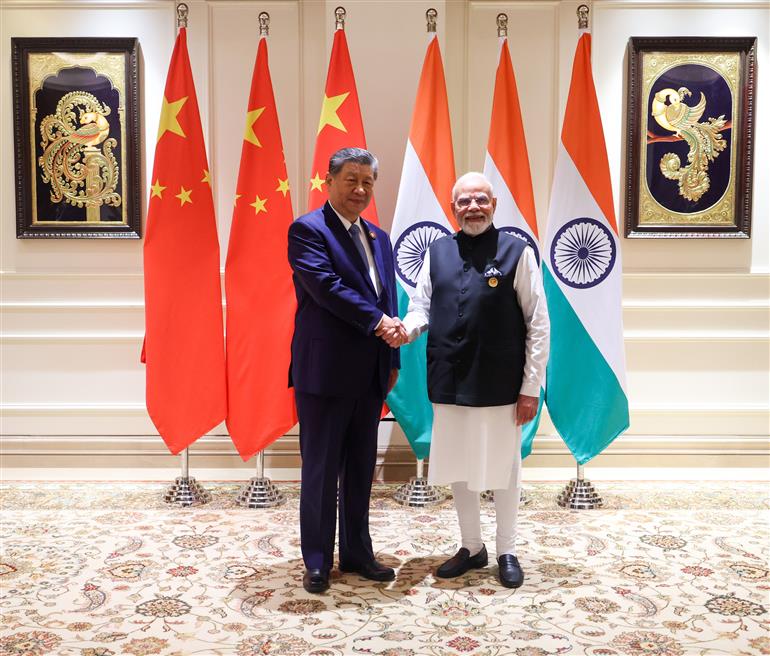
On the boundary question, Modi called for continued adherence to existing agreements and understandings. The two leaders agreed that efforts toward a fair, reasonable and mutually acceptable settlement of the boundary issue should take into account the larger political relationship between the two nations as well as the long-term interests of their peoples.
The discussions also touched upon growing people-to-people connections. Modi and Xi noted progress in bilateral contacts and emphasized the importance of expanding cultural exchanges, strengthening business-to-business links and facilitating greater movement between India and China.
Economic relations emerged as another important area of discussion. The leaders recognized the need to address concerns on both sides, particularly issues related to the structural trade imbalance and supply-chain resilience. They also highlighted the importance of creating more meaningful, predictable and mutually beneficial market access.
Beyond bilateral matters, Modi and Xi discussed the need for India and China to expand areas of convergence on regional and global issues. The leaders agreed that greater cooperation could help both countries respond more effectively to emerging international challenges.
The meeting comes as India seeks to further consolidate its role in multilateral forums while maintaining constructive engagement with major global partners. Both sides indicated support for continued dialogue and efforts to build greater stability and predictability in their relationship.
Prime Minister Modi also thanked China for its support for India’s BRICS chairship and acknowledged Beijing’s contribution to the successful conduct of the 2026 BRICS Summit in New Delhi.
The talks underline the continuing importance of sustained high-level dialogue between India and China as the two Asian powers seek to manage differences, strengthen areas of cooperation and build a more stable long-term bilateral relationship.
12, Sep 2026
CROWN BREAKS GROUND ON THE COMPANY’S FIRST BEVERAGE CAN MANUFACTURING FACILITY IN INDIA
TAMPA, Fla., Sept. 11, 2026 /PRNewswire/ — Crown Holdings, Inc. (NYSE: CCK) celebrated on September 9, 2026 the groundbreaking of its first beverage can manufacturing facility in India, marking a major milestone in the Company’s expansion into one of the world’s fastest-growing beverage markets. The ceremony brought together Crown leaders, local government representatives, customers and guests to commemorate the start of construction on the new facility in Unnao, Uttar Pradesh.
Announced in April 2026, the state-of-the-art plant will feature two production lines with an annual capacity of approximately 2.2 billion aluminum beverage cans. Operations are scheduled to commence in the second half of 2027.
The groundbreaking ceremony, which reflected local traditions and marked the official commencement of construction, underscored Crown’s long-term commitment to India and the state of Uttar Pradesh. Following the event, Crown executives had the honor of meeting with the Honorable Chief Minister of Uttar Pradesh, Shri Yogi Adityanath, to discuss the progress of the Company’s investment and its vision for supporting the continued growth of the beverage industry in India. During the meeting, Crown received the official land allotment letter for the project, representing another important milestone in the development of the Company’s first beverage can manufacturing facility in the country.
Djalma Novaes, Executive Vice President and Chief Operating Officer, said: “This investment reflects Crown’s confidence in the future of the Indian beverage market, and the growing role of the beverage can as a sustainable packaging solution. The Unnao facility will combine advanced manufacturing technology, operational excellence and responsible resource management to support our customers’ growth while creating long-term value for the region.”
Designed to incorporate advanced manufacturing technologies and the highest quality and sustainability standards, the facility will support growing demand for aluminum beverage cans across both alcoholic and non-alcoholic beverage categories. The investment reinforces the Company’s commitment to serving customers in high-growth markets and reflects the strong partnership Crown has established with the Government of Uttar Pradesh.
The Company continues to expect full year capital expenditures of approximately $550 million.
About Crown Holdings, Inc.
Crown Holdings, Inc., through its subsidiaries, is a leading global supplier of rigid packaging products to consumer marketing companies, as well as transit and protective packaging products, equipment and services to a broad range of end markets. World headquarters are located in Tampa, Florida. Learn more at www.crowncork.com.
For more information, contact:
Kevin C. Clothier, Senior Vice President and Chief Financial Officer, (215) 698-5281, or
Thomas T. Fischer, Vice President, Investor Relations and Corporate Affairs, (215) 552-3720
 View original content:https://www.prnewswire.com/in/news-releases/crown-breaks-ground-on-the-companys-first-beverage-can-manufacturing-facility-in-india-302876379.html

12, Sep 2026
PM Modi Meets Malaysian PM Anwar Ibrahim on Sidelines of BRICS Summit in New Delhi
New Delhi, September 12, 2026: Prime Minister Narendra Modi held a bilateral meeting with Malaysian Prime Minister Dato’ Seri Anwar Ibrahim on Saturday on the sidelines of the 18th BRICS Summit in New Delhi, with the two leaders reviewing progress in bilateral ties and discussing key regional and global developments.
Prime Minister Modi warmly welcomed Anwar Ibrahim to India and appreciated Malaysia’s participation in the BRICS Summit as a Partner Country. The meeting provided an opportunity for both leaders to assess the progress made since Modi’s visit to Malaysia in February 2026.
The two Prime Ministers reviewed bilateral cooperation across a broad range of sectors, including trade and investment, defence and security, semiconductors, infrastructure, the digital economy, energy, fintech, education, tourism and people-to-people exchanges.
A significant development during the meeting was Malaysia’s concurrence with India’s proposal to establish a Consulate General of India in Kota Kinabalu, Sabah. The move is expected to further strengthen consular services and deepen India’s engagement with Malaysia’s Sabah region.
Prime Minister Modi also appreciated Malaysia’s continued support for strengthening ASEAN-India relations, underscoring the importance of closer cooperation between India and the Association of Southeast Asian Nations.
The leaders exchanged views on important regional and global issues of mutual interest and reaffirmed their commitment to working closely on matters of shared concern.
Both Prime Ministers reiterated their commitment to further advancing the India-Malaysia Comprehensive Strategic Partnership, with a focus on expanding cooperation across emerging economic, technological, security and people-centric areas.
The meeting comes amid growing engagement between India and Malaysia, with both countries seeking to broaden their strategic and economic partnership in the Indo-Pacific region.
12, Sep 2026
Rithvik Dhanjani Champions Greener Celebrations Through Clay-Making Workshop at WeSchool

Sept 12: Sustainability often begins with small, mindful choices, ones that bring together tradition, creativity and a sense of responsibility. Ahead of Ganesh Chaturthi, Welingkar Institute of Management Development & Research (WeSchool) brought this thought to life through an eco-friendly clay-making workshop conducted by Actor, host, and Sustainability Advocate Rithvik Dhanjani, as part of its ‘Engage, Empower and Act for a Sustainable Future’ initiative, in collaboration with Khushiyaan NGO.
The session encouraged students to experience sustainability beyond the classroom by creating their own clay idols while understanding the importance of making environmentally conscious choices during celebrations and in everyday life.
For students, such experiences are important because environmental responsibility is shaped by awareness and action from a young age. Understanding the impact of materials we use, how we celebrate, and the choices we make can help students develop habits that contribute to a cleaner and healthier environment. By making sustainability interactive and relatable, initiatives like these show that protecting the planet can begin with simple choices in our everyday lives.
Bringing his warmth and energy to the session, Rithvik interacted with students and personally guided them through the process. For him, creating his own idol is a deeply personal tradition. Sharing the thought behind it, he said, “The only reason I make the idol with my own hands is because my love and devotion for Bappa are divine. As soon as you start creating Him with your own hands, I promise you, your life changes for the best. That has happened to me.”
The workshop turned into a lively exchange of creativity and conversations, with students learning that sustainability can be simple, engaging and deeply connected to the way we celebrate.
Through initiatives like these, WeSchool continues to encourage young minds to embrace sustainability as a way of life, one that can be practised through everyday choices, celebrations and collective action.
Because a sustainable future takes shape with the choices we make today.
11, Sep 2026
Dr. Amita Shah from Manipal Hospital Gurugram becomes First Gynaecologist in India to perform 41 Robotic Surgeries in 90 Days
The achievement comes as Dr. Amita Shah successfully treats complex endometriosis cases using advanced robot-assisted and minimally invasive techniques with a focus on fertility preservations
GURUGRAM, India, Sept. 11, 2026 /PRNewswire/ — In a significant advancement in women’s healthcare, Manipal Hospital Gurugram has successfully treated complex cases of endometriosis using advanced laparoscopic and robot-assisted techniques, led by Dr. Amita Shah, Chairman – Obstetrics & Gynaecology, Robotic Laparoscopy & Endoscopy Surgery. The achievement comes as Dr. Amita Shah becomes the first gynaecologist in India to perform 41 robotic gynaecological surgeries in 90 days. Endometriosis affects nearly 190 million women worldwide and is often mistaken for routine menstrual pain, despite its potential impact on quality of life and fertility. Minimally invasive surgery now enables precise treatment while helping preserve healthy pelvic tissue and reproductive function.

The cases presented at the event highlighted the varied and complex ways endometriosis can affect women, from severe period pain and infertility to large cysts and extensive pelvic adhesions. The cases included a 32-year-old woman with deep endometriosis, a 29-year-old woman who successfully conceived following fertility-preserving surgery, a 36-year-oldwoman with an endometriotic cyst the size of an 18-week pregnancy, and a 31-year-oldwoman with bilateral cysts and extensive adhesions affecting her fallopian tubes. Advanced minimally invasive and robot-assisted techniques enabled precise treatment while preserving healthy tissue and reproductive function wherever possible.
Addressing the issue of rising endometriosis cases in India, Dr. Amita Shah, Chairman – Obstetrics & Gynaecology, Robotic Laparoscopy & Endoscopy Surgery, Manipal Hospital Gurugram, said, “Endometriosis is far more than severe period pain. It is a progressive condition that can cause chronic pain, damage reproductive organs and affect fertility, yet its symptoms are often dismissed or normalised for years. These cases highlight the complex ways the disease can affect women and the importance of timely diagnosis and treatment. In complex cases involving deep lesions, large cysts or extensive adhesions, surgical precision is critical. Robot-assisted surgery, with its high-definition 3D vision and enhanced precision, enables us to treat the disease while preserving healthy tissue and reproductive function wherever possible. No woman should have to accept debilitating pain as ‘normal’ when effective, minimally invasive treatment options are available.”
Manipal Hospital continues to advance women’s healthcare through the use of robotic and laparoscopic techniques in complex gynaecological care. By combining surgical precision with faster recovery and a focus on preserving fertility, the hospital is enabling more effective treatment for women with complex conditions. These cases also underscore the importance of early diagnosis and timely intervention in preventing disease progression and protecting long-term health and quality of life.
For more information, please visit: https://www.manipalhospitals.com/gurugram/

 View original content to download multimedia:https://www.prnewswire.com/in/news-releases/dr-amita-shah-from-manipal-hospital-gurugram-becomes-first-gynaecologist-in-india-to-perform-41-robotic-surgeries-in-90-days-302876418.html



