


19, Aug 2026
GCI: The World Cup’s 174 Billion Illegal Streaming Problem
GCI estimates 174.3 billion qualifying illegal stream views globally across the 2026 FIFA World Cup, with 95% carrying advertising for unregulated gambling
HENDERSON, Nev., Aug. 19, 2026 /PRNewswire/ — Gaming Compliance International (GCI) today releases its first complete global measurement of illegal streaming across the 2026 FIFA World Cup, estimating 174.3 billion qualifying illegal stream views of 90 seconds plus (90S+) globally across the tournament.

GCI’s analysis found:
- 174.3 billion qualifying illegal stream views of 90S+ globally across the tournament
- 1.68 billion average qualifying illegal stream views of 90S+ per match, globally
- 6.2 billion qualifying illegal stream views of 90S+ globally for the Spain vs Argentina Final
- 95% of qualifying illegal stream views of 90S+ globally carried advertising for unregulated gambling
The estimate is derived from GCI’s global monitoring and marketplace intelligence, using multiple proprietary and third-party licensed data sources.
A qualifying illegal stream view requires at least 90 seconds of streaming, denoting a “committed view”. This is a stream-view measure, not a unique viewer count. The methodology accounts for stream interruptions, forced refreshes, reloads, mirror switches and channel resets throughout each match.
Before the World Cup
Before the 2026 FIFA World Cup, GCI President Ismail Vali made two predictions to Forbes: Spain would lift the trophy, and the tournament’s biggest beneficiary would be crime and unregulated gambling.
Spain won the World Cup.
GCI’s post-tournament analysis now reveals the scale of the second warning: 174.3 billion qualifying illegal stream views globally, with 95% carrying advertising for unregulated gambling.
The Dark Nexus
GCI’s analysis identifies a dark nexus between illegal streaming and unregulated online gambling.
When professional sports returned at the end of the pandemic, this relationship had become a cornerstone of the unregulated online gambling economy. Illegal streaming of sports is now a core gateway through which unregulated gambling operators can reach huge mainstream audiences and pay for that exposure and customer acquisition through pay-on-performance affiliate deals.
GCI monitoring shows that illegal streamers can receive payment for advertising and referring audiences to unregulated gambling, with affiliate deals offering between 25% and 50% of net gaming revenue produced by unregulated gambling operators from referred customers.
The result is a powerful illegal economy: premium sports content attracts mainstream audiences; illegal streaming monetizes that attention; and unregulated gambling pays to acquire those audiences.
This relationship was previously identified by GCI in Great Britain. Analysis released in January 2026 found 3.1 billion illegal stream views of 90 seconds plus across the Top 10 sports in Great Britain during 2024 and another 1.6 billion during the first half of 2025, with unregulated gambling advertising present upon 89% of illegal sports streams.
The World Cup demonstrates the same relationship at global scale.
One Marketplace
Consumers experience one marketplace, in which legal and illegal streaming compete for the same audience.
Legal streaming can introduce additional consumer friction through access restrictions, platform fragmentation, latency, buffering and differences in service or picture quality. Illegal streaming steals that same premium sports content and competes within that same marketplace by offering audiences all the sports, in one place, for “free”.
The commercial consequences extend across the sports ecosystem. Legal broadcasting supports rights holders, broadcasters and the wider sports ecosystem. Illegal streaming extracts value from that system while simultaneously creating a customer-acquisition channel for unregulated gambling.
The scale of that potential extraction is illustrated by GCI’s question:
If just 1% of illegal stream views had gone through legal channels, how much more revenue could have been distributed to rights holders, broadcasters and other stakeholders in the wider sports ecosystem?
$593 Billion World Cup Gambling Marketplace
Illegal streaming sits within a much larger unregulated online gambling economy.
GCI estimated the 2026 FIFA World Cup would generate $593 billion in global online betting handle — the value of money wagered on World Cup betting online.
Of that total, $409 billion — 69% — was unregulated, compared with $184 billion — 31% — regulated.
While regulated operators saw record activity, the majority of wagering value flowed through offshore, unregulated and unlicensed channels.
Illegal streaming connects these two parts of the marketplace by delivering sports audiences to unregulated gambling operators while those consumers are watching live events and each game presents fresh betting prospects.
When Content Is “Free”
The commercial relationship with unregulated gambling is not the only risk associated with illegal streaming.
GCI’s analysis found that video players, pop-ups and fake “click to watch in HD/4K” buttons can hide malware, spyware and keystroke loggers, exposing audiences to data harvesting and other forms of cybercrime.
For illegal streaming, unregulated gambling provides a short-term revenue engine. The longer-term opportunity can be the audience itself.
Given the duration of sports events, particularly World Cup matches, GCI warns that audiences can unwittingly provide crime with a 90-minute-plus window into their “digital soul”.
Leadership Commentary:
Matt Holt, CEO of Gaming Compliance International (GCI), said:
“174 billion qualifying illegal stream views should remove any remaining illusion that illegal streaming is a marginal problem for sport. Consumers experience one marketplace, and illegal streaming is an industrial-scale part of it — competing for the same audiences and extracting value that should support rights holders, broadcasters and the wider sports ecosystem.
“When 95% of qualifying illegal stream views carry advertising for unregulated gambling, illegal streaming is not simply stealing content. It is providing one of the world’s largest sporting audiences as an acquisition channel for the unregulated gambling economy.”
Ismail Vali, President of Gaming Compliance International (GCI) and founder and former CEO of Yield Sec, added:
“The World Cup showed us the dark nexus between illegal streaming and unregulated gambling at a scale we have never measured before.
“Consumers experience one marketplace. Legal broadcasters pay for rights, invest in content and compete for audiences. Illegal streaming steals the same content, puts it all in one place for ‘free’, and monetizes the audience through unregulated gambling and other forms of crime.
“That is where displacement becomes replacement.
“Crime does not need to create the football, own the rights or stage the World Cup. It simply needs to steal the content, capture the audience and monetize both. And what does crime do with the money it makes? It makes more crime.
“The answer is not another game of whack-a-mole against individual URLs. We need to understand and act upon the entire marketplace: monitor it, police the illegal ecosystem and its supply chain, enforce proportionately, and optimize the legal sector so consumers have every reason to remain within it.”
The full GCI Illegal Streaming – Global: World Cup 2026 report is available from Gaming Compliance International (GCI).
About Gaming Compliance International (GCI)
GCI is the proven leader in regulatory gaming compliance technology and consultancy, providing a single-source, AI-powered platform for player protection, advertising and media content monitoring, black-market mitigation, automated data capture, revenue auditing, and operator compliance reporting.
GCI’s focus is on enhancing marketplace transparency and revenue optimization for governments, regulators, and licensed operators while establishing a robust compliance framework that protects jurisdictions, audiences, and the broader gaming ecosystem.
Media Contact
Alastair Graham,
SVP Strategic Operations, Gaming Compliance International (GCI)
+63 917 312 7802 | alastair.graham@gamingcompliance.com
 View original content to download multimedia:https://www.prnewswire.co.uk/news-releases/gci-the-world-cups-174-billion-illegal-streaming-problem-302853116.html

- 0
- By Sai Krishna

19, Aug 2026
Shyam Steel and Macaw Paints extend post-flood relief support to affected communities in Assam
Sivasagar, Aug 19: In response to the disruption caused by recent floods in Upper Assam, Shyam Steel and Macaw Paints have come together to support affected communities in Sivasagar and Charaideo districts through a post-disaster relief initiative. The programme focused on addressing some of the immediate household, hygiene and essential daily-use needs of families as communities began the process of recovery.
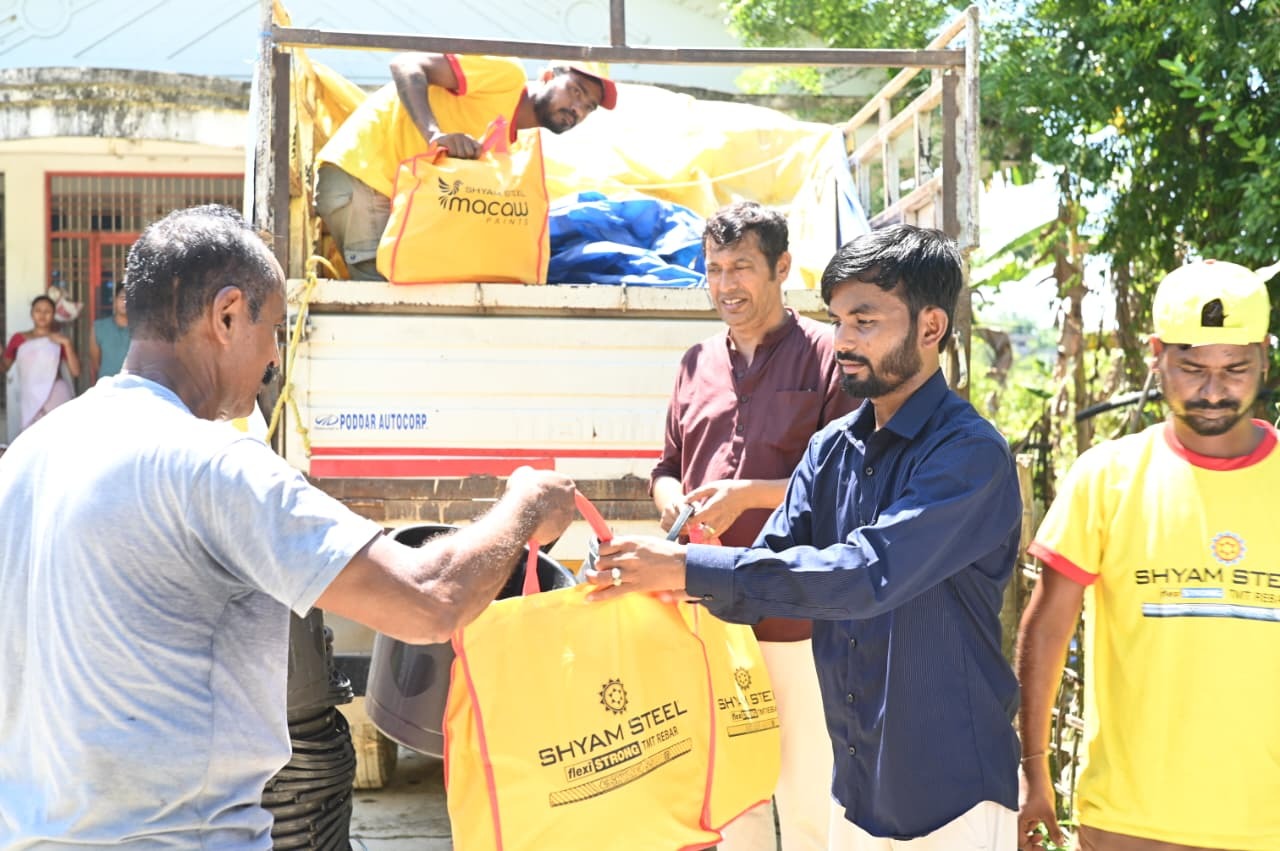
The effort behind Together We Rebuild, covered 10 villages across the two districts and benefited around 1,500 families. The relief effort was planned with a focus on communities that had faced significant disruption due to prolonged flooding, including damage to homes and infrastructure, loss of livelihoods and limited access to essential services.
The assistance comprised utensil kits, blankets, mosquito nets and phenyl/disinfectants. The relief materials were identified with consideration to the immediate needs of families during the post–flood period, particularly household requirements, bedding and sanitation.
Sivasagar and Charaideo were identified for the initiative based on the severity of the flooding and the humanitarian requirements of affected communities. Inputs from Assam State Disaster Management Authority flood situation reports, district-level information and ground-level assessments were considered in identifying priority areas and understanding the needs of affected families. The programme was implemented with the involvement of the companies’ trade networks in the steel and paints sectors, while local community inputs helped facilitate the distribution of relief materials.
Commenting on the initiative, Mr. Lalit Beriwala, Director, Shyam Steel, said,
“The impact of a flood continues well beyond the immediate crisis, particularly for families who have lost household essentials, faced damage to their homes and are working to restore their everyday lives. Through this initiative, Shyam Steel and Macaw Paints’ joint effort was to support communities with some of the basic requirements that could make the recovery period a little more manageable. We hoped this assistance would reach families at a time when they needed continued support to rebuild their daily lives.”
The initiative also took into account the challenges faced by affected communities after floodwaters recede. In addition to damage to residential homes and disruption of connectivity, the floods have affected agricultural and livelihood activities and led to concerns around drinking water and sanitation. Shortages of bedding, clothing and other essential items have further added to the difficulties faced by several households.
The relief programme was completed over a period of approximately seven to eight days, subject to weather conditions and accessibility of the affected areas. The initiative was intended as a post-disaster support measure, with the focus remaining on delivering need-based assistance to families as they transition from immediate flood response towards recovery.
By directing relief towards practical household and sanitation requirements, the programme contributed to the restoration of basic living conditions for affected families while complementing the broader relief and recovery efforts underway across the flood-affected communities of Upper Assam.
19, Aug 2026
Antaranga: Boundless Longing – Presented by Ekatvam
BENGALURU, India, Aug. 19, 2026 /PRNewswire/ — Antaranga: Boundless Longing, a classical music and dance production presented by Ekatvam, recently concluded to a full house at the Prestige Centre for Performing Arts. The event marked a significant step for the Indian classical arts, demonstrating that traditional forms can successfully engage audiences in large-scale arena formats when presented with a unified vision.

The production brought together renowned Carnatic vocalist Sandeep Narayan and acclaimed Kalakshetra-trained classical dancer Radhe Jaggi. Performing together on a single stage for the first time, the husband-and-wife duo presented a seamless blend of Carnatic music, Bharatanatyam, and the ancient martial art form Kalaripayattu along with Project Samskriti. Together, they delivered a continuous, theatrical narrative exploring the emotions of longing and connection.
“We rarely pay for music in India the way we pay for everything else we value… To attempt that scale, everything has to rise together. The theme, the concept, the performers, the sound, the decor — each has to earn its place in a room built for something larger than a concert.” — Rajmohan Krishnan, Founder Trustee of Entrust Foundation
The initiative was well-received by the public, reaching full capacity 16 days prior to the event. This response confirms the presence of a dedicated audience willing to support classical art when presented in an expansive, high-quality format.
Antaranga featured an ensemble of accomplished musicians, including Subhiksha Rangarajan, Lalit Talluri, HN Bhaskar, Bharat Damodaran, Akshay Yesodharan, Prankur Kataria, Sumesh Narayan, and MT Aditya. Creative head Rupin Suchak alongside Sandeep Kumar & team, designed the visual layout, which was illuminated by Prathmesh and Gowtham. The evening was further highlighted by the attendance of Sadhguru, who joined as a guest to experience the performance.
About Ekatvam
Ekatvam is a dedicated cultural initiative by the Entrust Foundation. Its core mission is to preserve and present India’s classical and cultural traditions in formats suited for contemporary audiences. At Ekatvam, we are deeply committed to enhancing the quality of life for the elderly — helping them feel seen, valued, and connected in a fast-paced world where time is often the rarest gift.
By creating platforms that elevate traditional arts into large-scale, immersive experiences, Ekatvam aims to ensure the continuity and relevance of India’s profound artistic heritage.
For more information, visit: ekatvam.co.in/antaranga.
Photo: https://mma.prnewswire.com/media/3008801/EKATVAM_Antaranga.jpg
Email:
hello@ekatvam.co.in
 View original content to download multimedia:https://www.prnewswire.com/in/news-releases/antaranga-boundless-longing—presented-by-ekatvam-302854274.html

19, Aug 2026
ACES India Signs 25-Year Agreement with Reliance Jio to Enable 4G and 5G Connectivity across Mumbai Metro Aqua Line-3
NEW DELHI, Aug. 19, 2026 /PRNewswire/ — ACES India Private Limited, a leading neutral digital infrastructure company and wholly owned subsidiary of ACES, today announced the signing of a 25-year agreement with Reliance Jio to enable 4G and 5G mobile connectivity across the Mumbai Metro Aqua Line-3 network.
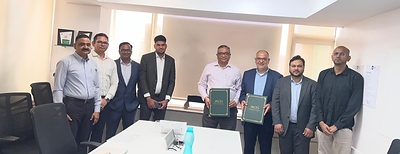
The agreement marks a significant milestone in strengthening next-generation telecom infrastructure across one of Mumbai’s most critical urban transportation corridors. Under this long-term partnership, Reliance Jio will deliver 4G and 5G services over the mobile infrastructure deployed by ACES India, enabling seamless, high-capacity connectivity across the metro’s underground stations and tunnels.
Spanning approximately 33.5 kilometres with 27 stations, from Aarey JVLR to Cuffe Parade, Mumbai Metro Aqua Line-3 connects key commercial, residential and transportation hubs across the city. The network infrastructure is built to serve an ultimate capacity of more than 625 million passengers annually.
The deployment will support high-speed data, voice and digital services across stations, platforms, concourses and underground tunnels, providing reliable connectivity throughout the commuter journey.
Dr. Akram Aburas, Group CEO, ACES, said, “The signing of this 25-year agreement with Reliance Jio reinforces our vision of building future-ready digital infrastructure in high-density urban environments. Enabling seamless 4G and 5G connectivity across Mumbai Metro Aqua Line-3 will help redefine the connected commuter experience.”
Mr. Mohammed N. Mazher, Managing Director, ACES India, said, “This agreement reflects ACES India’s capabilities in delivering sophisticated telecom infrastructure for complex environments. Our focus is to provide a robust, scalable and future-ready platform supporting seamless connectivity and the evolving digital requirements of Mumbai’s commuters.”
The partnership further reinforces ACES India’s position as a neutral digital infrastructure provider, creating a scalable ecosystem capable of supporting growing mobile data consumption and next-generation digital services across Mumbai’s metro network.
Media Contact : pradnya.whitecrowpr@gmail.com


 View original content to download multimedia:https://www.prnewswire.co.uk/news-releases/aces-india-signs-25-year-agreement-with-reliance-jio-to-enable-4g-and-5g-connectivity-across-mumbai-metro-aqua-line-3-302854418.html

18, Aug 2026
Piramal Pharma Limited Completes Acquisition of Controlling Stake in Yapan Bio Private Limited
- Yapan Bio Private Limited specializes in process development, characterization, and phase I and II GMP manufacturing services for vaccines and biologics.
- Piramal has held a stake in Yapan Bio since 2021, enabling the Company to provide a broad range of capabilities across biologics development and manufacturing.
- This acquisition transforms Yapan Bio from Piramal’s associate company to its subsidiary, enhancing the Company’s ability to offer complex, integrated large molecule CDMO services.
MUMBAI, India, Aug. 18, 2026 /PRNewswire/ — Piramal Pharma Ltd. (NSE: PPLPHARMA) (BSE: 543635) (“PPL) has completed the acquisition of an incremental 40.67% stake in Yapan Bio Private Limited (“Yapan Bio”), a Hyderabad-based CDMO specializing in vaccines and biologics for an aggregate cash consideration of ₹76 crore, or $7.95M USD. As a result of this transaction, PPL now owns 74% of Yapan Bio’s equity, making Yapan Bio a subsidiary of PPL.
Finalized on August 18, 2026, the acquisition marks a major step forward in PPL’s long-range plan to expand its presence in the biologics sector. With the finalization of this deal, PPL will fully embed the subsidiary’s advanced large molecule capabilities into its integrated service offering, enabling the Company to offer customers broader services in the space and expanding its ability to develop and scale complex biologic therapies with greater efficiency. The subsidiary will continue to operate within the structure of Piramal Pharma Solutions (PPS), the CDMO arm of PPL.
Yapan Bio also directly supports ADCelerate™ — PPS’s fixed-price, integrated platform that streamlines Phase I ADC development from R&D to GMP in as little as 12 months. This acquisition further enhances ADCelerate™ and reinforces PPL’s ability to deliver life-saving ADCs to market with speed and consistency.
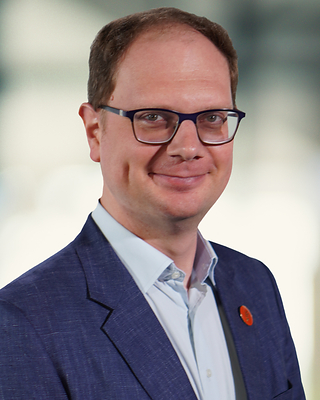
“This strategic investment doesn’t just fuel our long-term growth; it also puts Patient Centricity into action,” said Peter DeYoung, CEO, Piramal Global Pharma. “By integrating Yapan Bio’s specialized expertise into our global network, we’re empowering our partners to meet a rising global demand for complex biologics and helping patients worldwide secure continued access to the therapies they need.”
About Piramal Pharma Solutions
Piramal Pharma Solutions (PPS) is a Contract Development and Manufacturing Organization (CDMO) offering end-to-end development and manufacturing solutions across the drug life cycle. We serve our customers through a globally integrated network of facilities in North America, Europe, and Asia. This enables us to offer a comprehensive range of services including drug discovery solutions, process and pharmaceutical development services, clinical trial supplies, commercial supply of APIs, and finished dosage forms. We also offer specialized services such as the development and manufacture of highly potent APIs, antibody-drug conjugations, sterile fill/finish, peptide products and services, and potent solid oral drug products. PPS also offers development and manufacturing services for biologics including vaccines and gene therapies, made possible through Piramal Pharma Limited’s subsidiary, Yapan Bio Private Limited.
For more information visit: Piramal Pharma Solutions | LinkedIn| Facebook | X
About Piramal Pharma Limited
Piramal Pharma Limited (PPL, NSE: PPLPHARMA I BSE: 543635), offers a portfolio of differentiated products and services through its 17 global development and manufacturing facilities and a global distribution network in over 100 countries. PPL includes Piramal Pharma Solutions (PPS), an integrated contract development and manufacturing organization; Piramal Critical Care (PCC), a complex hospital generics business; and the Piramal Consumer Healthcare business, selling over-the-counter consumer and wellness products. In addition, one of PPL’s associate companies, Abbvie Therapeutics India Private Limited, a joint venture between Abbvie and PPL, has emerged as one of the market leaders in the ophthalmology therapy area in the Indian pharma market.
For more information, visit: Piramal Pharma | LinkedIn

 View original content to download multimedia:https://www.prnewswire.co.uk/news-releases/piramal-pharma-limited-completes-acquisition-of-controlling-stake-in-yapan-bio-private-limited-302854503.html

18, Aug 2026
Kat Florence Hotel Enters Its Next Chapter, Introducing The Kat Florence Reserve, Imperial Jade Manor and Every-Night Star Chef Dinners Included
The acclaimed Elora haven evolves with 100-acre private nature conservation, a historic Canadian manor for private escapes, a museum-worthy collection of 7 figure gemstones in the hotel walls, and an elevated culinary programme of rotating star Chef dinners including newly arrived Royal Chefs.
ELORA, ON, Aug. 18, 2026 /PRNewswire/ — Kat Florence Hotel, the intimate luxury retreat built by seven-time world record-breaking rare gemstone artist Kat Florence, unveils its most significant evolution since opening. On September 1, the hotel will introduce The Kat Florence Reserve, a private 100-acre wilderness sanctuary; the Imperial Jade Manor, an exclusive, 1870’s Canadian heritage residence featuring jaw-dropping restorations like a 6-figure custom stone hot bath beneath the stars and Canada’s first Top Chef Winner as guests’ Private On-Site Chef; an evolving collection of some of the world’s most extraordinary, multi-million-dollar Kat Florence gemstones imbedded in the hotel’s very walls; and a series of stay-inclusive, nightly culinary experiences led by internationally acclaimed celebrity and Royal Chefs.

Together, the additions represent a natural evolution for the celebrated boutique hotel, further establishing it as one of Canada’s most high end, private, ultra-rarity-seekers’ travel destinations where fine artistry, royal hospitality, and nature’s beauty exist in remarkable harmony.
“Everything I make, I make because it exists only once,” says Kat Florence. “That’s true of the stones I set, and it’s true of this hotel. I do not build for more guests. I build so the guests I do have receive something that can’t be repeated anywhere else. Every layer I’ve added is something I’d want for someone I love staying under my own roof.”
At the heart of the experience is the Kat Florence Reserve, an exclusive 100-acre private nature sanctuary that extends the guest experience beyond the hotel’s historic limestone.
Accessible only to selected hotel guests and by invite-only, the Reserve estate includes Kat’s personal residence, and encompasses protected forest and wildlife, 2500 linier feet of secluded riverbanks and 100 acres of a private natural reserve of the famous Elora Gorge. Invited guests will experience the grounds with Kat’s Private Reserve Guide, exclusively one couple or suite at a time (to protect the land), to enjoy restorative forest walks, local wildlife spotting, and luxury picnics at the Gorge river. The conservation is not and will never be intended for the masses; Kat Florence passionately purchased this land in her hometown to ensure it never gets corporation-developed on, and that this sanctuary of her childhood remains lovingly cared for but vastly untouched for the plant and wildlife within.
Imperial Jade Manor
Complementing the introduction of the Reserve is Imperial Jade Manor, a meticulously Kat-restored heritage residence (formerly Rosemount Cottage, est. 1870’s, and later Saint Margaret’s All Girls School) the artist personally lived in and hosted numerous VIP gem clients and celebrities in over the years. The acre estate was raised in the Italianate Revival style from limestone quarried close to home – the same stone that has given Elora its character since the mid-nineteenth century.
In addition to expected grandiose elements like in-residence spa facilities, 6-figure custom stone hot bath beneath the stars, 60 foot swimming pool and much more, the Imperial Jade Manor houses its own, celebrity Private Chef to cater to those staying in residence: Chef Dale Mackay, Canada’s first Top Chef winner, the formerly youngest ever recipient of the Relais & Chateaux Grand Chef designation, former Head Chef for Gordon Ramsey in New York and Japan, former Executive Chef of Daniel Boulud’s Dinex Group and many more.
Nightly, Star Chef Dinners Included For All Hotel Guests (And The New, Royal Chef)
Every stay at The Kat Florence Hotel is accompanied by a multi-course tasting dinner each and every night, prepared and led by a team of her rotating Master Chefs. Renowned names of her Chef fleet including Anthony Bish (as seen on Master Chef, Iron Chef, cooking for royal families and more) and Chef Marc Collyer (formerly of twice Michelin starred The Manor House UK), and newly arrived to the fleet is Private Chef to the stars and royals around the globe as well as international television personality Neill Anthony. Chef Neill comes from decades of Michelin fine dining abroad (with Gordon Ramsay, Marcus Wareing and Alyn Williams), and has cooked for an endless list of the world’s most private and wealthy include Britain’s King Charles, Prince and Princess of Wales, William and Kate, Elton John, Madonna, U2, Paul McCartney, been on tour with Middle Eastern Royal families as their private on-call Chef, and much more.For those fortunate to get an invite, royalty-regular Chef Neill will be cooking at Don & Kat’s Private Dining escape on the river, a tranquil riverside space, with private terrace overlooking the Grand River.
The new Library on the River offers an additional peaceful setting for hotel guests to read, work, relax and take in the surrounding landscape. Complimentary Sundowners happen once or multiple times during your stay inspired by luxury safari lodges of Southern Africa, where guests gather and mingle for outdoor drinks before supper.
When you stay at the house of Kat Florence, you never know which of her Master Chefs will be entertaining you that evening, or what inspired ingredients and flavours you’ll be experiencing. You just know you’ll be sitting down to the rarest of elite Chef dining experiences on Earth, every night you’re staying in her haven – her gift to all her guests.
A Living Gemstone Gallery
Art has always been at the heart of Kat Florence’s vision, and beginning this season, guests will discover an evolving collection of museum-worthy, 7 figure value gemstones displayed throughout the hotel’s original 1848 limestone walls, transforming the historic building’s Living Room into a living gallery unlike any other in North America.
Carefully curated from the Kat Florence Atelier, the rotating collection includes the largest, flawless 424.8 carat Royal Velvet Blue Tanzanite ever offered at auction, the largest matching pair of Flawless Unheated Paraiba earrings to ever go to auction and the world’s largest flawless 52.48 carat Jeremejevite set in D flawless diamonds. Rather than sitting behind traditional museum displays, these extraordinary works instead provide inviting moments of unexpected discovery as guests move through the property.
Since opening, Kat Florence Hotel has earned international recognition for its intimate, highly personalized approach to ultra-rare travel experiences and royal hospitality. This expansion builds on that vision while further establishing both the hotel and Elora as one of Canada’s most compelling, exclusive tourism destinations.
Press here for full photo gallery of Coco Rocha and Kat Florence
For interviews, media visit requests or additional high res images contact: service@strategyhouseagency.com
About Kat Florence Hotel (www.katflorencehotels.com / @katflorencehotels)
Nestled along the banks of the Grand River in the heart of Elora, Ontario, Kat Florence Hotel is an intimate prestige retreat founded by world-renowned jewellery designer and seven-time world record-breaking rare gemstone artist Kat Florence. Housed within a meticulously restored 1848 limestone building, the hotel seamlessly blends heritage architecture with contemporary luxury through thoughtfully designed accommodations, exceptional dining and deeply personalized service.
All guest stays at Kat Florence Hotel famously include:
*Chef’s Tasting Dinner by one of Kat’s world-renowned star Chefs every night you stay
*Breakfast baskets, freshly baked & delivered to your room each morning, just-made by Chef Marc Collyer (formerly of Michelin “The Manor House” in The Cotswolds)
*Chilled welcome bottle of Veuve Clicquot Champagne, love Kat x
*60 Minute, La Mer-infused massage in your suite by Kat’s personal, Master Masseuses
*Outdoor Nordic spa hot & cold therapy pools, sauna and fireplace
*Limitless, day to night access to edible art at the hotel’s ‘Infinity Patisserie’ by Chef Marc
*Rolls Royce & Bentley chauffer and valet service
*Personal concierge service for your every errand or need




 View original content to download multimedia:https://www.prnewswire.co.uk/news-releases/kat-florence-hotel-enters-its-next-chapter-introducing-the-kat-florence-reserve-imperial-jade-manor-and-every-night-star-chef-dinners-included-302854367.html

18, Aug 2026
/UPDATE — ETS/
In the news release, ETS and Passage Announce Strategic Partnership to Revolutionize Global Talent Pathways, issued 18-Aug-2026 by ETS over PR Newswire, the original version contained incorrect information introduced by PR Newswire during transmission. The complete, corrected release follows, with additional details at the end:
ETS and Passage Announce Strategic Partnership to Revolutionize Global Talent Pathways
PRINCETON, N.J., Aug. 18, 2026 /PRNewswire/ — ETS, a global education and talent solutions organization, and Passage, the AI infrastructure for human potential, today announced a strategic partnership designed to connect millions of students with life-changing opportunities and give institutions the intelligence to find them.
By bringing together trusted TOEFL and GRE assessment insights with Passage’s advanced AI processing, matching, and engagement capabilities, the partnership will help institutions more effectively identify and connect with best-fit students at scale. Students will gain a faster, more transparent path from discovery to enrollment.
ETS selected Passage as its exclusive strategic AI and technology partner to extend the reach and utility of TOEFL and GRE within the education ecosystem. Through the collaboration, TOEFL and GRE will be integrated with Passage’s technology, creating new opportunities to use trusted assessment information within AI-enabled workflows, while maintaining ETS’s existing role in assessment delivery and administration.
This fall, ETS and Passage will introduce the first of these capabilities for both institutions and students.
ETS will retain full ownership and operational control of its assessments, including test development, delivery, scoring, security, psychometric research, and validity standards, reinforcing its role as the research-backed trusted assessment owner of TOEFL and GRE.
“Our partnership with Passage reflects ETS’s commitment to helping students and institutions navigate a rapidly evolving global enrollment landscape,” said Janet Garcia, President of ETS. “Together, we aim to support institutions by using the latest technology to unlock stronger global recruitment pathways while also expanding access to educational opportunities for students around the world.”
“Our mission is to provide access to life-changing opportunities. Fifty years ago, my father took the TOEFL, and it opened the door to his engineering degree. Fifteen years ago, I took the same test, and it opened the door to mine,” said Martin Basiri, CEO of Passage. “For decades, TOEFL and GRE have given students a way to signal their academic readiness to institutions around the world. Passage is building the AI infrastructure that turns that into opportunity at a scale neither of us could have imagined, so millions of students can find the institutions already looking for them.”
To get updates on the official release of Passage solutions for institutions, register at www.passage.com/institutions.
About ETS
ETS is a global education and talent solutions organization enabling lifelong learners to be future ready. Our mission – advancing the science of measurement to power human progress – ensures our focus to enable everyone, everywhere, to demonstrate their skills and chart their path to future readiness for life. We are committed to readying 100M+ people for the next generation of jobs by 2035. We deliver on this commitment through trusted assessments and skills solutions – including TOEFL, TOEIC, GRE, Praxis and Futurenav – and groundbreaking initiatives powered by our Research Institute. With a robust global footprint, including subsidiaries (PSI), offices and operations in more than 200 countries and territories, we help over 50 million individuals each year measure their proficiency and unlock new opportunities. Discover how we expand our worldwide impact: www.ets.org
About Passage
Passage is on a mission to provide access to life-changing opportunities. Passage is the AI infrastructure for human potential, giving institutions the intelligence to find qualified students they have no way to reach today, and giving those students a direct path to the opportunities that fit. Learn more at www.passage.com.
Correction: The quote from Martin Basiri was inadvertently omitted from the original distribution.
 View original content:https://www.prnewswire.co.uk/news-releases/ets-and-passage-announce-strategic-partnership-to-revolutionize-global-talent-pathways-302854229.html

18, Aug 2026
GameChange Energy Breaks Ground on Major EHV Transformer Factory Expansion — Securing Critical Power Infrastructure for Customers Worldwide
Production is scheduled to begin in Q1 2028, with EHV Power Transformers rated up to 300 MVA and 500 kV available for ordering now
NORWALK, Conn., Aug. 18, 2026 /PRNewswire/ — GameChange Energy, a global provider of renewable energy infrastructure solutions, announced that it has broken ground on a major expansion of its transformer manufacturing operations in Mumbai. The company is making a substantial capital investment in a new 300,000-square-foot EHV transformer factory to expand production capacity and help meet growing global demand for critical power infrastructure.

The factory will produce EHV Power Transformers rated up to 300 MVA and 500 kV, with a planned annual capacity of 150 medium to large power transformers. Production is scheduled to begin in Q1 2028, and the company is accepting orders now.
The site is also designed to accommodate a future expansion of GameChange Energy’s existing medium-voltage (MV) transformer operations, adding capacity for an additional 500 transformers per year to support growing demand for pad-mounted transformer production.
“This expansion is a significant investment in the manufacturing capacity needed to address industry-wide transformer supply constraints,” said Phillip Vyhanek, Chief Executive Officer of GameChange Energy. “Customers can order the EHV transformers now, giving them the opportunity to secure critical equipment for upcoming projects as we prepare to begin production in Q1 2028. By significantly expanding our EHV transformer manufacturing capacity, we will help our customers build reliable, resilient power infrastructure while strengthening our global supply chain and long-term commitment to advanced manufacturing in India.”
About GameChange Energy
GameChange Energy is a global energy infrastructure company delivering integrated, highly engineered solutions for utility-scale renewable energy and critical power applications. Through our portfolio of operating companies, we provide solar trackers, fixed-tilt mounting systems, eBOS solutions, transformers, drone-based asset inspection, and customized infrastructure solutions for renewable energy plants, data centers, and battery energy storage systems (BESS). Our technologies are designed to reduce risk, improve performance, and deliver reliable operation worldwide. GameChange Energy is engineering the future of clean energy infrastructure.
For more information about GameChange Energy, visit www.gamechangeenergy.com.
Media Contact
Lisa Andrews
Director of Marketing, GameChange Energy
lisa.andrews@gamechangeenergy.com
 View original content to download multimedia:https://www.prnewswire.co.uk/news-releases/gamechange-energy-breaks-ground-on-major-ehv-transformer-factory-expansion–securing-critical-power-infrastructure-for-customers-worldwide-302854242.html

18, Aug 2026
GenScript Reports 27.3% First-Half 2026 Revenue Growth as AI Drug Discovery Business Doubles
Adjusted net profit surges 203.3% as Gene-to-Protein generates two-thirds of GenScript Life Science Group revenue
PISCATAWAY, N.J., Aug. 18, 2026 /PRNewswire/ — GenScript Biotech Corporation (HKEX: 1548) reported first-half revenue of approximately US$404.2 million on a comparable basis, up 27.3% year over year, while adjusted net profit rose 203.3% to approximately US$62.5 million. The results reflect strong growth across its core businesses, improved operating efficiency, and accelerating demand for AI-enabled drug discovery services.

The AI-enabled drug discovery business doubled year over year and maintained rapid growth for a third consecutive half-year reporting period, driven by demand from AI-focused biotechnology companies and pharmaceutical innovators. Gene-to-Protein accounted for approximately 66% of GenScript Life Science Group revenue and remained the company’s primary growth engine.
GenScript’s Gene-to-Protein platform combines scientific expertise, automation, and global manufacturing capacity in an integrated workflow spanning discovery, experimental validation, early development, and production support. As AI increases the scale and complexity of drug discovery, these capabilities help customers validate candidates and advance programs with greater speed and reliability.
“Our first-half results reflect strong execution across the portfolio, with our core businesses driving both revenue growth and improved profitability,” said Sherry Shao, Rotating CEO of GenScript. “We see significant long-term opportunity as AI reshapes life sciences and increases demand for experimental validation and development services. By expanding our global Gene-to-Protein platform, automation, digital manufacturing, and delivery network, we are strengthening GenScript’s role as a critical infrastructure partner for AI-enabled drug discovery.”
First-Half 2026 Highlights
GenScript Life Science Group
- Revenue of approximately US$319.0 million, up 28.8%
- Adjusted gross profit of approximately US$184.5 million, up 46.1%
- Adjusted operating profit of approximately US$94.0 million, up 102.8%
- Gene-to-Protein accounted for approximately 66% of segment revenue and remained the primary growth engine
AI-Enabled Drug Discovery
- AI-enabled drug discovery business doubled year over year and maintained rapid growth for a third consecutive half-year reporting period
- Growth reflects deeper engagement with AI drug discovery companies and increasing demand for protein engineering, biologics discovery, and development services, reinforcing GenScript’s position as a validation and infrastructure partner within the AI drug discovery ecosystem
ProBio
- Revenue increased 34.2% on a comparable basis to approximately US$61.1 million
- New orders increased 54%
- Adjusted operating loss narrowed 22.5% to US$24.3 million
- Continued order growth and improving operating efficiency support ProBio’s expectation of achieving positive adjusted earnings before interest, taxes, depreciation, and amortization (EBITDA) by 2027
Bestzyme
- Revenue of approximately US$30.4 million, up 7.4%
- Adjusted gross profit of approximately US$13.0 million, up 14.0%
Integrated Capabilities Support Growth Across the Portfolio
The recovery in global biopharmaceutical research activity and the expanding use of AI are increasing the number and complexity of programs moving from computational design into experimental validation, development, and production. This shift is creating demand for integrated scientific, automation, and manufacturing infrastructure that can support customers across the drug-development workflow.
GenScript connects gene synthesis, protein production, antibody discovery, biologics development, automation, and global manufacturing in a single workflow. This infrastructure enables AI-focused biotechnology companies and pharmaceutical innovators to validate more candidates, identify viable programs, and advance them through early development and production without coordinating multiple service providers.
To support rising demand, GenScript continues to invest across its global discovery and manufacturing network, expanding capacity, shortening turnaround times, and enhancing automation and digital workflows. These investments are improving consistency and scalability as AI-driven customer projects grow increasingly complex.
Across the portfolio, ProBio benefited from growing demand for biologics development and manufacturing services while improving operating performance and building an order base that supports future revenue growth. Bestzyme continues to invest in enzyme engineering and AI-enabled synthetic biology technologies designed to improve research efficiency, reduce production costs, and accelerate new product development.
Outlook
GenScript enters the second half of 2026 with continued momentum across GenScript Life Science Group, ProBio, and Bestzyme, supported by a growing order base across its core businesses.
The company expects higher demand, increased utilization across its global network, and further operating leverage to support continued revenue growth and profitability improvement. Ongoing investment in technology, automation, and capacity is expanding GenScript’s ability to support larger and more complex AI-enabled drug discovery programs, while ProBio’s growing order base and Bestzyme’s enzyme engineering and AI-enabled synthetic biology capabilities provide additional platforms for long-term growth. As adoption expands across these businesses, GenScript expects to deepen customer relationships, strengthen global delivery, and build its position as a critical infrastructure partner supporting next-generation therapeutic and biotechnology innovation.
Additional financial information, including consolidated and segment results, is available in GenScript’s First-Half 2026 Results Announcement published on The Stock Exchange of Hong Kong Limited on August 16, 2026, as well as on the GenScript website.
About GenScript Biotech Corporation
Founded in New Jersey in 2002, GenScript Biotech Corporation supports biotechnology and healthcare innovation through its integrated portfolio of research, development, and manufacturing services. Guided by its mission to Make People and Nature Healthier Through Biotechnology, GenScript has more than 6,100 employees and serves over 200,000 customers across more than 100 countries and regions, including the world’s top 20 pharmaceutical companies. For more information, visit www.genscript.com.
Investor and Media Contacts
Investor Relations
Email: ir@genscript.com
Media Contact
Kate Grusich, Senior Corporate Communications Manager
Katherina.Grusich@genscript.com

 View original content to download multimedia:https://www.prnewswire.co.uk/news-releases/genscript-reports-27-3-first-half-2026-revenue-growth-as-ai-drug-discovery-business-doubles-302854182.html

18, Aug 2026
TestMu AI Launches Agent Assurance to Verify AI Agents Before They Ship
The new product verifies both the AI agents that talk to customers and the agents that act on systems, generating test scenarios directly from code, grading every action against real evidence, and reporting an assurance gap for everything it could not verify
SAN FRANCISCO and NOIDA, India, Aug. 18, 2026 /PRNewswire/ — TestMu AI (formerly LambdaTest), the world’s first Agentic AI-native Quality Engineering platform, announces Agent Assurance, a product built to answer the question every engineering team shipping AI agents now faces: is this agent safe to ship? Agent Assurance covers both kinds of agent in one product: the Conversational Agent category – which evaluates human-facing agents across chat, voice, phone, video, and image; and the new Autonomous Agent category, which verifies agents that act on systems: calling tools, writing files, hitting APIs, and opening pull requests.

Most teams today test autonomous agents by reading the agent’s own account of what it did: a transcript, or a judge’s score over its final message. Agent Assurance grades the effect instead. Pointed at a codebase, it works out what the agent does, generates an end-to-end agent testing suite that spans agent functional testing, non-functional checks, and adversarial scenarios, invokes the agent for real, and judges every criterion against observed evidence: files that changed on disk, artifacts produced, and tool calls verified against the agent’s own declared tool surface.
Alongside pass and fail, Agent Assurance reports a third verdict, unable to verify, excluded from the pass rate and published as a number: the assurance gap. Every result in a report is one that was actually observed, and because the gap reflects how much an agent records about its own actions, teams can shrink it by making their agents more observable.
“Engineering teams are accumulating validation debt at exactly the layer where the stakes are highest. An agent’s account of what it did is the weakest evidence available about what it did – it is the one party with a reason to be wrong,” said Vipul Verma, Group SVP Of Engineering, TestMu AI. “Every tool in this space reports a pass rate. Agent Assurance reports the pass rate and the size of its own blind spot, because that is the only way the number becomes one you can trust to move.”
With Agent Assurance, teams can:
- Test without writing tests — agent automation testing where the suite is derived from the codebase; the only input is how to invoke the agent, whether a command, an HTTP endpoint, an MCP server, or a workflow built on platforms like n8n.
- Cover the adversarial surface by default — prompt injection, tool misuse, and instruction-override scenarios are generated as a first-class family, not an add-on.
- Gate releases in CI — continuous agent testing in every pipeline, from agent smoke testing on each commit to full pre-release runs, with headless commands and exit codes that distinguish “the agent did something wrong” from “the harness could not test it.”
- Track change with confidence — agent regression testing with run-over-run diffs that separate newly failing, newly fixed, and flaky results, since flakiness and regression call for opposite responses.
The Conversational Agent category is also expanding to the newest surface where software meets people: agents that appear on camera. With the platform’s new Video Agent Testing (Link) capability, a simulated human with a realistic face and voice joins a live video agent’s session, holds a genuine conversation, and grades the agent against team-defined success criteria, with every verdict traced to the exact moment in the recording that earned it. Anything unverifiable from the recording is deliberately counted as not met, a strict standard for a category where the recording is the evidence: a video agent never earns credit for a moment the evaluator could not observe.
The Conversational Agent category is generally available on the TestMu AI platform today. The Autonomous Agent category is available in early access and runs from the terminal as rook, with models executing in the TestMu AI controller so no provider API keys are needed locally. To get started, visit Link.
About TestMu AI
TestMu AI is the world’s first Agentic AI-native Quality Engineering platform, designed to enable organizations to automate and scale testing with intelligence at its core. By combining autonomous capabilities with seamless integration across modern development workflows, TestMu AI empowers teams to deliver faster, more reliable, and secure software in an AI-first world.
For more information, visit TestMu AI
 View original content to download multimedia:https://www.prnewswire.co.uk/news-releases/testmu-ai-launches-agent-assurance-to-verify-ai-agents-before-they-ship-302854205.html



