


20, Jul 2026
Odisha Student Wins Gold at International Chemistry Olympiad
Bhubaneswar, July 20 (UDN): Bhubaneswar student Debadatta Priyadarshi has won a gold medal at the 58th International Chemistry Olympiad (IChO) 2026, bringing recognition to Odisha and India at the global stage.
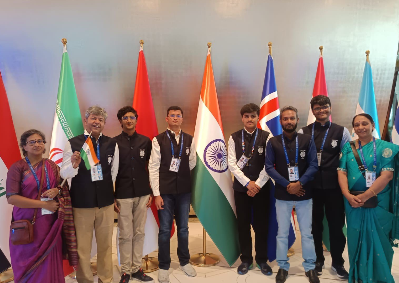
Held in Tashkent, Uzbekistan, the prestigious competition saw participation from students representing 93 countries. Debadatta was among four Indian students who secured gold medals, marking a historic achievement for the country with its first-ever all-gold medal performance at the International Chemistry Olympiad.
Along with Debadatta, Harshit Singla from Punjab, Kabeer Chillar from Delhi, and Sandeep Kuchi from Hyderabad also earned gold medals, helping India achieve a top position in the overall medal standings.
The achievement has been widely appreciated as a reflection of India’s growing strength in science and the exceptional talent of its young students. The success of the Indian team highlights the importance of academic excellence, innovation, and dedication in scientific fields.
Odisha Governor Dr. Kambhampati Hari Babu congratulated the young achievers, praising their accomplishment as a symbol of India’s scientific potential and the capabilities of the country’s youth.
Debadatta’s remarkable performance has brought pride to Odisha and inspired students across the state to pursue excellence in science and technology.
- 0
- By Neel Achary

20, Jul 2026
Students Develop Impact-Resistant Sports T-Shirt, Win National Hackathon Recognition
New Delhi, July 20: Three students have won national recognition at a hackathon for developing an innovative impact-resistant sports T-shirt aimed at improving athlete safety and comfort.
The student team created a unique sportswear solution designed to provide better protection against physical impacts while maintaining flexibility and ease of movement. The innovation focuses on addressing safety concerns in sports by combining practical design with advanced materials.
The project impressed the jury for its creativity, functionality, and potential to benefit athletes. The achievement highlights the growing role of young innovators in developing solutions that address real-world challenges through technology and design.
The national hackathon provided a platform for students to present innovative ideas across various fields, encouraging creativity, entrepreneurship, and problem-solving among the next generation of innovators.
The success of the students reflects the increasing importance of sports technology and the potential of youth-led innovations to contribute to safer and more advanced sporting environments.
20, Jul 2026
NRI Inflows to Strengthen India’s Banking Sector, Deposit Growth Expected to Reach 15 pc in FY27
New Delhi, July 20: Rising inflows from Non-Resident Indians (NRIs) are expected to provide a significant boost to India’s banking sector, with deposit growth projected to accelerate to around 15% in the financial year 2026-27.
The increase in NRI deposits is likely to support banks by improving liquidity and strengthening their funding base. Higher remittances and overseas investments from the Indian diaspora are expected to contribute to the growth of deposits while supporting the country’s financial stability.
The projected rise comes at a time when banks are focusing on expanding their deposit base to meet growing credit demand from businesses, individuals, and various sectors of the economy. Strong deposit growth will help financial institutions maintain a healthy balance between lending activities and available funds.
Experts believe continued confidence among overseas Indians, along with India’s economic growth prospects, will remain key drivers of higher inflows in the coming year. The trend is expected to further strengthen the role of the Indian diaspora in supporting the country’s financial ecosystem.
The expected increase in deposits highlights the importance of NRI contributions in boosting banking sector resilience and supporting long-term economic growth.
20, Jul 2026
Tamil Nadu Faces Power Challenges as Weak Monsoon Reduces Hydel Generation
Chennai, July 20: A weaker-than-expected monsoon has impacted hydropower generation in Tamil Nadu, leading to a sharp decline in electricity output from hydroelectric stations and increasing the state’s dependence on costlier power purchases.
Lower rainfall has resulted in reduced water inflows into reservoirs, affecting the availability of hydel power that plays an important role in meeting the state’s energy requirements. To bridge the gap between demand and supply, power authorities have increased procurement from other sources.
The rise in power purchases is expected to put additional pressure on electricity costs, as market-based procurement can be more expensive compared with locally generated hydroelectric power. Officials are closely tracking rainfall patterns and reservoir levels to manage the situation effectively.
Despite the short-term challenges, Tamil Nadu continues to focus on strengthening its energy mix through renewable sources and improving power infrastructure. Authorities remain committed to ensuring a reliable electricity supply for households, industries, and businesses across the state.
The situation also highlights the need for greater energy diversification and sustainable resource management to address weather-related fluctuations in power generation.
20, Jul 2026
Cubarsí Wins Young Player Award, Simón Takes Golden Glove
Madrid, July 20: Spain’s World Cup celebrations continued as defender Pau Cubarsí was honoured with the FIFA Young Player Award, while goalkeeper Unai Simón received the Golden Glove for his outstanding performances throughout the tournament.
Cubarsí impressed with his maturity, defensive ability, and composure on football’s biggest stage, earning recognition as one of the tournament’s most promising young talents. His consistent displays played an important role in Spain’s successful campaign.
Simón was rewarded for his exceptional goalkeeping performances, making crucial saves and providing stability at the back as Spain secured the World Cup title. His leadership and reliability between the posts were key factors in the team’s defensive success.
The individual honours highlighted the strength and balance of Spain’s squad, which combined emerging talents with experienced players to achieve global glory. The awards added to the celebrations following Spain’s historic World Cup triumph and reflected the team’s collective excellence throughout the tournament.
Spain’s success at the FIFA World Cup has further strengthened its reputation as one of the world’s leading football nations, with its players earning recognition for skill, determination, and teamwork.
20, Jul 2026
Spain Crowned FIFA World Cup Champions as Rodri Wins Golden Ball Award
Madrid, July 20: Spain has lifted the FIFA World Cup trophy after a memorable campaign that showcased the team’s tactical strength, resilience, and outstanding teamwork. The victory marks another historic achievement for Spanish football on the global stage.
Spain’s midfielder Rodri was honoured with the Golden Ball award for his exceptional performances throughout the tournament. His leadership, composure, and influence in midfield played a crucial role in Spain’s successful World Cup journey.
The triumph also brought a special emotional moment for Spanish defender Pedro Porro, who fulfilled his grandfather’s dream of seeing Spain become world champions. The achievement added a personal and heartfelt chapter to the team’s celebrations.
Spain’s success was built on a combination of disciplined defending, creative attacking play, and the ability to perform under pressure in key matches. The team’s young talents and experienced players worked together to deliver a memorable tournament performance.
The World Cup victory has sparked celebrations across Spain, with fans applauding the players and coaching staff for bringing home football’s biggest prize. The achievement further strengthens Spain’s legacy as one of the world’s leading football nations.
20, Jul 2026
Kashmir’s Premium Cherries and Plums Reach Singapore, Opening New Export Opportunities for Farmers
New Delhi, July 20: The export of premium cherries and plums from Kashmir to Singapore marks a significant milestone in India’s efforts to expand agricultural exports and strengthen the global presence of its horticultural produce. The initiative is expected to provide fruit growers with access to high-value international markets and contribute to higher farm incomes.
Union Commerce and Industry Minister Piyush Goyal said the shipment reflects India’s growing capabilities in producing and exporting premium-quality fresh produce that meets international standards. He noted that expanding market access for agricultural products remains a key priority in supporting farmers and promoting export-led growth.
The initiative is expected to enhance opportunities for growers in Jammu and Kashmir by improving price realization, encouraging value-added production, and strengthening supply chains for fresh produce. It also highlights the increasing demand for Indian fruits in overseas markets and the country’s commitment to building a competitive agricultural export ecosystem.
The export is expected to pave the way for greater international recognition of Kashmir’s premium fruits while reinforcing India’s efforts to diversify export destinations and create sustainable economic opportunities for farming communities.
20, Jul 2026
Bihar’s INR 3,936 Crore Khagaria–Purnea Highway Project Expected to Strengthen Regional Connectivity
Patna, July 20: The ₹3,936 crore Khagaria–Purnea highway project is expected to improve transportation infrastructure across eastern Bihar, enhancing connectivity and supporting economic activity in one of the state’s major agricultural regions.
The highway will provide a faster and more efficient transport corridor between Khagaria and Purnea, helping improve access to markets for agricultural produce while reducing travel time and logistics costs. The project is expected to benefit farmers, businesses, and local communities by facilitating smoother movement of goods and people.
In addition to strengthening regional connectivity, the highway is projected to create employment opportunities during its construction phase and encourage investment in trade, logistics, and related sectors. Improved infrastructure is also expected to enhance access to education, healthcare, and other public services across the region.
The project forms part of broader efforts to expand Bihar’s road infrastructure and promote balanced regional development. Once completed, it is expected to support economic growth, improve mobility, and contribute to the long-term development of the state’s agricultural heartland.
19, Jul 2026
Dr. Bhargav Mallappa Attends New Delhi Chhatra Sansad as Chief Guest, Encourages Youth to Lead with Purpose
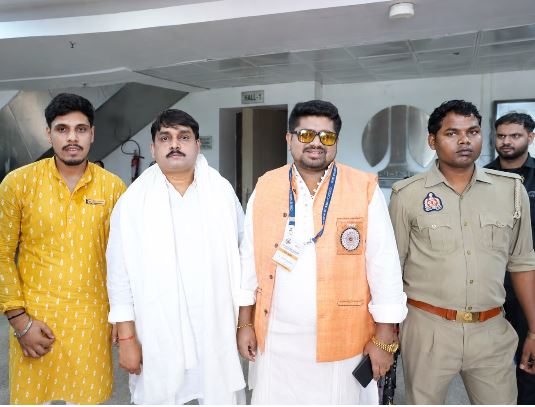
New Delhi, July 19, 2026:
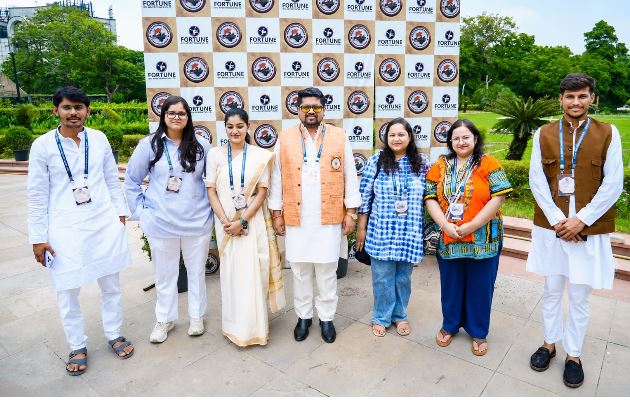
Dr. Bhargav Mallappa, edupreneur, social activist and Founder of the Akhila Sevak Samaj Council under Ministry of corporate affairs,(ASSC) attended the Delhi Chhatra Sansad – India’s Biggest Youth Parliament as the Chief Guest at the NDMC Convention Centre, New Delhi.
The two-day Youth Parliament brought together more than 300 young debaters from over 60 colleges across the country to deliberate on the theme “India Before and After 2014.” The event witnessed the participation of students, academicians, youth leaders and distinguished guests, with over 1,500 attendees taking part in discussions and activities aimed at promoting democratic values, leadership and informed public dialogue.
Addressing the gathering, Dr. Bhargav Mallappa highlighted the importance of youth participation in nation-building and encouraged students to engage with public issues through informed debate, critical thinking and constructive dialogue. He said that platforms such as the Delhi Chhatra Sansad help develop responsible leadership and strengthen democratic values among young people.
During the event, Dr. Mallappa also held discussions with Deputy CM of Delhi, Shri Parvesh Verma and Dr. Binod Kumar Bind, Member of Parliament from Bhadohi, on the importance of youth engagement, leadership development and nation-building initiatives.
He also interacted with participants, appreciated their confidence and preparation, and encouraged them to continue contributing positively to society through knowledge, public service and active civic engagement.
The event concluded with engaging parliamentary debates, discussions on contemporary national issues, and recognition of outstanding participants. The Delhi Chhatra Sansad once again served as a platform for young voices to exchange ideas, develop leadership skills and deepen their understanding of India’s democratic institutions.
18, Jul 2026
FIFA World Cup Impact: US Businesses Face Dollar 11.7 Billion Productivity Loss
July 18: The FIFA World Cup is expected to create a significant impact on workplace productivity in the United States, with businesses potentially losing up to $11.7 billion due to reduced working hours and increased employee engagement with tournament matches.
The global football event has attracted millions of fans, with many employees expected to follow live games, discuss results, and adjust work schedules around key matches. The surge in interest could lead to distractions and reduced productivity across workplaces during the tournament period.
Experts said the World Cup also presents opportunities for businesses, as companies can use the event to boost employee engagement, strengthen workplace culture, and create team-building activities.
While some organisations may experience temporary productivity challenges, the tournament is also expected to generate economic benefits through advertising, broadcasting, tourism, and consumer spending.
The FIFA World Cup continues to be one of the world’s biggest sporting events, bringing together fans globally while creating both opportunities and challenges for businesses.


