


18, Jul 2026
FIFA World Cup Impact: US Businesses Face Dollar 11.7 Billion Productivity Loss
July 18: The FIFA World Cup is expected to create a significant impact on workplace productivity in the United States, with businesses potentially losing up to $11.7 billion due to reduced working hours and increased employee engagement with tournament matches.
The global football event has attracted millions of fans, with many employees expected to follow live games, discuss results, and adjust work schedules around key matches. The surge in interest could lead to distractions and reduced productivity across workplaces during the tournament period.
Experts said the World Cup also presents opportunities for businesses, as companies can use the event to boost employee engagement, strengthen workplace culture, and create team-building activities.
While some organisations may experience temporary productivity challenges, the tournament is also expected to generate economic benefits through advertising, broadcasting, tourism, and consumer spending.
The FIFA World Cup continues to be one of the world’s biggest sporting events, bringing together fans globally while creating both opportunities and challenges for businesses.
- 0
- By Neel Achary

18, Jul 2026
PV Sindhu Reaches Japan Open Final After Beating Chen Yufei

Tokyo, July 18: Indian badminton star PV Sindhu has entered the Japan Open 2026 final after defeating Olympic champion Chen Yufei in a memorable clash.
Sindhu displayed determination, experience, and strong gameplay to overcome her Chinese opponent, marking her return to a major final after two years.
The victory has renewed hopes among Indian badminton fans as Sindhu aims to add another prestigious title to her career. Her impressive performance continues to highlight her fighting spirit and lasting impact on the sport.
18, Jul 2026
PM-AJAY Drives Inclusive Growth, Brings Development Benefits to Millions Across India
New Delhi, July 18: The Pradhan Mantri Anusuchit Jaati Abhyuday Yojana (PM-AJAY) has emerged as a key initiative in promoting inclusive development, benefiting over 47.5 lakh people and supporting transformation efforts across 16,759 villages, according to government figures.
The scheme has been designed to improve socio-economic conditions among Scheduled Caste communities by supporting infrastructure development, livelihood opportunities, and access to essential resources. Through targeted interventions, PM-AJAY aims to strengthen communities and create pathways for sustainable growth.
Government data highlights the wide reach of the programme, with thousands of villages benefiting from development initiatives aimed at improving quality of life and promoting greater economic participation.
The initiative reflects the government’s focus on inclusive growth and empowering communities through improved opportunities and grassroots-level development. PM-AJAY continues to play an important role in supporting social advancement and building a more equitable future.
18, Jul 2026
Mexico Coast Rocked by Strong Quake, President Confirms No Damage
Mexico, July 18: A powerful earthquake measuring 7.4 magnitude struck off the southern coast of Mexico on Friday, according to preliminary data from the United States Geological Survey (USGS).

The strong tremor was felt across parts of the region, prompting authorities to assess the situation and monitor possible impacts. Mexico’s President said that no major damage had been reported following the earthquake.
Emergency agencies remained on alert and continued carrying out assessments to ensure public safety. Officials advised residents to remain cautious and follow safety guidelines as aftershocks may occur following a major seismic event.
The earthquake has once again highlighted the importance of preparedness and rapid response measures in one of the world’s most earthquake-prone regions.
18, Jul 2026
A Cricket Legend Bids Farewell: Sir Garry Sobers Dies
New Delhi, July 18: The cricketing world is mourning the passing of Sir Garfield Sobers, widely regarded as one of the greatest all-rounders in the history of the sport. He died at the age of 89, leaving behind a remarkable legacy that inspired generations of cricketers across the globe.
Tributes have poured in from cricket boards, former players, and sporting personalities who remembered Sir Garry Sobers for his extraordinary talent, elegance, and unmatched contribution to the game. The Board of Control for Cricket in India (BCCI), West Indies Cricket, and several former Indian cricketers expressed their condolences and celebrated his incredible journey.
Former India captain Sunil Gavaskar described Sobers as one of cricket’s brightest stars, highlighting his impact both on and off the field. Other cricketing greats, including Sachin Tendulkar, Virat Kohli, Harbhajan Singh, Ishant Sharma, and Ajinkya Rahane, also paid heartfelt tributes, remembering him as a true icon of the sport.
International cricket bodies, including the International Cricket Council (ICC), also expressed their grief, acknowledging Sobers’ immense influence and his role in shaping the history of cricket. His skill with the bat, ball, and in the field made him a complete cricketer and a benchmark for future generations.
Sir Garry Sobers’ illustrious career, marked by record-breaking performances and moments of brilliance, earned him admiration worldwide. His legacy will continue to live on through the countless players and fans he inspired throughout his extraordinary life in cricket.
18, Jul 2026
Skyroot Aerospace’s Vikram-1 Mission Marks a New Milestone in India’s Private Space Journey
New Delhi, July 18: India’s space sector is set to witness another landmark moment as Skyroot Aerospace prepares for the launch of its Vikram-1 rocket, with Prime Minister Narendra Modi extending his best wishes to the team and highlighting the mission’s importance for the country’s space ambitions.
The Vikram-1 launch represents the growing strength of India’s private space ecosystem and showcases the capabilities of homegrown innovation in developing advanced space technologies. The mission reflects the increasing contribution of private companies in expanding India’s presence in the global space sector.
Recognising the efforts of Skyroot Aerospace, the Prime Minister praised the team’s commitment to innovation and entrepreneurship, noting that such initiatives are helping build a stronger and more self-reliant space industry.
The mission is expected to encourage greater participation from startups and private enterprises, creating new opportunities in commercial space activities while inspiring young innovators to explore the possibilities of space technology.
The upcoming launch highlights India’s continued progress in space exploration and its vision of becoming a leading force in the global space economy.
18, Jul 2026
Monsoon Showers to Bring Relief Across Tamil Nadu as Chennai and Western Ghats Prepare for Rainfall
Chennai, July 18: Rainfall activity is expected to increase across Tamil Nadu, with Chennai likely to receive moderate showers and several Western Ghats districts set to experience continued rainfall until July 23.
The upcoming showers are expected to bring relief from warm and humid conditions, while supporting water availability and agricultural activities across the state. The Western Ghats regions are likely to witness more consistent rainfall due to active monsoon conditions.
Authorities have advised residents to stay updated on weather alerts and exercise caution, especially in areas vulnerable to waterlogging and rain-related disruptions. Local administrations are monitoring the situation and taking necessary measures to ensure public safety.
The expected rainfall is part of the ongoing monsoon activity across the region, with weather officials continuing to observe developments and provide updates to the public as needed.
18, Jul 2026
IndiGo to Shift Flight Operations to Guwahati’s Newly Commissioned Integrated Terminal
Guwahati, July 18: IndiGo has announced that it will shift its flight operations to the newly built integrated terminal at Lokpriya Gopinath Bordoloi International Airport in Guwahati, marking a significant milestone in enhancing the travel experience and strengthening aviation infrastructure in Northeast India.
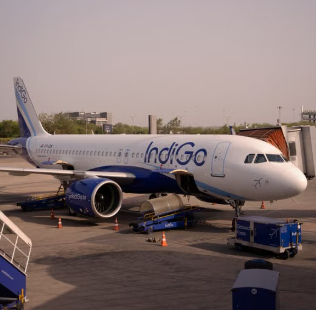
The transition to the modern terminal is expected to provide passengers with improved facilities, streamlined check-in and boarding processes, enhanced baggage handling systems, and greater operational efficiency. Designed to accommodate growing passenger traffic, the new terminal features upgraded infrastructure and advanced technology aimed at delivering a seamless travel experience.
The relocation of IndiGo’s operations reflects the airline’s commitment to supporting the modernization of airport infrastructure while meeting the increasing demand for air travel in the region. The move is also expected to improve flight operations and enhance overall service quality for passengers travelling to and from Guwahati.
The shift to the new terminal underscores the continued expansion of aviation infrastructure in Northeast India and is expected to contribute to improved connectivity, passenger convenience, and regional economic growth.
18, Jul 2026
India, Nepal Launch Historic Kolkata–Biratnagar Cargo Corridor to Enhance Trade
Kolkata, July 18: In a significant step toward enhancing cross-border trade and regional connectivity, a dedicated cargo service between Kolkata and Nepal’s Biratnagar has been launched, marking a new chapter in economic cooperation between the two neighbouring countries.
The newly introduced cargo corridor is expected to facilitate the seamless movement of goods between eastern India and Nepal, offering businesses a faster, more reliable, and cost-effective logistics solution. The service is designed to reduce transit times, improve supply chain efficiency, and support the growing demand for cross-border trade.
The initiative is expected to benefit exporters, importers, manufacturers, and logistics operators by providing smoother access to key markets while strengthening trade infrastructure between the two nations. It also reflects the shared commitment of India and Nepal to improving regional connectivity and expanding economic partnerships.
With the launch of the Kolkata–Biratnagar cargo service, both countries aim to further deepen commercial ties, enhance the resilience of cross-border supply chains, and create new opportunities for trade and investment. The service is expected to play a pivotal role in supporting long-term economic growth and fostering closer bilateral cooperation.
17, Jul 2026
Focus on Inclusive Development During Meeting Between Dr. Bhargav Mallappa and Dr. Dinesh Sharma
New Delhi, July 17, 2026
Dr. Bhargav Mallappa, National Chairman and Founder of the Akhila Sevak Samaj Council (ASSC), met Dr. Dinesh Sharma, Member of Parliament (Rajya Sabha) from Uttar Pradesh and former Deputy Chief Minister of Uttar Pradesh, during a courtesy meeting in New Delhi.
The meeting focused on issues related to national development, public welfare, youth empowerment, and the importance of strengthening social initiatives through collaborative efforts. Both leaders exchanged views on the role of community organisations in supporting inclusive growth and contributing to India’s development.
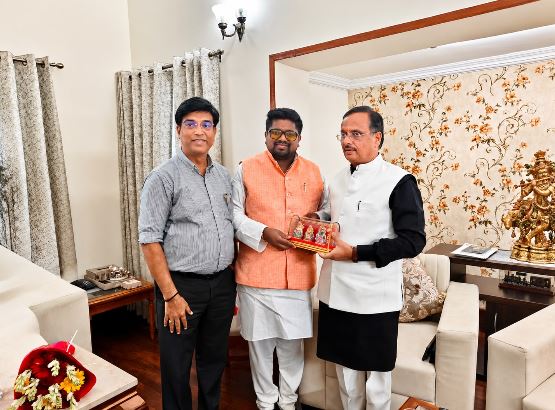
Dr. Bhargav Mallappa appreciated Dr. Sharma’s contribution to public life and his long-standing commitment to education, governance, and nation-building. He said that meaningful dialogue between policymakers and social organisations is essential for addressing the aspirations of the people and creating lasting impact at the grassroots level.
Speaking after the meeting, Dr. Bhargav Mallappa said, “It was an honour to meet Dr. Dinesh Sharma ji and exchange thoughts on issues concerning public service and national development. His vast administrative experience and dedication to education and governance continue to inspire many.”
The Akhila Sevak Samaj Council (ASSC) continues to work across the country to promote social welfare, community development, youth engagement, and initiatives that contribute to nation-building through collective participation.