


18, Jul 2026
Monsoon Showers to Bring Relief Across Tamil Nadu as Chennai and Western Ghats Prepare for Rainfall
Chennai, July 18: Rainfall activity is expected to increase across Tamil Nadu, with Chennai likely to receive moderate showers and several Western Ghats districts set to experience continued rainfall until July 23.
The upcoming showers are expected to bring relief from warm and humid conditions, while supporting water availability and agricultural activities across the state. The Western Ghats regions are likely to witness more consistent rainfall due to active monsoon conditions.
Authorities have advised residents to stay updated on weather alerts and exercise caution, especially in areas vulnerable to waterlogging and rain-related disruptions. Local administrations are monitoring the situation and taking necessary measures to ensure public safety.
The expected rainfall is part of the ongoing monsoon activity across the region, with weather officials continuing to observe developments and provide updates to the public as needed.
- 0
- By Neel Achary

18, Jul 2026
IndiGo to Shift Flight Operations to Guwahati’s Newly Commissioned Integrated Terminal
Guwahati, July 18: IndiGo has announced that it will shift its flight operations to the newly built integrated terminal at Lokpriya Gopinath Bordoloi International Airport in Guwahati, marking a significant milestone in enhancing the travel experience and strengthening aviation infrastructure in Northeast India.
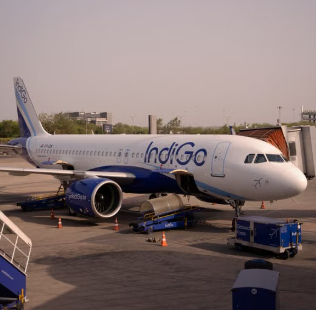
The transition to the modern terminal is expected to provide passengers with improved facilities, streamlined check-in and boarding processes, enhanced baggage handling systems, and greater operational efficiency. Designed to accommodate growing passenger traffic, the new terminal features upgraded infrastructure and advanced technology aimed at delivering a seamless travel experience.
The relocation of IndiGo’s operations reflects the airline’s commitment to supporting the modernization of airport infrastructure while meeting the increasing demand for air travel in the region. The move is also expected to improve flight operations and enhance overall service quality for passengers travelling to and from Guwahati.
The shift to the new terminal underscores the continued expansion of aviation infrastructure in Northeast India and is expected to contribute to improved connectivity, passenger convenience, and regional economic growth.
18, Jul 2026
India, Nepal Launch Historic Kolkata–Biratnagar Cargo Corridor to Enhance Trade
Kolkata, July 18: In a significant step toward enhancing cross-border trade and regional connectivity, a dedicated cargo service between Kolkata and Nepal’s Biratnagar has been launched, marking a new chapter in economic cooperation between the two neighbouring countries.
The newly introduced cargo corridor is expected to facilitate the seamless movement of goods between eastern India and Nepal, offering businesses a faster, more reliable, and cost-effective logistics solution. The service is designed to reduce transit times, improve supply chain efficiency, and support the growing demand for cross-border trade.
The initiative is expected to benefit exporters, importers, manufacturers, and logistics operators by providing smoother access to key markets while strengthening trade infrastructure between the two nations. It also reflects the shared commitment of India and Nepal to improving regional connectivity and expanding economic partnerships.
With the launch of the Kolkata–Biratnagar cargo service, both countries aim to further deepen commercial ties, enhance the resilience of cross-border supply chains, and create new opportunities for trade and investment. The service is expected to play a pivotal role in supporting long-term economic growth and fostering closer bilateral cooperation.
17, Jul 2026
Focus on Inclusive Development During Meeting Between Dr. Bhargav Mallappa and Dr. Dinesh Sharma
New Delhi, July 17, 2026
Dr. Bhargav Mallappa, National Chairman and Founder of the Akhila Sevak Samaj Council (ASSC), met Dr. Dinesh Sharma, Member of Parliament (Rajya Sabha) from Uttar Pradesh and former Deputy Chief Minister of Uttar Pradesh, during a courtesy meeting in New Delhi.
The meeting focused on issues related to national development, public welfare, youth empowerment, and the importance of strengthening social initiatives through collaborative efforts. Both leaders exchanged views on the role of community organisations in supporting inclusive growth and contributing to India’s development.
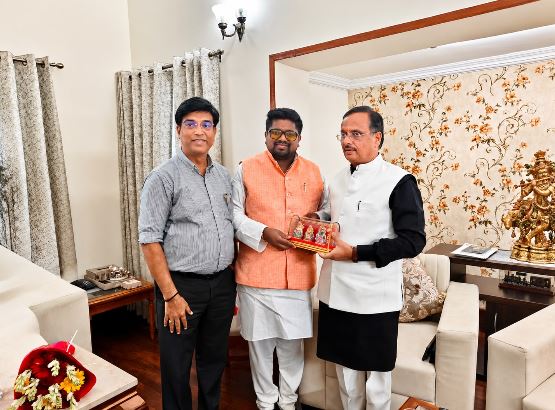
Dr. Bhargav Mallappa appreciated Dr. Sharma’s contribution to public life and his long-standing commitment to education, governance, and nation-building. He said that meaningful dialogue between policymakers and social organisations is essential for addressing the aspirations of the people and creating lasting impact at the grassroots level.
Speaking after the meeting, Dr. Bhargav Mallappa said, “It was an honour to meet Dr. Dinesh Sharma ji and exchange thoughts on issues concerning public service and national development. His vast administrative experience and dedication to education and governance continue to inspire many.”
The Akhila Sevak Samaj Council (ASSC) continues to work across the country to promote social welfare, community development, youth engagement, and initiatives that contribute to nation-building through collective participation.
17, Jul 2026
President Murmu Highlights Role of Forest Officers in Expanding India’s Green Cover
New Delhi, July 17: President Droupadi Murmu called upon probationers of the Indian Forest Service (IFS) to play a proactive role in expanding green cover and strengthening environmental conservation efforts across the country.
Addressing the probationers, the President highlighted the vital role of the Indian Forest Service in protecting forests, preserving biodiversity and promoting sustainable management of natural resources. She encouraged the young officers to contribute towards increasing greenery and supporting ecological balance through dedicated public service.
The President underscored the importance of forests in addressing climate change, conserving wildlife and ensuring environmental sustainability for future generations. She urged the officers to combine scientific knowledge, innovation and community participation to achieve long-term conservation goals.
Officials said the interaction reflected the government’s continued emphasis on environmental protection and sustainable development, with the Indian Forest Service playing a key role in implementing conservation initiatives nationwide.
The President also encouraged the probationers to uphold the highest standards of integrity, professionalism and public service as they prepare to take on responsibilities in safeguarding India’s rich natural heritage.
The address reaffirmed the importance of collective efforts to expand green cover and build a more sustainable and environmentally resilient future for the country.
17, Jul 2026
Tripura Kicks Off Census 2027 Self-Enumeration Drive with Governor Leading Public Participation
Agartala, July 17: Tripura has officially launched the self-enumeration phase of Census 2027, with the Governor setting the tone by becoming one of the first citizens to complete the process and encouraging wider public participation.
The self-enumeration facility enables residents to submit their household details digitally, offering a faster, more convenient and citizen-friendly approach to the national census. The initiative is expected to simplify the data collection process while improving the accuracy and efficiency of the exercise.
Officials said the Governor’s participation sends a strong message about the importance of the census and the need for every eligible household to contribute accurate information. Citizens have been urged to take advantage of the digital platform and complete the exercise within the stipulated timeline.
The Census serves as a key tool for informed policymaking, helping governments assess demographic trends and plan future investments in infrastructure, public services and welfare programmes.
State authorities are undertaking awareness campaigns and administrative measures to ensure the smooth implementation of the self-enumeration process, making the Census 2027 exercise more accessible and inclusive for residents across Tripura.
17, Jul 2026
PM Modi Announces INR 4,700 Crore Projects to Strengthen Chandigarh’s Urban Infrastructure
Chandigarh, July 17: Prime Minister Narendra Modi inaugurated and laid the foundation stones for development projects worth ₹4,700 crore in Chandigarh, reaffirming the government’s focus on strengthening urban infrastructure, connectivity and public services.
The projects span multiple sectors and are aimed at improving civic amenities, enhancing transportation infrastructure and supporting the city’s long-term development. The initiatives are expected to boost economic activity, improve quality of life and create new opportunities for residents.
Addressing the occasion, the Prime Minister highlighted the government’s commitment to building modern infrastructure that supports inclusive growth and sustainable urban development.
Officials said the projects will contribute to better connectivity, upgraded public facilities and improved service delivery, while reinforcing Chandigarh’s position as a key urban centre in northern India.
The investment reflects the Centre’s continued emphasis on infrastructure-led growth and the creation of modern, future-ready cities. The projects are also expected to generate employment during implementation and provide long-term benefits to the region’s economy.
The launch marks another step in the government’s broader vision of accelerating infrastructure development and strengthening public assets to meet the evolving needs of citizens.
17, Jul 2026
Hansika Lamba Wins Silver at Budapest Ranking Series, Boosts India’s Wrestling Campaign
Budapest, July 17: India’s U23 World Champion Hansika Lamba delivered another impressive international performance by winning the silver medal at the Budapest Ranking Series 2026, reinforcing her status as one of the country’s brightest wrestling talents.
Lamba displayed remarkable skill and determination throughout the tournament, overcoming strong international opponents to earn a place on the podium. Her silver-medal finish adds another significant achievement to her growing list of international accolades.
The Budapest Ranking Series is regarded as an important event on the international wrestling calendar, providing athletes with valuable competitive exposure against some of the world’s top wrestlers.
Sports officials and wrestling enthusiasts congratulated Lamba on her achievement, noting that her consistent performances reflect India’s growing strength in women’s wrestling.
The latest success is expected to boost Lamba’s confidence as she prepares for upcoming international competitions, while also strengthening India’s presence on the global wrestling stage.
17, Jul 2026
PM Modi’s Handwritten ‘Vande Mataram’ Message to Travel Aboard Skyroot’s Vikram-1 Space Mission
New Delhi, July 17: A handwritten postcard featuring Prime Minister Narendra Modi’s message ‘Vande Mataram’ will be carried aboard Skyroot Aerospace’s Vikram-1 launch vehicle, marking a unique blend of India’s space ambitions and national sentiment.
The symbolic postcard will accompany the maiden mission of Vikram-1, Skyroot’s privately developed orbital launch vehicle, highlighting India’s growing capabilities in the private space sector.
The inclusion of the message is seen as a tribute to India’s spirit of innovation, scientific progress and growing achievements in space exploration. The mission represents a significant milestone for the country’s emerging space ecosystem and the increasing role of private companies in advancing launch technologies.
Skyroot Aerospace has been working towards developing cost-effective and advanced space launch solutions, contributing to India’s efforts to strengthen its position in the global space industry.
The Vikram-1 mission is expected to showcase India’s technological capabilities and support future opportunities in satellite launches and commercial space services.
The historic journey of the launch vehicle will carry not only technological innovation but also a message reflecting India’s aspirations and enthusiasm for the future of space exploration.
17, Jul 2026
India’s Economy Shows Resilience Despite Global Challenges and Monsoon Concerns, Says RBI Governor
New Delhi, July 17: India’s economy continues to demonstrate strength and resilience despite external challenges, including uncertainties arising from West Asia and concerns over monsoon conditions, Reserve Bank of India (RBI) Governor said.
The RBI chief highlighted that India’s economic fundamentals remain stable, supported by strong domestic demand, a robust financial system and continued policy measures aimed at sustaining growth.
While global developments and weather-related risks remain areas of focus, authorities are closely monitoring their potential impact on inflation, economic activity and overall market conditions.
The RBI reiterated its commitment to maintaining macroeconomic stability and supporting sustainable economic growth through appropriate policy measures.
Experts noted that India’s diversified economy and strong domestic consumption base provide support against global uncertainties, while continued monitoring of key risk factors remains important.
The central bank will continue to assess evolving economic conditions and take necessary steps to ensure financial stability and long-term growth.


