


4, Mar 2026
AAEON Launches Intelli TWL01 Edge, an Industrial Multimedia PC with Dual 4K Display Support
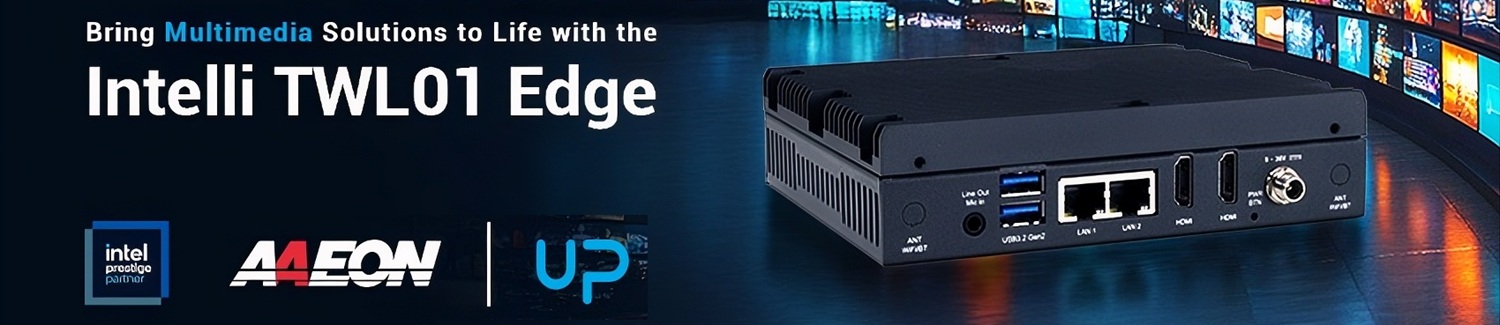
Featuring dual 4K displays, efficient Intel processing, and flexible mounting options, the Intelli TWL01 Edge marks AAEON UP brand’s entry into the multimedia space.
(Taipei, Taiwan – March 4) AAEON’s UP brand (Stock Code: 6579) has announced the release of the Intelli TWL01 Edge, an Industrial Multimedia PC with dual 4K displays, multiple mounting options, and a range of Intel® Core™ Processor N-series CPUs (formerly Twin Lake).
Built to provide a cost-effective platform for multimedia solution building, the Intelli TWL01 Edge hosts two HDMI 2.0b ports capable of dual simultaneous 4K displays. In addition to this, AAEON notes that the system’s Intel® Processor N-series platform grants users access to both Intel® UHD Graphics and DirectX 12.1 graphics API support, for the purpose of leveraging interactive dashboard functionality, reduced frame latency, and more efficient video rendering for both smaller kiosk and video conferencing suite setups as well as commercial large-scale video walls and interactive billboards.
The Intelli TWL01 Edge is both compact at 152mm x 124.5mm x 39mm and fanless, a design choice driven by market user requests for a system that can be discreetly installed and operate with minimal noise. Moreover, the system offers versatile mounting options, with DIN Rail, VESA, and wall mounting available, allowing the device to be securely mounted in high-vibration settings, clutter-free integration with monitors or kiosks, and even secure media control room cabinets. In the same vein, its environmental specifications make it a relatively safe option for industrial deployment, with a broad 9V to 36V power input range, as well as 8GB of soldered LPDDR5 system memory.
For storage, the Intelli TWL01 Edge comes with 64GB of eMMC. In addition to this, the system offers an M.2 2280 M-Key slot for the integration of high-speed NVMe SSD storage. With this balance, the Intelli TWL01 Edge can maintain local OS storage while leveraging the accelerated read/write performance of external NVMe for large media libraries, faster app launches, and UI responsiveness. Along with its SSD support, the Intelli TWL01 Edge provides an M.2 2230 E-Key slot for Wi-Fi module installation.
The system’s physical I/Os are simple yet robust, with four USB 3.2 Gen 2 Type-A ports, two RJ-45 ports for Gigabit Ethernet, a 10-bit GPIO, and a single COM port for RS-232/422/485.
For OS support, the Intelli TWL01 Edge is compatible with Windows® 11 LTSC, Ubuntu 24.04 LTS, and Yocto 5.1.
- 0
- By Neel Achary

3, Mar 2026
AAEON to Demonstrate Next-Gen AI Solutions at NVIDIA GTC
AAEON’s broad line of AI edge solutions powered by NVIDIA technologies will demonstrate the versatile market potential of next-gen AI.
(Taipei, Taiwan – Mar 3) AAEON, an industry-leading provider of edge AI solutions, will present live demonstrations of its extensive line of edge AI solutions powered by NVIDIA Jetson systems-on-module during NVIDIA GTC, the premier global AI conference.
Date: March 16 – 19, 2026
Booth: #149
Venue: San Jose Convention Center, CA
As a sponsor of the conference, which offers over 500 sessions, including panels, talks, and Q&As with industry leaders in the AI space, AAEON highlights upcoming products from its range of products built on NVIDIA Jetson Orin and NVIDIA Jetson Thor, including live demonstrations of its systems at work.
The centerpiece of AAEON’s demonstrations at the event will be a smart vehicle safety application featuring the BOXER-8645AI, illustrating 275 TOPS of inferencing performance available for AI real-time pedestrian and vehicle detection via the tools offered by NVIDIA Jetson AGX Orin module.
Demonstrating AAEON’s use of NVIDIA developer software will be a live demo using the NIKY-2155-NX, AAEON’s first Panel PC powered by NVIDIA Jetson Orin NX, which will run models built using NVIDIA Blueprint for Video Search and Summarization (VSS). This demonstration will illustrate the advances in AI video understanding and interaction, and how they have the potential to revolutionize how we access, analyze, and interact with video content.
AAEON will also host a live demonstration focusing on using compact edge AI to streamline operations in industrial and commercial settings, featuring the upcoming RTC-1210-Nano, a rugged tablet computer powered by NVIDIA Jetson Orin Nano.
Joining AAEON’s live demonstrations will be video demonstrations of collaborative solutions from AI-driven motion capture specialist Red Pill Lab and Yo-Kai Express, a company leading the way in applying physical AI robotics to the restaurant world.
The first of these video demonstrations will illustrate how Red Pill Lab’s multi-camera, multi-actor markerless motion capture software can be executed on AAEON’s MAXER-5100 for animation, VFX, game development and robotics applications.
Meanwhile, a video demonstration from Yo-Kai Express will show a simulation of the company’s autonomous robotics cooking station, powered by the BOXER-8641AI-PLUS, with insights into the impact that key NVIDIA software development tools have had on accelerating the development of the application.
Alongside these live demonstrations, AAEON will have a number of its systems featuring modules from across NVIDIA Jetson Orin and NVIDIA Jetson Thor lineup on display, including the BOXER-8740AI and BOXER-8741AI from AAEON’s Embedded Box PC range and the MAXER-5000, an AI Inference Server, all of which are powered by NVIDIA
Jetson T5000 module.
Also on show will be the BOXER-8649AI, an IP67-rated fanless embedded Al system powered by NVIDIA Jetson AGX Orin.
“We are incredibly excited to be exhibiting at NVIDIA GTC, which will give us the opportunity to showcase the work we are doing as the next wave of AI innovation begins,” said Alex Hsueh, Associate Vice President of AAEON’s Smart Platform Business Unit. “We also look forward to providing visitors with a clear picture of how we are adopting NVIDIA’s transformative technologies, and how they can be deployed in new and exciting ways,” Hsueh added.
3, Mar 2026
MWC 2026: Amdocs Collaborates with Microsoft to Bring AI-Accelerated Application Modernization to Enterprises
MWC 2026: Amdocs Collaborates with Microsoft to Bring AI-Accelerated Application Modernization to Enterprises
Joint collaboration combines the Amdocs’ Agentic Services, as part of Amdocs agentic operating system, aOS, with Microsoft’s AI technologies to help enterprises modernize faster, at scale, and with greater resilience.
Amdocs delivers its cloud migration, modernization, and quality engineering expertise through its multivendor Amdocs Agentic Services, which includes Microsoft technologies like Microsoft Foundry (including Azure Open AI in Foundry Models), Microsoft Migration Agents, GitHub Copilot and Fabric IQ. Enterprises can deploy a coordinated set of Amdocs and Microsoft IT agents that automate and orchestrate end-to-end modernization activities, enabling accelerated refactoring, strengthened architectural resilience, and seamless migration to Microsoft Azure.
At the core of the solution is Amdocs Agentic Services, part of the Amdocs agentic operating system (aOS), which orchestrates specialized agents from across Amdocs Studios into coordinated, multi-agent workflows. Delivered through a growing library of pre-built, customizable workflows, the agentic services operationalizes AI across modernization initiatives at scale. This scalable model simplifies execution, enhances quality and consistency, and delivers measurable business outcomes with full observability and control.
“This collaboration with Microsoft marks a pivotal step forward in shaping how enterprises modernize at scale,” said Anthony Goonetilleke, Group President of Technology and Head of Strategy at Amdocs. “Powered by Amdocs aOS, with AI embedded at the core of execution, we are reimagining modernization as an agent-led, intelligently orchestrated process that helps organizations address technical debt and achieve enterprise-grade speed and efficiency.”
“Enterprises today are looking for practical, scalable ways to modernize their applications while minimizing risk and disruption,” said Rick Lievano, Worldwide CTO, Telco, Media & Gaming at Microsoft. “By combining Microsoft’s AI capabilities with Amdocs’ deep modernization expertise to deliver Service-as-Software, this collaboration empowers customers to accelerate their cloud journeys on Microsoft Azure with greater confidence, speed, and efficiency.”
Amdocs and Microsoft will share more about how they are collaborating to drive innovation at Mobile World Congress (MWC) 2026, the world’s largest telco conference. Amdocs will demonstrate its cloud transformation-specialized agents at its partner demo corner pods at the booth, and Microsoft will showcase the solution at its booth.
3, Mar 2026
HANMI Semiconductor Deepens Strategic Partnership with Micron at India ATMP Facility’s Opening Ceremony
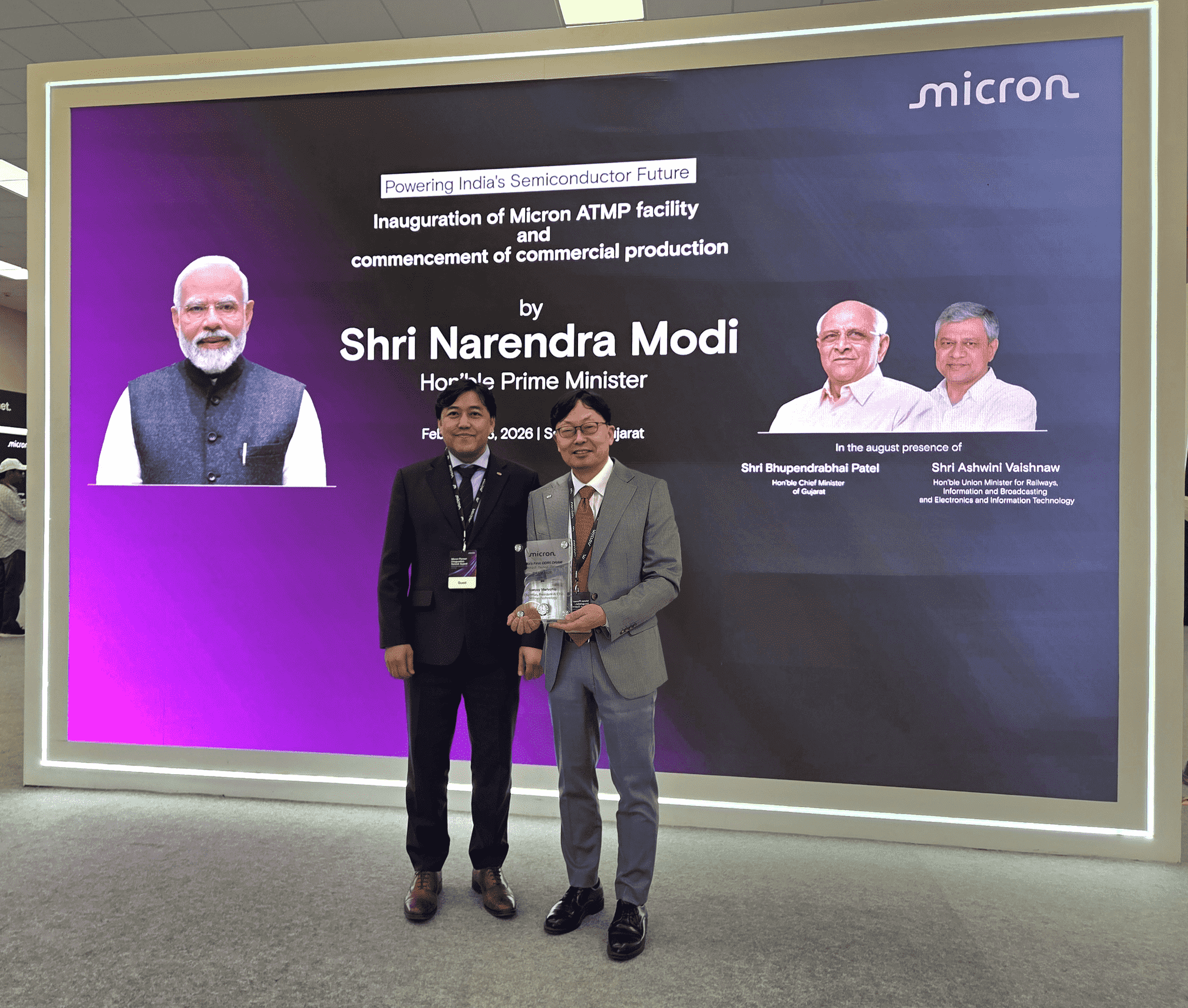
Director Jong-Jin Lee and Executive Vice President Myung-Ho Lee of HANMI Semiconductor attended the grand opening ceremony of Micron’s first semiconductor manufacturing facility in India on February 28. During the event, HANMI Semiconductor received a commemorative plaque for DDR5 DRAM produced in India from Micron Chairman and CEO Sanjay Mehrotra.
SEOUL, South Korea (Mar 3) — HANMI Semiconductor today announced that it attended the grand opening ceremony of Micron Technology’s semiconductor facility in Sanand, Gujarat, India, on February 28. The facility marks Micron’s first semiconductor manufacturing plant in India.
The inauguration ceremony was attended by Indian Prime Minister Narendra Modi, who delivered a commemorative address, along with senior government officials, Micron Chairman and CEO Sanjay Mehrotra, and other key executives.
HANMI Semiconductor was invited as a key equipment supplier to Micron’s India facility, reaffirming its position as a key strategic partner.
Micron’s plant in India is an advanced packaging facility backed by a total investment of USD 2.75 billion and supported by financial incentives from the Government of India. Aimed at strengthening the country’s semiconductor industry, the project has been designated as a national strategic initiative, with the Government of India providing 50% of the investment in subsidies and the State of Gujarat contributing an additional 20%. The facility is expected to serve as a strategic hub for testing and packaging high-performance AI memory products, including multi-die GDDR (Graphics DRAM) and enterprise SSDs (stacked NAND Flash).
The DDR5 DRAM currently being produced in Gujarat, India, is based on Micron’s most advanced DRAM technology, utilizing its latest 1-gamma process node. Micron announced that it plans to begin packaging and testing tens of millions of chips this year, with production expected to scale to hundreds of millions next year. Accordingly, it is expected that KRW 2 trillion (approximately USD 1.4 billion) will be invested in advanced semiconductor packaging equipment, including TC bonders used for stacking AI memory semiconductor chips.
The facility also holds historic significance as the first project approved under the “India Semiconductor Mission 2.0” and as the first semiconductor manufacturing facility established in the country. It is widely regarded as a major milestone in India’s advancement toward becoming a key hub in the global semiconductor supply chain. Through the initiative, the government has introduced an incentive program of approximately USD 10 billion to advance the country’s ambition of becoming a global semiconductor manufacturing hub.
Advanced bonding technology and rapid technical support are critical to ensuring the stable operation of the new facility. As a core supplier to Micron, HANMI Semiconductor plans to fly in engineers to India to provide on-site technical support and operate training programs, reinforcing its long-term strategic collaboration. Building on this partnership, the company received the “Outstanding Supplier Performance Award” from Micron in 2025.
“HANMI Semiconductor’s participation in Micron’s grand opening of semiconductor facility in India and the roundtable reaffirms our position as a key supplier in the global semiconductor supply chain,” said a HANMI Semiconductor official. “As Micron’s key supplier, we will continue to dispatch engineers to India and provide close technical support to ensure the highest level of customer satisfaction.”
2, Mar 2026
Tenable Research Reveals Growing AI Exposure Gap Fueled by Supply Chain Risks and Lack of Identity Controls
Dubai, UAE. – (Mar 2) – Tenable® (NASDAQ: TENB), the exposure management company, today released its Cloud and AI Security Risk Report 2026. The research reveals organizations face a zero‑margin AI exposure gap as they inherit cyber risks faster than they can address them. Engineering velocity — driven by AI adoption, third-party code and cloud scale — has outpaced the human-led ability to assess, prioritize and remediate risks before threat actors exploit them.
The AI Exposure Gap is a largely invisible form of exposure that emerges across applications, infrastructure, identities, agents and data, and that most security teams are not equipped to manage. Tenable’s analysis of cloud environments identifies severe risks across four key security areas: AI security posture, supply chain attack vectors, least privilege implementation and cloud workload exposure — all of which demand immediate attention. The report includes actionable guidance for security and business leaders to reduce risk across cloud and AI environments.
Key findings from the Cloud and AI Security Risk Report 2026 include:
● 70% have integrated at least one AI or Model Context Protocol (MCP) third-party package, embedding AI deep into applications and infrastructure, often without central security oversight.
● 86% host third-party code packages with critical-severity vulnerabilities, making the software supply chain a primary and persistent source of cloud exposure. Furthermore, nearly 1 in 8 (13%) have deployed packages with a known history of compromise, such as the s1ngularity or Shai-Hulud worms.
● 18% of organizations have granted AI services administrative permissions that are rarely audited, creating a “pre-packaged” catalog of privileges for attackers to claim.
● Non‑human identities such as AI agents and service accounts now represent higher risk (52%) than human users (37%), forming “toxic combinations” of permissions and access that fragmented tools fail to connect.
● 65% possess “ghost” secrets—unused or unrotated cloud credentials—with 17% of these tied specifically to critical administrative privileges.
● 49% of identities with critical-severity excessive permissions are dormant.

“AI systems embedded in infrastructure pose a critical risk that CISOs and defenders must address, in addition to anticipating emerging threats from both AI and cloud technologies. Lack of visibility and governance means teams are at the mercy of new exposures, including over-privileged identities in the cloud,” said Liat Hayun, Senior Vice President of Product Management and Research at Tenable. “By focusing on the unified exposure path, organizations can stop managing ‘security debt’ and start managing actual business risk.”
To manage emerging risks, organizations must secure the AI integration process through comprehensive visibility and identity-centric controls. This includes enforcing least privilege for AI roles, neutralizing “ghost” identity risk and eliminating static secret exposure. Third-party code and external accounts are now extensions of organizations’ infrastructure; steps to reduce extended supply chain exposure include unifying visibility across code packages, virtual machines, identity access and cloud environments.
The 2026 Cloud & AI Security Risk Report presents findings from the Tenable Research team, analyzing anonymized telemetry from diverse public cloud and enterprise environments collected from April to October 2025 (AI findings extended through December 2025).
Exposure Management is the practice of identifying, evaluating, and prioritizing the risks posed by all entry points an attacker could exploit. This includes not just software vulnerabilities (CVEs), but also misconfigurations, excessive user privileges (identity risk), cloud security gaps, and the “shadow” assets created by AI and third-party supply chains.
2, Mar 2026
Rohde & Schwarz demonstrates FR1–FR3 carrier aggregation, advancing 6G readiness
Mar 2: Rohde & Schwarz and Qualcomm Technologies, Inc. have reached another pivotal milestone in 6G research and ecosystem readiness, successfully demonstrating carrier aggregation across FR1 and FR3 frequency ranges. The joint achievement is showcased live at MWC Barcelona 2026.
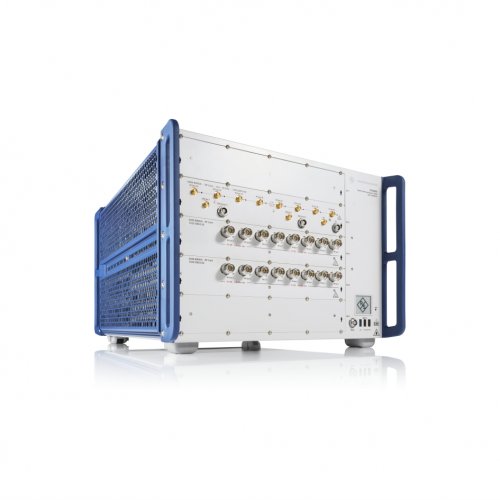
The CMX500 one box tester is ready for 6G research with the new modular RFU18 board.
At MWC Barcelona, Rohde & Schwarz and Qualcomm Technologies present a live demonstration at the Rohde & Schwarz booth (5A80) that aggregates a mid-band channel around 2.5 GHz (FR1) with an upper mid-band channel around 7 GHz (FR3), using 4×4 MIMO on both bands and higher-order modulation. With this setup, the two companies validate end-to-end device behavior across the aggregated spectrum.
At the heart of the test setup is the CMX500 one-box signaling tester from Rohde & Schwarz, extended with the new RFU18 board to provide coverage up to 18 GHz. RFU18 is a modular hardware upgrade for the CMX500 platform, giving customers a straightforward, cost-effective path to extend existing testers towards 6G. As device under test (DUT), Qualcomm Technologies provided a Mobile Test Platform (MTP) powered by the Qualcomm® Modem-RF System, enabling comprehensive validation of RF performance and protocol behavior across the aggregated FR1 and FR3 bands.
The FR3 frequency range (7.125 to 24.25 GHz) has been identified by industry and research as a “sweet spot” for combining wide-area coverage with high capacity. FR3 in terrestrial networks (TN) and non-terrestrial networks (NTN) is expected to support demanding applications such as eXtended Reality (XR), connected and autonomous vehicles and industrial automation. By validating FR3 as an additional frequency range for future networks, the partners are helping accelerate 6G development and ecosystem readiness.
Goce Talaganov, Vice President Mobile Radio Testers at Rohde & Schwarz, said: “Through our ongoing collaboration with Qualcomm Technologies, we continue to push the boundaries of wireless communications. As the ecosystem moves toward 6G, we’re showing how easy innovation can be with our test equipment. In response to customer demand, we are extending the CMX500 platform to 18 GHz – so that our customers gain headroom for FR3 evolution and higher-frequency emissions and harmonic testing.”
Tingfang Ji, Vice President of Engineering and Head of 6G Research at Qualcomm Technologies, Inc. said: “Our collaboration with Rohde & Schwarz highlights the importance of aggregating existing spectrum bands with new 6G spectrum in FR3 to establish 6G as the high efficiency digital infrastructure for the 2030s. By validating new spectrum layers and advanced RF capabilities using our MTP powered by Qualcomm Modem-RF System, we are accelerating innovation across the ecosystem and helping prepare devices and networks for the next-generation of services.”
Future-ready CMX500 platform for 6G:
The CMX500 is a modular, powerful and future-proof one-box signaling tester enabling comprehensive multi-technology testing – from RF to protocol – across all relevant frequency ranges (FR1, FR2 and FR3). All existing CMX500 platforms can be enhanced with the new RFU18 board to extend frequency coverage and capabilities without replacing the entire system, offering users a simple upgrade path.
Engineered for data rates up to 20 Gbps, the CMX500 is one of the most versatile mobile device test platforms, supporting wide dynamic range, 4096QAM and up to 16 device antenna ports for advanced spatial multiplexing. With its multi-band capabilities, it covers LTE and NR in SA/NSA modes, NR-NTN, NB-NTN, Direct-to-Cell (D2C/DTC) testing, and WLAN including Wi‑Fi 7 and future Wi‑Fi 8.
Visitors to MWC Barcelona 2026 can experience the joint demo of FR1–FR3 carrier aggregation at the Rohde & Schwarz booth 5A80 in hall 5 from March 2 to 5, 2026, and can learn from the company’s experts how the CMX500 platform with RFU18 enables faster 6G device and network innovation.
2, Mar 2026
America’s First X-Ray: How Yale Advanced Medical Imaging
Mar 02: The discovery of X-rays in 1895 by German physicist Wilhelm Conrad Röntgen marked a major advance in science and medicine, making it possible for physicians to see inside the human body for the first time without surgery. Medical scientists quickly recognized the potential of X-rays as a diagnostic tool, particularly for identifying broken bones and other internal injuries. Röntgen’s first X-ray, of his wife’s hand, clearly revealed bones and joints, offering an early demonstration of how X-ray imaging could transform medical diagnosis.
News of Röntgen’s discovery quickly spread through the global scientific community, generating widespread excitement and experimentation. Scientists around the world were excited about Röntgen’s work. In the United States, Yale physicist Arthur Wright was among the first to explore the new technology. In January 1896, barely a month after Röntgen introduced X-rays to the world, Wright successfully produced an X-ray image, making him the first in the country to work with the technique. He published hist findings in Engineering and Mining Journal and Electrical Engineer magazine, helping to introduce X-ray imaging to American scientific and medical audiences.
Interest in Wright’s work was immediate and intense, drawing widespread attention from both the scientific community and the popular press. An X-ray image he produced of coins and other metal objects, along with a photo of his X-ray machine, appeared on the cover of Scientific American on Feb. 15, 1896, introducing many readers to the emerging technology for the first time.
Public interest was equally strong on campus. When Wright presented his findings at Yale, the auditorium was filled beyond capacity. According to one newspaper account, students continued climbing through the windows more than 30 minutes into the lecture, even though only those in the first few rows could hear.
X-rays lead to the rise of medical imaging
Within just four years, by 1900, X-rays had become indispensable in diagnosing fractures and locating foreign objects within the body. Over time, the technology evolved into advanced imaging tools such as CT scans and MRIs, transforming clinical decision-making, and saving countless lives. Today, seven out of 10 Americans undergo some form of medical or dental imaging each year, according to the Food and Drug Administration.
While Wright’s X-ray experiments captured national attention and marked a turning point in medical imaging, they represented just one facet of his broader scientific legacy. His career began long before the advent of X-rays and continued through decades of innovation and leadership in building Yale’s physics department.
No stranger to firsts, Wright received the first doctoral degree awarded in the United States from Yale University in 1861. From 1863 to 1868, he taught Latin and later physics at Yale, returning in 1872 as professor of molecular physics and chemistry—a title later changed to experimental physics.
In the 1880s, Wright played a key role in securing funding for the nation’s first dedicated physics, Yale’s Sloane Physics Laboratory, where he later produced his X-ray images. In 1966, Yale expanded this legacy by establishing the A.W. Wright Nuclear Structure Laboratory, enabling the study of medium-mass and heavy nuclei. Today, research in experimental nuclear physics, particle physics, and astrophysics continues at the Yale Wright Laboratory, which opened its current facility in 2017.
From diagnosing disease to imaging health
More than a century after Wright’s first X-ray photograph, the technology he helped pioneer remains central to modern medical practice. From routine chest X-rays to complex interventional procedures, X-ray imaging continues to provide a noninvasive window into the body, supporting diagnosis, guiding treatment, and shaping generations of clinical decision-making.
Wright’s early work at Yale not only brought Röntgen’s discovery to American scientists and physicians but also helped establish a foundation for continued advances in medical imaging.
Today. Yale remains at the forefront of imaging science. In June 2025, the University marked another major milestone with the launch of the Yale Biomedical Imaging Institute. The institute brings together advanced imaging research centers—including its PET and MRI laboratories, the scientific descendants of Wright’s early X-ray experiments—with experts in artificial intelligence and data science.
The institute focuses on developing new imaging tools that can detect disease earlier and with greater precision, using advanced computational methods to help predict and track illnesses. This work reflects a broader shift in medicine—from diagnosing disease after it appears to understanding, monitoring, and protecting health. Rather than identifying illness only once it has progressed, researchers aim to detect subtle changes before symptoms emerge and to better define what healthy organs and tissues look like over time.
“Part of the paradigm shift is to move from imaging disease to imaging health,” says Georges El Fakhri, PhD, Elizabeth Mears and House Jameson Professor of Radiology and Biomedical Imaging, professor of therapeutic radiology, and of biomedical informatics and data science at Yale School of Medicine.
The future of medical imaging owes much to a scientist who, inspired by a sudden discovery in Germany, helped lay the groundwork for radiology as a transformative tool in medicine. Today, Yale carries that legacy forward—uniting advanced technologies, artificial intelligence, and clinical insight to extend and reimagine what Wright began.
1, Mar 2026
Philips Evnia Unleashes 200Hz Speed Demon Gaming Monitor: Built for Middle Eastern Gamers
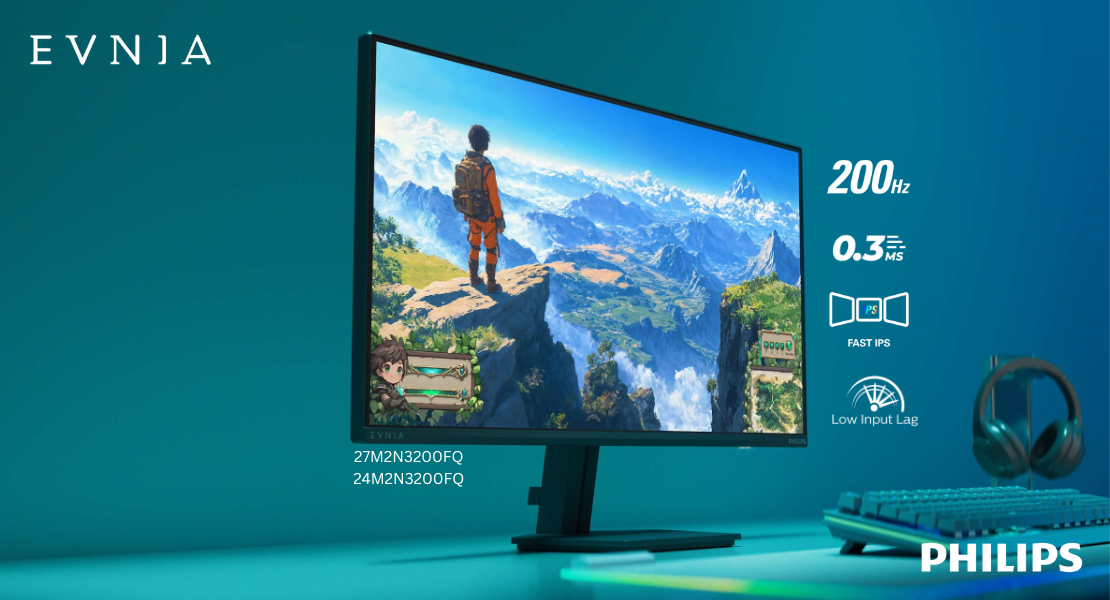
Cairo, Mar 1 – MMD Singapore the manufacturer of Philips displays, announced the regional launch of its latest competitive gaming monitor, the 24M2N3200FQ and 27M2N3200FQ, designed to deliver championship-level performance and immersive visuals to the passionate gaming community across the Middle East. This 24 and 27 inch Fast IPS monitor combines blistering 200Hz speed with cutting-edge image clarity technologies, offering gamers the critical edge needed for victory.
The Middle East’s gaming scene is renowned for its intensity and competitive spirit. The Philips Evnia gaming monitor meets this demand head-on with its ultra-fast 200Hz refresh rate and a near-instant 0.3ms (Smart MBR) response time, effectively eliminating motion blur and ghosting. This ensures every panning shot in an FPS and every high-speed turn in a racing game is rendered with stunning sharpness, giving players a seamless and lag-free advantage.
“Gamers in our region deserve equipment that matches their skill and ambition”, said Carol Anne Dias, Sales Director, Middle East & Africa for Philips Monitors. “The 24M2N3200FQ and 27M2N3200FQ are engineered for those decisive moments where a split-second can mean the difference between victory and defeat. We’re bringing hyper-responsive performance and rich, immersive visuals to a broader audience of dedicated gamers”.
Beyond raw speed, the monitor features Stark ShadowBoost, a proprietary technology that illuminates dark scenes in games without overexposing bright areas, ensuring enemies lurking in shadows are clearly visible. The Smart Crosshair feature dynamically changes color based on the background for maximum visibility, enhancing targeting accuracy.
For a truly captivating visual experience, the monitor supports HDR10 content, delivering a wider range of colours, superior contrast, and more lifelike images. Gamers can further personalize their experience through the Evnia Precision Center software, which offers intuitive controls to fine-tune settings for different game genres or create custom profiles.
Designed with players well-being in mind, the monitor incorporates LowBlue Mode and Flicker-Free
The monitors are now available for purchase in the UAE with Naam Electronics. The monitors come with 3 years warranty.
28, Feb 2026
Rohde & Schwarz and Viasat to collaborate on NB-NTN IoT test plan for connectivity via satellite
Feb 28: Viasat and Rohde & Schwarz have joined forces to boost testing for Narrowband Non-terrestrial Networks (NB-NTN) IoT devices connecting via satellite. By thoroughly validating devices and confirming interoperability with Viasat’s network, the collaboration aims to help ensure uninterrupted connectivity for a wide range of satellite-based Internet of Things (IoT) applications. Visitors to MWC Barcelona 2026 can experience the test plan in action.
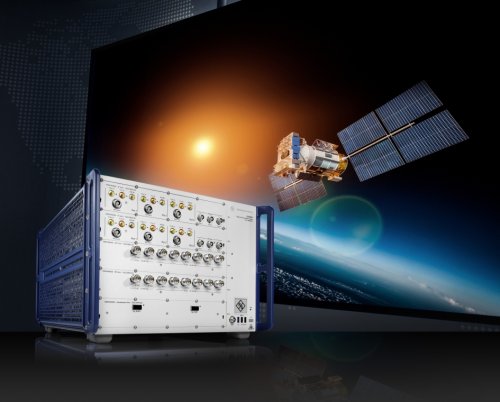
The test plan with Viasat runs on the CMX500 one-box tester for NTN testing.
Viasat, a global leader in satellite communications, and Rohde & Schwarz, a leading provider of test and measurement solutions, are working together to strengthen and expand testing for Non Terrestrial Network (NTN) capabilities, specifically for NB-IoT devices. The collaboration aims to ensure that chipsets, modules and devices interoperate seamlessly with Viasat’s satellite network and comply with 3GPP Release 17 standards.
Deploying advanced testing methodologies upholds the highest standards of quality, performance and reliability for Viasat’s connectivity services: delivering ubiquitous IoT applications in areas without terrestrial network coverage.
The certification test plan with Viasat entails protocol, performance and RF test scenarios. It is based on the CMX500 one-box signaling tester from Rohde & Schwarz, a versatile solution designed for testing various NTN technologies, including New Radio (NR-NTN) and NB-NTN. In a single instrument, the CMX500 covers R&D through certification and carrier acceptance tests, guaranteeing reliable and repeatable results. It empowers engineers to accelerate development, ensure quality and confidently deploy reliable NTN services, safeguarding that the whole ecosystem can achieve the highest levels of performance.
Rohde & Schwarz will showcase first test results covering protocol, performance and RF test scenarios of the test plan at the Rohde & Schwarz booth 5A80 in hall 5 from March 2 to 5, 2026 at MWC Barcelona 2026. Visit Viasat in hall 6, booth 6A20.
27, Feb 2026
ATEN Showcases Advanced AV & KVM Innovations at Automation India South 2026
Bengaluru, Feb 27: ATEN Advance, the leading provider of KVM, AV/IT connectivity, and management solutions, will participate in Automation India South 2026, scheduled to take place from March 12 to 14, 2026, at the Chennai Trade Center. Visitors can experience ATEN’s latest innovations at Booth No: C-40.
At the expo, ATEN will demonstrate cutting-edge solutions designed to meet the evolving needs of control rooms, industrial automation environments, enterprise IT operations, and mission-critical applications.
Key Product Highlights at the ATEN Booth
One of the main attractions at ATEN’s booth will be the VW1608 Video Wall Processor, a powerful and flexible solution designed for modern control room environments. The VW1608 enables seamless management of multiple video sources and displays, delivering high-resolution visuals with real-time performance. It is ideal for applications such as monitoring centers, smart factories, transportation hubs, and security operations where situational awareness is critical.
ATEN will also showcase the KE8980MR KVM Extender, engineered to deliver high-performance remote access with low latency and uncompromised video quality. This solution allows operators to control systems securely from remote locations, making it particularly suitable for industrial automation, broadcast environments, and centralized IT control rooms.
Another key highlight is the KG0032 KVM over IP Switch, which enables scalable, IP-based KVM deployments across distributed networks. Designed for flexibility and secure access, the KG0032 allows organizations to manage multiple systems over standard IP infrastructure, simplifying operations while enhancing control and efficiency.
The KG0032 will be demonstrated in combination with the KA8585 Console Unit, which provides a streamlined user interface and centralized access to multiple servers and systems. Together, these solutions enable seamless, secure, and efficient management of complex IT and automation environments.
Driving Automation and Smart Infrastructure
ATEN’s participation in Automation India South underscores its commitment to supporting India’s growing focus on automation, smart infrastructure, and digital transformation. By integrating professional AV and advanced KVM technologies, ATEN helps organizations improve operational efficiency, enhance decision-making, and ensure reliable system control in demanding environments.
Visit ATEN at Automation India South 2026
Visitors, system integrators, consultants, and enterprise decision-makers are invited to visit ATEN at Booth C-40 to experience live demonstrations and interact with ATEN experts to understand how these solutions can address real-world automation and control challenges.


