Vijayawada, Jan 13: The inaugural edition of Avakai Amaravati Festival of Cinema, Culture and Literature concluded successfully after three vibrant days of immersive cultural programming, marking a significant milestone in Andhra Pradesh’s cultural calendar. Conceived as a large-scale public cultural initiative, the festival brought together cinema, literature, music, theatre and the performing arts, creating a dynamic platform that celebrated Telugu heritage while engaging contemporary creative voices. Spread across Bhavani Island and Punnami Ghat along the Krishna river, Avakai witnessed enthusiastic participation from artists, writers, filmmakers and, most significantly, thousands of children, college students and families, who became the heartbeat of the festival.
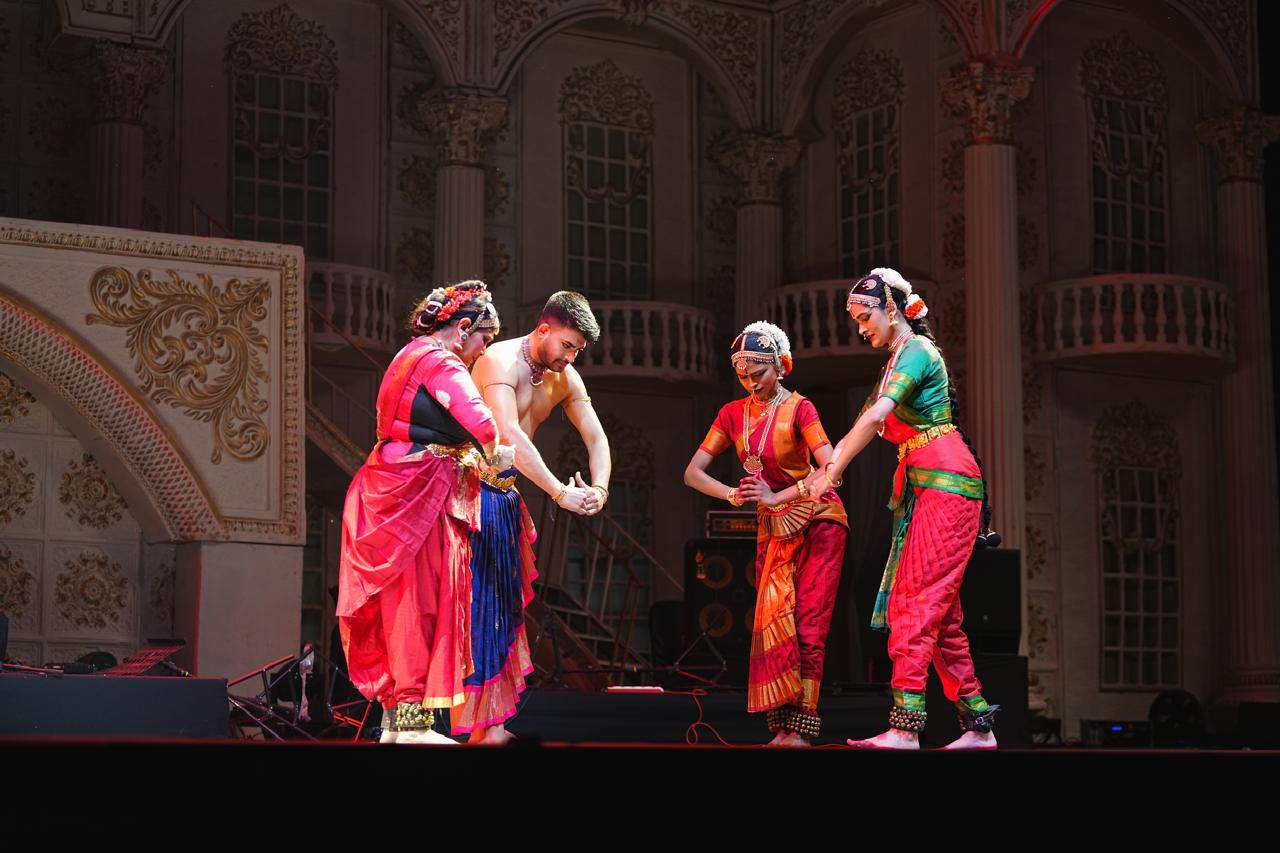
From morning to late evening, the venues buzzed with curiosity, excitement and emotional engagement, as young audiences encountered traditional and contemporary art forms—many for the first time. Their active participation, questions, applause and hands-on involvement established Avakai as a people-driven, inclusive cultural celebration, rooted in community ownership and shared experience.
Day One set a powerful tone by transforming the Krishna riverfront into a living cultural canvas. A grand procession featuring giant puppets, Teen Maar drummers and musical ensembles animated public spaces, drawing families and passersby into the festival’s celebratory spirit. The ceremonial inauguration, sacred musical ensemble and the world premiere of Love Story – A Musical, created exclusively for Avakai, emerged as defining highlights. Interactive art installations and traditional craft demonstrations encouraged visitors—especially children and students—to engage directly with Telugu artistic practices, making culture accessible, participatory and immersive from the outset.
Day Two deepened the festival’s intellectual and creative engagement through a rich mix of literary conversations, cinema-focused discussions and hands-on workshops. Writers, filmmakers, journalists and cultural practitioners examined the evolving relationship between literature and cinema, storytelling across formats, language, translation and changing audience sensibilities. Conversations explored how classical narratives continue to inspire contemporary cinema, the challenges of storytelling in the age of OTT platforms, and the responsibility of writers and filmmakers in shaping cultural memory.
Workshops emerged as some of the most animated spaces of the festival. Martial arts, Nagada percussion, puppet-making, dance and Kalamkari art sessions saw sustained participation throughout the day, with children and college students immersing themselves in rhythm, movement and storytelling. These high-energy workshops became spaces of learning and discovery, fostering intergenerational exchange and nurturing creativity, confidence and cultural curiosity among young participants.
Day Three brought the festival to a resonant crescendo, weaving together storytelling, dialogue and performance. Sessions such as Katha Kalakshepam: Timeless Tales through Music and Word by StoryHour UK, Words on Water – Katha Tarangalu, Friday Release: Cinema and Journalism, Sundaramaina Telugu – Glory of Telugu Literature and Cinema, and The Art of Translation: Words without Borders explored Telugu oral traditions, literary heritage, cinema, language and cross-cultural translation. Parallel workshops continued to draw enthusiastic participation, reinforcing Avakai’s commitment to experiential learning.
As evening descended, Punnami Ghat transformed into a vibrant performance arena. Live performances by Chowraasta, Natasaarvabhowma NTR – Homage to the Vishwaroopam of Acting, the musical theatre presentation Love Story, and a soulful concert by Javed Ali drew large crowds, bringing the Krishna riverfront alive late into the night and providing a grand, emotionally charged conclusion to the festival.
Beyond cultural celebration, Avakai significantly contributed to tourism and local economic activity in Vijayawada. The city witnessed increased visitor movement across venues, while local vendors, food stalls, artisans and small businesses benefited from the festival’s scale and footfall. Avakai functioned as a creative marketplace where culture and livelihood intersected, demonstrating how public festivals can drive sustainable, culture-led economic growth.
Hon’ble Minister for Tourism & Culture, Shri Kandula Durgesh, said,
“Avakai demonstrates how culture can play a transformative role in public engagement, tourism and the creative economy, particularly for Telugu youth. Over three days, the festival has showcased the richness of Telugu arts while positioning Vijayawada and Amaravati as vibrant cultural destinations. By integrating cinema, literature and performance into public spaces, Avakai has created meaningful cultural experiences and sets the tone for upcoming major cultural events in the state. I am pleased to announce that the next edition of Avakai Amaravati Festival will be held from December 17 to 19, 2026.”
Mr. Sanjoy K. Roy, Managing Director of Teamwork Arts, said,
“Avakai has been envisioned as a shared cultural dialogue, and its success is the result of collective effort. We thank the Government of Andhra Pradesh and the Hon’ble Tourism & Culture Minister for their vision and support. I would also like to acknowledge the local vendors and stall owners who animated the festival spaces, the sanitation workers who ensured cleanliness, the Vijayawada Municipal Corporation, police and SDRF teams for seamless coordination, and the cultural troupes of the Andhra Pradesh Government. Most importantly, the people of Vijayawada and Andhra Pradesh made Avakai a truly public festival through their warmth, participation and ownership.”
Syed Shams Jawaid, Vice President, Teamwork Arts and Festival Producer, added,
“Avakai demonstrates the power of collaboration between government, cultural institutions and private partners in building inclusive cultural ecosystems. The enthusiastic response from young audiences reaffirms the importance of platforms that encourage learning, participation and innovation. We are grateful to partners such as Kia India, whose support reflects a commitment to the creative economy, youth engagement and future-facing cultural spaces, and Shirdi Sai Electricals Limited, whose infrastructure and operational support were critical to delivering a festival of this scale. Avakai has opened new opportunities for artists and practitioners while remaining deeply rooted in Telugu traditions.”
As the curtains came down on its inaugural edition, Avakai Amaravati Festival of Cinema, Culture and Literature concluded as more than a three-day event. It emerged as a long-term cultural movement—connecting heritage with innovation, public participation with economic opportunity, and local creativity with global exchange—firmly reinforcing Amaravati’s place on India’s cultural map.