


11, Feb 2025
Amazon announces three new renewable energy projects in India
Chandigarh, February 11, 2025: Amazon today announced investments in three new wind projects in India, emphasizing the company’s broader commitment to matching the electricity consumed by our operations with renewable energy, and advancing progress toward its Climate Pledge goals.
Across India, Amazon has now enabled a total of 53 solar and wind projects to date, which together will provide more than 4 million megawatt hours (MWh) of new carbon-free energy in the country, providing sufficient energy capacity to power the equivalent of more than 1.3 million Indian homes. The projects include 9 utility-scale solar and wind farms across the country, as well as onsite solar arrays on 44 local buildings that host Amazon operations.

Shri Ashwini Vaishnaw, Hon’ble Union Minister of Railways, Electronics & Information Technology, and Information and Broadcasting, stated, “Under the leadership of Hon’ble PM Shri Narendra Modi ji, India is rapidly emerging as a global leader in the clean energy transition. Investments from companies like Amazon are accelerating this progress. Clean energy is not only about sustainability; it is central to our goal of producing 50% of our electricity from non-fossil fuel sources by 2030. As we expand our digital and transportation infrastructure, renewable energy will play a crucial role in powering the next wave of connectivity and innovation.”
Shri Shripad Yesso Naik, Hon’ble Minister of State of Power and New and Renewable Energy, said, “I welcome Amazon’s continued commitment to India’s renewable energy transition. Investments in wind and solar projects are crucial for achieving our renewable energy targets and ensuring energy security. These projects will not only contribute to a cleaner environment but also generate employment and foster economic growth in local communities. The Government of India remains committed in its efforts to support such initiatives, and I encourage other global corporations to invest in our green energy future.”
“Amazon is committed to driving the carbon-free energy transition forward in both India and around the world, which will help us all address climate change at scale,” said Avinash Shekhar, Head, of APJC Energy and Water Strategy, AWS. “As the top corporate purchaser of solar and wind since 2020, we’ve invested in more than 600 solar and wind projects globally, including more than 50 in India, which is part of our Climate Pledge commitment to attempt to reach net zero carbon emissions across our operations by 2040.”
The latest projects that Amazon has signed include three new wind energy projects, which are CleanMax Koppal, BluPine Solapur, and JSW Energy Dharapuram. CleanMax Koppal is a 100 Mega Watt (MW) wind farm located in Karnataka. BluPine is also a 99 MW wind project located in Maharashtra. The JSW Energy Dharapuram is a 180 MW wind project located in Tamil Nadu, South India.
These projects will contribute to India’s renewable energy goals and help create numerous construction jobs in their respective regions, according to the developers.
Supporting local communities
Amazon is proud to have met its 100% renewable energy goal seven years early in 2023 and has invested in more than 600 projects globally, which are capable of producing enough renewable energy to power the equivalent of 8.3 million US homes. The renewable energy projects we support not only help match the electricity consumed by our operations, but also provide new sources of carbon-free energy to the local communities where our customers, vendors, and employees live and work. They also help create jobs, support local businesses, and boost the local tax base, which is all part of Amazon’s commitment to becoming a more sustainable company.
- 0
- By Sujata Achary

11, Feb 2025
PNC Infra Eyes Robust Growth with Resumption in Infra Bids, Post MoRTH Review
Chandigarh, February 11, 2025: PNC Infratech Limited (“PNC Infra”) has announced that the Company and its SPVs are now eligible to bid for new projects from 17th February 2025, allowing it to actively pursue fresh projects in the infrastructure sector and reinforcing its commitment to national development.
This is after the Ministry of Road Transport & Highways (MoRTH) reduced its previously imposed restrictions on the Company and its two Special Purpose Vehicles (SPVs) from one year to four months now, which is culminating on February 17th 2025. The revised order, issued by the MoRTH on February 6, 2025, modifies the original restriction starting October 18, 2024 to a period of 4 months, subject to the completion of certain procedures by the Company with the National Highways Authority of India (NHAI).
This will also help the company in expanding its order book and increase its topline. PNC Infratech has a robust order book of over Rs. 19,900 crores (as of September 30, 2024), with several key EPC projects under construction. This includes the Prayagraj – Kaushambi project with the MoRTH, Jalna-Nanded and Pune ring road projects with the Maharashtra State Road Development Corporation and the Akkalkot Pkg-II (Badadal-Maradgi S), Sonali – Gorukhpur and Kanpur-Lucknow Expressway Pkg-2 with the NHAI. Road highway, road expressway, railway and canal EPC projects constitute 84% of total order-book.
PNC has now obtained a change in control approval from NHAI for 8 of the assets, which it will be transferring to KKR-backed Highways Infrastructure Trust. With this, the PNC-KKR deal is on track for closure by 31st March 2025 as PNC Infratech is in the process of fulfilling the conditions precedents (CPs) for the transaction. One of the major CPs under the deal included change in control approvals from the highway authorities and no objection certificates from the lenders to the projects.
11, Feb 2025
The Honest Home Company Raises $0.8M from OG Capital & Anupam Mittal

11th February, NewDelhi, India: TheHonestHome Company(HonestHome) has successfully secured US$ 0.8Min its Pre-Series A funding round, led by OrtellaGlobalCapital(OGCapital), founded by ex-IFC executiveSayan Ghosh and consumer industry veteran Gaurav Verma. Shark Tank judge- Anupam Mittal and other key angel investors have also invested in the company.
The Honest Home Company, India’s topmost sustainable home and kitchenware brand, has announced the successful closure of a US$ 0.8M funding round to scale its operations and speed up its mission of making eco-friendly living affordable for Indian families. Since launching in 2019, TheHonestHome Company has established itself as a trusted name in the sustainable living space, helping families adopt eco-conscious lifestyles and reducing 250 tonnes of plastic.
Founded by Mayank Sisodia, a former senior executive at Hindustan Unilever and Parle, The HonestHome Company has witnessed remarkable growth since its inception and is now targeting an INR 100Cr (US$ 12M) annualized run rate in the current year. With an expanding portfolio of affordable, high-quality products—including air fresheners, bamboo-based goods, and eco-friendly cleaners—HonestHomeis leading the way in fulfilling the growing need for sustainable and eco-friendly home products.
“Our vision has always been to redefine the way Indian households approach sustainability. It is not just about offering eco-friendly products but creating a lifestyle movement that is affordable, practical, and accessible to everyone. This funding reflects the strong trust and confidence that both our customers and investors have in our mission”, says Mayank Sisodia.
Ranked among the top three brands in its category on platforms like Amazon, Zepto, Blinkit, and Flipkart, The Honest Home Company is making a significant impact beyond market success. Gaining national recognition through Shark Tank India Season 3 and receiving grants from the DBS Foundation, it has positioned itself as a leader in the eco-friendly market. “What sets The HonestHomeCompany apart is strong product-market fit, exceptional supply chain capabilities, in-house production, and a strong distribution network. They have built a portfolio of high-quality products that resonate with consumers while ensuring seamless availability across multiple platforms. Co-building alongside Mayank, we are aiming to reach over 1M households monthly by next year—driving India towards a major leap in sustainable living.” says Gaurav Verma, Co-Founder and Head of Consumer Investments at OG Capital.
Sayan Ghosh, Co-Founder& Managing Partner, of OG Capital, said, “Mayank’sdeep-rooted passion for sustainability and his ability to address a significant gap in the market made The Honest Home
The company is a perfect fit for OG Capital. Together, we aim to build a brand that not only thrives in the eco-conscious space of our country but sets new standards for purpose-driven, profitable growth—taking it to the next level as a globally recognized brand.”
Backed by a US$ 0.8M infusion from OG Capital and angel investors like Anupam Mittal, The HonestHomeCompanyissetforremarkablegrowth.Thebrandisgearinguptoscaleoperations, expanding its product range, and strengthening its sustainability promise. With a focus on innovation that blends affordability with eco-consciousness, The Honest Home Company is on a mission to transform each Indian household into the champion of sustainable living—cementing its place as the largest eco-friendly home and kitchenware company.
11, Feb 2025
Syntel by Arvind Unveils NEOS NexGen Lite

Mumbai, 11th February, 2025: Syntel by Arvind, a technology solution provider who has 30+ years of experience in enterprise communication Digitally launched NEOS NexGen Lite with their Distributors and Partners, a next-generation hybrid IP PBX designed to revolutionize business telephony.
This version is a scale down version of their existing IP PBX Nexgen which they launched in 2023 which had 128 & 256 ports but because of more demand for 64 ports they have taken this step without compromising on any features.
The R&D team of Syntel by Arvind has made this product for seamless integration with Analog, SIP, PRI, and GSM connectivity, NEOS NexGen Lite is engineered to meet the evolving communication needs of small and medium enterprises (SMEs). Backed by a powerful 1 GHz processor and a robust Linux operating system, this innovation offers exceptional performance and reliability.
Key Features of NEOS NexGen Lite:
- High-Capacity Connectivity: Supports up to 64 IP extensions or IP KTS and 64 TDM ports in a single cabinet.
- Advanced Call Control & Routing: Includes multi-level auto attendant, IVR (8 channels), and advanced junction call distribution for seamless communication.
- Enhanced Conferencing Capabilities: Features Meet Me Conferencing, Adhoc Conference, and concurrent TDM-IP calls (up to 20) for efficient collaboration.
- Smart System Management: Web-based interface, remote programming, and GUI-based system configuration for effortless control.
- Superior Call Handling: Includes call forwarding, call transfer, least-cost routing, CLI-based routing, and smart callback for optimized operations.
- Robust Security & Performance: Equipped with 4-channel voicemail (4-hour backup), system logs for maintenance, and voice guidance.
- Seamless Integration: Supports 3rd party SIP phones, making it adaptable to diverse enterprise telephony needs.
Why NEOS NexGen Lite?
- Made in India – A homegrown innovation tailored for Indian businesses.
- Value for Money – High-performance capabilities at an affordable cost.
- Scalable & Future-Ready – Ideal for growing enterprises looking to streamline communication.
- Certified for Safety & Compliance – TEC & EMI-EMC certified for reliable operations.
“NEOS NexGen Lite is a game-changer for SMEs, offering enterprise-grade telephony solutions without complexity or high costs. Our focus is to deliver a high-performance, scalable, and cost-effective communication solution that businesses can rely on,” said Mr. Sandeep Kerulkar, COO-Syntel by Arvind during its one kind of digital launch where many distributors from across the country participated.
11, Feb 2025
Rajkummar Rao & Patralekha Champion Equality, Inspire Shared Partnerships

Hyderabad, February 11th, 2025: Bollywood couple Rajkummar Rao and Patralekha Paul Rao have joined hands with Vim to share the social message of equality at home. With their recent campaign, they encourage couples to pledge for an #EqualVow and rethink household dynamics, embracing equality in everyday mundane tasks like dishwashing, made easy with Vim’s innovative products.
Marriage marks a significant transition where gender roles become more pronounced. Household chores have predominantly been viewed as a woman’s responsibility, and research confirms this disproportionate mental burden placed on women. As per the Time Use Survey by the National Sample Survey Office (2019), 92% of women aged 15 to 59 are responsible for daily domestic chores, while only 27% of men contribute.
Having been married for three years now, Rajkummar and Patralekha exemplify a balance in their own relationship, emphasizing that equality is the foundation of their bond. Their wedding vows, though unplanned, centered on the simple yet powerful promise to always support each other and divide everything equally. “We agreed from the start that there would be no hierarchy in our relationship. Everything would be shared – big or small,” says Patralekha. From then, this mutual understanding extends into everyday tasks like cooking and laundry to dishwashing.
She adds, “He’s so impeccably organized; he even knows where the smallest things are kept! I love cooking, and Rajkummar always has my back by taking care of the dishes. These small acts of partnership bring us closer and reflect the equality we believe in.”
Rajkummar Rao shares, “The idea of ‘Equal Vows’ resonates deeply with us. In our relationship, we believe that equality starts with simple actions. I love doing the dishes when Patralekha has done the cooking, or handling chores when she’s away – it’s about making life easier for each other. For us, it’s not about keeping score but about being there for one another. I hope this campaign encourages others to bring that same sense of balance into their homes.”
Ashwini Rao, Head of Home and Hygiene, HUL, shares, “In many households, especially after marriage, the responsibility for managing household chores often falls disproportionately on women. Through our ‘Equal Vows’ campaign, we want to challenge the deeply ingrained thought process and inspire a shift toward true equality in relationships. We believe that sharing responsibilities, like dishwashing, isn’t just about dividing tasks – it’s about recognizing each other as equals in every aspect of life. By partnering with Rajkummar and Patralekha, we bring this important message to life, urging couples to embrace equality and make a commitment to share responsibilities equally in their homes.”
In a world where balance is key, small gestures of shared responsibility can make a big difference. Vim is now inviting consumers to be a part of the change. By taking the #EqualVow pledge on Vim India’s social platforms, consumers can join the revolution and embrace equality in their everyday lives. To make it even more exciting, a host of celebrity couples will be sharing their personal commitments to equal partnerships, inspiring their followers to take the pledge and become part of the movement!
11, Feb 2025
Drift N Drunch 2.0: Speed, Music & Celebration at Formula Karting

Delhi, February 2025: The electrifying 2nd edition of Drift N Drunch at Formula Karting, Noida, on the 8th of February, raised the bar for thrilling entertainment, bringing an even greater rush of excitement to motorsport fans and guests. Drift N Drunch is a celebration of live food stations, drinks, a lively DJ, and exciting music, and this year, to accelerate the experience, a karting championship was added. Winners of the thrilling race walked away with exciting prizes. The audience also became part of the action through the Predict & Win game, making the experience even more immersive as they enjoyed the high-energy races.
Priyanka Jain, co-founder of Snow World Entertainment, Formula Karting, said, “Drift N Drunch has elevated the go-karting experience to great heights. The overwhelming response from our guests fuels our vision to push boundaries in motorsport entertainment. The addition of competitive kart racing this year brought an unparalleled thrill, making the event a true celebration of speed, skill, and fun.”
The highlight of the weekend was undoubtedly the high-speed karting championship, where winners Tiger Yadav, Devesh Rathore, Harsh Verma walked away with exciting prizes from top brands. The thrilling showdowns ignited the spirit of competition and camaraderie, as roaring engines, sharp turns, and picture-perfect moments kept audiences on the edge of their seats. Adding to the excitement, the event featured an electrifying DJ set, energetic cheerleaders, and a spread of delicious food and drinks, creating a vibrant atmosphere. The interactive fun games further ensured an engaging and immersive experience, making it a weekend to remember.
Beyond the track the entire event was a celebration of fun, speed, and great company, leaving everyone eager for the next edition. The beats of a high-energy DJ set created an infectious party atmosphere, while cheerleaders amplified the excitement with their dynamic performances. Guests indulged in an exquisite spread of gourmet delights and signature cocktails, seamlessly blending brunch with drinks to create the perfect “Drunch” experience. With an electric vibe and a stellar lineup of entertainment, Drift & Drunch 2.0 was an ultimate adrenaline rush combined with indulgence, leaving guests already anticipating its next edition.
10, Feb 2025
Maharashtra Defence and Aerospace Venture Fund Reports Successful Exit from Two Key Investments
February 10, 2025, Mumbai: The Maharashtra Defence and Aerospace Venture Fund (MDAVF), a SEBI-registered Category II Alternative Investment Fund (AIF) managed by IDBI Capital Markets & Securities Limited (ICMS) focused on supporting innovative companies in the defence and aerospace sectors, recently announced its successful exit from two of its portfolio companies, viz., Cyronics Innovation Labs Private Limited (CILPL) and JSR Dynamics Private Limited (JSR Dynamics) realizing ₹14.46 crores and ₹59.15 crores respectively.
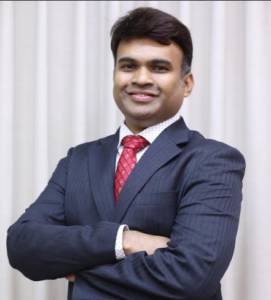
Mr. Amey Belorkar, Fund Manager – Maharashtra Defence and Aerospace Venture Fund (MDAVF), IDBI Capital Markets & Securities Ltd, speaking about the exits said, “Both, Cyronics Innovation Labs and JSR Dynamics, are instrumental in driving technological progress and self-reliance within India’s defence and aerospace industries with a focus on enhancing the operational effectiveness of defence forces. MDAVF remains focused on supporting India’s journey towards self-reliance by investing in high-potential ventures that foster technological breakthroughs and enhance indigenous capabilities. These milestones reflect the strength of our investment strategy and our ongoing commitment to driving innovation in India’s defence and aerospace sectors. By backing sustainable growth in these critical industries, we’re proud to contribute to India’s defence ecosystem and the vision of Atmanirbhar Bharat.”
MDAVF, to date, has invested approximately ₹406 crore in 22 MSMEs. The fund has successfully executed full and partial exits from 12 companies, realizing divestment proceeds of around ₹281 crore and achieving a strong Internal Rate of Return that highlights the fund’s disciplined and strategic approach to value creation.
Cyronics Innovation Labs Private Limited (CILPL)
CILPL, founded in 2020, operates in the AI and Machine Learning sectors, specializing in software-defined radio technologies for the defence and aerospace sectors. CILPL has served leading defence and aerospace organizations, including Kirloskar Oil Engines Ltd., Navstar Integrated Systems Pvt. Ltd. (Navy) and Theta Controls (Army), among others.
JSR Dynamics Private Limited (JSR Dynamics)
JSR Dynamics was founded in 2018 with an intention to contribute in a big way towards achieving self-reliance in the defense sector through indigenous Design, Development and Manufacture. JSR Dynamics is engaged in the development and manufacturing of advanced munitions, including glide bombs and loitering munitions. The company’s products are poised to play a significant role in both Indian and international defence markets.
These exits showcase MDAVF’s commitment to supporting high-potential ventures in the defence and aerospace industry, driving technological advancements, and generating strong returns for its stakeholders. Both exits have been marked by impressive internal rates of return (IRR), underscoring the fund’s effective investment strategy and its ability to identify high-growth companies.
10, Feb 2025
SOMANY Ceramics Launches New TVC with Gomathi Priya & Vetri Vasanth in Tamil Nadu

Chennai: What happens when home renovation meets divine intervention? Ceramics Major, SOMANY Ceramics answers this in its latest Tamil TVC, featuring none other than Gomathi Priya and Vetri Vasanth, the much-loved pair from Siragadikka Aasai. With this light-hearted and entertaining vignette, SOMANY strengthens its brand presence in Tamil Nadu, tapping into the local charm and star power of these actors.
Conceptualized and executed by Madison Loop, the agency that worked on the TVC – it brings in a touch of humor and a whole lot of chemistry, with Meena (Gomathi Priya) playing the role of a ‘divine guide’, quite literally — leading Muthu (Vetri Vasanth) towards a stress-free, stylish home transformation. While Muthu seems, a bit lost in the process initially, Meena (channeling her wisdom) makes it clear that with SOMANY’s wide range of Tiles and Bathware, upgrading a home is simple, and hassle-free but filled with elegant choices. The TVC shows the pair shopping for tiles (Coverstone range), and Bathware (Somany French Collection) to revamp their home.
Talking about the campaign, Mr. Anshuman Chakravarty, Head of Marketing & Communications at SOMANY Ceramics, shared his excitement, stating, ” Tamil Nadu is a key market for us, and we wanted to create a campaign that resonates locally, bringing a lively and joyful experience. We have significantly expanded our footprint in Tamil Nadu by adding numerous showrooms and franchised outlets. We’re confident that this TVC will strike a chord with homeowners looking for stylish, durable, and hassle-free solutions.”
As shown in the TVC, Somany Coverstone brings the raw beauty of natural stone into contemporary design, featuring stylish yet highly durable slabs that offer seamless integration for both interior and exterior applications. The French Collection by SOMANY Bathware exudes European elegance, offering a range of sophisticated tiles that blend timeless aesthetics with modern durability, perfect for creating luxurious spaces. With its playful narrative and charming lead duo, SOMANY’s latest TVC is all set to win hearts across Tamil Nadu.
10, Feb 2025
Disability Groups Urge Karnataka to Uphold Inclusion as the Foundation of Governance
Bengaluru, February 10, 2025: In the South India Regional Consultation convened by the National Centre for Promotion of Employment for Disabled People (NCPEDP) and The Association of People with Disability (APD), in collaboration with the Karnataka State Commissioner for Persons with Disabilities, the Group said that Karnataka should become a ‘model state’ by introducing more first-of-its-kind projects such as Rs 1000 per month allowance to the caregivers of the disabled people.

The two-day consultation brought together key stakeholders to discuss disability-related challenges and policy advancements.
Das Suryavanshi, State Commissioner for Persons with Disabilities, Karnataka, reaffirmed the government’s commitment to ensure holistic development for persons with disabilities. “The government has much to offer, and a united disability sector can help achieve it. Southern states must collaborate to amplify their impact. DPOs should convene to guide the government in implementation. With Sugamyatra underway, launching the YestoAccess App is key to advancing accessibility. Such consultations are vital to our goals,” he stated.
A major highlight of the consultation was the discussion on the allocation of Rs. 1,000 monthly allowance program for caregivers of persons with disabilities, a pioneering initiative that sets Karnataka apart from other Indian states.
Arman Ali, Executive Director of NCPEDP, highlighting the need for more proactive measures from the govt with a collaborative approach. “Karnataka’s disabled population stands at 13.24 lakh as per the 2011 census, a comprehensive ecosystem is required to enable persons with disabilities to lead dignified lives,” he remarked. Speaking about the union budget 2025, Ali said, “Despite claiming “inclusivity” as its ‘guiding spirit’, the Union Budget 2025 has ignored India’s disabled population. No policies, no financial support, no push for assistive tech, no relief for disabled entrepreneurs. Empowerment needs inclusion”.
Participants engaged in insightful discussions on health disparities affecting persons with disabilities, including obstacles such as inaccessible healthcare facilities and discrimination. They advocated for disability-inclusive health policies at local, state, and national levels and emphasized the necessity of integrating disability-specific provisions into existing health insurance schemes like Ayushman Bharat.
Legal rights and protections for disabled individuals were also a focal point of the discussions. Experts highlighted the importance of ensuring accessibility in public spaces and transportation. DPOs emphasised on the need for more disability sensitized lawyers who can take up pro-bono work. Such lawyers if connected with District level legal aid centres can cater to legal needs of disabled persons.
Another key issue addressed was the political participation of persons with disabilities. Participants stressed the urgent need to enhance awareness about their voting rights and the barriers they face in accessing political processes. The discussion emphasised the importance of consolidating the voices of millions of disabled individuals to ensure greater representation in policymaking and governance.
Speaking about the missing millions from the mainstream discourse, Diwakar Menon, Board Member, APD said, “A few years ago, Karnataka, in association with municipal bodies, conducted a survey to understand why disabled people are rarely seen in public spaces. The findings pointed to reasons such as the lack of tactile paths, ramps, and accessible washrooms. Assessing and implementing the Harmonized Guidelines for accessibility remains challenging.”
10, Feb 2025
RR Kabel Becomes Principal Partner of Kolkata Knight Riders for T20 Season

New Delhi, February 10, 2025: RR Kabel, the leading Wires and Cables & consumer electricals company in India, has signed a multi-year partnership agreement as a principal partner of THE Kolkata Knight Riders. This strategic partnership is set to amplify RR Kabel’s brand presence, particularly in Eastern India. Returning for a second collaboration with KKR after its initial association in 2021, the brand reaffirms its commitment to connecting with cricket fans and strengthening its market footprint.
RR Kabel’s branding will be featured on the ‘Right Chest’ of all KKR team kits during the season. This collaboration offers RR Kabel an opportunity to tap into the vast viewership, boosting brand recognition and fostering deeper engagement with a wide-ranging audience. The partnership with KKR underscores the powerful synergy between sports and industry leaders, creating a dynamic platform to connect with consumers and elevate brand visibility on a grand scale.
Commenting on the association, Mrs. Kirti Kabra, Director, RR Global, expressed, “The tournament is where energy, passion, and performance come alive, making it the perfect stage for RR Kabel. Kolkata Knight Riders felt like the right fit because their resilience, ambition, and pursuit of excellence align with who we are. Cricket brings people together like nothing else, and as a brand, we have always believed in growth, progress, and pushing boundaries. This partnership isn’t just about visibility, it’s about being part of something that sparks excitement and unites the nation.”
Adding his thoughts, Mr. Venky Mysore, CEO of Kolkata Knight Riders, said, “We are delighted to welcome RR Kabel back as a partner for IPL 2025. As a globally recognized brand, their continued association with KKR reflects the strong synergy between our values and vision. We look forward to strengthening this partnership further and creating even greater impact together.”
The three-time champions Kolkata Knight Riders (KKR) are gearing up for another exciting season, ready to showcase their prowess on the field and entertain millions of fans across the globe. This multi-year partnership between RR Kabel and KKR marks the beginning of an exciting journey that promises to deliver memorable moments both on and off the field.


