


18, Sep 2026
National Bank for Financing Infrastructure and Development hosts Infrastructure conclave 2026 to deliberate on avenues for mobilising long-term infrastructure capital
MUMBAI, India, Sept. 18, 2026 /PRNewswire/ — The National Bank for Financing Infrastructure and Development (the Institution) hosted the Infrastructure conclave 2026 in Mumbai, bringing together key stakeholders from the infrastructure financing ecosystem to deliberate on avenues to strengthen infrastructure financing and mobilise domestic and global long-term capital.

The event witnessed keynote addresses by Mr. Tuhin Kanta Pandey, Chairman, Securities and Exchange Board of India (SEBI), and Ms. Laya Madduri, IAS, Joint Secretary, Infrastructure Finance Secretariat, Department of Economic Affairs (DEA).
One of the key highlights of the conclave was the launch of two research reports — ‘Channelizing Domestic and Global Capital for Infrastructure Financing’ and ‘Catalysing India’s Economic Ambitions through Bond Market Development.’
The conclave featured panel discussions focused on key aspects of infrastructure financing, including bridging India’s infrastructure financing gap by unlocking domestic and global capital, mobilising domestic and global insurance capital for infrastructure growth, and exploring structured financial solutions for recycling capital and expanding investment through securitisation, Credit Default Swaps (CDS) and Total Return Swaps (TRS).
The discussions also focused on asset monetisation for states to attract institutional capital for infrastructure, including the role of InvITs and REITs by enabling capital recycling and access to long-term institutional capital. The conclave further explored the new pool of infrastructure capital, including private credit, infrastructure funds, pension funds, sovereign wealth funds, insurance capital and other institutional capital.
Commenting on the occasion Mr. Rajkiran Rai G., Managing Director, National Bank for Financing Infrastructure and Development, said, “India’s infrastructure ambitions require a strong and diversified financing ecosystem that can effectively channel long-term domestic and global capital. The Infrastructure conclave 2026 brings together stakeholders to examine new avenues for mobilising capital, deepening the bond market and developing innovative financing structures. Through informed dialogue and collaboration across the ecosystem, we aim to contribute towards strengthening of financing architecture needed to support India’s infrastructure growth.”
The first panel discussion examined the role of long-term institutional and private capital in bridging the infrastructure financing gap and the measures required to attract greater international capital. The discussion covered regulatory and policy considerations, project execution risks, financing constraints, currency volatility and evolving ESG compliance requirements.
The second panel focused on the potential to unlock a larger pool of domestic and global insurance capital for infrastructure growth, while balancing regulatory safeguards and risk-based capital norms with greater flexibility for long-term infrastructure investments. It also explored credit enhancement, co-investment and risk-sharing structures to address risk perceptions, improve project bankability and create investment opportunities aligned with insurers’ long-term liabilities.
The third panel examined securitisation and other structured lending solutions as pathways to unlock capital from operational assets, deepen bond markets and attract institutional investors. The discussion also considered securitisation structures tailored to infrastructure financing and the key considerations and challenges in developing an India-focused securitisation market.
The fourth panel focused on asset monetisation for states and the role of capital recycling which can be utilized by the states for investing in greenfield infrastructure assets in enabling higher capital expenditure while staying within fiscal limits. The discussion explored private participation through InvITs, and the steps required to replicate the success of the National Monetisation Pipeline at the state level.
The final panel focused on exploring the new pool of infrastructure capital and examined the growing infrastructure financing requirements and the role of alternative sources of capital as against traditional sources such as commercial banks, government budgets and conventional project finance, which face constraints relating to capital, tenor, risk appetite and regulatory requirements.
The conclave brought together stakeholders from across the infrastructure financing ecosystem to foster structured dialogue on expanding sources of capital and strengthening the financing ecosystem for India’s infrastructure requirements.
About National Bank for Financing Infrastructure and Development
National Bank for Financing Infrastructure and Development is a Development Financial Institution (DFI) established in April 2021. The institution is dedicated to accelerating the development of India’s infrastructure ecosystem by addressing the long-term financing needs of the sector. The institution plays a pivotal role in driving the nation’s economic growth and fostering sustainable development. It is committed towards its vision of becoming a strong provider of impact investment, catalysing infrastructure financing for transformative growth of India.
The institution aims to be a key partner in helping India achieve its ambitious infrastructure development objectives – responsibly and sustainably. Additionally, the institution is working towards developing a deep and liquid market for bonds, loans, and derivatives for infrastructure financing.
Website: https://nabfid.org/
LinkedIn: https://www.linkedin.com/company/national-bank-for-financing-infrastructure-and-development/
Twitter: https://x.com/NaBFID_official
 View original content to download multimedia:https://www.prnewswire.com/in/news-releases/national-bank-for-financing-infrastructure-and-development-hosts-infrastructure-conclave-2026-to-deliberate-on-avenues-for-mobilising-long-term-infrastructure-capital-302882971.html

- 0
- By Sai Krishna

18, Sep 2026
Practo strengthens leadership: Shashank ND elevated to Managing Director and Executive Chairman, Jagnoor Singh appointed CEO
Bengaluru, Sep 18: Practo, one of the world’s most trusted digital healthcare platforms, today announced a new leadership structure to support its next phase of growth. Shashank ND Singh, Founder & CEO, has been elevated to the expanded role of Managing Director and Executive Chairman. Jagnoor Singh, previously Chief Operating Officer, has been appointed Chief Executive Officer, effective 01 September 2026. The new structure comes at a time of strong business momentum for Practo, which is growing at 40% year-on-year and has remained profitable for the past two and a half years.
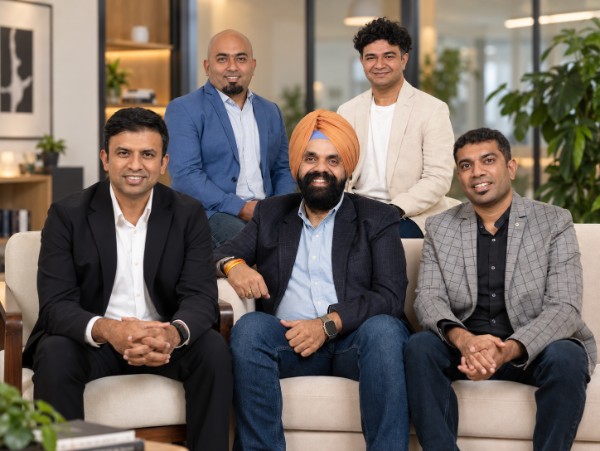
As Managing Director and Executive Chairman, Shashank ND Singh continues to shape Practo’s overall vision, product and strategy and leads the company’s long-term innovation agenda, capital strategy, inorganic growth and corporate development initiatives.
“Over the past 18 years, Practo has built a trusted healthcare platform connecting patients, doctors and providers at scale. We are now entering a phase that requires us to strengthen execution across our businesses while investing deeply in the ideas that will shape healthcare over the next decade. Jagnoor has brought strong operating rigour and ambition to Practo, and has been instrumental in advancing our growth strategy. I look forward to working even more closely with him as we scale our impact, accelerate innovation and build Practo’s next phase of growth,” said Shashank ND Singh, Founder, Managing Director and Executive Chairman, Practo.
Singh joined Practo as Chief Operating Officer in January 2025 and has spent close to two years driving the company’s growth strategy, strengthening execution and advancing its expansion into new markets. Before Practo, Singh held senior operating roles at Bharti Airtel, Unacademy and OYO, spanning telecom and consumer internet. As CEO, he leads Practo’s overall strategy, growth and operations across global markets, working closely with Shashank ND to advance the company’s long-term vision.
“Since joining Practo, I have had the opportunity to help strengthen our businesses and advance our global expansion. The progress we have made has deepened my conviction in the opportunity ahead and in our ability to deliver meaningful impact for patients and providers. Practo has an exceptional leadership team, strong foundations and a clear ambition for the future. Our focus is to build on this momentum – scaling globally, deepening our role across the healthcare ecosystem and harnessing AI to strengthen our products and improve healthcare outcomes. I look forward to working closely with Shashank and the entire Practo team as we take this next chapter forward,” said Jagnoor Singh, Chief Executive Officer, Practo.
Practo has also strengthened its leadership bench by elevating two long-standing leaders into expanded roles, reflecting the depth of talent built within the company over its 18-year journey.
Siddhartha Nihalani, Co-founder, Practo, has taken on the additional responsibility of Chief Operating Officer – B2C, overseeing the company’s consumer businesses. Rowel Coelho, previously Head of Monetization, has been appointed Chief Operating Officer – B2B, with responsibility for Practo’s enterprise and corporate businesses. Together, Siddhartha and Rowel bring nearly three decades of experience at Practo and have contributed to the company’s evolution across multiple stages of its journey.
In addition, Abhinav Lal, Co-founder, Practo, has been named Chief Scientist. In this research-focused role, he will lead Practo’s exploration of frontier applications of AI in healthcare, forge research partnerships and build an innovation hub focused on developing future-ready technologies. His appointment reflects Practo’s commitment to advancing foundational research and pursuing ideas that could shape the future of healthcare.
“Practo is fortunate to have leaders who have helped build and evolve the company over many years. These elevations deepen our leadership capabilities and prepare us for an exciting next phase,” Shashank added.
Following the expansion of its consumer platform into the UAE and the United States, Practo is entering a new phase of global growth, with a network of 700,000+ doctors and healthcare providers serving millions of patients globally. The expanded leadership team will support the company’s priorities of scaling internationally, deepening its presence across the healthcare ecosystem and embedding AI-led capabilities across its existing products and new solutions.
18, Sep 2026
Pension is self-respect in retirement: Joint Labour Commissioner, Govt of Telangana
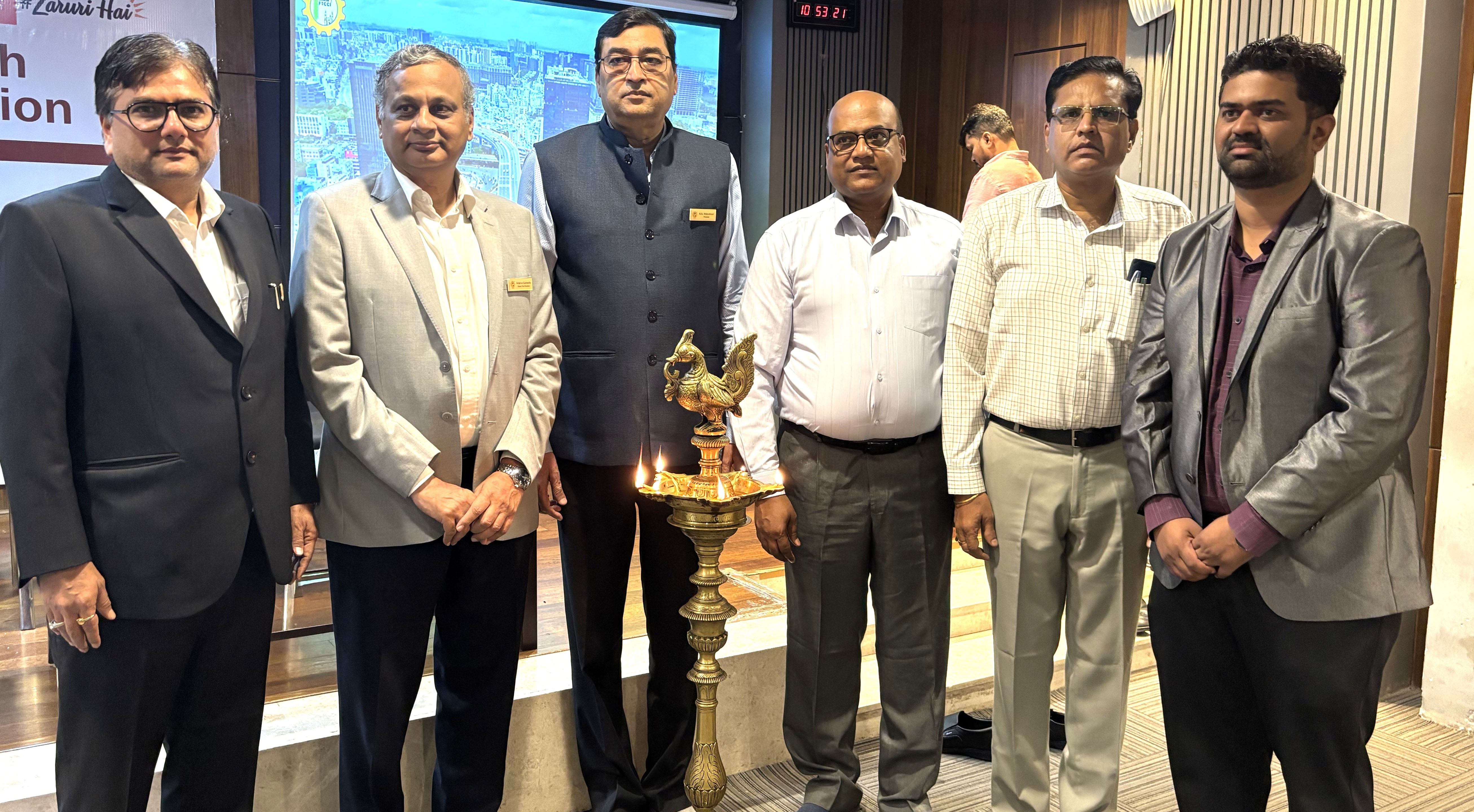
Hyderabad, Sept 18: “Pension is self-respect when you retire, especially for those working in the private sector. While the system provides pension benefits to many government employees, those working in the private sector need to plan early to ensure a regular income after retirement. One should not have to depend on others after retirement and compromise on one’s self-respect,” said R. Chandrasekaran, Joint Labour Commissioner, Department of Labour, Government of Telangana.
He was speaking as the Chief Guest at a workshop on “National Pension System (NPS) – Strengthening MSMEs through Social Security and Workforce Retention”, organised by FTCCI – Federation of Telangana Chambers of Commerce & Industry, in association with the Pension Fund Regulatory and Development Authority (PFRDA), the statutory regulator for India’s pension sector.
Addressing a gathering of more than 100 participants after inaugurating the workshop, Chandrasekaran described the NPS as a “silent saving” mechanism and urged MSMEs to consider adopting NPS for their employees. He also encouraged employees to become “pressure groups” advocating the adoption of NPS within their organisations.
E.S. Ganesh Ram, General Manager, District Industries Centre (DIC), said NPS can be beneficial for both employees and employers. He described it as a form of financial protection for the future and highlighted the significant role of MSMEs in employment generation.
Ajinkya Deshpande, Assistant Manager, PFRDA, gave an overview of NPS and its relevance to MSMEs. He said MSMEs are among the key growth engines of the Indian economy and play a major role in employment generation.
He said NPS was introduced for new Central Government employees with effect from January 1, 2004, and was subsequently adopted by State Governments and extended to the corporate sector. NPS was opened to all citizens on a voluntary basis from May 1, 2009.
“For many people, retirement planning takes a back seat during their working years. This is where NPS can play an important role,” he said, highlighting its potential to support retirement security while also helping organisations attract and retain talent.
The scale of the MSME workforce makes retirement planning a significant social-security issue. Government of India data shows that MSMEs employ more than 32.82 crore people across over 7.47 crore enterprises, making the sector the second-largest source of employment after agriculture. MSMEs also contribute around 31.1% of India’s GDP, 35.4% of manufacturing output and 48.58% of exports.
Against this backdrop, the workshop focused on the need to bring retirement planning and social security into the employee-benefit framework of MSMEs.
The scale of NPS itself has also expanded significantly. According to PFRDA, as of September 13, 2026, NPS had 2.32 crore subscribers and assets under management of ₹17.57 lakh crore.
The private-sector segment has been growing rapidly as well. PFRDA’s Annual Report 2024-25 states that active NPS accounts under the private sector stood at 66.45 lakh as of March 31, 2025, compared with 55.12 lakh a year earlier — a 20.6% year-on-year increase. During FY2024-25, 12.01 lakh new subscribers enrolled under the private-sector segment. The report also states that 19,867 corporates had adopted NPS as of March 31, 2025.
K.K. Maheshwari, President, FTCCI, said NPS has emerged as an important retirement-planning mechanism and stressed the importance of understanding its features, investment framework and benefits.
“You may retire from work, but you cannot retire from financial needs. Retirement planning therefore needs to become an important part of the employee-benefit framework, particularly in the private sector,” he said.
He said NPS can be particularly relevant for private-sector employees and MSMEs as they look at ways to strengthen employee welfare while also attracting and retaining talent.
Srinivas Garimella, Senior Vice President, FTCCI, said that while NPS is mandatory for certain categories of government employees, participation in NPS by private-sector employees remains voluntary. He expressed hope that greater awareness among MSMEs and employees would lead to wider adoption of the system.
The half-day workshop, attended by more than 100 private-sector employees and representatives of MSMEs, focused on retirement planning, social security and workforce retention.
Raghava Sampreet Mandali, Key Account Manager – AP & Telangana, HDFC Pension Fund Management Ltd., and Anathagiri Sai Ganesh, Relationship Manager, UTI Pension Funds, provided detailed information on NPS products, processes and implementation.
The speakers highlighted that the fundamental objective of NPS is to help individuals build a retirement corpus during their working years, providing financial support after retirement. They noted that a large section of India’s workforce does not have access to a traditional guaranteed pension and that NPS provides a structured and regulated mechanism for retirement savings.
The workshop also highlighted that retirement benefits can contribute not only to employees’ long-term financial security but also to employee satisfaction, talent attraction and workforce retention, making social security an increasingly important consideration for MSMEs.
18, Sep 2026
India’s Textile Exports Gain Momentum as August Shipments Rise 16.1%
New Delhi: India’s textile export sector is showing renewed momentum, with exports rising 16.1 per cent year-on-year to ₹29,776 crore in August 2026, compared with ₹25,656 crore in August 2025. The latest performance points to strengthening demand across a broad range of textile products and provides a positive signal for one of India’s most important manufacturing and export-oriented industries. The figures were released by the Ministry of Textiles on September 17.
The August growth becomes more significant when viewed against the cumulative performance of the current financial year. During April-August 2026, India’s textile exports reached ₹1.43 lakh crore, registering a 10.3 per cent increase over the corresponding period of the previous year. The five-month performance indicates that the sector’s export expansion is not limited to a single month but is being supported by growth across several product categories.

A closer look at the numbers reveals a broad-based improvement in the export basket. Cotton yarn, fabrics, made-ups and handloom products recorded a 24.1 per cent increase in August. Cotton remains strategically important for India because of the country’s established manufacturing base, large domestic cotton ecosystem and extensive network of spinning, weaving and processing units.
The man-made textile segment also contributed strongly to the August performance. Exports of man-made yarn, fabrics and made-ups increased 19.9 per cent during the month. The growth highlights the expanding role of synthetic and blended materials in international textile markets, where buyers increasingly seek a combination of performance, cost efficiency, design flexibility and sustainability.
Another notable performer was the handicrafts segment. Handicraft exports, excluding handmade carpets, rose 41.4 per cent in August, making it one of the fastest-growing categories during the month. On a cumulative basis, handicrafts recorded 44 per cent growth during April-August. This performance underscores the potential of India’s traditional manufacturing and artisan ecosystem in global markets.
The carpet industry also maintained positive momentum, with exports increasing 15 per cent in August. India’s carpet manufacturers and exporters have long served international markets, particularly through products that combine traditional craftsmanship with contemporary designs. Continued export growth in this category could provide opportunities for both established exporters and smaller manufacturing clusters.
Ready-made garments, another critical component of India’s textile value chain, recorded 6.1 per cent growth in August. Although the pace was lower than that of several other segments, the positive movement is significant because apparel exports connect India’s textile industry directly with global fashion, retail and consumer markets.
The cumulative April-August figures further demonstrate the breadth of the recovery. Cotton textiles grew 18 per cent, while man-made textiles expanded 13.6 per cent and carpet exports increased 11.9 per cent. Handicrafts, excluding handmade carpets, recorded the strongest cumulative growth at 44 per cent.
For Indian textile companies, the export numbers also highlight the importance of moving beyond volume-driven manufacturing toward greater value addition. Higher-value products, specialised fabrics, technical textiles, branded apparel and differentiated handicrafts can potentially allow Indian manufacturers to capture more value from global demand.
Market diversification is another important factor for the industry. The Ministry of Textiles has attributed the sustained growth across major segments to factors including improved market access, policy interventions, value addition and market diversification. These factors are particularly relevant as Indian exporters operate in a highly competitive global environment where pricing, delivery times, product quality, compliance and sustainability standards increasingly influence sourcing decisions.
The export performance also has wider implications for India’s manufacturing ecosystem. Textiles are closely connected with cotton cultivation, yarn production, weaving, processing, dyeing, garment manufacturing, logistics, packaging and retail. Consequently, stronger export demand can have an impact across multiple stages of the value chain, including opportunities for small and medium-sized enterprises operating in textile clusters.
At the same time, the latest numbers should be viewed within the broader context of global trade. Textile exporters continue to face challenges related to international competition, input costs, currency movements, changing consumer preferences and sustainability requirements. Maintaining export growth will therefore require continued investment in productivity, technology, quality standards, design capabilities and reliable supply chains.
India’s textile industry is also undergoing a gradual shift toward higher-value and more diversified products. The combination of traditional textile capabilities, a large manufacturing workforce and growing investments in modern production technologies gives Indian companies opportunities to participate in segments ranging from conventional garments to technical and performance textiles.
The August figures consequently provide a useful indicator of the sector’s current direction. With exports growing 16.1 per cent during the month and cumulative shipments up 10.3 per cent during April-August, the industry has entered the second half of the financial year with a stronger export trajectory.
For policymakers and industry, the next priority will be to convert this momentum into sustained competitiveness. Expanding access to international markets, strengthening textile clusters, encouraging technology adoption and supporting greater value addition could help Indian exporters compete more effectively for global sourcing opportunities.
India’s textile export story is therefore increasingly about more than higher shipment volumes. The August 2026 performance points to a broader opportunity: building a more diversified, technology-enabled and value-oriented textile ecosystem capable of serving global markets. If the momentum across cotton, man-made textiles, carpets, handicrafts and apparel can be sustained, the sector could remain an important contributor to India’s manufacturing and export growth in the years ahead.
18, Sep 2026
SMU MBA rises to 3rd in Asia in 2027 QS Global MBA Rankings
Highest Asian ranking to-date underscores growing employer recognition and academic strength
SMU Master of Science in Applied Finance also ranks 3rd in Asia
SINGAPORE, Sept. 18, 2026 /PRNewswire/ — Singapore Management University’s (SMU) Master of Business Administration (MBA) has reached a new high in the 2027 QS Global MBA Rankings, rising to 3rd in Asia, its highest regional position to date, and ranking 41st globally.

The result marks the third consecutive year that the SMU MBA has risen in Asia, climbing from 6th in 2024 to 5th in 2025, 4th in 2026 and now 3rd in 2027. It is the second highest ranked MBA programme in Singapore and remains within the top 10 per cent of more than 400 MBA programmes assessed worldwide. The strong showing is underpinned by gains in employer recognition and graduate employment, alongside a 4th-place ranking in Asia for Thought Leadership, highlighting the combination of strong career outcomes and academic excellence that defines the SMU MBA experience.
SMU Master of Science in Applied Finance also ranks 3rd in Asia
SMU’s strong performance also extends to the 2027 QS Master’s in Finance Rankings, where its Master of Science in Applied Finance (MAF) ranks 3rd in Asia and 39th globally. It remains the only finance master’s programme in Singapore included in the rankings, as the field expanded significantly from 248 programmes last year to 319 this year.
Academic strength with impact
Thought Leadership was another area of strength, with both programmes ranking among the world’s Top 40, with the MBA at 33rd and the MAF at 19th. These results underscore SMU’s Lee Kong Chian School of Business (LKCSB)’s growing standing as a source of influential research and ideas that contribute to business and management thinking.
Almost all teaching faculty at SMU’s LKCSB hold doctorates, bringing deep academic expertise and research insights into the classroom. The growing influence of their research is also reflected in this year’s rankings, with research impact improving for both the MBA and MAF. Students across the MBA and MAF learn from well-qualified faculty in their areas of expertise, giving them access to current thinking and research that can be applied to real-world business challenges.
Professor Shantanu Bhattacharya, Deputy Dean (Education) at SMU’s Lee Kong Chian School of Business, said: “Our MBA and MAF both ranking 3rd in Asia is a strong affirmation of the quality of an SMU business education and the progress we have made over several years. This recognition reflects the calibre of our faculty, the relevance and impact of their research, and the value employers place on our graduates. We are particularly encouraged by the growing recognition from employers, which speaks to the capabilities and perspectives our graduates bring to the workplace. In the latest graduate employment survey, 86% and 78% of our MBA and MAF postgraduate students secured employment within six months of graduation respectively. Our focus remains on delivering an education that equips our students to advance their careers, seize new opportunities and lead with confidence in a dynamic and rapidly evolving Asia.”
Both the MBA and the MAF are offered by the University’s Lee Kong Chian School of Business (LKCSB).
The 2027 QS Global MBA and Master’s in Finance rankings assessed more than 400 MBA programmes and 319 Master’s in Finance programmes globally, respectively. Both rankings draw on extensive feedback from employers and academics worldwide and assess programmes across five areas: Employability, Alumni Outcomes, Thought Leadership, Value for Money and Diversity.
About Singapore Management University (SMU)
Established in 2000, Singapore Management University (SMU) is recognised for its high-impact, multi-disciplinary research that addresses Asian issues of global relevance, and for its interactive, collaborative and project-based approach to learning. Home to over 13,000 students across six schools and two colleges, SMU offers bachelors, masters and PhD programmes across Accountancy, Business, Economics, Information Systems, Integrative Studies, Law and Social Sciences, as well as executive development and continuing education programmes. SMU graduates are consistently ranked among the most employable in Singapore, and command one of the highest mean starting salaries. Through its city campus, SMU enjoys strategic linkages with business, government and the wider community in Singapore and beyond. www.smu.edu.sg
 View original content to download multimedia:https://www.prnewswire.com/in/news-releases/smu-mba-rises-to-3rd-in-asia-in-2027-qs-global-mba-rankings-302874531.html

17, Sep 2026
Relativity aiR now integrates with OpenAI through the Model Context Protocol
This integration connects Relativity aiR directly to ChatGPT Enterprise and enables users to stand up workspaces, organize case data and manage legal operations
CHICAGO, Sept. 17, 2026 /PRNewswire/ — Relativity, a legal data intelligence company, today announced that it has deepened its work with OpenAI by integrating Relativity aiR, its extensible AI platform for legal work, with ChatGPT Enterprise. Through the Model Context Protocol (MCP), legal teams can now use natural language in ChatGPT Enterprise to stand up new matters, align workspaces to the structure of their data, and manage access and workflows in Relativity aiR.

“ChatGPT Enterprise has quickly become one of the most common places professionals go to manage their work, and legal teams are no exception,” said Chris Brown, President of Relativity. “In connecting Relativity aiR with ChatGPT Enterprise, legal professionals can take action within the tools they already use, while maintaining the security and permissions of their existing workflows and keeping Relativity’s substantive data analysis within the platform.”
This integration further extends the capabilities of Relativity aiR and its broader partner ecosystem. The integration bridges Relativity aiR to a tool many legal teams already leverage, letting administrators work seamlessly without switching between systems. The result is a conversational agentic execution layer on top of Relativity aiR, empowering teams with a faster way to run enterprise workflows without trading off security.
As AI capabilities evolve rapidly, Relativity’s MCP strategy is designed to keep pace: connecting its platform to the AI applications legal teams already use, so they can adopt new tools as they emerge while defensibility remains anchored in Relativity aiR.
Relativity began working with OpenAI in 2024, when ChatGPT Enterprise became a data source in Collect. This enabled legal teams to seamlessly collect activity logs and conversation content for easy review in a near-native format.
To learn more about activating the OpenAI connector in Relativity aiR, visit https://relativity.com/platform/mcp/ or chat with the Relativity team at RelFest Chicago taking place Sept. 29–Oct. 1.
About Relativity
Relativity is a leading legal data intelligence company that builds technology to help users organize data, discover the truth, and act on it. Its AI platform, Relativity aiR, transforms complex data into actionable insights at massive scale for litigation, investigations, regulatory inquiries, data breach responses, and other legal use cases. The world’s largest law firms and corporations, government agencies, and a robust network of channel partners rely on Relativity’s legal AI to securely surface and manage the most relevant and impactful information in their matters. The company also expands access to technology by providing its platform at no cost to academic institutions through its Relativity Academic program and to organizations supporting pro bono legal work through its Justice for Change initiative.
CONTACT: PR@relativity.com
 View original content to download multimedia:https://www.prnewswire.co.uk/news-releases/relativity-air-now-integrates-with-openai-through-the-model-context-protocol-302882504.html

17, Sep 2026
A robust adjusted EBIT margin of 18.8%, driven by solid organic revenue growth of 7.4%
PARIS, Sept. 17, 2026 /PRNewswire/ —

- H1 2026 delivered a robust revenue growth of +7.4% and an adjusted EBIT margin of 18.8% at CERS:
○ Revenue growth is coming from both segments : companion animal +10.0% and farm animal +6.7% with a strong contribution from our Supercharge platforms (excl. Thyronorm) which increased by around +12% at CERS
○ Solid volume/mix effect of ~+5.4%, completed by price increase of ~+2%
○ Operating margin increased by 0.5ppt compared to H1 2025 driven by a favorable mix effect on the gross margin partially offset by higher operating expenses due to H1/H2 phasing effects.
- Consolidated net income increased by +5.9% to €87.1 million
- Net Debt as of June 2026 up to €196 million compared to €173m as of December 2025 mainly driven by usual working capital requirement seasonality
2026 guidance confirmed at the upper end of the range: the strong performance achieved in the first half of the year positions us to target the upper end of our initial revenue growth range (5.5% to 7.5% at CERS) and an adjusted recurring operating income margin of around 17% at CERS
Paul Martingell, Chief Executive Officer statement
“Virbac delivered a strong first half, marked by +7.4% organic growth and an 18.8% operating margin, demonstrating our teams’ ability to turn our commitment to animal health into tangible value. This performance reflects the scaling power of our ‘Supercharge’ platforms and the seamless integration of Thyronorm. Guided by our ‘Growing Together’ 2030 strategy, we are fully on track to achieve our full-year guidance.”
To be noted: EBIT Adjusted (before amortizations) corresponds to “recurring operating income before amortization of assets arising from acquisitions”.
Media Contact: contact@virbac.com
 View original content to download multimedia:https://www.prnewswire.co.uk/news-releases/a-robust-adjusted-ebit-margin-of-18-8-driven-by-solid-organic-revenue-growth-of-7-4-302882343.html

17, Sep 2026
ZEISS expands retinal imaging portfolio with new ZEISS ALTA DUO 300
ZEISS’ new multimodal solution combines automated OCT and fundus imaging to support simplified and efficient retinal assessment across a broader range of eye care practices.
JENA, Germany, Sept. 17, 2026 /PRNewswire/ — ZEISS Medical Technology, one of the world’s leading medical technology companies, announced the expansion of its retinal imaging portfolio with the ZEISS ALTA DUO fully automated, compact, multimodal imaging solution. Combining OCT and fundus photography within a single imaging device, the new solution broadens the ZEISS retinal imaging offering and helps address the needs of practices seeking efficient access to multimodal retinal imaging. Eye care practices operate with different clinical priorities, workflow requirements and patient volumes. The introduction of ZEISS ALTA DUO 300 expands the range of retinal imaging solutions available from ZEISS, enabling eye care professionals to select the imaging platform that best aligns with their practice needs.

The ZEISS ALTA DUO 300 will be showcased at the European Society of Retina Specialists (EURETINA) congress in Vienna, Austria, from Oct. 1 – 4 and will be available in select markets later in 2026.
“With the introduction of the ZEISS ALTA DUO 300, we deliver new customer value by expanding our ZEISS retinal imaging portfolio for eye care professionals, whose needs vary, depending on the patients they serve and services they provide. The ALTA DUO adds an alternative fully automated, multimodal device to the ZEISS OCT portfolio, complementing the comprehensive CIRRUS solution,” says Andreas Völker, Head of the Ophthalmology Strategic Business Unit, ZEISS Medical Technology.
“Many practices are looking for ways to integrate retinal imaging into everyday patient care through workflows that are efficient, consistent and easy to adopt. By bringing OCT and fundus imaging together with automated acquisition capabilities, ZEISS ALTA DUO 300 helps address those needs while allowing practices to benefit from the broader ZEISS ophthalmic portfolio,” says Anuj Kalra, Head of Chronic Disease Management at ZEISS Medical Technology.
ZEISS ALTA DUO multimodal, fully automated OCT, simplified
The ZEISS ALTA DUO 300 is built around four key diagnostic technologies, combined into one automated device that enables users to achieve consistent results with ease. The device offers a fully automated structural OCT with a robust reference database and comprehensive reporting, combined with a true color fundus camera. It also includes high resolution AI enhanced OCT-Angiography capability together with full chamber depth anterior OCT scan capability (without the need for external lens applications), providing eye care professionals with multiple diagnostic functionalities in one simple device.
To learn more about the ZEISS ALTA DUO 300, visit the ZEISS booth B50 in Hall B at the European Society of Retina Specialists (EURETINA) congress in Vienna, Austria, from Oct. 1 – 4.
Not all products, services or offers are approved or offered in every market and approved labelling and instructions may vary from one country to another. For country specific product information, see the appropriate country website.
Company Profile
Carl Zeiss Meditec AG (ISIN: DE0005313704), which is listed on the TecDAX and SDAx of the German stock exchange, is one of the world’s leading medical technology companies. The Company supplies innovative technologies and application-oriented solutions designed to help doctors improve the quality of life of their patients. The Company offers complete solutions, including implants and consumables, to diagnose and treat eye diseases. The Company creates innovative visualization solutions in the field of microsurgery. With 5,784 employees worldwide, the Group generated revenue of €2,228m in fiscal year 2024/25 (to 30 September).
The Group’s head office is located in Jena, Germany, and it has subsidiaries in Germany and abroad; more than 50 percent of its employees are based in the USA, Japan, Spain and France. The Center for Application and Research (CARIn) in Bangalore, India and the Carl Zeiss Innovations Center for Research and Development in Shanghai, China, strengthen the Company’s presence in these rapidly developing economies. Around 39 percent of Carl Zeiss Meditec AG’s shares are in free float. Approx. 59 percent are held by Carl Zeiss AG, one of the world’s leading groups in the optical and optoelectronic industries.
For further information visit: www.zeiss.com/med.
 View original content to download multimedia:https://www.prnewswire.co.uk/news-releases/zeiss-expands-retinal-imaging-portfolio-with-new-zeiss-alta-duo-300-302881596.html

17, Sep 2026
American Savings Bank Jumps More Than 6% in Trading Debut: NYSE Content Update
NYSE issues a pre-market daily advisory direct from the trading floor.
NEW YORK, Sept. 17, 2026 /PRNewswire/ — The New York Stock Exchange (NYSE) provides a daily pre-market update directly from the NYSE Trading Floor. Access today’s NYSE Pre-market update for market insights before trading begins.
Ashley Mastronardi delivers the pre-market update on September 17th
- American Savings Bank scored a winning debut as a publicly traded company.
- Shares of the American Savings Bank (NYSE: ASBH) rose 6.25% on Wednesday.
- On NYSE Live, CEO Ann Teranishi discussed the level of responsibility the firm has to support the needs of its customers.
- The Federal Reserve raised interest rates for the first time since 2023.
- The central bank raised interest rates by 25 basis points, while policymakers signaled another rate hike could take place later this year.
- In his news conference, Fed Chair Kevin Warsh emphasized that inflation remains too high.
- Profound secured a $180 million Series D raise earlier this week.
- The round boosted Profound’s valuation to $1.8 billion
- Co-founder + CEO James Cadwallader will join NYSE Live to explain how his platform Is uniquely built to win in the era of emerging technologies.
- Sequen AI recently raised $90 million in Series B funding.
- The company elevated its valuation to $1.44 billion.
- The behavioral AI and enterprise software startup is launching Recursive Ranking Intelligence (RRI), an autonomous AI researcher.
Opening Bell
The New York Times (NYSE: NYT) marks 175 years since its founding.
Closing Bell
Nomura Holdings (NYSE: NMR) marks 100 years since its founding.
For market insights, IPO activity, and today’s opening bell, download the NYSE TV App and check out the NYSE YouTube: TV.NYSE.com and YouTube.com/@NYSEofficial

 View original content to download multimedia:https://www.prnewswire.co.uk/news-releases/american-savings-bank-jumps-more-than-6-in-trading-debut-nyse-content-update-302882094.html

17, Sep 2026
Cyble and Cyber Security Council of UAE Sign MOU to Strengthen National Threat Intelligence Capabilities
ABU DHABI, UAE, Sept. 17, 2026 /PRNewswire/ — Cyble, a global AI-native cybersecurity company, today announced the signing of a Memorandum of Understanding (MOU) with the Cyber Security Council of the United Arab Emirates (UAE), the federal entity responsible for strengthening the UAE’s cybersecurity posture. The agreement formalizes a strategic collaboration centered on Cyble’s threat intelligence capabilities, marking a significant milestone in Cyble’s engagement with the UAE’s national cybersecurity ecosystem.
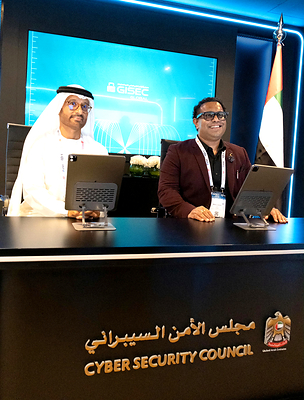
The MOU establishes a framework for Cyble to support the Council’s mission of protecting UAE’s digital infrastructure, with a focus on delivering advanced threat intelligence, early warning capabilities, and actionable insights into emerging cyber risks facing government and critical-infrastructure entities across the country.
This collaboration reflects the UAE’s continued commitment to building a resilient, forward-looking cybersecurity posture at the national level, and positions Cyble as a trusted technology partner within that effort. By working closely with the Council, Cyble aims to help strengthen visibility into threat actors, malicious campaigns, and vulnerabilities that could impact the UAE’s most critical systems and services.
“This is not just a partnership announcement. It is a strategic validation of Cyble’s capabilities at the national cybersecurity level and potentially a gateway to the UAE government and critical-infrastructure ecosystem,” said Beenu Arora, CEO and Co-Founder, Cyble. “Working alongside the Cyber Security Council underscores the trust placed in our threat intelligence platform and reflects the growing importance of proactive, intelligence-led defense in protecting nations against increasingly sophisticated cyber threats.”
“The Cyber Security Council is committed to building strategic partnerships with world-class technology providers that strengthen the UAE’s cyber resilience at every level,” said H.E. Dr. Mohamed Al Kuwaiti, Head of Cyber Security for the UAE. “This MOU with Cyble reflects our shared commitment to safeguarding the nation’s digital infrastructure through advanced threat intelligence and proactive, intelligence-led defense — ensuring the UAE remains at the forefront of global cybersecurity readiness.”
The agreement builds on Cyble’s broader strategy of deepening engagement with government and regulatory bodies across the Middle East, reinforcing its position as a trusted partner to national cybersecurity authorities navigating an increasingly complex threat landscape.
Cyble’s threat intelligence platform, Cyble Vision, powered by Blaze AI, will play a central role in the collaboration — delivering rapid detection, automated analysis, and contextual insights into ransomware, phishing, fraud, and other evolving threats relevant to national security priorities.
About Cyble
Cyble is a global, AI-native cybersecurity company specializing in threat intelligence, digital risk protection, and dark web monitoring. Its flagship platform, Cyble Vision, powered by Blaze AI, delivers rapid threat detection, automated analysis, and contextual insights into ransomware, phishing, and fraud.
Media Contacts:
enquiries@cyble.com
+1 678 379 3241
www.cyble.com
 View original content to download multimedia:https://www.prnewswire.co.uk/news-releases/cyble-and-cyber-security-council-of-uae-sign-mou-to-strengthen-national-threat-intelligence-capabilities-302882097.html



