


15, Jul 2026
Bharat Tex 2026: India’s Textile Sector Charts a New Path Towards Global Leadership
July 15: Bharat Tex 2026 has emerged as a reflection of India’s ambitious vision to transform the textile sector into a globally competitive and future-ready industry, Prime Minister Narendra Modi said while highlighting the sector’s crucial role in the country’s economic growth.
The Prime Minister said the event represents India’s Vision 2030 roadmap for textiles, focusing on innovation, advanced manufacturing, sustainable practices, and expanding the global footprint of Indian textile products.
Emphasising the importance of the sector, PM Modi noted that textiles are not only linked to India’s rich heritage of craftsmanship but also represent a major opportunity for economic development, entrepreneurship, and job creation.
Bharat Tex 2026 brings together stakeholders from across the textile value chain, including manufacturers, designers, exporters, innovators, and industry leaders, providing a platform for collaboration, investment, and global partnerships.
The Prime Minister highlighted the need to strengthen technology adoption, improve product quality, promote sustainable manufacturing, and empower artisans and businesses to compete effectively in international markets.
With India’s traditional strengths combined with modern innovation, the textile sector is expected to play a key role in achieving the vision of a developed India by creating new opportunities for growth and employment.
Bharat Tex 2026 marks an important milestone in India’s journey to position itself as a leading global textile hub, blending heritage with technology and sustainability for the future.
- 0
- By Neel Achary

15, Jul 2026
ten23 health expands excipient options for biologic drug development with an external collaboration
Basel, Switzerland. July 15 — ten23 health® today highlights its research collaboration with dsm-firmenich, focused on expanding excipient options for parenteral biologic drug products. By combining complementary expertise, the collaboration aims to address one of the longstanding challenges in biologic formulation development: the limited availability of excipients suitable for injectable medicines.
As biologic therapies become increasingly complex, formulation scientists face growing challenges in achieving product stability, manufacturability, and long-term performance. While excipients play a critical role in addressing these challenges, relatively few are available for parenteral biologic applications, limiting formulation flexibility.
Through this collaboration, ten23 health contributes its expertise in formulation development for sterile products, analytical characterization and pharmaceutical manufacturing, while dsm-firmenich brings extensive capabilities in pharmaceutical ingredient science, quality systems and regulatory support. Together, the teams are evaluating pharmaceutical-grade ingredients with established safety profiles as potential excipient candidates for biologic formulations.
The research follows a structured scientific approach, including proof-of-concept studies, benchmarking against established excipients and evaluation in representative protein formulations using advanced analytical methods. Initial findings have identified promising candidates, which are currently undergoing further verification and characterization.
“Our approach has been to identify promising ingredients based on their safety profiles, regulatory acceptance, and suitability for biologic formulations,” said Prof. Dr. Andrea Allmendinger, Chief Scientific Officer at ten23 health. “Following proof-of-concept studies and advanced analytical evaluation in representative protein formulations, we have generated promising initial data, which is now being further verified.”
When successful, the collaboration could help pharmaceutical developers improve formulation stability, enhance manufacturability and increase flexibility during product development. Expanding excipient options may also contribute to more efficient development processes and support the design of drug products better suited to patient needs, including self-administration and improved usability.
The collaboration reflects a shared commitment by both organizations to advancing biologic drug development through scientific excellence, responsible innovation and cross-disciplinary collaboration.
15, Jul 2026
Gujarat’s Shipbuilding Sector Gets Fresh Push with Centre’s Project Approval
July 15: The Centre has approved two major shipbuilding projects in Gujarat under a development scheme aimed at strengthening India’s maritime manufacturing capabilities and promoting growth in the shipbuilding sector.
The projects are expected to enhance domestic shipbuilding infrastructure, encourage investment, and support the expansion of India’s maritime ecosystem. The initiative is part of the government’s broader efforts to improve self-reliance in strategic sectors and position India as a competitive player in global shipbuilding.
Officials said the projects will help develop advanced shipbuilding facilities while creating new opportunities for industries, skilled workers, and allied sectors connected to maritime activities.
The initiative is also expected to contribute to employment generation, technology development, and improved capabilities in ship construction and related services.
With Gujarat’s strong coastal advantage and growing industrial base, the approved projects are likely to play an important role in strengthening the state’s position as a key maritime hub.
The move reflects the government’s continued focus on expanding India’s blue economy, enhancing manufacturing capacity, and building a stronger presence in the global maritime industry.
15, Jul 2026
Zeelab Pharmacy Crosses 300 Company-Owned Stores, Strengthens Omni-channel Growth with 5,000 Daily Online Orders

New Delhi, 15th July: Zeelab Pharmacy, one of India’s fastest-growing pharmacy retail brands, has crossed 300 company–owned company-operated (COCO) stores and 5,000 daily orders through its e-commerce platform, marking a major milestone in its omni–channel growth journey. The achievement reinforces Zeelab’s position as one of India’s fastest-scaling pharmacy networks, driven by a technology-enabled omni–channel model focused on making quality healthcare more accessible and affordable.
The company achieved the 300-store milestone while its digital platform surpassed 5,000 daily orders within just four years of launch, reflecting strong customer adoption across metropolitan cities as well as Tier II and Tier III markets. Together, these milestones highlight the growing acceptance of Zeelab’s integrated “phygital” healthcare model, which combines a company–owned retail network with digital convenience to deliver affordable medicines at scale.
Over the last six months, Zeelab has expanded its footprint by adding nearly 15 company–owned stores every month, with its strongest presence across Delhi-NCR, Uttar Pradesh, Maharashtra and West Bengal. By March 2027, it aims to achieve 15,000 daily online orders, 35,000 daily offline orders and a significantly larger retail footprint.
Commenting on the milestone, Rohit Mukul, Founder and Chief Executive Officer, Zeelab Pharmacy, said, “Crossing 300 company–owned stores is more than a growth milestone, it reflects our conviction that quality healthcare can be made affordable at scale. India remains one of the world’s largest pharmaceutical markets, yet out-of-pocket healthcare expenditure continues to place a significant burden on millions of families. At Zeelab, we are addressing this gap by combining an integrated retail network, technology-led operations and a robust supply chain to make trusted, high-quality medicines accessible to more people. As we continue to expand, our ambition is clear, to build India’s most trusted affordable healthcare platform by setting new benchmarks in accessibility, affordability and customer experience.”
Zeelab’s integrated omni–channel model has become a key growth driver, enabling customers to access medicines seamlessly through both physical stores and digital channels. Pharmaceutical products account for approximately 60% of the company’s business, while wellness, personal care and over-the-counter healthcare products contribute the remaining 40%. Online demand continues to be led by chronic therapies, including diabetes and cardiac medicines, alongside rapidly growing skincare and haircare categories. The platform currently offers more than 1,200 products, serving customers across urban and emerging markets.
The company’s affordability-led model is also improving healthcare outcomes by enabling more consumers to purchase complete prescribed treatment regimens, supporting better treatment adherence. To guide future expansion, Zeelab leverages AI-enabled location intelligence, e-commerce demand heat maps and retail performance analytics to identify underserved, high-potential markets and optimise network expansion.
Looking ahead, Zeelab plans to accelerate its expansion across high-growth markets, including Uttar Pradesh, Bihar, Delhi-NCR, Telangana and West Bengal, while strengthening its presence in existing geographies. The company will continue to build its integrated healthcare ecosystem and advance its mission of making quality healthcare affordable and accessible to millions of Indians.
15, Jul 2026
Delhi Moves Towards Faster Public Services with ‘Right to Time-Bound Services’ Bill Approval
July 15: The Delhi Cabinet has approved the ‘Right to Time-Bound Services’ Bill, a significant step aimed at ensuring that citizens receive essential government services within a fixed timeframe.
The proposed legislation is expected to bring greater accountability and transparency to public service delivery by setting clear timelines for various government services. It aims to reduce delays, improve administrative efficiency, and make government systems more responsive to people’s needs.
Under the proposed framework, citizens will have the right to access notified services within a stipulated period, while officials will be held responsible for ensuring timely action.
The move is expected to benefit residents by providing a more predictable and hassle-free experience while accessing government facilities and welfare services. It also aims to strengthen trust between citizens and public institutions by promoting a culture of timely service delivery.
Officials said the initiative reflects the government’s focus on improving governance, reducing procedural delays, and making public administration more citizen-friendly.
With the Cabinet’s approval, the Bill marks an important step towards building a more accountable and efficient service delivery system in the national capital.
15, Jul 2026
India’s Chip Revolution Gets a Mega Boost with INR 1.27 Lakh Crore Semicon 2.0 Mission
July 15: India has taken a major step towards strengthening its semiconductor ecosystem with the approval of ‘Semicon 2.0’, a programme with an investment outlay of ₹1,27,500 crore aimed at accelerating chip design, manufacturing, and advanced technology development.
The initiative is expected to provide fresh momentum to India’s semiconductor ambitions by supporting domestic capabilities and attracting global investments in the rapidly growing chip industry.
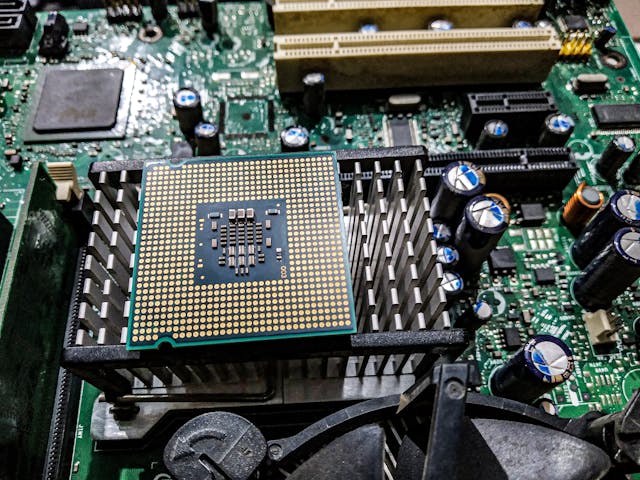
Semicon 2.0 will focus on developing a complete semiconductor ecosystem, covering areas such as chip design, manufacturing, packaging, testing, research, and innovation. The programme aims to help India build stronger capabilities in a sector that plays a crucial role in modern technologies, including smartphones, automobiles, artificial intelligence, telecommunications, and electronic devices.
The government expects the initiative to encourage collaboration between industries, research institutions, and technology experts while creating opportunities for skilled employment and advanced manufacturing.
The semiconductor sector has become strategically important worldwide due to growing demand for chips and the need for secure supply chains. Through Semicon 2.0, India aims to reduce import dependence, strengthen technological self-reliance, and emerge as a trusted destination for semiconductor investment.
The programme marks another significant milestone in India’s journey towards becoming a global hub for innovation, electronics manufacturing, and next-generation technology.
15, Jul 2026
Cabinet Clears INR 62,500 Crore Push to Turn India into a Mobile Manufacturing Powerhouse
July 15: The Union Cabinet has approved a ₹62,500 crore mobile phone manufacturing scheme aimed at giving a major boost to India’s electronics sector and accelerating the growth of domestic manufacturing.
The ambitious initiative is expected to encourage investment in mobile phone production, strengthen the local supply chain, and help Indian manufacturers expand their presence in the global electronics market.
The scheme will focus on enhancing manufacturing capacity, promoting innovation, and creating a stronger ecosystem for mobile devices and related components. It is expected to support businesses across the electronics value chain, from manufacturing to allied industries.
The move is also likely to generate employment opportunities, particularly in manufacturing and technology-related sectors, while supporting India’s vision of becoming a global hub for electronics production.
Industry stakeholders have welcomed the initiative, stating that the policy support could improve competitiveness, attract new investments, and encourage companies to increase their manufacturing footprint in India.
The government said the scheme reflects its commitment to strengthening domestic manufacturing, promoting technological advancement, and reducing dependence on external supply chains.
With the approval of the ₹62,500 crore programme, India aims to further consolidate its position as a leading destination for mobile phone manufacturing and build a more resilient electronics ecosystem for the future.
15, Jul 2026
Varanasi’s New INR 14,447 Crore Ganga Corridor Set to Transform Travel and Connectivity
July 15: Varanasi is set for a major infrastructure transformation after the Union Cabinet approved a ₹14,447 crore project for a six-lane elevated corridor along the Ganga, a landmark initiative aimed at improving connectivity and easing congestion in the historic city.
The ambitious project is expected to provide a faster and more efficient transportation network while reducing pressure on existing roads. For a city that welcomes millions of pilgrims, tourists, and residents every year, the new corridor is expected to make daily travel smoother and more convenient.
The elevated corridor will help streamline traffic movement, improve accessibility between important locations, and strengthen the city’s overall transport infrastructure. It is also expected to support the movement of goods and services, benefiting local businesses and the regional economy.
Officials said the project reflects the government’s focus on developing modern urban infrastructure while meeting the growing needs of Varanasi. The initiative is expected to play an important role in improving mobility without affecting the city’s cultural and spiritual character.
Beyond better connectivity, the project is likely to generate employment opportunities during construction and contribute to long-term economic growth by supporting tourism, trade, and urban development.
As one of India’s oldest and most revered cities, Varanasi continues to evolve while preserving its heritage. The new Ganga-side elevated corridor is expected to become a key milestone in this journey, creating a more connected and accessible city for future generations.
15, Jul 2026
From Fabrics to Cars: Indian Industries Set to Gain from UK Trade Agreement
July 15: The India-UK Free Trade Agreement (FTA) is expected to create significant growth opportunities for key sectors such as textiles, footwear, and automobiles, with businesses looking to maximise the benefits of improved market access and reduced trade barriers.

According to industry assessments, the agreement could help Indian exporters enhance their presence in the UK market by improving competitiveness, encouraging new investments, and creating opportunities for expansion across multiple sectors.
The textile and apparel industry is expected to gain from better export prospects, while the footwear sector may benefit from increased demand and easier access to one of the world’s major consumer markets. The automobile sector is also likely to explore new opportunities through stronger trade relations and improved business collaboration.
Experts believe the FTA will provide a broader platform for Indian companies to integrate more closely with global supply chains and strengthen their export capabilities.
The agreement is also expected to encourage innovation, attract investment, and support employment generation across manufacturing and allied industries.
With the India-UK trade partnership entering a new phase, industry stakeholders are focusing on leveraging the opportunities to boost exports, expand global reach, and contribute to India’s economic growth.
15, Jul 2026
Sensex, Nifty Bounce Back as Financial Stocks Drive Market Recovery
July 15: Indian stock markets ended on a positive note after a volatile trading session, with the Sensex and Nifty closing higher, driven by strong performance in banking and financial sector stocks.
The benchmark indices witnessed fluctuations during the day as investors reacted to market developments and global cues. However, buying interest in key banking and financial stocks helped markets regain momentum and finish in the green.
Banking shares emerged as the major contributors to the market’s recovery, providing support to the broader indices. Investors also tracked sectoral trends and corporate developments while maintaining a cautious approach amid market volatility.
Market analysts said the strength in financial stocks helped offset pressure in some other sectors, allowing the indices to close with gains. The positive movement reflected improved investor sentiment despite intraday fluctuations.
The trading session highlighted continued market resilience as investors balanced domestic economic factors, global trends, and sector-specific developments.
With banking and financial stocks leading the rally, the Indian equity market ended the session on a firm note, offering positive momentum ahead of future trading sessions.


