


13, Jul 2026
AI Asymmetry Emerges as a Key Risk for Financial Institutions, Experts Warn
New Delhi, July 13: Experts have identified AI asymmetry as one of the emerging risks facing financial institutions, highlighting the need for stronger governance, responsible technology adoption, and enhanced risk management frameworks.
As financial organisations increasingly integrate artificial intelligence into operations, concerns are growing over the unequal access to advanced AI capabilities, potential misuse of technology, and challenges related to transparency and decision-making.
Industry specialists noted that while AI offers significant opportunities in areas such as fraud detection, customer service, risk assessment, and operational efficiency, institutions must also address associated risks including data security, model reliability, and regulatory compliance.
The rapid evolution of AI technologies has made it essential for financial institutions to strengthen their digital infrastructure and develop robust oversight mechanisms. Experts emphasised the importance of responsible AI practices to ensure that technological advancements support financial stability and consumer trust.
Financial institutions are expected to focus on improving AI governance, enhancing employee capabilities, and adopting secure frameworks to manage emerging challenges while leveraging the benefits of artificial intelligence.
The growing discussion around AI asymmetry reflects the broader need for the financial sector to balance innovation with security, transparency, and responsible technology management.
- 0
- By Neel Achary

13, Jul 2026
Rajasthan Boosts DISCOM Reforms and Renewable Energy Push
Jaipur, July 13: Rajasthan is taking significant steps to build a stronger and more sustainable power sector by improving the financial health of electricity distribution companies (DISCOMs) and accelerating the adoption of renewable energy solutions.
The state is focusing on enhancing the operational efficiency and financial stability of DISCOMs through improved management practices, better resource utilisation, and measures aimed at creating a more reliable electricity distribution network.
At the same time, Rajasthan is expanding its renewable energy footprint by leveraging its strong potential in solar and wind power. The push towards clean energy is aimed at meeting growing electricity demand while supporting environmental sustainability and reducing dependence on conventional energy sources.
The state’s initiatives are expected to strengthen energy security, improve power supply reliability, and support long-term economic growth. Modernising power infrastructure and promoting clean energy development remain key priorities as Rajasthan works towards building a resilient and future-ready energy ecosystem.
The combined focus on DISCOM reforms and renewable energy expansion reflects Rajasthan’s commitment to creating a balanced power sector that supports consumers, industries, and sustainable development goals.
13, Jul 2026
Rosmerta Technologies Joins ACMA–Maruti Suzuki Supplier Development Conference as Platinum Sponsor
Gurugram, July 13: Rosmerta Technologies Limited participated as the Platinum Sponsor at the ACMA–Maruti Suzuki Supplier Development Conference, held on July 10, 2026, at Crowne Plaza, Gurugram. The conference brought together Maruti Suzuki India, their component suppliers and technology partners to deliberate on the OEM’s expectations vis-à-vis challenges faced by Tier-1 and Tier-2 suppliers with special focus on Quality, Scalability and Safety. Various use cases were also presented by various suppliers on their experience overcoming such challenges through innovation, collaboration and supply chain excellence.

Speaking on the occasion, Mr. Karn Nagpal, President, Rosmerta Technologies Limited, said,
“The ACMA–Maruti Suzuki Supplier Development Conference provided an excellent platform to engage with key stakeholders from across India’s automotive value chain and exchange experience on challenges faced and solutions arrived. At Rosmerta Technologies, we remain committed to developing technology-driven solutions that strengthen regulatory compliance, enhance road safety and improve operational efficiency across the automotive ecosystem. Our participation as the Platinum Sponsor reflects our continued focus on fostering industry collaboration and supporting India’s journey towards a smarter, safer and more digitally connected mobility landscape.”
Rosmerta also presented the challenges faced in maintaining the quality of service in its connected car products and solutions arrived through “Atmanirbhar” technological intervention and necessary contribution at the policy level. The company’s participation reaffirmed its commitment to supporting the industry’s transformation through scalable, secure and technology-driven solutions that address the evolving needs of India’s mobility and automotive sector.
13, Jul 2026
AI Becomes a Major Factor in Smartphone Buying Decisions, Consumer Preferences Shift
New Delhi, July 13: Artificial intelligence (AI) features are increasingly influencing smartphone purchase decisions, with 68% of consumers considering AI capabilities an important factor when selecting their devices, according to a recent study.
The trend reflects changing consumer expectations, as users now look for smartphones that offer smarter and more personalised experiences beyond conventional features such as camera performance, battery life, and processing power.
AI-driven tools, including enhanced photography features, intelligent assistants, productivity solutions, and personalised recommendations, are gaining popularity as consumers seek devices that can better support their daily needs.
The growing preference for AI-enabled smartphones highlights the rapid evolution of the mobile technology landscape, with manufacturers investing in advanced innovations to deliver more intuitive and efficient user experiences.
Industry observers expect AI integration to remain a key growth driver in the smartphone market as consumers continue to embrace smarter, connected devices.
13, Jul 2026
AI Emerges as a Key Buying Factor for Smartphone Consumers
New Delhi, July 13: Artificial intelligence (AI) features are increasingly influencing smartphone purchase decisions, with 68% of consumers considering AI capabilities an important factor when selecting their devices, according to a recent study.
The trend reflects changing consumer expectations, as users now look for smartphones that offer smarter and more personalised experiences beyond conventional features such as camera performance, battery life, and processing power.
AI-driven tools, including enhanced photography features, intelligent assistants, productivity solutions, and personalised recommendations, are gaining popularity as consumers seek devices that can better support their daily needs.
The growing preference for AI-enabled smartphones highlights the rapid evolution of the mobile technology landscape, with manufacturers investing in advanced innovations to deliver more intuitive and efficient user experiences.
Industry observers expect AI integration to remain a key growth driver in the smartphone market as consumers continue to embrace smarter, connected devices.
13, Jul 2026
Delhi Launches Major Plantation Drive to Expand Green Cover; CM Urges Citizens to Join Effort
New Delhi: Delhi Chief Minister Rekha Gupta participated in the city’s ambitious 70 lakh tree plantation campaign, calling on residents to actively support efforts aimed at increasing green cover and creating a healthier environment.
The large-scale initiative focuses on promoting urban greenery, improving environmental sustainability, and encouraging community participation in plantation activities across the national capital. Government departments, civic bodies, and citizens are joining hands to strengthen Delhi’s green infrastructure through widespread tree planting.
Highlighting the importance of collective action, the Chief Minister urged people to not only plant trees but also take responsibility for their care and maintenance to ensure long-term environmental benefits.
The plantation campaign is expected to contribute towards improving air quality, enhancing biodiversity, and creating more sustainable urban spaces. Authorities are identifying suitable locations for plantation while focusing on the survival and growth of newly planted trees.
The initiative reflects Delhi’s continued efforts to address environmental challenges and build a greener, cleaner, and more sustainable city for future generations.
13, Jul 2026
Raichur Revamps 48 Anganwadi Centres, Enhancing Facilities for 4,200 Children
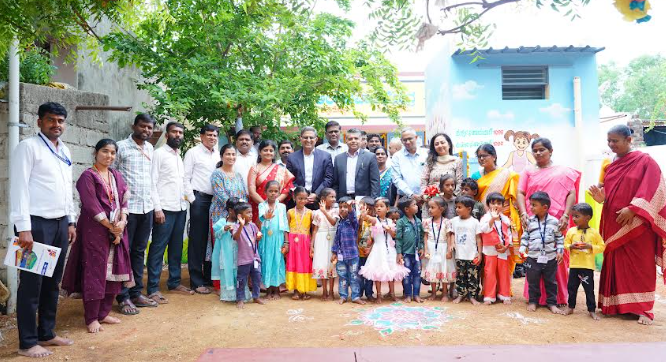
Raichur, July 13: The District Administration of Raichur in collaboration with, GE HealthCare and United Way Bengaluru (UWBe), mark ten years of driving meaningful change in Early Childhood Care and Education (ECCE) through the Born Learning Campaign (BLC), a flagship initiative of UWBe that has strengthened Anganwadi ecosystems and improved early learning outcomes across Karnataka.
Implemented in Raichur, one of Karnataka’s aspirational districts, the campaign has worked to transform Anganwadi Centres (AWCs) into vibrant, child-friendly spaces that support holistic development during the most critical years of a child’s life. Around 48 Anganwadi centers in Raichur have been refurbished, benefiting around 4200 children (0-6 years). The partnership has also extended to Bengaluru’s Whitefield, KR Puram, and Kadugodi to support early childhood care.
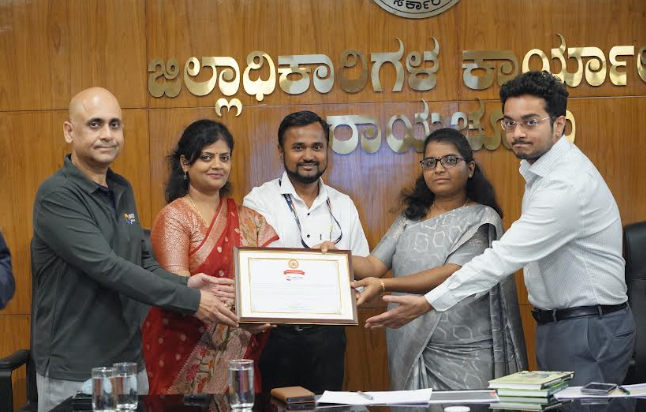
The success of the initiative in Raichur has been driven by the strong partnership between
GE HealthCare, United Way Bengaluru, the Office of the Deputy Commissioner, district and block-level departments, Anganwadi workers, local stakeholders, and communities. The partnership has focused on improving Anganwadi infrastructure, enhancing access to age-appropriate learning materials, strengthening the capacities of Anganwadi workers, and engaging parents and communities in early childhood development. The campaign aligns closely with the Government of India’s vision for Saksham Anganwadi and the National Education Policy (NEP) 2020, which recognizes the importance of universal access to quality early childhood education.
Over the past decade, the partnership has demonstrated measurable improvements in children’s cognitive, language, social-emotional, and physical development, along with increased attendance and participation across supported centers. Through sustained collaboration with Anganwadi workers, the program has contributed to creating nurturing environments where young children can learn, play, and thrive.
“Investing in early childhood is investing in the future of our district. The Born Learning Campaign has not only improved Anganwadi infrastructure and learning environments but has also strengthened community participation and institutional capacity. We appreciate the sustained commitment of GE HealthCare and United Way Bengaluru in strengthening Anganwadi centers and supporting early childhood development in Raichur. These efforts are helping create a strong foundation for our children and contributing to the district’s long-term development” said Smt. Poovitha S., IAS, Deputy Commissioner and District Magistrate, Raichur.
“For over ten years, our partnership with GE HealthCare has demonstrated the power of investing early in a child’s development. Together, we have strengthened Anganwadi Centres as community hubs that nurture learning, health, nutrition, and well-being. Long before ECCE became a national priority under NEP 2020, this partnership recognized the importance of the early years and invested in creating sustainable systems that support children, caregivers, and communities. We are proud of the impact achieved and remain committed to ensuring that every child has the opportunity to thrive,” – Rajesh Krishnan, CEO, United Way Bengaluru.
As the partnership enters its next decade, GE HealthCare and United Way Bengaluru remain committed to strengthening early childhood ecosystems and creating enabling environments where every child can learn, grow, and reach their full potential.
13, Jul 2026
IIMBue 2026 to Convene India’s Top Business Minds to ‘Change the Orbit’ of Leadership
Noel Naval Tata, Siddharth Sharma, G.V. Prasad, to address IIMBue 2026 Leadership Conclave
Bengaluru, July 13: As businesses confront unprecedented disruption driven by artificial intelligence, shifting geopolitics and rapidly evolving markets, IIMBue 2026 is set to bring together some of the country’s most influential minds to explore one compelling question: How do leaders change their orbit and that of the companies they run, instead of simply staying on course?
The 2026 edition will feature an impressive line-up of speakers, including Mr. Noel Naval Tata, Chairman, Tata Trusts, Mr. Siddharth Sharma, CEO, Tata Trusts; Mr. G.V. Prasad, Co-Chairman & Managing Director, Dr. Reddy’s Laboratories; Mr. Anand Ramamoorthy, Founding Managing Director, Micron India; renowned diplomat Ambassador Deepak Vohra; acclaimed actors Mr. Boman Irani & Ms. Bhumi Pednekar, alongside several other distinguished leaders from industry, public policy and academia.
Organised by the IIM Bangalore Alumni Association (IIMBAA), the two-day leadership conclave will be held on August 1–2, 2026, at The Leela Bhartiya City, Bengaluru. Built around the theme “Changing the Orbit,” the event will bring together more than 1,500 delegates and an influential mix of innovators, policymakers, entrepreneurs, business leaders, investors, academicians and alumni from across the world to explore new pathways for growth, leadership and transformation.
Unlike conventional leadership conferences that focus on managing change, “Changing the Orbit” challenges leaders to rethink their trajectory altogether—to break free from incremental progress, embrace bold thinking and move to a higher orbit of innovation, impact and sustainable growth.
Recognised as one of India’s largest alumni-led leadership platforms, IIMBue has become a vibrant forum where leaders from business, government, healthcare, technology, finance, media, sports and the creative industries come together to exchange ideas that influence the future of enterprise and society.
This year’s programme will revolve around three defining themes:
- New Geometry of Power – Understanding the shifting global economic and geopolitical landscape.
- Redesigning Trajectory – How organisations can reinvent themselves to remain resilient and competitive.
- Tech for Future Orbits – Exploring how artificial intelligence, deep technology and digital innovation are reshaping industries and leadership.
The conclave will feature keynote addresses, fireside conversations, interactive panel discussions and networking sessions covering some of today’s most pressing issues, including:
- From Influence to Impact: Shaping Society for Tomorrow
- From Molecules to Markets: Scaling Healthcare Across Borders
- The Gravity Shift: Leadership in a Multipolar World
- Frontier Technologies Reshaping India’s Future
- Rewiring the System in the Era of AI
- Beyond the Screen: Stories, Stardom & the Art of Reinvention
- The New Architecture of Growth
- Beyond the Scoreboard: Sport’s Next Growth Orbit
Speaking about the event, Harish Mittal, President, IIM Bangalore Alumni Association, said: “The pace of change today demands leaders who are willing to rethink assumptions, challenge established models and create entirely new growth trajectories. IIMBue 2026 is designed to inspire exactly those conversations. With leaders from boardrooms, venture capital, private equity, entrepreneurship, academia and public policy coming together, the conclave offers a unique opportunity to understand emerging trends, identify new opportunities and shape the future of leadership.”
Adding to the experience, Venture Showcase will connect promising startups with investors, mentors and strategic partners, while the IIMB Alumni Authors’ Nook will showcase thought-provoking books written by alumni, creating opportunities for conversations beyond the conference stage.
Over the years, IIMBue has evolved into a sought-after platform for cross-sector dialogue, bringing together distinguished personalities from business, public policy, healthcare, sports, science and the arts. The 2026 edition promises to continue that tradition by creating conversations that are not just about responding to change—but about redefining the future.
As the world searches for new models of leadership, innovation and growth, IIMBue 2026 aims to provide the ideas, insights and connections that can help leaders move beyond today’s challenges—and into their next orbit.
13, Jul 2026
moto g77 POWER goes on sale as the Segment’s Leading Camera Phone featuring 50MP Sony LYTIA 600 Camera
Mumbai, July 13: Motorola, a global leader in mobile technology and innovation and one of India’s AI smartphone brands, announced the sale of the new moto g77 POWER at an effective starting price . Designed for consumers who expect more from their everyday smartphone, the moto g77 POWER combines the segment’s leading Sony LYTIA camera system, an immersive 120Hz FHD+ display, a massive multi-day battery, military-grade durability and blazing-fast 5G performance in a premium design. The smartphone is now available on Flipkart, Motorola.in and leading retail stores across India.

At the heart of the moto g77 POWER is the segment’s leading 50MP Sony LYTIA™ 600 Camera System, designed to help users capture brighter, sharper and more vibrant photos in virtually every lighting condition. Powered by Quad Pixel technology, it delivers exceptional detail and enhances low-light performance, while the advanced 2-in-1 Light Sensor enables faster and more accurate focus. Complementing the main camera is an 8MP Ultra-Wide Camera that lets users fit more into every frame – perfect for landscapes, group photos and expansive scenes. The camera experience is further enhanced with advanced AI-powered imaging features such as Portrait Mode, Frame Match, Auto Smile Capture and Super Zoom. On the front, the segment’s highest 32MP Selfie Camera delivers sharp, vibrant selfies with intelligent AI optimization and automatically switches to Group Mode in landscape orientation. Users can also leverage Google Photos AI-powered editing tools including Magic Eraser, Photo Unblur, Reimagine and Auto Frame for effortless content creation.
Complementing the camera experience is the moto g77 POWER’s immersive 6.72-inch FHD+ Display with 120Hz Refresh Rate, delivering sharp visuals, vibrant colours and fluid scrolling. With High Brightness Mode of up to 1050 nits and Display Color Boost technology, users can enjoy excellent visibility and richer colours even under bright sunlight. Water Touch Technology intelligently adjusts touch sensitivity to ensure smooth and responsive interactions, even with wet hands. The entertainment experience is further enhanced by Stereo Speakers with Dolby Atmos® and Hi-Res Audio support, delivering richer and more immersive sound.
Powering every experience is the moto g77 POWER’s massive 7000mAh Battery, engineered to deliver up to 3 days of battery life on a single charge under normal usage. From streaming, gaming and photography to work, navigation and staying connected, the moto g77 POWER is designed to keep pace with modern lifestyles. The device supports 30W TurboPower™ Charging for quick top-ups and 6W Reverse Charging, enabling users to conveniently share power with compatible devices whenever needed. Intelligent Battery Care features further help optimize battery usage and maximize endurance.
Built for everyday adventures, the moto g77 POWER combines premium craftsmanship with exceptional durability. The smartphone features Corning® Gorilla® Glass 7i Protection, delivering enhanced drop and scratch resistance, SGS-certified MIL-STD-810H Military-Grade Durability and an IP64-Rated Water-Repellent Design that provides protection against dust, accidental spills and splashes. The device is available in a Premium Vegan Leather Finish and Pantone™ curated colour options including PANTONE™ Nautical Blue, PANTONE™ Fuchsia Red and PANTONE™ Impenetrable, offering a sophisticated and modern design.
Powering the moto g77 POWER is the MediaTek Dimensity 6400 Processor, built on an efficient 6nm architecture to deliver fast, reliable performance with seamless 5G connectivity. Paired with Up to 24GB RAM with RAM Boost, the smartphone enables smooth multitasking and effortless switching between apps. With Up to 1TB Expandable Storage, users have ample space for photos, videos, apps and games. The experience is further enhanced with Google Gemini and Circle to Search, making smartphone smarter, more intuitive and more helpful in everyday life.
Availability:
The moto g77 POWER is available in the 8GB + 128GB variant and comes in Pantone™ curated colour options including PANTONE™ Fuchsia Red, PANTONE™ Nautical Blue and PANTONE™ Impenetrable.
13, Jul 2026
SEBI Tightens Employee Service and Investment Rules
New Delhi, July 13: The Securities and Exchange Board of India (SEBI) has introduced updated service and investment guidelines for its employees, aimed at promoting greater transparency, accountability, and ethical conduct within the organisation.
The revised framework places stronger emphasis on compliance, investment disclosures, and responsible financial practices to minimise potential conflicts of interest. The move is intended to ensure that employees maintain the highest standards of professionalism while carrying out their regulatory responsibilities.
As India’s securities market regulator, SEBI continues to focus on strengthening internal governance systems and maintaining public trust. The enhanced guidelines are expected to reinforce a culture of integrity and accountability among employees.
The updated measures reflect SEBI’s ongoing commitment to ensuring transparency in its operations and upholding confidence in the country’s financial markets.


