


8, May 2026
10ZiG and Parallels Deepen Technology Partnership to Advance Flexible and Secure Digital Workspaces
Alliance extended to combine Parallels RAS and 10ZiG innovations to simplify virtual app and desktop delivery across hybrid environments
PHOENIX and AUSTIN, Texas – May 8, 2026 – 10ZiG® Technology, a leading provider of thin and zero client hardware and software solutions for VDI, DaaS, and web application environments, and Parallels, a global leader in virtualization and end-user computing (EUC) solutions, today announced an expanded partnership to help organizations simplify secure application and desktop delivery, reduce total cost of ownership (TCO), and improve management across distributed work environments.
This expanded collaboration builds on the recently announced expansion of the 10ZiG Ready technology partner program, which strengthens technology alignment across the EUC stack through validated integrations designed to simplify deployment and improve interoperability. As part of the expanding 10ZiG Ready ecosystem, the strengthened relationship with Parallels reflects a continued focus on delivering integrated solutions that help customers reduce complexity across infrastructure and endpoint environments.
Building on a technology relationship spanning more than 15 years, the expanded partnership aligns 10ZiG’s secure endpoint hardware, 10ZiG RepurpOS™, PeakOS™, Windows IoT, and free 10ZiG Manager™ software with Parallels Remote Application Server (RAS) to provide customers with a more integrated approach to delivering and managing virtual applications and desktops. Together, the companies help organizations simplify deployment, extend endpoint lifecycles, reduce operational overhead, and support secure, high-performance digital workspaces for remote, in-office, and hybrid users. The combined solution also supports a broad set of environments, including Microsoft Hyper-V, VMware ESX, Nutanix, Scale Computing, Azure Virtual Desktop, and AWS, while supporting unified communications use cases such as Microsoft Teams and Zoom.
As organizations continue to balance modernization initiatives with cost pressures, the expanded partnership addresses two persistent challenges in digital workspace environments: reducing the complexity of delivering secure applications and desktops across diverse environments, and lowering infrastructure and endpoint costs while improving user experience.
“What makes this partnership unique is the combination of Parallels RAS simplicity with 10ZiG’s purpose-built endpoint strategy, giving customers a practical way to standardize and secure digital workspaces across a wide range of environments,” said Tom Dodds, Global Strategic Alliances Manager, 10ZiG Technology. “Together, we are helping organizations support hybrid work with greater flexibility, extend the value of existing endpoint investments, and simplify the delivery of virtual applications and desktops from the data center to the edge.”
“Organizations want digital workspace solutions that are easy to deploy, simple to manage, and flexible enough to support evolving infrastructure strategies,” said Michael Hopfinger, Senior Vice President, Global Sales, Parallels. “Our collaboration with 10ZiG brings together secure remote application delivery, broad platform support, and integrated endpoint innovation to help customers create a more resilient user experience. Our expanded collaboration with 10ZiG combines Parallels RAS and secure, purpose-built endpoint solutions to help organizations streamline application and desktop delivery, simplify management, and improve the economics of supporting distributed users.”
Through the expanded partnership, customers benefit from:
- Simplified application and desktop delivery: Parallels RAS and 10ZiG endpoints help organizations streamline delivery of published applications and virtual desktops across distributed environments.
- Endpoint lifecycle extension: 10ZiG Thin Clients, Zero Clients, and 10ZiG RepurpOS enable organizations to reduce reliance on traditional PCs, extend the life of existing devices, and support secure, purpose-built endpoints.
- Integrated management and security: Combined capabilities help IT teams improve visibility, simplify endpoint and access management, and support secure access for remote, in-office, and hybrid work, including support for MFA, SAML enrollment services for SSO, auditing and monitoring, and secure connectivity through 10ZiG Manager Secure Connector.
- Improved economics for digital workspaces: By addressing costs across infrastructure and endpoints, organizations can improve ROI while delivering secure, high-performance user experiences.
The expanded partnership also supports deeper go-to-market collaboration and customer engagement around integrated use cases for Parallels RAS environments, while reinforcing Parallels’ role within the growing 10ZiG Ready partner ecosystem.
10ZiG will highlight its expanded collaboration with Parallels through ongoing partner and customer engagement initiatives focused on simplifying application delivery and improving economics across infrastructure and endpoint environments. Organizations can also learn more by joining the May 27 webinar, “EUC without complexity: Simplify delivery and endpoints with Parallels and 10ZiG,” which will explore how the combined solution helps simplify virtual app and desktop delivery while improving security, flexibility, and cost efficiency. Register here.

- 0
- By Neel Achary

7, May 2026
DP World Launches War Risk Insurance to Secure West Asia Cargo Routes
Dubai, May 7 (BNP): Global logistics major DP World has launched a dedicated cargo war risk insurance solution aimed at strengthening the safety and resilience of trade operations across key West Asia shipping routes amid rising geopolitical uncertainty.
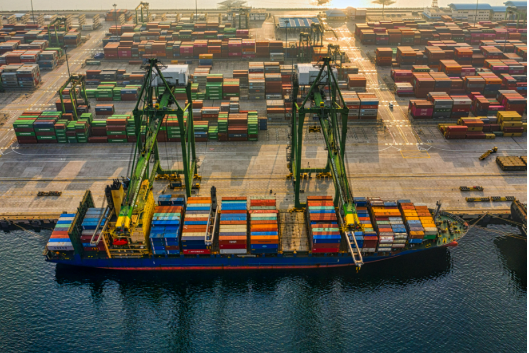
The new offering is designed to protect businesses from financial losses arising due to conflict-related disruptions, including risks linked to armed conflict, route instability, and supply chain interruptions in sensitive maritime corridors.
According to the company, the initiative will provide enhanced risk coverage across logistics operations, helping cargo owners, exporters, and shipping operators maintain continuity even in volatile trade environments.
DP World said the move comes in response to increasing challenges faced by global supply chains, where geopolitical tensions have led to higher insurance costs and operational uncertainties for trade passing through critical sea routes.
The company added that the solution aims to improve confidence among international traders by offering better financial protection and reducing exposure to unpredictable disruptions.
With this launch, DP World has further strengthened its role as a global logistics provider focused on ensuring secure, reliable, and resilient trade flows across international markets.

7, May 2026
India–Vietnam Innovation Ties Will Shape Asia’s Future: Devendra Fadnavis
New Delhi, May 7 (BNP) : Maharashtra Chief Minister Devendra Fadnavis on Thursday said that entrepreneurs and innovators from India and Vietnam will play a decisive role in shaping the future economic trajectory of Asia, as the region moves towards a more innovation-driven growth model.
He observed that both countries are witnessing rapid expansion in their startup ecosystems, digital capabilities, and manufacturing strength, creating strong foundations for deeper bilateral collaboration. According to him, this shared momentum can be harnessed to build stronger economic linkages and new opportunities for investment and trade.
Fadnavis emphasised that Asia’s future growth will increasingly depend on knowledge-based industries, technology adoption, and innovation-led enterprises, rather than traditional economic drivers alone. In this context, India and Vietnam are well-positioned to emerge as key contributors to regional transformation.
He further highlighted the role of young entrepreneurs in both countries, noting that their ideas, technological adaptability, and global outlook will be central to building scalable solutions for future challenges.
The Chief Minister also underlined that enhanced cooperation in sectors such as digital technology, manufacturing, startups, and skill development will not only strengthen India–Vietnam relations but also contribute to broader regional economic stability.
He added that platforms encouraging business exchange, innovation partnerships, and cross-border collaboration will be essential in unlocking new growth opportunities in the coming years.
Overall, Fadnavis’ remarks reflect a growing emphasis on strategic regional partnerships aimed at fostering innovation, economic resilience, and long-term sustainable development across Asia.
7, May 2026
Indian Banks Set to Navigate RBI’s New Credit Loss Norms Smoothly, Says Report
New Delhi, May 7 (BNP): Indian banks are expected to comfortably manage the transition to the Reserve Bank of India’s (RBI) upcoming Expected Credit Loss (ECL) framework, which is scheduled to come into effect from April 1, 2027, according to a report released on Thursday.
As per an analysis by Fitch Ratings, the shift from the existing incurred-loss model to a forward-looking provisioning system is unlikely to significantly disrupt the banking sector, as lenders have strengthened their balance sheets and built adequate capital buffers in recent years.
The ECL framework requires banks to recognise potential loan losses in advance, marking a structural change in how credit risk is assessed and bringing India’s banking regulations closer to global accounting standards.
Fitch estimates that the implementation of the new system could lead to a marginal decline in the sector’s common equity Tier-1 (CET1) ratio by around 30 basis points in FY28. However, under the Reserve Bank’s proposed phased transition or “glide path,” the cumulative impact may increase to around 80 basis points over the adjustment period.
The agency noted that current provisioning levels across Indian banks are relatively strong, which is expected to help absorb the impact of the regulatory shift.
Despite the short-term adjustment, Fitch maintained a positive outlook on the Indian banking sector, stating that the finalisation of ECL norms reflects stronger regulatory oversight and improved risk management practices.
Over the long term, the framework is expected to enhance transparency in recognising credit stress and encourage earlier provisioning against potential defaults, thereby improving financial stability.
Earlier assessments also indicated that Indian banks remain well-capitalised, with strong capital adequacy ratios and robust Tier-1 capital levels, providing sufficient cushion to manage the transition with limited disruption.
Overall, while profitability and capital ratios may face some near-term pressure, analysts view the ECL framework as a positive step toward strengthening the resilience and global alignment of India’s banking system.
7, May 2026
ROX to Establish One of the Middle East’s First Advanced AI Manufacturing Centres in KEZAD’s KLP 1 Musaffah
The 10,000 sqm facility will begin operations in H2 2026, targeting an annual production capacity of 300,000 vehicles by 2030 and contributing up to 10% to the UAE’s Operation 300Bn initiative
Abu Dhabi, United Arab Emirates – 07 May 2026: Khalifa Economic Zones Abu Dhabi – KEZAD Group, the largest operator of integrated and purpose-built economic zones in the region, announced that it has signed a strategic lease agreement with ROX to establish one of the Middle East’s first advanced AI manufacturing centres in KEZAD Logistics Park (KLP 1), KEZAD Musaffah.
The 10,000 square metre facility within KEZAD’s industrial ecosystem will support the development of ROX’s operations, reinforcing Abu Dhabi’s position as a competitive destination for vehicle manufacturing and industrial production in the region.
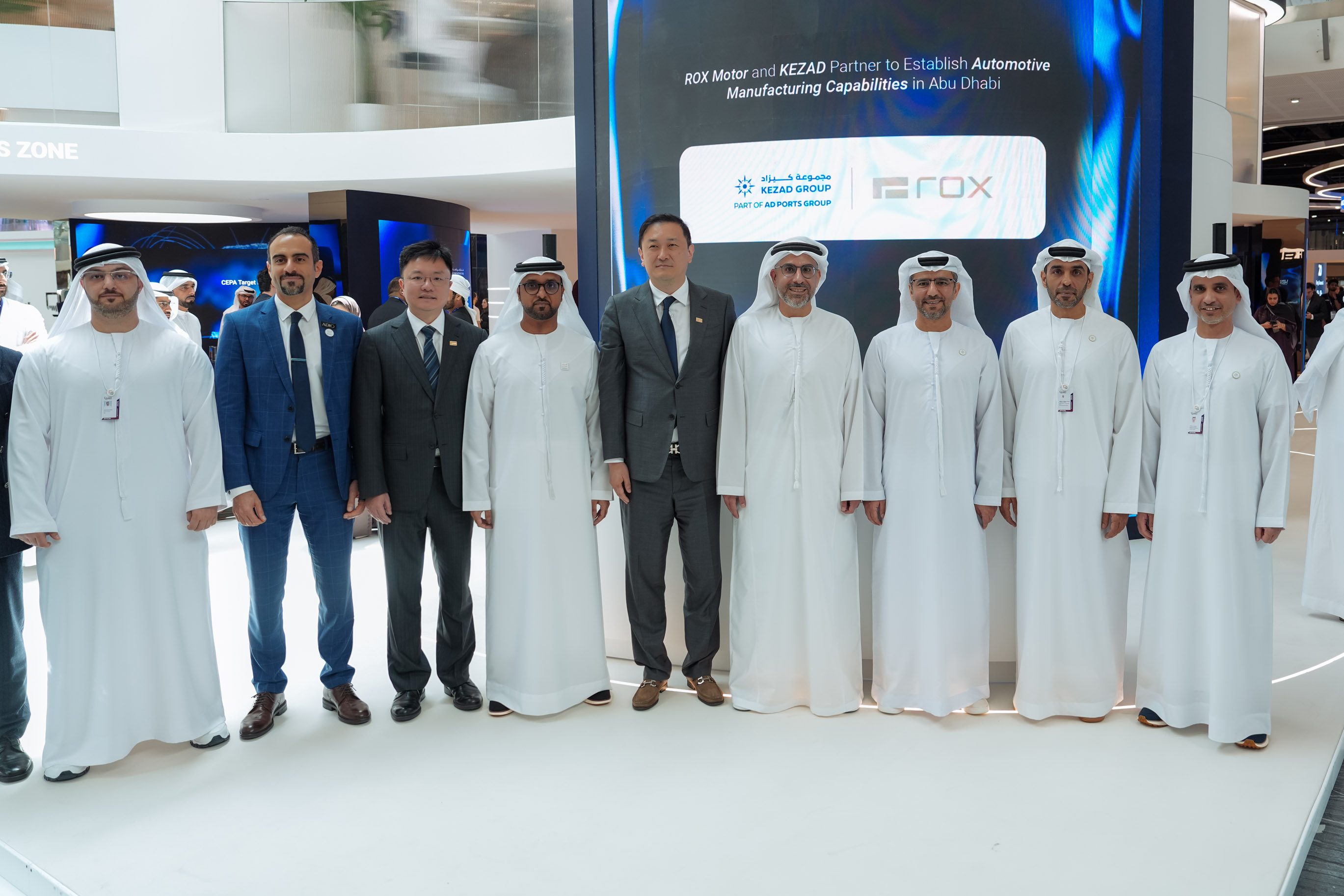
The advanced AI manufacturing centre is set to begin operations in the second half of 2026, with a target annual production capacity of 300,000 vehicles by 2030, with the potential to contribute up to 10% to the UAE’s Operation 300Bn initiative. Once operational, it will support vehicle production and export across the Middle East and global markets through scalable, intelligent manufacturing capabilities, supporting ROX’s global expansion while advancing KEZAD’s role in next-generation mobility industries.
Abdullah Al Hameli, CEO, Economic Cities & Free Zones, AD Ports Group, said: “Our agreement with ROX reflects KEZAD’s continued role in enabling industrial growth by attracting high-quality investments into Abu Dhabi. As global supply chains evolve, KEZAD provides businesses with the infrastructure, connectivity, and regulatory environment required to scale efficiently and compete internationally.”
Jarvis, Founder and CEO of ROX said: “Through our agreement with KEZAD Group, we are bringing advanced manufacturing capabilities to Abu Dhabi and helping position the UAE as a globally connected manufacturing and export hub, supporting a broader supply chain around our manufacturing footprint, regional expansion, and the UAE’s long-term industrial ecosystem.”
Mohammad Al Kamali, Chief Trade & Industry Officer, Abu Dhabi Investment Office (ADIO), said: “Abu Dhabi is building one of the world’s most competitive and future-ready industrial ecosystems, where strategic investments are rapidly translated into scaled manufacturing capability and global market access. The establishment of ROX’s facility in KEZAD, facilitated by ADIO, deepens the foundations of this growing ecosystem. More specifically, it reinforces the emirate’s role as a destination of choice for advanced industry, underpinned by world class infrastructure and market connectivity.
As Abu Dhabi accelerates industrial growth, it is not only strengthening supply chain resilience and local production, but positioning Abu Dhabi at the forefront of global manufacturing and trade transformation.”
Located within KEZAD Musaffah’s KLP project, the facility will benefit from KEZAD’s multimodal logistics connectivity, and access to competitive utilities, supporting efficient operations and enabling access to regional and global markets.
As a global AI technology company, ROX integrates advanced new energy technologies with the UAE’s distinctive approach to luxury and outdoor lifestyles. The brand has emerged as a strong contender in the luxury all-terrain SUV segment across the UAE and wider MENA region. To further deepen its presence in core markets and accelerate global expansion, ROX aims to leverage KEZAD’s world-class industrial infrastructure, multimodal logistics network, and established industrial ecosystem to develop a benchmark project for high-end intelligent automotive manufacturing in the Middle East.
The agreement aligns with broader industrial growth trends in Abu Dhabi, where strong foreign direct investment inflows and rising non-oil trade continue to drive demand for industrial land, manufacturing capacity and infrastructure. The UAE’s non-oil foreign trade reached AED 3.8 trillion in 2025, underscoring the scale and momentum of economic diversification efforts.
As industrial ecosystems become more integrated and globally connected, agreements of this nature highlight KEZAD’s role not only as a facilitator of business activity, but as a platform shaping the future of manufacturing, trade, and logistics in the region.
7, May 2026
Malaysia Airlines and Mumbai Indians Bring Cricket to 30,000 Feet
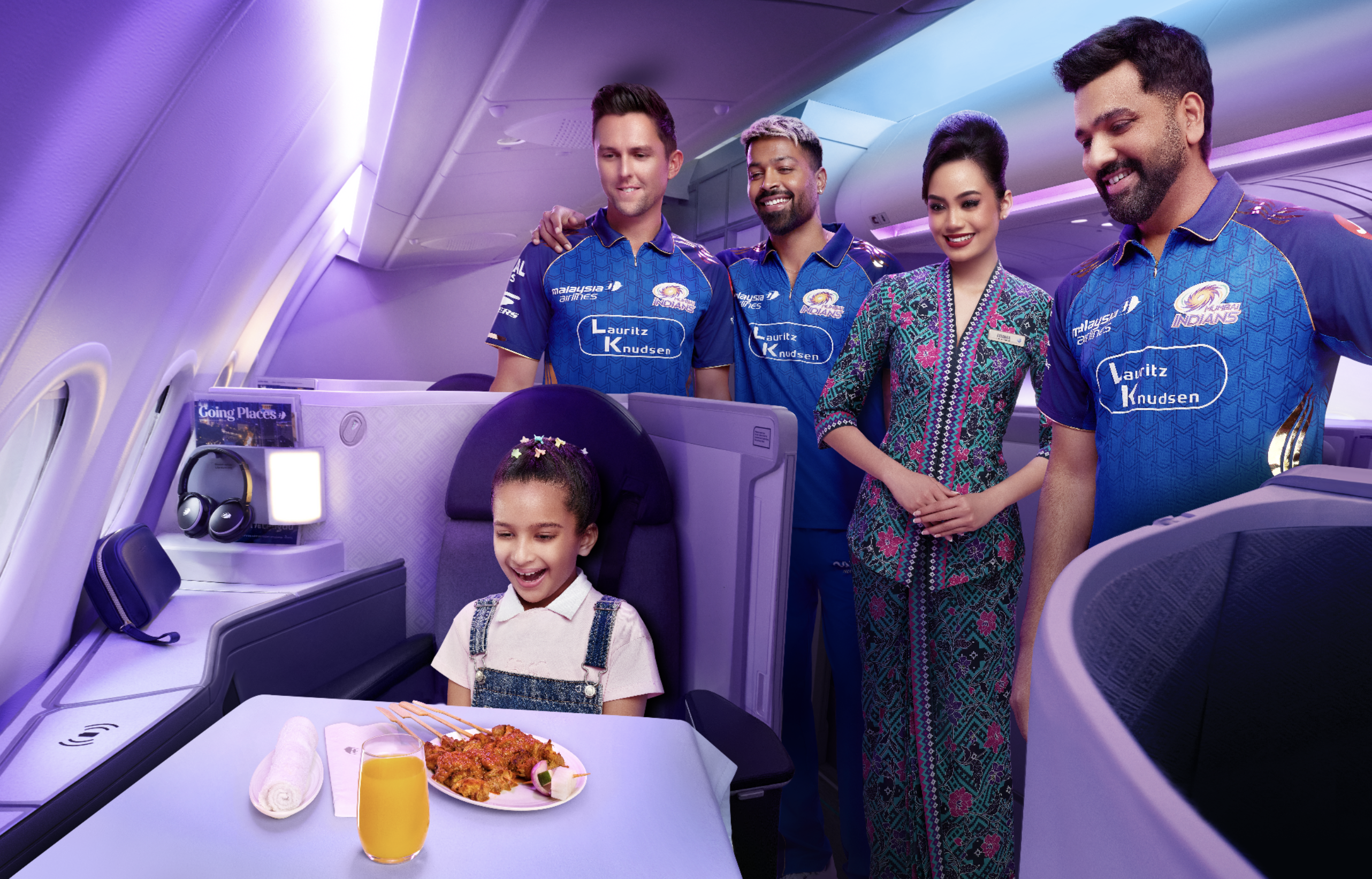
Mumbai, May 07: Malaysia Airlines and Mumbai Indians today unveiled a new campaign film that reimagines the fan experience by bringing cricket to 30,000 feet. The film blends the thrill of the sport with the warmth of Malaysian Hospitality, celebrating the growing partnership between the two brands.
Titled “Cricket at 30,000 Feet”, the film follows a young Mumbai Indians fan whose ordinary journey transforms into an unforgettable mid-air experience. Joined by cricket stars Rohit Sharma, Hardik Pandya and Trent Boult, the fan experiences the spirit of the game in an unexpected setting, capturing the energy of cricket fandom and the joy of travel.
The campaign reflects Malaysia Airlines’ continued commitment to the Indian market and its ambition to connect with customers through culturally resonant storytelling, premium experiences and meaningful partnerships. It also brings to life the airline’s signature Malaysian Hospitality in a way that resonates strongly with cricket fans across the region.
Bryan Foong, Chief Executive Officer of Airline Business from Malaysia Aviation Group (MAG), said: “India is one of our most important growth markets, and cricket is a powerful passion point that connects millions of people across the country and beyond. Through our partnership with Mumbai Indians, we have a unique platform to engage fans in a way that feels natural, relevant and culturally meaningful. This campaign allows us to bring Malaysian Hospitality into that conversation while strengthening brand affinity, supporting travel demand, and driving deeper commercial relevance in a key market for the airline.”
A Mumbai Indians spokesperson added: “This film captures something that is true to Mumbai Indians, the love for this team travels far beyond boundaries and resonates with fans across the world. To see that come alive aboard a Malaysia Airlines flight, with our players at the heart of it, makes for a truly special moment. It reflects a partnership that continues to find fresh and creative ways to bring us closer to our fans.”
Malaysia Airlines is the Official Global Airline Partner and Associate Sponsor of Mumbai Indians, with branding featured on the team jersey. Since its launch, the partnership has delivered a series of fan-focused activations, including the Mumbai Indians-themed A330-300 aircraft livery, in-stadium experiences at Wankhede Stadium, and digital content collaborations throughout the season.
Building on a successful first season together, Malaysia Airlines and Mumbai Indians remain committed to creating memorable experiences for fans both on the ground and in the skies.
7, May 2026
Adani Green Energy Expands Renewable Portfolio with New Step-Down Subsidiaries!
Ahmedabad, May 7 (BNP): Adani Green Energy Limited (AGEL), one of India’s leading renewable energy companies, has announced the incorporation of new step-down subsidiaries as part of its continued expansion in the clean energy sector.
The newly incorporated entities are expected to focus on renewable power generation and related infrastructure development, strengthening the company’s growing presence in India’s green energy landscape. According to company sources, the move aligns with AGEL’s long-term strategy of accelerating renewable energy capacity and supporting India’s transition toward sustainable power.
The subsidiaries have been established to undertake activities related to solar, wind, hybrid renewable projects, and other emerging clean energy solutions. Industry experts believe the expansion reflects the company’s commitment to scaling up operations in line with the country’s ambitious renewable energy targets.
Adani Green Energy has been actively expanding its portfolio across multiple states through large-scale solar parks, wind farms, and integrated renewable energy projects. The company continues to play a key role in India’s clean energy transformation and aims to contribute significantly toward achieving carbon reduction and energy security goals.
The incorporation of step-down arms is also expected to improve operational flexibility, project execution, and investment management for future renewable ventures.
India has been aggressively promoting renewable energy adoption through policy support and infrastructure investments, with a target of increasing non-fossil fuel energy capacity over the coming years. Companies like Adani Green Energy are expected to remain central to the country’s green growth strategy.
The latest development underlines the company’s focus on strengthening its renewable energy ecosystem while expanding its footprint in sustainable infrastructure and clean power generation.
7, May 2026
Cotton Import Duty Raises Cost Pressures on Textile Industry, Study Flags Competitiveness Concerns
New Delhi: A new industry study has highlighted that India’s current cotton import duty structure could be affecting the global competitiveness of the country’s textile and apparel sector.
The report points out that higher input costs for raw cotton are adding pressure on manufacturers, especially exporters who operate in highly competitive international markets where pricing plays a crucial role in demand.
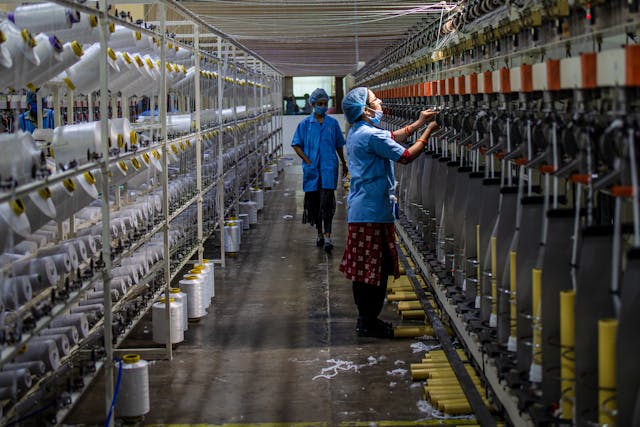
While the policy is designed to support domestic cotton farmers and ensure stable returns for the agriculture sector, the study notes that it may also be increasing production costs for textile companies across the value chain.
Industry observers say the textile sector, one of India’s largest employment-generating industries, depends on cost-efficient raw material sourcing to maintain export growth and compete with global peers.
The study further observes that competing textile-producing countries often benefit from more flexible import mechanisms, allowing them to better manage raw material costs and respond quickly to shifting global demand.
Experts suggest that India faces a policy balancing challenge—protecting farmer incomes while also ensuring that manufacturing and exports remain globally competitive.
The report calls for a more calibrated and balanced approach to cotton trade policy, aimed at supporting both agricultural stability and industrial growth.
Overall, the findings underline the need for a policy framework that strengthens India’s textile ecosystem while sustaining its position in the global apparel and fabric export market.
7, May 2026
MRF Reports 30% Surge in FY26 Consolidated Net Profit at Rs 2,426 Crore
Chennai, May 07: MRF Ltd. has announced a strong financial performance for the financial year ended March 31, 2026, reporting robust growth in both revenue and profitability. The company’s consolidated total income rose by approximately 11% year-on-year to Rs 31,654 crore, compared to Rs 28,570 crore in the previous financial year. Driven by improved operational performance and sustained market demand, consolidated profit before tax increased significantly to Rs 3,222 crore from Rs 2,483 crore in FY25. After accounting for tax expenses of Rs 796 crore, the company posted a consolidated net profit of Rs 2,426 crore for FY26, marking an impressive 30% growth over the previous year’s net profit of Rs 1,873 crore.
Operations
The Company delivered a healthy operating performance in FY 2025-26 and crossed the milestone of Rs 30,000 Crores in Sales during the year, with good growth in both Replacement and OE segments.
The Company’s performance was aided by the launch of new SKUs in various categories like Truck, Passenger, Two-Wheelers etc. Besides being one of the largest OE suppliers of Tyres to ICE vehicles, the Company has become the most preferred supplier of Tyres to Electric Vehicles. MRF tyres are increasingly being fitted on vehicles exported by OEMs to many countries across the globe.
Demand buoyancy arising from reduction in GST rates continued into the 4thQuarter of the year, which is reflected in both Replacement & OE Sales. OEMs also witnessed a high Demand in the Quarter which led to an increased demand for tyres.
In order to cater to future demand for tyres across segments in the Replacement market, OEMs and Export, the Company is also expanding capacity across Plants.
The ongoing conflict in the Middle East and resulting disruptions have led to uncontrolled increase in raw material costs and supply chain issues. This has severely impacted the cost of input materials which is expected to continue. The Company has taken price increases and cost management measures to mitigate the impact of higher raw material costs and will take further hikes. Further, the forecast of a sub normal monsoon may adversely impact demand. In view of the unpredictable economic conditions and cost pressures on margins, it is difficult to anticipate the expected impact on growth and the Company is in the process of evaluating the same.
Dividend
The dividend for the financial year 2025-26 is Rs 235/- (2350%) per share of Rs.10 each which includes two interim dividends of Rs.3/- each (30%) per share already paid.
7, May 2026
ITC Hotels Unveils “Moments Unscripted” Luxury Staycation Offer Across ITC Royal Bengal and ITC Sonar, Kolkata
Kolkata: ITC Hotels has announced a premium staycation offering titled “Moments Unscripted – A Luxurious Staycation Awaits”, designed to provide guests with an elevated and thoughtfully curated hospitality experience across its two iconic Kolkata properties — ITC Royal Bengal and ITC Sonar.
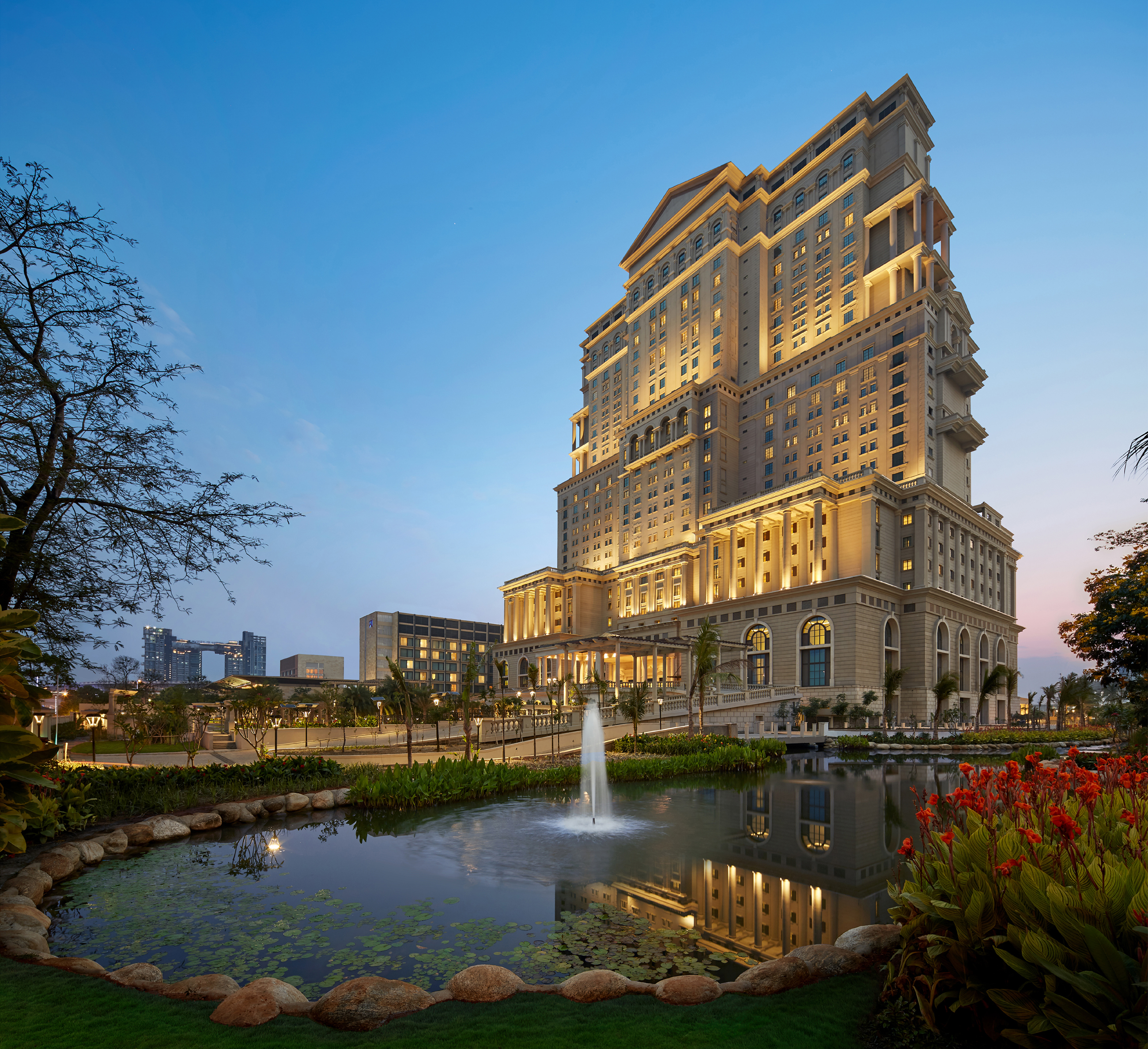
The curated package invites guests to rediscover relaxation and indulgence through immersive luxury experiences, whether for a romantic escape, a family getaway, or a rejuvenating personal retreat.
Two Distinct Luxury Experiences
The offer brings together two landmark destinations:
- ITC Royal Bengal – Known for its majestic contemporary architecture, expansive spaces, and immersive wellness offerings
- ITC Sonar – Celebrated for its resort-style serenity, lush green landscapes, and tranquil water bodies
Together, the two properties feature:
- 693 rooms
- 14 distinctive dining destinations
- Two world-class spas
Both hotels are rooted in responsible hospitality practices with a strong emphasis on locally sourced and sustainable operations.
Sustainability-Driven Luxury
Both properties are certified LEED Platinum and LEED Zero Water, reinforcing ITC Hotels’ commitment to environmentally responsible luxury. The staycation experience blends comfort with sustainability, offering guests a conscious yet indulgent escape.
Offer Highlights
Under the “Moments Unscripted” package, guests can enjoy:
- Up to 45% savings on stays with breakfast
- 20% savings on food, soft beverages, and spa services
- 2X Green Points for Club ITC members
The experience includes curated wellness offerings, poolside leisure, award-winning dining, and personalized hospitality touchpoints designed to create memorable stays.
Booking Details
The offer is valid for bookings made until 22 May 2026, encouraging guests to transform an ordinary weekend into a luxurious and memorable escape.