


23, Apr 2026
AAVantgarde to Participate in ARVO 2026, with Presentations at Key Pre-events and New Clinical Data from the LUCE Phase 1/2 Study
MILAN, 23 April, 2026 — AAVantgarde Bio (AAVantgarde), a clinical-stage biotechnology company pioneering next-generation gene therapies for inherited retinal diseases (IRDs) has today announced its participation in the upcoming Association for Research in Vision and Ophthalmology (ARVO) Annual Meeting 2026, taking place May 3-7 in Denver (CO).
The Company will present preliminary safety and efficacy data from all participants (n=15) in the LUCE-1 Phase 1/ 2 Clinical Trial, alongside key pre-event presentations at Eyecelerator and the Foundation Fighting Blindness’s Retinal Therapeutic Innovation Summit (RTIS) on May 1, 2026.
ARVO Presentation details:
Date and Time: Sunday, 3rd May 2026; 2:00 – 3:45 p.m.
Session: Stem cell and gene therapy
Location: Exhibit Hall
Poster 0636: Interim analysis of the LUCE-1 trial: a Phase I/II Trial investigating AAVB-081 gene therapy in Usher Syndrome Type1B (USH1B) caused by biallelic mutations in the MYO7A gene
Presenter: Francesco Testa, MD, PhD
EYECELERATOR @ ARVO 2026 Presentation details:
Location: Bluebird Ballroom, The Colorado Convention Center, Denver, CO
Session: Breakout: Durable Retina Therapeutics – Gene Therapy & Drug Delivery
Location: Room 403
Date: 1st May 2026
Time: 1.30 pm
Presenter: Dr. Natalia Misciattelli, CEO
RTIS Presentations details:
Location: Sheraton Denver Downtown Hotel; 1550 Court Place; Denver, CO 80202
Date: 1st May 2026
Presentation 1:
Session: Sponsor Presentation
Time: 3.25 pm
Presenter: Dr. Natalia Misciattelli, CEO
Presentation 2:
Session: Session 7 – Retinal Gene Augmentation: Clinical
Title: Design and Early Clinical Insights from LUCE: Dual-Vector MYO7A Gene Therapy in Usher Syndrome Type 1B
Time: 4.00 pm
Presenter: Dr. Jayashree Sahni, CMO

- 0
- By Neel Achary

23, Apr 2026
Texas Children’s Researcher Awarded $6.7 Million NIH Grant to Accelerate Alzheimer’s Drug Discovery and Advance New Therapies
HOUSTON (April 23, 2026) – Dr. Damian Young, investigator at Texas Children’s Duncan Neurological Research Institute (Duncan NRI) and director of the Center for Drug Discovery at Baylor College of Medicine, along with collaborators, has been awarded a $6.7 million grant from the National Institute on Aging (NIA), part of the National Institutes of Health (NIH), to develop new approaches to rapidly identify potential treatments for Alzheimer’s disease and related dementias with the goal of accelerating the discovery of new therapies.
While Alzheimer’s is often associated with aging, researchers at Texas Children’s are uniquely positioned to study it. By examining how the brain develops and functions early in life, scientists can better understand how those same systems break down over time—revealing new opportunities to prevent and treat neurodegenerative disease.
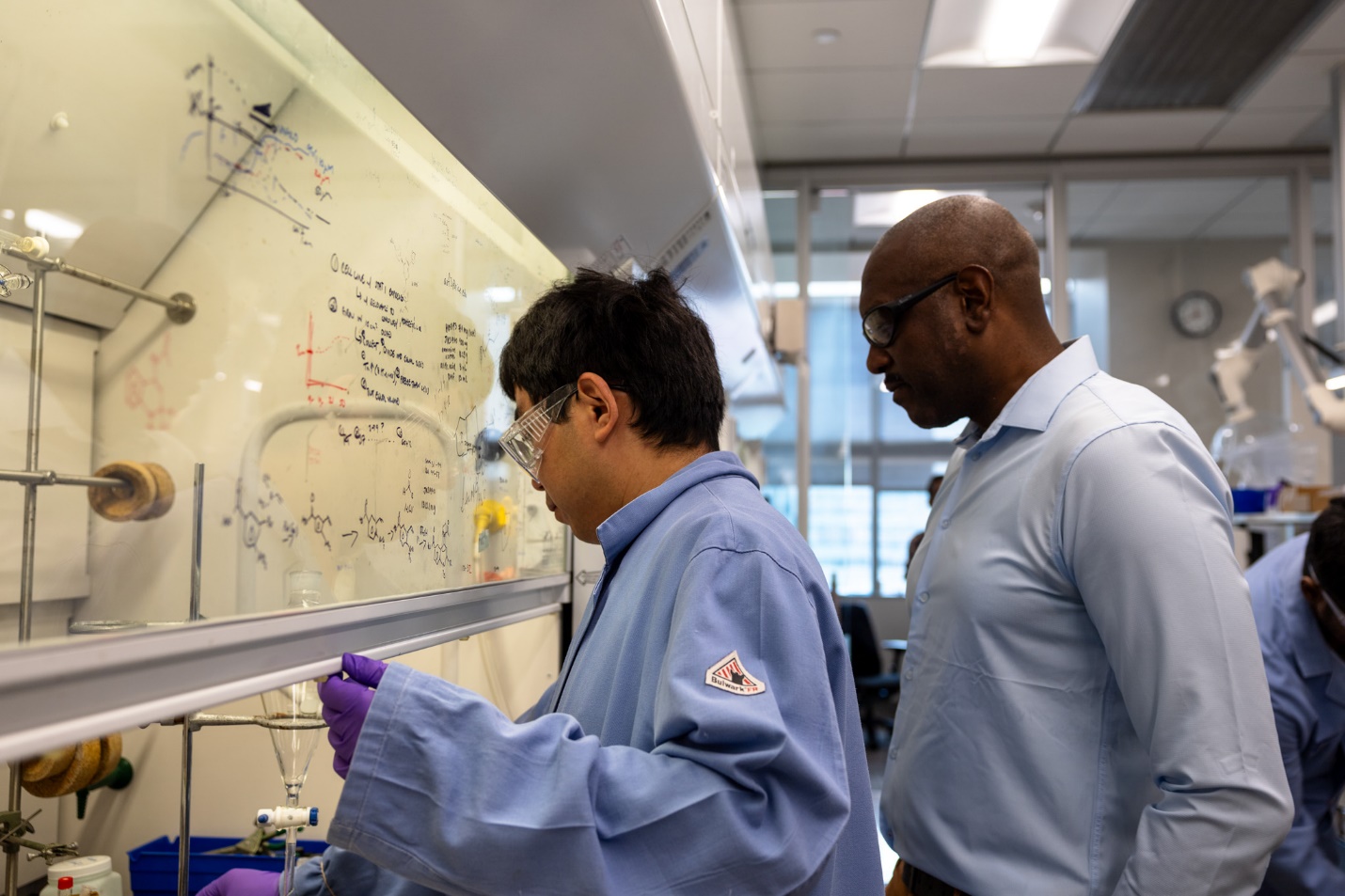
This five-year project brings together experts in chemistry, artificial intelligence and translational science to tackle one of the most complex challenges in Alzheimer’s research—quickly identifying therapies that are both safe and effective.
“This grant will enable the most expansive screening effort to date for compounds targeting Alzheimer’s disease,” Dr. Young said. “By integrating cutting-edge biological insights from Alzheimer’s disease research worldwide with a highly innovative chemistry and machine learning platform, we aim to unlock new opportunities for discovery. This work will represent the first critical step toward developing transformative therapies for Alzheimer’s disease and related dementias.”
Alzheimer’s disease and related dementias affect millions of people worldwide, yet developing new treatments remains a slow and complex process. One of the biggest challenges is identifying which molecules can successfully target the biological drivers of disease and reach the brain in a safe and effective way.
To address this, Dr. Young’s team will use DNA-encoded chemical libraries, a technology that allows researchers to screen hundreds of millions of potential drug compounds at once. Each compound carries a unique DNA “barcode,” enabling scientists to quickly identify which molecules interact with proteins linked to Alzheimer’s.
The team will then use artificial intelligence and machine learning to analyze the data and predict which compounds are most likely to succeed—significantly reducing the time from early discovery to viable drug candidates. Ultimately, this approach is designed to shorten the timeline for identifying new treatments—bringing potential therapies to patients faster and with greater precision.
The project will move through multiple phases, starting with large-scale screening and advancing to refining the most promising compounds to improve their strength, safety and ability to reach the brain. Researchers will also explore whether existing drugs can be repurposed, potentially accelerating the path to clinical testing.
A key component of the project is its open science approach. Data and compounds generated—including results from screening more than 900 million unique compounds—will be shared publicly, enabling researchers worldwide to build on the findings and advance new treatments. An internal advisory board of Texas Children’s and Baylor faculty consisting of Drs. Huda Zoghbi, Joshua Shulman, Hugo Bellen, and Juan Botas will provide critical expertise in prioritizing protein targets most strongly implicated in Alzheimer’s disease.
The work will be supported in part through collaboration with the Structural Genomics Consortium, which will provide critical protein targets needed for the research.
This research reflects Texas Children’s commitment to solving the unsolvable by advancing innovative, collaborative approaches to complex neurological diseases. Insights gained from pediatric research often inform adult treatments, and discoveries in adult disease can in turn accelerate breakthroughs in children’s health. By bridging these areas, researchers at the Duncan NRI are helping drive progress across the full spectrum of neurological disease, with the goal of improving outcomes for patients of all ages. For patients and families affected by Alzheimer’s and related dementias, this work represents a critical step toward earlier detection, more effective treatments and ultimately, prevention.
23, Apr 2026
Rajasthan Royals Secure Dominant 40-Run Victory Over Lucknow Super Giants at Ekana Stadium
Lucknow, April 23: Rajasthan Royals (RR) produced a clinical all-round performance to defeat Lucknow Super Giants (LSG) by 40 runs in a low-scoring encounter at the Ekana International Cricket Stadium. Defending a modest total of 159/6, RR’s disciplined bowling attack dismantled the LSG batting unit, bowling them out for 119 in 17.6 overs.

Despite losing the toss and being asked to bat first, Rajasthan Royals managed to post a competitive total, anchored by a steady batting effort led by Ravindra Jadeja, who played a composed unbeaten knock and ensured RR reached a defendable score. Contributions from the middle order helped RR recover from early pressure and accelerate in the death overs.
In response, Lucknow Super Giants struggled from the outset as Rajasthan’s pace attack struck early and repeatedly. The top order collapsed under sustained pressure, leaving LSG reeling at 11/3 inside the first few overs. Although Mitchell Marsh offered resistance with a fighting half-century, regular breakthroughs prevented any meaningful partnership from developing.
Jofra Archer spearheaded the bowling effort with a match-winning spell, delivering incisive pace and precision to finish with 3 crucial wickets. He was well supported by Nandre Burger and the supporting bowling unit, who maintained tight lines and controlled the scoring rate throughout the innings. The collective effort ensured LSG never recovered from early setbacks and were eventually bowled out short of the target.
The victory marks an important turnaround for Rajasthan Royals, boosting their position in the IPL 2026 standings, while Lucknow Super Giants continue to search for momentum in a challenging season.
Brief Scores:
Rajasthan Royals: 159/6 (20 overs)
Lucknow Super Giants: 119 all out (17.6 overs)
Result: Rajasthan Royals won by 40 runs
Player of the Match: Ravindra Jadeja (RR)
Rajasthan Royals will look to carry forward this winning momentum into their upcoming fixtures as the IPL 2026 season progresses.
23, Apr 2026
MI vs CSK Clash at Wankhede: Dhoni and Rohit Fitness Doubts Loom Over High-Stakes Encounter
Bhubaneswar, April 23(BNP): Cricket’s fiercest rivalry is set to light up the Mumbai Indians (MI) versus Chennai Super Kings (CSK) encounter at the Wankhede Stadium tonight, but major uncertainty surrounds the availability of two iconic players — MS Dhoni and Rohit Sharma — due to injury concerns.

The IPL 2026 Match 33 is scheduled for 7:30 PM IST, with both teams heading into the contest under contrasting fitness and selection dilemmas ahead of the high-profile “El Clasico” of the tournament.
Fitness Updates
MS Dhoni is reportedly unlikely to feature for CSK due to a calf strain sustained earlier in the season. While he has participated in net sessions, team sources indicate that the veteran wicketkeeper-batter is still not fully match-fit. A final decision will be taken closer to the toss, depending on medical clearance and player readiness.
For CSK, Dhoni’s potential absence continues to be a significant factor, especially given his leadership experience and finishing ability. If he does play, he is expected to be managed carefully, with the Impact Player role being a possible option.
On the Mumbai Indians side, Rohit Sharma is also facing a late fitness test after suffering a hamstring injury earlier this month. He has been seen batting in controlled net sessions, but reports suggest he has avoided high-intensity shots, indicating a cautious recovery approach. His participation will be decided at the toss.
Tactical Considerations
If Rohit Sharma is declared fit but deemed unfit for fielding, Mumbai Indians may deploy him as an Impact Player to maximize his batting contribution while minimizing physical strain. In his absence, MI may continue with alternative opening combinations.
CSK, currently managed by Ruturaj Gaikwad, is closely monitoring Dhoni’s recovery progress. Team management has emphasized that Dhoni will only return when fully cleared by medical staff.
Match Context
The MI vs CSK rivalry remains one of the most iconic matchups in cricket, with MI holding a narrow historical edge in head-to-head records. However, CSK has shown stronger recent form in previous encounters, setting the stage for another tightly contested battle.
With both franchises dealing with leadership pressure, injury uncertainty, and playoff implications, tonight’s clash is expected to be as much about tactical depth and squad balance as individual brilliance.
Final playing XIs for both teams will be confirmed at the toss, with millions of fans awaiting clarity on the participation of two of the IPL’s most influential figures.
23, Apr 2026
Tredence Brings Enterprise AI to Action with Google Cloud’s Gemini-Powered Agentic Accelerators
Bangalore, Apr 23: Tredence, the world’s leading data science and AI solutions company, today announced the launch of its suite of Agentic AI accelerators, developed in close collaboration with Google Cloud and Tredence‘s global customer base. These ready-to-deploy accelerators are pre-built, industry-specific AI solutions that will help enterprises bypass lengthy development cycles, enabling them to rapidly deploy proven use cases, integrate with existing data and workflows, and move from experimentation to measurable business outcomes at scale.
The suite includes solutions that accelerate data modernization by simplifying migration from legacy systems and unifying fragmented data into a governed, AI-ready Data foundation thus reducing time, cost, and complexity.
Built on that foundation, purpose-built AI agents work alongside people across the functional areas organizations rely on most, helping teams sense, decide, and act in real time.
In supply chain, this means replacing siloed tools with a single AI-driven decision layer that delivers real-time visibility, stronger coordination, and faster response across operations.
For customer-facing functions, enterprises can anticipate needs, personalize interactions at scale, and turn every customer touchpoint into measurable business impact.
At the core, a unified intelligence layer brings these capabilities together, where AI agents operate as digital co-workers, collaborating, reasoning, and executing decisions to drive faster, scalable enterprise outcomes.
“The gap between enterprises that lead and those that lag will come down to how quickly they operationalize Agentic AI,” said Sumit Mehra, Co-Founder and Chief Technology Officer at Tredence. “With Google Cloud, we’re bringing together the power of Gemini Enterprise with solutions we’ve already tested in real-world environments. At Tredence, we don’t just build with Gemini Enterprise, we run on it. It is our trusted LLM across functions and teams, deployed at scale across our own organization. That firsthand experience is what allows our customers to move beyond pilots and actually scale AI by embedding it into day-to-day decisions and delivering outcomes they can measure.”
[RS1] [NK2] For a Fortune 500 global company, Tredence deployed Gemini Enterprise, Vertex AI, and BigQuery as the foundation of a complete Data and AI platform modernization, replacing a fragmented legacy environment with a unified, intelligent platform that powers hyper-personalized customer experiences, AI-driven product innovation, and smarter decision-making across the workforce.
“The impact has been global and cross-functional, from unifying supply chain intelligence across thousands of stores to rapidly launching full-scale agentic platforms, this demonstrates how the Tredence–Google Cloud partnership translates AI ambition into real, scalable business outcomes”, said Rakesh Sancheti, Chief Growth Officer at Tredence.
Unveiled at Google Cloud Next ’26, the suite represents a major milestone in the Tredence and Google Cloud partnership. This new suite of Agentic AI accelerators directly addresses the “Last Mile” challenge faced by companies, by combining Tredence’s deep industry expertise with Google Cloud’s full enterprise AI stack—including Gemini Enterprise, Gemini for Customer Experience, Vertex AI and BigQuery.
Tredence is a three-time winner of Google Cloud’s Partner of the year and will be showcasing the full Agentic AI Accelerator Suite live at Google Cloud Next ’26. Visit Booth #2911 to experience it live.
23, Apr 2026
India-US met coal trade will not shield steel sector from price shocks, supply constraints
April 23: India relies on imports for around 90% of its metallurgical (met) coal requirements, and that dependence is set to deepen. The country aims to reach 300 million tonnes per annum (MTPA) of crude steel capacity by 2030, with 64% of the steel capacity under development reliant on coal-based blast furnace (BF) technology that requires imported met coal.
A new briefing note by the Institute for Energy Economics and Financial Analysis (IEEFA), ‘US met coal offers limited relief for India’s steel energy security’, finds that India’s push to diversify met coal imports toward the US, backed by recent bilateral trade engagement and heightened energy security concerns following the West Asia conflict, is unlikely to reduce these risks. Global price linkages, higher freight costs, limited US export capacity, and technical constraints in Indian steel plants all undercut the case for US coal as a meaningful substitute.
Australian supply still drives global prices
While India has broadened its supplier base in recent years, Australia continues to account for nearly half of global seaborne met coal exports. That dominance means supply disruptions in Australia can trigger price spikes across the entire market, including for US-origin coal. For instance,January 2026 saw heavy rainfall and flooding in Queensland, the world’s most significant met coal exporting region, disrupting mining operations and logistics. The resulting supply disruption drove up prices, with benchmark premium Australian hard coking coal (HCC) surging to USD252.5 per tonne (INR23,404 per tonne) on 4 February, an 18-month high and up more than 50% from the lows seen in March 2025.
Freight costs and declining US capacity limit substitution
The growing role of US coal in India’s import mix has been supported by shifting trade patterns and recent bilateral agreements. However, US coal faces structural disadvantages. Australian coal benefits from significantly shorter shipping distances to India, resulting in lower freight costs. US cargoes travel much longer routes, adding transportation costs that erode competitiveness.
“Freight economics are a key factor. The longer distance for US cargoes means higher freight costs, now exacerbated by the West Asia crisis and the impact on shipping fuel,” says Simon Nicholas, co-author of the briefing note, and Global Lead Analyst – Steel at IEEFA.
US export capacity is also limited and expected to decline in the coming years, even as India’s demand continues to rise. This imbalance reduces the potential for US coal to serve as a reliable long-term substitute.
Moreover, Indian steelmakers are increasingly adopting stamp-charging technology, a coking process optimised for blends of domestic and Australian coal. This further limits the suitability of US-origin coal in many existing plants and raises the cost of switching suppliers.
Reducing import dependence
The analysis concludes that diversification alone cannot address India’s underlying energy security risks.
“Even with diversified supply, India will remain exposed to global price volatility, supply disruptions, and climate-related risks in major exporting regions,” says the note’s co-author Saumya Nautiyal, Energy Finance Analyst – South Asia, IEEFA.
IEEFA recommends accelerating the transition to scrap-based electric arc furnace steelmaking and scaling up green hydrogen-based production. Domestic green hydrogen, in particular, is emerging as a strategic opportunity in the context of fossil fuel market instability and geopolitical risks. By reducing long-term dependence on imported met coal, India can build a more resilient and competitive steel sector aligned with its energy security and decarbonisation goals.
23, Apr 2026
Startup Stairs to Host ‘Startup League 2026’ to Bridge India’s DeepTech Gap and support Startups with up to INR 4 crore funding opportunity
New Delhi, Apr 23: Startup Stairs to host Startup League 2026, a national-level deep tech DeepTech hackathon and funding arena event aimed at accelerating India’s next wave of innovation-led startups. Scheduled for 11th June 2026, the initiative will address a critical gap in India’s startup ecosystem – the slow growth and commercialization of deep tech ventures.
“Over the past decade, India has seen great success in consumer startups across sectors like e-commerce, food delivery, and D2C. However, deep tech segments such as AI, drones, robotics, EV, semiconductors, and defence technology are yet to achieve similar scale and global leadership.
India has a strong pool of talent and experienced founders, but the availability of the right opportunities, structured support, and market access in deep tech remains limited. This often creates a gap between innovation and real-world application,” said Dr. Preet Sandhu, Co-Founder & Promoter at Startup Stairs.
“With Startup League 2026, we aim to bridge this gap by creating a platform that acts as both an opportunity and a solution – bringing together startups, investors, mentors, and industry leaders to support founders across every stage of their journey. This will be a recurring initiative, and Startup Stairs will continue to bring such platforms to promote funding access and strengthen India’s startup ecosystem,” added Ms. Sandhu.
The event will follow a three-phase model:
-
Ideate & Qualify – Refine your idea into a structured pitch. Apply, qualify, and prepare for the stage
-
Showcase & Validate – Demo your product to investors & experts. Get real-time feedback and domain validation
-
Fund & Scale – Unlock capital from a ₹4 Crore pool. Accelerate growth with investor partnerships
Participating startups will gain access to up to ₹4 crore funding opportunity, along with mentorship, investor connections, product validation, go-to-market support, and scaling assistance.
Who Can Participate
Startup League 2026 is open to early-stage founders, innovators, and startups building solutions in high-impact deep tech sectors, including:
-
Artificial Intelligence (AI)
-
Drone Technology
-
Electric Vehicles (EV)
-
Robotics
-
Semiconductor & Hardware (including PCB innovation)
-
Defence Technology
A Full-Stack Ecosystem Approach
This event is not limited to founders alone. It is designed as a collaborative ecosystem bringing together startups, angel investors, venture capital firms, incubators, accelerators, corporates, universities, research institutions, and government partners.
Driving Indigenous Innovation Amid Global Shifts
With increasing geopolitical shifts and global supply chain disruptions, the need for indigenous technology development has never been more critical. Startup League 2026 aims to encourage Indian entrepreneurs to build world-class, locally developed solutions that can compete globally, while also tapping into the growing interest of global investors in India’s deep tech opportunity.
Call for Applications
Startup Stairs has opened applications for a limited number of high-impact startups to participate in Startup League 2026. This combines Top-Tier Investors, Deeptech Innovation and Government Support.
Interested founders, investors, and ecosystem partners can apply and learn more at: https://www.startupstairs.in/
23, Apr 2026
FIA President H.E Mohammed Ben Sulayem meets with Montenegrin Prime Minister Milojko Spajić
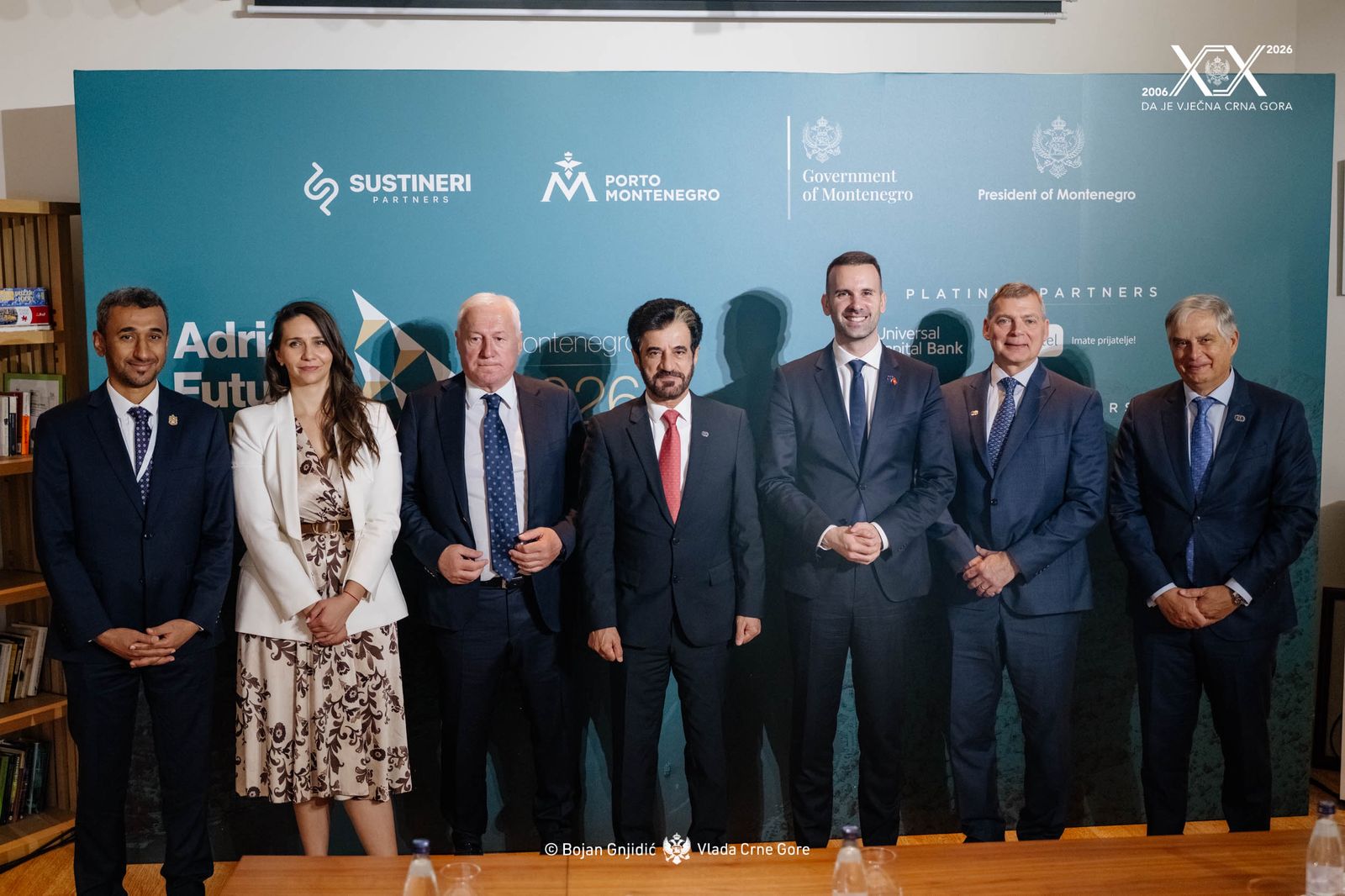
Discussions touched on how continued growth of Montenegro’s motorsport can help boost the economy
Dubai, UAE, Apr 23: FIA President H.E Mohammed Ben Sulayem has met with Montenegrin Prime Minister Milojko Spajić to strengthen cooperation between the Fédération Internationale de l’Automobile (FIA) and Montenegro.
The meeting in Tivat yesterday provided an opportunity to discuss the FIA’s leadership across both motorsport and mobility, and to explore areas of collaboration aligned with Montenegro’s national priorities.
Motorsport and tourism were key topics of the meeting. The discussion touched on how the continued growth of Montenegro’s motorsport can help boost the economy, bring more visitors to Montenegro, and raise the country’s international profile, while ensuring events are run safely and sustainably.
Another key focus was Montenegro’s ambition to become a regional leader in road safety. President Mohammed Ben Sulayem shared how the FIA helps countries use data to better understand accidents, improve roads, and make driving safer.
This includes global tools like the FIA Road Safety Index (RSI), which helps track and measure progress using cutting-edge AI. Both leaders agreed that using data and new technology is essential to making real improvements for everyday road users.
The Prime Minister and President also spoke about the importance of keeping people safe online through the FIA’s United Against Online Abuse (UAOA) campaign. They highlighted the need to promote respect and protect users, especially young people and those involved in sport, from online abuse.
H.E. Mohammed Ben Sulayem, FIA President, said: “Montenegro is a country with clear ambition to lead in road safety. We are delighted to work with them to help bring that ambition to life by combining innovation, data, and collaboration.
“Together with the Auto-moto Association of Montenegro, we will work to deliver safer roads, more efficient mobility systems, and continued growth in motorsport, helping to build a future that is safer, more sustainable, and more connected for all.”
The FIA President has been in Montenegro to attend the FIA Region I Spring Meeting hosted in Budva by the Auto-moto Association of Montenegro.
Reaching its conclusion later today, the meeting brought together 102 FIA Member Clubs across Europe, the Middle East and Africa for three days of collaboration, innovation and knowledge sharing to advance safe and sustainable mobility for motorsport fans and road users.
23, Apr 2026
Hitachi Vantara Releases FY2025 Sustainability Report, Highlighting Leadership in Energy-Efficient Infrastructure for AI-Driven Workloads
April 23: Hitachi Vantara, the data storage, infrastructure and hybrid cloud management subsidiary of Hitachi Ltd. (TSE: 6501), today announced the release of its FY2025 Sustainability Report, detailing measurable advancements across its environmental, social and governance priorities. The report highlights advancements in energy-efficient infrastructure, including innovations across Hitachi Vantara’s Virtual Storage Platform One (VSP One) data platform, expanded lifecycle sustainability initiatives and strengthened governance practices to support customers navigating the growing demands of AI and data-intensive workloads.

As organizations accelerate digital transformation and AI adoption, the energy and efficiency demands of data infrastructure are rising sharply, creating new operational and sustainability challenges. According to the International Energy Agency (IEA), global data center electricity consumption could reach more than 1,000 terawatt-hours by 2026, roughly equivalent to the annual electricity consumption of a major industrialized nation, driven in part by AI workloads. At the same time, organizations are under pressure to reduce costs, making it more difficult to balance performance with environmental impact. As electricity demand increases, so do the power and cooling requirements needed to support data infrastructure, making efficiency a critical factor in both cost and sustainability. Hitachi Vantara is addressing this challenge by embedding sustainability into its infrastructure, helping customers reduce energy consumption, optimize operations and improve return on investment.
“Sustainability is increasingly tied to operational performance and business outcomes,” said Akinobu Shimada, CEO of Hitachi Vantara. “In FY2025, we focused on helping customers manage the growth of AI and data while improving efficiency and reducing environmental impact. Our investments in infrastructure innovation, lifecycle design and governance are enabling customers to achieve powerful results.”
Key highlights from the report include:
- Infrastructure efficiency and performance: Hitachi Vantara introduced VSP One Block High End, designed to deliver scalable infrastructure that improves efficiency while maintaining high reliability and reducing power and cooling requirements for enterprise and AI-driven workloads, supported by integrated tools for energy monitoring, carbon reduction and sustainability reporting.
- Lifecycle sustainability advancements: The company expanded lifecycle assessment initiatives across its VSP One Block, File and Object portfolios, enabling more accurate measurement of environmental impact and improved Scope 3 emissions visibility. These efforts are complemented by tools such as the Clear Sight dashboard, which provides customers with visibility into energy consumption and carbon usage, along with actionable insights to optimize system efficiency and environmental impact.
- Circularity and materials sustainability: Hitachi Vantara increased the use of post-consumer recycled plastics across its storage systems, with up to 50% recycled content in key components. The company also reported that less than 0.3% of materials were sent to landfill, with the vast majority reused or recycled through optimized recovery and circularity programs.
- Governance and data quality improvements: Hitachi Vantara enhanced cross-functional governance and emissions tracking processes, strengthening audit readiness and improving data accuracy across Scope 1, Scope 2 and key Scope 3 categories, aligning with science-based emissions reduction targets and evolving ESG reporting standards.
Hitachi Vantara’s commitment to sustainability extends beyond its own operations, focusing on helping customers achieve measurable improvements in efficiency, performance and environmental impact. Through its infrastructure and data platforms, the company enables organizations to reduce energy consumption, optimize resource utilization and support more sustainable operations at scale. Recent examples include:
- Aquiris (Belgium): Upgraded its storage platform with VSP One Block to improve operational efficiency, resilience and reliability for critical water treatment operations, processing more than 110 million cubic meters of wastewater annually and collecting over one million data points per day, while helping reduce power usage and lower its carbon footprint through more efficient data management and infrastructure.
- DestekBank (Turkey): Deployed VSP One Block to support rapid retail banking expansion, achieving a 25% reduction in data center energy consumption, a 35% increase in application performance and a 20% reduction in total cost of ownership.
- Malayala Manorama (India): Modernized its data infrastructure with Hitachi Vantara to support 24/7 media operations, achieving a 66% reduction in data center rack space and 70% savings in power and cooling costs, while improving availability and operational efficiency across its print, broadcast and digital platforms.
“Hitachi Vantara is helping us fulfill our goal of creating a sustainable process for safeguarding supplies of clean water and supporting the growth and development of Brussels,” said Juan Ochoa, managing plant director, Aquiris. “The performance gains with VSP One Block will be significant. We are constantly collecting data, tracking KPIs and monitoring our purification processes. The improvement in storage capabilities will help us respond quickly to issues and optimize our plant operations.”
While the FY2025 Sustainability Report reflects progress across the past year, it also reflects a broader shift in how Hitachi Vantara is approaching sustainability, embedding efficiency, transparency and lifecycle thinking directly into its infrastructure and operations. This approach helps organizations operationalize sustainability at scale, particularly as AI-driven workloads continue to increase infrastructure demands.
23, Apr 2026
AAEON Releases the BOXER-6407-TWL, an Ultra-Slim PC Designed for Legacy System Modernization
35% slimmer than its predecessor and offering both VGA and HDMI display outputs, the BOXER-6407-TWL is positioned as a reliable, cost-efficient platform for retrofitting and upgrading existing setups.
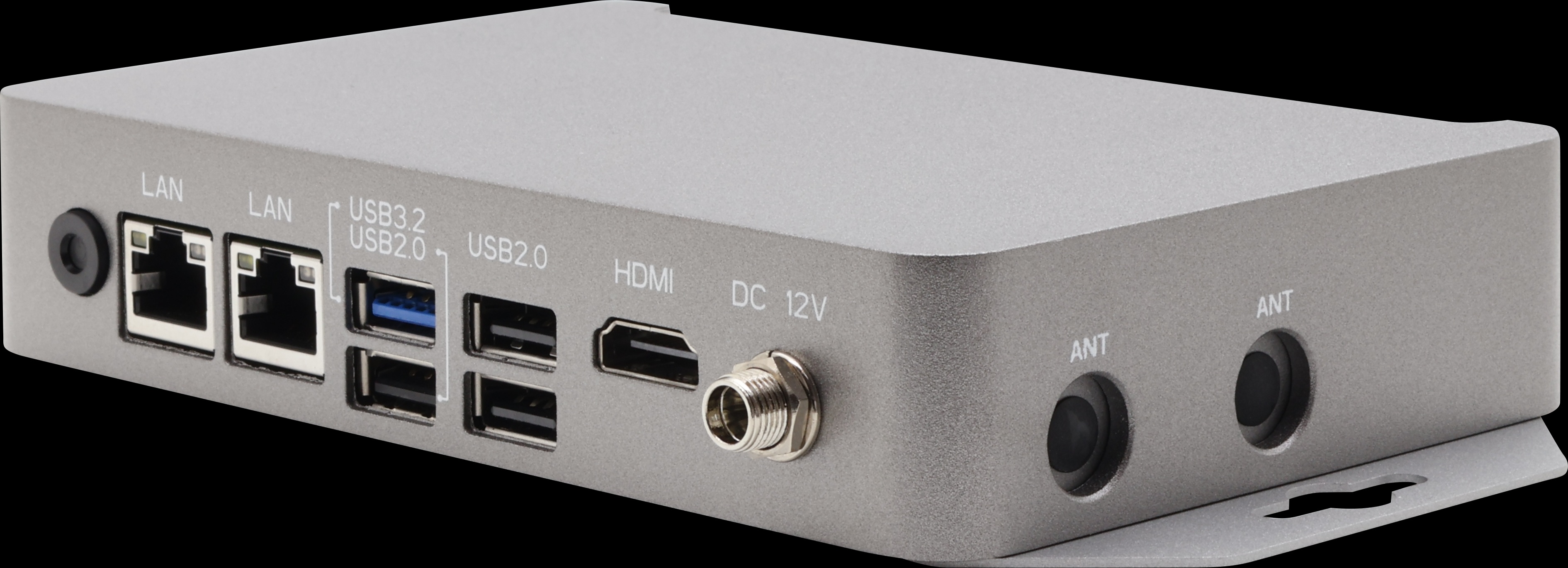
(Taipei, Taiwan – April 23, 2026) Leading provider of industrial PC solutions AAEON (Stock Code: 6579) today announced the BOXER-6407-TWL, an ultra-slim compact embedded PC available with either the Intel Processor N250 or N150 CPU SKU from the Intel Processor N-series (formerly Twin Lake).
Central to the product’s value proposition is its compact 153mm x 101mm x 30mm size, with its height being particularly notable, given it is 35% slimmer than previous models from AAEON’s Ultra-slim Box PC portfolio. AAEON has said this design decision was made to satisfy market demand for more advanced, fanless platforms that can be integrated into existing systems with minimal space, such as semiconductor manufacturing equipment and digital signage installations.
Highlighting its suitability for retrofitting and modernizing industrial setups, the BOXER-6407-TWL offers both VGA and HDMI display outputs to ensure compatibility with existing display panels. Meanwhile, the PC features a robust industrial I/O comprised of three USB ports (USB 3.2 Gen 2 x 1, USB 2.0 x 3), dual Gigabit Ethernet LAN, and two DB-9 ports for RS-232/422/485. This positioning of the product as one for industrial environments is consistent with the its mechanical specifications, which boast a fanless, ventless chassis with a single-mold top cover, allowing it to operate in temperatures as high as 60°C while preventing dust ingress.
For storage, the system sacrifices the SATA support seen in earlier models for an M.2 2280 M-Key slot, with additional expansion coming in the form of an M.2 2230 E-Key, an M.2 3052 B-Key, and a SIM card slot.
The system’s operating system support includes Windows 11 Pro, Windows 11 IoT, and Linux Ubuntu 24.04 and later.


