


26, Mar 2026
SHARP Launches India’s First Window AC with Active Air Purification

New Delhi, Mar 26 – SHARP Business Systems (India) Pvt. Ltd, a wholly owned subsidiary of SHARP Corporation, Japan, has announced the launch of a new range of window air conditioners in India, including the country’s first window AC with active air purification powered by its patented Plasmacluster technology. By releasing positive and negative ions into the air, the technology helps reduce bacteria, allergens, and odours while maintaining effective cooling. The new lineup includes the Ryohu (inverter) and Ryohu-FS (fixed-speed) models, available across multiple capacities and star ratings, aimed at addressing the cooling needs of Indian households. All newly launched Window AC models come with 5 years’ comprehensive warranty, reinforcing SHARP’s commitment to quality, durability, and customer peace of mind.
The new range has been built to handle Indian summer conditions, offering cooling performance even at temperatures up to 52°C. Features such as a twin rotary inverter compressor, turbo mode, and Coanda airflow are designed to deliver faster and more uniform cooling across the room. The inclusion of a 4-in-1 convertible mode allows users to adjust cooling capacity based on requirements, helping optimise energy consumption. Across both inverter and fixed-speed models, SHARP has also focused on durability and ease of use, with features such as 100% copper condensers, anti-corrosion coating, multiple operating modes, and auto-restart functionality.Commenting on the launch, Mr Osamu Narita, Managing Director of SHARP Business Systems (India), said, “India is an important market in SHARP’s global growth journey, and we are committed to expanding our footprint with technology that anticipates future consumer needs. SHARP’s legacy is built on original innovation and uncompromising quality, and we aim to bring solutions that seamlessly integrate into modern lifestyles. Through continuous innovation, we strive to enrich lives and contribute to a smarter, more comfortable future.”
“This launch reflects SHARP’s continued commitment to bringing advanced and future-ready air conditioning solutions to Indian homes,” said Mr Mimoh Jain, Chief Business Officer – SHARP Appliances Division. “This launch reflects SHARP’s vision to redefine home comfort by combining advanced cooling technology with intelligent and health-focused innovations. With decades of expertise shaping the art of cooling, SHARP continues to evolve climate solutions that enhance everyday living and deliver a differentiated, future-ready experience for Indian consumers.”
Product features
Ryohu Inverter Window AC Series (Top Throw):
The Ryohu inverter window AC series (top throw) is offered in a 1.45-ton configuration with a cooling capacity of 5100W and is available in both 3-star and 5-star energy ratings, catering to consumers looking for efficient and flexible cooling solutions. Designed to perform in Indian summer conditions, the range supports cooling in ambient temperatures of up to 52°C.
It incorporates twin motor technology along with turbo mode to enable faster cooling, while Coanda airflow and 4-way auto swing help ensure more uniform air distribution across the room. Multiple operating modes, including auto, cool, dry, and fan, allow users to customise performance based on their requirements.
The range also includes a 4-in-1 convertible mode that enables users to adjust cooling capacity across different levels, helping optimise energy consumption. From a usability standpoint, the air conditioners are equipped with a touch panel acrylic display and LED indicators for ease of operation, along with features such as auto-restart and an energy-saving mode to support convenient day-to-day use. Select models are also equipped with SHARP’s Plasmacluster technology, which helps reduce bacteria, viruses, allergens, and odours, thereby improving indoor air quality while cooling.
Ryohu Fixed-Speed Window AC Series:The Ryohu-FS fixed-speed window AC series is available in capacities ranging from 1.41 ton to 1.70 ton, with cooling capacities between 4950W and 5975W, and is offered in 2-star and 3-star energy ratings. The range is designed to deliver dependable and heavy-duty cooling performance suited for everyday use.
Built to operate in high ambient temperatures of up to 52°C, the series combines turbo cooling with long air throw of up to 18 metres, enabling effective cooling across larger spaces. Multiple operating modes such as auto, cool, dry, and fan provide flexibility in usage across different conditions.
The range is designed with a focus on durability and long-term performance, incorporating 100% copper condensers, anti-corrosion blue fin coating, and dust filters. It also uses eco-friendly R32 refrigerant and is built in line with SHARP’s Japan 7 Shield framework, which ensures reliability and safety under demanding conditions. All models come with a 5-year comprehensive warranty.
Japan 7 Shields – Built for India’s Harsh Conditions
SHARP Window ACs are engineered with Japan 7 Shields, SHARP’s comprehensive quality and durability framework ensuring superior reliability and safety.
Pricing and AvailabilityRyohu FS (Fixed Speed) starts from ₹34,490/- and Ryohu (Inverter) top throw starts from ₹39,990/-. Both the range have a comprehensive 5-year warranty and Ryohu (Inverter) also has 10-year compressor warranty. These models are available at leading retail outlets and online platforms across India. The pricing reflects SHARP’s aim to make advanced technology accessible to a wide range of consumers while maintaining high standards of quality and performance.

- 0
- By Neel Achary

26, Mar 2026
Paul John Launches Kaarigari, Moving Beyond Whisky into Culture

Bengaluru, Mar 26: Kaarigari by Paul John Whisky made its debut in Bengaluru as an immersive, multi-sensory experience celebrating Indian craftsmanship. Held at The Humming Tree, the evening brought together whisky, music, poetry, and material artistry, designed as a curated journey where each element unfolded with intent.
The opening walkthrough set this tone early, drawing parallels between intricate wooden artistry and whisky making, inviting guests to engage with material, process, and details. Guests were first introduced to Paul John’s Nirvana expression, followed by the ceremonial opening pour of the Brilliance expression by Mr. Heemanshu Ashar, Global Ambassador, marking the official beginning of the showcase.
At the heart of the evening, poet and performer Priya Malik and sitar virtuoso Mehtaab Ali Niazi created magic in a way that didn’t feel performative, but immersive. It wasn’t about individual acts; it was about the connection, rhythm, pause, and emotion all working in sync. Easily one of the evening’s most compelling moments. Their performance unfolded alongside the pour of the PX expression, adding depth to the experience.
As the evening progressed, a curated culinary spread inspired by regional Indian flavours complemented the narrative, while the Paul John Madeira expression marked the closing note, bringing the journey to a refined finish. Each whisky expression was introduced at a thoughtfully chosen moment, transforming the evening into a structured, story-led experience rather than a conventional tasting.
“Kaarigari by Paul John visitor centre is a reflection of our deep-rooted belief in Indian craftsmanship. Through this initiative, we are proud to create a space where traditional art forms can be rediscovered, reimagined, and experienced by a wider audience in a meaningful way.” adds Mr Paul P John, Chairman of the award-winning Paul John Indian single malt whisky
At its core, Kaarigari is a cultural platform that honours the time, patience, and skill behind every act of making. Rooted in the philosophy of Paul John Whisky, it celebrates craftsmanship across disciplines, bringing together artists, creators, and audiences through meaningful, immersive experiences. This Bengaluru edition marks the beginning of a larger, greater journey, with many more thoughtfully curated editions to follow.
26, Mar 2026
Dubai luxury property market brings developer sales of AED10.92 billion in March
Keturah analysis shows developer transaction volume climbed 42% YoY with a week of the month remaining
Dubai, UAE, 26th March 2026: Dubai’s luxury property market continues to show strong momentum, with developer sales of AED10.92 billion in March and a 42% year-on-year increase in transaction volume to 900 deals, with one week of the month remaining.
A market analysis from the Keturah luxury brand today shows that over the first 24 days of March, the AED20-50 million sector recorded 79 sales transactions worth AED2.36B, including six off-plan villas bought for between AED43-50 million.
Data from DXBinteract reveals that 16 sales transactions in the AED50-100 million bracket amounted to AED1.04 billion, and included nine off-plan apartments which were sold for between AED51-92 million.

“In the circumstances, these figures represent a powerful signal of confidence in Dubai’s premium real estate offering,” said Talal M. Al Gaddah, CEO and Founder of the Keturah luxury brand.
“We’re seeing sustained demand at the top end of the market, even during a period marked by regional geopolitical tension. In addition, real estate activity historically slows during Ramadan, and it’s significant that prime property in Dubai has continued to attract serious capital.”
Talal says Keturah Reserve, the AED5.7 billion bio-living community under development at Mohammed Bin Rashid City’s District 7, is an example of the new generation of luxury Dubai developments built to withstand disruption, and maintain long-term investor confidence.
“The current situation in the region is exactly the kind of short-term volatility we and other developers in Dubai are prepared for,” he says. “More and more projects are designed to hold their value in uncertain times.
“One strategy is to keep supply low and focus on real health and wellbeing benefits. This is the kind of approach which gives developments natural strength during uncertain periods, and positions them well when conditions improve.”
This month’s developer sales were topped by a AED422 million luxury apartment on the Jumeirah Peninsula, while transactions above AED100 million also included four plots at Umm Suqeim First which fetched between AED125-152 million.
In the AED10-20 million range, 150 sales worth AED1.99 billion included two off-plan villas each for over AED19 million, and three off-plan apartments between AED18-19 million.
The highest volume of activity came in the AED5-10 million sector, which saw 650 sales transactions valued at AED4.54 billion, including seven off-plan apartments each selling for over AED9 million.
Added Talal: “When you study the data, as we have been doing since the start of the conflict, you see a continued flow of capital into high-value off-plan properties. This reflects a buyer profile that is typically long-term in outlook and less influenced by short-term factors.
“These people are highly selective and strategic, and their continued activity at this time reinforces Dubai’s position as a global destination for premium real estate investment.”
26, Mar 2026
Wearable Tech Is Rewriting the Rules of Travel, and Helping Tourists Stay Off Their Phones
Mar 26: You can tell the future of travel is arriving not by what people are holding, but by what they’re wearing. Glasses that whisper cultural cues, watches that navigate through haptics, earbuds that quietly translate conversations: the screen is disappearing, but the tech is more present than ever.
Wearables are changing the rules of travel, allowing tourists to translate foreign languages and navigate foreign cities, all without touching their phone. The building blocks are already here: smart glasses that recognize landmarks, earbuds that translate conversations in real time and digital wallets that handle everything from boarding passes to shopping. But these tools don’t yet work together as one system.
“The ‘silos’ between services remain the biggest hurdle,” said IEEE Member Man Zhang.
Breaking those silos, Zhang said, requires breakthroughs in application programming interfaces integration, user data privacy protocols and, most importantly, creating AI agents that are 100% reliable.
“We are probably five to 10 years away from this being a mainstream, trustworthy reality,” she noted.
The Missing Pieces: Power, Integration, Trust
Tourists have relied on digital technology to ease the burdens of travel for years. Map apps in your smartphone can help you navigate a city and use public transportation. Translation apps can handle menus and basic conversations. Contactless payments now work in most major cities.
As IEEE Member Ning Hu points out, the experience is still fragmented. Wearables do some of these things, but they all require connection to a smartphone, and most of them still require specific apps to run the device.
Real-time translation suffers from noticeable latency and struggles with accents and contextual nuances. Contactless payment systems are widely adopted but remain fragmented across regions. GPS is strong outdoors, but indoor navigation and contextual guidance still lag significantly. Safety tools exist, but they are not well integrated or predictive.
“The missing pieces extend beyond technology itself,” Hu said. “We need interoperability and trust. Universal standards are essential, and travelers must have confidence that these systems won’t fail at critical moments. This requires addressing cross-regional compliance and data privacy concerns.”
For wearables to become as dependable as a passport or wallet, Hu argues that five breakthroughs are key: week-long battery life, robust offline capability, contextual AI that understands when and how to interrupt, an international privacy and identity framework and devices durable enough to survive water, drops and temperature extremes.
Zhang sets an even higher standard for reliability.
“We trust our passports and wallets because they are simple and don’t fail,” she said. “If your digital passport app has a bug at border control, or your payment system fails in a taxi, the technology becomes a liability, not a help. This level of trust requires AI that is not just ‘mostly right’ but ‘never wrong’ in critical situations.”
While it may not always be seamless, wearables are already on the market and are being used by travelers.
“We are already there. The technology is available to anyone, but it is not yet widely adopted,” said IEEE Life Fellow Stu Lipoff, who uses smart glasses connected to his phone when he travels.
He already relies on voice commands to get directions and translate foreign text. He can ask, “What am I looking at?” through the camera and call for emergency help. The catch, he says, is that “the applications are not seamless and you need to learn to use them.”
Augmented Reality and Haptics: Information Without the Screen
Where many experts see the biggest change is in how information reaches travelers’ senses.
“Haptics enables sensory substitution and liberation, freeing individual senses from dedicated tasks so they can be redirected to richer experiences,” said Hu. Instead of staring at a map, a traveler could feel a vibration pattern that signals a left or right turn. Eyes stay on the street, ears stay with companions and devices will tell people how to navigate through discreet signals they can feel.
Zhang imagines systems that help blind travelers with a combination of camera, AI and haptics, maybe in a wrist band, to signal turns or obstacles. For deaf travelers, AR glasses could provide real-time, live captioning of a tour guide’s speech.
In Brazil, lEEE Senior Member Cristiane Pimentel points to immersive projects that let blind visitors feel and hear the Iguazu Falls through sound and vibration. She expects wearables to become more aesthetically pleasing, more resilient to heat and humidity and eventually replace printed guides and even some physical information displays at tourist sites.
What Should Never Be Automated Away
Despite their optimism, the experts draw a line on what travel tech should not replace.
“Technology should never replace the unfiltered, spontaneous sensory experience of tasting local food,” said Zhang, describing the experience of sitting in a Hanoi market with a bowl of phở as irreplaceable.
The future these experts describe is not one of flashy gadgets for their own sake, but of quieter, more ambient tools. If they’re right, the most advanced travel tech will be the gear you barely notice, because you’re too busy paying attention to the place you came to see.
26, Mar 2026
The Baker’s Dozen becomes the Official Bakery Partner for Royal Challengers Bengaluru for 2026!
India-wide release, March 26: As the cricketing fever grips the nation, The Baker’s Dozen (TBD), India’s leading artisanal bakery brand, known for creating authentic and quality baked goods, has collaborated with cricketing franchise Royal Challengers Bengaluru (RCB), as their official bakery/snaking partner for 2026. The partnership will see TBD bring the match excitement straight to your homes with RCB-themed product packaging across all their products, showcasing RCB players on their packs. In a unique brand move, TBD will also give out limited-edition RCB collectible stickers, featuring RCB legend Virat Kohli, captain Rajat Patidar, and other marquee players such as Krunal Pandya, Josh Hazlewood, Bhuvneshwar Kumar, and more, packed in their best-selling Protein Chips.
Link to the post: https://www.instagram.com/p/DWQt1SvA9p9/?hl=en
In India, cricket is more than just a sport. It’s a lifestyle. It’s a religion. It’s a festival in itself – and perhaps one of the biggest – that unites the country like no other. India doesn’t just watch cricket. India lives it. There’s chaos, humour and “lucky” rituals for match-day (like sitting in the same place while watching the match) that spills from the screens onto the streets, easily becoming part of daily conversations. And as one of the most beloved cricketing franchises that (finally) won hearts by winning the trophy last season, RCB is at the very centre of this cricketing frenzy, commanding a massive fan following.

This collaboration is set to create memorable moments for these fans by combining the nail-biting excitement of the game with the taste of TBD’s authentic, artisanal offerings. The partnership leverages India’s collectible craze by launching a series of limited-edition collectible stickers in its Protein Chips packets in three levels – Black, Silver and Gold – featuring RCB players. Each sticker carries fixed points, and each Protein Chips packet will include one sticker. With a little luck, fans can create their very own collection by uncovering them all, and garner a certain level of points to win exciting prizes!
Aditi Handa, Co-founder & Head Chef at The Baker’s Dozen, said, “After RCB’s inspiring win last season, we are delighted to be a part of their journey forward! It is no secret that cricket-watching and snacking go hand-in-hand. So, we want to ensure that fans not only enjoy the excitement on the field, but also a guilt-free snacking experience with our authentic, quality range of products. They can relish sweet indulgences like cookies and cakes or munch on protein chips, rusks, or crackers while cheering for RCB, all without the guilt of unhealthy snacking.”
Sneh Jain, Co-founder of The Baker’s Dozen, added, “With millions tuning in and stadiums packed with passionate fans, this partnership positions The Baker’s Dozen at the very heart of India’s cricket craze. Apart from more eyeballs, it also presents the brand with an opportunity to connect deeply with RCB’s vast fanbase via the limited-edition collectibles. Partnering with an iconic franchise like RCB is indeed a huge step forward for us! And as a die-hard cricket and a Virat Kohli fan myself, I couldn’t have hoped for a bigger brand collab for TBD!”
The partnership is a strategic move that enables TBD to tap into the energy of cricket and RCB’s fanbase, positioning itself as a brand that understands and celebrates India’s evolving healthy snacking preferences. Don’t forget to catch legend Virat Kohli and other RCB players across TBD products while you snack and root for the team winning yet another T20 tournament!
26, Mar 2026
Rethinking Home Value: How Residential Space Economics Are Evolving

Residential space has never been just about shelter. It reflects how people live, work, and assign value to their surroundings. Over the past decade, the economics of residential space has shifted in ways that are both subtle and dramatic. From changing work patterns to rising land costs and evolving lifestyle expectations, the idea of what makes a home valuable is being redefined.
More Than Square Footage
Traditionally, the value of a home was closely tied to its size and location. Larger homes in desirable neighborhoods commanded higher prices, and buyers often prioritized square footage above all else. That model is now evolving.
Today, how space is used matters as much as how much of it exists. A well-designed 900-square-foot apartment with smart storage, natural light, and flexible layouts can outperform a poorly planned 1,500-square-foot unit. Buyers and renters are paying more attention to functionality, not just scale.
This shift has introduced a new layer to housing economics: efficiency. Developers are now investing in design innovations that maximize utility per square foot, which directly impacts pricing strategies and long-term value.
The Remote Work Effect
One of the biggest drivers of change has been remote and hybrid work. Homes are no longer just living spaces. They double as offices, classrooms, and even wellness zones.
This has led to increased demand for:
-
Dedicated workspaces or adaptable rooms
-
Soundproofing and privacy features
-
Access to natural light and ventilation
As a result, properties that can accommodate these needs are seeing higher demand and, in many cases, higher valuations. Suburban and peri-urban areas have also gained popularity as people move away from dense city centers in search of more usable space.
Storage as a Value Driver
Another overlooked but increasingly important factor is storage. Built-in storage solutions, modular furniture, and optimized layouts are becoming major selling points.
Buyers are recognizing that clutter-free living improves quality of life. This has pushed developers to rethink how storage is integrated into homes rather than treated as an afterthought.
In fact, thoughtful storage solutions can significantly influence property worth. Studies and market observations show that well-designed storage can enhance both perceived and actual value. A deeper look into this trend can be found in this analysis on Residential Property Valuations, which highlights how customized storage impacts financial outcomes in housing markets.
Urban Density vs. Livability
Cities continue to grow, but space within them is becoming more constrained and expensive. This creates a tension between density and livability.
Micro-apartments and compact housing units are becoming more common in high-demand urban areas. While these units offer affordability and central locations, they also challenge traditional expectations of comfort.
To balance this, developers are investing in shared amenities:
-
Co-working spaces
-
Rooftop gardens
-
Fitness centers
-
Community lounges
These shared environments effectively extend personal living space beyond the walls of individual units, reshaping how value is calculated.
Technology and Smart Living
Technology is also reshaping residential economics. Smart home features are no longer luxury add-ons. They are increasingly expected.
Features like:
-
Automated lighting and climate control
-
Security systems
-
Energy-efficient appliances
not only improve convenience but also reduce long-term costs. This makes properties more attractive to buyers who are thinking beyond the initial purchase price.
Energy efficiency, in particular, is becoming a key economic factor. Homes that reduce utility costs can command higher prices and attract environmentally conscious buyers.
Changing Buyer Priorities
Modern buyers are more informed and more selective. They are not just buying a property. They are investing in a lifestyle.
Key priorities now include:
-
Flexibility of space
-
Sustainability
-
Connectivity (both digital and physical)
-
Community and surroundings
This shift is influencing how properties are marketed, designed, and priced. Developers who understand these preferences are better positioned to succeed in a competitive market.
The Investment Perspective
From an investment standpoint, residential real estate is also evolving. Investors are looking beyond traditional metrics like location and rental yield.
They are increasingly considering:
-
Adaptability of the space
-
Long-term usability
-
Potential for customization
Properties that can evolve with changing needs tend to hold value better over time. This makes design and functionality critical components of investment decisions.
Looking Ahead
The economics of residential space will continue to change as lifestyles evolve. Urbanization, technology, and demographic shifts will keep influencing how homes are designed and valued.
What remains clear is that space is no longer just a physical measure. It is an experience. And in today’s market, experiences drive value.
Understanding these changes is essential for buyers, developers, and investors alike. Those who adapt to this new reality will not only make better decisions but also unlock new opportunities in an increasingly complex housing landscape.
26, Mar 2026
Q1 India office market maintains strong momentum with 18.3 msf leasing in Q1 2026, up 15% YoY: Colliers India
Bengaluru, Mar 26 India’s office market across the top seven cities has started on a strong note in 2026, registering 18.3 million sq ft of leasing activity in the first quarter, up by 15% year-on-year (YoY). This continued momentum has been supported by strengthening occupier demand across sectors and expanding Global Capability Centers (GCCs) footprint, despite ongoing global uncertainties. Bengaluru, followed by Hyderabad, together accounted for nearly half of the quarterly leasing activity, cumulatively contributing 8.7 million sq ft of demand. Meanwhile, Grade A space uptake was firm in cities like Mumbai, Pune, Delhi NCR and Chennai, with each of them witnessing leasing in the range of 2-3 million sq ft. Interestingly, office space demand in Hyderabad and Pune more than doubled on an annual basis during Q1 2026.
“India’s office demand continues to display strong resilience, with 18.3 million sq ft of Grade A space uptake recorded across the top seven markets in Q1 2026, reflecting a 15% YoY growth. Space uptake from GCCs too has been firm, accounting for almost half of the overall demand. Although global headwinds continue to loom large and can potentially impact completion timelines, demand side outlook for 2026 remains positive at this juncture. The Indian office market will continue to be one of the best performing markets in the APAC region, supported by long-term GCC expansion, diversification of occupier base, strengthening of flex space offerings and growing preference for high-quality assets,” said Arpit Mehrotra, Managing Director, Office Services, India, Colliers.
Trends in Grade A gross absorption (in million sq ft)
|
City |
Q1 2025 |
Q1 2026 |
YoY change (Q1 2026 vs Q1 2025) |
|
Bengaluru |
4.5 |
5.3 |
18% |
|
Chennai |
2.9 |
2.0 |
-31% |
|
Delhi-NCR |
3.3 |
2.3 |
-30% |
|
Hyderabad |
1.7 |
3.4 |
100% |
|
Kolkata |
0.1 |
0.1 |
0% |
|
Mumbai |
2.2 |
2.7 |
23% |
|
Pune |
1.2 |
2.5 |
108% |
|
Pan India |
15.9 |
18.3 |
15% |
Source: Colliers
Gross absorption does not include lease renewals, pre-commitments and deals where only a letter of Intent has been signed.
The top 7 cities include Bengaluru, Chennai, Delhi-NCR, Hyderabad, Kolkata, Mumbai, and Pune
Completions at 11.8 msf in Q1 2026; New supply sees equally strong 19% YoY rise
New supply across the top seven cities remained strong at 11.8 million sq ft, up 19% YoY in the first quarter of the year. With around 47% share in overall supply additions, Bengaluru drove majority of the quarterly completions, followed distantly by Delhi NCR with a share of 17%. Additionally, Chennai and Mumbai saw completions to the tune of 1.5 million sq ft each, contributing around 13% of the supply additions during Q1 2026.
Trends in Grade A new supply (in million sq ft)
|
City |
Q1 2025 |
Q1 2026 |
YoY change (Q1 2026 vs Q1 2025) |
|
Bengaluru |
3.7 |
5.5 |
49% |
|
Chennai |
0.2 |
1.5 |
650% |
|
Delhi-NCR |
2.7 |
2.0 |
-26% |
|
Hyderabad |
0.3 |
– |
-100% |
|
Kolkata |
0.1 |
– |
-100% |
|
Mumbai |
0.4 |
1.5 |
275% |
|
Pune |
2.5 |
1.3 |
-48% |
|
Pan India |
9.9 |
11.8 |
19% |
Source: Colliers
Top 7 cities include Bengaluru, Chennai, Delhi-NCR, Hyderabad, Kolkata, Mumbai, and Pune
New supply is negligible in Hyderabad and Kolkata during Q1 2026
Technology firms drive 36% of conventional space uptake in Q1 2026; Flex space demand continues to witness sustained growth
Trends in conventional and flex space leasing (in million sq ft)
|
Q1 2025 (Share in %) |
Q1 2026 (Share in %) |
YoY change (%) |
|
|
Conventional leasing (msf) |
13.7 (86%) |
14.4 (79%) |
5% |
|
Flex space leasing (msf) |
2.2 (14%) |
3.9 (21%) |
77% |
|
Total |
15.9 |
18.3 |
15% |
Source: Colliers
Data pertains to top 7 cities – Bengaluru, Chennai, Delhi-NCR, Hyderabad, Kolkata, Mumbai, and Pune
During Q1 2026, leasing in conventional spaces remained robust at 14.4 million sq ft driven by Technology and BFSI occupiers. These two sectors together drove nearly two-thirds of the conventional space uptake, with 9.5 million sq ft of cumulative leasing during the quarter. While Bengaluru & Mumbai accounted for majority of the space uptake by BFSI firms during the quarter, in case of Technology firms, Bengaluru & Hyderabad collectively drove more than 60% of the demand.
Leasing activity by flex space operators too witnessed a notable 77% YoY increase in Q1 2026 with close to 4 million sq ft of space uptake. Delhi NCR followed by Hyderabad together drove more than 45% of the flex space leasing. Interestingly, flex space adoption in cities like Kolkata & Delhi NCR was notably strong, with at least 40% of quarterly leasing of respective cities being driven by flex operators. Further, flex operators contributed nearly one-fourth of the quarterly demand in each of the cities like Hyderabad, Chennai & Pune.
“Q1 2026 reaffirms continued strengthening of India’s office market led by tech occupiers and notable traction from a wider occupier base including BFSI, engineering & manufacturing firms etc. Both Technology and BFSI sectors significantly expanded their office footprint, with higher space uptake on an annual basis and cumulatively accounted for two-thirds of conventional office space demand in Q1 2026. At the same time, leasing by flex space operators continued to gain momentum, registering close to 4 million sq ft of Grade A space uptake, around 77% higher than the leasing in corresponding quarter of 2025. This reiterates the increased occupier focus on incorporating flex spaces into their portfolios for scalability, cost arbitrage, risk mitigation, and hybrid work enablement,” said Vimal Nadar, National Director and Head of Research, Colliers India.
As demand continues to outpace new supply consistently, overall vacancy levels dropped by close to 90 basis points on an annual basis, to around 15.3% at the end of Q1 2026. In fact, 4 out of 7 top office markets witnessed significant drop in vacancy levels of at least 100 bps on a YoY basis during the quarter. Meanwhile, average office rentals across the top seven markets firmed up by around 6% YoY.
26, Mar 2026
Capt. S. Divakar has taken over charge as Managing Director & CEO of Dredging Corporation of India on 25.03.2026
The Board of Directors of Dredging Corporation of India (DCIL), along with its Nomination and Remuneration Committee, has approved the appointment of Capt. S. Divakar as Managing Director & Chief Executive Officer (Additional Director – Executive & Non-Independent) and Key Managerial Personnel (KMP) of the Company.
He will hold office as an Additional Director until the next General Meeting, to be convened within three months from the date of approval. Shareholders’ approval will be sought at the said meeting for his regular appointment as a Non-Independent & Executive Director.
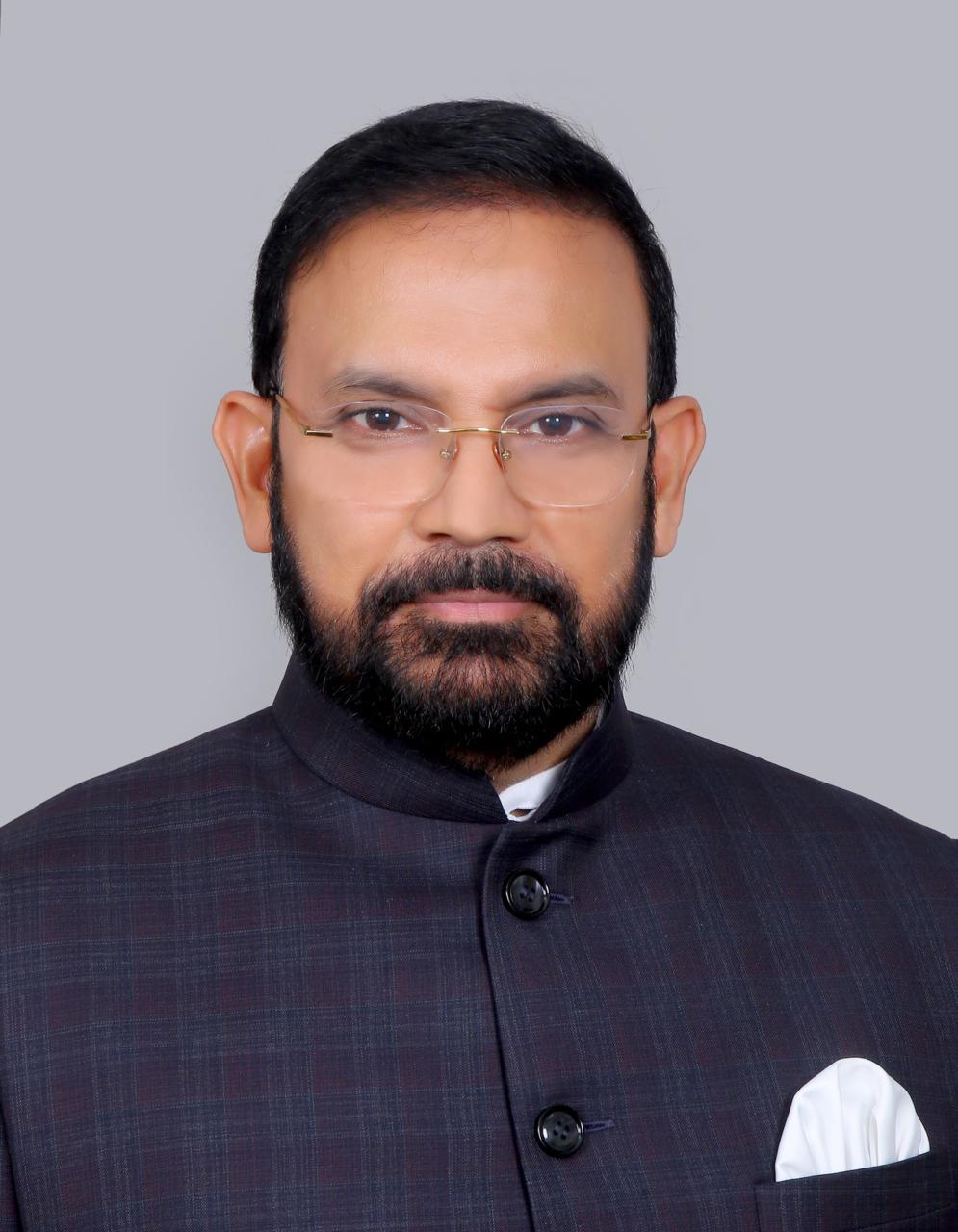
Capt. Divakar brings over 35 years of rich and diverse experience in the dredging industry, marked by a unique blend of operational expertise and strategic leadership. He began his career with DCIL in 1987 as a Cadet under the prestigious All India Dredging Cadre (AIDC – V Batch). Over 22 years of seafaring service, he rose through the ranks from Cadet to Captain, ultimately serving as “Master of Dredger.” During this period, he commanded advanced dredgers and successfully executed numerous projects across India and overseas, including nearly seven years as Master.
Transitioning to shore-based leadership, he has spent more than 13 years in senior management roles, playing a pivotal role in operational planning, project execution, and techno-commercial decision-making. His deep technical knowledge is complemented by strong strategic and commercial acumen within the maritime sector.
He possesses extensive understanding of dredging requirements across Indian ports and maritime establishments, along with in-depth familiarity with government policies, regulatory frameworks, and industry guidelines. His ability to align operational efficiency with policy mandates has consistently enabled the delivery of cost-effective and sustainable solutions.
Known for his integrity, principled leadership, and results-driven approach, Capt. Divakar has been instrumental in driving performance and fostering organizational growth throughout his career.
His appointment comes at a significant juncture as DCIL continues to strengthen its position as India’s leading dredging organization while advancing its growth and expansion plans in the maritime infrastructure sector.
26, Mar 2026
Child Care Aware of Missouri Expands Team with Two New Hires
George Stallworth and Ashley Thornton bring accounting and customer service expertise to the growing nonprofit.
(St. Louis, Mo., March 26, 2026) Child Care Aware of Missouri (CCAMO) recently welcomed two new team members as the nonprofit continues to strengthen operations and enhance support for families and child care providers across the state.

George Stallworth has joined CCAMO as Accounting Specialist, managing a range of accounting and financial activities. He will ensure the accuracy of financial reporting while supporting the organization’s budgeting and fiscal management processes. Stallworth brings extensive experience from roles with the Salvation Army and Advantage 2000. A U.S. Navy Logistics Specialist School graduate, he holds a Bachelor of Science degrees in both Accountancy and Business Administration from Southern Illinois University Edwardsville.

Ashley Thornton has been named Assistant Director of Customer Service Experiences, a newly created position designed to lead day-to-day call center operations and provide strategic direction for CCAMO’s offsite customer support team. Thornton previously served as a Call Center Supervisor for Keefe Group. She earned her Bachelor of Arts degree in Psychological Sciences from the University of Missouri-St. Louis.
“We are thrilled to welcome George and Ashley to our growing team,” said CCAMO CEO Robin Phillips. “Their expertise in accounting and customer service strengthens our ability to serve families, child care providers, and community partners with excellence. Each brings a passion for helping others and a commitment to our mission of ensuring that every child in Missouri has access to quality care.”
Founded in 1999, CCAMO is a statewide nonprofit that focuses on a comprehensive early childhood education experience through impactful programs and partnerships. The organization’s services include workforce development, child care business supports, advocacy and policy work, and its new Child Care Keeps Missouri Working, a regional campaign offering concierge solutions to businesses undergoing employee recruitment and retention challenges due to the overwhelming shortage of quality child care options. For more information, call (314) 535-1458 or visit www.mochildcareaware.org
26, Mar 2026
Plasma and lemon juice: Milder method retrieves nearly 95% of critical minerals in battery waste
15-minute pretreatment enables recovery of metals and graphite from spent lithium-ion batteries
HOUSTON, TX (March 26, 2026) – Critical minerals such as those used in lithium-ion batteries come in limited supply and are concentrated in specific regions around the world. Securing a reliable supply of these materials is a priority for governments worldwide, yet most spent batteries end up in landfills, leeching toxic chemicals into the environment.
“Recycling waste batteries is the most practical solution for tackling this strained supply chain, but studies show that that happens with less than 10% of battery waste,” said Gautam Chandrasekhar, a doctoral student in the materials science and nanoengineering department at Rice University who is a first author on a study pioneering a new battery recycling method.
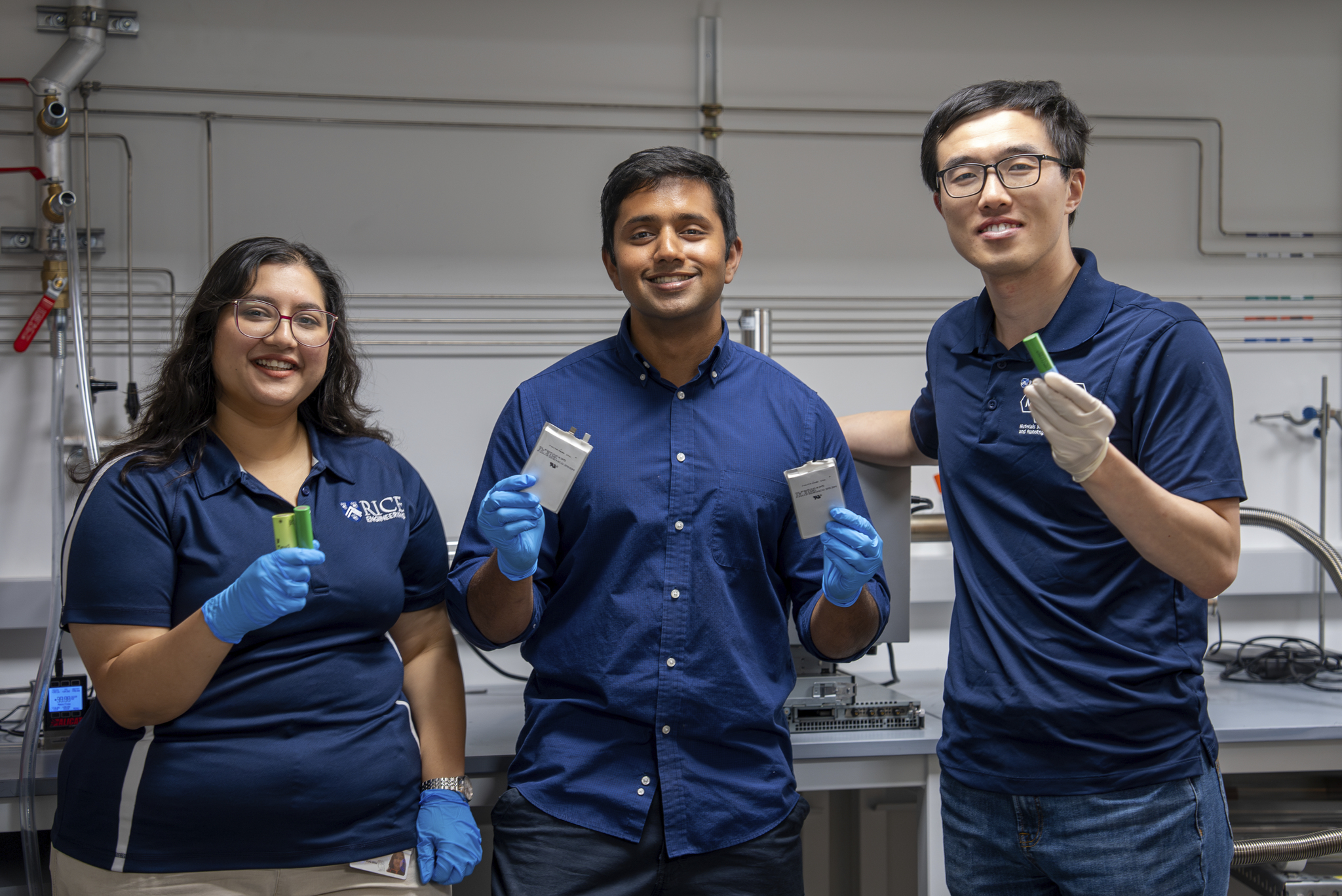
The researchers used a brief microwave-induced plasma treatment to recover nearly all of the valuable metals in battery waste using room-temperature, comparatively mild solvents, including citric acid. The process also regenerated graphite — the main material in a battery’s anode.
“With plasma pretreatment, almost 95% of metals, including lithium, can be recovered from battery black mass using nothing harsher than the acid found in a lemon,” said Chandrasekhar, who is part of Pulickel Ajayan’s research group at Rice.
Current recycling protocols involve shredding battery waste down to a substance known as black mass, which contains minerals such as lithium, cobalt, nickel, graphite, manganese, aluminum and more. Processing black mass for mineral extraction typically requires energy-intensive industrial processes involving high temperatures and strong acids, and recovery rates are uneven.
“Industrial battery recycling processes in use today have very low metal extraction efficiency and focus mostly on the cathode,” said Xiang Zhang, assistant research professor at Rice and a co-first author on the study.
Lithium can be particularly difficult to capture efficiently, and graphite — which makes up roughly 22% of the battery’s weight — is rarely returned to batteries because it gets damaged during conventional recycling processes.
“This is one of the most important things to note regarding battery recycling: As the single most voluminous component in lithium-ion batteries, graphite remains almost irreplaceable as anode in widespread commercial battery applications,” said Sohini Bhattacharyya, a research scientist in the Ajayan group who is a corresponding author on the study.
Bhattacharyya said the goal of the research was to develop a one-step pretreatment process for battery recycling that could be added onto existing industrial processes to improve efficiency and reduce environmental impacts while recovering “all critical materials, including graphite.”
“We hypothesized that using microwave-induced plasma to break down the metal oxide particles as a pretreatment step would make their hydrometallurgical recovery in weaker acids easier,” Bhattacharyya said.
To test their hypothesis, the team used a custom microwave plasma reactor built by Zhang. After exposing black mass to microwave-induced plasma — an energized gas of charged particles — for 15 minutes, more than 90% of all metals were recovered in a citric acid bath at room temperature, while lithium was selectively recovered in water. Moreover, the treatment was found to remove residues and structural defects that accumulate on graphite during battery use.
“The recovered graphite shows excellent performance as an anode when reintroduced in a battery,” Chandrasekhar said.
The technology has been patented, and the team is moving toward commercialization. Early technoeconomic analysis suggests the process could outperform current industrial methods, particularly by recovering graphite in a form suitable for reuse in batteries.
“This is a breakthrough methodology for recovering all critical minerals from battery black mass with minimal chemical and energy usage,” said Ajayan, Rice’s Benjamin M. and Mary Greenwood Anderson Professor of Engineering and professor of materials science and nanoengineering.