


16, Oct 2025
Konica Minolta’s ‘Celebrate Possibilities’ Campaign Showcases Innovation and Festive Excellence
Konica Minolta’s ‘Celebrate Possibilities’ Campaign Highlights Commitment to Innovation and Festive Excellence
New Delhi, 16th, Oct, 2025 | Konica Minolta, a global leader in printing technology, is celebrating this festive season with its ‘Celebrate Possibilities with Konica Minolta’ digital campaign, designed to inspire and encourage businesses to meet the dynamic demands of the festive season with precision, creativity, and efficiency.

As India comes alive with lights, traditions, and celebrations, brands and businesses play a critical role in delivering products and services with unparalleled accuracy. Through this digital initiative, Konica Minolta highlights how its advanced digital printing and packaging solutions helps their customer transform moments of festivals into success stories. Whether it’s personalized packaging, high-quality festive prints, or streamlined conferencing solution, Konica Minolta’s technology transforms festive aspirations into tangible success, making every celebration a story worth sharing. The campaign draws upon the joyful spirit of Diwali while positioning the brand as an enabler of possibilities, providing businesses with tools to excel and not just services.
Commenting on the campaign, Mr. Katsuhisa Asari, Managing Director, Konica Minolta Business Solutions India Pvt. Ltd., said, “Festivals are a time for new beginnings and prospects. Our digital campaign ‘Celebrate Possibilities with Konica Minolta’ embodies this spirit and demonstrates how Konica Minolta empowers businesses to achieve creativity, efficiency, and excellence even during the busiest periods. We are committed to assisting our customers turn every moment into a success story through innovation and technology.”
Launched across digital and social media platforms, the campaign reflects Konica Minolta’s philosophy of combining technology with human creativity, enabling businesses to operate at their best during the festive surge. It emphasizes the brand’s role in supporting enterprises of all sizes to deliver exceptional results and exceed customer expectations.
This initiative reinforces Konica Minolta’s position as a trusted partner that goes beyond technology, bringing together innovation, efficiency, and cultural relevance in a way that resonates with businesses and communities alike.
- 0
- By Neel Achary

16, Oct 2025
Dassani Brothers introduces “Aarambh– A New Beginning, A New Brilliance”
Mumbai, 16 October 2025: This Diwali, Dassani Brothers unveils its latest fine jewellery collection “Aarambh: A New Beginning, A New Brilliance.” Inspired by the spirit of Diwali and the promise of new beginnings, the collection celebrates inner radiance a glow that evolves with life’s every chapter.
Aarambh marks a graceful evolution in Dassani Brothers’ creative journey, blending traditional polki and jadau craftsmanship with contemporary, fluid design. Each piece embodies renewal and optimism, capturing the festive spirit of light, celebration, and transformation.
Introducing black enamel for the first time, the collection reflects Diwali’s deeper philosophy of darkness giving way to light. The contrast between deep enamel and sparkling polki evokes a poetic journey from shadow to radiance, symbolising balance, beauty, and growth.
From delicate earrings that glimmer like diyas to statement necklaces exuding festive grandeur, Aarambh marries emotion with artistry. Uncut diamonds, vibrant gemstones, lustrous goldwork, and bold enamel detailing combine in harmony, reflecting Dassani Brothers’ commitment to precision, innovation, and timeless elegance.
Commenting on the launch, Sumit Dassani, Partner at Dassani Brothers, said:
“Diwali represents light, hope, and renewal values at the heart of ourphilosophy. With Aarambh, we celebrate the beauty of embracing change and welcoming every new beginning with brilliance. The addition of black enamel highlights the harmony between light and darkness, reminding us that both are essential to growth and elegance.”
With its refined aesthetic and versatile appeal, Aarambh resonates with the modern woman — one who honours her roots while charting her own path. Each creation is a reminder that every new beginning carries the promise of brilliance, reflecting the legacy of craftsmanship and care that defines Dassani Brothers.
.
16, Oct 2025
Centre for Aesthetics Marks a Year of Transforming Beauty and Wellness
Gurugram, 16th October 2025: The Centre for Aesthetics (CFA), a leading luxury aesthetics clinic in Gurgaon, celebrated its first anniversary with an exclusive event, marking a year of excellence, innovation, and client transformations. Founded by Dr. Akanksha Agarwal and Dr. Ritesh Anand, CFA has spent its inaugural year redefining beauty and confidence through advanced technology, personalized care, and a commitment to delivering exceptional results.
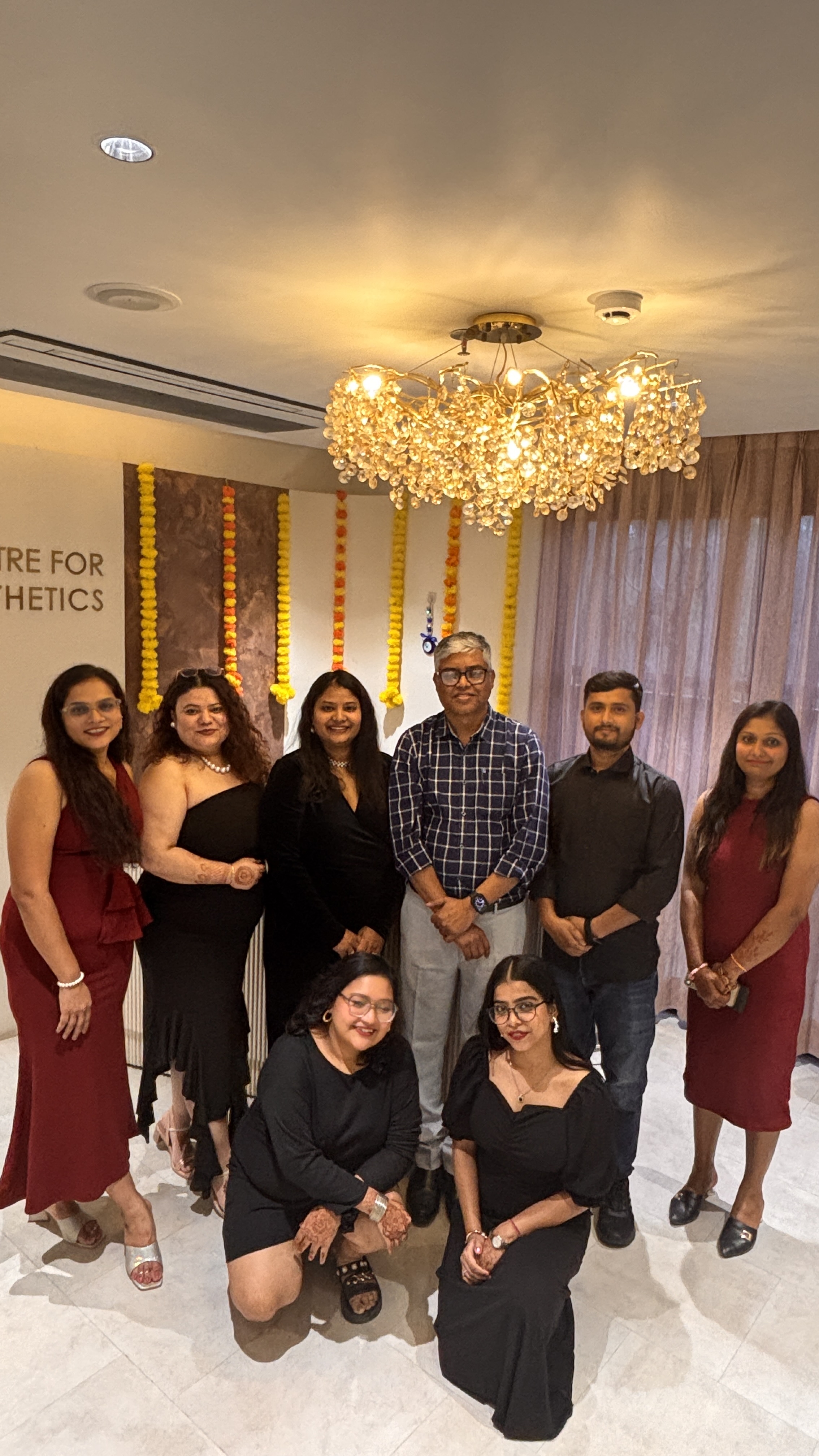
The anniversary celebration brought together clients, well-wishers, and industry experts for an evening of live demonstrations, consultations, and interactions with the clinic’s expert team. Guests experienced signature treatments such as HydraFacial, PDRN Therapy, Vampire Facial, and other and non-surgical procedures. The event also featured recognition of loyal clients and a showcase of CFA’s journey over the past year, celebrating the trust and support of its community.
Reflecting on the milestone, Dr. Akanksha Agarwal, Founder and Director, said, “Our first year has been incredible. Seeing our clients and team come together to celebrate our achievements fills us with pride. This anniversary is a celebration of trust, dedication, and the joy of helping people feel confident in their own skin.” Dr. Ritesh Anand, Founder and Director, added, “It has been a remarkable journey. The anniversary event was a wonderful opportunity to connect with our clients and partners, and it motivates us to continue innovating and setting higher standards in aesthetic care.”
The first anniversary marks a significant milestone for CFA as it looks forward to continuing its mission of combining science, art, and personalized care to transform lives and enhance confidence.
16, Oct 2025
Building Consumer Confidence: How Responsible Brands Protect Buyers from False Advertising
💡 Introduction: Why Authenticity Matters More Than Ever
In the modern wellness market, credibility isn’t optional — it’s essential. With so many new brands entering the space, consumers have learned to look beyond trendy packaging and focus on authenticity, accuracy, and transparency.
That’s why reputable brands like Deja Vu Dream Bar stand out. Their approach to honest marketing, clear labeling, and verified quality demonstrates that real trust comes from putting consumer safety first.
🧾 How Brands Uphold Truth in Labeling and Marketing
Every responsible company follows a few key principles to maintain transparency and protect their customers:
- ✅ Accurate Product Representation – Every label and description must reflect the true contents and intended purpose.
- 🧪 Verifiable Quality Standards – Brands that test and validate their ingredients offer greater assurance of safety and consistency.
- 📦 Legitimate Packaging – Secure seals, batch tracking, and clear expiration dates ensure that each product is authentic.
- 🛒 Authorized Sellers Only – Purchasing from official sites or approved retailers prevents exposure to fraudulent or low-quality imitations.
When brands communicate clearly and back their claims with real data, customers can shop with confidence — knowing they’re supporting integrity over hype.
⚖️ The Legal Side: Protecting Consumers from Deceptive Practices
False or misleading advertising doesn’t just damage trust — it can lead to serious legal consequences. A California Consumer Protection Attorney helps brands understand and comply with marketing laws while giving consumers a framework to hold dishonest sellers accountable.
These legal experts help enforce:
- Truth-in-advertising and labeling regulations
- Consumer-rights protections against fraud
- Online-sales and e-commerce transparency requirements
- Fair refund and dispute-resolution policies
Compliance not only protects the brand — it protects every customer who expects honesty from the companies they support.
🌿 Deja Vu Dream Bar: A Case Study in Transparency
The Deja Vu Dream Bar embodies what modern wellness consumers are looking for — responsible branding, transparent communication, and a commitment to verified quality. Each product is crafted to meet rigorous safety and labeling standards, reflecting a culture of integrity that defines the new era of wellness.
By investing in quality assurance and consumer education, brands like Deja Vu Dream Bar ensure their customers always know exactly what they’re getting — and why it matters.
💬 Final Thoughts
Trust isn’t built overnight. It’s earned through consistent honesty, strong compliance practices, and open communication with consumers.
Responsible wellness brands prove that when transparency meets quality, everyone benefits — the brand grows, and the customer feels safe and informed.
16, Oct 2025
International Day of Rural Women: Stories of Empowerment Through Skill-Building
India, 16th october 2025: The vision of a future-forward, inclusive, and economically vibrant India is incomplete without the participation of women in the workforce. With equal access to education, economic opportunities, and safety, women can drive social change, overcome socio-cultural barriers, and confidently run businesses. Initiatives like Mudra Yojana and Stand-Up India have contributed to an increase in the Female Labour Force Participation Rate, from 23.3% in 2017–18 to 41.7% in 2023–24. However, the Economic Survey 2024–25 highlights that women still own only 22% of India’s MSMEs, most of which are micro-enterprises.
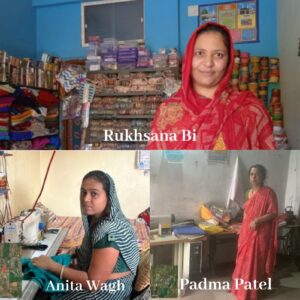
To empower aspiring women entrepreneurs, Transform Rural India (TRI), a development design organisation, is working to transform India’s bottom 100,000 villages into thriving localities. Through scalable and grounded solutions, TRI is creating entrepreneurial ecosystems that provide counselling, skill development, financial literacy workshops, and peer group meetings to foster collaboration and resource sharing within communities. Many rural women have emerged as inspiring examples of resilience and enterprise.
1. Padma Patel
Padma (35) from Kari village, Barwani district, Madhya Pradesh, is now the proud owner of Muskan Saree Shop & Silai Centre. Born into a family engaged in agricultural labour and goat herding, she initially ran a small bangle shop to support her family. Her journey took a transformative turn when she joined TRI’s Entrepreneurship Development Program (EDP) through the Enterprise Facilitation Hub.
With guidance from TRI’s Nari Adhikar Kendra, she strengthened her financial literacy and business skills. Padma expanded her shop to include sarees and a sewing counter. Today, she enjoys a thriving business during festive and wedding seasons and plans to establish a dedicated sewing centre on newly acquired land. She actively inspires other women to acquire skills and leverage resources to realise their dreams.
2. Anita Wagh
Anita (32), from Kansul village, Pansemal, Barwani district, could not complete education beyond Class 10. Yet, she turned her tailoring skills into a profession after marriage, starting the Jai Dasha Mata Silai Center. With support from a self-help group and guidance from TRI’s Pansemal Enterprise Facilitation Hub and Nari Adhikar Kendra, she trained under TRI’s Accelerated Entrepreneurship Development Program (AEDP) to gain marketing and strategic skills.
Relocating her centre to Pansemal, Anita serves women from nearby villages, focusing on quality, versatility, and timely delivery. Today, she runs a successful enterprise and plans to expand into a cloth shop, gaining financial independence and respect within her family and community.
3. Rukhsana Bi
Rukhsana (33) from Julwaniya, Barwani, has established her own Ayesha Collection Cloth Shop. Limited education and social constraints initially restricted her to household duties. With the support of her husband and in-laws and guidance from TRI’s Enterprise Facilitation Hub, Rukhsana developed a business plan, identified a market gap, and secured support through a self-help group.
Her shop now serves families in Julwaniya and surrounding villages, providing her with financial independence and social recognition. Rukhsana contributes to family decisions, educates her children, and plans to expand into a full-fledged shop in the near future.
16, Oct 2025
Nykaa Gifting Unveils “12 Days of Glow” The Ultimate Diwali Beauty Gift Box
India, IndiaOctober 2025 : This Diwali, celebrate the season of light, luxury, and luminous skin with Nykaa’s “12 Days of Glow” Gift Box a curated collection of 12 iconic beauty treasures designed to make every day of the festive season shine brighter.

Crafted for beauty lovers who cherish discovery and indulgence, 12 Days of Glow is Nykaa’s most coveted gift box of the year. From cult-favorite skincare to bestselling makeup and irresistible fragrances, each drawer reveals a new surprise making it the perfect way to pamper yourself or someone special this festive season.
Available at a special price of INR 19,999 (40% off the original value of INR 33,584), this limited-edition box brings together some of the world’s most loved beauty brands, exclusively curated by Nykaa.
Inside the 12 Days of Glow
Each product in the box is handpicked to deliver the ultimate glow for skin, lips, and spirit alike:
- Charlotte Tilbury Hollywood Beauty Icon Lipstick K.I.S.S.I.N.G Icon Baby
A universally flattering nude-rose lipstick that defines timeless glamour. (Made in Italy) - Pixi On-The-Glow Blush Ruby
A hydrating, easy-to-use blush stick that gives an instant dewy flush. (Made in South Korea) - Smashbox The Original Photo Finish Smooth & Blur Primer with Vitamin A & E
A cult primer that blurs imperfections and creates a flawless base. (Made in Belgium) - Sol de Janeiro Brazilian Bum Bum Cream (Medium Size)
The globally adored body cream that firms, smooths, and leaves a signature pistachio-caramel scent. (Made in the USA) - Too Faced Better Than Sex Mascara Black (Full Size)
The iconic volumizing mascara that delivers dramatic, fluttery lashes. (Made in Belgium) - Kay Beauty Discover Eyeshadow Palette Quad – Precious (Full Size)
A versatile quad with soft, blendable pigments perfect for festive eyes. (Made in China) - M·A·C Strobe Cream Pinklite (Full Size)
A luminous moisturizer and liquid highlighter for that instant lit-from-within glow. (Made in Belgium) - LANEIGE Lip Sleeping Mask – Berry (Full Size)
The K-beauty essential that nourishes and softens lips overnight. (Made in South Korea) - Beauty of Joseon Relief Sunscreen Rice + Probiotics SPF 50+ PA++++ (Full Size)
The viral sunscreen that hydrates, soothes, and leaves no white cast. (Made in South Korea) - Clinique Moisture Surge 100H Auto-Replenishing Hydrator (Full Size)
The hydration hero that delivers a dewy, plump finish for 100 hours. (Made in Belgium) - Lancôme Idôle Eau de Parfum (Mini)
A modern floral fragrance with four roses, jasmine, and a clean chypre accord elegant and empowering. (Made in France) - Estée Lauder Beautiful Eau de Parfum Spray – Amber Floral (Full Size)
A radiant bouquet of rose, lily, and tuberose the essence of festive femininity. (Made in Belgium)
A Celebration in Every Drawer
Each product comes nestled within a beautifully designed keepsake box, offering twelve days of pure indulgence. Whether you unwrap it all at once or savor the joy one day at a time, 12 Days of Glow is a radiant expression of self-love, surprise, and celebration — the perfect way to glow through Diwali.
16, Oct 2025
Xoriant cements its leadership in Multi-Cloud Digital Transformation; Attains Salesforce Global Summit Partner Status
Sunnyvale, CA| Pune, India — 16 October, 2025 — Xoriant, a global engineering and technology services company, today announced that it has officially advanced to the Global Summit Partner level within the Salesforce ecosystem, the highest recognition awarded to partners worldwide, via its subsidiary Fexle. This milestone reinforces Xoriant’s commitment to accelerating digital transformation across industries and multi-cloud environments by combining Salesforce’s pedigree with Xoriant’s applied intelligence approach and deep engineering expertise.
As a Salesforce Global Summit Partner, Xoriant joins an elite group of organizations globally recognized for their proven expertise, scale, and innovation across Salesforce’s multi-cloud offerings. It reflects a strong delivery track record, certified experts, and measurable customer success, bringing together consulting, design, engineering, and managed services expertise under one roof.
“Our elevation to Global Summit Partner is testament to the value we are realizing for our customers,” said Mukund Rao, President, Xoriant. “Together with Salesforce, we are helping enterprises simplify processes, unlock agility, and turn their transformation goals into measurable business impact.”
As a Global Summit Partner, Xoriant will further strengthen its strategic collaboration with Salesforce by bringing together:
· A global delivery model that connects strategy, design, and execution seamlessly.
· Proven multi-cloud and industry expertise across Manufacturing, Hi-Tech, Financial Services, and Healthcare.
· A unified Salesforce Center of Excellence, integrating AI, Data Cloud, MuleSoft, and Industry Cloud capabilities to deliver next-generation transformation programs.
· Closer alignment with Salesforce field and partner teams across geographies, enabling faster innovation and joint go-to-market initiatives.
This advancement builds on Xoriant’s expanding Salesforce practice, which has delivered end-to-end platform modernization, AI-driven personalization, and industry-specific solutions to enterprises globally.
At Dreamforce 2025, Salesforce’s flagship global event, Xoriant will showcase its latest industry relevant and intelligent solutions, including Health Sight, Wealth View, User Intel, and others, which are designed to help enterprises unlock agility through AI-driven digital engineering, data modernization, and secure multi-cloud transformation.
15, Oct 2025
Miniklub Introduces Minicuddles Winter-Ready Essentials for Babies
India, 15 oct 2025: Because every cuddle counts! Minicuddles, the premium range from the house of the well-established baby wear brand, Miniklub, is delighted to introduce two new products for the upcoming winter season, the Pramsuit Collection and Sleeping Bags. Designed in the UK using the softest, premium-quality fabrics, these essentials offer the perfect blend of comfort, safety, and style for little ones in the winter, therefore giving parents peace of mind.
Pramsuit Collection – One Suit, Endless Snug
The Pramsuit Collection is the ultimate winter essential for adventurous little explorers. Designed as a one-and-done solution, these pramsuits eliminate the need for extra coats, hats, or blankets, making them perfect for strollers, to cozy naps keeping babies warm, car seats, and outdoor adventures.
Parents love it for a reason:
- Quilted cotton-blend jersey with soft wadding – warm yet breathable insulation.
- Gentle jersey lining – soft against delicate baby skin.
- Zip-front opening – makes dressing and undressing quick and easy.
- Hood with playful ears – adds cuteness while keeping heads warm.
- Fold-over mitts & feet – protect tiny fingers and toes from the chill.
- One-and-done design – no need for extra coats, hats, or blankets.
True to its promise, “One suit, endless snug”, the Miniklub collection ensures that whether it’s a stroll, a nap, or a chilly outdoor, babies stay wrapped in comfort.
Sleeping Bags – A Safer, Softer Sleep
Minicuddles’ Sleeping Bags are thoughtfully designed to replace loose blankets in the crib, offering babies a safer and more comfortable night’s rest while giving parents peace of mind.
Why parents love them?:
- 100% breathable cotton jersey – soft, gentle, and kind to delicate skin.
- Sleeveless design – promotes airflow and helps prevent overheating.
- Hip-healthy roomy bottom – supports natural movement and growth.
- Convenient side zipper – makes night time diaper changes quick and fuss-free.
- Lightweight yet cozy – keeps baby snug without restricting comfort.
- Easy care – machine washable and tumble-dry friendly for everyday use.
Moreover, designed for uninterrupted sleep, these sleeping bags help babies stay snug while parents rest easy.
“Minicuddles is our premium collection, thoughtfully designed in the UK to bring together safety, comfort, and style for your little ones. Every product is crafted from ultra-soft, high-quality fabrics, ensuring babies stay cozy while parents have peace of mind. With these new launches, we’ve focused on functionality without compromising on design, so parents can trust that their little ones are not only comfortable but also enjoying a safe and snug experience.” Anjana Pasi, MD, Miniklub
15, Oct 2025
PerformAce partners with mFilterIt to Redefine Ad Performance in India
New Delhi, India, 15 October 2025: PerformAce Media, India’s leading precision MarTech specialist, has entered a strategic collaboration with mFilterIt, a global frontrunner in digital ad-trust solutions. This partnership empowers brands and agencies with advanced, performance-driven advertising—layered with robust fraud protection and sophisticated Attention Metrics to reveal true audience engagement.

Addressing the New Age of Digital Advertising
Today’s digital world demands more than outdated metrics like CTR. The surge in AI-driven bots and invalid traffic means advertisers face greater risks of digital fraud, while the challenge of ensuring brand safety is greater than ever. Moreover, viewability rates, while important, are simply not enoughbrands need assurance that their messages are truly absorbed by a real, engaged audience.
Through this partnership, PerformAce and mFilterIt will equip advertisers to move beyond conventional measures, integrating:
- Invalid traffic and brand safety protection
- Attention-based measurement models
- Transparent, actionable campaign insights that maximize ROI
What’s New: Key Innovations
- Ad Fraud Prevention & Brand Safety: Every rupee spent is safeguarded by eliminating invalid traffic and avoiding unsafe placements.
- Performance Optimization: Data-driven insights allow brands to fine-tune creative, targeting, and placements on the fly.
- ROI Maximization: Identifies top-performing platforms and formats for high-impact conversions and scalable growth.
- Next-Gen Attention Metrics: Tracks advanced engagement signals—time spent, ad positioning, active interactions (clicks, sound, screen orientation) and video quartile progression.
- Custom Audiences & Retargeting: Enhanced targeting powered by real user-intent scores enriches campaign precision and effectiveness.
Real-World Outcomes
In a recent OTT campaign analyzed by mFilterIt, optimizing for invalid traffic and unsafe environments, coupled with attention-based creative adjustments, resulted in tangible ROI gains, actionable audience insights, and improved content strategies. By bringing this intelligence into PerformAce’s proprietary stack—VisionTV, AudienceX, NativeHub, InsightX, and ConnectX—advertisers gain unparalleled campaign clarity and transparency.
Leadership Perspectives
Saurabh Gaur, Co-Founder & CEO, PerformAce Media, said:
“At PerformAce, we’re committed to not just delivering reach at scale, but also to ensuring genuine accountability, brand safety, and attention-led performance. With mFilterIt, we’re empowering advertisers to demand more: real ROI, real trust, and real results.”
Amit Relan, Co-Founder & CEO, mFilterIt, added:
“Attention is fast becoming the new currency for advertisers. Together with PerformAce, we ensure every impression is verified and every campaign is optimized for meaningful engagement.”
15, Oct 2025
KPIT Acquires N-Dream, Creator of AirConsole, to Advance In-Car Digital Experiences
KPIT acquires N-Dream, the company behind AirConsole, to drive the next era of digital car experiences
Zurich, Switzerland / Pune, India , 15 October 2025; In just three years, AirConsole has grown from a Swiss startup into the automotive industry’s fastest-scaling in-car gaming platform, launched across BMW, MINI, Volkswagen, Audi, and Porsche vehicles, with more brands to follow. Today, KPIT Technologies (KPIT), a global leader in software-defined vehicle development, announced it has acquired a majority stake in N-Dream AG, the company behind AirConsole. KPIT, which previously held a 26 percent share, will increase its ownership to nearly 90 percent. This is pursuant to the disclosures to Securities and Exchanges Board of India made by KPIT Technologies.
The acquisition marks a major milestone for both companies and a defining moment for Switzerland’s growing technology ecosystem. It strengthens KPIT’s position in the software-defined vehicle market and accelerates N-Dream’s mission to shape the next generation of in-car digital experiences beyond games. Founder Andrin von Rechenberg and CEO Anthony Cliquot will continue to lead N-Dream, which will remain an independent entity within the KPIT Group.
“What began as a bold idea in Switzerland has grown into a platform used by leading carmakers around the world,” said Andrin von Rechenberg, Founder of N-Dream. “With KPIT’s partnership, our innovation culture and creative roots remain at the core of everything we do, while giving us the reach and resources to shape the future of in-car experiences.”
Since entering the automotive space in 2022, AirConsole has reimagined what entertainment in cars can be. The platform enables passengers to use their smartphones as controllers to play games directly on the car’s infotainment screen, supported by sound and ambient lighting integration that enhances the experience. AirConsole’s technology has been adopted by some of the world’s most recognized automakers and features licensed IPs from Mattel, Inc. (NASDAQ: MAT) and others including Who Wants to Be a Millionaire, UNO™ Car Party! , and PAC-MAN™ Championship Edition.
Now, N-Dream is expanding its vision beyond gaming. Building on its success in creating digital mobility experiences, the company will develop a new generation of in-cabin software designed to bring interactivity, personalization, and connected services to every journey. With KPITs competencies to develop solutions across domains and the mobility tech stack, N-Dream will be positioned to deliver these innovations across brands and markets.
“This acquisition represents an exciting new chapter for N-Dream,” said Anthony Cliquot, CEO of N-Dream AG. “By joining forces with KPIT, we can accelerate our mission to bring fantastic experiences to cars and their users. With KPIT’s scale and reach, we’re ready to take what we’ve built to a truly global audience.”
Under KPIT’s ownership, N-Dream will continue to operate independently, retaining its full team and leadership structure. Anthony Cliquot will remain CEO, Andrin von Rechenberg will continue as Chief of Innovation, and Tobias Schneider will remain CFO, ensuring full continuity in leadership and direction. The company’s founders reaffirmed their commitment to preserving its culture, supporting its team, and delivering long-term value for users, partners, and shareholders.
“N-Dream’s creativity and technology perfectly complement KPIT’s roadmap for next-generation mobility,” said Kishor Patil, CEO of KPIT Technologies. “Together, we will help define the next era of software-defined vehicles, where immersive, connected, and personalized experiences are an integral part of driving.”
“Our journey continues with the same passion and purpose,” said Anthony Cliquot. “Together, we’re better equipped than ever to shape the next evolution of N-Dream. Customers and partners will continue to receive the same high-quality service, with enhanced offerings on the horizon.”
For Switzerland, the acquisition represents one of the country’s most visible technology success stories: a company born in Zurich now shaping how millions experience mobility


