


28, Jan 2026
Wellness Trends You’ll See Everywhere This Year
Personalized Health: A Tailored Approach to Well-Being
One of the most significant developments in wellness is the move toward personalization. Advances in technology now allow individuals to understand their bodies better and make informed health choices based on their unique biological and lifestyle needs.
Genetic testing, for instance, offers insights into dietary preferences, fitness responsiveness, and potential health risks. Rather than following generalized advice, individuals can adopt routines aligned with their genetic makeup. This approach reinforces the idea that wellness is deeply personal—what works for one person may not be effective for another.
Personalized nutrition is also gaining momentum. Instead of rigid diet trends, people are choosing flexible, goal-oriented plans that support energy, performance, and long-term health. Mental wellness, too, is becoming more customized, with stress-management techniques and mindfulness practices tailored to individual preferences and emotional patterns.
While these tools offer immense value, expert guidance remains essential. When used thoughtfully, personalized wellness strategies can significantly enhance both physical and mental well-being.
Mental Wellness and the Rise of Mindful Living
Mental health has become a central pillar of wellness, with increasing emphasis on practices that support emotional resilience and inner calm. Meditation, mindfulness, and breathwork are now widely embraced for their ability to reduce stress, improve focus, and promote self-awareness.
Mindfulness encourages individuals to remain present and engaged, helping them navigate daily challenges with greater clarity. Meditation, in its many forms, provides space for reflection and mental stillness, allowing the mind to reset and recharge. Breathwork techniques further complement these practices by calming the nervous system and easing anxiety.
Technology has played a key role in expanding access to mental wellness tools. Guided meditation apps and digital wellness platforms make it easier for individuals to integrate mindful practices into busy routines, making mental well-being more approachable than ever before.
Sustainable Wellness: Caring for Self and the Planet
Environmental awareness has reshaped consumer behavior, and the wellness industry is no exception. People are increasingly choosing products that support both personal health and environmental responsibility.
Sustainable wellness products—such as natural skincare, eco-friendly fitness accessories, and plant-based supplements—are gaining popularity. Brands that prioritize ethical sourcing, clean ingredients, and recyclable packaging are setting new standards for conscious consumption.
Choosing sustainable options extends wellness beyond the individual, contributing to healthier ecosystems and reduced environmental impact. This alignment of personal care and planetary care reflects a growing understanding that well-being is interconnected on a global scale.
Digital Detox: Reclaiming Balance in a Screen-Driven World
As digital devices dominate daily life, many individuals are recognizing the need to step back and reassess their relationship with technology. Digital detoxing—intentionally limiting screen time—has emerged as a powerful wellness practice.
Excessive digital exposure can contribute to mental fatigue, anxiety, and reduced focus. By setting boundaries around device usage, such as screen-free meals or tech-free evenings, individuals can create space for rest, reflection, and real-world connections.
Mindful alternatives like spending time outdoors, practicing yoga, or engaging in creative hobbies help replace passive screen use with meaningful experiences. A balanced digital lifestyle supports mental clarity while allowing technology to remain a helpful tool rather than a constant distraction.
Holistic Health Practices: Healing the Whole Self
Holistic wellness approaches emphasize treating the individual as a whole rather than addressing isolated symptoms. Practices such as acupuncture, herbal therapies, and energy healing are gaining recognition for their role in supporting physical and emotional balance.
Acupuncture, rooted in traditional medicine, aims to restore harmony within the body and is commonly used to relieve pain, stress, and fatigue. Herbal remedies harness natural ingredients to support immunity, reduce inflammation, and promote relaxation. Energy-based practices like Reiki focus on balancing internal energy, encouraging emotional release and mental calm.
As holistic health becomes more mainstream, individuals are increasingly blending traditional and alternative approaches to create wellness routines that feel intuitive and sustainable.
Community-Centered Wellness and Social Well-Being
Wellness is not solely an individual pursuit—it thrives in connection. Community-based wellness initiatives are gaining traction as people recognize the impact of social bonds on mental and physical health.
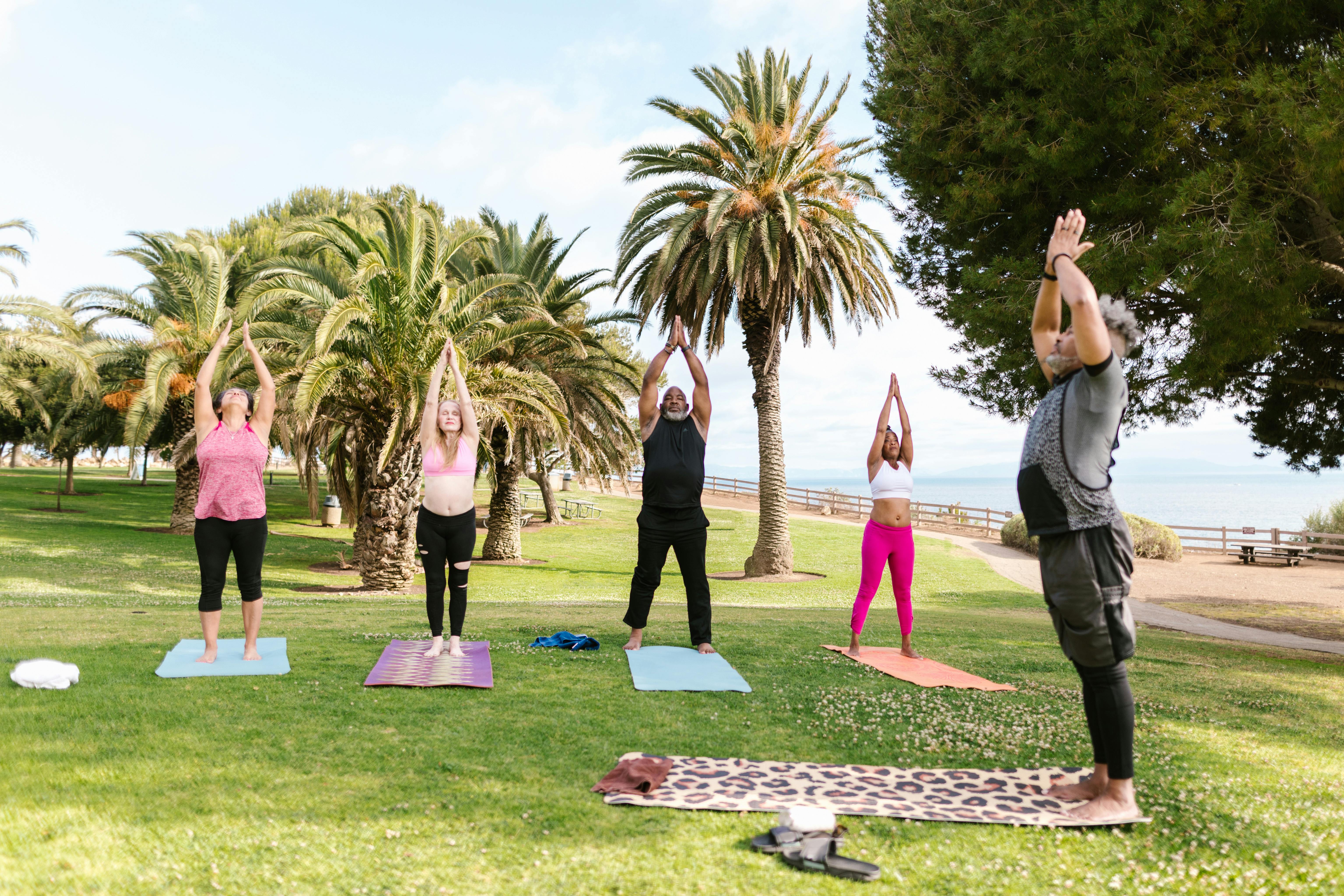
Group activities such as outdoor fitness sessions, community yoga, and wellness workshops foster a sense of belonging while encouraging healthy habits. Community gardens, support groups, and shared wellness spaces create opportunities for collaboration, emotional support, and shared growth.
These initiatives highlight the importance of collective well-being, reminding us that strong social connections are a vital component of holistic health.
Redefining Fitness: Movement Beyond Traditional Gyms
Fitness trends are shifting away from rigid gym routines toward more enjoyable and accessible forms of movement. Outdoor workouts, dance-based fitness, and social fitness challenges are transforming how people stay active.
Exercising in natural environments enhances mood and motivation, while dance classes combine creativity with physical activity, making fitness feel less like a chore and more like a celebration. Online and community fitness challenges further encourage consistency through shared goals and mutual encouragement.
This evolution reflects a broader understanding that sustainable fitness thrives on enjoyment, flexibility, and community engagement.
Conclusion: The Future of Wellness
The future of wellness is rooted in balance, personalization, and inclusivity. As mindfulness, technology, sustainability, and holistic practices continue to shape the wellness landscape, individuals are empowered to take ownership of their health journeys.
Rather than chasing perfection, wellness is increasingly viewed as a lifelong process of learning, adapting, and aligning with what truly supports well-being. By staying open to new approaches and honoring individual needs, people can cultivate healthier, more fulfilling lives—one mindful step at a time.
- 0
- By Neel Achary