


12, Nov 2026
Naturopathy Day 2026: India Boosts Scientific Research and Nature-Based Healthcare
Nagamangala, November 12: As lifestyle-related diseases, obesity and stress emerge as growing public health concerns, India is placing greater emphasis on scientific research, clinical evaluation and institutional development to strengthen its naturopathy ecosystem. The shift signals a move towards a more structured approach to nature-based healthcare, combining traditional practices with research-driven preventive healthcare.
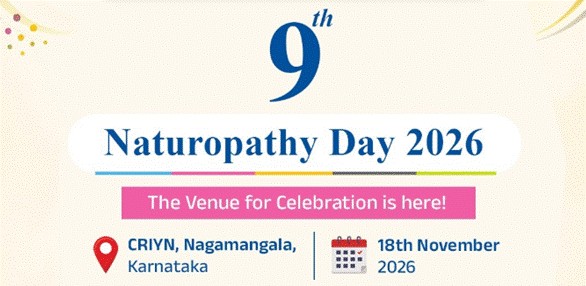
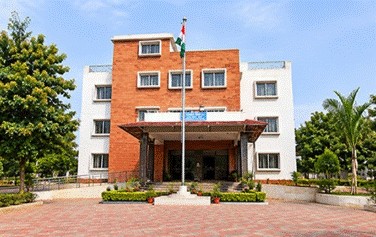
The 9th National Naturopathy Day, scheduled to be observed on November 18, 2026, at the Central Research Institute of Yoga and Naturopathy (CRIYN) in Nagamangala, Karnataka, will focus on the theme ‘Prakrutik Chikitsa, Swasth Bharat’. The theme highlights the importance of natural healthcare practices, healthy dietary habits, physical activity, yoga and stress management in building a healthier society.
The annual observance aims to increase public awareness about naturopathy and its potential role in health promotion, disease prevention and lifestyle management. This year’s focus also places particular emphasis on preventing obesity and addressing lifestyle-related health risks through sustainable changes in everyday habits.
The initiative is aligned with Prime Minister Narendra Modi’s vision of a Fit and Healthy India, which places preventive healthcare and healthy living at the centre of public well-being.
Union Minister of State (Independent Charge) for Ayush and Minister of State for Health and Family Welfare Prataprao Jadhav said naturopathy encourages people to understand the close relationship between nature, lifestyle and overall health. He stressed that strengthening its scientific foundation through credible research, quality education and responsible integration with conventional healthcare is essential to expanding its contribution to preventive healthcare.
Reinforcing this approach, Vaidya Rajesh Kotecha, Secretary of the Ministry of Ayush, underlined the importance of scientific validation in establishing the credibility of naturopathic practices. He said the Central Council for Research in Yoga and Naturopathy (CCRYN) and other institutions are promoting systematic research, clinical evaluation and collaboration to assess these practices through appropriate scientific methods.
Research and institutional expansion gain momentum
India’s growing focus on evidence-based naturopathy is reflected in its expanding research output and institutional network. During the financial year 2025–26, CCRYN published research papers in peer-reviewed journals, while five research councils under the Ministry of Ayush collectively published 653 research papers. CCRYN currently operates through 22 units across the country, strengthening its research, education and public outreach activities.
The country’s naturopathy infrastructure has also expanded with postgraduate institutions dedicated to Yoga and Naturopathy education and research, alongside 200-bed Yoga and Naturopathy hospitals at Jhajjar in Haryana and Nagamangala in Karnataka.
Another significant development is the Bachelor of Naturopathy and Yogic Sciences (BNYS) College at Nisarg Gram, established under the National Institute of Naturopathy (NIN), Pune. It is the first such college established under the Central Government and aims to strengthen academic training, clinical exposure and research-based learning. The institution is expected to contribute to the development of skilled professionals for healthcare, research, teaching and private practice.
The National Institute of Naturopathy, Pune, has further strengthened its research capabilities through a dedicated Research Department and an Institutional Ethics Committee registered with the Department of Health Research. Its activities include research methodology workshops, Good Clinical Practice training, observational studies, systematic reviews and collaborative research initiatives.
Preventive healthcare at the centre of the agenda
The renewed attention to naturopathy comes amid growing recognition of the importance of lifestyle modification in addressing several public health challenges. Healthy eating, regular physical activity, adequate rest and effective stress management are important components of preventive healthcare and can help reduce lifestyle-related risk factors.
However, strengthening the role of naturopathy also requires rigorous scientific assessment, qualified practitioners, quality education and responsible healthcare practices. The emphasis on research and clinical evaluation is therefore central to building public confidence and ensuring that nature-based approaches are applied appropriately.
As India prepares to mark the 9th National Naturopathy Day, the broader objective extends beyond promoting traditional healthcare practices. It reflects an effort to build a credible, research-oriented and accessible naturopathy ecosystem that supports the country’s wider preventive healthcare agenda.
Under the theme ‘Prakrutik Chikitsa, Swasth Bharat’, the observance seeks to reinforce a simple but significant message: healthier communities begin with healthier lifestyles, supported by scientific knowledge, responsible healthcare and informed public participation.
- 0
- By Neel Achary



