


9, Jul 2026
Veteran Actor Rajesh Sharma Under Medical Observation After Insect Bite During Prabhas Film Shoot
Kolkata, July 9 (UDN): Veteran actor Rajesh Sharma remains under close medical observation after developing serious health complications following a suspected insect bite sustained during the shooting of an upcoming Prabhas-starrer at Hyderabad’s Ramoji Film City.
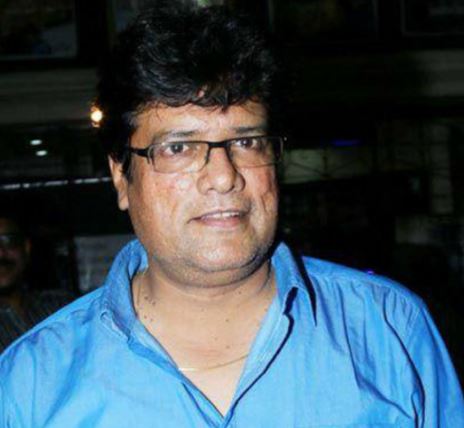
According to family members, the actor initially ignored the bite as it appeared to be minor. However, his condition deteriorated within hours, with symptoms including high fever and a rapidly spreading infection in his right leg. He was subsequently admitted to a private hospital in Kolkata, where doctors are monitoring his condition. Medical updates indicate that the infection has spread up to his knee, and he remains under intensive care.
The incident has prompted concern within the film industry. The All Indian Cine Workers Association (AICWA) has sought a high-level inquiry into the circumstances surrounding the medical emergency, calling for a review of workplace safety measures, emergency medical preparedness and health protocols on film sets. The association has also urged the production house to bear the actor’s medical expenses if any lapses are established.
Doctors continue to monitor Sharma’s recovery, while his family has thanked colleagues, well-wishers and members of the film fraternity for their support and prayers. Further updates on his condition are awaited.
- 0
- By Neel Achary

9, Jul 2026
STJ GROUP Chandigarh Tricity’s Most Trusted Developer Developing Icons Across Tricity The Pinnacle | The Fortune | Genesis Heights | Mohali Citi Centre | STJ FORUM & More

STJ Group, under the visionary leadership of Mr. Anil Goyal, has established itself as one of Chandigarh Tricity’s most trusted real estate developers, delivering thoughtfully planned residential and commercial destinations that redefine modern living and business. Guided by a commitment to quality, transparency, innovation, and timely delivery, the group has developed 16+ landmark projects in just 8 years, successfully delivering 17 lakh+ sq. ft. while 82 lakh+ sq. ft. is planned for the future. With every development, Mr. Goyal’s vision continues to shape thriving communities and iconic destinations that create lasting value for homeowners, investors, businesses, and the region as a whole.
The Pinnacle By STJ
Among its flagship developments, The Pinnacle by STJ stands as the epitome of luxury living. Strategically located in Mohali’s thriving IT City, this iconic residential address offers exquisitely designed 3, 4 & 5 BHK residences, world-class amenities, contemporary architecture, and seamless connectivity. Crafted for those who seek exclusivity and sophistication, The Pinnacle delivers an elevated lifestyle that blends comfort, elegance, and long-term value.
Genesis Heights By STJ
Further strengthening STJ’s residential portfolio, Genesis Heights by STJ is thoughtfully designed to offer modern homes in a well-connected and rapidly developing neighbourhood. Combining smart planning, premium specifications, landscaped open spaces, and lifestyle-focused amenities, Genesis Heights creates an ideal environment for families seeking a perfect balance of convenience, comfort, and community living.
Looking ahead, STJ is set to introduce two landmark developments that will further redefine Tricity’s real estate landscape. Forum by STJ is envisioned as a vibrant mixed-use destination where shopping, dining, entertainment, and business come together under one roof, while The Fortune by STJ will offer premium residences designed around contemporary architecture, exceptional connectivity, and refined living. Together, these upcoming projects reflect STJ’s continued commitment to creating destinations that inspire growth, enhance lifestyles, and build lasting value for generations to come.
Contact Information:
STJ ESTATES LIMITED
Corporate Office : 6th Floor , MCC2 , SAS NAGAR , PUNJAB , INDIA , 140306
Email ID: info@stjgroups.com
Mobile Number: 7230972309
9, Jul 2026
Choice International and NH Investment & Securities Establish Strategic Partnership Through INR 9000 Million Investment in Choice Equity Broking
Commenting on the development, Mr. Arun Poddar, CEO & Executive Director, Choice International Limited, said: “This investment marks a significant milestone in our growth journey and reflects the confidence of a leading global financial institution in our vision, business model and long-term potential.
Commenting on the partnership, Mr. Shin Jae Wook, President & CEO of NH Investment & Securities, said: “This strategic investment marks an important milestone in further strengthening NH Investment & Securities‘ global business portfolio. Through our partnership with Choice Group, we will combine the strengths of both organizations to deliver differentiated financial services and build sustainable long-term growth engines for our global business.”
9, Jul 2026
Monsoon Alert: BMC Advises Citizens to Stay Safe from Leptospirosis Risk
Mumbai, July 9: The Brihanmumbai Municipal Corporation (BMC) has issued an advisory urging citizens to take necessary precautions against Leptospirosis, a bacterial infection that can spread during the monsoon season, especially through contact with contaminated water.
The civic body has advised residents to avoid walking through stagnant or flood water wherever possible, maintain personal hygiene, and take immediate medical advice if symptoms such as fever, body ache, headache, or weakness appear after exposure to contaminated water.
Leptospirosis is caused by bacteria commonly found in the urine of infected animals and can enter the human body through cuts or wounds on the skin. Increased waterlogging during heavy rains can raise the risk of exposure.
The BMC has urged citizens to remain cautious during the monsoon, follow preventive measures, and seek timely medical attention to reduce health risks.
The civic authority continues to monitor the situation and has appealed to residents to cooperate with health guidelines to ensure a safe and healthy monsoon season.
9, Jul 2026
NEET-UG 2027 to Be Held in CBT Mode Over Six Days; Centre Plans Major Exam Reforms
New Delhi, July 9 (UDN): In a significant overhaul of the country’s largest undergraduate medical entrance examination, the National Eligibility-cum-Entrance Test (NEET-UG) will be conducted in Computer-Based Test (CBT) mode over six days from 2027, as part of a series of reforms aimed at strengthening the integrity and transparency of the examination process.
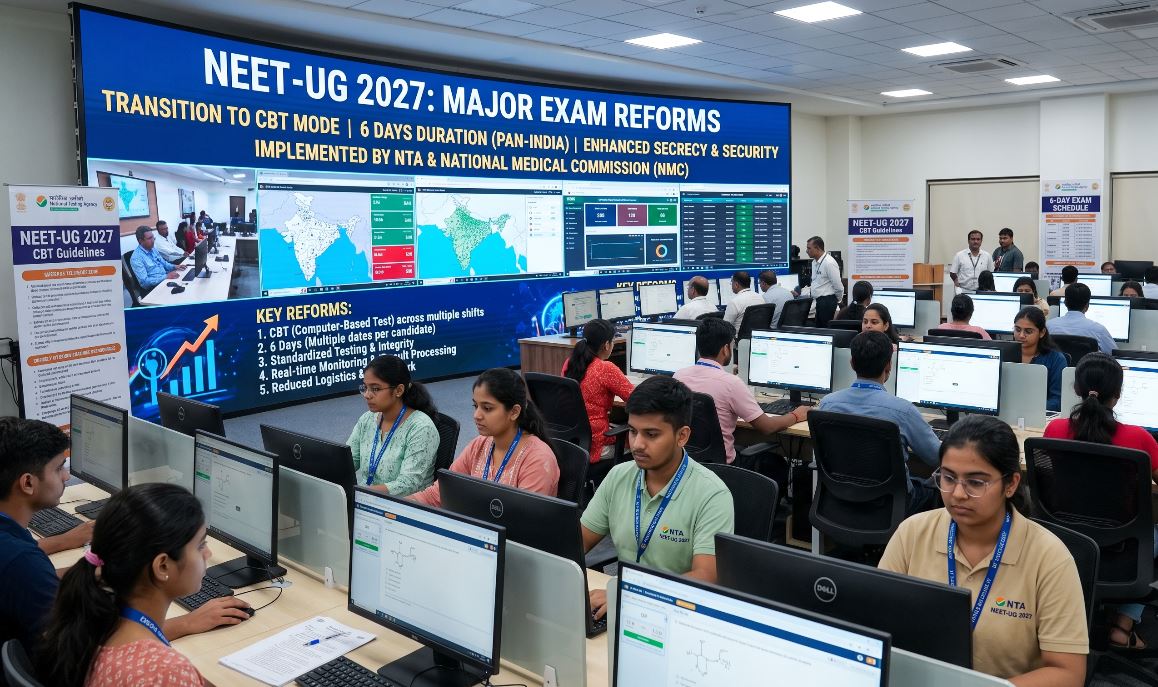
Representational Image
The decision follows concerns over question paper leaks and examination irregularities that have prompted the Centre to revamp the conduct of high-stakes competitive examinations. Conducting the test in multiple sessions over six days is expected to improve logistics, enhance security and minimise the risk of malpractice.
According to officials, the transition to a computer-based format will enable better monitoring of the examination process, faster evaluation and more efficient management of the large number of candidates appearing for the medical entrance test each year.
The proposed reforms are also expected to include enhanced security protocols, robust digital infrastructure and standardised procedures to ensure fairness and transparency in the examination. The National Testing Agency (NTA) and the Ministry of Education are expected to issue detailed operational guidelines and the examination schedule ahead of the 2027 admission cycle.
The move marks one of the most significant changes in the history of NEET, with the government aiming to restore public confidence in the examination system while ensuring a secure and technology-driven assessment process.
9, Jul 2026
India Emerges as Global AI Hub with Half of World’s GCCs
New Delhi, July 9: India is strengthening its position as a global technology hub, hosting nearly half of the world’s Global Capability Centres (GCCs) and becoming the second-largest destination for enterprise AI talent, according to the Chief Economic Adviser’s report.
The country’s growing technology workforce, strong engineering ecosystem and rapid adoption of artificial intelligence are helping multinational companies expand their innovation and digital capabilities from India.
GCCs in India have evolved beyond traditional support operations, now driving research, product development, AI solutions and advanced technology initiatives for global enterprises.
With its skilled workforce and expanding digital ecosystem, India continues to emerge as a key player in shaping the future of artificial intelligence and enterprise innovation.
9, Jul 2026
Rath Yatra 2026: Every Tradition Has a Story; Preparation of Sacred Chariot Ropes Reflects Odisha’s Timeless Heritage
Puri, July 9 (UDN): The centuries-old traditions associated with the annual Rath Yatra of Lord Jagannath continue to uphold the rich cultural and spiritual heritage of Odisha. Among these cherished customs, the preparation of the sacred Ratha Daudi (chariot ropes) remains an integral ritual, symbolising devotion, craftsmanship and continuity of tradition.

The ropes used to pull the three majestic chariots of Lord Jagannath, Lord Balabhadra and Devi Subhadra are meticulously prepared following age-old practices that have been preserved for generations. The making of these sacred ropes is regarded as more than a technical process; it is a ritual deeply rooted in faith and an essential component of the grand festival.
Officials associated with the Rath Yatra arrangements said every tradition connected with the festival carries its own historical significance, and the preparation of the Ratha Daudi is a vital link in preserving the sanctity and authenticity of the world-renowned chariot festival.

As Puri gears up for Rath Yatra 2026, preparations for every ritual and ceremonial practice are progressing in accordance with established temple traditions, reflecting the enduring legacy of the Jagannath culture that continues to inspire millions of devotees across the globe.
9, Jul 2026
Industry Leaders Discuss the Future of India’s Private Credit Market at IVCA Private Credit Summit 2026
Mumbai, July 9: At Indian Venture and Alternate Capital Association Private Credit Summit 2026, a panel discussion titled “Private Credit 2035: Scaling the Next Trillion in India’s Financing Stack” featured industry experts discussing how private credit can evolve into a core pillar of India’s financing architecture over the next decade.
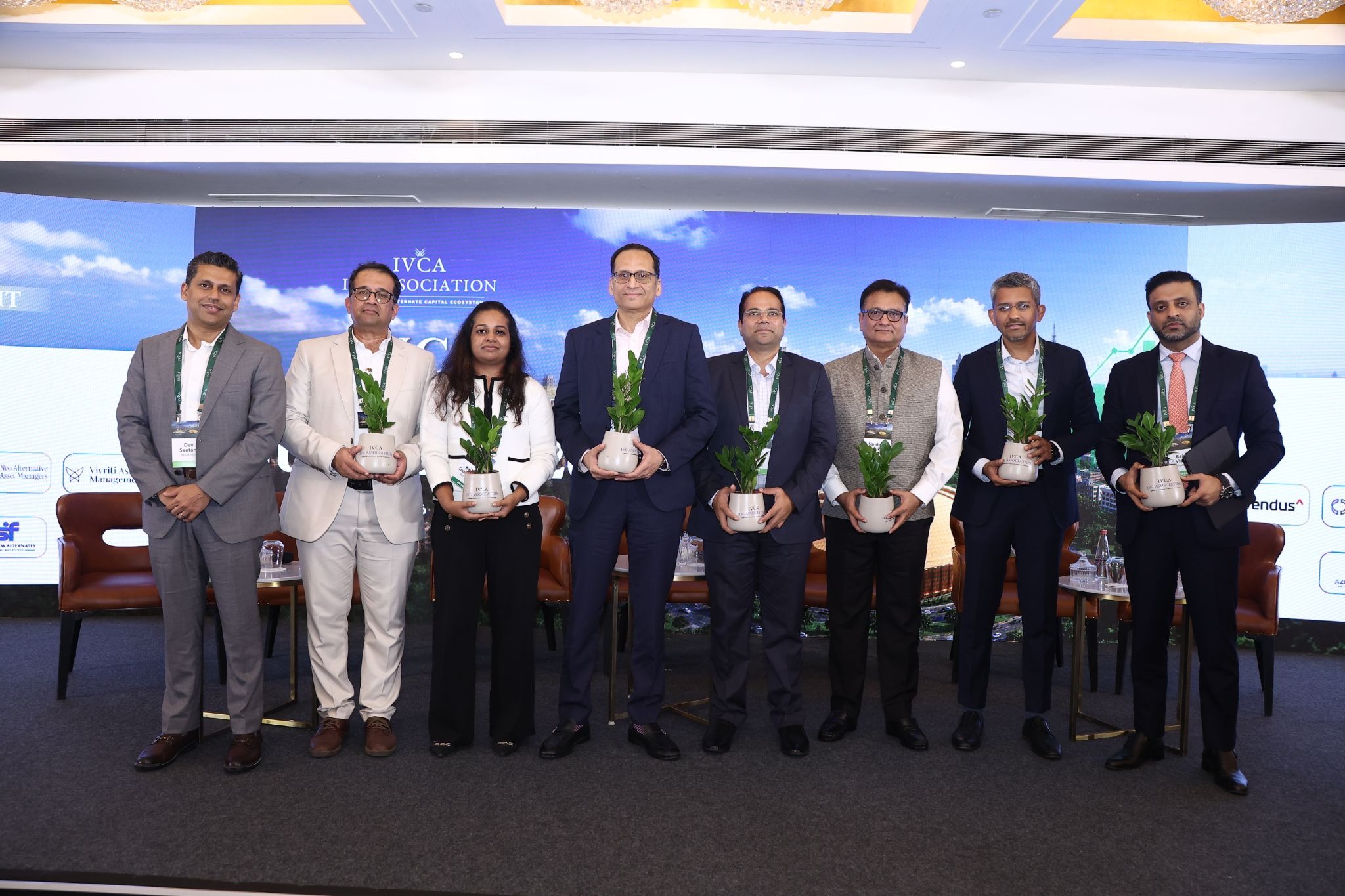
Rahul Shah, Partner, EvolutionX Debt Capital, and Sandeep Adukia, Senior Managing Partner, Ascertis Credit, joined the panel, along with Karthik Athreya, Managing Director, Sundaram Alternates; Piyush Gupta, CEO, Investec Alternatives; and Vineet Sukumar, Founder and Managing Director, Vivriti Group. The panel discussion was moderated by Rajeev Vidhani, Partner, Khaitan & Co.
The session focused on the growth trajectory of India’s private credit market over the next 10 years, as well as the evolution of alternative investment funds , private credit funds, co-lending models, securitisation platforms, and technology-enabled credit markets. Panellists also examined how regulatory frameworks, underwriting standards, and governance practices could play a part in supporting sustainable growth in this segment. Their perspectives touched upon India’s potential to emerge as a leading destination for domestic and global private credit capital by 2035.
“Private credit in India has evolved from an alternative financing solution into an integral part of the country’s capital ecosystem. Today, banks, NBFCs and private credit funds coexist in an increasingly mature market, supported by stronger regulation and broader investor participation. As this momentum continues, private credit is set to play a far more significant role in financing India’s next phase of growth,” said Karthik Athreya, Managing Director, Sundaram Alternates.
He highlighted how India’s private credit ecosystem is steadily evolving into a more mature and integral component of the country’s financing landscape.
“Private credit is playing an increasingly important role in supporting new-age and technology-led businesses whose financing needs are often not addressed through traditional lending channels. For these businesses, underwriting has to go beyond conventional collateral and focus on the long-term strength of the business, its ability to attract future equity capital, and its resilience across market cycles. As India’s innovation economy grows, private credit will continue to complement equity capital by providing flexible financing solutions,” said Rahul Shah, Partner, EvolutionX Debt Capital.
Drawing attention to the role of private credit in addressing the evolving financing needs of Indian businesses, he highlighted the structural trends shaping its next phase of growth.
“India has a deep and growing base of mid-market businesses that require flexible financing solutions to support their next phase of growth. As the private credit market expands, disciplined underwriting, strong cash-flow assessment and continuous portfolio monitoring will remain critical to protecting investor capital. We are also seeing banks increasingly viewing private credit as a complementary source of capital, enabling fast growing businesses to access financing structures that go beyond conventional lending,” said Sandeep Adukia, Senior Managing Partner, Ascertis Credit.
He emphasised the importance of strong underwriting, innovative financing, and a supportive regulatory environment in strengthening investor confidence in India’s private credit market.
IVCA Private Credit Summit 2026, themed “Building India’s Growth Engine through Private Credit”, convened policymakers, regulators, institutional investors, fund managers, legal experts, and industry leaders to deliberate on the developments that could strengthen the private credit ecosystem and support India’s long-term economic growth.
The IVCA Private Credit Summit is an industry platform that brings together leading domestic and global investors, private credit funds, banks, NBFCs, Asset Management Companies , Asset Reconstruction Companies , family offices, wealth managers, institutional investors, policymakers, regulators and industry practitioners to deliberate on the evolving landscape of private credit in India. The 2026 edition of the Summit is supported by 360 ONE as the Platinum Partner; Avendus, Certus Capital, EAAA Alternatives, NEO Alternative Asset Managers and Vivriti AMC as Gold Partners; and Khaitan & Co. and Sundaram Alternates as Strategic Partners. Through thought-provoking discussions and cross-sector collaboration, the Summit aims to strengthen India’s alternative credit ecosystem, encourage innovation in financing solutions and support the country’s long-term capital formation.
9, Jul 2026
India Races Ahead in Global AI Data Centre Expansion
July 9: India is emerging as a major contender in the global race to build advanced AI-powered data centres, supported by its growing digital ecosystem, technology talent, and rising demand for artificial intelligence solutions.
With AI adoption expanding across sectors such as healthcare, finance, manufacturing, and governance, the need for high-performance computing infrastructure is increasing rapidly. India’s strong IT capabilities and digital transformation initiatives are helping the country attract attention as a key hub for next-generation data centres.
The growth of AI infrastructure is expected to boost innovation, create new opportunities, and strengthen India’s position in the global technology landscape.
9, Jul 2026
India’s Food Market to Hit USD 150 Billion by FY31
July 9: India’s food services industry is heading towards a major transformation, with the market expected to touch USD 150 billion by FY31, according to a latest report. The growth will be driven by changing lifestyles, increasing urban demand, higher spending on dining experiences, and the rapid expansion of online food platforms.
The report highlights that digital adoption is reshaping the way Indians order and experience food. The online segment of the industry is expected to grow steadily, with its share projected to reach 18 per cent by FY31, supported by food delivery apps, digital payments, and technology-based services.
From restaurants and cloud kitchens to food entrepreneurs and delivery networks, the sector is creating new opportunities across the country. Rising consumer expectations and innovation in food services are further helping businesses adapt to a fast-changing market.
With strong consumer demand and growing digital integration, India’s food services sector is set to play an important role in the country’s economic growth story while creating new avenues for investment and employment.


