


6, Jul 2026
Enviro Infra Engineers Wins INR 256.92 Crore EPC Orders for Energy-Efficient Sewage Treatment Projects in Varanasi
New Delhi, July 6: Enviro Infra Engineers Limited , a prominent EPC player in water and wastewater treatment across PAN India has secured two prestigious Hybrid Annuity Model projects from Uttar Pradesh Jal Nigam under the Government of India’s flagship Namami Gange Programme. The combined order value stands at INR 256.92 crore. With these wins, the Company has expanded its HAM portfolio to five projects, further strengthening its position as a leading developer and executor of long-term water and wastewater infrastructure under the HAM model.
Under these projects, EIEL will develop 45 MLD and 60 MLD Sewage Treatment Plants, associated infrastructure and undertake Operations & Maintenance for a period of 15 years. The projects have been designed as energy–efficient, self-sustaining wastewater treatment facilities that integrate renewable energy solutions to maximise operational sustainability and long-term efficiency.
The projects include:
- Development of a 45 MLD Sewage Treatment Plant and associated infrastructure at Pt. Deen Dayal Upadhyay Nagar , along with 15 years of Operation & Maintenance, valued at ₹126.78 crore .
- Development of a 60 MLD Sewage Treatment Plant and associated infrastructure at Lohta, Varanasi, along with 15 years of Operation & Maintenance, valued at INR130.14 crore .
Both projects will maximise energy self-sufficiency by integrating biogas-based and solar power generation systems. The biogas power plant will convert sludge generated during the sewage treatment process into biogas which in turn shall be fed to gas generators to produce electricity, simultaneously addressing sludge management while generating renewable energy. Solar panels installed across available rooftop and ground spaces will generate clean daytime power. Together, these renewable energy systems will lower operating costs, reduce carbon emissions, improve sustainability and enhance the long-term energy resilience of the sewage treatment plants throughout their operational lifecycle.
Mr. Sanjay Jain, Chairman, Enviro Infra Engineers Limited, said:
“We are proud to have been entrusted with these significant projects by Uttar Pradesh Jal Nigam (Rural) under Namami Gange Programme. Our focus remains on delivering high-quality, sustainable, and timely solutions that contribute to the nation’s water management and sanitation goals. We are committed to maintaining the highest standards of engineering and execution.”
Further demonstrating the Company’s strong financial preparedness and disciplined execution capabilities, in-principle approvals for term loans have already been secured for both projects, enabling timely financial closure and seamless project mobilisation.
These order wins further strengthen Enviro Infra Engineers Limited‘s position in the Hybrid Annuity Model segment while reinforcing its commitment to delivering sustainable, energy–efficient water and wastewater infrastructure that supports India’s long-term water management and environmental objectives.
- 0
- By Neel Achary

6, Jul 2026
Gold Stable, Silver Under Pressure as Markets Bet on Softer Fed Policy
New Delhi, July 6: Gold prices remained steady in early trade on Monday, while silver edged lower as global investors adjusted their expectations of future interest rate hikes by the US Federal Reserve.

Market analysts said gold held firm due to cautious global sentiment and continued demand for safe-haven assets amid economic uncertainty. In contrast, silver witnessed mild pressure due to profit booking and shifting investor sentiment.
Traders noted that easing expectations of aggressive monetary tightening in the United States have influenced movement in precious metals, as investors reassess growth and inflation trends.
Experts added that upcoming economic data and comments from the Federal Reserve will play a key role in determining the next direction for bullion prices.
Overall, the precious metals market remains sensitive to global policy signals and macroeconomic developments.
6, Jul 2026
Food prices remain stable despite rainfall deficit: Report
New Delhi: Food prices have remained stable despite a rainfall deficit in several parts of the country, according to a recent report.
The report said adequate buffer stocks, smooth supply chains, and timely market interventions have helped maintain price stability in essential commodities. While uneven monsoon rainfall has raised concerns in some regions, there has been no significant disruption in overall food availability.
Officials added that the situation is being closely monitored to ensur
New Delhi, July 6: Food prices have remained broadly stable despite a rainfall deficit in several parts of the country, according to a recent assessment report on inflation and supply conditions.
The report highlighted that adequate buffer stocks of key staples, along with efficient supply chain management, have helped cushion the impact of uneven monsoon rainfall on market prices. Strong procurement operations in previous seasons and steady distribution through government channels have also contributed to maintaining overall price stability.
While some regions have reported below-normal rainfall, the report noted that there has been no major disruption in the availability of essential food items such as cereals, pulses, and vegetables at the national level. Temporary local fluctuations in prices were observed in certain areas, but these have remained limited and short-lived.
Officials stated that ongoing monitoring of rainfall patterns, crop conditions, and market supply is being carried out to prevent any potential inflationary pressures. They added that contingency measures are in place to ensure adequate supply if weather-related disruptions persist in the coming weeks.
e continued stability in supply and to prevent any inflationary pressure in the coming weeks.
6, Jul 2026
PM Modi Embarks on Three-Nation Visit to Indonesia, Australia and New Zealand
New Delhi, July 6: Prime Minister Narendra Modi on Monday said his upcoming visit to Indonesia, Australia and New Zealand will strengthen India’s Act East Policy, MAHASAGAR Vision, and commitment to a free, open and inclusive Indo-Pacific.
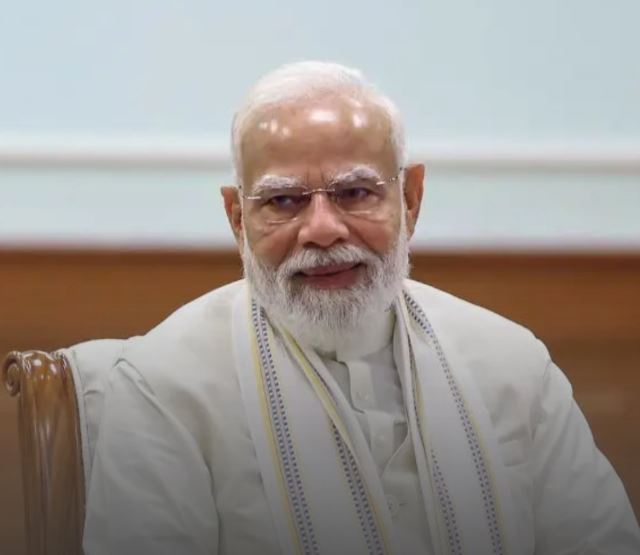
In his departure statement ahead of the visit from July 6 to July 11, the Prime Minister said the tour will further deepen India’s bilateral relations with all three countries and build on existing cooperation in key sectors.
PM Modi said his visit to Indonesia will help strengthen the Comprehensive Strategic Partnership between the two countries. He also noted that discussions in Australia will focus on defence, trade, education, technology and people-to-people ties. In New Zealand, talks are expected to centre on expanding economic and trade cooperation.
The Prime Minister added that engagement with the Indian diaspora in all three countries will be an important part of the visit.
He said the tour reflects India’s growing global engagement and commitment to strengthening partnerships in the Indo-Pacific region.
6, Jul 2026
Free Bus Travel Scheme in Tamil Nadu May Be Expanded to Cover 28 Lakh More Women
Chennai, July 6: The Tamil Nadu government is reviewing plans to expand its free bus travel scheme for women, with an estimated 28 lakh additional beneficiaries expected to be included if the proposed extension is implemented.
The initiative, which currently provides free travel for women across state-run buses, is being assessed for broader coverage to enhance mobility, improve access to employment and education, and reduce household transportation costs.
Officials stated that the proposed expansion aims to further strengthen social welfare measures by improving public transport accessibility for women, particularly in rural and semi-urban areas. The move is also expected to support greater workforce participation by easing daily commuting challenges.
The scheme has already been widely utilised across the state, and the potential expansion is seen as a continuation of the government’s efforts to promote inclusive development and gender-responsive welfare policies.
Government sources indicated that detailed feasibility assessments and administrative consultations are underway, with a final decision expected after review.
If approved, the expansion would mark a significant increase in the scheme’s reach, reinforcing Tamil Nadu’s focus on equitable public transport access.
6, Jul 2026
OP Jindal Global University Hosts Third India–Japan Higher Education Forum 2026 in Tokyo
Tokyo, July 6 (UDN): OP Jindal Global University successfully hosted the Third India–Japan Higher Education Forum 2026 in Tokyo, bringing together eminent academics, policymakers, and representatives from leading institutions of higher education from both countries.
The forum served as a platform to strengthen academic cooperation between India and Japan, with discussions centred on expanding joint research initiatives, enhancing student and faculty exchange programmes, and deepening institutional partnerships across diverse disciplines, including law, public policy, international relations, and social sciences.
Participants engaged in wide-ranging deliberations on the future of global higher education, with particular emphasis on innovation, sustainability, governance, and cross-border academic collaboration. The discussions also highlighted the growing importance of international academic engagement in addressing shared global challenges.
Speakers at the forum underscored the need for stronger India–Japan academic linkages to foster knowledge exchange, build research capacity, and promote cultural understanding between the two nations.
The event reaffirmed OP Jindal Global University’s commitment to advancing global academic partnerships and strengthening its role as a bridge between Indian and international higher education ecosystems.
Organisers noted that the forum is expected to pave the way for expanded institutional collaborations, joint academic programmes, and increased mobility opportunities for students and scholars in the coming years.
6, Jul 2026
Rain Havoc in Maharashtra; Mumbai Advises Work From Home Amid Disruptions
Mumbai, July 6: Heavy rainfall continued to affect Mumbai and several parts of Maharashtra on Monday, leading to widespread disruption in transport, traffic movement, and daily routines across the region.
In view of waterlogging, slow traffic, and challenging commuting conditions, authorities have advised private offices in Mumbai to allow employees to work from home wherever feasible, in order to reduce congestion and ensure public safety.
Suburban rail services and major road networks were impacted at multiple locations due to continuous downpours, resulting in delays during peak hours. Civic authorities have deployed teams to clear waterlogged stretches and restore normal traffic movement as quickly as possible.
The India Meteorological Department (IMD) has forecast continued rainfall activity over the region and has urged citizens to remain alert, avoid unnecessary travel, and follow official weather advisories.
Emergency response teams remain on standby as civic bodies closely monitor vulnerable areas and respond to incidents of flooding, waterlogging, and tree falls.
Authorities have appealed to residents, commuters, and organisations to cooperate with safety instructions until weather conditions improve.
6, Jul 2026
Pranadhara Children’s Hospital & Nyra Fertility Inaugurated in Hyderabad
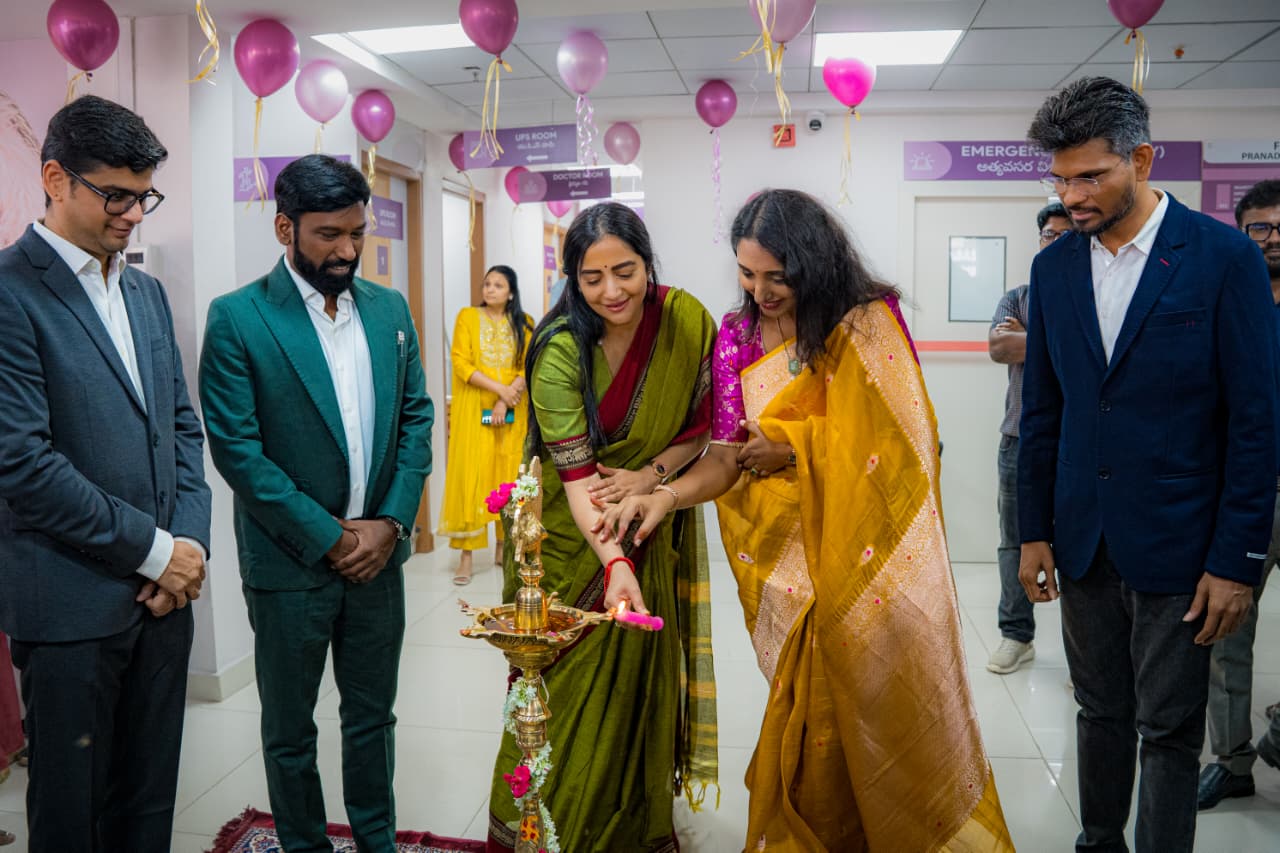
Hyderabad, July 6: A significant milestone in healthcare was marked today with the grand inauguration of Pranadhara Children’s Hospital & Nyra Fertility at Chintal, Hyderabad, dedicated to providing specialized pediatric and fertility care to families in Hyderabad and surrounding areas.
The facility was formally inaugurated by Dr. Preeti Reddy, who graced the occasion as Chief Guest and appreciated the vision behind establishing a dedicated center focused on children’s healthcare and fertility services.
Located in the rapidly growing Chintal–Quthbullapur belt, serving an estimated population of nearly 8–12 lakh people, the hospital aims to address the increasing demand for specialized medical care in pediatrics and fertility.
Speaking on the occasion, Dr. Narendra Ram, Chairman, said:
“Healthcare is not just about treatment; it is about giving hope, healing, and creating healthier families. With Pranadhara Children’s Hospital and Nyra Fertility, our mission is to provide compassionate, advanced, and trusted care closer to the community.”
With changing lifestyles, stress, and rising healthcare needs, the demand for specialized IVF and fertility care has grown significantly. At the same time, quality pediatric healthcare remains essential to ensure timely diagnosis, treatment, and holistic care for children.
Pranadhara Children’s Hospital is committed to offering comprehensive pediatric services with expert medical care, while Nyra Fertility aims to provide advanced fertility treatments with compassion, trust, and emotional support for aspiring parents.
Dr. Narendra Ram expressed heartfelt gratitude to Dr Swathi Reddy – Vice Chairman, Dr Ram Reddy – MD, Dr Harshavardhan Reddy, Dr Priyadarshini Pakkala, Dr Suresh Raju and all doctors, partners, supporters, and well-wishers for their trust and contribution in making this vision a reality.
The hospital aims to emerge as a trusted healthcare destination for families by combining medical excellence, advanced technology, and patient-centered care under one roof.
6, Jul 2026
15 India-bound fertiliser ships cross Strait of Hormuz safely, stocks set to rise
July 6: Fifteen India-bound ships carrying fertilisers have safely crossed the Strait of Hormuz, easing concerns over supply disruptions and improving domestic availability.
The vessels were part of shipments earlier delayed due to geopolitical tensions in West Asia. Their safe passage is expected to strengthen fertiliser stocks in India ahead of key agricultural demand periods.
Officials said the movement of ships, along with steady domestic production, will help stabilise supplies and reduce the risk of shortages in the near term.
The Strait of Hormuz, a key global shipping route, has seen intermittent disruptions in recent months. The resumption of smooth transit for these cargoes is seen as a positive sign for supply chains linked to India’s fertiliser imports.
6, Jul 2026
Over 20 Lakh Names Omitted from Odisha Draft Electoral Roll After SIR Exercise
Bhubaneswar, July 6 ((UDN): More than 20 lakh names have been omitted from Odisha’s draft electoral roll following the completion of the first phase of the Special Intensive Revision (SIR), resulting in a significant reduction in the state’s electorate ahead of the publication of the final voter list.
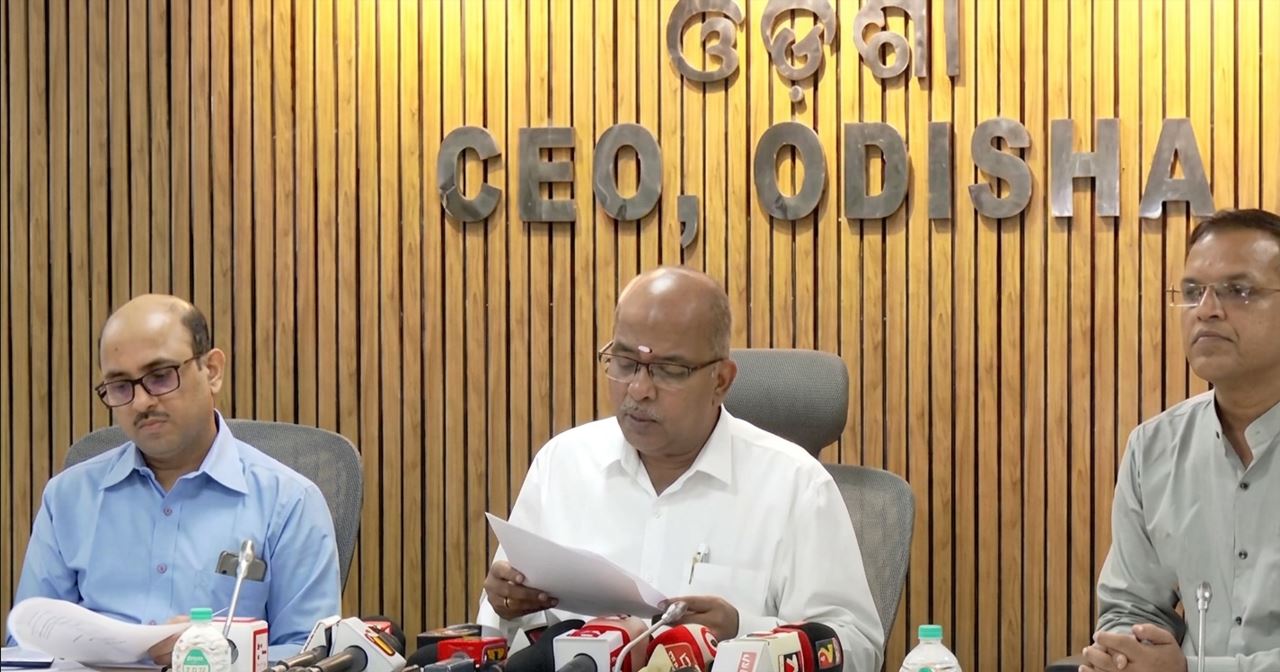
The draft electoral roll, released on Sunday, shows the total number of electors has declined from 3,33,99,591 in the pre-revision roll to 3,13,87,034, reflecting the deletion of around 20.14 lakh names after an extensive month-long verification drive.
Chief Electoral Officer (CEO) R.S. Gopalan said the revised draft comprises 1,60,19,176 male voters, 1,53,65,083 female voters, and 2,775 third-gender electors. During the revision exercise, Booth Level Officers (BLOs) collected enumeration forms from nearly 3.13 crore electors, covering 93.97 per cent of the state’s electorate.
According to the Election Commission, the revision identified 8.32 lakh deceased voters, while 10.07 lakh electors were found to have either shifted their residence or remained untraceable during the house-to-house verification. Another 1.58 lakh voters were found to have multiple registrations, and around 14,000 electors were excluded for failing to submit their enumeration forms within the stipulated deadline.
Election officials said the exercise was aimed at improving the accuracy of the electoral roll by removing duplicate, deceased and ineligible entries while ensuring that only eligible voters remain on the rolls.
The Commission clarified that the publication of the draft electoral roll does not mark the end of the revision process. Eligible voters whose names are missing can submit claims for inclusion, while objections regarding entries in the draft can be filed during the claims and objections period from July 5 to August 4. Voters with multiple registrations will be retained at only one location after due verification.
The CEO said the verification exercise was carried out by 31 District Election Officers, 147 Electoral Registration Officers (EROs), 994 Assistant Electoral Registration Officers (AEROs), 4,540 BLO Supervisors, and BLOs deployed across 45,250 polling stations. Representatives of all seven recognised political parties also participated in the process through more than 84,000 Booth Level Agents (BLAs).
Hearings on claims and objections will continue until September 2, while the final electoral roll is scheduled to be published on September 6.
The Election Commission has urged all eligible citizens, particularly those who have attained the age of 18 years on or before July 1, 2026, to register as voters by submitting Form 6 either through their local BLO or online. Electors can verify their names in the draft roll through the ECINET mobile application, the Voters’ Portal, the Odisha CEO’s website, or by contacting their respective BLOs.
Reiterating its commitment to a fair and transparent revision process, the Election Commission stated that no voter’s name will be permanently deleted without following the prescribed legal procedure. Any person aggrieved by deletion of their name can seek redress through the designated electoral authorities under the provisions of the Representation of the People Act, 1950.


