


1, Jun 2026
Tamil Nadu CM Vijay to Hold Thanksgiving Meeting in Tiruchirappalli, Attendance Restricted to Pass Holders
Tiruchirappalli, June 1 (BNP): Tamil Nadu Chief Minister and Tamilaga Vettri Kazhagam (TVK) President Vijay is scheduled to visit Tiruchirappalli today to participate in a thanksgiving public meeting at the St Joseph’s College ground near Chathiram Bus Stand, organised to express gratitude to voters and supporters from the Tiruchirappalli East constituency.
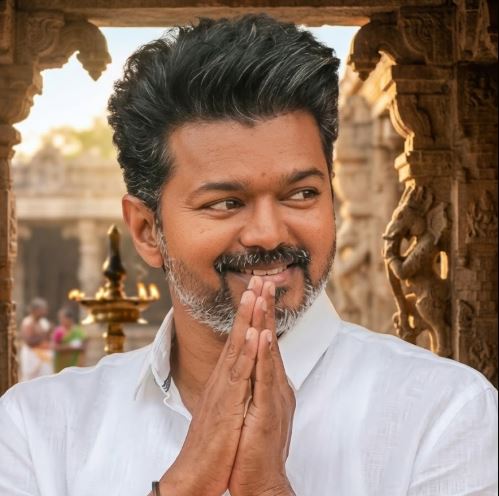
The event has been arranged to acknowledge public support received during the recent Tamil Nadu Assembly elections, in which Vijay-led TVK secured a decisive mandate to form the government. Vijay had contested from two constituencies — Perambur in Chennai and Tiruchirappalli East — winning both seats before later resigning from the Tiruchirappalli East constituency after assuming office as Chief Minister.
Despite stepping down from the constituency, Vijay is expected to personally thank party workers, supporters and voters in Tiruchirappalli district during the gathering.
According to organisers, Vijay will arrive at Tiruchirappalli Airport from Chennai by a special flight before proceeding to the venue, where extensive preparations and security arrangements have been made.
Unlike a conventional mass rally, attendance at the event will be strictly regulated through QR code-enabled entry passes, with participation capped at around 5,000 people. Organisers clarified that entry will not be permitted without valid authorisation under any circumstances.
As a precautionary measure, passes were reportedly not issued to pregnant women, children, school students, senior citizens, differently-abled individuals and people with health concerns, while authorities advised such groups to avoid attending the programme.
Police and administrative officials have issued guidelines regarding designated parking areas to minimise traffic disruption near the venue. Drinking water, medical support and other basic facilities have also been arranged for attendees.
Meanwhile, party workers and members of the public unable to secure entry passes have been encouraged to follow the event through television broadcasts and live social media coverage to ensure smooth management of the programme.
The thanksgiving meeting is expected to draw political attention in Tamil Nadu as Vijay continues to consolidate his leadership following the party’s electoral success.
- 0
- By Neel Achary

1, Jun 2026
Mercom Capital Group Smart Grid Companies Attract Dollar 1.1 Billion in Corporate Funding in Q1 2026
June 01: Mercom Capital Group, LLC, an integrated communications, research, and media firm focused exclusively on clean energy markets, released its report on funding and mergers and acquisitions (M&A) activity for the global Smart Grid sector for the first quarter of 2026.
Corporate funding for Smart Grid companies, including venture capital (VC) funding, debt, and public market financing, totaled $1.1 billion across 16 deals in Q1 2026, representing a 115% increase year-over-year (YoY) compared to the $530 million raised in 21 deals in Q1 2025.
CHART: Smart Grid Corporate Funding Q1 2025-Q1 2026
“Rising power demand, grid reliability concerns, and increasing distributed energy deployment continue to drive investment in Smart Grid technologies,” said Raj Prabhu, CEO at Mercom Capital Group. “Funding activity in Q1 2026 reflected continued investor interest in Advanced Metering Infrastructure, Grid Optimization, and Smart Grid Communications technologies.”
VC funding for Smart Grid companies increased 8% YoY, with $373 million raised in 14 deals in Q1 2026 compared to $346 million in 18 deals in Q1 2025.
Smart Grid Communications companies accounted for the largest share of VC funding in Q1 2026, followed by Smart Charging and Advanced Meter Infrastructure.
The top Smart Grid VC funding deals in Q1 2026 included SPAN, which raised $163 million, plus an additional $75 million financing from Eaton; metiundo, which raised $48 million; Mitra EV, which raised $27 million; and Statiq, which raised $18 million.
CHART: Smart Grid Top 5 VC Funded Deals in Q1 2026
Announced debt and public market financing for the Smart Grid sector totaled $767 million across two deals in Q1 2026, up 317% compared to $184 million across three deals in Q1 2025.
Smart Grid corporate M&A activity included five transactions in Q1 2026. Smart Charging companies accounted for the highest number of acquisitions during the quarter.
1, Jun 2026
SunCharge Motors Secures Seed Funding from JITO Incubation & Innovation Foundation to Accelerate Infrastructure-Driven EV Innovation
June 1 : India’s electric mobility sector is entering a phase where infrastructure limitations are becoming one of the biggest barriers to scalable adoption. While much of the market continues to focus on vehicle design, charging speed, and pricing, SunCharge Motors is building from a different perspective, energy dependency itself.
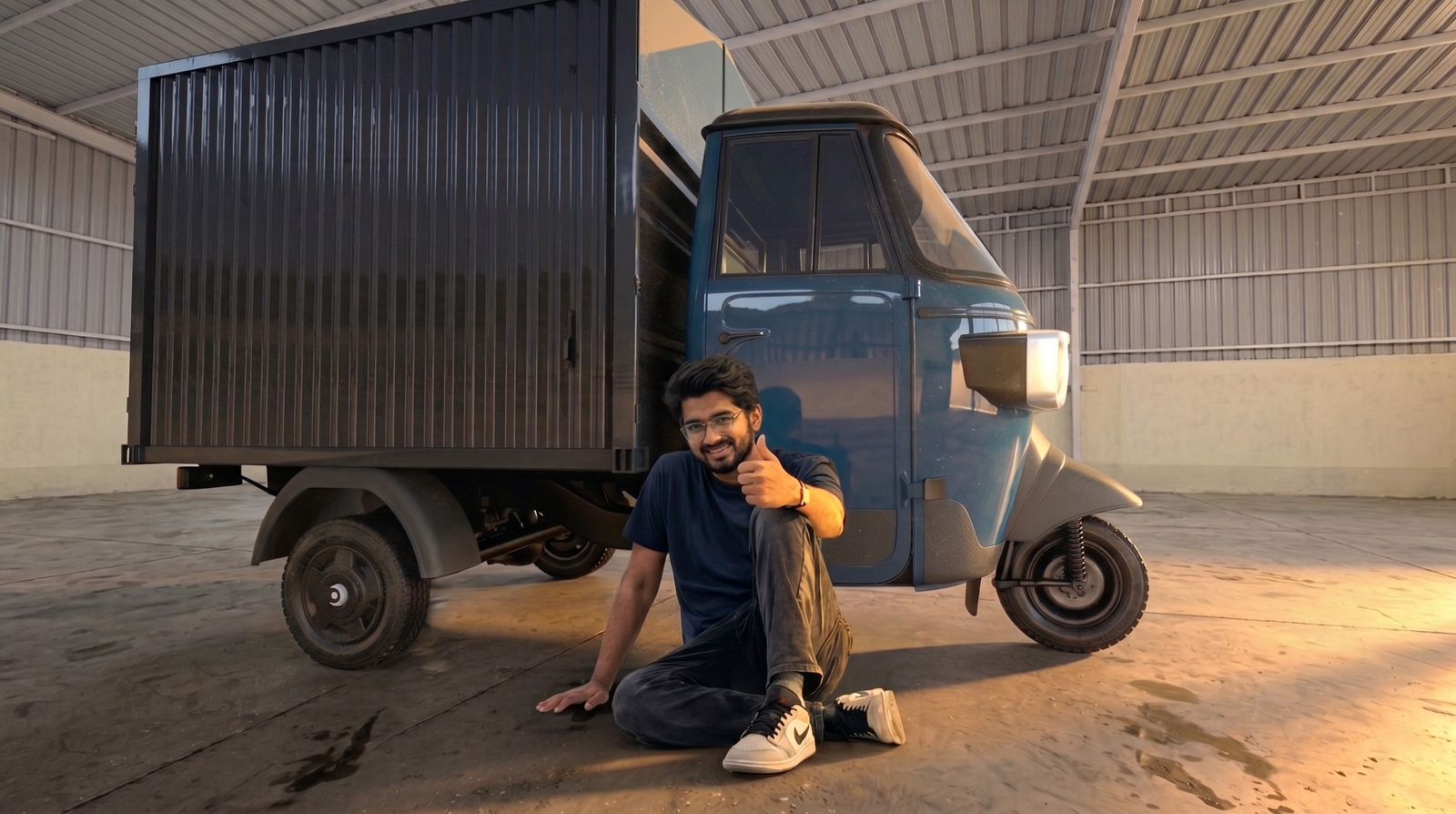
The company has announced the successful closure of its seed funding round led by JITO Incubation & Innovation Foundation alongside participation from a group of strategic angel investors. While the company has not publicly disclosed the size of the round, the funding will support technology development, infrastructure research, and the expansion of SunCharge Motors’ solar-assisted mobility systems.
Founded by Sanskar Modi, the company is focused on developing solar-integrated electric mobility systems aimed at reducing dependency on external charging infrastructure. Its approach combines smart battery management systems, real-time energy control technologies, and integrated solar energy support to create mobility solutions designed specifically for India’s infrastructure realities.
The announcement comes at a time when India’s EV ecosystem continues to face challenges around charging accessibility, inconsistent power infrastructure, fleet downtime, and rural mobility scalability. Rather than treating these as secondary industry issues, SunCharge Motors has built its core vision around solving them directly.
“We believe India’s EV future cannot depend only on expanding charging infrastructure. The real opportunity lies in building smarter energy-integrated mobility systems that can adapt to India’s infrastructure realities. At SunCharge Motors, our focus is on creating solutions that improve energy accessibility, reduce charging dependency, and make electric mobility more practical and scalable for the long term”, said Sanskar Modi, Founder of SunCharge Motors.
Unlike many EV companies entering the market through consumer-first positioning, SunCharge Motors is approaching mobility as an energy infrastructure problem. The company’s long-term objective is to create systems that improve vehicle uptime, reduce charging dependency, and support more sustainable and decentralized mobility operations across urban and underserved regions alike.
With India accelerating its transition toward electric mobility, SunCharge Motors believes the next phase of EV innovation will not be defined only by vehicles, but by how intelligently energy itself is integrated into transportation systems.
1, Jun 2026
India’s leave paradox: Are Indian workers too busy to switch off
India is among the higher leave-entitlement markets in APAC. However, analysis of Deel platform data shows Indian workers use a smaller share of their annual leave than peers in Singapore, Hong Kong, South Korea, Malaysia, and Japan.
While leave is available, Indian workers appear more cautious in how they use it — with lower rates of full leave utilisation and a stronger tendency to spread shorter breaks across the year.
The analysis of over 4,500 full-time workers on Deel APAC contracts found:
- Despite being among the higher leave-entitlement markets in APAC, Indian workers used a relatively smaller share of their leave entitlement in 2025 than workers in Singapore, Hong Kong, South Korea, Malaysia, or Japan.
- The median leave taken by Indian workers in 2025 was 12 days.
- Only 17.2% of Indian workers used 100% of their leave, compared with 57.2% in Singapore, 53.3% in South Korea, 50.8% in Malaysia, 42.9% in Hong Kong, and 35.9% in Japan. Just 29.9% of Indian workers used at least 80% of their leave entitlement, the lowest rate across major APAC markets analysed.
- India recorded the highest share of short-duration leaves. Among multi-day vacation leave requests (2 days or longer), 48.4% were exactly 2-day breaks.
The data points to a distinct leave pattern in India, where workers are more likely to take shorter breaks rather than extended holidays. This may reflect a more measured approach to time off, with employees spreading leave across the year instead of using it in longer stretches.
Rakesh Gaur, Head of Sales for India at Deel, said, “India’s leave data suggests employees are not stepping away from work less often; they are more selective about how they use time off. That cautious approach may reflect workload pressures, cultural habits, or a tendency to save leave for important periods like festivals or family events. The bigger question for employers is whether underused leave reflects productivity, or signals burnout, pressure, and workplace cultures where employees don’t feel comfortable fully switching off.”
Flexible leave policies also showed stronger time-off usage in India. Employees on flexible leave arrangements took more time off than those on fixed leave policies, suggesting that policy structure may influence behaviour as much as workplace culture.
1, Jun 2026
Odisha’s Traditional Bela Panna Gains National Spotlight in PM Modi’s Mann Ki Baat
Bhubaneswar, June 1 (BNP): Odisha’s traditional summer beverage, Bela Panna (ବେଲ ପଣା), received national recognition after Prime Minister Narendra Modi highlighted it during the latest edition of Mann Ki Baat, drawing attention to the state’s rich cultural and culinary heritage.

The mention of Bela Panna, a refreshing drink made from wood apple and widely consumed during summer months in Odisha, has been welcomed by cultural enthusiasts and citizens across the state. Deeply rooted in Odisha’s traditions, the drink is known not only for its refreshing taste but also for its health benefits, particularly in combating heat and aiding digestion.
Observers said the Prime Minister’s acknowledgment has brought renewed focus to Odisha’s indigenous food practices and traditional wisdom, which continue to hold relevance in modern lifestyles.
Bela Panna occupies a special place in Odisha’s cultural fabric and is especially associated with the observance of Pana Sankranti, marking the traditional Odia New Year. The beverage symbolises the state’s age-old knowledge of seasonal wellness and sustainable food habits.
The recognition in Mann Ki Baat is being viewed as an important moment for Odisha, encouraging greater appreciation of local traditions and showcasing the diversity of India’s cultural heritage on a national platform.
1, Jun 2026
Utkal: The Historical Pride and Cultural Identity of Odisha
Utkal is one of the ancient names of present-day Odisha and holds a special place in the history, culture, and identity of the Odia people. The name “Utkal” appears in several ancient texts, inscriptions, and literary works, reflecting the region’s rich heritage and glorious past. For centuries, Utkal was known as a land of art, architecture, learning, spirituality, and maritime trade. Even today, the term evokes pride among Odias and symbolizes the state’s cultural and historical legacy.
Origin of the Name Utkal
The word “Utkal” is believed to have originated from the Sanskrit words Ut (excellent) and Kala (art), meaning “the land of excellence in arts.” This interpretation highlights the region’s long-standing tradition of artistic and cultural achievements. Ancient scriptures such as the Mahabharata, Ramayana, and various Puranas mention Utkal as a prominent kingdom in eastern India.
Utkal in Ancient History
Historically, Utkal formed part of the larger region known as Kalinga. The area was inhabited by prosperous communities engaged in agriculture, trade, and craftsmanship. Utkal gained prominence due to its strategic location along the Bay of Bengal, which facilitated maritime trade with Southeast Asian countries such as Java, Sumatra, Bali, and Sri Lanka.
The people of Utkal were known for their courage, independence, and cultural refinement. Ancient records indicate that the kingdom maintained political and economic relations with several neighboring regions and kingdoms.

Connection with Kalinga
Utkal and Kalinga are often mentioned together in historical texts. The Kalinga War fought in 261 BCE between Emperor Ashoka and the Kalinga kingdom remains one of the most significant events in Indian history. The immense destruction caused by the war led Ashoka to embrace Buddhism and adopt a policy of non-violence.
Although Kalinga was the broader political entity, Utkal represented an important cultural and geographical region within it. The legacy of Kalinga and Utkal continues to shape Odisha’s historical identity.
Centre of Art and Architecture
One of the greatest contributions of Utkal to Indian civilization is its remarkable art and architecture. The region produced some of India’s finest temples, sculptures, and artistic traditions.
Notable monuments include:
-
The Jagannath Temple at Puri
-
The Sun Temple at Konark
-
The Lingaraj Temple at Bhubaneswar
-
Mukteswar Temple and Rajarani Temple
These architectural masterpieces demonstrate the advanced engineering skills and artistic excellence of the people of Utkal.
Religious and Spiritual Significance
Utkal has long been a center of religious harmony and spiritual learning. Hinduism, Buddhism, and Jainism flourished in the region at different periods of history. The Jagannath cult, centered in Puri, became one of India’s most influential religious traditions.
The annual Rath Yatra of Lord Jagannath attracts millions of devotees from across the world and serves as a symbol of Odisha’s spiritual heritage.
Maritime Heritage of Utkal
Ancient Utkal was renowned for its maritime activities. Odia sailors, known as Sadhabas, undertook voyages across the seas for trade and cultural exchange. They sailed to Southeast Asian countries carrying textiles, spices, ivory, and handicrafts.
The famous festival of Boita Bandana, celebrated during Kartika Purnima, commemorates this glorious maritime tradition. It reminds people of Utkal’s historical role as a major center of international trade.
Role in Literature and Education
Utkal has made immense contributions to literature and learning. The region produced distinguished poets, scholars, and writers who enriched Odia language and culture.
Prominent literary figures include:
-
Sarala Das
-
Upendra Bhanja
-
Fakir Mohan Senapati
-
Gangadhar Meher
-
Madhusudan Rao
Their works helped preserve the cultural identity of Odisha and promoted social awareness among the people.
Utkal and the Formation of Odisha
The name Utkal played a significant role during the movement for the unification of Odia-speaking regions. During British rule, Odia-speaking areas were divided among different provinces, leading to administrative and cultural challenges.
Visionary leaders such as Madhusudan Das, Gopabandhu Das, and Utkal Gourab Fakir Mohan Senapati worked tirelessly to unite Odia-speaking people. Their efforts culminated in the creation of Odisha as a separate province on April 1, 1936, making it the first state in India formed on a linguistic basis.
Utkal in the National Anthem
The importance of Utkal is reflected in India’s National Anthem, “Jana Gana Mana,” written by Rabindranath Tagore. The anthem includes the phrase:
“Punjab Sindhu Gujarat Maratha, Dravida Utkala Banga”
This mention highlights Utkal’s historical significance and its contribution to India’s cultural diversity.
Legacy and Modern Relevance
Today, Utkal remains a symbol of Odisha’s rich heritage and collective identity. Educational institutions, cultural organizations, and public establishments continue to use the name Utkal to honor the state’s glorious past.
The spirit of Utkal is reflected in Odisha’s traditions, festivals, arts, literature, and social values. Preserving this heritage is essential for future generations to understand and appreciate their roots.
Conclusion
Utkal is far more than an ancient geographical name; it is a symbol of Odisha’s historical greatness, cultural richness, and enduring legacy. From its role in ancient trade and temple architecture to its contributions to literature, religion, and statehood, Utkal has left an indelible mark on Indian civilization. Understanding the history of Utkal helps us appreciate the remarkable journey of Odisha and its people through the ages.
1, Jun 2026
PMI Industry Roundtable highlights Construction Talent Gap in South Asia to Nearly Double by 2035
June, 1: Project Management Institute the authority in project management, convened a high-level construction and infrastructure roundtable bringing together more than 25 senior executives from leading organisations. The roundtable brought together leaders from across infrastructure, construction, energy, renewables, transportation, technology, manufacturing, and advisory sectors, representing both public and private enterprises. Held under the theme ‘Closing the delivery capability gap in Indian infrastructure: From national ambition to predictable on-ground execution’, the roundtable explored how India’s infrastructure ecosystem can strengthen execution capability, build future-ready project talent, and improve delivery outcomes as project complexity and investment scale continue to rise.
Speaking about the growing importance of project management in infrastructure delivery, Amit Goyal, Managing Director, PMI South Asia, said,
“India’s infrastructure growth story will increasingly be defined by how effectively projects are executed on the ground. As infrastructure projects become larger, more interconnected, and time-sensitive, organisations will need skilled professionals who can manage complexity, align multiple stakeholders, and optimise resources to deliver consistent, precise outcomes. Building future-ready project talent and strengthening delivery capability will be critical to the ‘Viksit Bharat’ vision, ensuring that infrastructure investments translate into long-term economic and social impact.”
The Construction Project Management Talent Gap Report by PMI, 2026, indicates that demand for construction project professionals across South Asia is expected to accelerate significantly by 2035, driven by sustained infrastructure and industrial investment across the region. Under high-growth scenarios, South Asia’s construction talent gap could increase from 291,000 professionals today to 558,000 by 2035, with India alone projected to require nearly 395,000 construction project professionals by then.
During the session, Yash Singh, Partner, Business Consulting, KPMG India, highlighted,
“India’s infrastructure and construction sector is entering a high-growth phase, making substantial investment in skilled project talent critical for delivering projects efficiently and sustainably. We are delighted to partner with PMI in such knowledge initiatives and advancing the dialogue around strengthening project and execution excellence.”
The discussion highlighted the operational and financial consequences of weak project execution across the industry. A 2020 global PMI survey also found that industry estimates indicate that 72% of projects exceed budgets, 73% face delays, and 70% experience scope creep. At the same time, nearly USD 127 million is lost for every USD 1 billion invested due to inefficiencies in project performance. Average project overruns affect profitability, stakeholder confidence, and long-term competitiveness.
As part of PMI South Asia’s broader Construction Roundtable series, this roundtable aimed to create a collaborative platform for industry leaders to identify capability gaps, exchange best practices, and explore diverse interventions that can strengthen infrastructure delivery outcomes across the region. The series builds on the first Construction Roundtable held during PMSAC24 in September 2024, which convened C-suite leaders and representatives from leading organisations across the infrastructure ecosystem.
1, Jun 2026
Abu Dhabi Maritime Academy and Bahrain Polytechnic Sign MoU
Abu Dhabi Maritime Academy and Bahrain Polytechnic Sign MoU to Enhance Academic and Applied Collaboration in Maritime Transport and Emerging Technologies
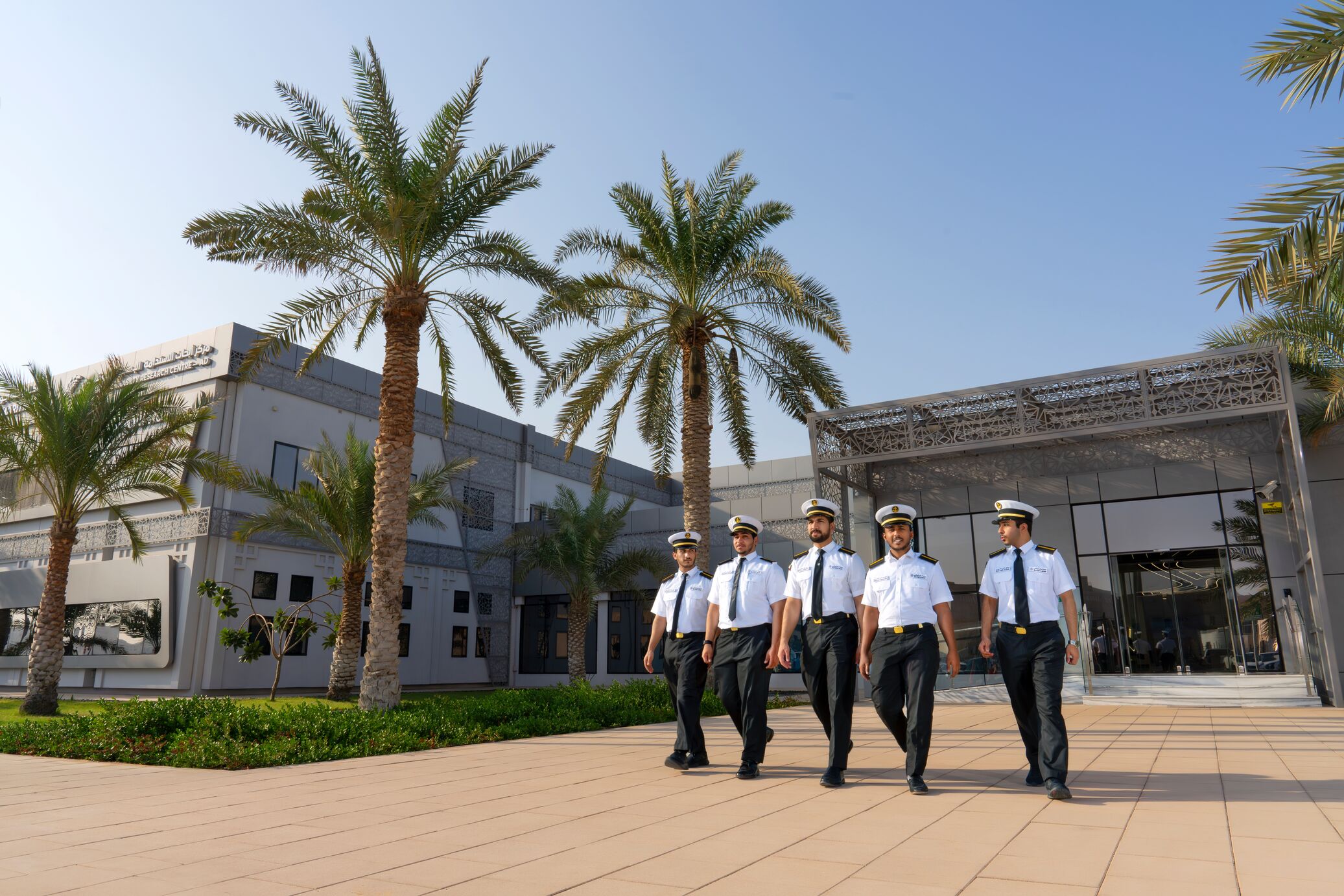
Abu Dhabi, UAE – 1st June 2026: Abu Dhabi Maritime Academy (ADMA), the region’s leading academic institution for maritime training, and an integral part of AD Ports Group (ADX: ADPORTS), has signed a Memorandum of Understanding (MoU) with Bahrain Polytechnic to strengthen cooperation in the areas of education, training, and applied research, and at building high-impact partnerships that contribute to the development of national and regional talent in the maritime, engineering, and technology sectors.
The MoU was signed by Dr. Yasser Al Wahedi, President of Abu Dhabi Maritime Academy; and Professor Ciarán Ó Catháin, CEO of Bahrain Polytechnic, in the presence of senior officials from both entities.
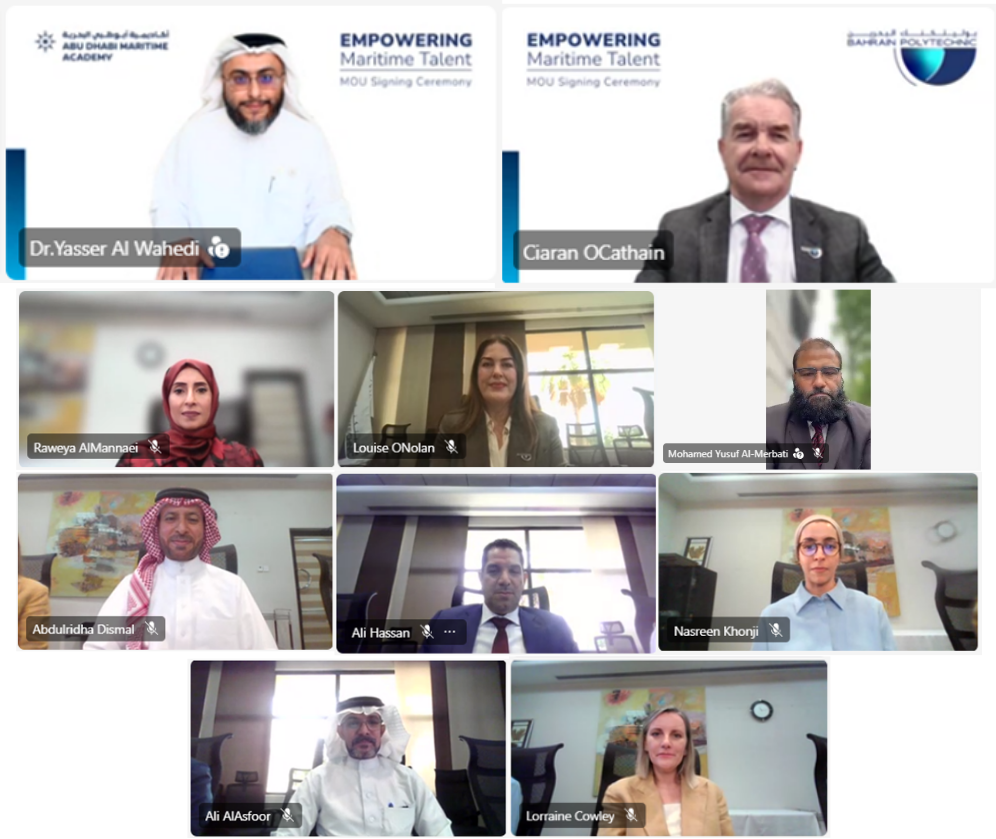
The MoU establishes a framework for collaboration to explore joint opportunities across several areas, including the development and delivery of training programmes and courses of mutual interest, train-the-trainer initiatives, and the organisation of lectures, workshops, events, and conferences. It also includes providing internship and work-placement opportunities (Cadetship) for Bahrain Polytechnic students and graduates.
In addition, the MoU promotes collaboration in applied research projects that contribute to the development of technologies that support the maritime sector, marine engineering, maritime security, and logistics. In addition, the partnership will facilitate the exchange of knowledge and expertise in technical and engineering fields, and the development of advanced training programmes in emerging technologies and applied research, thereby fostering innovation and strengthening the alignment between academic outcomes and the needs of the industrial and maritime sectors.
Dr. Yasser Al Wahedi, President of Abu Dhabi Maritime Academy, said: “This partnership reflects Abu Dhabi Maritime Academy’s commitment to advancing applied education and fostering innovation through regional collaboration. By aligning academic excellence with industry needs, we are enabling the next generation of maritime and technology pioneers.”
Professor Ciarán Ó Catháin, CEO of Bahrain Polytechnic, stated that this partnership represents a strategic step aligned with Bahrain Polytechnic’s Strategic Plan 2026–2029, which focuses on enhancing applied education, expanding regional and international partnerships, and improving student readiness for the labour market through the integration of academic learning with practical experience. He added that the MoU supports the Polytechnic’s direction towards innovation, future skills development, and strengthening its position as a leading applied higher education institution in the region.
The MoU reflects the shared commitment of Abu Dhabi Maritime Academy and Bahrain Polytechnic to expanding regional and international partnerships, enhancing the quality of applied education, and providing students with innovative learning and training opportunities that strengthen their professional readiness and align with the evolving needs of future industries.
1, Jun 2026
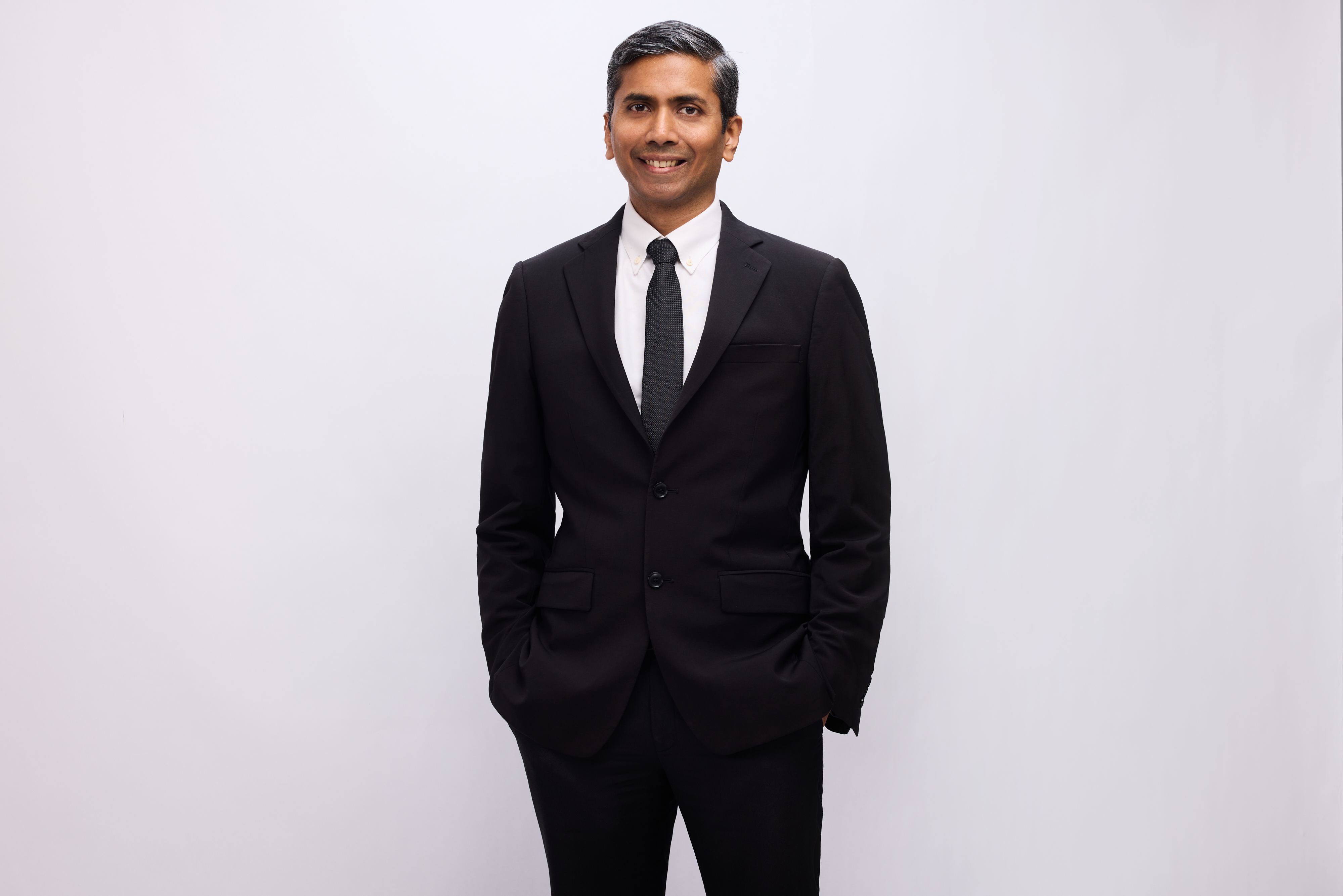
Mahindra Auto clocks 58,021 SUVs and 99,636 total vehicle sales, a robust 20 Percent YoY growth in May 2026
New Delhi, June 01: Mahindra & Mahindra Ltd. one of India’s automotive manufacturers, today announced its auto sales performance for May 2026, reporting total sales of 99,636 vehicles, a 20% year-on-year growth, including exports.
Strong Performance Across Segments
In the Utility Vehicles (UV) segment, the company sold 58,021 units in the domestic market, marking an 11% growth, while total UV sales, including exports, stood at 59,573 units.
The Commercial Vehicles (CV) segment also delivered strong growth, with domestic sales of 24,079 units, reflecting a 19% increase year-on-year.
Segment-Wise Sales Highlights (Domestic – May 2026)
Passenger Vehicles
- Utility Vehicles: 58,021 units (↑11%)
- Cars + Vans: 0 units
- Total Passenger Vehicles: 58,021 units (↑11%)
Commercial Vehicles & 3-Wheelers
- LCV < 2T: 3,490 units (↑35%)
- LCV 2T–3.5T: 20,589 units (↑16%)
- 3-Wheelers (including electric): 12,536 units (↑89%)
Exports Performance
Mahindra & Mahindra exported 5,000 units in May 2026, representing a 37% growth compared to the same period last year.
Management Commentary
Commenting on the performance, Nalinikanth Gollagunta, CEO – Automotive Division, M&M Ltd., said:
“In May, we achieved SUV sales of 58,021 units, a growth of 11% and total vehicle sales stood at 99,636, a 20% YoY growth. The sustained demand across our portfolio continues, constrained by supply chain challenges due to manpower shortages at select suppliers.”
1, Jun 2026
RCB Clinch Back-to-Back IPL Titles, Defeat GT by Five Wickets in IPL 2026 Final
Ahmedabad, June 1 (BNP): Royal Challengers Bengaluru (RCB) continued their dominance in the Indian Premier League (IPL), clinching their second successive title with a convincing five-wicket victory over Gujarat Titans (GT) in the IPL 2026 final at the Narendra Modi Stadium in Ahmedabad on Sunday.
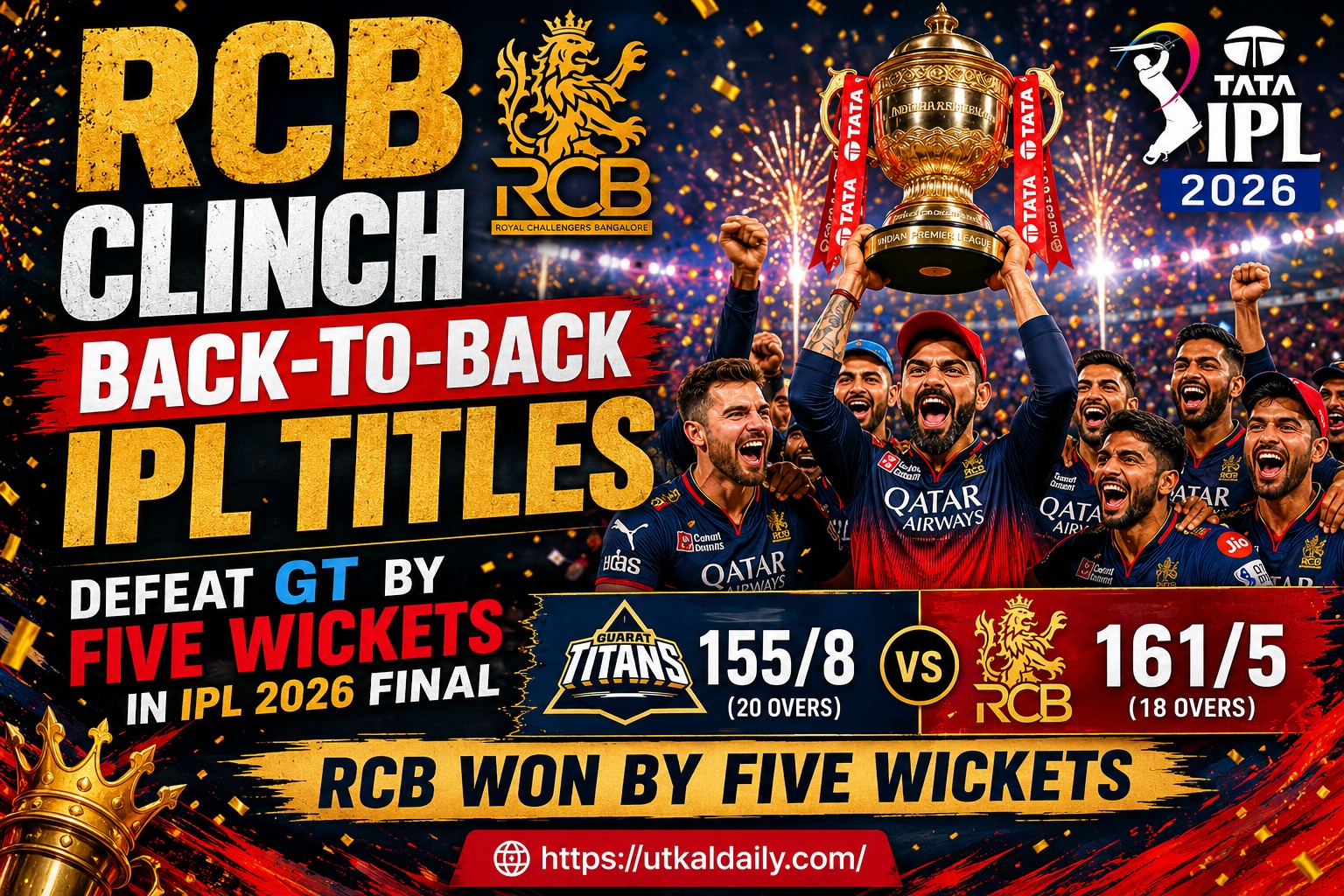
A clinical all-round performance, spearheaded by Virat Kohli’s unbeaten 75 and a disciplined bowling display from the pace unit, helped Bengaluru comfortably chase down a modest target of 156 with two overs to spare.
Opting to bowl first, RCB bowlers delivered under pressure, dismantling Gujarat’s batting lineup and restricting them to 155/8 in 20 overs. Fast bowlers Rasikh Salam, Josh Hazlewood and Bhuvneshwar Kumar struck crucial blows at regular intervals to keep GT under control throughout the innings.
Josh Hazlewood provided the early breakthrough by dismissing Gujarat skipper Shubman Gill for 10, while Bhuvneshwar Kumar removed Sai Sudharsan soon after, denting GT’s hopes in the powerplay. Gujarat struggled to recover as wickets continued to tumble against Bengaluru’s disciplined attack.
Despite the collapse, Washington Sundar stood firm and played a fighting unbeaten knock of 50, helping Gujarat cross the 150-run mark. Nishant Sindhu and Jos Buttler attempted to stabilise the innings but failed to convert their starts into substantial contributions.
Chasing 156, Bengaluru got off to a flying start courtesy of Virat Kohli and Venkatesh Iyer, who stitched together a quickfire 62-run opening stand. Iyer’s aggressive 32 off 16 balls gave RCB early momentum before Mohammed Siraj broke the partnership.
Kohli then took complete control of the chase, anchoring the innings with composure and authority. The veteran batter smashed nine boundaries and three sixes in his unbeaten 42-ball 75, registering his fifth half-century of the season.
Although Gujarat found brief hope through Rashid Khan, who dismissed Rajat Patidar and Krunal Pandya in quick succession, Kohli steadied the innings alongside Tim David and later Jitesh Sharma to guide Bengaluru home.
Kohli fittingly sealed the title with a towering six, sparking celebrations among teammates and thousands of RCB supporters inside the packed Narendra Modi Stadium.
Named Player of the Match, Kohli described the moment as a dream fulfilled and credited the team’s confidence and consistency for the successful title defence.
With the triumph, skipper Rajat Patidar joined an elite list of captains to win consecutive IPL titles, while RCB further cemented their status as one of the tournament’s dominant forces in recent seasons.
Gujarat Titans, meanwhile, ended runners-up for the second time in three IPL finals, with their only title victory coming in their debut season in 2022.


