


11, May 2026
StarAgri strengthens its Board with the appointment of Ms. Upma Goel as Non-Executive, Independent Director
Mumbai, May 11: StarAgri, India’s largest integrated agritech company, has announced the appointment of Ms. Upma Goel as a Non-Executive, Independent Director on its Board. She joins a distinguished Board of industry leaders, including Dr. Bibhuti Bhusan Pattanaik, who serves as Independent Director & Non-Executive Chairperson, and Ms. Mangala Prabhu, Non-Executive Independent Director.
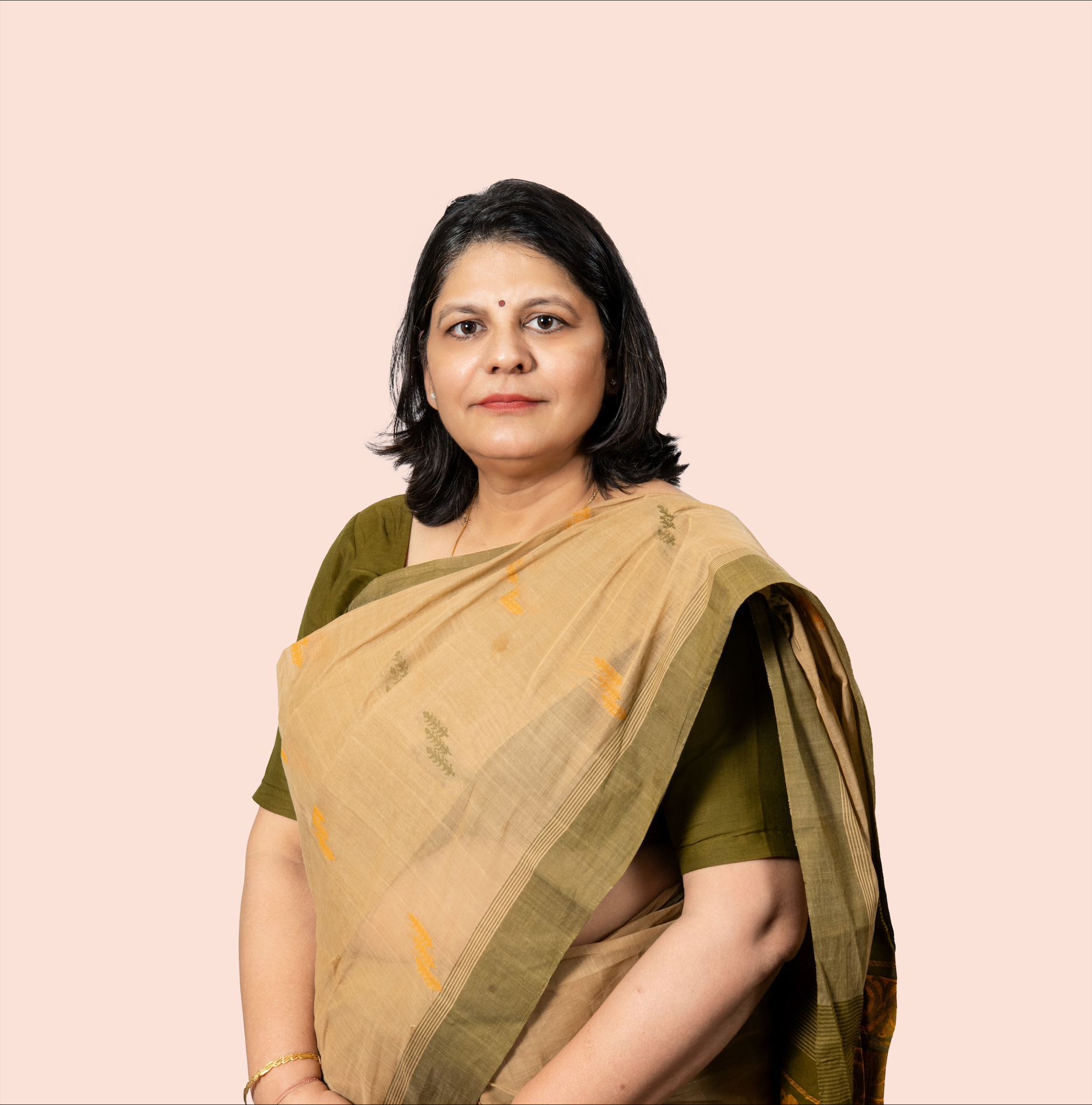
Ms. Goel is a Chartered Accountant and an Indian Institute of Corporate Affairs (IICA) certified Independent Director, with over three decades of extensive experience across banks, NBFCs, and diversified financial institutions. Her areas of expertise include board governance, audit and risk oversight, capital markets, mergers and acquisitions, enterprise risk management, and regulatory compliance. She also brings significant experience in overseeing technology-led transformation initiatives, including finance digitisation, enterprise system integration, and data-driven risk and reporting frameworks. In her capacity as Non-Executive, Independent Director, she will play a strategic part in overseeing StarAgri’s business governance and risk management, while bringing independent judgment to the Board’s decision-making.
Ms. Goel succeeds Mr. Chandrashekar Guruswamy Aiyar, who served StarAgri’s Board as Non-Executive, Independent Director for a decade. His cessation is in accordance with provisions of the Companies Act 2013, which limit an independent director’s tenure to two consecutive five-year terms. The Board thanks Mr. Aiyar for his significant contributions to the organization’s growth during his tenure.
Commenting on her appointment, Amith Agarwal, Co-founder & CEO, said:
“We are pleased to welcome Ms. Goel to the Board. Her deep experience in financial governance, risk oversight, large-scale transformation; and leadership experience with some of India’s most respected brands will add strategic value as StarAgri enters its next phase of growth. Her guidance will strengthen our commitment to robust governance, transparency, and accountability, ensuring that our growth ambitions are matched by discipline and integrity.”
Previously, in her executive career, Ms. Goel has held senior leadership positions at Piramal Enterprises, Ujjivan Small Finance Bank, and L&T Finance Holdings. She has led financial strategy, capital allocation, IPO execution, and M&A transactions, and has been closely involved in post-merger integration, including technology and systems alignment.
Commenting on her new role, Ms. Goel said:
“As the sector plays an increasingly vital role in the nation’s development, I look forward to working with the Board and management to support the Company’s strategic objectives and contribute to strengthening governance and risk management frameworks.”
Ms. Goel currently serves as an Independent Director on the Boards of Religare Finvest, Care Health Insurance, Agriwise FinServ, and FarmersFortune (India), and is also a Director on the Board of Star Agriwarehousing and Collateral Management Limited.

- 0
- By Neel Achary

11, May 2026
Iran Ready for ‘Negotiations With Dignity’, Says President Amid Rising Regional
Tehran, May 11 (BNP): Iran has expressed its willingness to continue diplomatic engagement and negotiations, provided the talks are conducted with “dignity,” mutual respect, and without pressure or threats, according to Iranian media reports.
Iranian President Masoud Pezeshkian stated that Tehran remains open to dialogue and peaceful solutions but will firmly safeguard the country’s national interests and sovereignty. He emphasised that negotiations must be based on fairness, respect, and international principles rather than coercion or unilateral demands.
The remarks come at a time of heightened tensions in the West Asia region and ongoing diplomatic efforts involving the United States and regional mediators to reduce conflict and restore stability. Reports indicate that discussions are continuing through indirect diplomatic channels, with Iran recently responding to a US-backed proposal aimed at easing tensions in the region.
Iranian officials have maintained that while the country prefers diplomacy over confrontation, it will not compromise on its rights, security, or strategic interests during any future negotiations.
11, May 2026
Tanishq Celebrates ‘Many Indias’ at Rivaah Wedding Lounge with Femina Miss India 2026 Winners
New Delhi, May 11 : Tanishq, India’s leading jewellery brand from the House of Tata, hosted the winners of Femina Miss India 2026 at its Rivaah Wedding Lounge in South Extension, New Delhi, bringing to life a shared premise that many Indians expressed through individuality, culture, and craft.
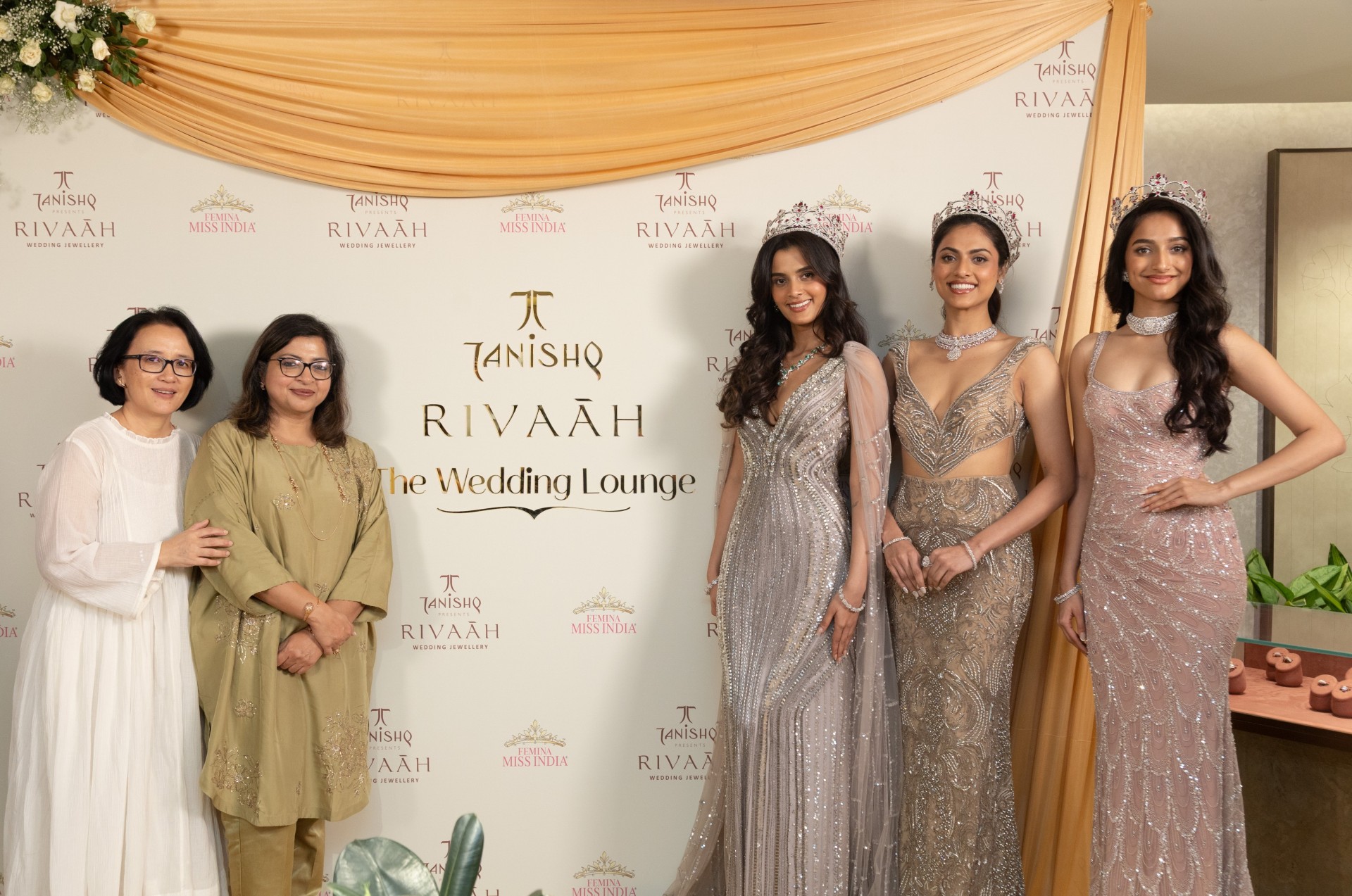
The newly crowned winners of the 61st Femina Miss India, Sadhvi Satish Sail, Femina Miss India World 2026, Rajnandini Pawar, Femina Miss India 2026 1st Runner Up, and Sree Advaita G, Femina Miss India 2026 – 2nd Runner Up, each represent distinct cultural journeys shaped by different regions, languages, and lived experiences. Their coming together reflects how diverse identities converge on a common platform, much like Tanishq’s Rivaah Wedding Lounge, where varied expressions of Indian bridal traditions coexist in one space.
Designed as a first-of-its-kind, fully curated bridal jewellery destination in the country, the Rivaah Wedding Lounge brings together craftsmanship and culture under one roof. From the intricate polki and kundan jewellery of the North and West, to the delicate filigree of the East and temple jewellery of the South, the space reflects the richness and diversity of Indian bridal culture. At its core is the belief that every bride is one of a kind, not just in her personal style, but in the deeply individual way she carries forward the customs, stories, and communities that shape who she is. Catering to over 10 Indian bridal communities, the Lounge enables brides to discover jewellery that is both aesthetically aligned and culturally meaningful.
Conceptualised with the understanding that wedding celebrations begin with family, the Lounge offers a warm, immersive environment shaped by experience and personal expression. For those seeking a more intimate experience, it features exclusive private luxurious lounges that provide privacy along with personalised assistance, allowing families to make meaningful choices together.
At the heart of the Rivaah Wedding Lounge is a thoughtfully crafted design journey that spans every stage of the wedding celebration. Brides can co-create their wedding looks with the support of in-house bridal designers and expert stylists, curating jewellery that complements their outfits and overall aesthetic across wedding functions. From bespoke creations and heirloom transformations to personalised details such as names, motifs, and symbolic elements, every piece is crafted to reflect the bride’s individual story.
For today’s bride, jewellery is not just about ceremony; it’s about storytelling. Every piece becomes an extension of her style, her journey, and the worlds she moves between. That is where Rivaah Wedding Lounge stands apart. By bringing together evolving trends, cultural nuances, and timeless artistry. It creates jewellery that feels both rooted and refreshingly modern. The result is a collection designed for brides who want to honour tradition, while expressing it entirely in their own way. Wedding shopping has evolved beyond convention, creating a need for experiences that feel more personal, contemporary, and reflective of today’s bride. In just eight months since the launch, Rivah Wedding Lounge has been part of over 1,500 bridal celebrations, creating bespoke trousseaus and bringing each bride’s unique vision to life across every occasion.
Speaking on the occasion, Ms. Pelki Tshering, Chief Marketing Officer, Tanishq, said,
“Rivaah is built on the belief that there isn’t one way to be an Indian bride. Weddings today bring together multiple cultures, influences, and identities, and jewellery becomes a powerful medium to express that. Our association with Femina Miss India echoes this philosophy of bringing together varied journeys, backgrounds, and perspectives on a unified platform that celebrates individuality. With Rivaah, we translate this into design and experience, enabling every bride to express who she is, in her own way.”
Sharing her experience, Sadhvi Satish Sail, Miss India World 2026, said,
“Having grown up across cultures and languages, I have always seen identity as layered and evolving. At Rivaah, that idea comes alive, where every jewellery piece feels rooted yet open to interpretation. It allows you to express your own story, not fit into a single idea of a bride.”
Rajnandini Pawar, 1st Runner Up, added,
““My journey has always been about carving my own path, and that is exactly what stood out to me at Rivaah. When I spoke to the designers, I found it incredibly thoughtful that they offer in-house styling and design guidance, making the experience feel truly intentional and personal. It reflects the belief that every bride’s journey is unique and her jewellery should be too.”
Sree Advaita G, 2nd Runner Up, shared,
“With roots across different cultures, I have always seen identity as a blend of influences. What I loved about Rivaah is how its designs bring those worlds together so seamlessly balancing tradition with contemporary sensibilities in a way that feels deeply relevant to today’s bride. It feels like a celebration of everything that makes each of us who we are.”
The engagement concluded with curated interactions and content moments, bringing together two platforms that celebrate India’s diversity in complementary ways, one through people, and the other through design, craft, and bridal expression.
11, May 2026
CEO Business Leadership Awards 2026 Honours Visionary Business Leaders in New Delhi
New Delhi, May 11, 2026: The CEO Business Leadership Awards 2026 by MS Talks concluded successfully on May 9 at The Grand Hotel, Vasant Kunj, New Delhi. The event brought together leading entrepreneurs, CEOs, innovators and industry professionals for an inspiring evening dedicated to celebrating leadership, resilience and business excellence.
On the occasion, Minister Shri Ashish Sood, Minister for Home, Education, Power and Urban Development, Government of Delhi-NCT, said,
“I extend my heartfelt congratulations to all the winners of the CEO Business Leadership Awards 2026, who have demonstrated outstanding achievements, visionary leadership and innovation across the business community. Platforms like these play a significant role in strengthening the collaboration between governance and industry, thereby contributing to India’s economic progress.”
The evening also witnessed the launch of Silent Hijack, a book authored by Indu Tiku Kohli. The launch added a thoughtful literary dimension to the occasion and further enriched the spirit of learning, leadership and inspiration.
A key highlight of the event was a panel discussion on “Beyond Profit: Leadership Responsibility in Sustainability & Nation Building.” The session featured esteemed industry leaders including Simin Askari, Harpreet Datta, H. S. Cheema and Deepak Bharara. The discussion was moderated by Author Sherry, International Public Speaking Coach and Founder & Chairman of MS Talks, who led an engaging conversation on responsible leadership, sustainability and nation-building.
The CEO Business Leadership Awards 2026 recognised individuals and organisations that have demonstrated outstanding performance, strategic vision, innovation and impactful leadership across industries. The platform also encouraged meaningful networking and exchange of ideas among business leaders, founders and professionals.
Speaking about the success of the event, Author Sherry, Founder & Chairman of MS Talks, said,
“The CEO Business Leadership Awards is not just about honouring achievements; it is about recognising the journeys, challenges and determination behind successful leadership. We are grateful for the overwhelming participation and support received from the business community.”
Award Winners – CEO Business Leadership Awards 2026
|
1. Mandeep Arora, Co-founder & CEO, UBON |
17. Ajay Davessar, CEO, Budget ICU; Healthcare Entrepreneur & Strategic Business Leader |
|
2. Jeewan Kumar, Founder & President, Fineworks360 |
18. Deepak Vij, Director, Sane Overseas Private Limited |
|
3. Arvind Kumar, Group CEO, MAK Group of Companies |
19. Rana Vikram Anand, Certified Independent Director & Advisor |
|
4. Avdesh Mishra, Founder & Managing Director, Avdesh Mishra Capital Pvt. Ltd. |
20. CA Vinod Rawal, Founder, V Rawal & Co. Chartered Accountants |
|
5. Yash Narula, CEO, Logistics 247.com India Pvt. Ltd. |
21. Nirmal Kr. R. Pillai, General Manager, Haldiram’s |
|
6. Harjinder Singh Cheema, Founder & Chairman, Cheema Boilers Limited |
22. Indu Tiku Kohli, Holistic Wellness Coach, Author, Pageant Groomer and Artist by Passion |
|
7. Dr. Bhagirath M. Jyotishi, Advocate, Supreme Court of India; Managing Partner, BMJ Law Partners LLP |
23. Harpreet Datta, CEO & Founder, Astralis Solutions; Former Group Head – Talent & Leadership, GMR Group |
|
8. Kunal Bajaj, Promoter, Jupiter Group |
24. Simin Askari, Former CHRO & Head Business Excellence, DS Group |
|
9. Amandeep Singh, Founder, Promotion Connects |
25. Davinder Singh, Deputy General Manager, Indraprastha Gas Limited |
|
10. Elesh Singh Sawhney, Managing Director, Kabeer Clothing Culture |
26. S. Gurvinder Singh, Chartered Accountant & CFA, Mitsubishi Group |
|
11. Dr. Ranjit Kumar, Director, IndiCorp IT Solutions Pvt. Ltd. |
27. Prof. (Dr.) Rajiv Kishore Dubey, CMD (Retd.), Canara Bank; Advocate & Managing Partner, SNS Legal CP, New Delhi |
|
12. Rao Charan Singh Narang, CEO, Rosa Herbalcare |
28. Dr. Sandeep Marwah, AAFT University of Media & Arts; President, ICMEI |
|
13. Prabhjot Singh Malik, Co-Founder & CEO, MSM Group |
29. Harbhajan Singh, Chief Strategy & HR, XLRI Delhi |
|
14. Kirat Singh Sokhi, Founder, The Perfume Theka |
30. Mukesh Aggarwal, Partner, Tirupati Cement Products |
|
15. Dr. Pradeep Rana, Group CFO, OnePlus Mobiles & Director, Pacetel Systems Pvt. Ltd. |
31. Arpit Chadha, Vice Chairman, ITS The Education Group |
|
16. Dr. Ajay Kapoor, Corporate VP – Head Procurement & ESG, HSBC Group |
The evening highlighted inspiring leadership journeys, meaningful business innovations and the growing influence of Indian entrepreneurs on the global stage.
The organisers expressed their heartfelt gratitude to the event sponsors and partners for their valuable support, including Jupiter Laminators, Rosa Herbalcare, Promotion Connects, The Perfume Theka and Fineworks360. The event was also supported by media partners TIO and Divya Punjab News.
The event concluded with the awards presentation ceremony, followed by networking interactions among attendees, reflecting the spirit of collaboration, shared learning and collective growth within India’s business ecosystem.
11, May 2026
Singapore’s Award-Winning Preschool Red SchoolHouse Enters India; Targets 150+ Schools Expansion
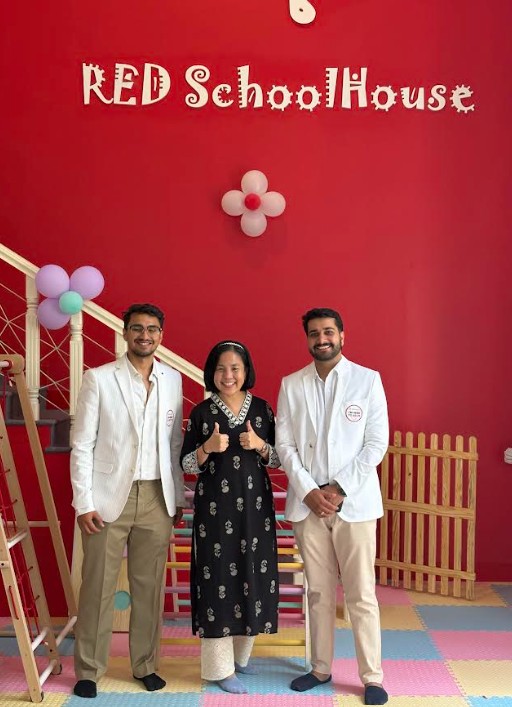
Bengaluru, May 11: Singapore-origin preschool brand Red SchoolHouse (RSH) has officially entered the Indian market with the launch of its first centre in Bengaluru. The brand has partnered with Franchise India as its master franchise partner to drive its expansion across the country. As part of its India growth strategy, Red SchoolHouse is targeting the launch of 150+ schools across India over the next 2–5 years through a franchise-led expansion model.
Founded in 2004, Red SchoolHouse is a multi-award-winning preschool brand from Singapore, known for its globally inspired early childhood education approach and proprietary SPICE™ curriculum focused on Social, Physical, Intellectual, Creative, and Emotional development.
India marks a key strategic market for the brand as demand continues to grow for premium and internationally aligned preschool education among urban families.
“India is an extremely important market for us, given the strong demand for quality early childhood education and globally aligned learning models. Through our partnership with Franchise India, we look forward to building a strong and scalable presence across the country over the coming years,” said Rachel Goh, CEO & Founder, Red SchoolHouse.
The Bengaluru launch marks the beginning of the brand’s larger India expansion plans, with the company actively exploring partnerships and franchise opportunities across major metro and high-growth cities.
“India’s preschool and early learning segment continues to see significant growth, particularly among parents seeking international education standards and holistic learning environments. Red SchoolHouse brings a globally established education model with strong long-term expansion potential for the Indian market,” said Gaurav Marya, Chairperson, Franchise India.
With its India entry, Red SchoolHouse aims to build a premium preschool network focused on globally inspired learning and scalable education-led growth across the country.
11, May 2026
MDI Gurgaon Announces June Executive Programmes for Industry Professionals
Gurugram, India, May 11: Management Development Institute Gurgaon (MDI Gurgaon), one of India’s leading business institutions, has announced its Executive Development Programmes scheduled for June 2026 as part of its annual Management Development Programme calendar. The June cohort brings together a set of short-duration programmes for working professionals across levels, covering areas such as artificial intelligence, analytics, finance, marketing, and managerial capability. The programmes will be delivered at the MDI Gurgaon campus through faculty-led sessions, case discussions and peer learning formats.
Prof. Sumita Rai, Dean-IC, MDI Gurgaon, said, “Executive education today needs to remain closely aligned with the realities of the workplace. Our programmes are structured to reflect this need. Each course is designed with a clear focus on application, so that participants can relate classroom learning to their professional responsibilities. We continue to see interest from professionals across sectors who are looking to strengthen their understanding of core business areas. Through these programmes, we aim to provide a learning environment that is rigorous, relevant and grounded in practice.”
The June schedule includes Advanced Business Analytics focuses on analytical tools and methods used in business decision-making. Participants are introduced to data interpretation, modelling approaches and the use of analytics in solving organisational problems. The programme is relevant for professionals working with data across functions.
Finance for Non-Finance Executives is designed for professionals who do not have a formal finance background. It covers core financial concepts, reading financial statements and understanding cost structures, enabling participants to engage more effectively in financial discussions within their organisations.
Neuroscience in Marketing examines consumer behaviour through insights drawn from neuroscience. The programme provides an understanding of how individuals respond to marketing stimuli and how these responses can inform communication strategies and product positioning.
The June programmes form part of MDI Gurgaon’s wider annual calendar of Management Development Programmes. Throughout the year, the institute offers a broad set of courses across domains such as finance, marketing, human resources, operations and strategy. This year-round schedule reflects MDI Gurgaon’s continued focus on supporting professionals at different stages of their careers through structured executive education.
All programmes are conducted on campus, allowing participants to engage directly with faculty and peers. The format encourages discussion, exchange of perspectives and contextual learning, contributing to a well-rounded academic experience.
11, May 2026
Hong Kong’s Sculptural, Nature Inspired Dining Concept – PARKSIDE@NINA CWB Opens Today
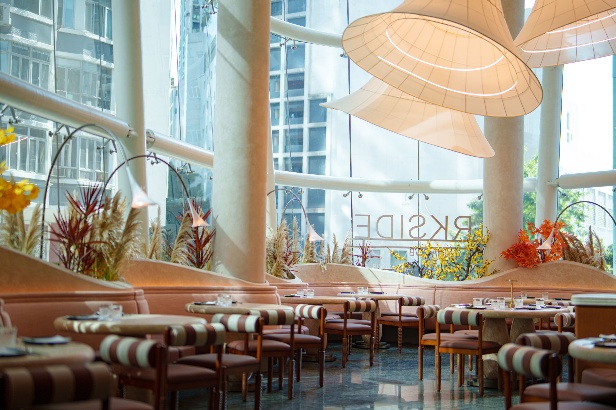
11 May 2026, Hong Kong: PARKSIDE@NINA CWB opens today as the latest chapter in Hong Kong’s nature–inspired dining scene. Designed by award-winning Atelier E – the creative studio behind PARKSIDE@NINA, featured among the 50 Most Beautiful Cafés in the World – the new retreat blends sculptural interiors and botanical elegance with a menu of international favourites and Asian inspirations. A partnership with Nina Hospitality, the restaurant is nestled within Nina Hotel Causeway Bay beside the lush greenery of Victoria Park. PARKSIDE@NINA CWB introduces a fresh expression of PARKSIDE@NINA’s philosophy while expanding its vision of dining rooted in nature across the city.
Spanning more than 3,000 square feet and accommodating over 100 guests, the interiors are defined by dramatic oversized calla‑lily‑inspired lighting installations and inverted flower forms that hover overhead, creating a surreal, dreamlike canopy. A curtain wall floods the space with natural sunlight, while curvilinear seating and planter‑integrated banquettes soften the geometry and encourage intimacy. The interiors reflect the creative pedigree established at PARKSIDE@NINA, while unveiling a bold new statement in Causeway Bay.
PARKSIDE@NINA CWB’s menu highlights a vibrant and indulgent range of dishes that balance beloved Asian classics with refined Western favourites. Appetisers include the delicate Smoked Salmon in Mini Cone (HK$138), crispy golden Korean Fried Chicken (HK$98), robust Garlic Flat Bread (HK$138) and silky Beef Carpaccio (HK$158).
Regional signatures such as the fragrant Hainanese Chicken Rice (HK$228) and aromatic Nasi Goreng (HK$168) are joined by Hong Kong’s beloved specialty – comforting Wonton Noodle Soup (HK$158). These are presented alongside gourmet mains including the succulent PARKSIDE Wagyu Beef Burger (HK$168), tender Grilled Beef Tenderloin (HK$378), juicy Roasted Australian Lamb Rack (HK$348), and buttery King Prawn with Miso Butter (HK$288).
For those dining in groups, the menu features highlighted dishes perfect for sharing, such as Baby Suckling Pig (HK$288) served with cherry tomato, roasted potato and honey mustard, and Black Pepper Braised Beef Short Ribs (HK$238) accompanied by sweet potato fries.
Guests can also savour artisan wood‑fired sourdough pizzas and hand‑crafted pasta dishes, including the umami‑rich Japanese Smoked Tuna with Free Range Egg Pizza (HK$178), aromatic Tiger Prawn Casarecce (HK$188), earthy Morel Mushroom Risotto (HK$178), and crispy Soft Shell Crab Linguine Aglio e Olio (HK$198).
Desserts complete the experience with a selection that is both playful and luscious. Highlights include the airy, delicate Lychee & Hibiscus Pavlova (HK$98), sinful Caramelized Banana (HK$98), and the decadent Wood Fossil Chocolate Cake (HK$88), a signature creation that pays homage to the restaurant’s design inspiration.
From 18 May 2026, PARKSIDE@NINA CWB will open daily from 7 a.m. with breakfast offerings that span wholesome à la carte favourites – such as Avocado Toast, freshly made pancakes, and Greek yogurt bowls – alongside global breakfast set menus from HK$138, featuring comforting Chinese dim sum and wonton noodle soup, hearty American classics, and Japanese breakfast staples.
PARKSIDE@NINA CWB also serves delightful set lunch options: three courses starting from HK$178 per person and four courses from HK$198 per person. These lunch menus feature a variety of starters like Tuna Niçoise Salad, Greek Salad or Caesar Salad with Smoked Salmon, followed by mains such as Cajun Rubbed Roasted Half Chicken, Pan-Fried Sea Bass, or Grilled Prime Beef Sirloin (add HK$65). In the evening, a four-course set dinner is available from HK$428 per person, featuring Salmon Tartare, Cream of Mushroom Soup and main course options such as Grilled Beef Prime Rib Eye (add HK$65) or Saikyo Miso Halibut Fillet. Both lunch and dinner sets include a choice of coffee or tea.
An intimate private dining room for up to 10 people is designed with warm wood finishes and subtle botanical accents that mirror the restaurant’s sculptural interiors. This refined, secluded enclave provides a stylish setting for family gatherings, business dinners, or special occasions.
Anchored by a sleek, sculptural bar framed with warm lighting and botanical accents, the space transforms into a contemporary social hub each evening. Stocked with an extensive international wine selection of more than 20 labels, alongside creative cocktails and refreshing mocktails, the bar adds a convivial dimension to the restaurant.
Signature cocktails blend international spirits with Asian inspirations, from the distinctive Thyme Zone (HK$98), combining smooth whisky and a peach afterglow, and Hong Kong Sling (HK$98) to the aromatic Yuzu Espresso Martini (HK$98) and indulgent Whisky Sour Crème Brûlée (HK$118). Guests seeking lighter options can enjoy inventive mocktails such as Ruby Groove (HK$78) with yuzu and cranberry, or the whimsical Magic Potion (HK$78) with butterfly pea tea and tropical fruit.
A dedicated highball series highlights Baijiu, Soju and Japanese whisky, while a large wine list spans Old and New World labels, encompassing red, white, rosé and sparkling selections. Draught beers, aperitifs, artisan teas and specialty coffees are also offered.
From sunrise breakfasts to late‑night cocktails, PARKSIDE@NINA CWB moves with the rhythm of the city. Each part of the day carries its own energy – mornings begin with fresh starts, afternoons invite power luncheons, relaxed teas and catch‑ups, evenings bring the buzz of happy hour and dinner, and vibrant nights unfold over socialising at the bar.
With its striking interiors, natural sunlight streaming through floor‑to‑ceiling glass, and distinctive wood fossils integrated into the design, PARKSIDE@NINA CWB is poised to become one of the city’s most distinctive lifestyle hotspots. It embodies the spirit of contemporary urban dining, presenting a curated menu of Asian classics and Western favourites in a welcoming setting, complemented by inventive cocktails and an extensive wine list.
PARKSIDE@NINA CWB is located on the first floor of Nina Hotel Causeway Bay at 18 King’s Road, Tin Hau, Hong Kong. It is currently open from 12 noon to 11 p.m. daily, and will extend its operating hours from 7 a.m. to 11 p.m beginning on 18 May 2026, offering an all-day dining experience.
11, May 2026
Himanta Biswa Sarma Elected NDA Leader, Set to Take Oath as Assam Chief Minister on May 12
Guwahati, May 11 (BNP): Senior BJP leader Himanta Biswa Sarma was unanimously elected as the leader of the BJP Legislature Party and the BJP-led National Democratic Alliance (NDA) in Assam on Sunday, paving the way for him to continue as the Chief Minister for a second consecutive term.
Following his election, Sarma met Assam Governor Lakshman Prasad Acharya and formally staked claim to form the new government in the state.
The swearing-in ceremony of the new Council of Ministers is scheduled to be held on May 12 in Guwahati and is expected to witness the presence of Prime Minister Narendra Modi, senior BJP leaders, NDA allies, and several dignitaries.
Sarma’s re-election as NDA leader comes after the alliance secured a strong mandate in the 126-member Assam Assembly. Party leaders and supporters celebrated the announcement, expressing confidence in the continuation of the government’s development agenda in the state.
The BJP leader is expected to continue focusing on infrastructure growth, welfare initiatives, law and order, and economic development during his second term as Chief Minister.
11, May 2026
Nation First, Duty Above Comfort – PM Modi Urges Citizens to Conserve Fuel Amid West Asia Crisis !
New Delhi, May 11 (BNP): Prime Minister Narendra Modi has urged citizens to place “nation first” and adopt responsible practices to minimise the impact of the ongoing West Asia crisis on India’s economy and energy security.
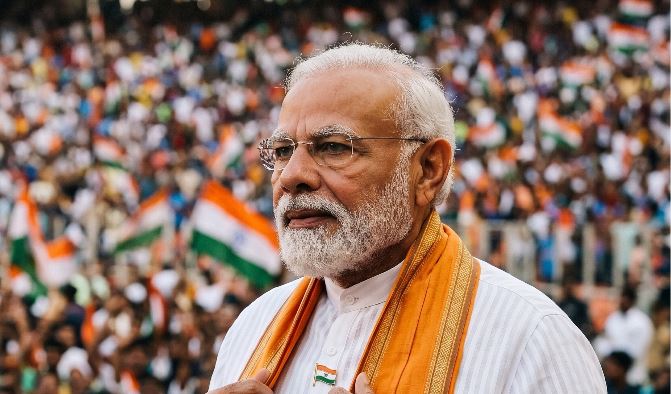
Emphasising that the Centre is making all possible efforts to protect people from the adverse effects of the conflict, the Prime Minister appealed to citizens to use fuel and essential resources judiciously during the challenging period.
Among the key appeals, PM Modi called on people to reduce unnecessary consumption of petrol and diesel, avoid wastage of electricity and fuel, and support measures aimed at maintaining economic stability. He also urged citizens to prioritise national interest over personal comfort and cooperate with the government in managing the situation responsibly.
The Prime Minister highlighted that global tensions in the West Asia region could affect fuel prices, supply chains, and economic conditions worldwide, including India. He assured that the government is continuously monitoring the situation and taking necessary steps to ensure adequate availability of essential commodities and energy supplies.
The appeal comes amid rising international concerns over escalating tensions in the Gulf region and their possible impact on global markets and oil trade.