


8, May 2026
Rising LPG and Tomato Prices Push Up Veg and Non-Veg Thali Costs in April: Crisil Report
May 8 (BNP): A rise in LPG prices along with a sharp increase in tomato rates led to higher costs for both vegetarian and non-vegetarian thalis in April, according to a Crisil report.

The report observed that household food expenses were impacted by costlier cooking gas and seasonal spikes in vegetable prices, particularly tomatoes. These factors together contributed to an increase in the overall cost of preparing a standard home-cooked meal during the month.
Vegetarian thalis saw upward pressure mainly due to higher vegetable prices, with tomatoes playing a key role in driving costs. Non-vegetarian thalis also became more expensive, influenced by increased fuel expenses as well as costlier input ingredients.
Crisil noted that revisions in LPG prices had a direct effect on kitchen budgets across households, adding to the overall inflationary pressure on daily food consumption.
While prices of some other food items remained relatively stable, fluctuations in essential commodities continued to shape monthly spending patterns for consumers.
The report highlights how changes in fuel and food prices together influence household budgets, reflecting the sensitivity of everyday meal costs to broader inflation trends.

- 0
- By Neel Achary

8, May 2026
Optum India and United Way Bengaluru power last-mile healthcare with 45 e-Bikes for PHCs
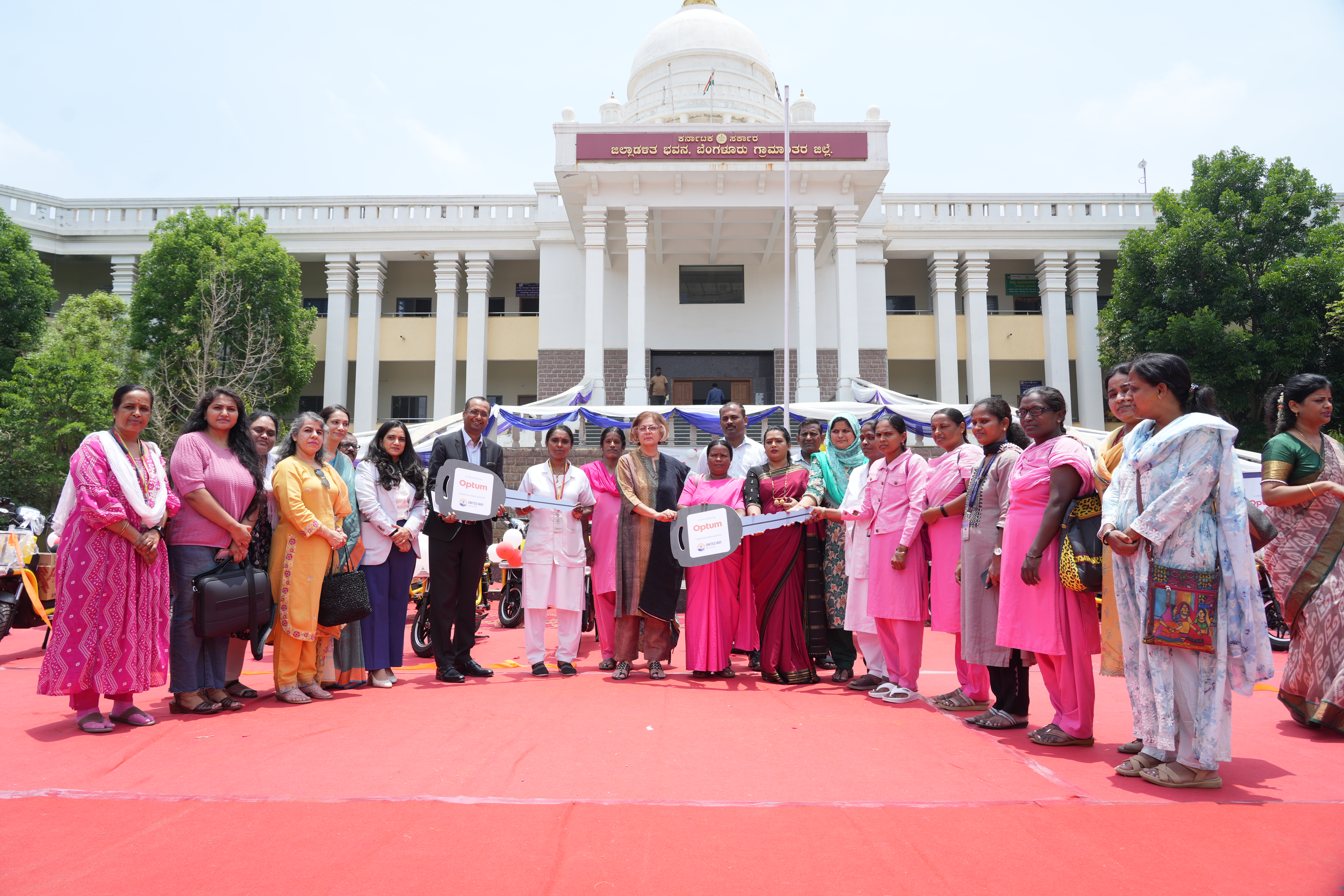
May 08 | Bengaluru: Reinforcing their commitment to strengthening primary healthcare systems, United Way Bengaluru (UWBe), in partnership with Optum India, handed over 45 ebikes to primary health centers (PHCs) at an event held at the Bengaluru Rural Deputy Commissioner’s Office. Designed to enhance last-mile connectivity, these e-bikes will significantly improve the reach, efficiency, and responsiveness of frontline healthcare workers, enabling them to better serve remote and underserved communities across the Bengaluru rural district, such as Hoskote, Doddaballapur, and other areas.
The event was inaugurated by Dr. Vasanthi Amar B V, CEO Bengaluru Rural; Uma Ratnam Krishnan, Managing Director (MD), Optum India, and Rajesh Krishnan, CEO, United Way Bengaluru, along with district officials, representatives from Optum and United Way Bengaluru, PHC staff, and community stakeholders.
“The e-bike program supports the Government of Karnataka’s vision of inclusive healthcare, where strong partnerships with NGOs, corporates, and communities ensure timely, accessible services reach every rural doorstep through innovative e-mobility. By empowering frontline health workers with efficient last-mile connectivity, this initiative not only improves service delivery but also strengthens trust within communities,” – Dr. Vasanthi Amar B V, IAS, CEO, Bengaluru Rural Zilla Panchayat.
“The future of healthcare will be defined by how well we empower those working closest to the community. By investing in mobility at the primary care level, we are enabling a more proactive and responsive system, one that is grounded in the everyday realities of the people it serves. As a force for good in India for India, our partnership with United Way Bengaluru aligns our shared vision to strengthen primary healthcare systems and drive meaningful impact at the grassroots,” said Uma Ratnam Krishnan, Managing Director (MD), Optum India.
“This collaboration signals the start of a purposeful partnership with Optum India, built on a common focus on advancing public health outcomes. It reflects a shared, long-term commitment to strengthening community health systems and supporting models of care that are better equipped to meet local needs,” said Rajesh Krishnan, CEO, United Way Bengaluru.
8, May 2026
Tata Consumer Products Celebrates Mother’s Day with Emotional Campaign ‘The Maa Signature’
Bengaluru, May 08: Tata Consumer Products has unveiled its latest corporate brand campaign for Mother’s Day titled ‘The Maa Signature’, a heartwarming social experiment that celebrates the irreplaceable touch of a mother’s cooking.

The campaign features four employees participating in a blind taste test of dishes prepared by different mothers including their own. Despite identical ingredients and recipes, each participant instinctively identifies the dish cooked by their mother, highlighting the emotional connection and unmistakable “Maa ke haath ka swaad.”
The campaign thoughtfully integrates products from Tata Consumer Products’ extensive portfolio, including Tata Sampann pulses, spices and besan, Tata Salt, Tata Simply Better cold-pressed cooking oils, Organic India ghee and pulses, along with Smith & Jones and Ching’s Secret sauces and seasonings.
Rooted in the universally relatable sentiment of “Maa ke haath ka khaana,” the campaign underscores that while ingredients may remain the same, it is a mother’s intuition, care, and personal touch that make every meal memorable.
Speaking about the campaign, Nidhi Verma said,
“The Maa Signature is rooted in an experience that every Indian carries with them. We wanted to do more than just celebrate mothers this Mother’s Day; we wanted to honour the invisible ingredient that makes their cooking irreplicable their signature ‘Haath ka Swaad.’ As a company whose brands sit in millions of Indian kitchens every day, this campaign is our quiet tribute to the hands that turn our ingredients into memories.”
Shourya Ray Chaudhuri added,
“The experiment format gave us a way to let the insight reveal itself. We did not want to tell the audience what to feel. We wanted to show them something they already knew and let the emotion follow naturally.”
With ‘The Maa Signature’, Tata Consumer Products reinforces its storytelling approach by blending emotional resonance with everyday experiences, paying tribute to mothers whose love transforms simple ingredients into cherished memories.
8, May 2026
India’s Labour Market Sees Major Shift as Manufacturing and Services Expand: SBI Report
May 8 (BNP): India’s workforce is steadily moving away from agriculture as manufacturing and service sectors continue to create more employment opportunities, according to a recent SBI Research report based on the latest PLFS data.
The report noted that agriculture’s share in the country’s workforce has declined significantly over the past few decades, highlighting a gradual structural transformation in India’s economy. While agriculture employed nearly 66 per cent of workers in 1987-88, the figure has fallen to around 43 per cent in 2023-24.
At the same time, sectors such as manufacturing, construction, retail, logistics, and services are gaining momentum and absorbing a larger share of the labour force. The shift reflects India’s growing industrialisation, urbanisation, and changing economic priorities.
According to the report, government initiatives focused on manufacturing growth, infrastructure expansion, and domestic production are supporting the transition. Increased investments, digital adoption, and rising demand across industries are also contributing to new job creation beyond the agricultural sector.
Experts believe the changing employment pattern signals a positive long-term trend for the economy, as workers gradually move towards sectors with higher productivity and income potential. However, agriculture continues to remain an important source of livelihood for millions, especially in rural India.
The report added that continued focus on skill development, industrial growth, and employment generation will be essential to support the evolving workforce and ensure inclusive economic progress in the years ahead.
8, May 2026
UN Urges Countries to Move Beyond GDP as the Sole Measure of Progress
May 8 (BNP): A United Nations expert panel has called on countries to adopt broader ways of measuring national progress, arguing that Gross Domestic Product (GDP) alone does not fully reflect people’s well-being or long-term development.
According to the panel, while GDP remains an important indicator of economic activity, it often overlooks key aspects such as income inequality, environmental sustainability, healthcare, education, and overall quality of life. The UN believes that relying only on economic output can give an incomplete picture of how societies are truly performing.
The recommendation comes at a time when governments around the world are facing growing challenges linked to climate change, social inequality, and economic uncertainty. Experts say these issues require policies that focus not just on growth, but also on improving living standards and ensuring sustainable development.
The panel has proposed a wider framework that includes social, environmental, and economic indicators to help governments better assess the real impact of their policies. Areas such as public health, education, environmental protection, job security, and social welfare are expected to play a larger role in future progress assessments.
UN officials noted that several countries have achieved strong economic growth over the years while continuing to struggle with social and environmental problems. They believe a more balanced approach to measuring development could help policymakers make decisions that benefit both people and the planet.
The push to move beyond GDP reflects a broader global conversation about creating more inclusive and sustainable economies. Experts believe adopting wider measures of progress could help nations focus on long-term resilience and improve the overall well-being of their citizens.
8, May 2026
ICIB & Consulate General of Malaysia Successfully Host Salaam Mumbai—Malaysia Edition
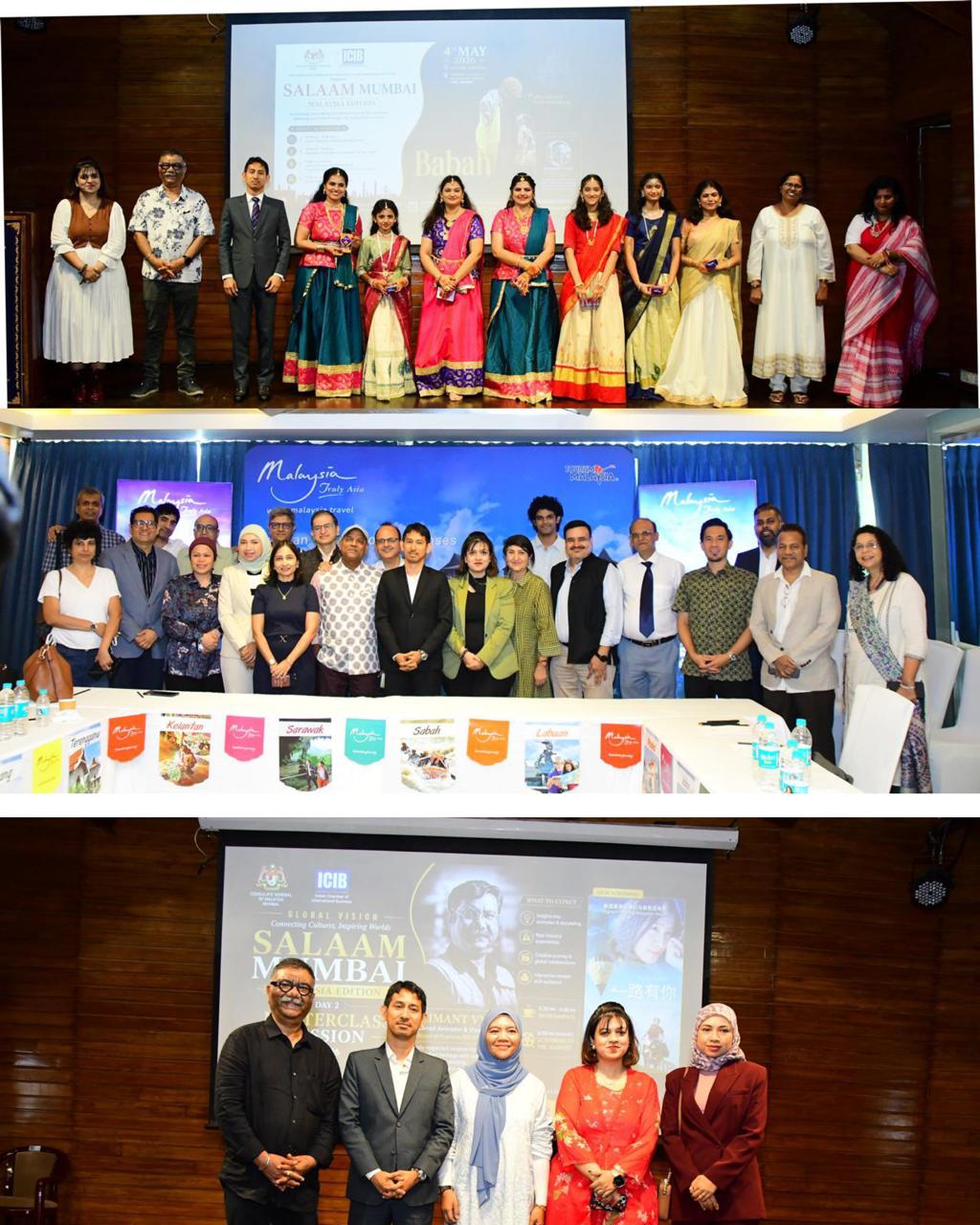
The Indian Chamber of International Business (ICIB), in collaboration with the Consulate General of Malaysia, successfully hosted the three-day cultural and cinematic initiative “Salaam Mumbai – Malaysia Edition” from 4th to 6th May 2026 under its cultural exchange IP, Global Vision.
Global Vision, one of ICIB’s flagship platforms, is designed to foster meaningful collaborations across cinema, culture, tourism, media, education, and creative industries within India and internationally. Complementing this, Cinema Connect continues to focus on strengthening global cinematic partnerships.
Strategically curated by Jayita Strategia, the initiative celebrated the vibrant synergy between India and Malaysia through cinema, culture, and creative exchange.
Hosted at the National Gallery of Modern Art, the festival featured screenings of acclaimed Malaysian films Babah and The Journey, alongside immersive cultural performances that showcased the richness of Malaysian heritage and storytelling.
A key highlight of the event was an engaging masterclass by renowned animator and visual storyteller Dhimant Vyas, who shared insights into his creative journey and the evolution of storytelling through animation and culturally rooted visuals.
The initiative culminated on 6th May with an exclusive B2B interaction, bringing together leading stakeholders from the Indian media and entertainment industry along with senior representatives from Malaysia’s film and creative ecosystem. The session witnessed participation from delegates of the Film in Malaysia Office, tourism representatives, and key members of Malaysia’s production and creative sectors.
H.E. Ahmad Zuwairi Yusoff, Consulate General of Malaysia, highlighted the role of cinema in strengthening cultural diplomacy and enhancing people-to-people connections between India and Malaysia.
Jayita Ghosh, Chairperson – Film & Media Committee, ICIB, and Founder & Managing Director of Jayita Strategia, stated, “Salaam Mumbai – Malaysia Edition introduced Indian audiences to the beauty of Malaysian cinema and culture. Cinema remains one of the strongest forms of soft power, capable of emotionally connecting nations and people.”
Haryanty Abu Bakar, Director of Tourism Malaysia, appreciated the initiative and emphasized the importance of such collaborations in promoting Malaysian culture, tourism, and creative exchange among Indian audiences.
8, May 2026
Neat Appoints Javed Khan as CEO to Lead AI Transformation
SINGAPORE, May 08 - Neat, the pioneering video technology company, today announced the appointment of Javed Khan as Chief Executive Officer (CEO). Khan, a seasoned technology executive with a proven track record in AI-driven transformation, takes the helm as the company gears up for global expansion. The appointment of Khan signals Neat’s commitment to deeper investments in artificial intelligence as the engine for its next wave of innovation. With a career defined by bold leadership, technical mastery, and a product-first mindset, Khan is uniquely positioned to unite sophisticated edge computing with Neat’s simple, elegant user experiences.
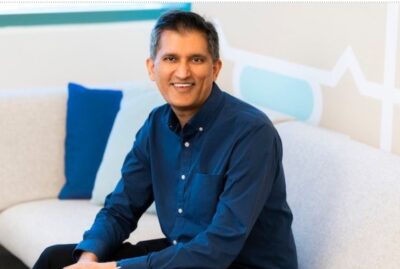
Javed Khan
Khan joins Neat following his tenure at Aptiv, where he served as Executive Vice President of Intelligent Systems, building intelligent edge solutions across automotive, transportation, robotics, aerospace, and defense. Prior to Aptiv, Khan was the Senior Vice President and General Manager of Cisco Collaboration, where he led the turnaround and modernization of the Cisco Webex portfolio across video conferencing, video devices, and contact center solutions during and after the pandemic.
“Javed brings a rare combination of deep technical expertise and proven enterprise leadership,” said OJ Winge, on behalf of the Neat Board. “His experience scaling complex, AI-enabled systems and leading global collaboration platforms positions Neat to build upon its technology leadership and accelerate our long-term growth.”
“Recent advancements in edge computing and large language models are allowing us to embed AI into edge devices running in the conference room. This architectural shift will allow us to unlock entirely new collaboration experiences. I am excited to join Neat as we have the unique opportunity to lead this transition,” said Javed Khan, CEO of Neat. “Neat is a product-centric company that is relentlessly focused on simplicity and intelligence. I’m honored to join the team and energized to be working alongside some of the brightest minds as we define the next generation of collaboration.”
Khan’s arrival comes at a pivotal time as Neat transitions from disruptive challenger to dominant enterprise force, deepening its focus on intelligent edge computing and accelerating toward public market readiness. His long-standing relationships within the industry—including with members of the Neat founding team—promises a seamless leadership transition.
Khan succeeds Janine Pelosi, who led Neat through a period of significant expansion, strengthened the company’s operational foundation, and broadened its product portfolio.
8, May 2026
India-EU FTA Set to Reshape Global Trade and Strengthen Economic Ties
May 8 (BNP): India and the European Union have moved closer to a landmark economic partnership with the conclusion of a wide-ranging Free Trade Agreement (FTA) that officials describe as one of the most comprehensive trade deals ever negotiated.
Speaking at an industry event in New Delhi, senior Commerce Ministry officials highlighted the scale of the agreement, calling it the “Mother of All Deals” because of its global economic reach and strategic importance. The proposed pact connects nearly two billion people and covers close to one-third of global trade, making it a major milestone for both economies.
The agreement is expected to deepen trade ties between India and the EU across goods, services, technology, manufacturing, and investment. Together, the two economies account for nearly one-fourth of global GDP, creating significant opportunities for businesses and consumers on both sides.
Officials noted that the partnership reflects the complementary strengths of the two regions. While Europe offers advanced technology, capital goods, and high-value manufacturing, India brings a rapidly growing consumer market, strong digital capabilities, and expanding industrial capacity.
Trade between India and the EU has already been growing steadily. Bilateral trade in goods and services has crossed major milestones in recent years, with sectors such as petroleum products, telecom equipment, pharmaceuticals, textiles, engineering goods, and digital services playing a key role.
One of the biggest highlights of the agreement is the proposed reduction or elimination of tariffs across a wide range of products. Indian exporters are expected to benefit significantly in sectors including textiles, apparel, leather, gems and jewellery, chemicals, engineering goods, and marine products, where duties in the European market are likely to fall sharply.
European companies, meanwhile, are expected to gain improved access to India’s fast-growing market in areas such as machinery, medical equipment, aviation, chemicals, and advanced technologies.
The agreement also places strong emphasis on services and digital trade. India is expected to receive improved market access in sectors such as IT services, professional services, education, and business consulting. Industry experts believe this could further strengthen India’s position as a global hub for digitally delivered services and Global Capability Centres (GCCs).
Another important aspect of the deal is the easier movement of professionals. The EU has reportedly agreed to a more predictable framework for temporary business visas and professional mobility, a long-standing priority for India.
The agreement additionally addresses emerging global trade concerns, including sustainability regulations and carbon-related trade measures. Both sides are expected to establish dedicated mechanisms for dialogue and dispute resolution to ensure smoother implementation and reduce future trade disruptions.
Officials described the FTA as a forward-looking and flexible framework designed to evolve with changing global economic conditions, technological developments, and regulatory standards.
For India, the agreement represents a major strategic and economic step as the country seeks deeper integration with global markets while expanding export opportunities and attracting investment. Analysts believe the India-EU FTA could reshape trade relations between the two regions and open a new chapter in long-term economic cooperation.
8, May 2026
Microfinance Sector Shows Recovery as Portfolio Rises to Rs 3.31 Lakh Crore
May 8 (BNP): India’s microfinance sector is showing signs of recovery, with the overall portfolio increasing to Rs 3.31 lakh crore in the latest quarter, according to a recent industry report. The sector recorded a 3.2 per cent quarter-on-quarter growth, reflecting improving lending activity and gradual stabilization in borrower demand.
The rebound indicates renewed momentum in the microfinance industry after a period of cautious lending and operational challenges faced by several institutions. Improved collections, stronger rural economic activity, and rising credit demand have contributed to the sector’s steady recovery.
Industry observers say microfinance institutions are becoming more selective in lending while focusing on portfolio quality and customer engagement. The growth also highlights continued demand for small-ticket loans among low-income households and small entrepreneurs, particularly in rural and semi-urban regions.
The report noted that lenders are closely monitoring repayment trends and risk management practices as the sector continues to stabilize. Financial institutions are also increasing efforts to strengthen digital operations and improve credit assessment processes.
Experts believe the recovery in the microfinance portfolio reflects growing economic resilience at the grassroots level, supported by improved income generation and consumption activity across several regions.
While challenges such as inflationary pressure and borrower stress remain areas to watch, the sector is expected to maintain gradual growth momentum in the coming quarters as credit demand improves and financial inclusion efforts expand further.
8, May 2026
Saudi Tourism Gains Global Momentum as Domestic Travel Booms
May 8 (BNP): Saudi Arabia’s tourism sector continues to gain momentum, with the country emerging as one of the fastest-growing travel destinations globally. Fresh insights from the World Travel & Tourism Council (WTTC) highlight the Kingdom’s rising influence in the global tourism industry, supported by a sharp increase in domestic travel and ongoing investments in hospitality and infrastructure.
The sector’s growth reflects Saudi Arabia’s broader vision to diversify its economy and reduce dependence on oil revenues. Over the past few years, the Kingdom has introduced major tourism initiatives, eased travel regulations, and expanded entertainment and cultural offerings to attract both international and local visitors.
Domestic tourism has played a key role in this expansion. More Saudi residents are choosing to explore destinations within the country, boosting demand for hotels, resorts, heritage sites, and leisure experiences. Popular cities and tourism hubs have witnessed higher visitor activity, contributing to stronger spending across the travel and hospitality sectors.
Industry experts believe the WTTC’s recognition reinforces Saudi Arabia’s position as a major emerging tourism market. Large-scale projects, improved connectivity, and investments in world-class attractions are helping the country compete with established global destinations.
The government continues to focus on enhancing visitor experiences through digital transformation, infrastructure upgrades, and new tourism partnerships. Events, cultural festivals, and sports tourism are also contributing to increased footfall and international attention.
With tourism becoming a central pillar of economic development, Saudi Arabia is expected to maintain strong growth momentum in the coming years, supported by rising domestic demand and expanding global interest in the Kingdom’s evolving travel landscape.


