


8, Apr 2026
Global AI Investment Touches $800 Billion; India Emerges as a Key Applications Hub
New Delhi, April 8: Investment in artificial intelligence (AI) has surged to an estimated $800 billion globally, marking a major turning point in how businesses and economies are embracing advanced technologies. What was once seen as a futuristic concept is now becoming a core driver of growth, innovation, and competitiveness across industries.
The sharp rise in funding reflects strong confidence among investors and companies, as AI continues to reshape sectors ranging from healthcare and finance to retail and manufacturing. Large-scale investments are increasingly focused on building robust AI ecosystems, with companies prioritising long-term impact over short-term experimentation.
Amid this global wave, India is steadily emerging as a major hub for AI applications, standing out for its ability to turn technology into practical, real-world solutions. Unlike many markets that focus heavily on developing foundational AI models, India’s strength lies in applying AI to solve everyday challenges.
A growing number of Indian startups and enterprises are leveraging AI to improve efficiency, reduce costs, and enhance customer experiences. From smarter financial services and precision agriculture to digital healthcare and education tools, AI-driven solutions are becoming deeply embedded in the country’s growth story.
Experts believe that India’s advantage comes from its unique combination of a large and skilled talent pool, expanding digital infrastructure, and a rapidly growing user base. These factors are enabling businesses to experiment, scale, and deploy AI solutions at speed.
Another notable trend is the shift in focus from building technology to delivering outcomes. Companies are now prioritising solutions that generate real value—whether by improving productivity, enabling better decision-making, or creating new revenue streams.
As global investment in AI continues to accelerate, India’s role as an applications-driven innovation hub is expected to strengthen further. The country is not just participating in the AI revolution—it is actively shaping how technology is used to solve real problems and improve everyday lives.

- 0
- By Neel Achary

8, Apr 2026
From Metro Hubs to Every Home: India’s Healthcare Transformation
Apr 8: For decades, seeking world-class medical care in India often meant traveling to New Delhi — a journey that was not just expensive, but emotionally and physically draining for millions of families. Today, that reality is steadily changing.
Across the country, from smaller cities to remote regions, quality healthcare is becoming more accessible than ever before. What was once concentrated in a few urban hubs is now spreading into a more connected, nationwide system — bringing hope closer to people’s homes.
At the heart of this transformation are the people who make healthcare possible: doctors.
Over the past decade, India has made a significant push to strengthen its medical workforce. The number of MBBS seats has more than doubled — rising from about 50,000 in 2014 to nearly 1.2 lakh today. Postgraduate seats have also seen a sharp increase, growing from around 30,000 to about 80,000.
Behind these numbers lies a larger story — one of opportunity and preparedness. With more medical colleges opening and more students entering the profession, India is building a stronger pipeline of trained healthcare professionals. This means that patients in smaller towns no longer have to depend solely on distant metro cities for specialized care.
For families, this shift is deeply personal. It means fewer long journeys in times of crisis, quicker access to treatment, and the comfort of being cared for closer to home.
India’s healthcare journey is far from complete, but the direction is clear: a future where quality medical care is not defined by geography, but guaranteed as a right — wherever you live.
8, Apr 2026
RBI Repo Rate 2026: Stability Signals Confidence for Real Estate
The RBI’s decision to keep the repo rate unchanged at 5.25% with a neutral stance has drawn measured optimism from the real estate sector. Industry leaders believe this move ensures stability in borrowing costs, supports buyer sentiment, and enables developers to plan with greater certainty. While global uncertainties and inflationary pressures persist, a steady rate environment provides much-needed confidence for both end-users and investors. From affordable housing to luxury segments and commercial real estate, stakeholders view this policy pause as an opportunity to sustain demand, strengthen fundamentals, and focus on long-term growth strategies across emerging and established markets.
Rajani Kant Mishra, Founder and Chairman, Amrawati Group
The RBI’s decision to keep the repo rate unchanged is a positive signal for the real estate sector, as it ensures stability in borrowing costs and sustains buyer confidence. For a growing market where infrastructure and planned developments are gaining momentum, steady interest rates play a crucial role in maintaining demand. Homebuyers continue to benefit from predictable EMIs, while developers can focus on timely delivery and expansion plans. Although a rate cut could have accelerated growth further, the current stance supports a stable and healthy market environment driven by long-term fundamentals and rising end-user interest.
Mohit Mittal, CEO – MORES
The rate pause reflects the RBI’s caution, but for the real estate sector, monetary policy is only one piece of the puzzle. The bigger issue is affordability across mid and affordable housing segments, which remain squeezed between stagnant wage growth and rising construction costs. The industry should use this period of policy stability to push for streamlined approvals, RERA enforcement, and better infrastructure investment in Tier 2 cities — that’s where India’s next real estate growth story is being written. Interest rates will eventually move; what the sector builds in the interim will determine who leads the next cycle.
Vishal Datt Wadhwa, Founder & CEO- CoWorkZen
Holding rates was the right call. The environment doesn’t allow anything else — oil above a hundred dollars, the rupee under pressure, inflation building in the pipeline from sources monetary policy simply cannot address. For enterprises evaluating workspace decisions — GCC buildouts, regional expansion, flex footprint across IT-ITES corridors — what matters is not the rate itself but the signal. A disciplined central bank that refuses to overreact to a supply shock is one that corporates can plan around. Lease decisions in structured commercial spaces are made on 3–5-year conviction, not monthly rate movements. Today’s policy does nothing to disrupt the conviction.
Prakhar Agrawal, Director, Rama Group
RBI’s decision to maintain the repo rate at 5.25% reflects a balanced and prudent approach amid evolving global uncertainties. This stability in interest rates is a positive for the real estate sector, as it sustains buyer sentiment and keeps home loan EMIs predictable for end-users. In an environment where inflation risks persist and global headwinds remain; a steady rate regime provides developers and homebuyers the confidence to plan long-term investments. We believe this move will continue to support housing demand, particularly in the mid-income and premium segments, while reinforcing overall market stability.
E. Lakshminarayana Reddy, Founder and CEO EARA Group
The RBI’s decision to keep the repo rate unchanged at 5.25% with a neutral stance is a positive signal for the luxury real estate segment. Stable interest rates reinforce confidence among HNIs and NRIs, enabling strategic investment decisions in premium and high-value assets. While this segment is less rate-sensitive, policy stability enhances sentiment and encourages portfolio diversification into luxury residences that offer exclusivity, long-term value appreciation, and an elevated lifestyle across prime micro-markets.
Ravi Kant, CEO & Co-founder, Elegance Enterprises
An unchanged repo rate provides much-needed stability to the real estate industry. It allows developers to plan projects with greater certainty while keeping home loan rates steady for buyers. This balanced approach by the RBI will help maintain momentum in housing sales and overall sector growth
8, Apr 2026
Rensselaer Polytechnic Institute Announces Catalyst Fund Apex Awards Supported by Ajit Prabhu, Co-founder and CEO, Quest Global
Bangalore, Apr 08: Rensselaer Polytechnic Institute (RPI), the oldest technological university in the U.S, has announced the inaugural winners of the Ajit Prabhu ’98 Catalyst Fund Apex Awards. The awards were established through the Catalyst Fund, supported by Ajit Prabhu, Co–founder and CEO, Quest Global, the world’s largest independent pure-play engineering services company, and an alumnus of RPI. The Catalyst Fund, part of the $10 million gift by Ajit Prabhu last year, supports a range of innovation and entrepreneurship activities at RPI, with the Apex Awards representing its highest honors.
The Apex Awards recognize breakthrough student- and faculty-led innovations with strong potential for real-world impact. With a total grant of $75,000, the awards celebrate excellence across key categories and support innovations aimed at addressing complex, real-world challenges.
Ajit Prabhu’s continued association with RPI reflects a long-term commitment to strengthening education and innovation ecosystems globally. Through sustained institutional support, he has backed initiatives that promote research, encourage entrepreneurial thinking, and enable students to translate ideas into scalable solutions. This engagement is part of a broader, ongoing effort to support education globally, rather than a one-time initiative.
This initiative reflects a broader focus on fostering purpose-driven innovation, where engineering excellence is applied to solve real-world challenges and create meaningful impact across communities.
Ajit Prabhu, Co–founder and CEO, Quest Global, said, “RPI opened my eyes to what might be possible, and it’s deeply meaningful to see these honorees carrying forward that same curiosity and drive to tackle real challenges in the world. Whatever success I’ve had is rooted in the mentors, institutions, and communities that supported me along the way. I’m grateful for the chance to give back and encourage the next generation of innovators at RPI.”
“Ajit Prabhu’s enduring relationship with RPI reflects his deep belief in the power of education to shape innovators and problem-solvers for the world. His continued commitment to our students and faculty through initiatives like the Catalyst Fund Apex Awards strengthens RPI’s mission to translate bold ideas into real-world impact”, said Eric Ledet, Director of RPI’s Severino Center for Technological Entrepreneurship.
The Apex Awards span areas such as advanced manufacturing, artificial intelligence, robotics, and life sciences domains that are critical to solving complex challenges across industries. The initiative also reflects a broader approach of combining engineering excellence with community development. By supporting platforms such as the Severino Center for Technological Entrepreneurship at RPI, it contributes to building innovation-driven ecosystems that enable collaboration, experimentation, and purpose-led engineering.
8, Apr 2026
Goa advances AI Mission under Rohan Khaunte as policy draft takes shape
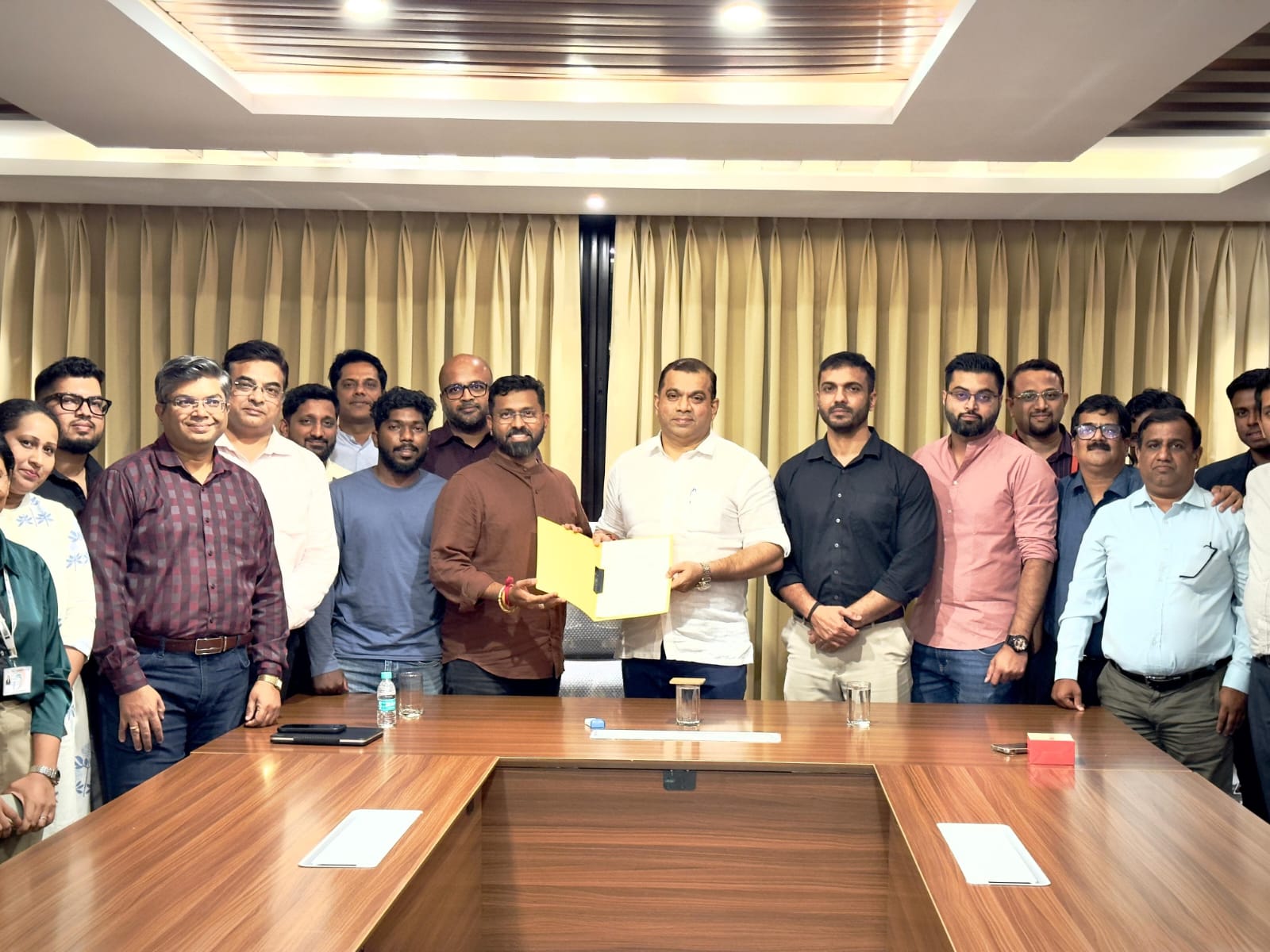
Panaji, Apr 08: Goa is progressing steadily towards finalising its Artificial Intelligence (AI) Policy, with the draft being further refined based on stakeholder consultations. On Tuesday, the Department of Information Technology, Electronics & Communications (DITE&C), along with representatives from the Goa Technology Association (GTA) deliberated on the revised draft during a meeting held at Paryatan Bhavan, Panaji.
8, Apr 2026
HNGIL Appoints Bharathi Mangaiahgari as CHRO to Drive HR Transformation and Growth
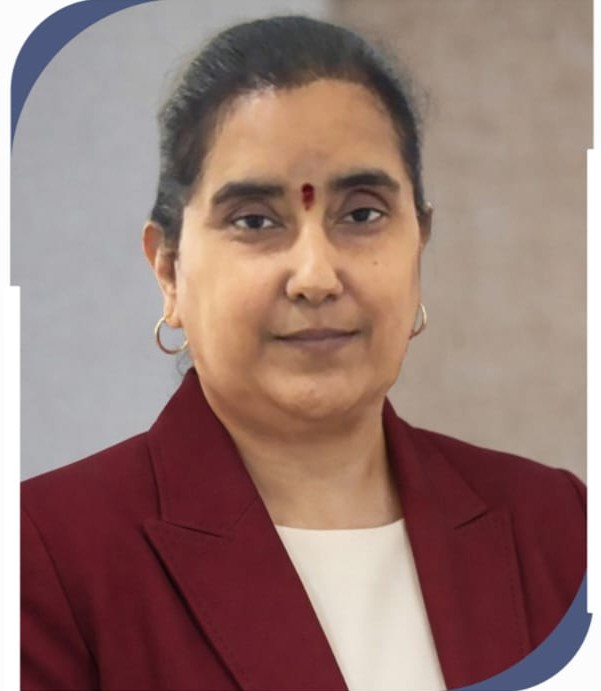
India’s leading container glass manufacturer Hindusthan National Glass & Industries Limited (HNGIL) has brought on Bharathi Mangaiahgari as its Chief Human Resources Officer.
Bharathi, who has spent close to three decades in HR roles, will be working alongside the leadership team on the company’s people strategy and workforce planning. The appointment comes at a point where HNGIL is pushing hard on transformation and operational priorities following a change in ownership last year.
Bharathi’s background cuts across a wide spread of industries. She has done stints in tech, manufacturing, renewables, infrastructure, biotech, pharma, and EPC. She has also worked outside India, in the US, the UK, Israel, and Malaysia. Much of her career has revolved around tying together HR operations across borders, rolling out digital systems, and getting leadership pipelines in order.
She was most recently at Mahathi Infra Services as VP of Human Resources. Before that, she held the CHRO role at Patil Rail Infrastructure, a company with over 8,000 employees and several manufacturing sites. That job had her handling everything from compliance and governance to digitising HR processes from the ground up.
Kumar Krishnan, MD, HNGIL, commenting on the move, said:
“We are delighted to welcome Bharathi to HNGIL at a pivotal time in our journey. Her deep expertise in building high-performance organizations and leading HR transformation across diverse industries will be instrumental as we strengthen our people strategy and accelerate our next phase of growth.”
Bharthi’s hiring is one among a string of marquee appointments since HNGIL’s acquisition by Independent Sugar Corporation Ltd (INSCO), part of the Uganda-based Madhvani–Turner Group. The deal went through the IBC process and closed in September 2025. Kamlesh Madhvani and Shrai Madhvani led the acquisition, backed by funding from Cerberus Capital Management and the International Finance Corporation (IFC).
Under the new owners, HNGIL is seeing a ground-up overhaul. The Madhvani Group has put money into modernising plants, tightening operations, and building out sustainability initiatives. There is also a clear push to grow volumes — both within India and in export markets. Six plants are currently up and running: Rishra, Bahadurgarh, Rishikesh, Neemrana, Naidupeta, and Puducherry.
Founded in 1946, HNGIL was behind India’s first fully automated glass manufacturing plant. Today it has a presence across seven locations in India and serves customers in more than 23 countries.
8, Apr 2026
Abhishek Jain Joins TransBnk as Group Business Head – Government Banking
India, Apr 8: A seasoned banker with experience across leading institutions, including HDFC Bank, IDFC FIRST Bank, IndusInd Bank, and Bandhan Bank, Abhishek Jain has joined TransBnk as Group Business Head for Government Banking. In this role, Abhishek will drive transaction banking solutions across Government, PSU, TASC, and Transit segments. The appointment strengthens TransBnk’s leadership team as the company scles its Government Banking portfolio.
Abhishek brings over 18 years of experience in payments, cash management, and transaction banking, having held senior roles across leading banks and fintechs, including Cashfree. Across his career, he has straddled both product and sales leadership, giving him a rare end-to-end perspective on building and scaling transaction banking businesses.
Most recently, he served as Product Head for Toll & Transit at IDFC FIRST Bank, where he led cash management and transit initiatives for large corporates and government institutions.
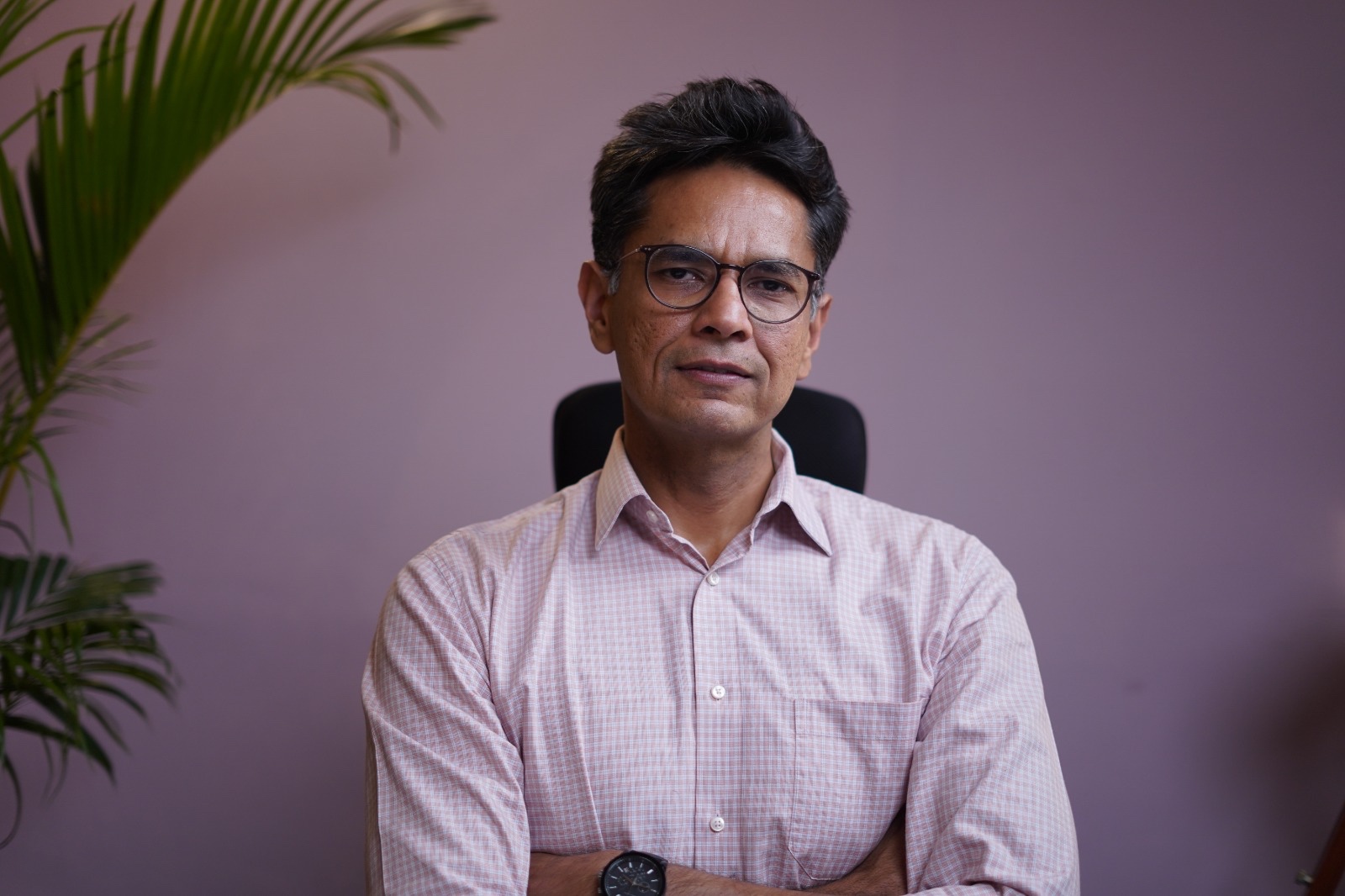
Commenting on his appointment, Abhishek said: “Government business remains the most demanding, but also the most rewarding segment in financial services, and democratizing access to such segments is core to what TransBnk is built for.”
Vaibhav Tambe, Co-founder and CEO of TransBnk, added: “Abhishek brings proven expertise in Government Business and a deep understanding of how State and Central bodies operate across business lines. His leadership will be instrumental as we deepen our presence across Corporate and Government segments.”
TransBnk is building a unified operating system for banks and enterprises, a scalable, innovative infrastructure that bridges traditional banking with emerging fintech ecosystems.
8, Apr 2026
PM Modi to Inaugurate Pachpadra Refinery in Rajasthan, Boosting Jobs and Regional Growth
Rajasthan, Apr 8: Prime Minister Narendra Modi will visit Balotra, Rajasthan, on April 21, 2026, to inaugurate the Pachpadra Refinery, one of the country’s most modern refining facilities.
The refinery is a joint project between HPCL and the Rajasthan government. It can process nine million tonnes of crude oil annually and includes a two-million-tonne petrochemical complex. The project is designed as a Zero Liquid Effluent Discharge plant, ensuring no liquid waste is released during refining.
Chief Minister Shanti Dhariwal said the refinery will boost the region’s economy, create jobs, and improve connectivity between Balotra and Pachpadra. About 7.5 million tonnes of crude will be imported from Arab nations, while 1.5 million tonnes will come from domestic sources.
The refinery was built at an estimated cost of ₹80,000 crore and is expected to support large-scale industrial growth and employment in western Rajasthan.
This visit will be Prime Minister Modi’s second trip to Rajasthan in the past two months, following his February 28 visit to Ajmer, where he launched multiple development projects.
8, Apr 2026
AI‑Enabled Surveillance Now Active at 1,874 Railway Stations to Boost Passenger Safety
New Delhi, Apr 8: In a major step toward enhancing passenger safety across the nation, 1,874 railway stations in India have been equipped with AI‑powered video surveillance systems, officials announced on Wednesday. The upgraded system uses advanced technology to monitor activity in real time and support faster responses to potential threats or emergencies.
The new video cover initiative integrates artificial intelligence (AI) with existing CCTV networks to automatically detect unusual behavior, unattended objects, crowd build‑ups, and other safety risks. By analyzing video feeds intelligently, the system can alert authorities promptly, helping railway staff and security personnel act swiftly to protect passengers and infrastructure.
Railway officials say the AI‑enabled cameras are already starting to make a difference in reducing blind spots and improving overall vigilance at stations. The technology is designed to complement existing security arrangements and support human teams rather than replace them, strengthening the railways’ ability to ensure safe and secure journeys for millions of travellers every day.
In addition to surveillance upgrades, the Railways are also training staff to make the most of the new system — from recognizing alerts to coordinating with local law enforcement when needed. This focus on both technology and training reflects a broader commitment to passenger care and risk management across India’s vast rail network.
Passengers can expect quieter, more comfortable travel experiences as technology plays a bigger role in safeguarding their journeys. The Railway Ministry said it will continue rolling out AI‑based systems to more stations over time, aiming for a smarter, safer, and more secure rail network.
8, Apr 2026
India Achieves Milestone as Prototype Fast Breeder Reactor Reaches Criticality
New Delhi, April 8: India has marked a major advancement in its civil nuclear energy program as the Prototype Fast Breeder Reactor (PFBR) at Kalpakkam, Tamil Nadu, successfully reached first criticality on April 6, 2026. This milestone reflects the country’s growing technological expertise and its ability to develop advanced nuclear reactors indigenously.
The 500-megawatt electrical PFBR, designed and constructed entirely by Indian institutions, is a sodium-cooled fast breeder reactor developed by BHAVINI (Bharatiya Nabhikiya Vidyut Nigam Ltd.) and the Indira Gandhi Centre for Atomic Research (IGCAR) under the Department of Atomic Energy. Attaining criticality means the reactor has achieved a controlled, self-sustaining nuclear chain reaction — a key step toward full power operations and electricity generation.
Prime Minister Narendra Modi congratulated the scientists and engineers, calling it a “defining moment” in India’s nuclear journey. He highlighted that fast breeder reactors like the PFBR not only produce energy efficiently but also generate more nuclear fuel than they consume, setting the stage for utilizing India’s vast thorium reserves in the future.
Unlike conventional reactors that primarily use uranium, fast breeder reactors are designed to extend nuclear fuel resources, making them crucial for long-term energy security. This positions India among a select group of countries with advanced capabilities in fast breeder technology.
The PFBR’s success underscores India’s indigenous engineering and scientific strength and contributes to the nation’s goal of sustainable, low-carbon energy production. As the reactor moves toward commercial operation, it is expected to enhance India’s nuclear capacity and support the growing energy demands of the country.
The achievement at Kalpakkam is a testament to India’s innovation in clean energy and reaffirms the nation’s strategic progress in advancing homegrown nuclear technology.


